25 Otter Facts: Playful Masters of the Water

Otters are some of the most charming animals on Earth. Sleek, whiskered and endlessly curious, they glide through rivers, lakes, mangroves and coastal seas, diving for fish and shellfish before popping up to groom, rest or tumble about in what looks remarkably like play.
There are 13 otter species worldwide, ranging from tiny Asian small-clawed otters to the giant otters of South America. They use tools, keep warm without blubber and help protect whole ecosystems. Here are 25 fascinating facts about otters, including the three species that live in India.
Otter Facts
There are 13 otter species, found on every continent except Australia and Antarctica.
Otters belong to the weasel family, Mustelidae, along with badgers, martens, minks and wolverines. They are its most water-adapted members, though not its only swimmers.
The sea otter has the densest fur of any animal, with an estimated 100,000 to 150,000 or more hairs per square centimetre in places.
Unlike seals and whales, sea otters have no thick layer of blubber. They stay warm by trapping air in their fur, which is why they spend so much time grooming.
Sea otters use stones as tools, floating on their backs and cracking open clams and other shellfish on their chests. Some keep a favourite rock tucked in a loose pouch of skin under the forelimb.
Keeping warm in cold seas takes huge amounts of energy, so a sea otter may eat around a quarter of its body weight in food each day.
Sea otters are a keystone species. By eating sea urchins, they stop urchins from overgrazing kelp, helping underwater kelp forests to thrive.
Resting sea otters often wrap themselves in kelp to avoid drifting, and pairs, especially mothers and pups, are sometimes seen holding paws.
A group of otters resting in the water is called a raft, and baby otters are called pups.
The Giant Otter Is a "River Wolf"
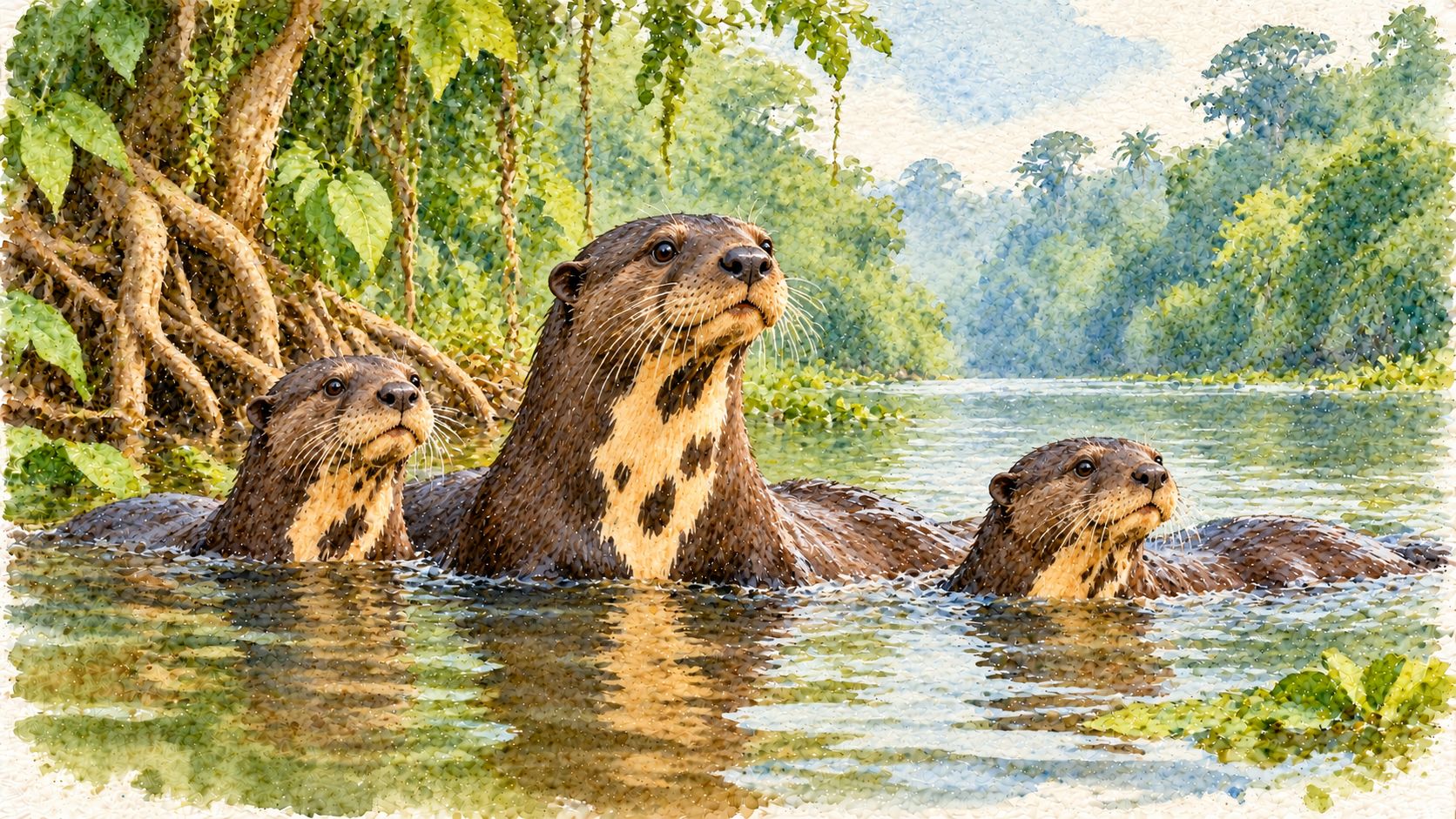
The giant otter of South America is the longest otter in the world, reaching up to about 1.7–1.8 metres from nose to tail tip. Living in rivers and lakes of the Amazon, Orinoco and Pantanal regions, it is highly social, with family groups that fish, rest and defend territories together, which has earned it the nickname "river wolf". Giant otters are also very vocal, using a range of calls including screams, whistles and hums. Hunted heavily for their velvety pelts in the twentieth century, they are now listed as Endangered on the IUCN Red List and remain threatened by habitat loss and pollution.
The smallest otter is the Asian small-clawed otter, which usually weighs less than 5 kg and uses its nimble, partly clawless fingers to feel for crabs and snails.
Otter droppings are called spraint and are used as scent markers. Some naturalists describe fresh Eurasian otter spraint as surprisingly pleasant, with comparisons ranging from jasmine tea to cut grass.
Otters can close their ears and nostrils underwater, and their sensitive whiskers help them detect the movements of prey in murky water.
Most otter dives are short. River otters typically stay under for well under a minute, while sea otters usually dive for a minute or two, occasionally up to around five minutes.
Otters have webbed feet for swimming, and the sea otter's broad hind feet work almost like flippers.
The fur trade nearly wiped out sea otters. By the early 1900s only a small number remained, and an international treaty in 1911 helped protect them.
Otters are famously playful, sliding down muddy or snowy banks. Asian small-clawed otters even "juggle" pebbles, a habit scientists are still trying to explain.
Sea otter pups are born with their eyes open and with fur so buoyant that they bob on the surface like corks until they learn to dive.
In parts of Bangladesh, fishers have long worked with trained smooth-coated otters that drive fish towards their nets, though this tradition is now declining.
India Is Home to Three Otter Species
India has three of the world's 13 otter species. The smooth-coated otter, the largest otter in Asia, lives in rivers, wetlands and mangroves, with notable populations in the Chambal, the Sundarbans and rivers of peninsular India. The Asian small-clawed otter, the world's smallest, is found in hill streams and wetlands of the Western Ghats, the north-east and the Himalayan foothills. The Eurasian otter occurs in Himalayan streams and in parts of the southern hills. All three face threats from pollution, sand mining, dams and illegal wildlife trade, and in 2019 the smooth-coated and small-clawed otters were moved to CITES Appendix I for stronger protection.
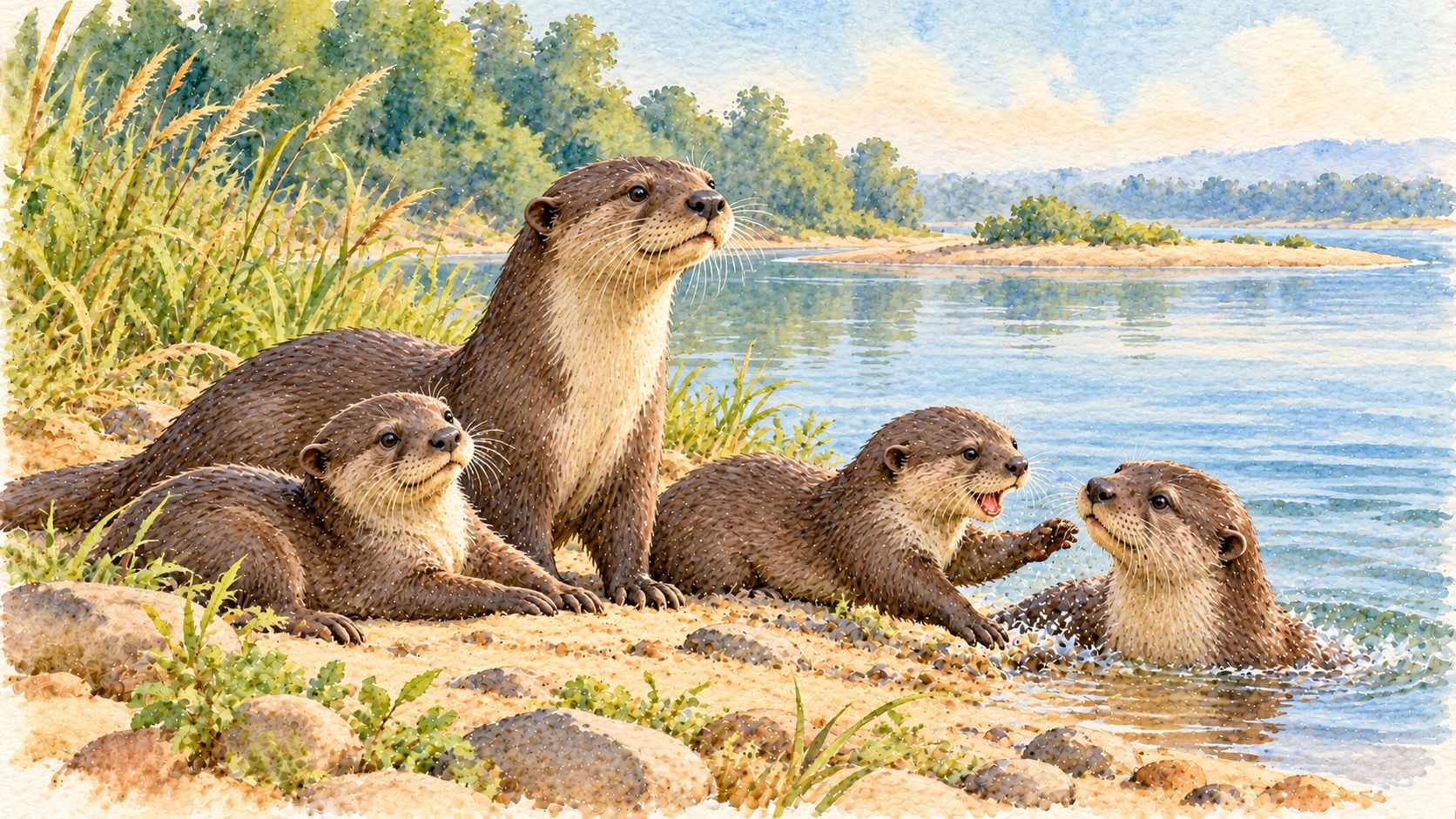
The Eurasian otter is the most widespread otter species, ranging across Europe, much of Asia and parts of North Africa.
Only two otter species regularly live in the sea: the sea otter of the North Pacific and the smaller marine otter of South America's Pacific coast.
Many river otters do not dig their own dens. They often move into burrows, hollows or lodges made by other animals, such as beavers.
An otter's den is called a holt, and an above-ground resting spot is sometimes called a couch.
Most of the world's otter species are listed as threatened or near threatened on the IUCN Red List, with habitat loss, pollution and poaching among the main threats.
Sources and Further Reading
- IUCN Otter Specialist Group
- IUCN Red List
- Wildlife Institute of India
- Zoological Survey of India
- Smithsonian's National Zoo
- Encyclopaedia Britannica
Frequently asked questions
How many species of otter are there?
There are 13 otter species, found on every continent except Australia and Antarctica.
Which otter species live in India?
India has three: the smooth-coated otter, the Eurasian otter and the Asian small-clawed otter.
Do sea otters hold hands?
Resting sea otters sometimes hold paws or wrap themselves in kelp to avoid drifting apart while they sleep.
How long can otters hold their breath?
Most dives last under two minutes, though sea otters can occasionally stay under for around five minutes.
What is otter poo called?
Otter droppings are called spraint, and otters use them to mark their territory.
What is the biggest otter?
The giant otter of South America is the longest, reaching up to about 1.8 metres including its tail.
More Fun Facts