25 Fun Facts
25 Horse Facts: Powerful, Graceful Companions Through History
For thousands of years, horses have carried people, pulled ploughs, raced across battlefields and become loyal companions. Strong, fast and surprisingly sensitive, they've played a huge part in human history.
Here are 25 fascinating facts about horses, from their remarkable senses to India's famous horse breeds and the sport of polo.
Horse Facts
People first domesticated horses around 4,000 to 5,000 years ago, on the grassy steppes of Eurasia.
Horses have the largest eyes of any land mammal.
With eyes on the sides of their heads, horses can see almost all the way around them, with just small blind spots directly in front and behind.
A male horse is called a stallion, a female is a mare and a baby is a foal. Young males are colts and young females are fillies.
An adult horse has around 205 bones, just one fewer than a human.
A newborn foal can usually stand within an hour of birth and run within a few hours.
Horses can doze standing up by locking their leg joints, but they need to lie down to get deep, dreaming sleep.
Horses can only breathe through their noses, not their mouths.
Horses can't vomit, so stomach problems can be very serious for them.
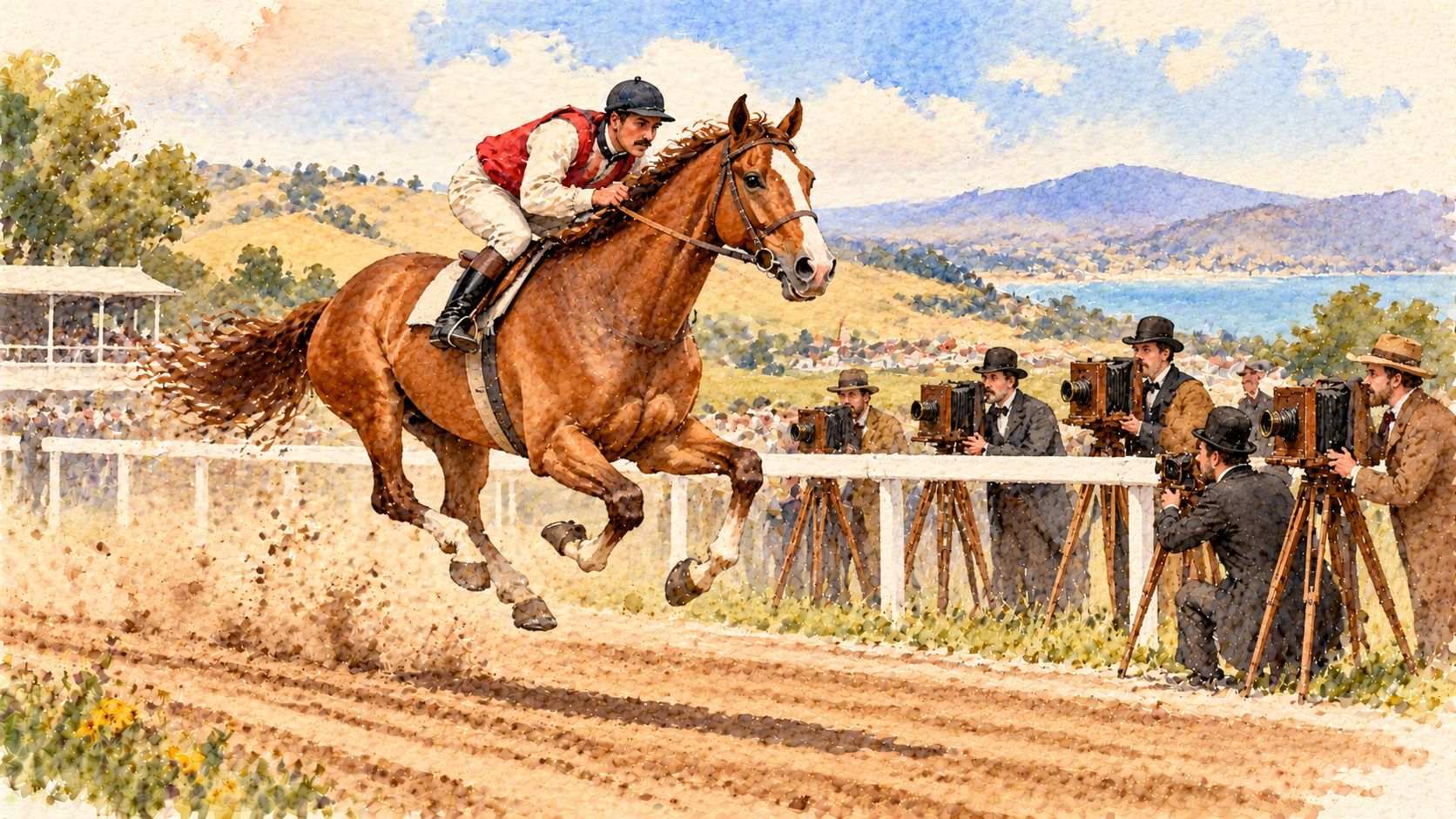
A famous photo proved that horses "fly" when they gallop
In the 1870s, people argued about whether all four of a horse's hooves leave the ground at the same time when it gallops. It all happens far too fast for the human eye to see. In 1878, photographer Eadweard Muybridge set up a row of cameras along a racetrack in California, each triggered as a horse ran past. His sequence of photos proved that, for a split second, a galloping horse is completely off the ground. His work also helped pave the way for the invention of moving pictures.
When a horse curls back its top lip and raises its head, it isn't laughing. It's using a special organ to analyse interesting smells, which is called the flehmen response.
Scientists have identified 17 different facial expressions in horses, more than in chimpanzees or dogs.
Horses can read human facial expressions and react differently to happy and angry faces.
Horses have excellent memories and can remember people and places for many years.
Horses' height is measured in "hands". One hand equals 4 inches, or about 10 centimetres.
There are hundreds of horse breeds around the world, from tiny miniature horses to huge draught horses.
Thoroughbred racehorses can gallop at around 70 kilometres per hour.
A horse's age can be estimated by looking at its teeth, which is where the phrase "long in the tooth" comes from.
The word "horsepower" was invented by engineer James Watt in the 1700s to compare the power of steam engines with the work of horses.
Modern polo was born in Manipur, India
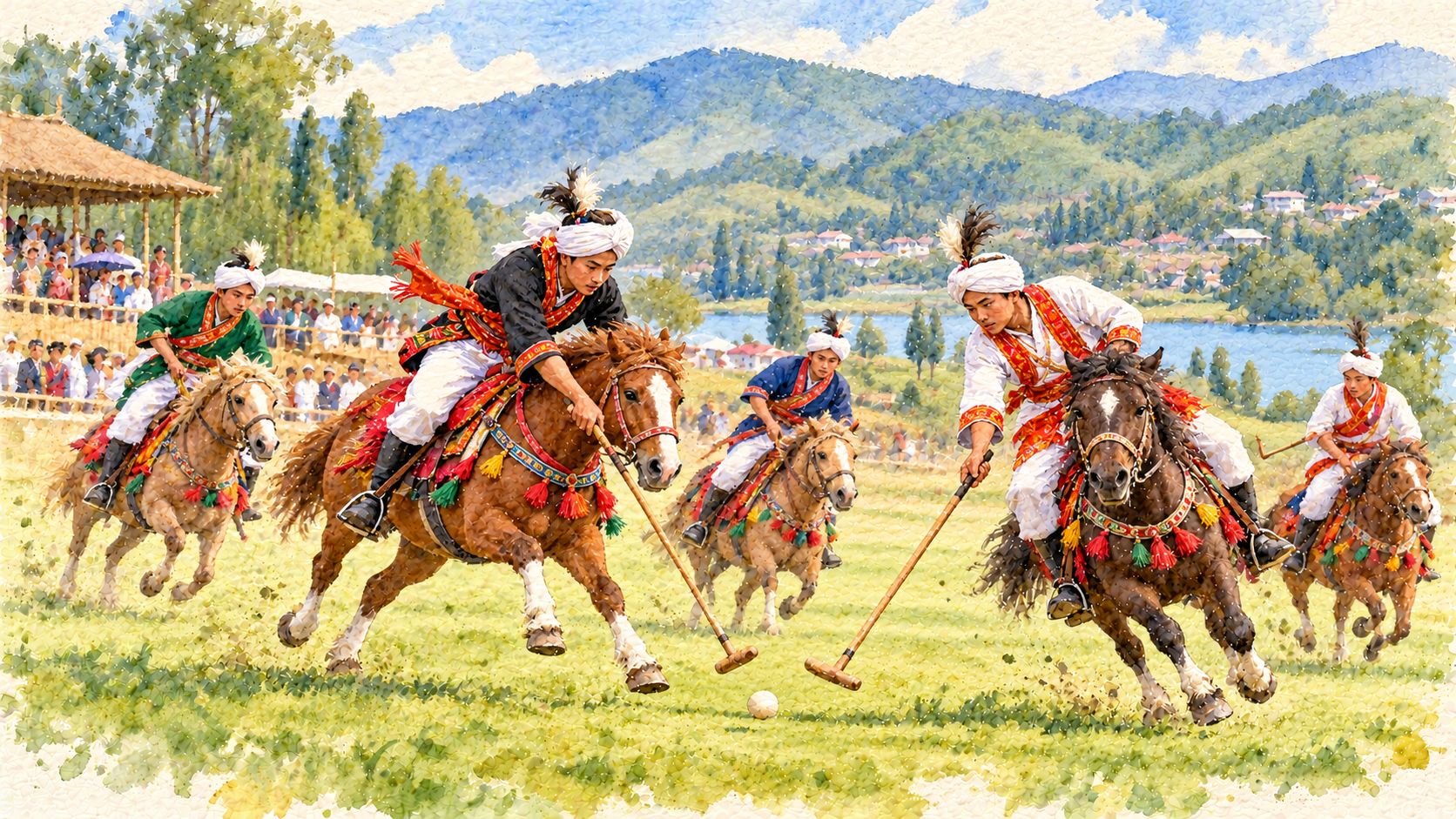
The fast-paced sport of polo, played on horseback with long mallets, has ancient roots in Asia, and its modern form comes from Manipur in northeast India. There, the traditional game of sagol kangjei was played for centuries on small, sturdy Manipuri ponies. In the 1850s, British tea planters and soldiers saw the game, formed the Silchar Polo Club in Assam in 1859 and later spread the sport around the world. The Imphal Polo Ground in Manipur is considered one of the oldest polo grounds in the world.
India's Marwari horse from Rajasthan is famous for its unusual ears, which curve inwards so far that the tips can touch.
The Kathiawari horse of Gujarat has similar curved ears and was prized as a strong war horse.
According to legend, the brave horse Chetak carried Maharana Pratap to safety at the Battle of Haldighati in 1576.
Przewalski's horse of Mongolia died out in the wild in the 1960s but has since been reintroduced from zoo-bred horses.
Most horses live for around 25 to 30 years, and the oldest horse on record, Old Billy, is said to have reached 62.
Sources and Further Reading
- ICAR-National Research Centre on Equines
- Indian Polo Association
- British Horse Society
- University of Sussex
- Encyclopaedia Britannica
- National Geographic
Frequently asked questions
When were horses first domesticated?
Horses were first domesticated around 4,000 to 5,000 years ago on the grassy steppes of Eurasia.
Do horses sleep standing up?
Horses can doze standing up by locking their leg joints, but they need to lie down for deep sleep.
How fast can a horse run?
Thoroughbred racehorses can gallop at around 70 kilometres per hour.
Where did polo originate?
Polo has ancient roots in Asia, and its modern form comes from Manipur in northeast India, where it was called sagol kangjei. British planters spread it worldwide from the 1850s.
What is special about the Marwari horse?
The Marwari horse from Rajasthan is famous for its inward-curving ears, which can touch at the tips.
How long do horses live?
Most horses live for around 25 to 30 years with good care.
More Fun Facts