With its sleek fawn coat, black mask and upright ears that never seem to stop listening, the Belgian Malinois is one of the most capable working dogs on the planet. Pronounced "MAL-in-wah," the breed takes its name from Malines, a city in northern Belgium where it was first developed. Today it is famous for its work alongside police officers, military teams and search-and-rescue crews around the world.
But there is much more to this breed than a job description. The Belgian Malinois is loyal, affectionate with its people and remarkably intelligent, yet it also has an energy level few breeds can match. In this complete Belgian Malinois dog breed guide, you will learn about its size, temperament, training, exercise needs, grooming, health, history and whether it is truly the right dog for your lifestyle.
Belgian Malinois at a Glance
| Trait | Details |
|---|---|
| Breed group | Herding (AKC) |
| Height | About 24 to 26 inches (61 to 66 cm) for males; 22 to 24 inches (56 to 61 cm) for females |
| Weight | About 60 to 80 pounds (27 to 36 kg) for males; 40 to 60 pounds (18 to 27 kg) for females |
| Life expectancy | About 14 to 16 years |
| Coat | Short, straight, weather-resistant double coat |
| Colors | Fawn to rich mahogany with black-tipped hairs and a black mask |
| Shedding | Moderate year-round; heavier seasonally |
| Energy level | High |
| Temperament | Alert, confident, loyal, protective, hardworking |
| Good for | Active, experienced owners with time for daily training |
| Origin | Belgium (1800s) |
What Is a Belgian Malinois?
The Belgian Malinois is a medium-to-large herding dog from Belgium. It is one of four closely related Belgian shepherd types, along with the Belgian Sheepdog (Groenendael), the Belgian Tervuren and the Laekenois. In some countries all four are shown as varieties of one breed, but the American Kennel Club recognizes the Malinois as its own breed in the Herding Group.
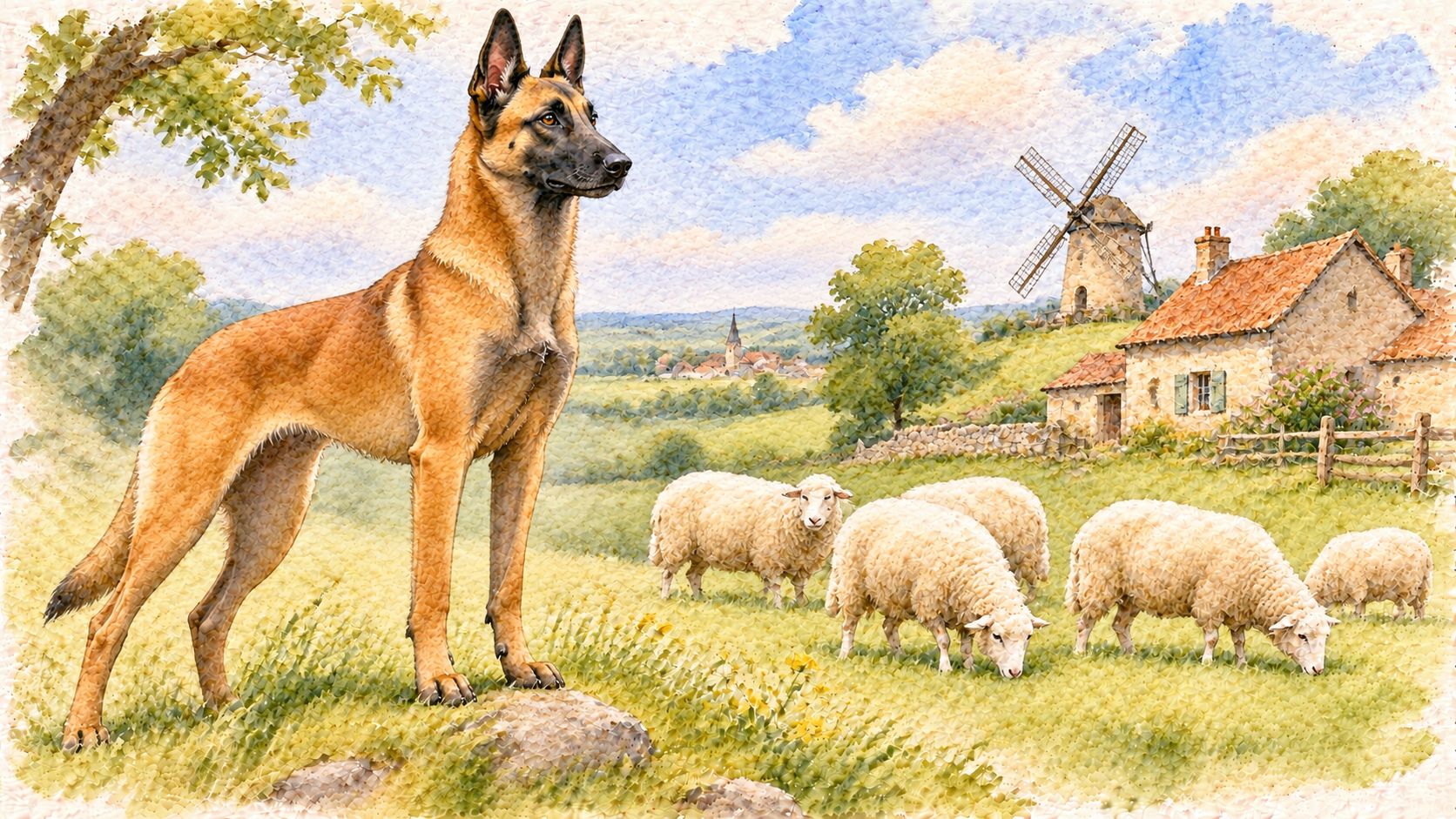
Originally bred to guard and move livestock, the Malinois was valued for its brains, stamina and eagerness to work. Those same qualities later made it a favorite of police and military units. Fans often describe it as a dog that lives to have a job, and that description is hard to argue with.
Belgian Malinois Size and Appearance
How Big Do Belgian Malinois Get?
Adult male Malinois usually stand about 24 to 26 inches (61 to 66 cm) tall at the shoulder, while females are slightly smaller at about 22 to 24 inches (56 to 61 cm). Males typically weigh around 60 to 80 pounds (27 to 36 kg) and females around 40 to 60 pounds (18 to 27 kg).
Despite that size, the Malinois looks lean and athletic rather than bulky. Its body is well muscled and roughly square in outline, built for speed, agility and endurance. The breed moves with a light, smooth, tireless gait that lets it cover ground easily.
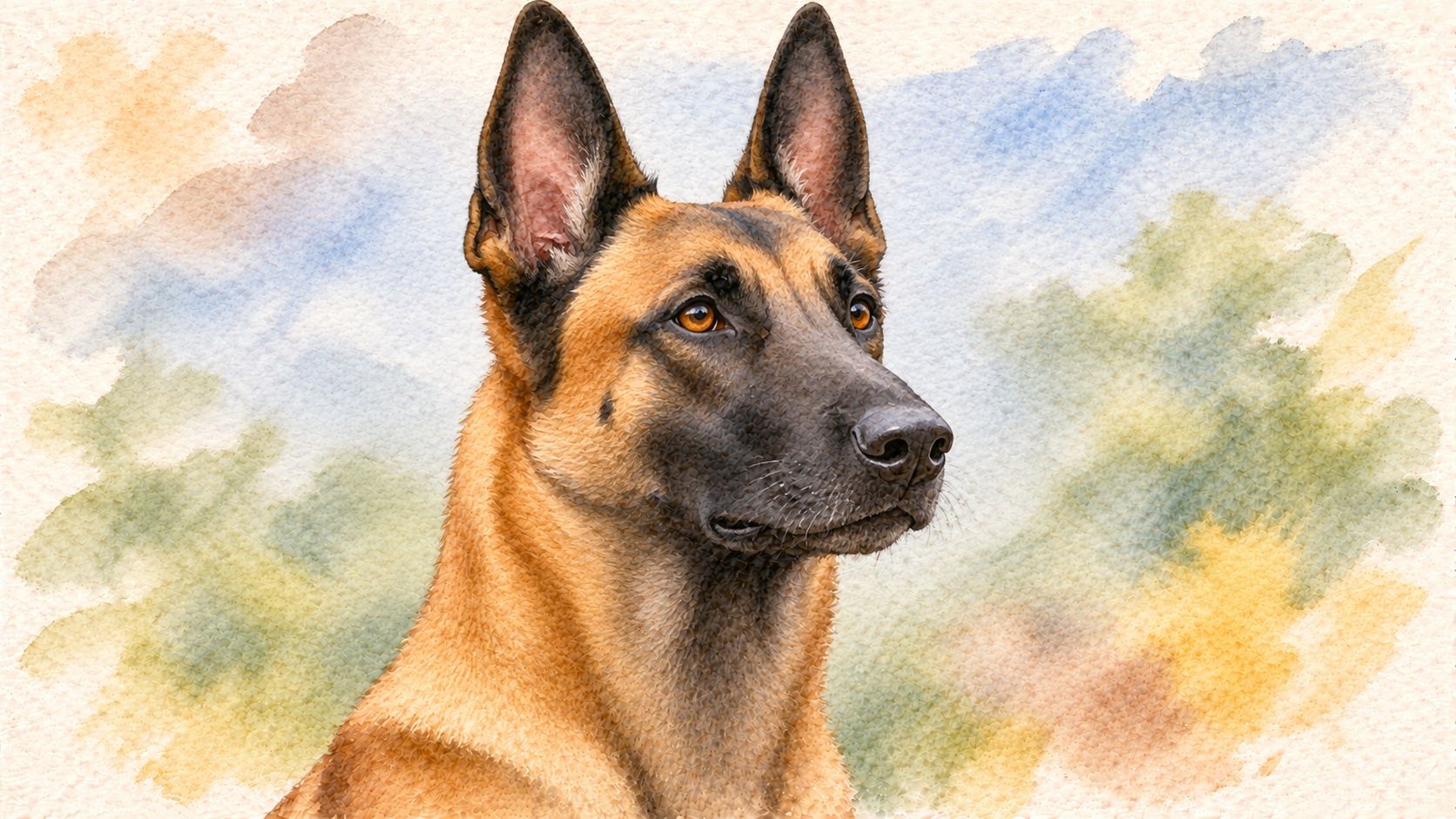
The head is refined and alert, with a moderately long muzzle, dark almond-shaped eyes and stiff, triangular ears that stand straight up. Combined with the signature black mask, this gives the Malinois a sharp, intelligent expression.
Coat and Colors
The breed has a short, straight double coat. The outer coat is fairly hard and weather-resistant, while the undercoat is dense and helps protect the dog from heat and cold. The hair is shortest on the head, ears and lower legs and a little longer around the neck, tail and backs of the thighs.
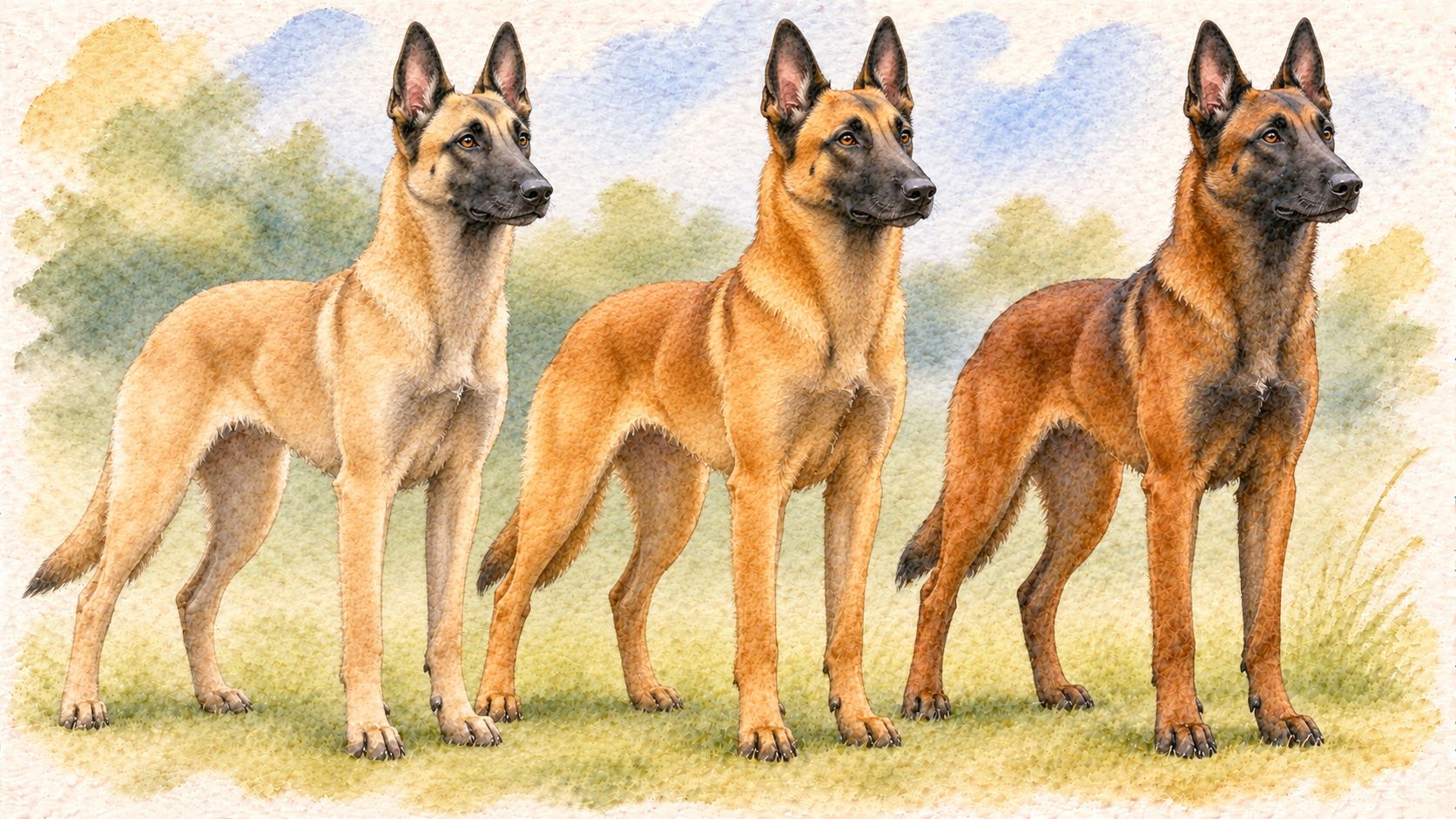
Coat color ranges from fawn to a rich mahogany. Many hairs are tipped with black, which creates a subtle overlay, and the face wears a black mask while the ears are usually black as well.
Belgian Malinois Temperament and Personality
The Belgian Malinois temperament is often summed up in two words: alert and confident. This breed is known for being:
- Intelligent: Malinois learn new skills quickly and enjoy solving problems, which is one reason they excel in demanding jobs.
- Driven: They have a strong desire to work, play and stay busy, often from morning until night.
- Loyal and affectionate: With their own families, Malinois are devoted and loving companions that like to stay close.
- Protective: They are natural watchdogs that keep an eye on their home and people without being overly aggressive by nature.
- Sensitive: Malinois are tuned in to their owners' moods and respond best to calm, fair handling.
Because they are so focused and energetic, a bored Malinois can quickly find its own entertainment. Chewing, digging, pacing or excessive barking are common signs that a Malinois needs more activity and structure.
Are Belgian Malinois Good Family Dogs?
Belgian Malinois can be loving family dogs in active homes with experienced owners who can meet their exercise and training needs. They often bond deeply with every member of the household, but their high energy and intensity mean they are not the right match for every family.
With children, a well-socialized Malinois can be playful and protective. However, its herding instincts may lead it to chase or nip at running kids, so supervision and training are important. The breed tends to do best with older children who understand how to behave around dogs.
Do Belgian Malinois Get Along With Other Pets?
A Malinois raised with other dogs and pets often gets along well with them. Early socialization is key, because the breed's herding and chase instincts can be strong around cats and small animals. Introducing your Belgian Malinois puppy to many people, animals, sounds and places will help it become a confident, well-mannered adult.
Training Your Malinois
Are Belgian Malinois Easy to Train?
Malinois are highly trainable and eager to work with their handlers, but they need an owner who is consistent, confident and patient. Their intelligence is a gift, yet it also means they learn bad habits just as fast as good ones.
Positive reinforcement methods such as praise, play and food rewards work very well with this breed. Many Malinois are especially motivated by a tug toy or ball, which makes play a powerful training tool. Harsh corrections can damage the trust this sensitive breed needs.
Here are a few training tips for Malinois owners:
- Start on day one. Begin socialization and basic manners as soon as your puppy comes home.
- Train every day. Short daily sessions keep your Malinois mentally engaged and reinforce good habits.
- Teach impulse control. Cues like "wait," "leave it" and "settle" help a high-drive dog learn to relax.
- Channel the drive. Give your dog appropriate outlets, such as fetch, tug and scent games.
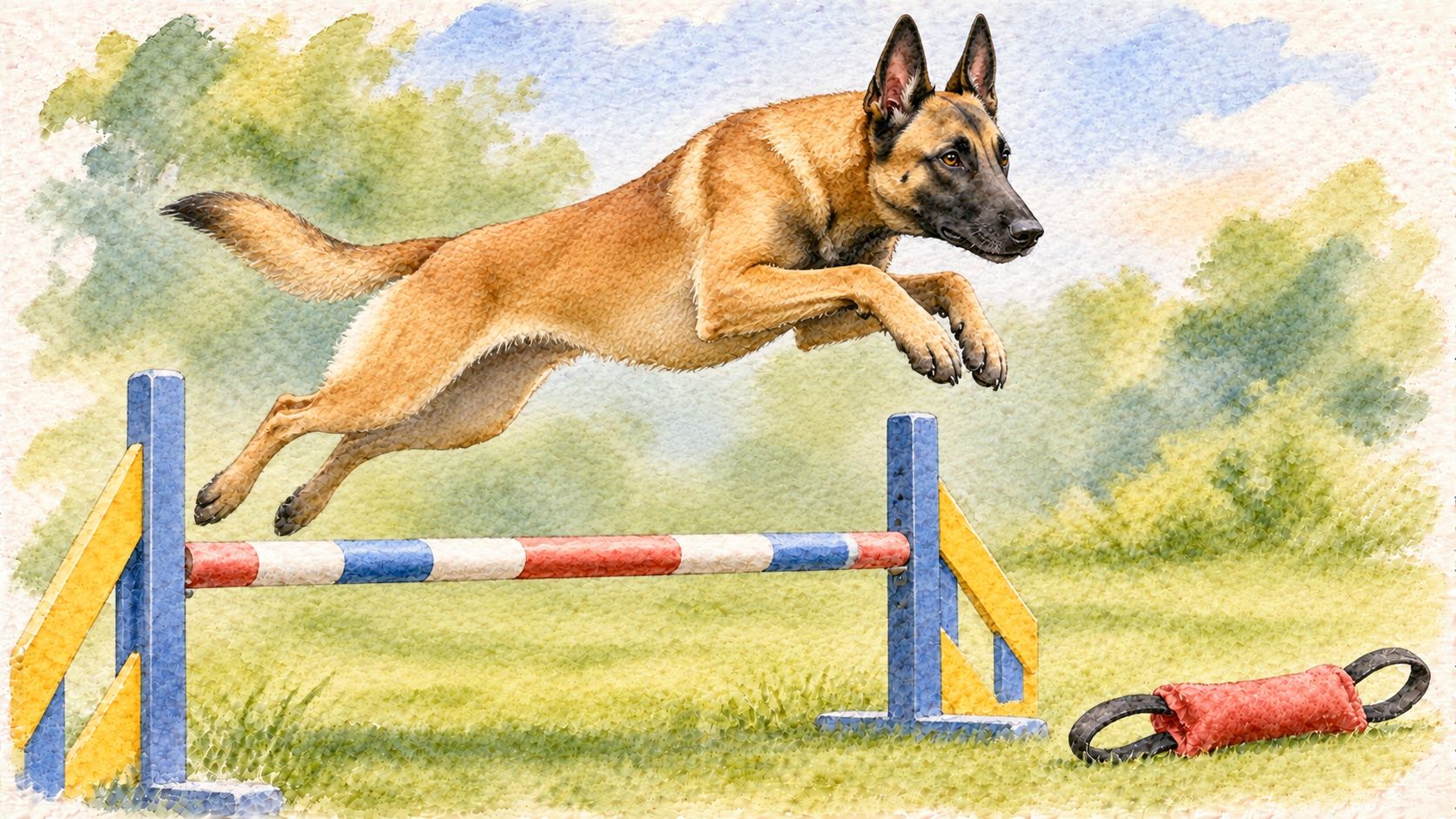
- Try dog sports. Malinois shine in agility, obedience, tracking, herding, dock diving and other canine sports.
Many first-time owners benefit from working with an experienced trainer, ideally one familiar with high-energy working breeds.
Belgian Malinois Exercise Needs
The Malinois has a very high energy level and needs plenty of physical and mental exercise every day. A short walk around the block is not nearly enough for this athletic breed.
Most adult Malinois do well with at least an hour or two of vigorous activity daily, along with training and brain games. Running, hiking, long games of fetch and structured sports are all great options. Puzzle toys, scent work and learning new tricks help tire out the mind as well as the body.
A securely fenced yard is helpful, but it does not replace time spent exercising and training with you. This breed is happiest when it is working alongside its people, so plan activities you can enjoy together. Puppies should have gentler, shorter exercise sessions while their bones and joints are still growing.
Belgian Malinois Grooming
Do Belgian Malinois Shed?
Yes, Malinois shed moderately throughout the year and more heavily during seasonal coat changes, usually in spring and fall. During these periods, you will likely notice more loose hair around the house.
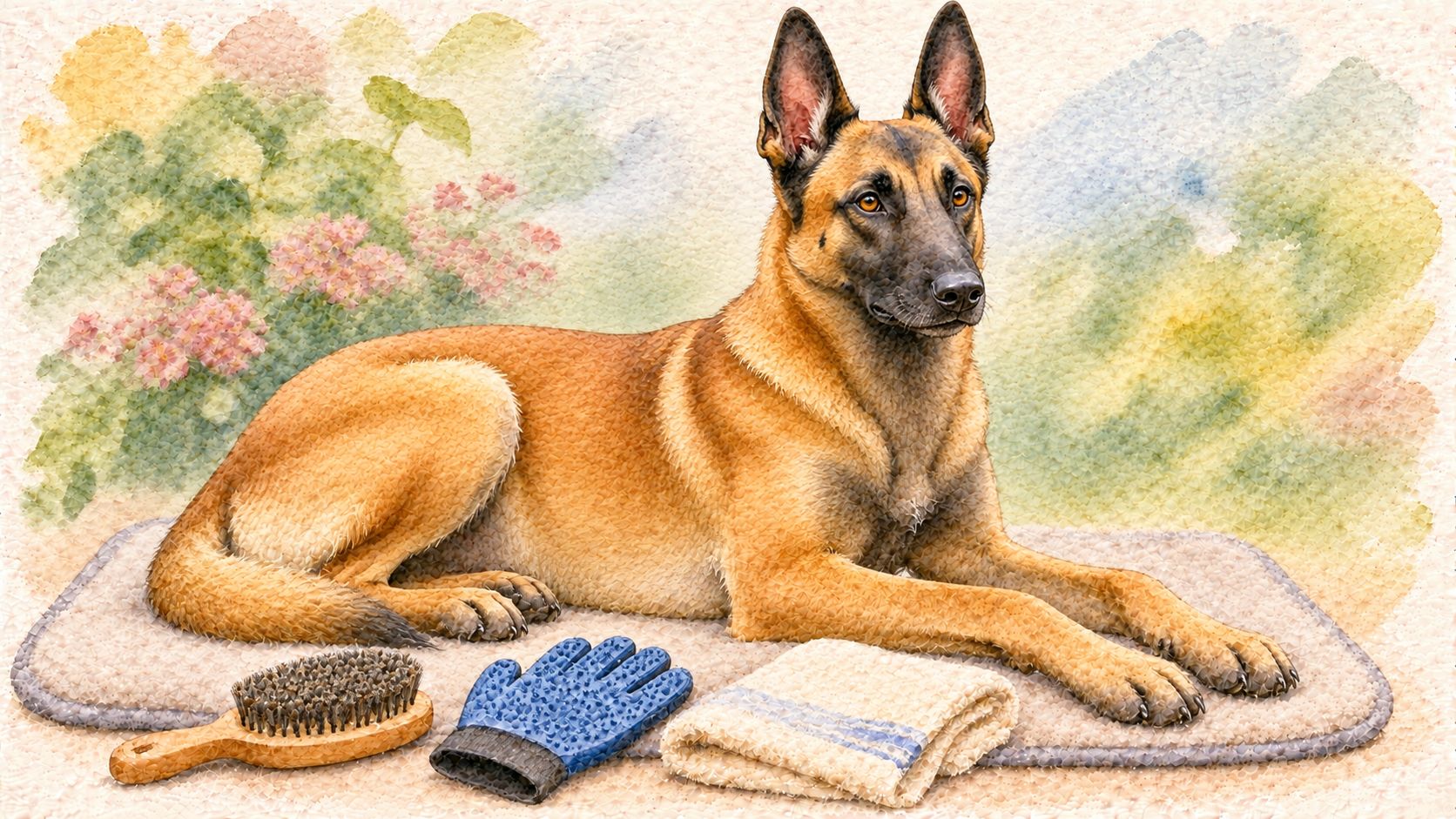
The good news is that the short coat is simple to care for. Belgian Malinois grooming is mostly about regular brushing and routine care rather than trimming or clipping.
Grooming Routine
- Brushing: Brush the coat about once a week with a firm bristle brush or grooming mitt, and more often during shedding seasons to remove loose undercoat.
- Bathing: Bathe only when needed, since the coat naturally resists dirt and frequent baths can dry out the skin.
- Nails: Trim nails every few weeks if your dog does not wear them down naturally.
- Teeth: Brush your dog's teeth several times a week to support good dental health.
- Ears: Check the ears weekly and gently clean away any dirt or debris.
- Paws: Active dogs can pick up small cuts or burrs, so check the paws after hikes and outdoor adventures.
Belgian Malinois Health and Lifespan
How Long Do Belgian Malinois Live?
The average Belgian Malinois lifespan is about 14 to 16 years, which is quite long for a dog of its size. With good care, a healthy diet and regular veterinary visits, many Malinois stay active well into their senior years.
The breed is generally considered healthy, but like all dogs it can be prone to certain conditions. Responsible breeders screen their dogs for common concerns, which may include:
- Hip dysplasia: An abnormal formation of the hip joint that can lead to stiffness or discomfort.
- Elbow dysplasia: A developmental condition that affects the elbow joint.
- Eye conditions: Some lines may be affected by inherited eye problems, so eye exams are recommended.
Because the Malinois is so active, it can also be prone to injuries from enthusiastic play. Keep your dog at a healthy weight to protect its joints, and always work with your veterinarian to set up a routine of checkups, vaccinations and preventive care.
Feeding and Nutrition
A Malinois does best on a high-quality, complete and balanced dog food suited to its age, size and activity level. Very active working or sporting dogs may need a formula designed for their higher energy needs.
Puppies should eat a food made for puppies to support steady, healthy growth. Portion sizes depend on your dog's age, weight and how much exercise it gets, so follow the feeding guidelines on the food package and ask your veterinarian for advice. Treats are great for training, but they should make up only a small part of your dog's daily calories.
History of the Belgian Malinois
The Belgian Malinois traces its roots to the shepherd dogs that guarded and herded flocks across Belgium for generations. In the late 1800s, Belgian dog lovers set out to organize these working dogs into recognized types. A club for Belgian shepherd dogs was formed in 1891, and the dogs were grouped largely by coat type and color.
The short-haired fawn dogs bred around the city of Malines became known as the Malinois. Trainers and shepherds prized them for their work ethic, intelligence and stamina, and breeders focused on working ability above looks.
In the early 1900s, the Malinois and its cousins were already being used for police work in Belgium. They also served in World War I, carrying messages and helping with other important tasks. The breed arrived in the United States in the early 20th century, but its numbers dropped after World War II. The AKC began recognizing the Malinois as a separate breed in 1959, and interest picked up in the 1960s as more dogs were imported.
Since then, the breed's popularity has grown steadily. Today, the Malinois is one of the most widely used police and military dogs in the world, and it is also a familiar sight in search and rescue, detection work and canine sports.
Belgian Malinois vs German Shepherd
The Belgian Malinois and German Shepherd are often compared because both are intelligent herding breeds used in police and military work. The Malinois is usually lighter and leaner, with a short fawn-to-mahogany coat, while the German Shepherd is typically heavier, with a longer coat and a wider range of colors. Many owners find the Malinois even more intense and energetic, so it generally needs more daily activity and training than an average German Shepherd.
Is a Belgian Malinois Right for You?
A Malinois could be a wonderful match if you:
- Live an active lifestyle and enjoy running, hiking or dog sports
- Have experience training dogs, or are ready to work with a trainer
- Can spend significant time every day exercising and training
- Want a loyal, protective and highly intelligent companion
- Prefer a short coat that is easy to groom
This breed may not be the best fit if you:
- Are a first-time dog owner looking for an easygoing pet
- Work long hours and leave your dog alone most of the day
- Prefer a calm dog that is content with short walks
- Live in a small space without access to regular outdoor exercise
- Want a dog that sheds very little
Finding a Belgian Malinois Puppy
When looking for a Belgian Malinois puppy, choose a reputable breeder who health-tests their dogs, raises puppies with plenty of socialization and asks you questions about your lifestyle. A good breeder can help match you with a puppy whose energy level suits your home. You can also contact breed clubs and rescue groups, as adult Malinois sometimes need new homes when their original owners underestimate their needs.
Fun Facts About the Malinois
- The name "Malinois" comes from Malines, a city in northern Belgium.
- The breed is pronounced "MAL-in-wah."
- The Malinois is one of four related Belgian shepherd types.
- Malinois are widely used by police, military and search-and-rescue teams around the world.
- They often excel in agility, tracking, herding, obedience and Schutzhund.
- Despite its size, the breed has a notably long lifespan of around 14 to 16 years.
Frequently Asked Questions
How do you pronounce Belgian Malinois?
It is pronounced "BEL-jun MAL-in-wah." The name comes from Malines, the Belgian city where the breed was developed.
How big do Belgian Malinois get?
Males usually stand about 24 to 26 inches tall and weigh 60 to 80 pounds, while females stand about 22 to 24 inches and weigh 40 to 60 pounds.
Are Belgian Malinois good family dogs?
They can be loyal, affectionate family dogs for active, experienced owners. Because of their high energy and herding instincts, they tend to do best with older children and plenty of daily exercise.
Do Belgian Malinois shed a lot?
Malinois shed moderately year-round and more heavily in spring and fall. Weekly brushing, and more frequent brushing during shedding seasons, helps manage loose hair.
How long do Belgian Malinois live?
The typical Belgian Malinois lifespan is about 14 to 16 years with good care, a healthy diet and regular veterinary checkups.
Why are Belgian Malinois used as police dogs?
Malinois combine intelligence, speed, stamina and a strong desire to work. These traits make them excellent at tracking, detection, patrol and search-and-rescue tasks.
Final Thoughts
The Belgian Malinois is a remarkable dog with a brilliant mind, a tireless body and a deeply loyal heart. In the right home, it is an exceptional partner for adventures, sports and everyday life. If you can offer daily exercise, consistent training and plenty of companionship, a Belgian Malinois may become the most devoted and capable friend you have ever had.