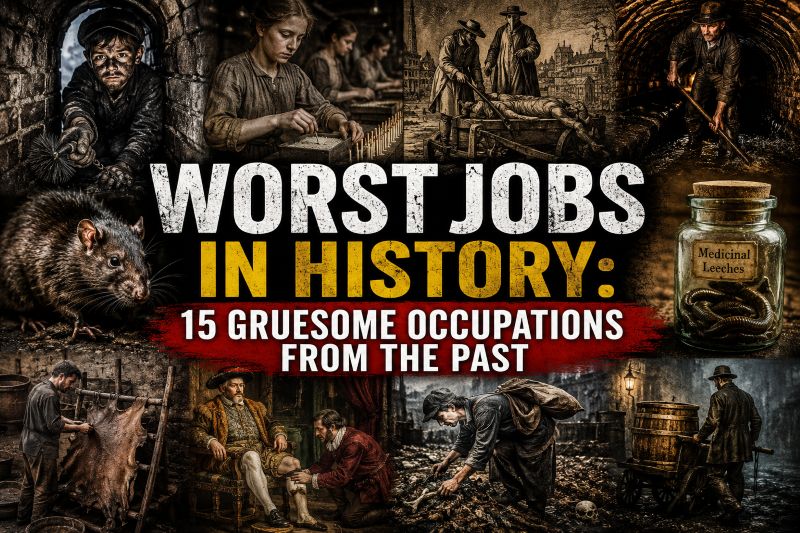
Discover the 15 worst jobs in history — from plague buriers to rat catchers. These gruesome historical occupations reveal the brutal and often deadly working conditions people endured before modern labor laws and safety standards existed.
In the days before sanitation, protective equipment, or workers’ rights, survival often meant taking on dangerous, disgusting, and degrading work. Many of these roles were common in medieval Europe and Victorian Britain. They involved toxic chemicals, raw sewage, child labor, and constant disease risk.
Why Historical Jobs Were So Dangerous
Before the 20th century, most workers had zero protections. There were no safety regulations, no healthcare, and poor sanitation turned everyday tasks into health nightmares. Children were frequently forced into the worst roles, and many jobs carried heavy social stigma.
Here are 15 of the most shocking examples:
1. Rat Catcher
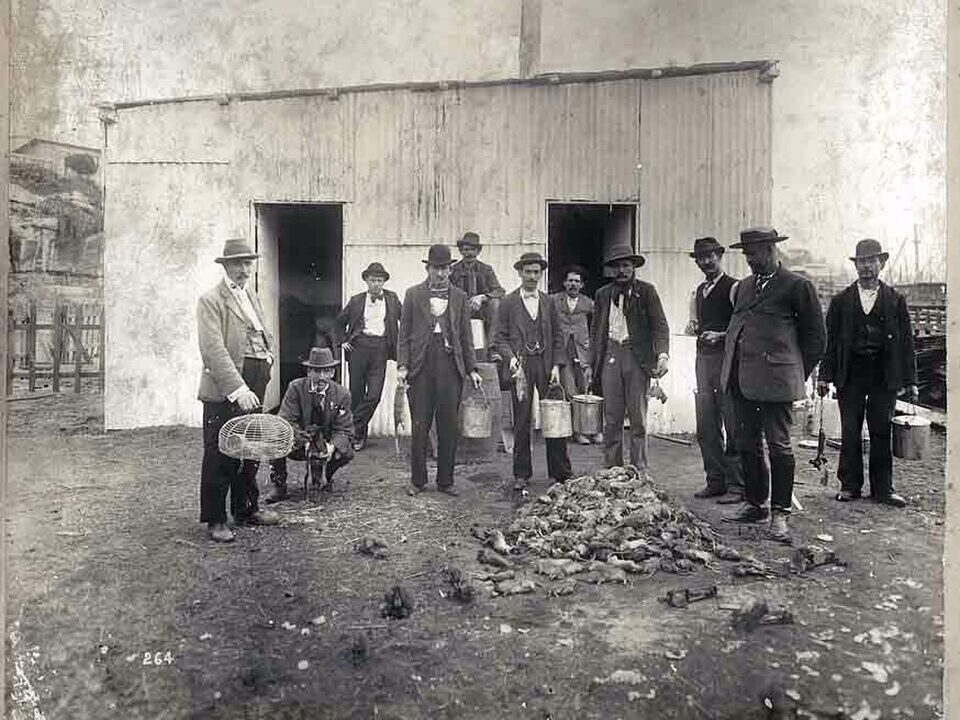

Medieval and Victorian rat catchers hunted disease-spreading rodents in homes, streets, and sewers — often using bare hands, dogs, or crude poisons.
Why it was terrible: Constant risk of bites, plague, and other deadly infections in filthy environments.
2. Groom of the Stool
A trusted Tudor courtier (most famously under Henry VIII) who assisted the king with toileting, cleaned him, and examined his stool for health signs.
Why it was terrible: Literal royal excrement duty, even though the role came with high status and good pay.
3. Vomit Collector
In ancient Rome, servants cleaned up vomit in banquet halls after wealthy guests induced vomiting so they could keep eating.
Why it was terrible: Non-stop cleanup of partially digested food in crowded, foul-smelling venues.
4. Bone Grubber
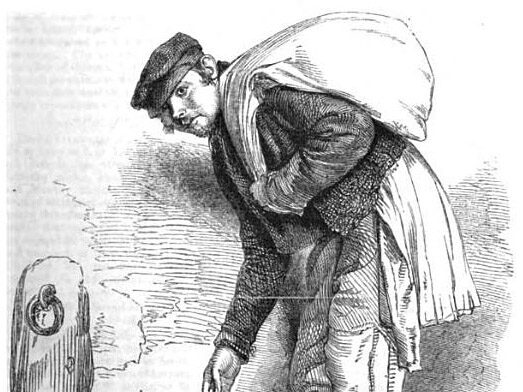

Victorian scavengers dug through garbage, streets, and butcher waste searching for bones to sell for fertilizer, glue, or soap.
Why it was terrible: Handling rotting animal carcasses for pennies in disease-ridden slums.
5. Snake Milker
Workers (with roots dating back centuries for medicinal venom) manually extracted venom from live poisonous snakes.
Why it was terrible: Extremely high risk of fatal bites with almost no medical help available.
6. Violin String Maker
Craftsmen processed sheep intestines into “catgut” strings by scraping, cleaning, and twisting raw animal guts by hand.
Why it was terrible: Prolonged exposure to foul-smelling entrails and intense manual labor.
7. Match Girl
Young girls in Victorian Britain dipped matchsticks into toxic white phosphorus in factories.
Why it was terrible: Caused “phossy jaw” — a horrific condition where the jawbone rotted away, often leading to disfigurement and death. The 1888 Matchgirls’ Strike helped expose these horrors.
8. Chimney Sweep
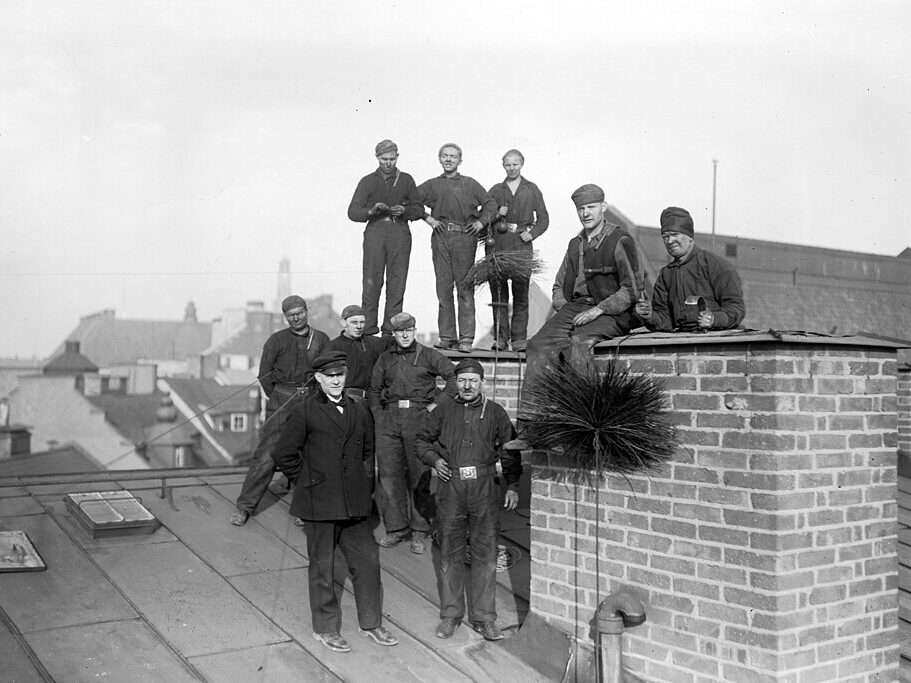

Children as young as 4–6 were sent up narrow, soot-filled chimneys in 18th- and 19th-century Britain.
Why it was terrible: Burns, suffocation, getting stuck, and scrotal cancer (“soot wart”) from years of carcinogen exposure.
9. Tanner
Medieval workers soaked animal hides in urine, dung, and lime to turn them into leather.
Why it was terrible: Overwhelming stench forced tanners to live outside town walls; chemical burns and infections were common.
10. Resurrectionist (Body Snatcher)
18th- and 19th-century grave robbers dug up fresh corpses to sell to medical schools for dissection. Some turned to murder when demand was high.
Why it was terrible: Illegal, gruesome work disturbing the dead, plus risk of violence or arrest.
11. Leech Collector

People waded into marshes and let medicinal leeches attach to their own legs to harvest them.
Why it was terrible: Significant blood loss, infections, and hours standing in leech-infested, filthy water.
12. Tosher
Victorian Londoners who climbed into sewers to scavenge for lost coins, jewelry, or scrap metal.
Why it was terrible: Risk of drowning, toxic gas explosions, and constant exposure to raw sewage.
13. Mudlark
Often children who searched the muddy banks of the River Thames at low tide for anything sellable.
Why it was terrible: Cuts from broken glass and waste, plus disease from sewage-polluted river mud.
14. Gong Farmer (Night Soil Man)
Workers who emptied cesspits and outdoor toilets of human waste, usually at night.
Why it was terrible: Knee-deep in excrement, toxic fumes, and strong social stigma despite decent pay.
15. Plague Burier
During the Black Death and the 1665 Great Plague of London, these workers collected and buried corpses — often in mass graves.
Why it was terrible: Extreme risk of catching the plague themselves, plus the emotional trauma of handling dead bodies daily.
What These Horrible Jobs Teach Us About History
These roles played a major part in driving labor reforms, public health improvements, and modern sanitation systems. They remind us how much progress has been made in workplace safety and workers’ rights.
These gruesome occupations from the past make today’s worst jobs look easy by comparison. Which one do you think was the most horrifying? Let us know in the comments!