Discover 9 bizarre WWII aircraft designs, from flying jeeps to coal-powered interceptors, that pushed aviation engineering to the extreme. These strange experimental aircraft from World War II prove that desperation and ingenuity created some of the most unconventional warplanes ever built.
World War II sparked incredible innovation in aviation. While legendary planes like the Spitfire and B-17 dominate history books, many bizarre WWII aircraft took flight as prototypes or limited-production oddities. These weird World War 2 planes challenged conventional aerodynamics and often looked like they belonged in science fiction. From asymmetric reconnaissance aircraft to coal-burning deltas, here are 9 weird WWII aircraft that actually existed—ranked from surprising to utterly outlandish.
Heinkel He 111Z – The Massive Twin-Fuselage Bomber Tug


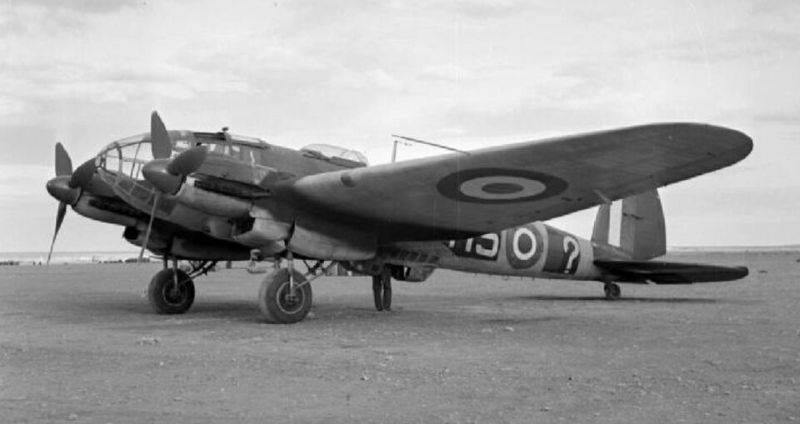
The Heinkel He 111Z (Zwilling) stands as one of the most visually bizarre WWII aircraft. German engineers joined two He 111 medium bombers with a new central wing section and added a fifth engine, creating a five-engine giant with twin fuselages.
Built as a heavy glider tug for the enormous Messerschmitt Me 321 Gigant, this strange military aircraft successfully towed gliders on the Eastern Front. Test pilots praised its handling despite its Frankenstein-like appearance. Only a handful were built, making this experimental WWII aircraft a rare sight in wartime skies.
Blohm & Voss Bv 141 – The Asymmetric Reconnaissance Plane


Few weird World War 2 planes looked as unbalanced as the Blohm & Voss Bv 141. This tactical reconnaissance aircraft featured a single-engine fuselage on one side and a fully glazed crew gondola on the other, creating a highly asymmetrical design.
Designer Richard Vogt’s layout delivered outstanding visibility for the crew. Despite successful flight tests and support from Luftwaffe officials, only about 20 examples were produced. The Bv 141 remains one of the most photographed bizarre WWII aircraft, showcasing how far engineers would go for better observation capabilities.
Hafner Rotabuggy – The Flying Jeep


The Hafner Rotabuggy was exactly what it sounds like: a Willys MB Jeep fitted with a giant rotor on top, designed to be towed into the air like a rotary-wing glider. British inventor Raoul Hafner developed this unusual warplane to deliver light vehicles behind enemy lines.
Towed by a bomber during 1944 tests, the Rotabuggy reached speeds of 70 mph. While stability problems prevented combat use, this experimental WWII aircraft perfectly captured Allied creativity in combining ground mobility with air delivery. It remains one of the quirkiest strange military aircraft of the war.
Curtiss-Wright XP-55 Ascender – The Canard Pusher Fighter


American designers flipped fighter layout upside-down with the Curtiss-Wright XP-55 Ascender. This weird WWII aircraft used a canard (tail-first) configuration with the main wing at the rear and a pusher propeller, aiming for superior visibility and firepower.
Three prototypes flew from 1943, but handling quirks and the arrival of jet technology ended the program. Its futuristic lines still turn heads today, and one survivor is preserved in the National Air and Space Museum. The Ascender highlighted U.S. willingness to experiment with unconventional fighter designs during World War II.
Northrop XP-56 Black Bullet – The Tailless Flying Wing Interceptor


Northrop’s XP-56 Black Bullet pushed flying-wing technology into an aggressive interceptor role. This strange experimental aircraft featured no conventional tail, magnesium construction, and contra-rotating pusher propellers for high-speed performance.
Only two Black Bullets were built. Stability challenges plagued early flights, but the program advanced Jack Northrop’s all-wing concepts that later influenced modern stealth bombers. The XP-56 remains a striking example of bizarre WWII aircraft that helped shape future aviation.
Northrop N-1M Jeep – The First Pure Flying Wing Testbed
,_also_known_by_the_nickname_%22Jeep%22-_Retired_American_experimental_aircraft_used_in_the_development_of_the_flying_wing_concept;_N_(53896711462).jpg)
Before the Black Bullet came the Northrop N-1M “Jeep,” an early wooden flying wing that validated radical tailless designs. This small, twin-engine experimental WWII aircraft flew in 1940 and tested control systems critical for larger flying wings.
Its boomerang-shaped 38-foot wing proved the low-drag potential of the flying wing concept. Though slow and purely experimental, the N-1M laid essential groundwork for Northrop’s wartime and postwar programs. It remains a foundational oddity among weird World War 2 planes.
Baynes Bat – The Bat-Winged Tank Glider


Britain’s Baynes Bat was a one-third scale piloted glider built to test radical tailless concepts for carrying light tanks into battle. This compact, bat-like experimental aircraft flew in 1943, gathering vital low-speed data on tailless handling.
While the full-scale tank-carrying version never materialized, the Bat provided valuable aerodynamic insights. Its futuristic profile made it one of the most distinctive strange military aircraft developed by the Allies.
Savoia-Marchetti SM.92 – Italy’s Twin-Fuselage Heavy Fighter


The Italian Savoia-Marchetti SM.92 featured two fuselages joined by a central wing, powered by twin Daimler-Benz engines. This rare bizarre WWII aircraft placed the pilot and gunner in the port fuselage, creating an asymmetric crew arrangement.
Intended as a fast multirole fighter-bomber, the single prototype showed promising speed (around 382 mph) before being lost to friendly fire and later destroyed in an Allied bombing raid. It exemplified Italy’s resourceful but resource-limited efforts late in the war.
Lippisch P.13a – The Coal-Powered Delta-Wing Ramjet


The most outlandish of all weird WWII aircraft was the Lippisch P.13a. Designed in 1944 amid extreme fuel shortages, this delta-wing interceptor proposed burning coal dust in a rotating cage to power a ramjet engine.
Early concepts even envisioned the pilot ramming enemy bombers before bailing out. A full-scale glider version (DM-1) was built and tested. Though it never flew under power, the P.13a’s advanced delta-wing aerodynamics influenced postwar designs like the Convair F-102. No other experimental WWII aircraft better represents Nazi Germany’s desperate technological leaps.
Why These Bizarre WWII Aircraft Still Fascinate Us
These 9 weird WWII aircraft that actually existed demonstrate how war drives extreme creativity. From asymmetric reconnaissance planes to coal-powered ramjets, these strange experimental aircraft pushed boundaries despite technical limitations and shifting priorities. Many never reached mass production, yet their innovations—flying wings, canards, and unconventional propulsion—echo in today’s stealth bombers and advanced fighters.
Whether you’re an aviation historian, military enthusiast, or simply love unusual warplanes, these bizarre WWII aircraft prove that some of history’s most memorable designs were also the strangest. They remind us that behind every iconic warplane were dozens of wild experiments that helped shape modern aviation.