Discover 10 animals that ranked kings in their habitats. These wildlife behaviours, survival traits, and predator instincts reveal their dominance. Explore remarkable adaptations and natural strategies. Learn apex predator traits, animal intelligence, and evolutionary advantages that make them rulers.
Polar Bear – King of the Arctic

Polar bears dominate Arctic ice. They track seals under thick ice. Massive bodies deliver crushing force. Thick blubber and dense fur help polar bears survive brutal Arctic conditions. They swim 100 miles without rest. Sharp predator instincts guide patient hunts. They rule through sheer power and endurance. Climate shifts test their survival traits. Polar bears maintain apex predator traits in frozen lands. Their natural strategies ensure dominance.
Jaguar – King of the Amazon Rainforest
Jaguars control Amazon territories. They deliver the strongest bite force among big cats. The*y crush skulls and shells easily. They climb, swim, and ambush silently. Remarkable adaptations support versatile hunting. Solitary predator instincts keep them hidden. They mark vast areas with scent. Jaguars fear nothing in dense forests. Their stealth and precision make them one of the rainforest’s deadliest predators. Evolutionary advantages make them rainforest kings.
Tiger – King of the Tropical Forest
Tigers rule Asian tropical forests. They stalk prey with perfect camouflage. The*y swim and climb with power. They take down animals twice their size. Natural strategies rely on stealth and timing. Solitary lifestyle defines their wildlife behaviours. Powerful muscles support deadly strikes. Tigers patrol large territories alone. Their combination of strength, stealth, and agility makes them dominant forest hunters. Apex predator traits secure their throne.
Great White Shark – King of the Ocean
Great white sharks dominate ocean waters. They sense blood miles away. Massive jaws tear apart large prey. They reach high speeds in bursts. Remarkable adaptations include advanced senses. Predator instincts trigger explosive attacks. They breach water to catch seals. Few creatures escape their hunts. Their powerful senses and explosive attacks keep them near the top of the ocean food chain. Animal intelligence guides complex strategies.
Gray Wolf – Master of the Frozen Wilderness
Gray wolves command tundra regions. They hunt in coordinated packs. They pursue moose across long distances. Strong jaws and endurance win battles. Wildlife behaviours emphasize loyalty and communication. They howl to maintain territory. Packs share food and raise young together. Their survival traits create unbreakable units. Their teamwork and communication make wolves highly effective hunters. Natural strategies ensure tundra control.
Lion – King of the Savannah
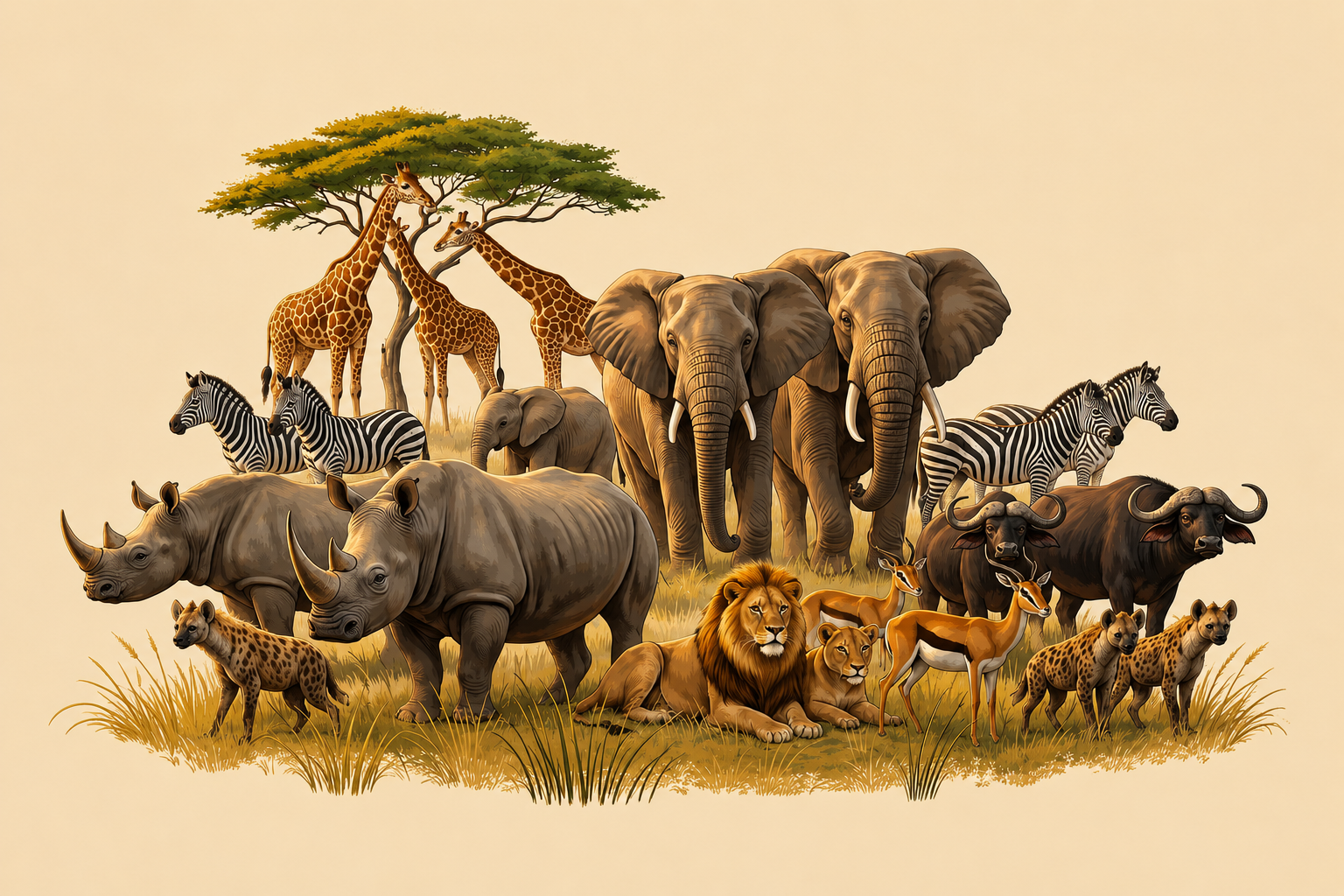
Lions dominate African savannas. Prides coordinate hunts successfully. Females execute most attacks. Males guard territory with loud roars. Social wildlife behaviours strengthen group power. They take down large herbivores together. Lions control water sources and plains. Their predator instincts demand respect. Remarkable adaptations support open-plain hunting. Evolutionary advantages secure savanna rule.
Saltwater Crocodile – King of All Waterways
Saltwater crocodiles rule rivers and coasts. They grow over 20 feet long. The*y exert massive bite pressure. They ambush at water edges. Remarkable adaptations include powerful tails and jaws. They lurk underwater for hours. Predator instincts trigger lightning strikes. They are capable of attacking large animals and are known for aggressive territorial behaviour. Survival traits allow millions of years of dominance. Apex predator traits make them waterway kings.
Orca – King of the Sea
Orcas control all oceans. They hunt in intelligent pods. The*y create waves to wash seals off ice. They tackle whales bigger than themselves. Animal intelligence drives sophisticated tactics. They teach hunting methods to offspring. Complex communication coordinates attacks. Their natural strategies overcome size disadvantages. Evolutionary advantages place them at the marine top. Wildlife behaviours establish sea supremacy.
Sand Cat – Master Survivor of the Desert
Sand cats master harsh deserts. They survive without drinking water. Thick fur protects feet from burning sand. They hunt venomous snakes at night. Remarkable adaptations support extreme temperatures. Excellent hearing detects buried prey. Small size hides their toughness. Predator instincts drive efficient hunts. Survival traits allow dominance where others fail. Evolutionary advantages crown them desert kings.
Golden Eagle – King of the Skies
Golden eagles rule high mountain skies. They spot prey from two miles away. They dive at 200 mph speeds. Powerful talons crush bones instantly. Remarkable adaptations support aerial hunting. They build massive cliff nests. They defend territories fiercely. Animal intelligence guides precise strikes. Wildlife behaviours include lifelong mating pairs. Apex predator traits secure sky dominance.
Why These Kings Matter
These animals earned their ranks through proven results. Study their wildlife behaviours and survival traits. Master predator instincts and remarkable adaptations. Develop natural strategies and animal intelligence. Use evolutionary advantages daily. Claim power in your habitat. Nature rewards those who adapt and dominate.
Conclusion
These animals dominate their habitats through intelligence, adaptability, strength, and specialized survival skills. From Arctic ice to deep oceans, each species shows how nature rewards patience, strategy, and resilience in extreme environments.