Bears are among the most powerful and awe-inspiring animals on Earth. From the frozen Arctic to dense forests and remote mountain ranges, these massive mammals dominate their ecosystems as apex predators and opportunistic omnivores. While all eight bear species are impressive, a few subspecies stand out for their extraordinary size.
In this article, we rank the Top 10 Largest Bear Species based on average adult male weight, maximum recorded size, and overall physical stature. These rankings focus primarily on brown bear subspecies (which vary dramatically by region) alongside the distinct polar bear. Whether you’re a wildlife lover, planning a bear-watching trip in Alaska or Canada, or simply fascinated by nature’s heavyweights, these largest bear facts will amaze you.
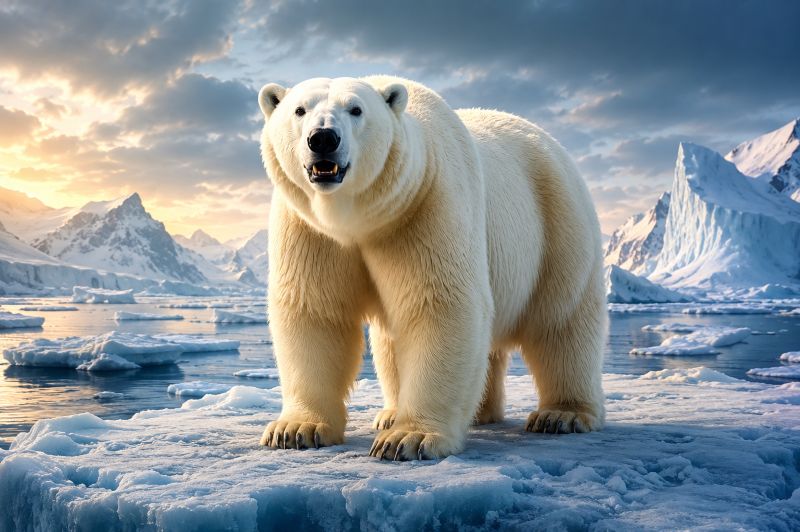
1. Polar Bear (Ursus maritimus) – The Largest Bear on Earth

The Polar Bear is universally recognized as the largest bear species and the biggest land carnivore alive today. Adapted to the harsh Arctic environment, these marine mammals are built for swimming long distances and hunting seals on sea ice.
- Average Male Weight: 900–1,500 lbs (410–680 kg)
- Maximum Recorded: Over 2,200 lbs (1,000 kg)
- Shoulder Height: Up to 5+ feet (1.5 m) on all fours; 8–10 feet when standing
- Length: 7.5–10 feet (2.3–3 m)
Polar bears rely on a thick layer of blubber and dense fur for insulation. Climate change and melting sea ice pose serious threats to their future, making conservation efforts critical.
2. Kodiak Bear (Ursus arctos middendorffi) – The Giant of Alaska


The Kodiak Bear, a subspecies of brown bear found only on the Kodiak Archipelago in Alaska, is the largest land-based bear in the world. Abundant salmon runs allow these bears to reach enormous sizes.
- Average Male Weight: 800–1,200 lbs (360–540 kg), peaking near 1,500 lbs (680 kg) in fall
- Maximum Recorded: 1,656 lbs (751 kg) in the wild
- Shoulder Height: 4.5–5 feet (1.3–1.5 m)
- Standing Height: Up to 10 feet (3 m)
Kodiak bears are symbols of Alaskan wilderness and a major draw for wildlife tourism.
3. Kamchatka Brown Bear (Ursus arctos beringianus) – Russia’s Coastal Giant


Native to Russia’s Kamchatka Peninsula, these bears are among the largest in Eurasia and closely related to Kodiak bears.
- Average Male Weight: 700–1,000+ lbs (320–450+ kg)
- Maximum: Up to 1,430 lbs (650 kg)
- Length: Up to 9.5 feet (2.9 m)
They thrive on rich salmon runs and diverse vegetation, making them one of the most impressive brown bear populations.
4. Ussuri Brown Bear (Ursus arctos lasiotus) – The Asian Heavyweight

Also known as the Amur brown bear, this subspecies roams parts of Russia, China, and Korea.
- Average Male Weight: 600–880 lbs (270–400 kg)
- Maximum: Over 1,200 lbs (540+ kg)
- Notable Feature: Large size and powerful build
These bears are culturally significant in East Asia and play a key role in forest ecosystems.
5. Grizzly Bear (Ursus arctos horribilis) – Icon of the American West


The Grizzly Bear (interior North American brown bear) is a symbol of wild America, especially in Yellowstone and Glacier National Parks.
- Average Male Weight: 400–790 lbs (180–360 kg)
- Maximum: Over 1,000 lbs in coastal areas
- Shoulder Hump: Distinctive muscular hump for digging and powerful strikes
Grizzlies were once widespread but now rely on strong conservation in the lower 48 states.
6. Eurasian Brown Bear (Ursus arctos arctos) – Europe’s Largest Carnivore
_female_1.jpg)
The nominate subspecies of brown bear found across Europe and parts of Asia.
- Average Male Weight: 400–660 lbs (180–300 kg)
- Maximum: Up to 1,000+ lbs in prime habitats
- Status: Making a strong comeback in many European countries thanks to conservation
7. American Black Bear (Ursus americanus) – North America’s Most Common Bear

Though smaller than brown bears, large males can still impress.
- Average Male Weight: 200–500 lbs (90–230 kg)
- Maximum: Over 900 lbs in exceptional cases
- Color Variation: Black, brown, cinnamon, and even white (Kermode bear)
They are highly adaptable and the most numerous bear species in North America.
8. Spectacled Bear (Tremarctos ornatus) – The Only Bear in South America


Also called the Andean bear, this is the largest carnivore in South America.
- Average Male Weight: 200–300+ lbs (90–140+ kg)
- Maximum: Up to 400+ lbs (180+ kg)
- Distinctive Feature: Cream-colored facial markings resembling spectacles
9. Asiatic Black Bear (Ursus thibetanus) – The Moon Bear

Found across Asia, known for the white V-shaped mark on its chest.
- Average Male Weight: 200–300+ lbs (90–140+ kg)
- Maximum: Up to 440 lbs (200 kg)
10. Giant Panda (Ailuropoda melanoleuca) – The Gentle Bamboo Giant
_(2).jpg)
Though primarily herbivorous, pandas still rank among the larger bears.
- Average Weight: 150–300 lbs (70–135 kg)
- Maximum: Up to 350+ lbs (160+ kg)
Size Comparison Table
| Rank | Bear Species | Avg. Male Weight | Max Recorded | Standing Height |
| 1 | Polar Bear | 900–1,500 lbs | 2,200+ lbs | 8–10 ft |
| 2 | Kodiak Bear | 800–1,200 lbs | 1,656 lbs | Up to 10 ft |
| 3 | Kamchatka Brown Bear | 700–1,000+ lbs | 1,430 lbs | 9+ ft |
| 4 | Ussuri Brown Bear | 600–880 lbs | 1,200+ lbs | 9 ft |
| 5 | Grizzly Bear | 400–790 lbs | 1,000+ lbs | 8–9 ft |
| 6 | Eurasian Brown Bear | 400–660 lbs | 1,000+ lbs | 8+ ft |
| 7 | American Black Bear | 200–500 lbs | 900+ lbs | 6–7 ft |
| 8 | Spectacled Bear | 200–300+ lbs | 400+ lbs | 6–7 ft |
| 9 | Asiatic Black Bear | 200–300+ lbs | 440 lbs | 6–7 ft |
| 10 | Giant Panda | 150–300 lbs | 350+ lbs | 5–6 ft |
Why Do Some Bears Grow So Large?
Factors like food availability (especially salmon for coastal brown bears), climate (Bergmann’s Rule), and genetics all play a role. Coastal bears with access to abundant protein grow significantly larger than inland populations.
Conservation Status
Many of these magnificent bears face threats from habitat loss, climate change, and human conflict. Polar bears and some brown bear populations are particularly vulnerable. Supporting organizations like WWF, National Parks, and local conservation groups helps protect these giants for future generations.
Final Thoughts
From the ice-loving Polar Bear to the bamboo-munching Giant Panda, the Top 10 Largest Bear Species showcase incredible diversity and raw power. These animals remind us of the importance of preserving wild spaces and coexisting with nature’s heavyweights.
Share these fascinating facts with fellow wildlife enthusiasts and consider how we can all contribute to bear conservation!