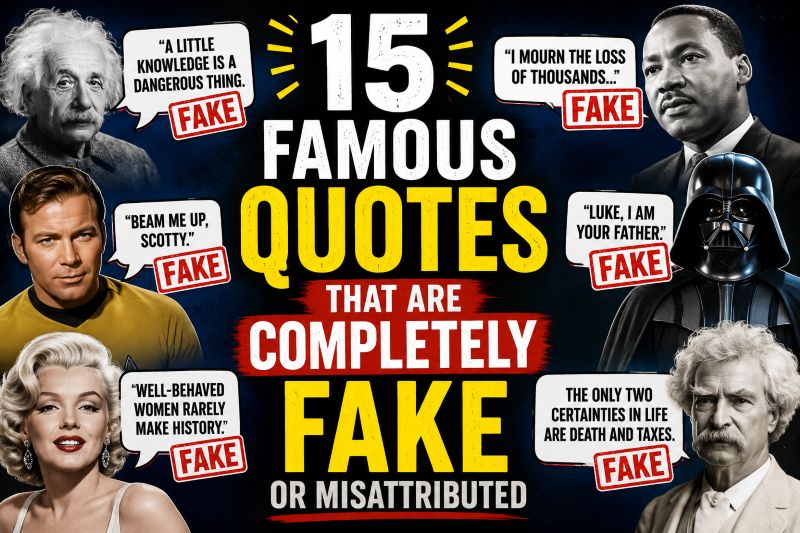
We all love sharing powerful quotes. They make us sound wise, look impressive on Instagram, and spread like wildfire online. However, many of the most famous quotes in history are completely fake. People misattribute them to the wrong person, or the supposed speakers never actually said them at all.
What Are Misattributed Quotes?
Misattributed quotes are popular sayings that people wrongly credit to famous figures or remember incorrectly. In fact, these quotes spread rapidly through social media, movies, books, and constant repetition — even though they are historically inaccurate or completely fabricated.
Why Fake Quotes Spread So Easily
Today, a nice font, a celebrity photo, and an inspiring message are enough to make a fake quote go viral. Moreover, most people rarely fact-check. Additionally, the more motivational or dramatic the quote sounds, the faster it spreads.
Here are 15 of the most commonly misquoted lines in history:
1. Martin Luther King Jr.
_-_NARA_-_542015_-_Restoration.jpg)
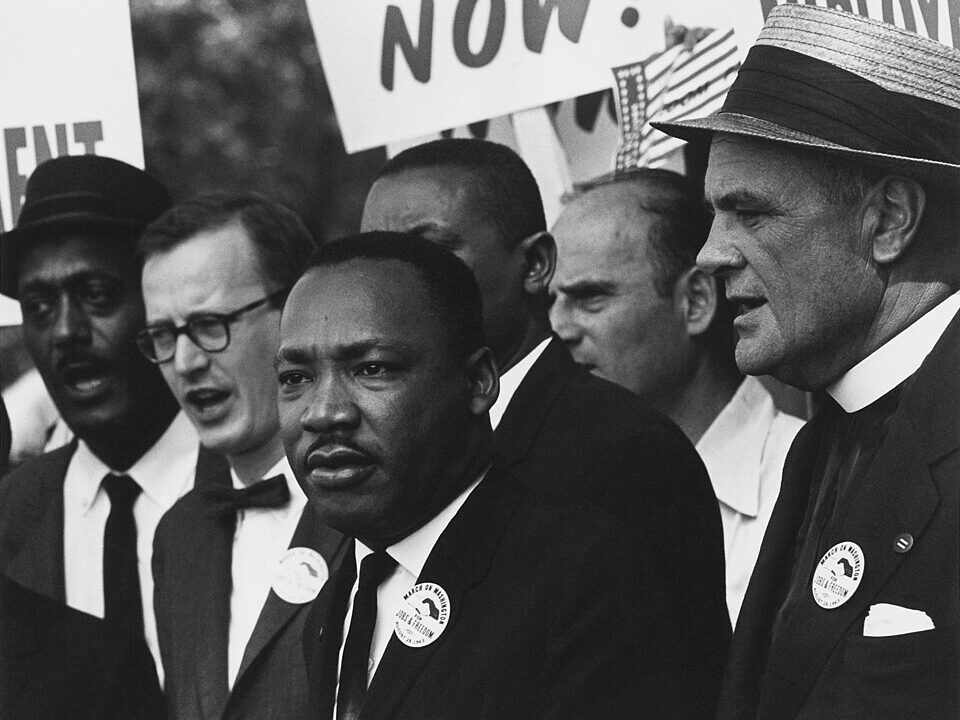
The Misquote: “I mourn the loss of thousands of precious lives, but I will not rejoice in the death of one, not even an enemy.”
The Reality: This quote exploded online after Osama bin Laden’s death in 2011. However, a 24-year-old English teacher named Jessica Dovey actually wrote it in a Facebook post — not Dr. King.
2. Andrew Jackson
The Misquote: “Don’t fire ’til you see the whites of their eyes.”
The Reality: Colonel William Prescott gave this order (and Israel Putnam relayed it) at the Battle of Bunker Hill in 1775. Therefore, Andrew Jackson had nothing to do with it.
3. Henry David Thoreau
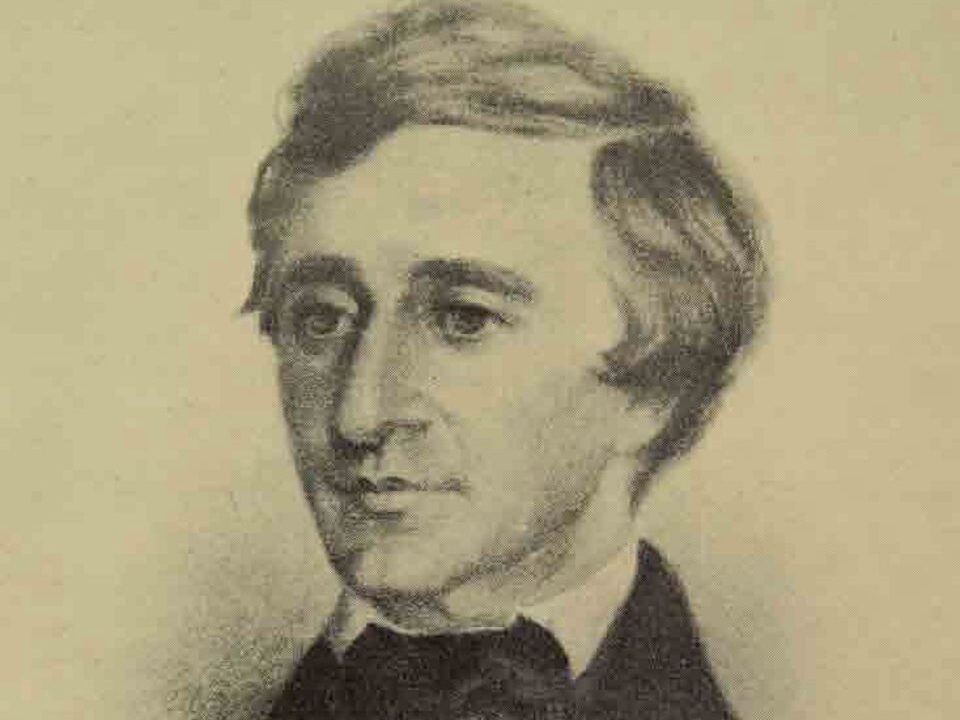

The Misquote: “Go confidently in the direction of your dreams! Live the life you’ve imagined.”
The Reality: Thoreau wrote much longer and more thoughtful words in Walden. In reality, the popular version is a heavily simplified paraphrase.
4. Captain Kirk (William Shatner)
The Misquote: “Beam me up, Scotty.”
The Reality: Captain Kirk never says this exact phrase in any episode of the original Star Trek series.
5. Neil Armstrong
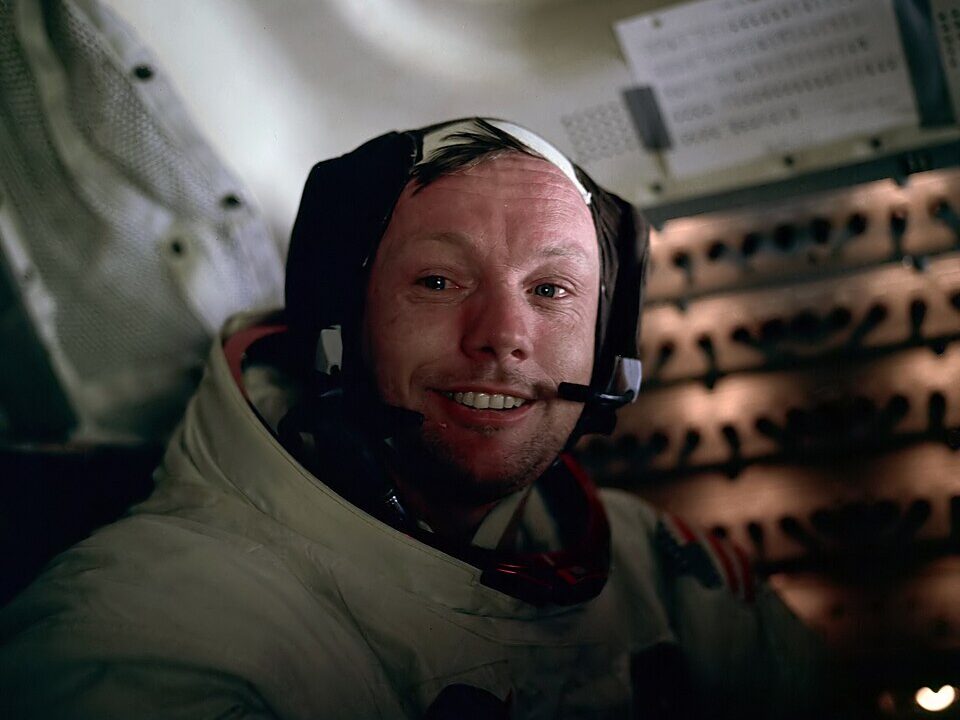

The Misquote: “That’s one small step for man, one giant leap for man*kind.”
The Reality: Armstrong actually said: “That’s one small step for a man, one giant leap for man*kind.” Unfortunately, the “a” was lost due to static in the live transmission.
6. Albert Einstein
The Misquote: “A little knowledge is a dangerous thing.”
The Reality: Alexander Pope wrote the correct version in 1709: “A little learning is a dangerous thing.” Yet people still attribute it to Einstein.
7. Paul Revere


The Misquote: “The British are coming!”
The Reality: Paul Revere never said this. Instead, poet Henry Wadsworth Longfellow invented the line in his 1860 poem “Paul Revere’s Ride.”
8. Marilyn Monroe
The Misquote: “Well-behaved women rarely make history.”
The Reality: Historian Laurel Thatcher Ulrich wrote this in 1976. Nevertheless, people frequently credit it to Marilyn Monroe or Eleanor Roosevelt.
9. Hannibal Lecter (Anthony Hopkins)
The Misquote: “Hello, Clarice.”
The Reality: In The Silence of the Lambs, he actually says, “Good evening, Clarice.”
10. Mark Twain

The Misquote: “The only two certainties in life are death and taxes.”
The Reality: Variations of this saying existed in the early 1700s. Consequently, Mark Twain could not have originated it.
11. George Washington
The Misquote: “I cannot tell a lie.”
The Reality: Washington’s biographer, Mason Weems, completely fabricated the cherry tree story and quote in the early 1800s.
12. Darth Vader
The Misquote: “Luke, I am your father.”
The Reality: The actual line in The Empire Strikes Back is: “No, I am your father.”
13. Forrest Gump (Tom Hanks)
The Misquote: “Life is like a box of chocolates.”
The Reality: Tom Hanks actually says: “Life was like a box of chocolates.” Surprisingly, this small change in tense is often overlooked.
Final Thoughts
In conclusion, these examples clearly demonstrate how easily misinformation spreads — even about quotes we believe we know by heart. Therefore, next time you see an inspiring quote attached to a famous name, take a moment to verify it. After all, real history is often far more interesting than the myths we create.