
With its bright white coat, dark button eyes and jaunty carrot-shaped tail, the West Highland White Terrier is one of the most recognizable small dogs in the world. Better known as the "Westie," this cheerful terrier from Scotland has charmed families for more than a century with its happy, confident and slightly bossy personality.
Behind the teddy-bear looks is a real working terrier, bred to hunt rats and other vermin on Scottish farms. The Westie is affectionate and fun, but also clever, independent and full of spirit. In this complete West Highland White Terrier dog breed guide, you will learn about its size, temperament, grooming needs, exercise, health, diet and history, so you can decide whether a Westie is right for you.
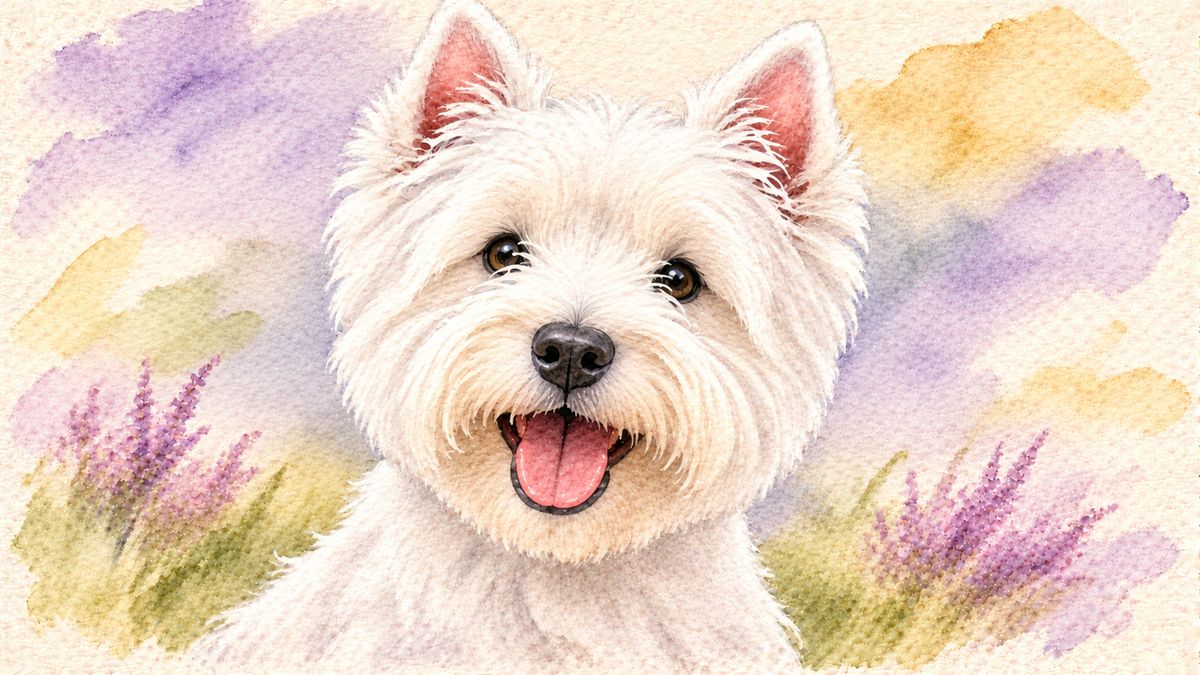
West Highland White Terrier at a Glance
| Trait | Details |
|---|---|
| Breed group | Terrier (AKC) |
| Height | About 11 inches (28 cm) for males; about 10 inches (25 cm) for females |
| Weight | About 15 to 20 pounds (7 to 9 kg) for males; 13 to 16 pounds (6 to 7 kg) for females |
| Life expectancy | 13 to 15 years |
| Coat | Harsh, straight double coat with a soft undercoat |
| Colors | White |
| Shedding | Low; seasonal |
| Energy level | Moderate |
| Temperament | Happy, confident, loyal, curious, independent |
| Good for | Families with older kids, couples, seniors, apartment living |
| Origin | Scotland (1600s–1800s) |
What Is a West Highland White Terrier?
The West Highland White Terrier is a small, sturdy terrier that originated in the Scottish Highlands. It was bred to hunt rats, mice and other small animals that threatened grain stores and spread disease on farms. Its fearless attitude and quick reflexes made it a valuable working dog.
Today the Westie is a member of the American Kennel Club's Terrier Group and one of the most popular terriers in the world. It is closely related to other Scottish terriers, including the Cairn Terrier, Scottish Terrier, Skye Terrier and Dandie Dinmont Terrier. While most Westies now live as family pets, they still have the bold, busy nature of their ratting ancestors.
West Highland White Terrier Size and Appearance
How Big Do Westies Get?
Westies are small dogs. Males usually stand about 11 inches tall at the shoulder and females about 10 inches, with most adults weighing between roughly 13 and 20 pounds.
The West Highland White Terrier size is small but sturdy. These dogs have a compact, muscular body, a deep chest and short, strong legs. They are surprisingly solid when you pick them up, which reflects their working past.
The Westie's face is its trademark. It has dark, almond-shaped eyes, small pointed ears that stand straight up, and a black nose, all framed by a rounded "chrysanthemum" of white hair. The thick tail is carried proudly upright and is often described as carrot-shaped.
Coat and Colors
The Westie wears a double coat. The outer coat is straight and harsh to the touch, while the undercoat is short, soft and dense. Even though the breed looks soft and fluffy, its topcoat is actually quite rough, which helped protect it from weather and thorny brush.
The West Highland White Terrier comes in only one color: white. According to a popular story, the white coat was favored so hunters would not mistake the dog for a fox or other quarry while it worked in the field.
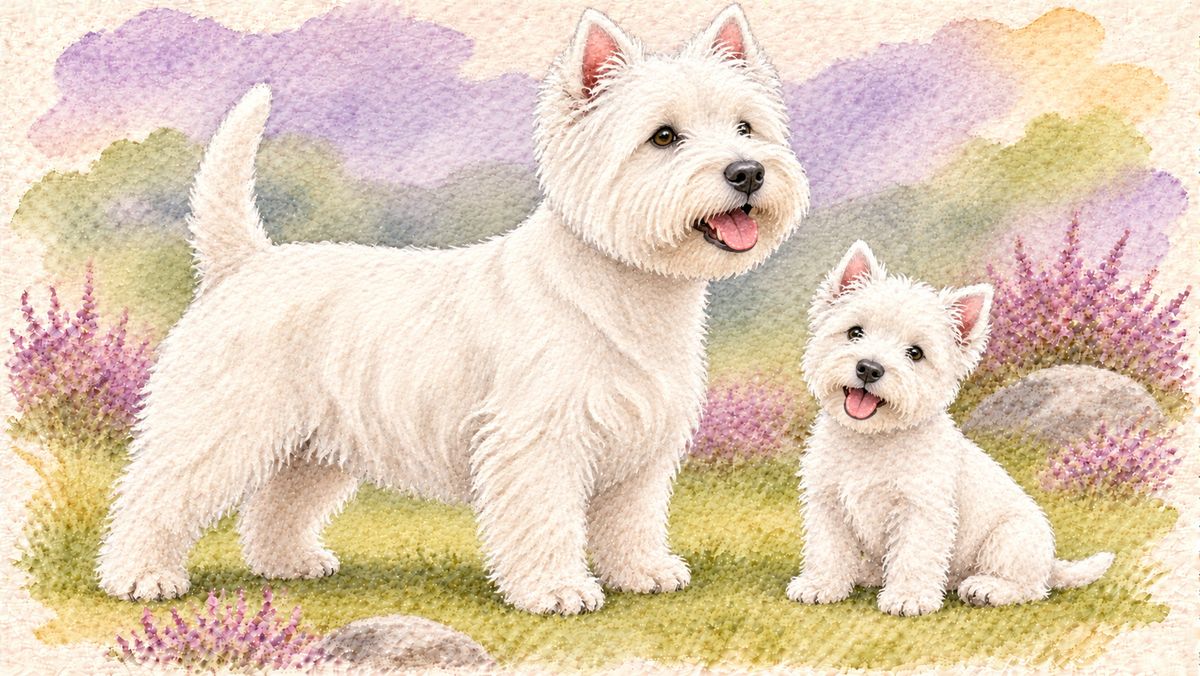
West Highland White Terrier Temperament and Personality
The West Highland White Terrier temperament is happy, confident and full of character. This breed is known for being:
- Cheerful: Westies have a sunny, upbeat personality and love to be involved in family life.
- Loyal and affectionate: They bond closely with their families and enjoy attention and play.
- Clever: Westies are quick thinkers and smart problem-solvers.
- Independent: As true terriers, they like to make their own decisions, which can make training a challenge.
- Alert: Westies notice everything and make keen little watchdogs that will bark at visitors.
Westies have plenty of self-confidence for their size. They are generally friendly with people, but they can be feisty with other dogs and quick to chase small animals. With proper training and socialization, they make delightful, entertaining companions.
Are Westies Good Family Dogs?
Yes, Westies can be wonderful family dogs. They are sturdy, playful and affectionate, and they usually enjoy spending time with children who treat them kindly.
They do best with older kids who understand how to handle a dog gently and respect its space. As with any breed, supervise play between young children and dogs.
Are Westies Good With Other Pets?
Westies often live happily with other dogs, especially when raised together. However, their strong prey drive means they may chase cats and other small animals. Small pets such as hamsters, guinea pigs, rabbits and rats are usually not a safe match for this ratting breed.
Early socialization is essential. Introducing your Westie puppy to many people, animals, places and sounds helps it grow into a well-mannered, confident adult.
Training a West Highland White Terrier
Westies are intelligent, but their independence can make training a test of patience. The key is to start early, stay consistent and keep things positive. Westies respond best to rewards such as praise, play and small treats, and they can become stubborn if training feels harsh or boring.
Here are a few training tips for Westie owners:
- Start early. Begin training and socialization as soon as your puppy comes home.
- Be patient and consistent. Set clear rules and stick to them so your Westie knows what to expect.
- Keep sessions short and fun. Brief, upbeat sessions keep this clever terrier engaged.
- Manage barking and digging. Teach a "quiet" cue and give your Westie a designated place or toy to satisfy its digging instincts.
- Try dog sports. Westies can enjoy agility, obedience, earthdog trials and Barn Hunt.
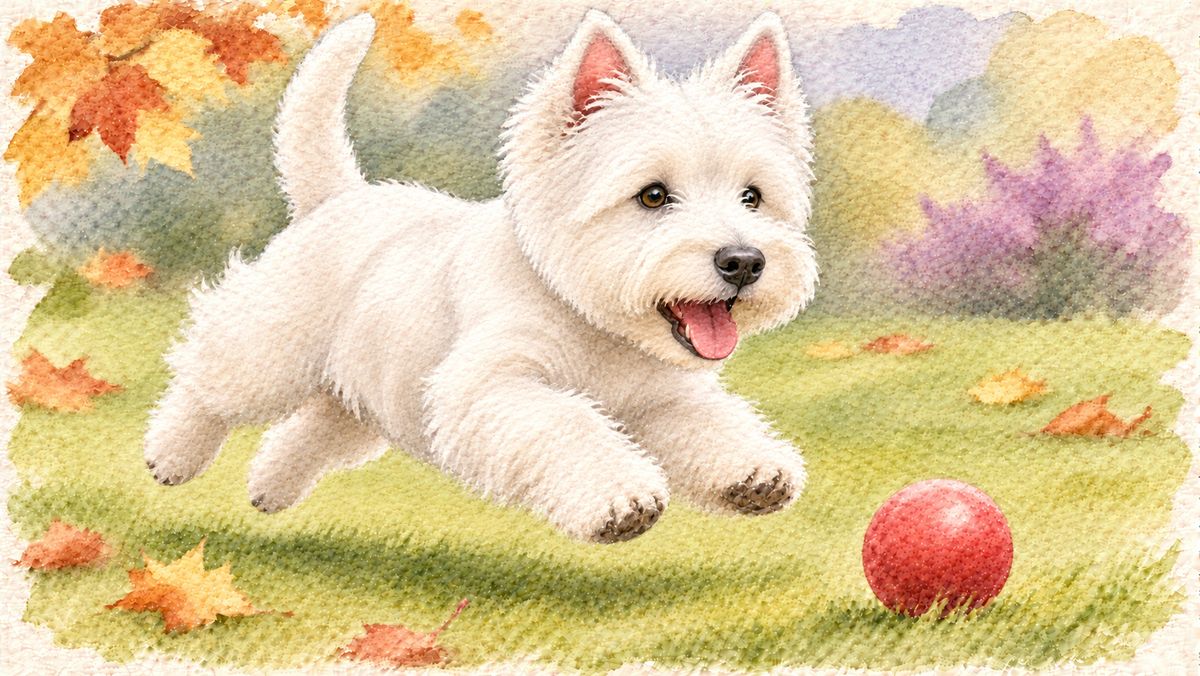
West Highland White Terrier Exercise Needs
The Westie has a moderate energy level. It needs daily exercise, but it does not require hours of activity. A couple of brisk walks each day, plus play sessions at home or in a fenced yard, are usually enough to keep it happy and healthy.
Westies adapt well to apartment living as long as they get regular walks and playtime. They also enjoy mental challenges such as puzzle toys, sniffing games and short training sessions.
Always keep your Westie on a leash or in a securely fenced area. Its instinct to chase small animals is strong, and it may dart off after a squirrel or cat without a second thought.
West Highland White Terrier Grooming
Do Westies Shed?
Westies shed lightly, with a bit more shedding during seasonal coat changes. Their harsh coat holds loose hair until it is brushed out, so you will usually see less hair around the house than with many breeds.
Some people with mild allergies find the Westie easier to live with, but no dog is truly 100 percent hypoallergenic. Spend time with the breed before deciding.
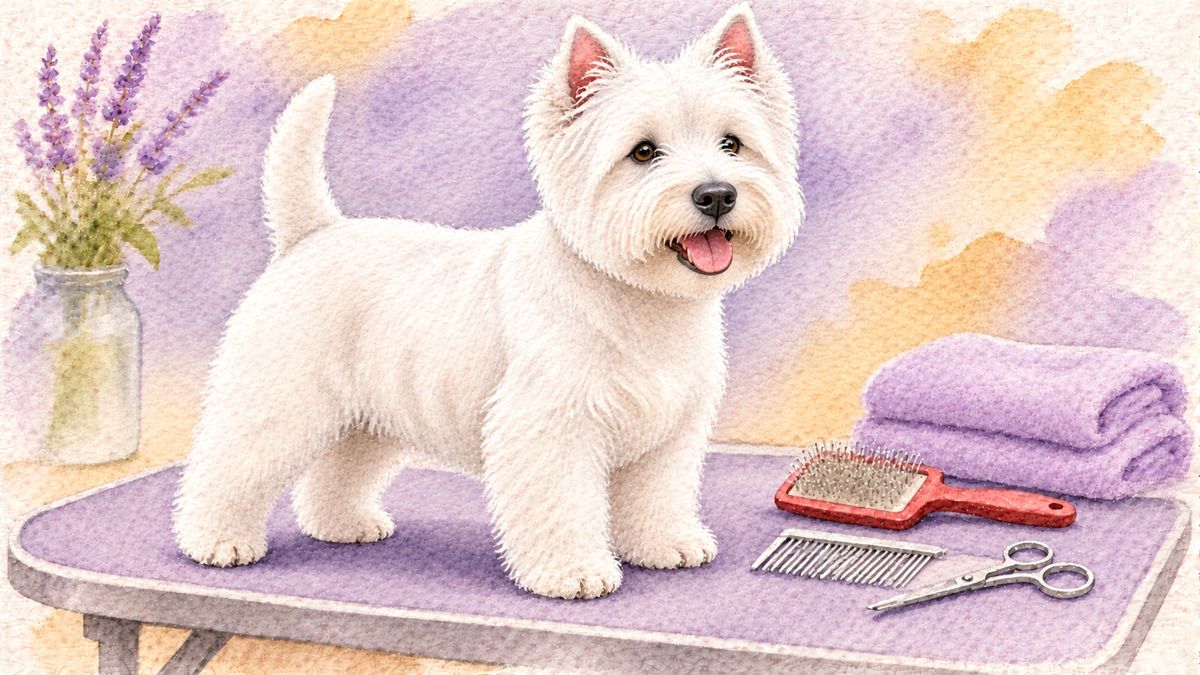
Westie Grooming Routine
Keeping that white coat clean and neat takes regular effort. A good Westie grooming routine includes:
- Brushing: Brush the coat several times a week, or daily if possible, to remove loose hair and prevent mats.
- Trimming: Have the coat trimmed every 4 to 6 weeks to keep the classic Westie shape. Show dogs are hand-stripped to keep the harsh texture, while many pet owners choose clipping.
- Face care: Wipe the face and beard regularly to help prevent staining around the eyes and mouth.
- Bathing: Bathe as needed, but not too often, as frequent bathing can dry out the skin and soften the coat.
- Nails and teeth: Trim nails every few weeks and brush teeth several times a week.
- Ears: Check the upright ears weekly for dirt or redness.
West Highland White Terrier Health and Lifespan
The typical West Highland White Terrier lifespan is 13 to 15 years. Westies are generally healthy, but like all breeds, they can be prone to certain conditions. Responsible breeders screen their dogs for concerns that may include:
- Skin allergies: Westies are known for being prone to itchy, sensitive skin.
- Luxating patella: A condition in which the kneecap slips out of place, common in small breeds.
- Heart conditions: Some lines may be affected, so heart screening is recommended.
- Craniomandibular osteopathy: A bone condition affecting the jaw that can occur in young terriers.
- Hip problems: Legg-Calvé-Perthes disease, which affects the hip joint, is seen in some small breeds, including Westies.
Westies can also gain weight easily, which puts extra strain on their joints. Regular exercise and careful portion control help keep them fit. Always work with your veterinarian to set up a routine of checkups, vaccinations and preventive care.
Feeding and Nutrition
As a small breed, the Westie may do best on a high-quality food made for small dogs, which often features smaller kibble that is easier to chew. Because many Westies have sensitive skin, some owners and veterinarians choose foods designed to support skin and coat health.
Puppies should eat a complete and balanced small-breed puppy food during their first year to support healthy growth. Portion sizes depend on your dog's age, weight and activity level, so follow the package guidelines and ask your veterinarian for advice. Keep treats to a small part of the daily diet to help prevent weight gain.
History of the West Highland White Terrier
The West Highland White Terrier's roots trace back to Scotland, where small, tough terriers were used for centuries to hunt rats, foxes and other vermin. These dogs needed to be brave, quick and small enough to squeeze into rocky dens.
In the 1800s, several Scottish families helped develop the white terriers that became today's Westie. One of the best-known is Colonel Edward Donald Malcolm of Poltalloch, who bred white terriers on his estate. A popular story says he chose white dogs after one of his reddish terriers was mistaken for a fox. Because of these early breeding programs, the Westie was once known by names such as the Poltalloch Terrier and the Roseneath Terrier.
The breed became popular at Scottish dog shows in the late 1800s. It made its American Kennel Club show debut in 1906, and the AKC registered its first Westie in 1908, the same year as the Doberman Pinscher and German Shepherd Dog. The breed's name was officially changed to West Highland White Terrier in 1909, referring to the western Highlands of Scotland, where it was developed.
The Westie has stayed popular in the United States for more than 100 years. It has also become a familiar face in advertising, most famously alongside a black Scottish Terrier on the labels of Black & White Scotch whisky.

Westie vs Cairn Terrier
The Westie and the Cairn Terrier are close relatives and share the same Scottish ratting history. In fact, white puppies were once born in Cairn litters. The biggest difference today is color: Westies are always white, while Cairns come in shades such as wheaten, red, gray and brindle. Westies also have a more rounded, groomed head, while Cairns have a shaggier, more natural look.
Is a West Highland White Terrier Right for You?
A Westie could be a wonderful match if you:
- Want a small, sturdy dog with a big, cheerful personality
- Live in an apartment or a smaller home
- Can provide daily walks and play
- Prefer a low-shedding breed
- Are ready for regular brushing and grooming appointments
- Have patience for consistent, positive training
A Westie may not be the best fit if you:
- Keep small pets such as hamsters, guinea pigs or rabbits
- Want a dog that is very easy to train
- Need a quiet dog that rarely barks
- Don't want to keep up with coat care
Finding a Westie Puppy
When looking for a West Highland White Terrier puppy, choose a reputable breeder who health-tests the parent dogs, raises puppies in a home environment and is happy to answer your questions. Ask about skin health in the puppy's family line. Breed clubs and Westie rescue groups are also great places to find adult dogs that need loving homes.
Fun Facts About the West Highland White Terrier
- The Westie was once known as the Roseneath Terrier and the Poltalloch Terrier.
- Legend says the white coat helped hunters avoid mistaking the dog for a fox.
- The breed's name refers to the western Highlands of Scotland.
- The AKC registered its first Westie in 1908, the same year as the Doberman Pinscher and German Shepherd Dog.
- A Westie and a Scottish Terrier appeared together on Black & White Scotch whisky labels.
- The Westie's tail is often described as carrot-shaped.
Frequently Asked Questions
Why is it called the West Highland White Terrier?
The name refers to the western Highlands of Scotland, where the breed was developed, and to its all-white coat. The name became official in 1909.
How big do Westies get?
Male Westies stand about 11 inches tall and females about 10 inches. Most adults weigh between roughly 13 and 20 pounds.
Are Westies good family dogs?
Yes. Westies are affectionate, playful and sturdy, and they usually do well with older children who handle them gently.
How long do Westies live?
The average West Highland White Terrier lifespan is 13 to 15 years with good care, a healthy diet and regular veterinary checkups.
Do Westies shed?
Westies shed lightly and mostly seasonally. Their harsh coat holds loose hair, so regular brushing and trimming keep shedding under control.
Are Westies hard to train?
Westies are smart but independent, so training takes patience and consistency. Short, fun sessions with positive rewards work best.
Final Thoughts
The West Highland White Terrier is a cheerful, confident and loving companion wrapped in a bright white coat. This plucky Scottish terrier brings fun, loyalty and plenty of personality to any home that can handle its independent streak. If you can offer daily walks, patient training and regular grooming, a Westie will reward you with years of happy companionship.