
The Toy Fox Terrier is a tiny, elegant dog with a lively terrier spirit packed into a body that often weighs less than a bag of sugar. With its bright eyes, tall pointed ears and sleek tricolor or bicolor coat, this little dog looks polished and alert at all times. Fans in the United States sometimes call it the "Amertoy," a nod to its all-American roots.
Behind that refined look is a bold, clever and endlessly busy companion. The breed combines the courage and quick reflexes of a terrier with the affection of a lapdog. In this complete Toy Fox Terrier dog breed guide, you will learn about its size, temperament, training, exercise needs, grooming, health, feeding and history, so you can decide whether this small but mighty dog belongs in your home.

Toy Fox Terrier at a Glance
| Trait | Details |
|---|---|
| Breed group | Toy (AKC) |
| Height | 8.5 to 11.5 inches (22 to 29 cm) |
| Weight | 3.5 to 7 pounds (1.5 to 3 kg) |
| Life expectancy | About 13 to 15 years |
| Coat | Short, fine, smooth and satiny |
| Colors | White and black, white and tan, white black and tan, white chocolate and tan |
| Shedding | Moderate; regular light shedding |
| Energy level | High |
| Temperament | Feisty, friendly, loyal, alert, clever |
| Good for | Active adults, families with older kids, apartment living |
| Origin | United States (early 20th century) |
What Is a Toy Fox Terrier?
The Toy Fox Terrier is a small American breed developed from the Smooth Fox Terrier. Early breeders selected the smallest Fox Terriers and crossed them with toy breeds such as the Miniature Pinscher, Italian Greyhound and Chihuahua. The goal was a dog that kept the terrier's grit and hunting instinct but was small enough to live comfortably indoors.
The result is a dog that truly lives in two worlds. It is officially part of the American Kennel Club's Toy Group, yet it thinks and acts like a terrier. Owners often describe it as a "big dog in a tiny body," full of confidence, humor and opinions.
How Big Do Toy Fox Terriers Get?
Adult Toy Fox Terriers usually stand 8.5 to 11.5 inches (22 to 29 cm) tall at the shoulder and weigh about 3.5 to 7 pounds (1.5 to 3 kg). That makes them one of the smaller terrier-type dogs you can find.
Despite the tiny size, the breed is athletic rather than fragile looking. The body is compact and slightly longer than tall, the chest is fairly deep and the legs are fine but strong. The head is wedge-shaped, with dark round eyes and erect, V-shaped ears that give the dog an always-listening expression. In the United States the tail is often docked, though natural tails are also seen.
Toy Fox Terrier Coat and Colors
The breed has a short, fine and satiny coat that lies close to the body and has a natural shine. It is slightly thicker around the neck, but it never looks shaggy.
The breed's color pattern is easy to recognize. The body is mostly white, while the head is usually solidly colored. Accepted combinations include:
- White, black and tan: The classic tricolor look, with a black head and tan accents on the face.
- White, chocolate and tan: A warm, soft version of the tricolor.
- White and tan: A bicolor pattern with a tan head and markings.
- White and black: A crisp bicolor pattern with a black head.

Toy Fox Terrier Temperament and Personality
The Toy Fox Terrier temperament is lively, curious and affectionate. This is not a dog that sits quietly in the corner. Common traits include:
- Feisty and animated: These dogs approach life with energy and enthusiasm, and they love to be in the middle of the action.
- Friendly and sociable: Most of these dogs bond closely with their people and enjoy meeting friendly visitors once properly introduced.
- Fearless: Like many terriers, they have little sense of their own size and may challenge much larger dogs.
- Loyal: They tend to follow their favorite people from room to room and enjoy curling up next to them after a busy day.
- Alert: Their sharp hearing and watchful nature make them excellent little watchdogs that will let you know when someone approaches.
- Clever and comical: Quick to learn and eager to show off, many love performing tricks.
Because of their terrier heritage, these dogs can be bossy if they are not given clear rules. They respond best to owners who are fair, consistent and fun.
Are Toy Fox Terriers Good Family Dogs?
Yes, they can be good family dogs in the right home. They are affectionate, playful and sociable, and they usually enjoy being part of everyday family life. The best match is a household with adults or older children who understand how to handle a small dog gently.
Very young children may accidentally drop, squeeze or step on a dog this small, and a startled dog may snap to protect itself. Always supervise interactions between dogs and kids.
Toy Fox Terriers and Other Pets
With other dogs, this breed often does well, especially when raised alongside them. Care is needed with large or boisterous dogs, since a rough play session could easily injure a tiny terrier.
The breed's ratting heritage means many dogs have a strong prey drive. Small pets such as hamsters, gerbils, rats and guinea pigs may trigger chasing instincts. Many Toy Fox Terriers live peacefully with cats they grow up with, but early socialization and careful introductions are important.
Training a Toy Fox Terrier
This little terrier is intelligent and usually eager to work with its owner, which makes it one of the more trainable toy breeds. Its history as a circus and trick dog shows just how quickly it can learn. However, it can also be stubborn and easily bored, so training must stay positive and lively.
Here are some training tips for new owners:
- Start early. Begin socialization and basic manners as soon as your puppy comes home.
- Use rewards. Praise, play and tiny treats work far better than harsh corrections.
- Keep sessions short. Several five-minute sessions a day keep a busy terrier mind focused.
- Be patient with house-training. Toy breeds have tiny bladders. A regular schedule, crate training and frequent potty breaks make a big difference.
- Teach a "quiet" cue. Their alert nature can lead to barking, so reward calm behavior from the start.
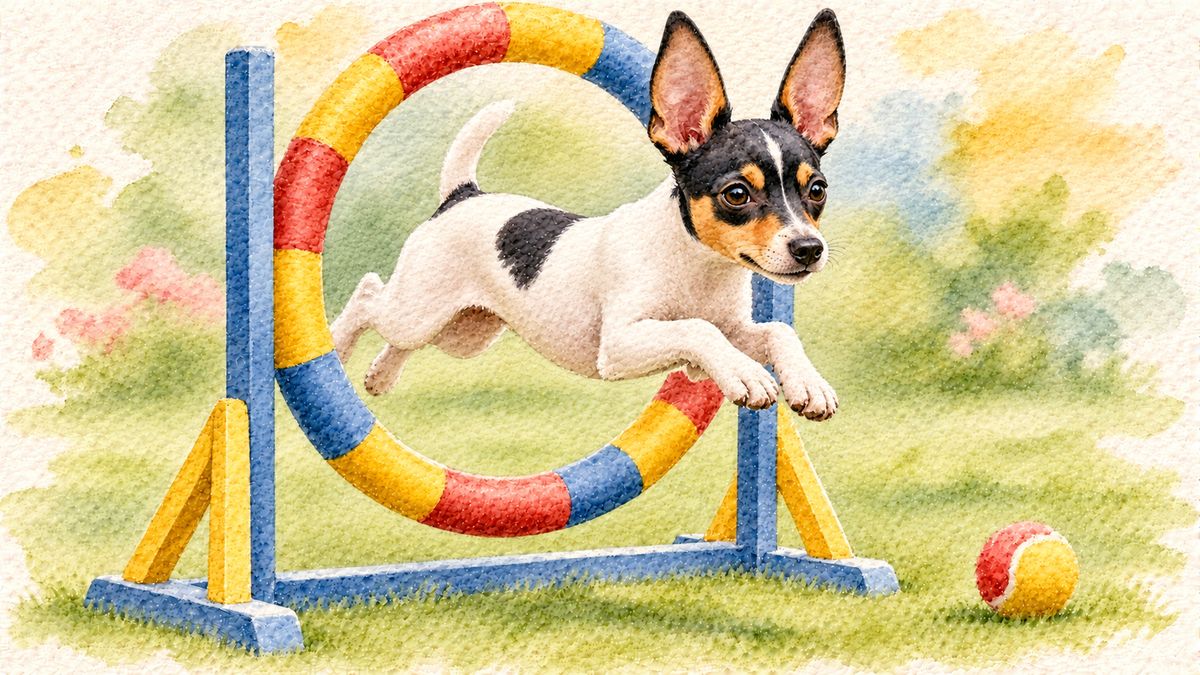
- Try dog sports. Agility, obedience, rally and trick training are excellent outlets for this smart little dog.
Toy Fox Terrier Exercise Needs
This is a high-energy dog, so it needs daily exercise and play even though its small size makes that easy to provide. A couple of brisk walks each day, plus indoor games of fetch, tug and hide-and-seek, will usually keep it happy.
Mental exercise matters just as much as physical activity. Puzzle feeders, trick training and short scent games help prevent boredom, which can otherwise turn into barking, digging or chewing.
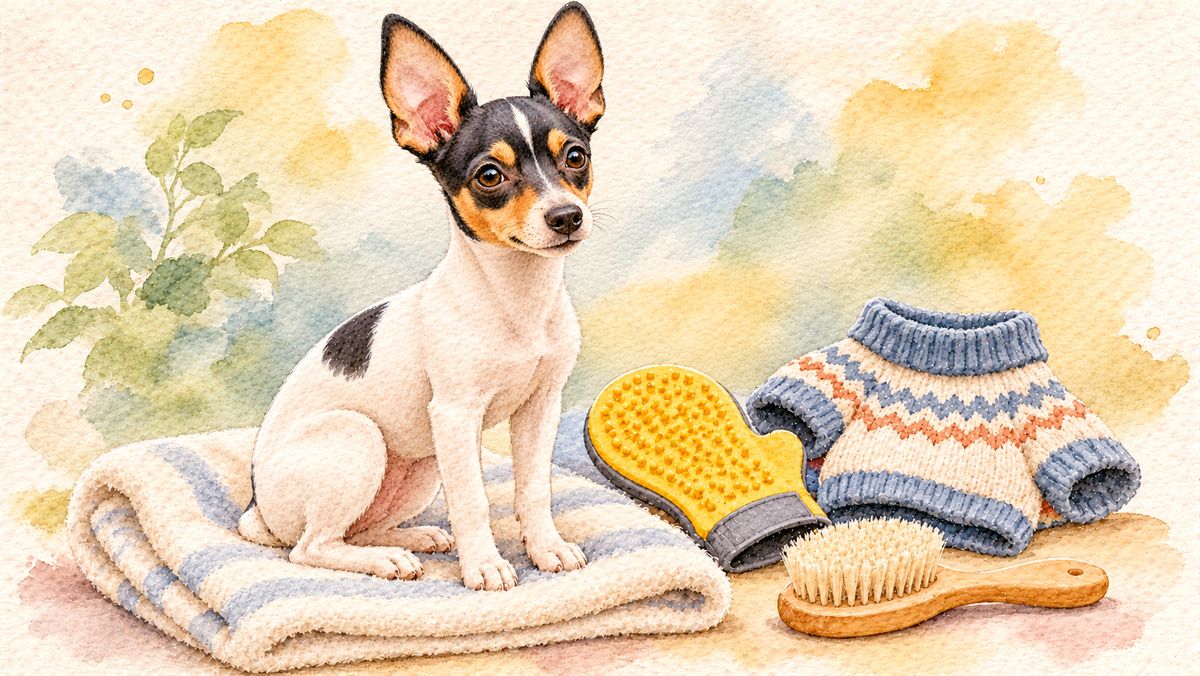
Thanks to its size, this breed adapts well to apartment living, as long as its exercise needs are met. Always use a leash or a securely fenced area outdoors, because a Toy Fox Terrier may dash after a squirrel or bird without warning. The breed is also sensitive to cold, so a sweater or coat is helpful in chilly weather.
Toy Fox Terrier Grooming
Toy Fox Terrier grooming is refreshingly simple. The short, satiny coat needs very little maintenance compared with long-haired toy breeds.
Do Toy Fox Terriers Shed?
Yes, they shed, but the short hairs are fine and easy to manage. Weekly brushing removes most loose hair and keeps the coat glossy. They are not considered hypoallergenic.
Grooming Routine
- Brushing: A quick weekly session with a soft brush or rubber grooming mitt keeps the coat smooth and shiny.
- Bathing: Bathe only occasionally or when your dog gets dirty, using a gentle dog shampoo.
- Nails: Trim nails every few weeks, since small dogs often don't wear them down naturally.
- Teeth: Brush your dog's teeth several times a week. Toy breeds are prone to dental problems because their teeth are crowded into a small mouth.
- Ears: Check the upright ears weekly for dirt, redness or odor.
- Warmth: After baths, dry your dog thoroughly, since the thin coat offers little protection from cold.
Toy Fox Terrier Health and Lifespan
The Toy Fox Terrier is generally a healthy, long-lived breed, with a typical lifespan of about 13 to 15 years. Responsible breeders screen their dogs for conditions that can affect the breed, which may include:
- Luxating patella: A condition in which the kneecap slips out of place, common in small breeds.
- Legg-Calvé-Perthes disease: A hip joint condition seen in some small breeds.
- Congenital hypothyroidism with goiter: An inherited thyroid condition for which a DNA test is available.
- Von Willebrand disease: An inherited blood clotting disorder.
- Dental disease: Crowded teeth in a small mouth can lead to tartar buildup and gum problems.
Because these dogs are so small, injuries from falls or jumps are a real risk. Use ramps or steps for high furniture, and teach children to sit on the floor when holding the dog. Always work with your veterinarian to set up a routine of checkups, vaccinations and preventive care.
Feeding and Nutrition
This breed does best on a high-quality dog food formulated for small or toy breeds. These foods usually have smaller kibble that suits tiny mouths and are designed for the higher metabolism of small dogs.
Puppies should eat a puppy formula to support healthy growth. Small dogs often do well with two or more meals a day on a regular schedule. Portion size depends on your dog's age, weight and activity level, so follow the feeding guide on the package and ask your veterinarian for advice. Keep treats small, since just a few extra calories can lead to weight gain in a dog this size.
History of the Toy Fox Terrier
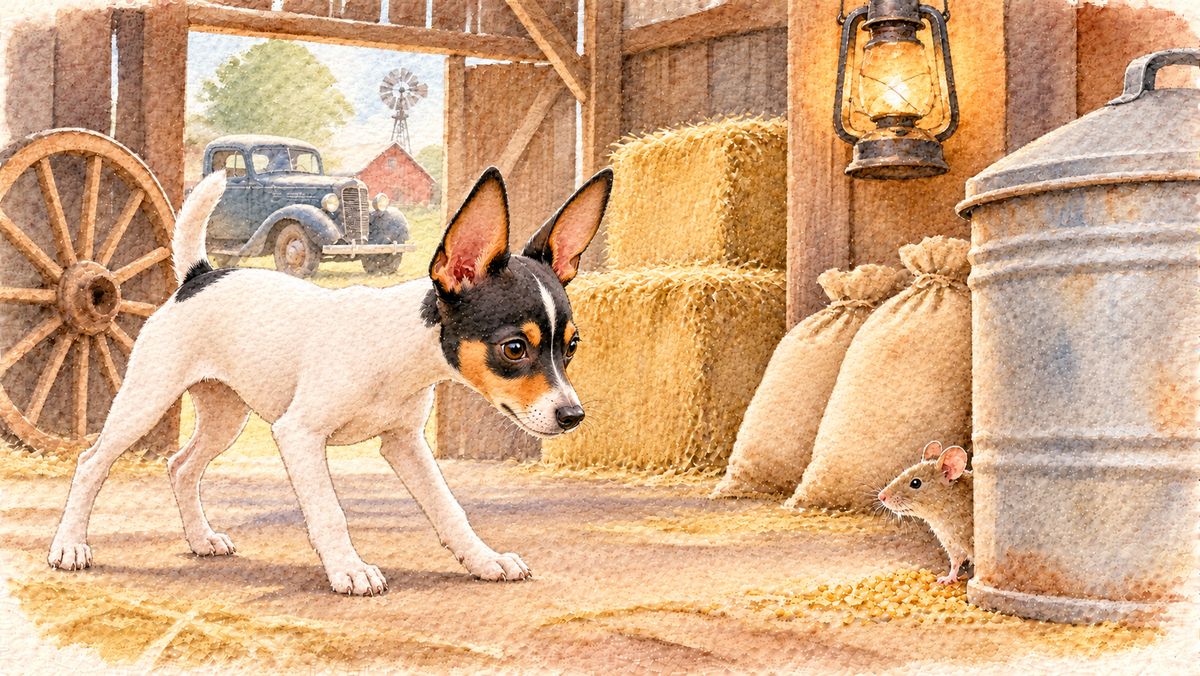
The Toy Fox Terrier's story begins on American farms in the early 20th century. Smooth Fox Terriers were already popular ratters, and the smallest dogs in a litter, often called runts, proved especially handy for chasing rats and mice out of barns and feed rooms.
Breeders began crossing these small Fox Terriers with toy breeds, including the Miniature Pinscher, Italian Greyhound and Chihuahua. These crosses reduced size and added a touch of elegance, while keeping the terrier's bravery and quick reflexes. The resulting dogs were tough enough to hunt vermin and small enough to share the family home.
By the 1930s, the dogs had a clear identity of their own, and the United Kennel Club recognized the Toy Fox Terrier as a separate breed in 1936. Thanks to their intelligence and love of an audience, they became favorites with circus performers and trick-dog trainers.
The American Kennel Club recognized the breed much later, admitting it to the Toy Group in 2003. Today the breed is valued mostly as a companion, but many dogs still enjoy agility, obedience and other dog sports.
Toy Fox Terrier vs Chihuahua
People often compare the Toy Fox Terrier with the Chihuahua because the two are similar in size. The terrier is usually a bit more athletic and energetic, with a strong terrier drive to chase and play. The Chihuahua is often more of a lapdog with a deep attachment to one person. Both are bold, but the Toy Fox Terrier generally needs more exercise and mental activity.
Is a Toy Fox Terrier Right for You?
A Toy Fox Terrier could be a wonderful match if you:
- Want a tiny dog with a big, playful personality
- Live in an apartment or smaller home
- Can provide daily walks, games and training
- Prefer a short coat that is easy to groom
- Enjoy teaching tricks or trying dog sports
- Live with adults or older, gentle children
This breed may not be the best fit if you:
- Have toddlers or very young children
- Keep small pets such as hamsters, gerbils or rats
- Want a calm, low-energy lapdog
- Need a quiet dog, since this breed likes to alert you to everything
- Are away from home for long hours every day
Finding a Toy Fox Terrier Puppy
When looking for a Toy Fox Terrier puppy, choose a breeder who health-tests their dogs, raises puppies in a home environment and is happy to answer your questions. Ask to meet the puppy's mother, and expect a good breeder to ask you questions too. Breed clubs and rescue groups are also great places to look, as adult Toy Fox Terriers sometimes need new homes.
Fun Facts About the Toy Fox Terrier
- The Toy Fox Terrier is sometimes called the "Amertoy" because it is an American breed.
- Its ancestors include the Smooth Fox Terrier, Miniature Pinscher, Italian Greyhound and Chihuahua.
- These little dogs were popular performers in circuses and trick-dog acts.
- The United Kennel Club recognized the breed in 1936, but the American Kennel Club did not recognize it until 2003.
- Despite being a terrier, it belongs to the AKC Toy Group.
- Many adults weigh less than 7 pounds.
Frequently Asked Questions
How big do Toy Fox Terriers get?
Adults usually stand 8.5 to 11.5 inches tall at the shoulder and weigh about 3.5 to 7 pounds, making them a true toy breed.
Are Toy Fox Terriers good family dogs?
They can be loving family pets for adults and older children who handle them gently. Because they are so small, they are usually not the best choice for homes with toddlers.
How long do Toy Fox Terriers live?
The average Toy Fox Terrier lifespan is about 13 to 15 years with good care, a healthy diet and regular veterinary checkups.
Do Toy Fox Terriers bark a lot?
They are alert watchdogs and will bark at visitors or unusual sounds. Early training, a "quiet" cue and plenty of daily activity can help keep barking under control.
Are Toy Fox Terriers hypoallergenic?
No. The breed has a short coat that sheds lightly year-round. Weekly brushing helps, but it is not considered hypoallergenic.
Is a Toy Fox Terrier easy to train?
They are smart and quick learners that often enjoy trick training. They can be stubborn, so short, upbeat sessions with rewards work best.
Final Thoughts
The Toy Fox Terrier is a tiny American original with the heart of a hardworking terrier and the charm of a devoted lapdog. It is playful, loyal, clever and easy to groom, yet it needs daily exercise, consistent training and a gentle household. If you want a small companion that is always ready for fun, a Toy Fox Terrier could be the perfect fit.