
The Toy Poodle is the smallest of the three Poodle varieties, a pocket-size companion that weighs only about 4 to 6 pounds yet carries all the brains, wit and elegance the Poodle is famous for. With its soft curls, springy step and bright, knowing eyes, this little dog seems to charm everyone it meets.
Toys were bred to be companions, and they excel at it. They are clever, affectionate and eager to please, and their low-shedding coat makes them a favorite with tidy households. In this complete Toy Poodle guide, you will learn what sets the Toy apart from its larger cousins, plus its size, temperament, training, exercise, grooming, health, feeding and history, so you can decide whether this tiny genius belongs in your life.
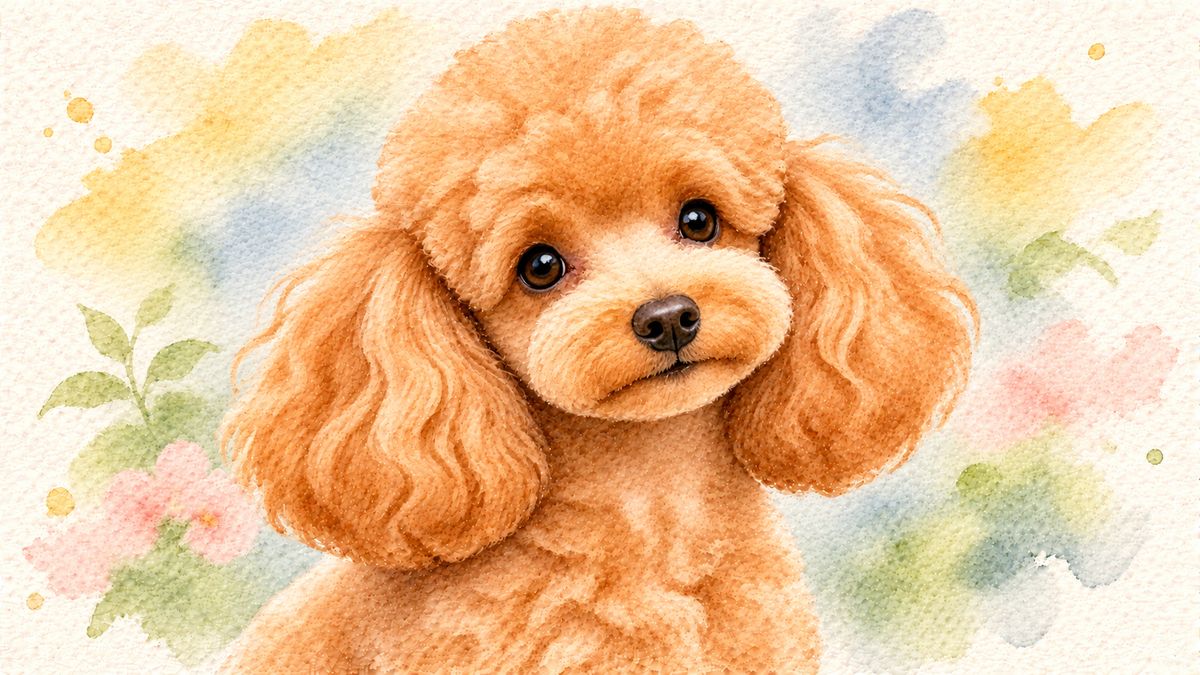
Toy Poodle at a Glance
| Trait | Details |
|---|---|
| Breed group | Toy (AKC) |
| Height | 10 inches (25 cm) or under at the shoulder |
| Weight | 4 to 6 pounds (2 to 3 kg) |
| Life expectancy | 12 to 15 years, often longer |
| Coat | Curly, dense, single coat |
| Colors | White, black, apricot, cream, silver, blue, gray, brown, red, cafe au lait, silver beige |
| Shedding | Very low |
| Energy level | Moderate |
| Temperament | Smart, loving, witty, social, eager to please |
| Good for | Apartments, seniors, adults, families with older kids |
| Origin | Germany and France; Toy size developed in the United States |
What Is a Toy Poodle?
The Toy Poodle is not a separate breed. It is one of three size varieties of the Poodle, alongside the Miniature and the Standard. All three share the same breed standard and the same overall look; the only official difference is height.
In the United States, the American Kennel Club places the Toy Poodle in the Toy Group, while the Miniature and Standard belong to the Non-Sporting Group. That split reflects how differently the varieties fit into daily life. A Standard is a large, athletic dog, while a Toy is a true lapdog that can travel in a carrier and live happily in a small apartment.
How Big Do Toy Poodles Get?
A Toy stands 10 inches (25 cm) or under at the highest point of the shoulder, and most adults weigh about 4 to 6 pounds (2 to 3 kg). Any Poodle taller than 10 inches is classed as a Miniature.
Despite its small size, a well-bred Toy has the same square, balanced build as a Standard. It has a long, elegant neck, a fine but sturdy frame, oval dark eyes, long hanging ears and a straight muzzle. It moves with a light, springy gait that looks almost like it is floating.
What About "Teacup" Poodles?
You may see breeders advertise "teacup" or "tiny toy" Poodles. These are not recognized varieties. They are simply very small Toys, and extreme miniaturization can be linked with fragile bones, low blood sugar and other health concerns. A healthy dog within the normal Toy size range is the safer choice.
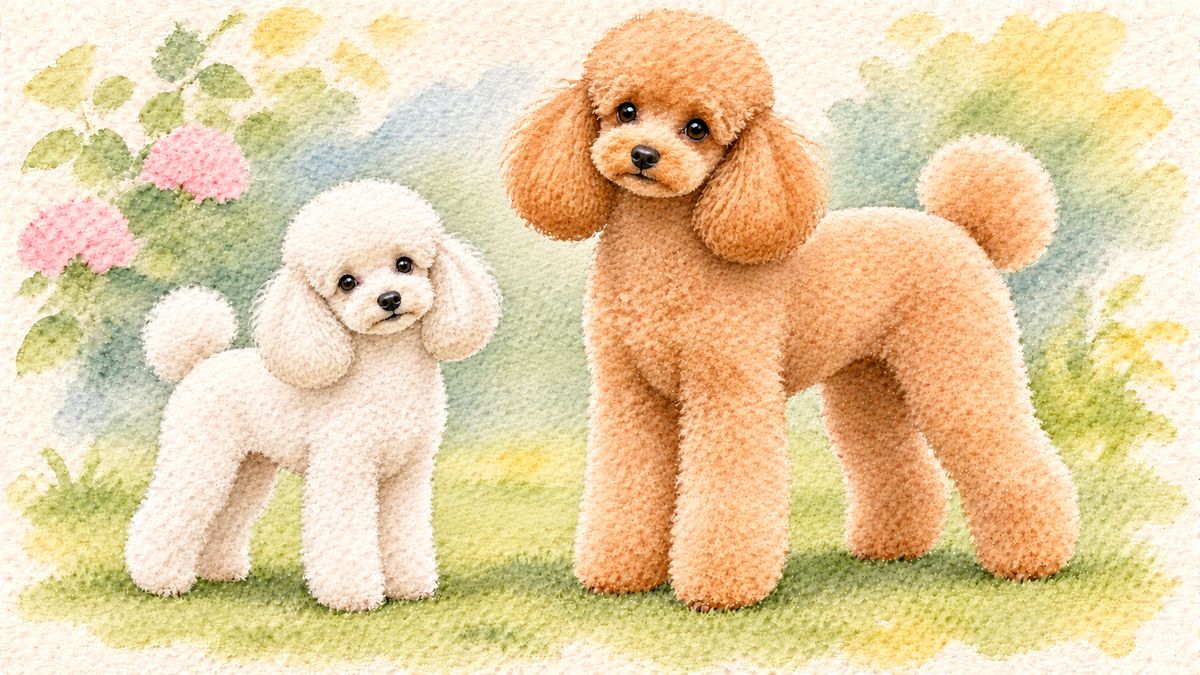
Toy Poodle Coat and Colors
The Toy has a dense, curly coat with a harsh texture that feels more like fur than hair. The coat grows continuously and is a single coat, which is part of why the breed sheds so little.
Poodles come in a wide range of solid colors, including white, black, apricot, cream, silver, blue, gray, brown, red, cafe au lait and silver beige. Apricot, red and white are especially popular in Toys. Colors should be even, although some shades naturally lighten or darken with age.
Toy Poodle Temperament and Personality
The Toy Poodle temperament is a delightful mix of brains and affection. These little dogs are often described as:
- Smart: Poodles rank among the most intelligent breeds, and the Toy is no exception. It learns new words, routines and tricks with ease.
- Loving: Toys are deeply bonded to their owners and like to stay close, often following them from room to room.
- Witty and funny: Many have a playful, clownish streak and enjoy making their family laugh.
- Social and outgoing: Most enjoy meeting friendly people, although some can be reserved with strangers at first.
- Eager to please: They thrive on praise and love having a job, even if that job is learning a new trick.
- Sensitive: They pick up on household moods and do not respond well to harsh treatment or loud, chaotic homes.
Many Toys choose one favorite person in the family. Because they are so people-focused, they can develop separation anxiety if left alone for long hours. They may also become barky without enough training and socialization.
Are Toy Poodles Good Family Dogs?
Toys can be wonderful family dogs for adults, seniors and families with older, gentle children. They are affectionate, playful and adaptable. However, they are tiny and can be hurt by rough play or a fall from a child's arms, so they are generally best suited to homes without toddlers.
With other pets, Toys usually do well when socialized early. Large, boisterous dogs should be supervised around them, since even friendly play can injure a dog this small.
Training a Toy Poodle
Training this little dog is usually a pleasure. They are quick learners, eager to please and responsive to positive reinforcement. However, they can also be stubborn, with a touch of selective hearing when something more interesting is going on.
Here are some training tips for owners:
- Socialize early and often. Gentle exposure to people, sounds and places builds confidence and helps reduce nervous barking.
- Use rewards. Praise, play and tiny treats keep this sensitive dog motivated.
- Keep it varied. Poodles get bored with repetition, so mix in new tricks and games.
- Be patient with house-training. Tiny bladders mean frequent potty breaks. A regular schedule and crate or pad training help.
- Practice alone time. Teach your puppy that short periods alone are safe to help prevent separation anxiety.
- Avoid "small dog syndrome." Hold your Toy to the same manners you would expect from a big dog, such as not jumping up or demanding attention.
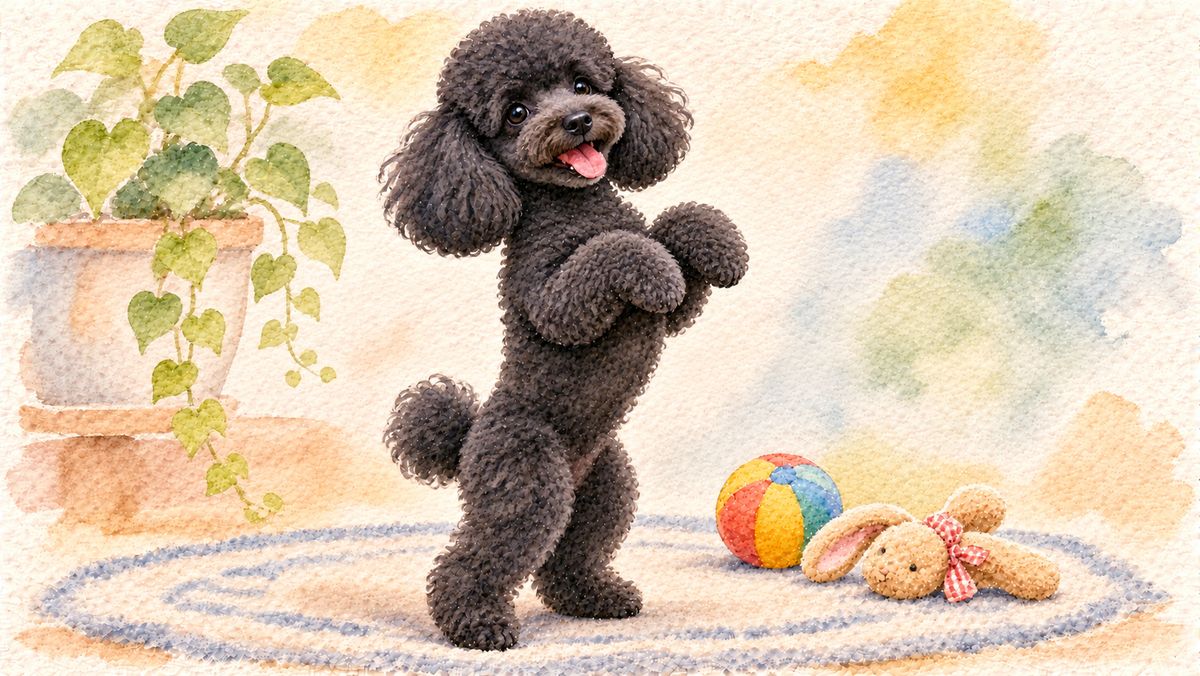
Exercise Needs
Toys are more energetic than their size suggests. A couple of short daily walks combined with indoor play is usually enough. They enjoy fetch with small toys, hide-and-seek and trick sessions, which also give their busy minds a workout.
Many Poodles love to swim, a reminder of the breed's water-retrieving roots. If your Toy enjoys water, supervise closely and consider a dog life jacket.
Be careful not to overdo it. Toys can be injured by long hikes, rough play or jumping from high furniture. Watch for limping or fatigue, and use pet steps for sofas and beds. They are also sensitive to extreme temperatures, so a sweater helps in cold weather, and exercise should happen in the cooler parts of hot days.
Toy Poodle Grooming
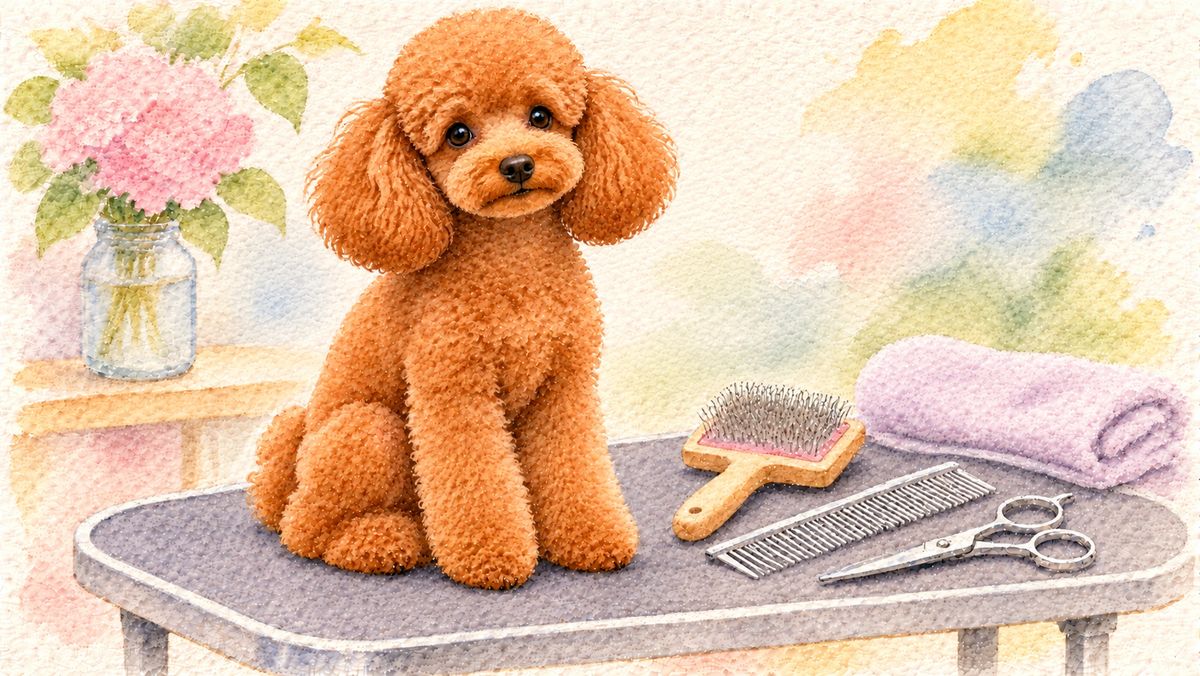
Toy Poodle grooming is the biggest commitment of ownership. The curly coat keeps growing and traps loose hairs, so it must be brushed and trimmed regularly to prevent painful mats close to the skin.
Do Toy Poodles Shed?
Toy Poodles shed very little. Loose hairs tend to get caught in the curls instead of landing on your floor, which is why the breed is popular with people who have mild allergies. No dog is completely hypoallergenic, so spend time around one before committing.
Grooming Routine
- Brushing: Brush several times a week, ideally daily, with a slicker brush and comb, working down to the skin.
- Professional grooming: Most owners book a groomer every 6 to 8 weeks for a bath, clip and tidy-up.
- Popular clips: Many pet owners choose an easy-care "puppy clip" or "teddy bear" cut instead of the elaborate show styles.
- Teeth: Brush teeth several times a week or offer size-appropriate dental chews. Toy breeds are prone to dental disease.
- Ears: Clean the ears regularly with a vet-approved routine, since hair and moisture can build up inside.
- Eyes: Gently wipe away tear staining, which is more noticeable on light-colored dogs.
- Nails and paws: Trim nails every few weeks and check paw pads for irritation.
Toy Poodle Health and Lifespan
The Toy Poodle lifespan is long, typically 12 to 15 years, and many live well beyond that with good care. Responsible breeders screen their dogs for conditions that can affect the variety, which may include:
- Luxating patella: A kneecap that slips out of place, common in small breeds.
- Legg-Calvé-Perthes disease: A hip joint condition seen in some toy breeds.
- Progressive retinal atrophy and other eye problems: Regular eye checks help catch issues early.
- Epilepsy: A seizure disorder reported in Poodles.
- Bladder stones: Some small dogs are prone to them.
- Dental disease: Crowded teeth in a small mouth can lead to tartar and gum problems.
Small dogs can also be prone to anal gland problems, so watch for scooting or excessive licking. Very young or very small puppies may be at risk of low blood sugar, so regular meals matter. Always work with your veterinarian to set up a routine of checkups, vaccinations and preventive care.
Feeding and Nutrition
This variety does best on a high-quality small-breed dog food with good protein as the main ingredient, easily digestible carbohydrates and healthy fats. Small-breed kibble is easier for tiny mouths to chew.
Because their stomachs are small, Toys often do well with smaller, more frequent meals on a regular schedule. Puppies should eat a puppy formula. Portion sizes depend on age, weight and activity, so follow the package guidelines and ask your veterinarian. Weight gain is a real risk in toy breeds, so keep treats low in calories and limit them to about 10 percent of daily calories.
History of the Toy Poodle
The Poodle began as a water retriever in Germany several centuries ago. Its name comes from the German word pudel, linked to splashing in water. The breed was later embraced in France, where it became so beloved that the Poodle is now considered the national dog of France.
Over time, breeders began producing smaller Poodles. The Standard was bred down to create the Miniature, which became a favorite of the French aristocracy and of traveling circus performers, who prized its intelligence and talent for tricks.
The Toy Poodle as we know it was developed in the early 20th century in the United States. American breeders selected small Miniatures to create a dog that was purely a companion, perfect for city apartments and life on the go. The Toy variety quickly became a popular choice for people who wanted the Poodle's brains and low-shedding coat in the smallest possible package.
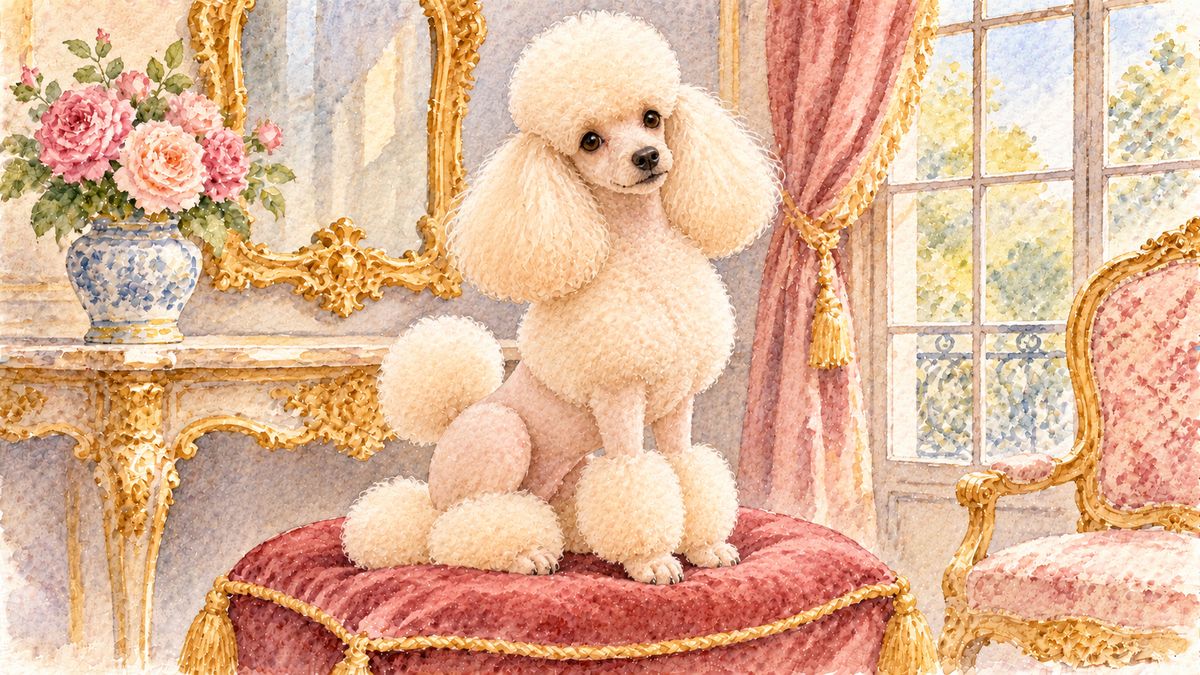
Toy Poodle vs Miniature Poodle
The main difference between a Toy Poodle and a Miniature Poodle is size. Toys stand 10 inches or under and weigh about 4 to 6 pounds, while Miniatures stand over 10 inches and up to 15 inches and usually weigh around 10 to 15 pounds. Miniatures are a little sturdier, which can make them a better fit for active families with children. Toys are ideal for apartments, travel and quieter households.
Is a Toy Poodle Right for You?
A Toy Poodle could be a wonderful match if you:
- Want a tiny, intelligent and affectionate companion
- Live in an apartment or smaller home
- Prefer a low-shedding dog
- Have time or budget for regular professional grooming
- Are home often or can bring your dog along
- Enjoy teaching tricks and playing brain games
A Toy Poodle may not be the best fit if you:
- Have toddlers or very young children
- Are away from home for long hours each day
- Want a low-maintenance coat
- Prefer a rugged dog for long hikes and rough play
Finding a Toy Poodle Puppy
When searching for a Toy Poodle puppy, choose a breeder who health-tests their dogs, raises puppies in a home environment and stays within the normal Toy size range. Be cautious of anyone marketing "teacup" puppies as rare or premium. Poodle clubs and rescue groups are also good places to find adult Toys looking for loving homes.
Fun Facts About the Toy Poodle
- The Toy is one of three Poodle varieties, along with the Miniature and Standard.
- It belongs to the AKC Toy Group, while the other two varieties are in the Non-Sporting Group.
- The Toy variety was developed in the United States in the early 1900s.
- The Poodle is the national dog of France, even though it originated in Germany.
- The fancy show clip was originally designed to help working Poodles swim while keeping their joints warm.
- Many Toys love to swim, just like their water-retrieving ancestors.
Frequently Asked Questions
How big do Toy Poodles get?
Toy Poodles stand 10 inches or under at the shoulder and usually weigh 4 to 6 pounds as adults.
Are Toy Poodles hypoallergenic?
They shed very little and are often recommended for people with mild allergies. No dog is completely allergen-free, so spend time with the breed before deciding.
How long do Toy Poodles live?
The average lifespan is 12 to 15 years, and many live even longer with good care, a healthy diet and regular veterinary checkups.
Are Toy Poodles good family dogs?
They are loving family dogs for adults and older children who handle them gently. Because they are so small, they are usually not the best match for homes with toddlers.
Is a teacup Poodle the same as a Toy Poodle?
No. "Teacup" is a marketing term, not an official variety. It usually refers to an unusually small Toy, which may carry a higher risk of health problems.
How often does a Toy Poodle need grooming?
Plan to brush several times a week and book a professional groom every 6 to 8 weeks to keep the curly coat comfortable and mat-free.
Final Thoughts
The Toy Poodle proves that a big brain and a big heart can fit into a very small dog. It is clever, loving, playful and low-shedding, and it adapts well to apartments and quieter homes. If you can commit to regular grooming, gentle handling and plenty of companionship, a Toy Poodle may become the most devoted friend you have ever had.