
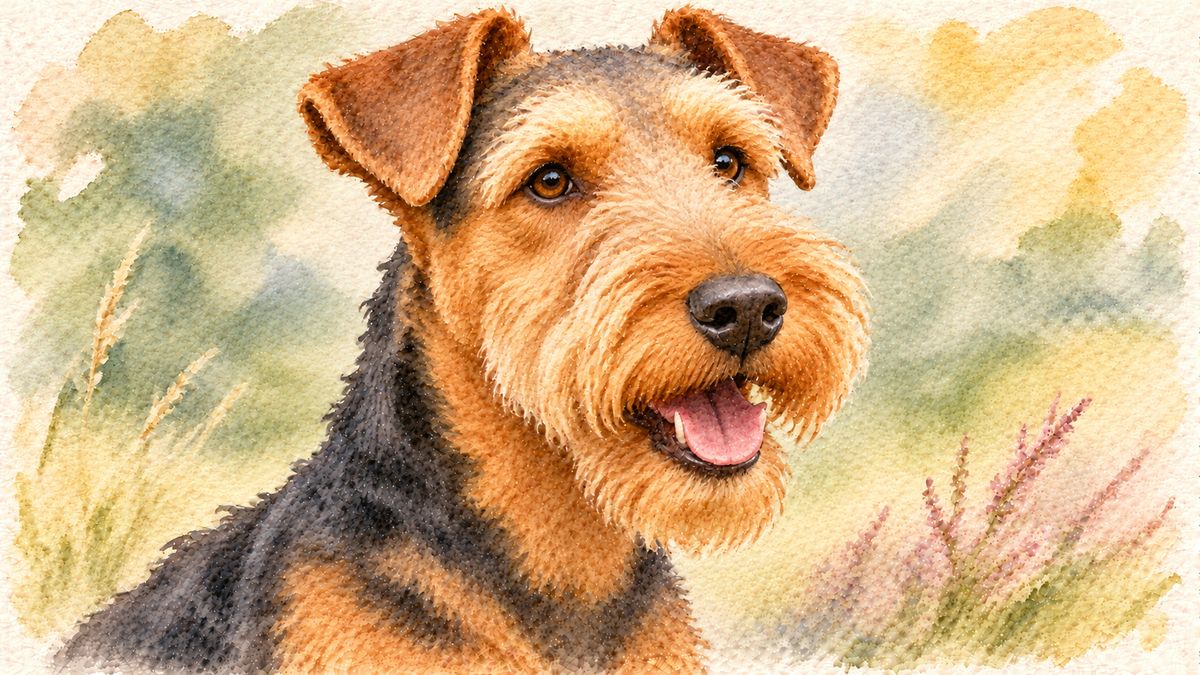
With its bearded muzzle, bushy eyebrows and smart black-and-tan jacket, the Welsh Terrier looks like a small, tidy version of an Airedale. But this spirited dog from Wales has a personality all its own: happy, outgoing, clever and always ready for the next adventure.
The Welsh Terrier was bred to hunt fox, badger and otter in the rugged Welsh countryside, and it still has the courage and energy of a working terrier. In this complete Welsh Terrier dog breed guide, you will learn about its size, temperament, grooming, exercise needs, health, diet and long history, so you can decide if this spunky companion is right for you.
Welsh Terrier at a Glance
| Trait | Details |
|---|---|
| Breed group | Terrier (AKC) |
| Height | About 15 to 15.5 inches (38 to 39 cm) for males; females slightly smaller |
| Weight | About 18 to 22 pounds (8 to 10 kg) |
| Life expectancy | About 12 to 15 years |
| Coat | Dense, hard, wiry double coat |
| Colors | Black and tan, or black grizzle and tan |
| Shedding | Low |
| Energy level | High |
| Temperament | Spunky, friendly, playful, intelligent, alert |
| Good for | Active families, older children, homes with fenced yards |
| Origin | Wales, United Kingdom |
What Is a Welsh Terrier?
The Welsh Terrier is a sturdy, square-built terrier developed in Wales to hunt vermin and den animals. It is one of the oldest terrier types in the United Kingdom, and for a long time it was known by other names, including the Old English Terrier and the Black-and-Tan Wirehaired Terrier.
Today the breed is a member of the American Kennel Club's Terrier Group. It remains fairly uncommon in the United States, but owners love its cheerful nature, smart looks and low-shedding coat. The Welsh Terrier is often described as a little calmer and friendlier than some of its terrier cousins, while still being full of spirit.
Welsh Terrier Size and Appearance
How Big Do Welsh Terriers Get?
Welsh Terriers are small to medium-sized dogs. Males usually stand about 15 to 15.5 inches tall at the shoulder, females are slightly smaller, and most adults weigh around 18 to 22 pounds.
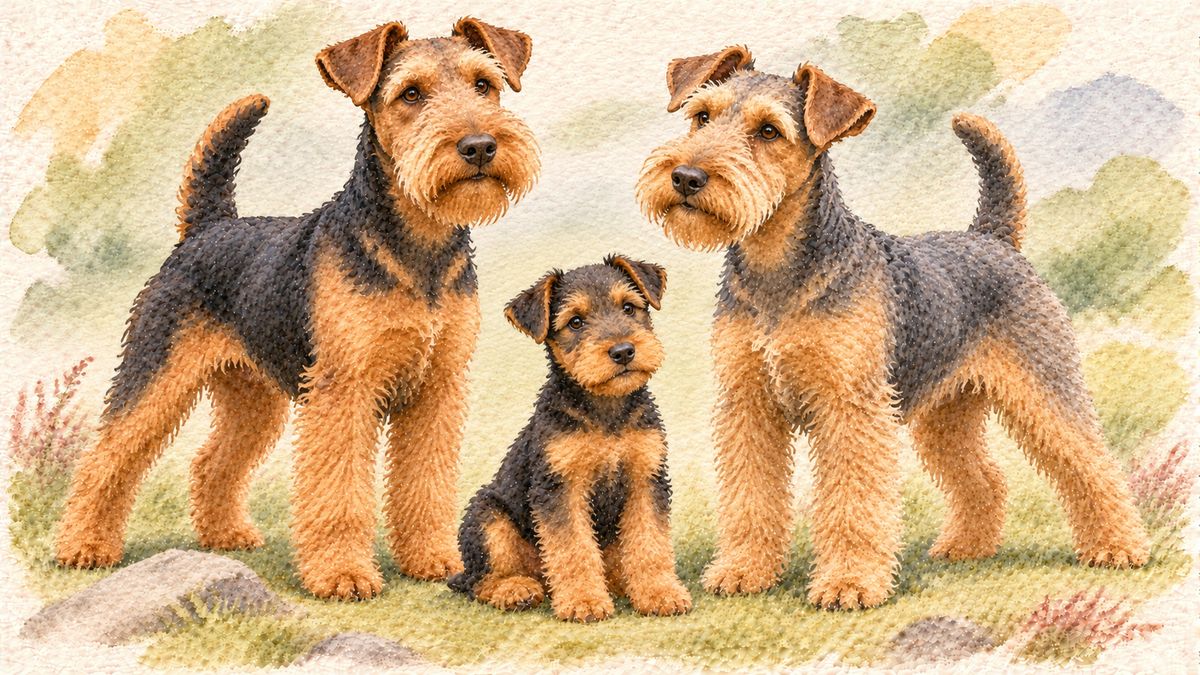
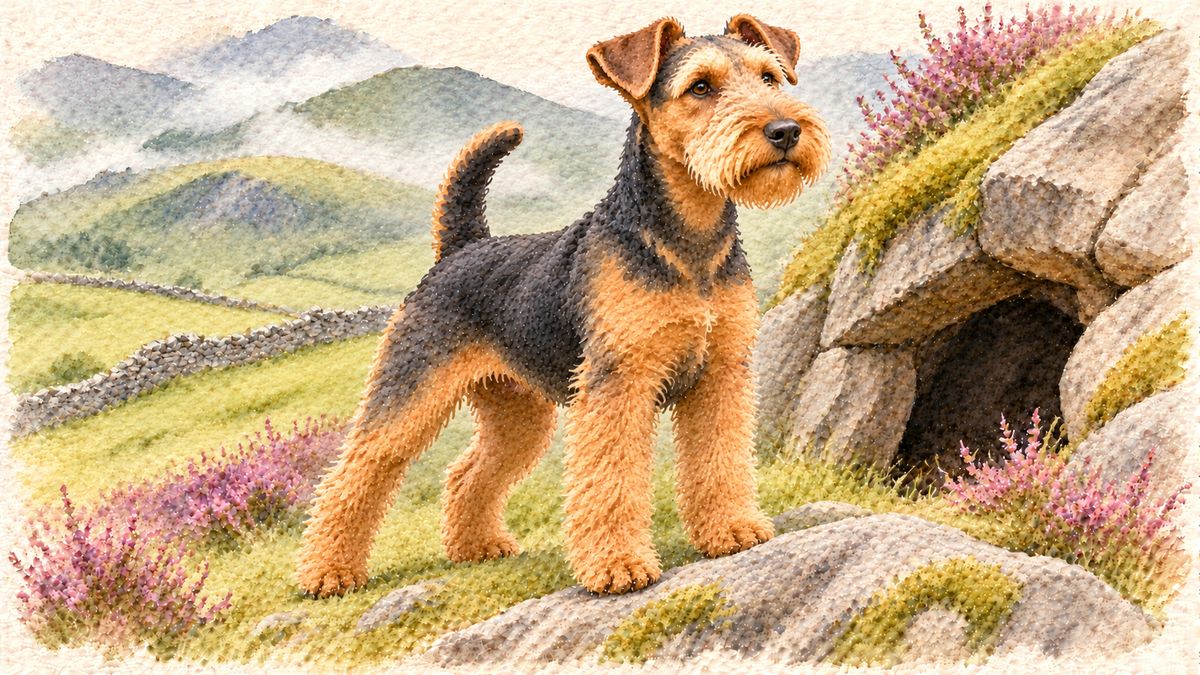
The Welsh Terrier size makes it sturdy enough for outdoor adventures yet compact enough for family life. The body is square and well balanced, with a level back, a deep chest and straight, strong legs. The tail is carried upright, giving the dog a confident, alert outline.
The head is long and rectangular, with small, dark eyes, folded V-shaped ears and a bearded muzzle. Bushy eyebrows complete the breed's classic terrier expression, which is keen, intelligent and a little bit mischievous.
Coat and Colors
The Welsh Terrier wears a dense, hard, wiry outer coat over a short, soft undercoat. This double coat protected the breed from thorns, cold and wet weather while it worked in the Welsh hills.
The standard colors are black and tan, or black grizzle and tan. The black or grizzle forms a "jacket" over the back, while the head, legs and underside are a rich tan. Welsh Terrier puppies are born mostly black and gradually develop more tan as they mature.
Welsh Terrier Temperament and Personality
The Welsh Terrier temperament is cheerful and lively, with plenty of terrier confidence. This breed is known for being:
- Spunky and outgoing: Welsh Terriers greet life with enthusiasm and love to be part of the action.
- Playful: They enjoy games, toys and active play well into adulthood.
- Intelligent: These clever dogs learn quickly and enjoy problem-solving.
- Attentive and alert: Welsh Terriers make good watchdogs and will bark to announce visitors.
- Affectionate: They are loving with their families and enjoy being close to their people.
Like most terriers, the Welsh Terrier can be independent and may dig, chase or bark if bored. It has a strong prey drive and can be determined once it sets its mind on something. With proper training and exercise, though, it is usually a friendly and well-mannered companion.
Are Welsh Terriers Good Family Dogs?
Yes, Welsh Terriers can be excellent family dogs for active households. They are playful, sturdy and affectionate, and they often enjoy the energy of children.
They tend to do best with older children who know how to play respectfully. As with any dog, supervise interactions with young kids and teach everyone gentle handling.
Are Welsh Terriers Good With Other Pets?
Welsh Terriers can get along with other dogs, especially when raised together, though some can be bold or bossy with dogs they do not know. Their hunting instincts mean small pets such as rabbits, hamsters, guinea pigs and rats are usually not a good match. Some Welsh Terriers live happily with a cat they grew up with.
Early socialization is essential. Introducing your Welsh Terrier puppy to many people, animals, sights and sounds helps it grow into a confident, friendly adult.
Training a Welsh Terrier
Welsh Terriers are smart and quick to learn, but they also have an independent terrier streak. Training goes best when it is fun, consistent and based on positive reinforcement.
Here are a few training tips for Welsh Terrier owners:
- Start early. Begin basic training and socialization as soon as your puppy comes home.
- Keep it fun. Short, varied sessions with treats, praise and play hold a Welsh Terrier's attention.
- Be patient and consistent. Clear rules and routines help this clever dog understand what you expect.
- Work on recall. A Welsh Terrier may chase squirrels or cats, so practice coming when called in safe areas and keep your dog leashed in open spaces.
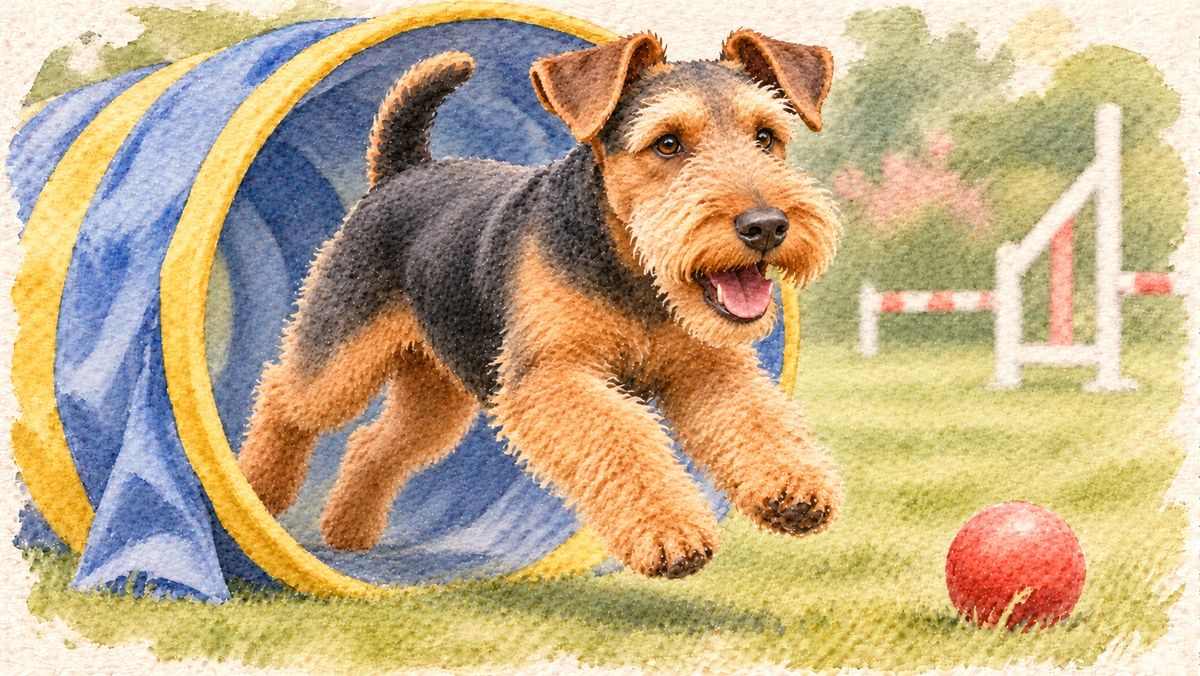
- Channel natural instincts. Earthdog trials, agility, tracking and obedience give Welsh Terriers a great outlet for their energy and brains.
Welsh Terrier Exercise Needs
The Welsh Terrier is a high-energy breed that needs a good amount of daily exercise. Plan on around an hour of activity each day, such as brisk walks, jogging, games of fetch and play in a securely fenced yard.
Mental stimulation is just as important. Puzzle toys, scent games and training sessions keep a Welsh Terrier's sharp mind busy. A bored terrier may find its own entertainment by digging, chewing or barking.
Welsh Terriers can adapt to different homes, including apartments, as long as they get enough daily exercise. Always walk your dog on a leash or keep it in a well-fenced area, since a Welsh Terrier may dart after small animals.
Welsh Terrier Grooming
Do Welsh Terriers Shed?
Welsh Terriers shed very little. Their wiry coat holds loose hair until it is brushed or stripped out, so you will find far less hair around the house than with many breeds.
Because of the low-shedding coat, the Welsh Terrier is often suggested for people with mild allergies. Keep in mind that no dog is truly 100 percent hypoallergenic, so spend time with the breed before committing.
Grooming Routine
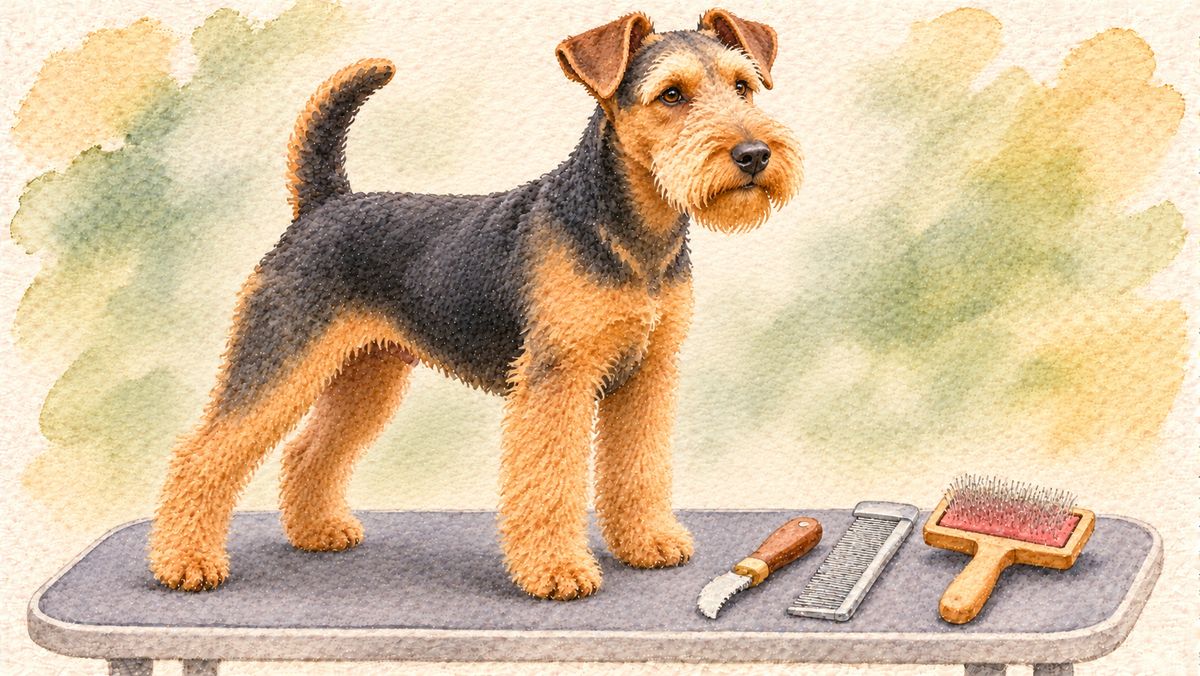
- Brushing: Brush the coat once or twice a week to remove loose hair and prevent tangles.
- Face care: Comb the beard and eyebrows a couple of times a week, and wipe the beard after meals.
- Hand-stripping: The coarse coat is traditionally plucked, or hand-stripped, a few times a year to keep its hard texture and rich color. Many pet owners choose clipping instead, which is easier but softens the coat and can fade the color.
- Nails: Trim nails every few weeks if they are not worn down naturally.
- Teeth: Brush your dog's teeth several times a week to support good dental health.
- Ears: Check the ears weekly for dirt, redness or odor.
Many owners work with a professional groomer who knows terrier coats to keep their Welsh Terrier looking its best.
Welsh Terrier Health and Lifespan
The Welsh Terrier lifespan is about 12 to 15 years, and the breed is generally healthy and hardy. Like all dogs, however, it can be prone to certain conditions. Responsible breeders screen their dogs for concerns that may include:
- Eye conditions: Some lines may be affected by inherited eye problems such as glaucoma or lens luxation, so regular eye exams are recommended.
- Skin allergies: Some Welsh Terriers develop itchy skin or allergies.
- Thyroid problems: Hypothyroidism can occur in the breed.
- Hip dysplasia: An abnormal formation of the hip joint.
Keeping your Welsh Terrier at a healthy weight and well exercised supports its overall health. Always work with your veterinarian to set up a routine of checkups, vaccinations and preventive care.
Feeding and Nutrition
The Welsh Terrier does best on a high-quality dog food suited to its age, size and activity level. Active adults usually do well on a complete and balanced adult formula, while dogs with sensitive skin or stomachs may benefit from a food designed for those needs.
Puppies should eat a food made for puppies to support healthy growth and development. Portion sizes depend on age, weight and activity level, so follow the package guidelines and ask your veterinarian for advice. Treats are handy for training but should make up only a small part of daily calories.
History of the Welsh Terrier
The Welsh Terrier is believed to be one of the oldest terrier breeds in Britain. Its ancestors were rough-coated black-and-tan terriers that worked in Wales and northern England for centuries. Farmers and hunters used these tough little dogs to hunt fox, badger and otter, and to control rats on farms.
Welsh Terriers often ran alongside packs of hounds. When the hounds chased a fox or badger into its den, the terrier's job was to go in after it. This work required a dog that was brave, determined and small enough to fit underground.
For many years, the breed was known as the Old English Terrier or the Black-and-Tan Wirehaired Terrier. In the late 1800s, it was recognized as the Welsh Terrier and began appearing at dog shows in Britain. The first Welsh Terriers came to the United States around the same time, and the American Kennel Club recognized the breed in 1888.
The breed has had some famous fans, too. The Kennedy family owned a Welsh Terrier named Charlie, who was a beloved companion of young Caroline Kennedy during her father's presidency.
Welsh Terrier vs Airedale Terrier
The Welsh Terrier and the Airedale Terrier look very similar, with the same black-and-tan coloring, beard and wiry coat. The biggest difference is size. The Airedale, often called the "King of Terriers," stands around 23 inches tall and can weigh 50 to 70 pounds, while the Welsh Terrier is a much smaller dog at about 15 inches and 20 pounds. The Welsh Terrier is a better fit for families who want the Airedale look in a more compact package.
Is a Welsh Terrier Right for You?
A Welsh Terrier could be a wonderful match if you:
- Want a playful, spirited dog with a friendly personality
- Lead an active lifestyle and enjoy daily walks and play
- Prefer a low-shedding breed
- Have older children who know how to play gently
- Enjoy training and dog sports
- Can keep up with regular grooming or professional trims
A Welsh Terrier may not be the best fit if you:
- Keep small pets such as hamsters, rabbits or guinea pigs
- Want a quiet dog that rarely barks
- Prefer a laid-back, low-energy companion
- Don't want to deal with digging or chasing instincts
Finding a Welsh Terrier Puppy
Because the Welsh Terrier is a relatively rare breed, you may need to join a waiting list for a puppy. Choose a reputable breeder who health-tests the parent dogs, raises puppies in a home environment and is happy to answer your questions. Breed clubs and terrier rescue groups can also help you find adult Welsh Terriers looking for new homes.
Fun Facts About the Welsh Terrier
- The Welsh Terrier was once called the Old English Terrier or the Black-and-Tan Wirehaired Terrier.
- Welsh Terrier puppies are born mostly black and develop their tan markings as they grow.
- The breed was originally used to hunt fox, badger and otter.
- The Kennedy family's Welsh Terrier, Charlie, lived at the White House in the early 1960s.
- The American Kennel Club recognized the Welsh Terrier in 1888.
- Although it looks like a mini Airedale, the Welsh Terrier is generally considered the older breed.
Frequently Asked Questions
How big do Welsh Terriers get?
Adult Welsh Terriers usually stand about 15 to 15.5 inches tall at the shoulder and weigh around 18 to 22 pounds, with females slightly smaller.
Are Welsh Terriers hypoallergenic?
Welsh Terriers have a low-shedding wiry coat and are often recommended for people with mild allergies. However, no dog is completely allergen-free.
Are Welsh Terriers good family dogs?
Yes, they can be loving, playful family dogs for active homes. They usually do best with older children who play respectfully.
How long do Welsh Terriers live?
The average Welsh Terrier lifespan is about 12 to 15 years with good care, regular exercise and veterinary checkups.
Do Welsh Terriers bark a lot?
Welsh Terriers are alert watchdogs and will bark to announce visitors. Daily exercise, mental stimulation and early training help keep barking under control.
What is the difference between a Welsh Terrier and an Airedale?
Both share a black-and-tan wiry coat, but the Airedale is much larger. The Welsh Terrier is about 15 inches tall, while the Airedale stands around 23 inches.
Final Thoughts
The Welsh Terrier is a happy, clever and spirited companion with a proud working history and a low-shedding coat. This charming black-and-tan dog is perfect for active owners who enjoy training, play and outdoor adventures. If you can provide daily exercise, consistent guidance and regular grooming, a Welsh Terrier will bring years of fun and loyal companionship to your home.