
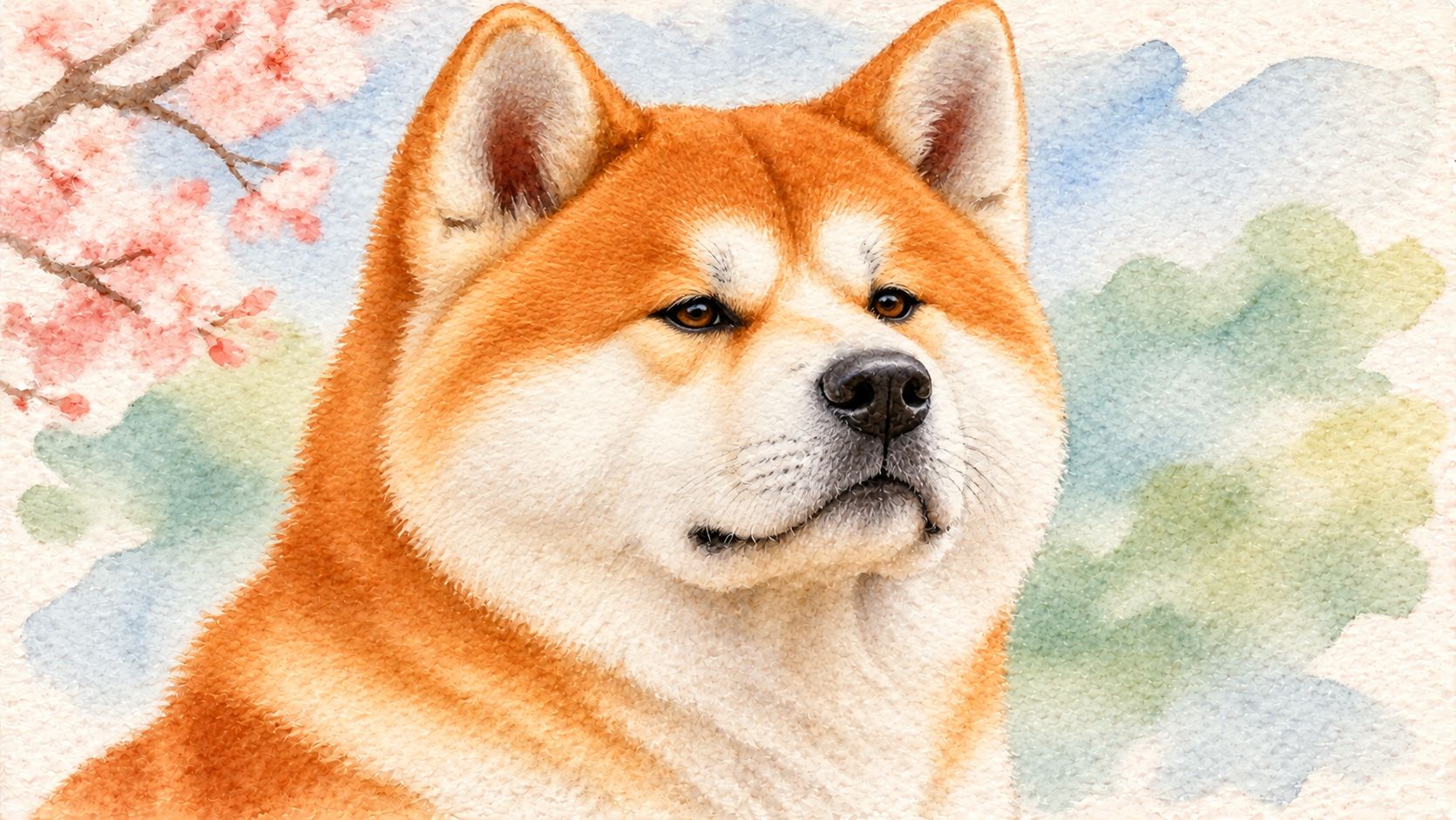
Powerful, dignified and fiercely devoted, the Akita is one of the most impressive dogs to come out of Japan. With its broad bear-like head, small upright ears and a plush tail that curls proudly over its back, this spitz breed has a presence that stops people in their tracks. In its homeland, the Akita is treasured as a symbol of good health, happiness and long life, and it is also the breed behind one of the most moving dog stories ever told: the tale of Hachiko, the faithful dog who waited for his owner at a Tokyo train station for years.
The Akita is not a dog for everyone, but in the right home it is a loving, loyal and surprisingly playful companion. In this complete Akita dog breed guide, you will learn everything you need to know before bringing one home, including its size, temperament, training needs, exercise requirements, grooming routine, common health concerns, diet tips and fascinating history.
Akita at a Glance
| Trait | Details |
|---|---|
| Breed group | Working (AKC) |
| Height | Males 26 to 28 inches (66 to 71 cm); females 24 to 26 inches (61 to 66 cm) |
| Weight | Males 75 to 130 pounds (34 to 59 kg); females 70 to 100 pounds (32 to 45 kg) |
| Life expectancy | 10 to 13 years |
| Coat | Thick, plush double coat |
| Colors | Many colors, including white, red, brindle, sesame and pinto, with or without a mask |
| Shedding | Light year-round; heavy twice a year |
| Energy level | Moderate |
| Temperament | Loyal, dignified, protective, affectionate with family, reserved with strangers |
| Good for | Experienced owners, adult households, homes with secure yards |
| Origin | Mountains of northern Japan (1600s) |
What Is an Akita?
The Akita is a large spitz-type breed developed in the mountainous northern region of Japan. It was originally bred to be a versatile hunting dog, strong and brave enough to track and hold big game such as wild boar, elk and even bears. Over the centuries, it also became a respected guardian and a prized companion, at one time owned only by the Imperial family and members of its court.
Today, the Akita is a member of the American Kennel Club's Working Group. It is admired for its loyalty, courage and calm, almost noble bearing. Akita owners often describe their dogs as quiet, clean and cat-like in some of their habits, yet deeply attached to their families. You may also hear about two types of Akita: the larger, heavier-boned American Akita and the lighter, fox-like Japanese Akita Inu. Many kennel clubs outside the United States treat them as separate breeds, and this guide focuses mainly on the Akita as recognized by the AKC.
Akita Size and Appearance
The Akita is a big, muscular dog with a sturdy frame and plenty of substance. Males usually stand 26 to 28 inches tall at the shoulder and weigh roughly 75 to 130 pounds. Females are a little smaller, standing 24 to 26 inches and typically weighing 70 to 100 pounds. The body is slightly longer than it is tall, and the overall impression is one of power and balance.
The breed's head is one of its most striking features. It is large and broad, with a strong muzzle, small deep-set dark eyes and thick, triangular ears that stand upright and tilt slightly forward. Combined with the full, curled tail that rests over the back, these features give the Akita its unmistakable look. Many people say the breed resembles a small bear, especially when viewed head-on.
Coat and Colors
The Akita wears a thick double coat designed for cold mountain winters. The soft, dense undercoat provides insulation, while the straight, harsh outer coat stands slightly off the body, giving the breed its full, plush appearance. The hair is usually a bit longer on the tail and around the shoulders.
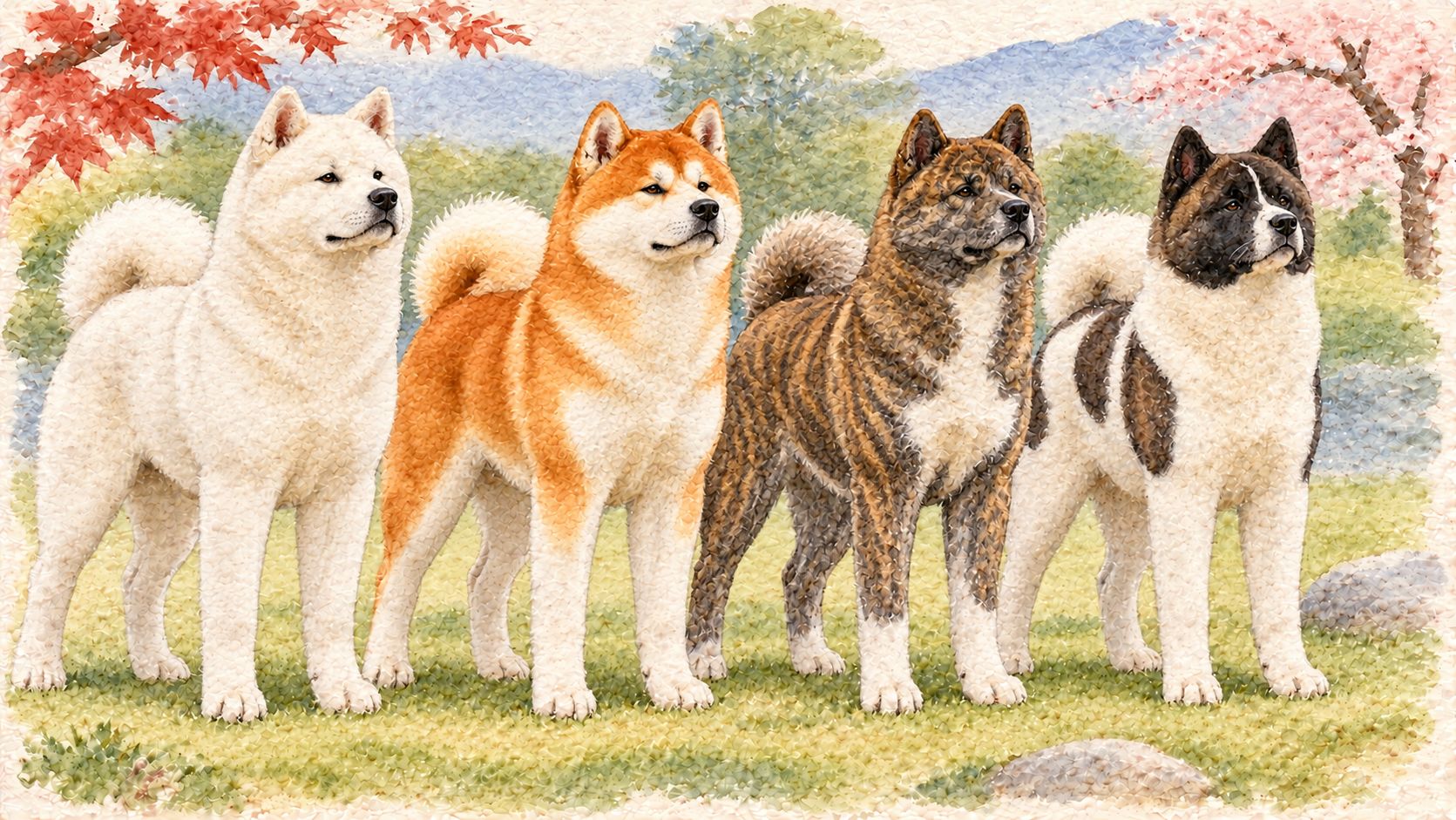
Akitas come in a wide variety of colors, masks and markings. Common colors include white, red, fawn, brindle, sesame and pinto, which is a white coat with large patches of color. Some Akitas have a dark mask on the face, while others have a white blaze. The Japanese Akita Inu is usually seen in a narrower range of colors, such as red, sesame, brindle and white, often with lighter "urajiro" shading on the cheeks, chest and underside.
Akita Temperament and Personality
The Akita has a strong, independent personality that its fans find deeply rewarding. This breed is known for being:
- Loyal: Akitas form powerful bonds with their families and are famous for their devotion.
- Protective: They are natural guardians and take watching over their home and people very seriously.
- Dignified and calm: Akitas are usually quiet dogs that bark only when they feel there is a good reason.
- Affectionate and playful at home: Behind the serious look is a dog with a silly side that it often shows only to the people it trusts most.
- Reserved with strangers: Akitas tend to be wary of people they don't know and are not the type of dog that greets every visitor with a wagging tail.
Because of its guarding instincts, the Akita needs thoughtful training and early socialization. Without them, its natural suspicion of strangers can turn into unwanted defensive behavior. Some Akitas may also treat prolonged, direct eye contact from an unfamiliar person or dog as a challenge, so it is wise to teach guests to give a new Akita a little space. With the right guidance, the breed grows into a confident, steady and well-mannered companion.
Is the Akita Good With Kids and Other Pets?
An Akita can be loving and gentle with children in its own family, especially when it is raised with them. However, the breed is large, strong and does not always tolerate rough handling or children who don't respect its boundaries. For this reason, Akitas are generally best suited to homes with adults or older, calm children, and all interactions should be supervised.
Many Akitas are intolerant of other animals, particularly dogs of the same sex. The breed also has a hunting background and a natural prey drive, which means cats and small pets may not be safe around it unless the dog has been carefully raised with them. Many Akita owners find that their dog does best as the only pet in the household.
Socialization should start early and continue throughout the dog's life. Gently introducing your Akita puppy to many different people, places, sounds and situations will help it become a well-adjusted adult.
Training an Akita
Akitas are intelligent and learn quickly, but they are also independent thinkers that were bred to make decisions on their own. They respond best to a calm, confident owner who uses consistent rules and positive reinforcement. Harsh corrections tend to backfire with this proud breed and can damage the trust between dog and owner.
Here are a few training tips for Akita owners:
- Start early. Begin basic obedience and socialization the day your puppy comes home, while it is still small and easy to handle.
- Keep sessions short and interesting. Akitas can get bored with repetition, so mix up exercises and keep each session upbeat.
- Use rewards. Praise, treats and play are powerful motivators and help build a strong working relationship.
- Teach solid leash manners. An adult Akita is very strong, so loose-leash walking is an essential skill.
- Consider a professional class. Puppy kindergarten and obedience classes provide structured socialization and guidance, especially for first-time Akita owners.
- Try dog sports. Many Akitas enjoy obedience, rally, agility and conformation events, which provide great mental and physical exercise.
Exercise Needs
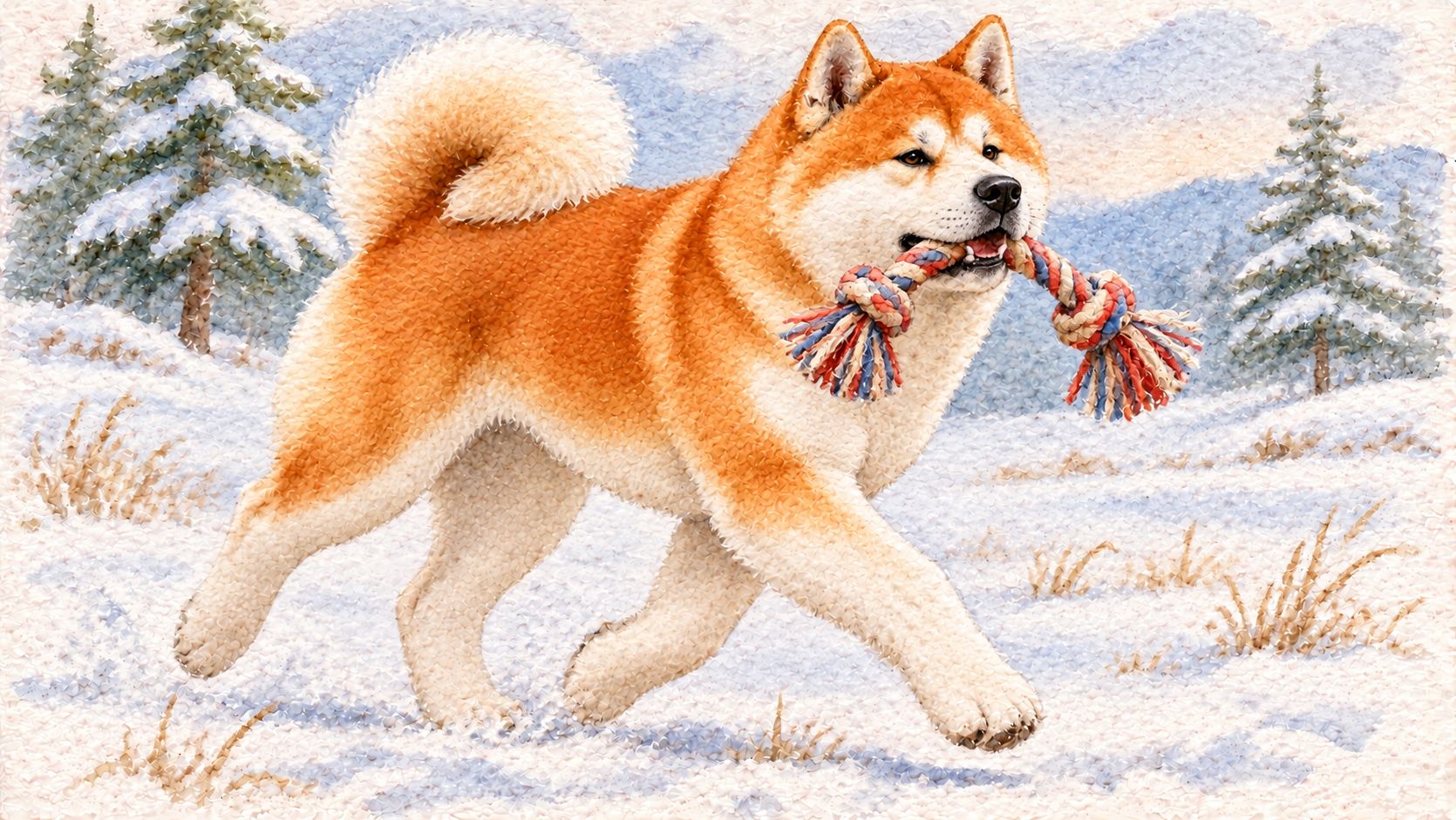
The Akita is a moderately active and energetic breed. It does not need endless hours of running, but it does need regular daily activity to stay fit and content. A couple of long walks or jogs each day, plus some playtime, is usually enough for most adult Akitas.
Mental exercise matters just as much as physical activity. Puzzle feeders, scent games and short training sessions help keep this clever breed from becoming bored, which can otherwise lead to digging or chewing. Because Akitas were bred for cold climates, they usually love snowy weather but can struggle in high heat. On warm days, exercise your dog in the early morning or evening and always provide shade and fresh water.
Always walk your Akita on a secure leash and keep it in a well-fenced yard. Its strength, prey drive and protective nature mean it should never be allowed to roam freely.
Grooming an Akita
Akitas are naturally clean dogs and are often described as self-grooming, with little of the "doggy" odor some breeds have. Still, that thick double coat needs regular care to stay healthy.
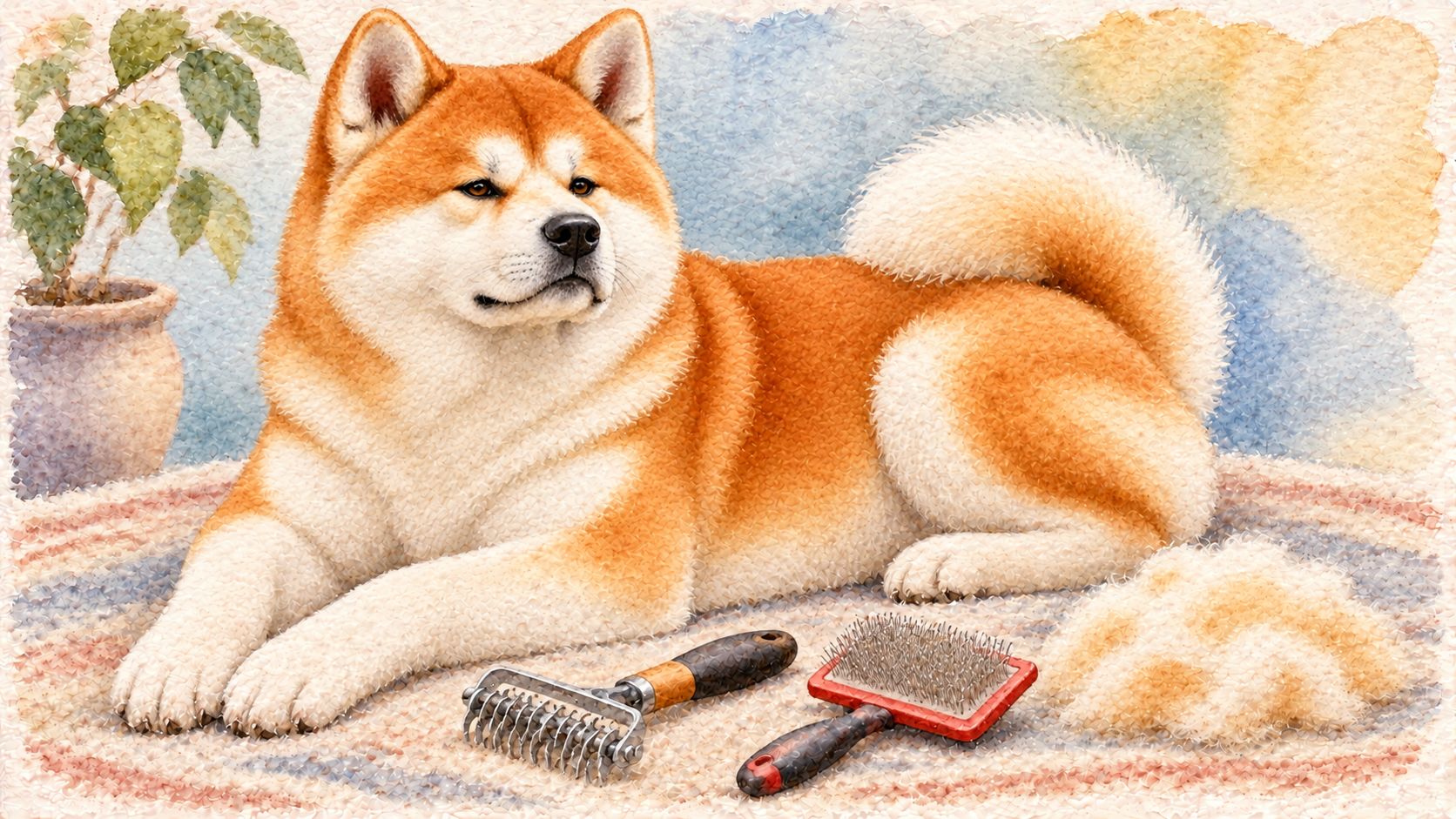
The breed sheds lightly through most of the year, but the dense undercoat sheds heavily about twice a year. During these seasonal sheds, often called "blowing coat," large clumps of fur can come out, and you will want to brush more often to keep loose hair under control. Akitas are not considered hypoallergenic.
Grooming Routine
- Brushing: Brush the coat at least once a week with a slicker brush or undercoat rake, and daily during heavy shedding seasons.
- Bathing: Bathe only when needed, as frequent baths can strip the coat's natural oils. Make sure the dense undercoat is fully dried afterward.
- Nails: Trim nails every few weeks, or whenever you hear them clicking on the floor.
- Teeth: Brush your dog's teeth several times a week to support good dental health.
- Ears and eyes: Check ears weekly for dirt or redness, and keep an eye on the eyes for any signs of irritation.
- Coat care: Avoid shaving an Akita's double coat, since it helps insulate the dog in both cold and warm weather.
Akita Health and Lifespan
The Akita has a typical life expectancy of 10 to 13 years. Like all breeds, it can be prone to certain health conditions, and responsible breeders screen their dogs for common concerns, which may include:
- Hip dysplasia: An abnormal formation of the hip joint that is common in large breeds.
- Bloat: Large, deep-chested dogs have a higher risk of this serious stomach condition, so learning the warning signs is important.
- Eye problems: Certain inherited eye conditions can affect the breed, so regular eye checks are recommended.
- Thyroid disorders: Some Akitas may develop thyroid problems, which can affect energy levels, weight and coat condition.
The Akita can also gain weight easily. Extra pounds put added strain on joints and can affect overall health, so regular exercise and careful portion control are important. Always work with your veterinarian to set up a routine of checkups, vaccinations and preventive care, and ask about ways to help reduce the risk of bloat.
Feeding and Nutrition
The Akita does well on a complete and balanced dog food, whether dry, wet or a combination of both. Many active Akitas benefit from a high-protein formula that supports their muscular build and energy needs. Large-breed formulas are also a popular choice, as they are designed with the joint and growth needs of big dogs in mind.
Puppies should eat a complete and balanced puppy food, ideally one made for large breeds, for about their first year to support steady, healthy growth. Portion sizes depend on your dog's age, size and activity level, so follow the feeding guidelines on the food package and ask your veterinarian for advice. Treats are helpful for training, but keep them to a small part of your dog's daily calories to help prevent weight gain.
History of the Akita
The Akita's ancestry stretches back to the early 1600s in the rugged mountains of northern Japan. The breed takes its name from Akita Prefecture, where it was developed as a powerful and versatile hunting dog. According to breed history, its origins are tied to an effort in the region to create the ideal all-purpose hunter. These early dogs tracked and held large game such as wild boar, elk and bears, and they also served as loyal guardians.
For a time, owning an Akita was a privilege reserved for the Imperial family and its court. Over the centuries, however, the breed faced hard times and came close to disappearing more than once. In the early 20th century, Japanese fanciers formed a national breed club to protect and preserve the Akita, and in 1931 the breed was declared a Natural Monument of Japan.
The Akita's journey to the United States has a famous starting point. In 1937, during a visit to Japan, author and activist Helen Keller was given an Akita puppy and is widely credited with bringing the first Akita to America. After World War II, many American servicemen stationed in Japan also brought Akitas home, and these dogs formed the foundation of the larger American-type Akita. The American Kennel Club officially recognized the Akita in 1972.
No story captures the breed's loyalty better than that of Hachiko. In the 1920s, this Akita met his owner at a Tokyo train station every day. After his owner died suddenly, Hachiko continued to return to the station and wait for him for about nine years. A bronze statue of Hachiko still stands outside Shibuya Station, and his story inspired the movie Hachi: A Dog's Tale.

Is an Akita Right for You?
An Akita could be a wonderful match if you:
- Want a loyal, protective and dignified companion
- Have experience owning and training large, strong-willed dogs
- Can provide daily walks, play and mental stimulation
- Have a home with a secure, well-fenced yard
- Are committed to lifelong training and socialization
- Don't mind brushing and seasonal shedding
An Akita may not be the best fit if you:
- Are a first-time dog owner
- Have toddlers or very young children
- Keep other pets, especially cats or dogs of the same sex
- Want a dog that is friendly with every stranger and visiting dog
- Live in a very hot climate without a cool place for your dog to rest
Because some areas have specific rules for certain large breeds, it is a good idea to check local regulations and housing policies before bringing an Akita home.
Finding an Akita Puppy
Look for a reputable breeder who health-screens their dogs, raises puppies in a home environment and is happy to answer your questions about temperament and care. A good breeder will also ask you questions to make sure an Akita suits your lifestyle. Adult Akitas sometimes need new homes too, so breed clubs and Akita rescue groups are worth contacting if you would like to adopt.
Fun Facts About the Akita
- The Akita is named after Akita Prefecture in northern Japan.
- In Japan, Akita figurines are often given to celebrate the birth of a baby, as the breed symbolizes health, happiness and long life.
- Helen Keller is credited with bringing the first Akita to the United States in 1937.
- The famous loyal dog Hachiko was an Akita, and a statue of him stands at Shibuya Station in Tokyo.
- Akitas were once owned only by Japan's Imperial family and its court.
- The breed was declared a Natural Monument of Japan in 1931.
Frequently Asked Questions
How big do Akitas get?
Male Akitas usually stand 26 to 28 inches tall and weigh about 75 to 130 pounds, while females stand 24 to 26 inches and weigh about 70 to 100 pounds.
Are Akitas good family dogs?
Akitas can be loving and devoted family dogs for adults and older, respectful children. They need firm, positive training and close supervision around young kids and visitors.
Do Akitas shed a lot?
Akitas shed lightly most of the year, but their dense undercoat sheds heavily about twice a year. Extra brushing during these periods helps manage loose fur.
How long do Akitas live?
The average Akita lifespan is 10 to 13 years with good care, a healthy diet, regular exercise and routine veterinary checkups.
What is the difference between an American Akita and a Japanese Akita?
The American Akita is generally larger and heavier-boned with a bear-like head, while the Japanese Akita Inu is lighter and more fox-like. Many kennel clubs outside the United States consider them separate breeds.
Do Akitas get along with other dogs?
Many Akitas are intolerant of other dogs, especially those of the same sex. Early socialization helps, but many Akitas are happiest as the only pet in the home.
Final Thoughts
The Akita is a breed of quiet strength, deep loyalty and timeless dignity. With centuries of Japanese history behind it and a heart that belongs completely to its family, this remarkable dog rewards experienced owners with unwavering devotion. If you can offer consistent training, lifelong socialization and plenty of daily activity, an Akita may become the most faithful companion you have ever known.