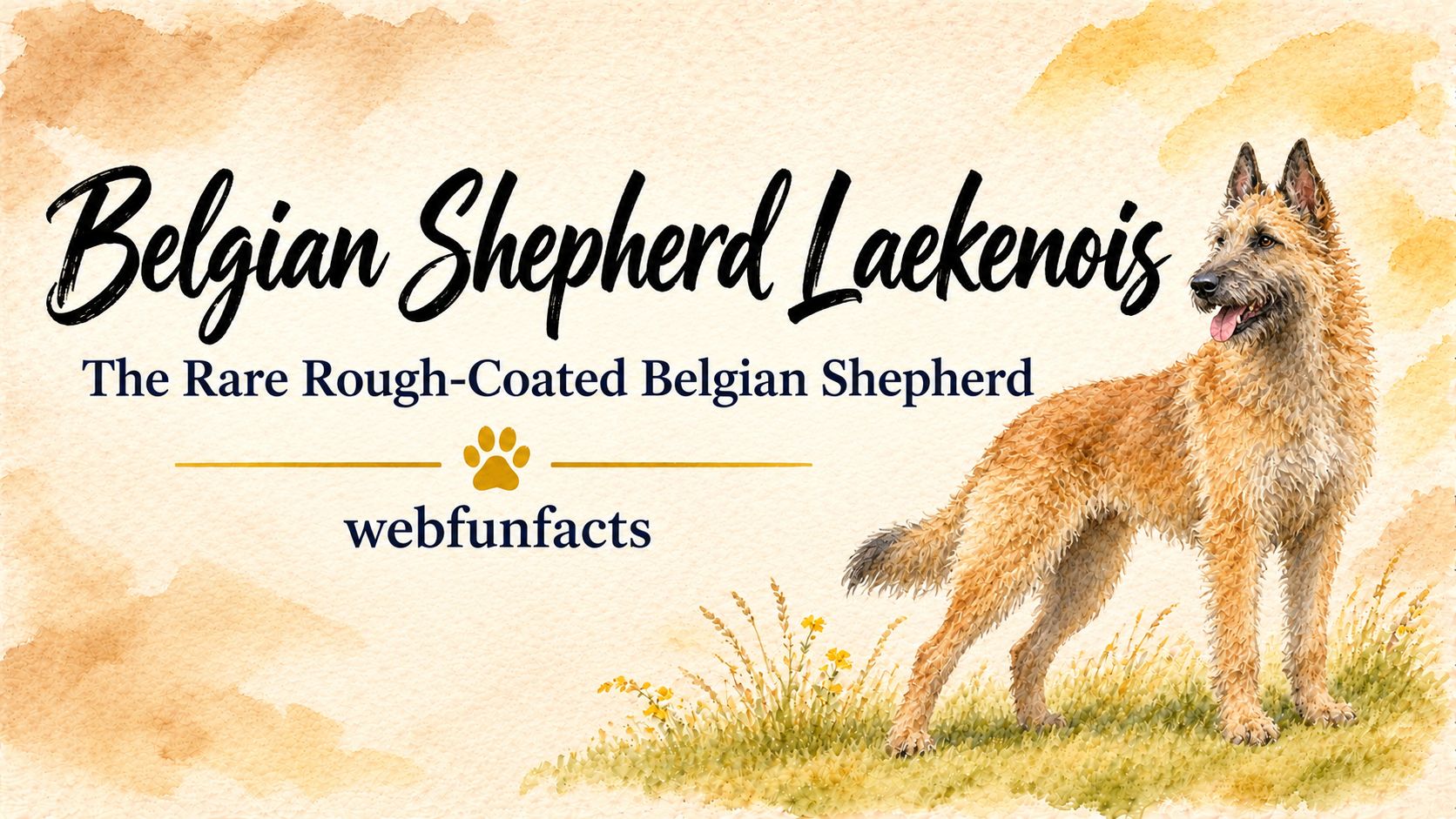
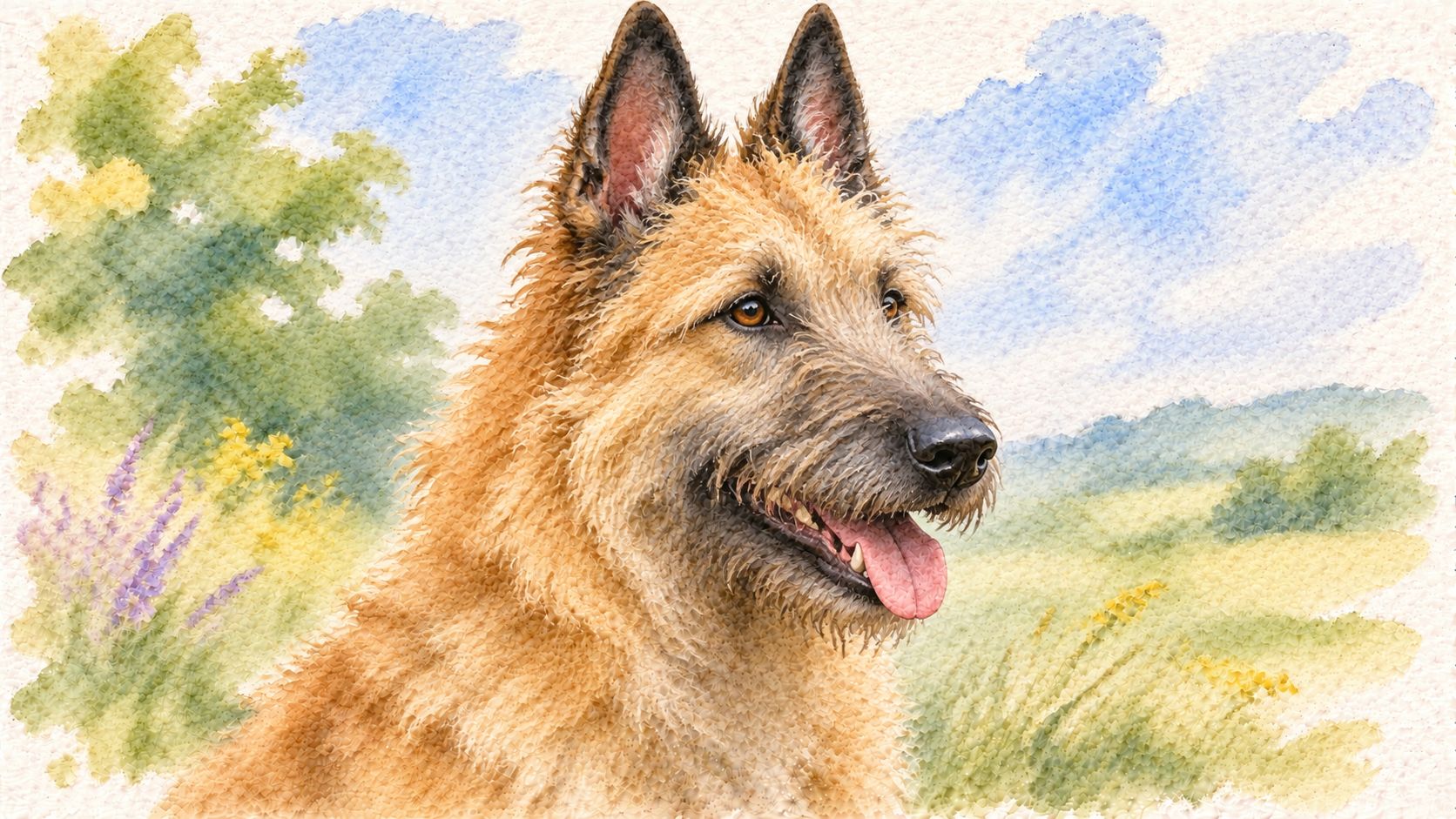
The Belgian Shepherd Laekenois is the rarest and most rugged-looking of the four Belgian herding dogs. With its tousled, wiry coat, bearded muzzle and alert dark eyes, it looks a little like a shepherd that has just come in from a windy day in the fields. Its name, pronounced roughly "LAK-in-wah," comes from Laeken, an area near Brussels with close ties to the Belgian royal family.
Behind that scruffy look is a smart, loyal and hard-working dog with a playful, affectionate side. In this complete Belgian Shepherd Laekenois guide, you will learn everything you need to know before bringing one home, including its size, temperament, training and exercise needs, grooming routine, health, diet and fascinating history.
Belgian Shepherd Laekenois at a Glance
| Trait | Details |
|---|---|
| Breed group | Herding (AKC) |
| Height | 22 to 26 inches (56 to 66 cm) |
| Weight | 55 to 65 pounds (25 to 29.5 kg) |
| Life expectancy | About 10 to 14 years |
| Coat | Rough, wiry, tousled double coat |
| Colors | Fawn to mahogany, often with black shading on the muzzle and tail |
| Shedding | Moderate; seasonal |
| Energy level | High |
| Temperament | Loyal, alert, intelligent, protective, affectionate |
| Good for | Active, experienced owners with space to roam |
| Origin | Belgium (late 1800s) |
What Is a Belgian Shepherd Laekenois?
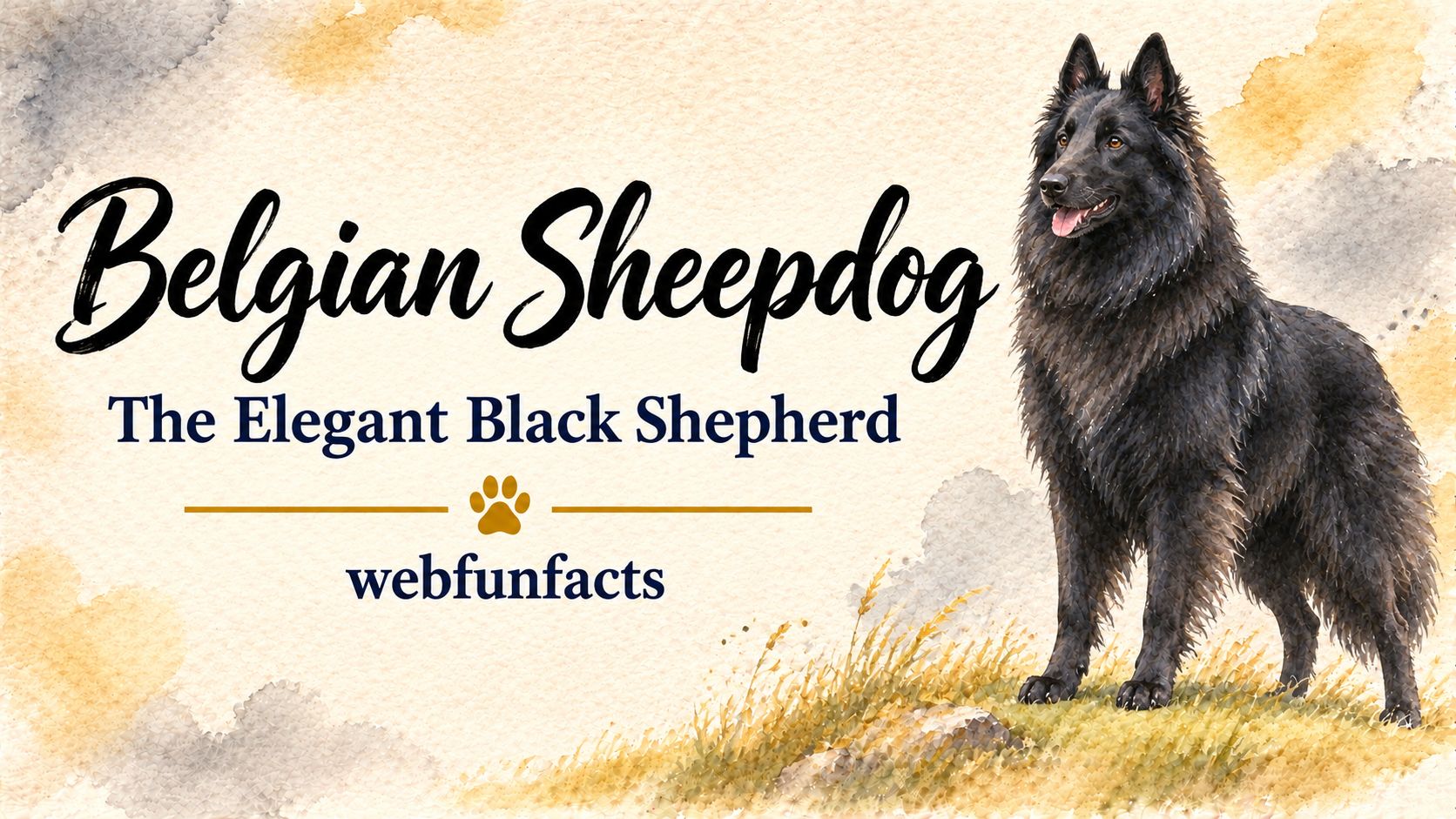
The Belgian Shepherd Laekenois is a medium-to-large herding and guarding dog from Belgium. It is one of four closely related varieties of Belgian Shepherd, alongside the Malinois, the Tervuren and the Groenendael (known in the United States as the Belgian Sheepdog). All four share the same basic build and working heritage, but each has its own distinctive coat.
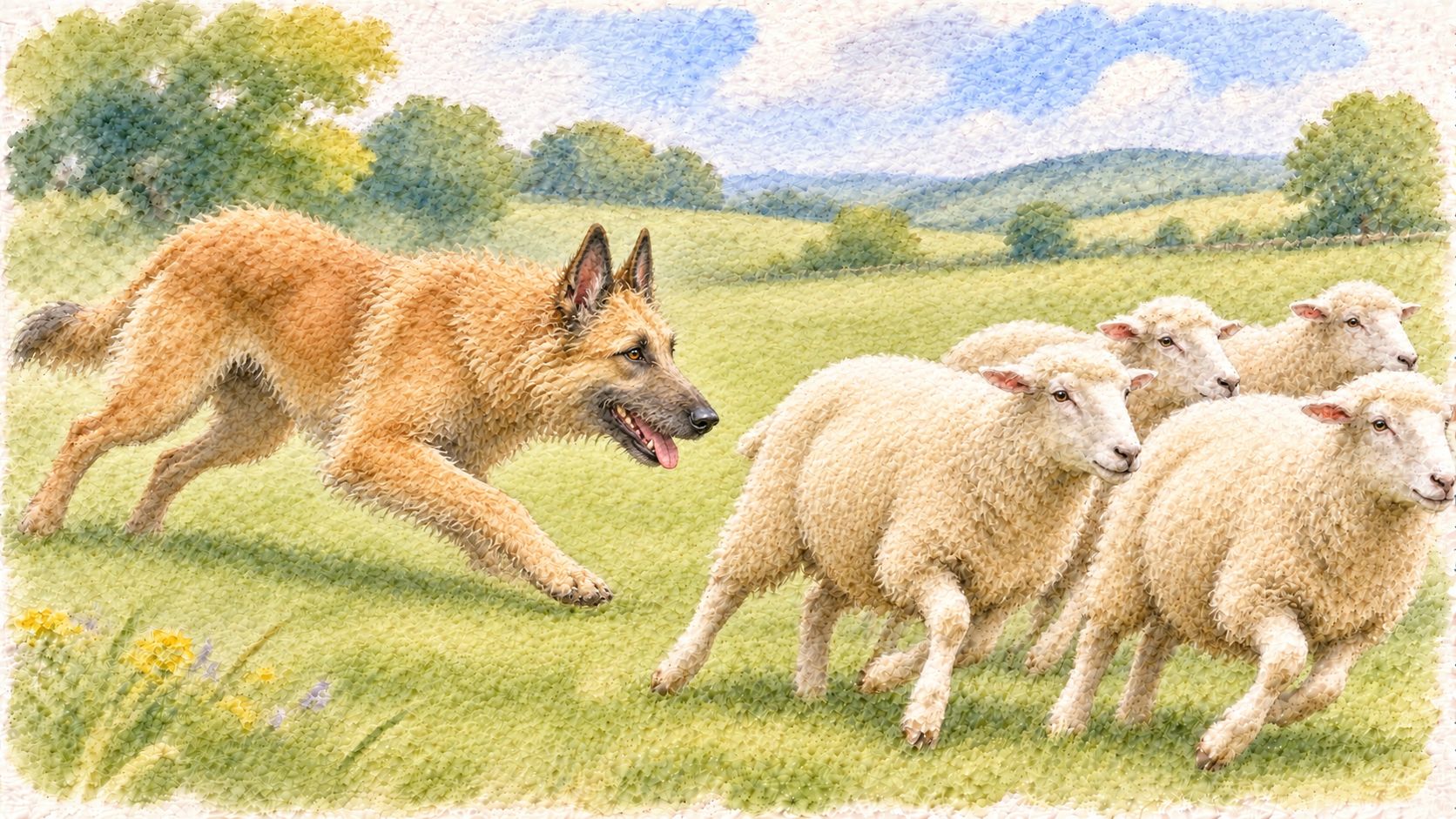
The Laekenois is the only one with a rough, wire-textured coat. It was developed to herd and protect sheep, and it later guarded property and served in wartime roles. The American Kennel Club fully recognized the breed as the Belgian Laekenois in 2020, placing it in the Herding Group. Even today it remains uncommon, with only a few hundred registered in the United States.
Belgian Shepherd Laekenois Size and Appearance
How Big Do Belgian Laekenois Get?
The Belgian Shepherd Laekenois is a large, athletic dog. Adults usually stand 22 to 26 inches (56 to 66 cm) tall at the shoulder and weigh about 55 to 65 pounds (25 to 29.5 kg). Males tend to be taller and sturdier than females.
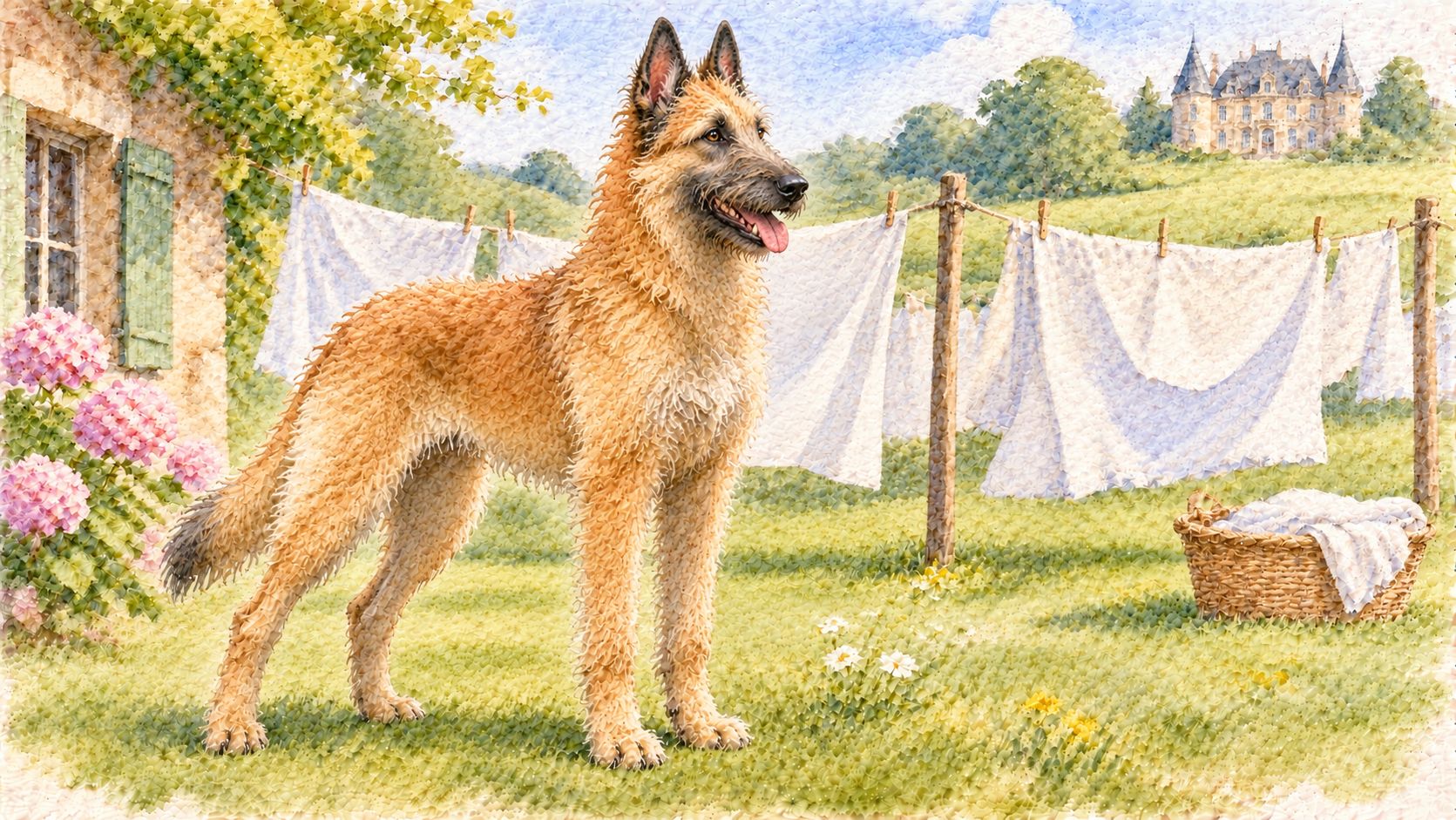
The Belgian Laekenois size and shape are built for endurance rather than bulk. The body is square and well muscled, with a deep chest, straight legs and a level back. The head is long and refined, with triangular erect ears and dark, almond-shaped eyes that give the breed an intelligent, watchful expression.
Coat and Colors
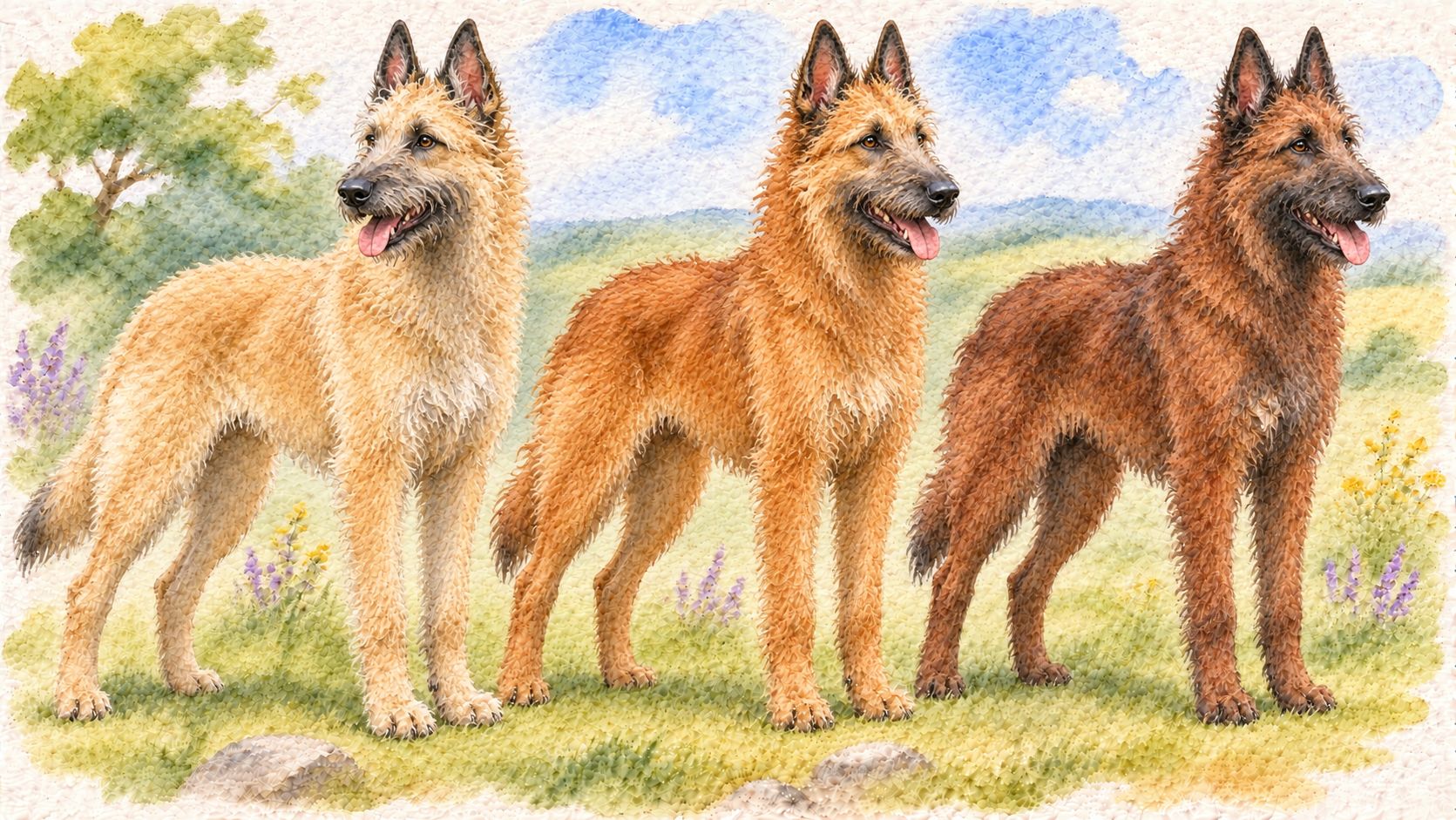
The coat is the breed's signature feature. The Laekenois wears a harsh, dry, wiry outer coat that looks tousled rather than neat, with a dense undercoat beneath. The hair forms a modest beard and eyebrows around the muzzle, but it should never be long enough to hide the shape of the body.
Accepted colors range from light fawn through red to rich mahogany. Many dogs show traces of black shading, especially on the muzzle and tail. A small white patch on the chest is also acceptable in many breed standards.
Belgian Shepherd Laekenois Temperament and Personality
The Belgian Laekenois temperament combines the drive of a working dog with a warm, loving nature at home. This breed is known for being:
- Loyal: A Laekenois often bonds closely with one or two people and likes to stay near them.
- Alert: It notices small sounds and movements, which makes it a natural watchdog.
- Intelligent: It learns quickly and enjoys having a job to do, from herding to obedience work.
- Affectionate: It is sometimes called the "soft" Belgian Shepherd because many dogs are more cuddly than their cousins.
- Reserved with strangers: It tends to be cautious with new people and warms up slowly, without being fearful.
- Playful: Many owners describe a goofy, humorous streak that shows up during games.
Because it was bred to guard, the Belgian Shepherd Laekenois will usually bark when strangers approach. It can also become stressed when left alone for long stretches, and boredom may lead to barking, chewing or other unwanted habits.
Are Belgian Laekenois Good Family Dogs?
Belgian Laekenois can be devoted family dogs in active homes with experienced owners. They often do best with older children who understand how to behave around dogs, since their herding instinct may lead them to nip at heels or try to "round up" running kids.
With other pets, early socialization makes a big difference. A Laekenois raised with other dogs and cats will often accept them well. Supervise introductions to unfamiliar animals, and remember that small, fast-moving pets may trigger the urge to chase.
Introduce your Belgian Laekenois puppy to many people, places, sounds and animals in its first months. This helps a naturally watchful dog grow into a calm, confident adult.
Training a Belgian Shepherd Laekenois
The Belgian Shepherd Laekenois is clever and eager to work, but it is also an independent thinker. It responds best to patient, consistent training built on praise, play and food rewards. Harsh methods tend to backfire with this sensitive breed and can damage the trust it places in its owner.
Here are a few training tips for Laekenois owners:
- Start early. Begin basic manners and socialization as soon as your puppy comes home.
- Keep it interesting. Short, varied sessions stop a smart dog from getting bored.
- Teach a "quiet" cue. This helps manage the breed's natural tendency to alert-bark.
- Redirect herding behavior. Give your dog appropriate outlets, such as herding balls, instead of letting it nip at people.
- Try dog sports. The Laekenois can excel at herding trials, agility, tracking, obedience and dock diving.
Exercise Needs
The Belgian Shepherd Laekenois has high energy and needs plenty of daily exercise. Plan on at least one to two hours of activity each day, mixing brisk walks with free running in a secure area, hiking, swimming or structured games.
Mental exercise matters just as much as physical activity. Puzzle feeders, scent games, trick training and herding balls are great ways to keep this busy mind engaged.
The Laekenois can live indoors with its family, but it is happiest with access to a large, securely fenced yard. Suburban or rural homes usually suit this breed better than small apartments. It handles moderate to cool climates well. In warm weather, exercise during the coolest parts of the day and provide shade and fresh water.
Belgian Laekenois Grooming
Do Belgian Laekenois Shed?
Yes, the Belgian Laekenois sheds, but usually less than the other Belgian Shepherd varieties. Shedding tends to increase seasonally, when the undercoat is replaced. No dog is truly hypoallergenic, so allergy sufferers should spend time with the breed first.
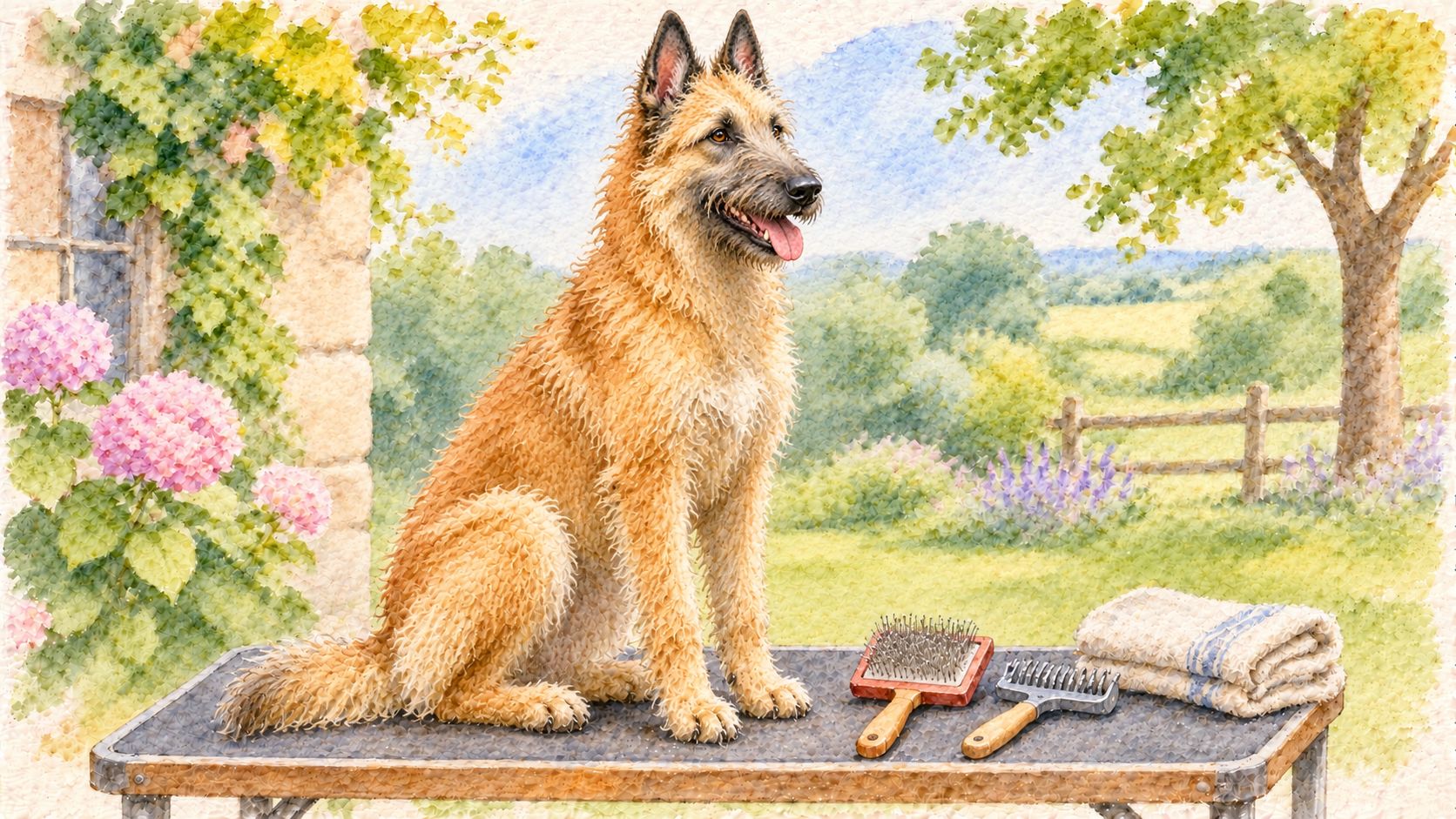
The rough coat is fairly low maintenance compared with long-coated breeds. It should look natural and slightly messy, so heavy trimming or styling is not part of the routine.
Grooming Routine
- Brushing: Brush once or twice a week to remove loose and dead hair, and more often during seasonal shedding.
- Hand-stripping: Many owners have the coat hand-stripped by a groomer once or twice a year to keep its wiry texture.
- Bathing: Bathe only when your dog is dirty, since frequent baths can dry out the skin and soften the coat.
- Nails: Trim nails every few weeks if they are not worn down naturally.
- Teeth: Brush your dog's teeth regularly, and ask your veterinarian about suitable dental chews.
- Ears and paws: Check ears for redness or discharge, and look over paw pads after outdoor adventures.
Belgian Shepherd Laekenois Health and Lifespan
The Belgian Shepherd Laekenois is generally a sturdy, healthy breed. The typical Belgian Laekenois lifespan is about 10 to 14 years, depending on genetics and care. Like all breeds, it can be prone to certain conditions. Responsible breeders screen for concerns that may include:
- Hip and elbow dysplasia: Abnormal development of the hip or elbow joints.
- Progressive retinal atrophy: An inherited eye condition that affects vision over time.
- Epilepsy: A neurological condition that can cause seizures.
- Heart conditions: Heart screening is recommended for breeding dogs.
Keeping your dog lean and active helps protect its joints as it ages. Always work with your veterinarian to set up a schedule of checkups, vaccinations, dental care and parasite prevention.
Feeding and Nutrition
As an active, large dog, the Belgian Shepherd Laekenois does best on a high-quality food made for large breeds. Look for a diet with good-quality protein and healthy fats to fuel its working lifestyle. Very active or sporting dogs may need a performance formula.
Most adults do well with at least two measured meals a day. Puppies should eat a large-breed puppy food that supports steady, healthy growth. Portions depend on age, size and activity level, so use the feeding guide on the package and ask your veterinarian for advice. Keep treats to no more than about 10 percent of daily calories.
History of the Belgian Shepherd Laekenois
The Belgian Shepherd Laekenois developed in Belgium in the late 1800s, when local shepherds relied on hardy, intelligent dogs to herd and guard their flocks. These farm dogs came in a variety of coat types and colors.
In 1891, the Belgian Shepherd Dog Club was formed, and Professor Adolphe Reul led an effort to study and sort the country's shepherd dogs. Breeders grouped them by coat type, which eventually gave rise to the four varieties known today: the Laekenois, Malinois, Tervuren and Groenendael.
The Laekenois takes its name from the area around the Château de Laeken, a favorite residence of Queen Marie Henriette of Belgium. Rough-coated shepherd dogs are said to have guarded the royal grounds and the linen laid out to dry in nearby fields, and the queen was reportedly fond of them.
During World War I and World War II, Laekenois served as messenger dogs. The wars took a heavy toll on the breed, and its numbers fell sharply. Dedicated breeders kept it going, but it never regained the popularity of its Belgian cousins.
The breed entered the AKC Miscellaneous Class in 2011 and earned full recognition on July 1, 2020, joining the Herding Group. It is still estimated to number only in the low thousands worldwide.
Belgian Laekenois vs Malinois
The Belgian Laekenois and the Belgian Malinois share very similar size, build and colors, so the biggest visible difference is the coat. The Malinois has a short, smooth coat, while the Laekenois wears a rough, tousled, wiry one with a beard. Both are intense working dogs, but the Laekenois is often described as slightly softer and more cuddly at home, and it is far rarer.
Is a Belgian Shepherd Laekenois Right for You?
A Belgian Shepherd Laekenois could be a great match if you:
- Want a loyal, intelligent and athletic companion
- Enjoy hiking, running or dog sports
- Have a securely fenced yard and room to roam
- Have experience training active working breeds
- Can spend plenty of time with your dog each day
- Like a natural, low-fuss rough coat
A Belgian Shepherd Laekenois may not be the best fit if you:
- Live in a small apartment with no outdoor space
- Are away from home for long hours most days
- Want a quiet dog that rarely barks
- Prefer a relaxed, low-energy pet
- Have very young children and little time for training
Finding a Belgian Laekenois Puppy
Because the Belgian Laekenois is so rare, finding a puppy can take time. Expect to join a waiting list with a reputable breeder, and be prepared to travel. Choose a breeder who health-tests parent dogs, raises puppies in a home setting and answers your questions openly. Breed clubs and rescue groups are also worth contacting, as adult dogs sometimes need new homes.
Fun Facts About the Belgian Shepherd Laekenois
- The Laekenois is the rarest of the four Belgian Shepherd varieties.
- It is the only Belgian Shepherd with a rough, wiry coat.
- The breed is named after Laeken, home to a Belgian royal residence.
- Laekenois worked as messenger dogs in both World Wars.
- The AKC fully recognized the breed in 2020.
- It is often called the "soft" Belgian Shepherd for its affectionate nature.
Frequently Asked Questions
How do you pronounce Laekenois?
It is usually pronounced "LAK-in-wah." The name comes from Laeken, an area near Brussels, Belgium.
How big do Belgian Laekenois get?
Adults typically stand 22 to 26 inches (56 to 66 cm) tall and weigh about 55 to 65 pounds (25 to 29.5 kg), with males usually larger than females.
Are Belgian Laekenois good family dogs?
They can be loving family dogs for active, experienced owners. They often do best with older children, since their herding instinct may lead them to nip at heels.
Do Belgian Laekenois shed a lot?
They shed moderately, with heavier seasonal shedding. Weekly brushing and occasional hand-stripping help keep loose hair under control.
How long do Belgian Laekenois live?
The average lifespan is about 10 to 14 years with good care, regular exercise and routine veterinary checkups.
What is the difference between a Laekenois and a Malinois?
They are closely related Belgian Shepherd varieties with a similar build. The main difference is the coat: the Laekenois is rough and wiry, while the Malinois is short and smooth.
Final Thoughts
The Belgian Shepherd Laekenois is a rare gem with a rugged look, a sharp mind and a deeply loyal heart. It thrives with active, experienced owners who can offer daily exercise, steady training and plenty of companionship. If you can meet its needs, a Belgian Shepherd Laekenois may become the most devoted partner you have ever had.