With its speckled coat, long velvety ears and a voice that can carry across an entire valley, the American English Coonhound is a true American hunting hound. Developed in the southern United States to follow raccoons and foxes through the night, this athletic dog is famous for its speed, stamina and remarkable nose. Many fans know it by the nickname "Redtick," thanks to the popular red-and-white ticked coat.
Off the trail, the American English Coonhound is a friendly, easygoing and sociable companion that gets along well with people and other dogs. In this complete American English Coonhound dog breed guide, you will learn everything you need to know before bringing one home, including its size, temperament, training, exercise needs, grooming routine, common health concerns, feeding tips and fascinating history.
American English Coonhound at a Glance
| Trait | Details |
|---|---|
| Breed group | Hound (AKC) |
| Height | Males 24 to 27 inches (61 to 69 cm); females 23 to 25 inches (58 to 64 cm) |
| Weight | About 50 to 75 pounds (23 to 34 kg) |
| Life expectancy | About 11 to 12 years |
| Coat | Hard, protective, short to medium length |
| Colors | Red and white ticked, blue and white ticked, tricolor with ticking, red and white, white and black |
| Shedding | Moderate |
| Energy level | High |
| Temperament | Friendly, sociable, energetic, determined, easygoing |
| Good for | Active families, hunters, homes with yards and room to roam |
| Origin | United States (colonial era) |
What Is an American English Coonhound?
The American English Coonhound is a large, muscular scent hound that was bred to hunt raccoons and foxes. Its ancestors were English Foxhounds brought to the American colonies, where breeders gradually shaped them into a faster, hardier dog suited to rough terrain and long nights in the woods. The result was a hound that could pick up a trail, follow it at speed and keep going for hours.
Today, the breed is still a favorite among hunters, but it also competes in field trials, tracking, obedience and conformation shows. It belongs to the American Kennel Club's Hound Group and is part of a family of American coonhound breeds that includes the Treeing Walker Coonhound, the Bluetick Coonhound and the Black and Tan Coonhound. Owners love its cheerful nature, but they also know it is a working dog at heart that needs plenty of activity.
American English Coonhound Size and Appearance
The American English Coonhound is a large, athletic dog with a deep chest, a strong back and long, sturdy legs built for covering ground. Males typically stand 24 to 27 inches tall at the shoulder, while females usually stand 23 to 25 inches. Most adults weigh somewhere around 50 to 75 pounds, with males generally heavier than females. Dogs from hunting lines are often lean and racy, while some show dogs may look a little more solid.
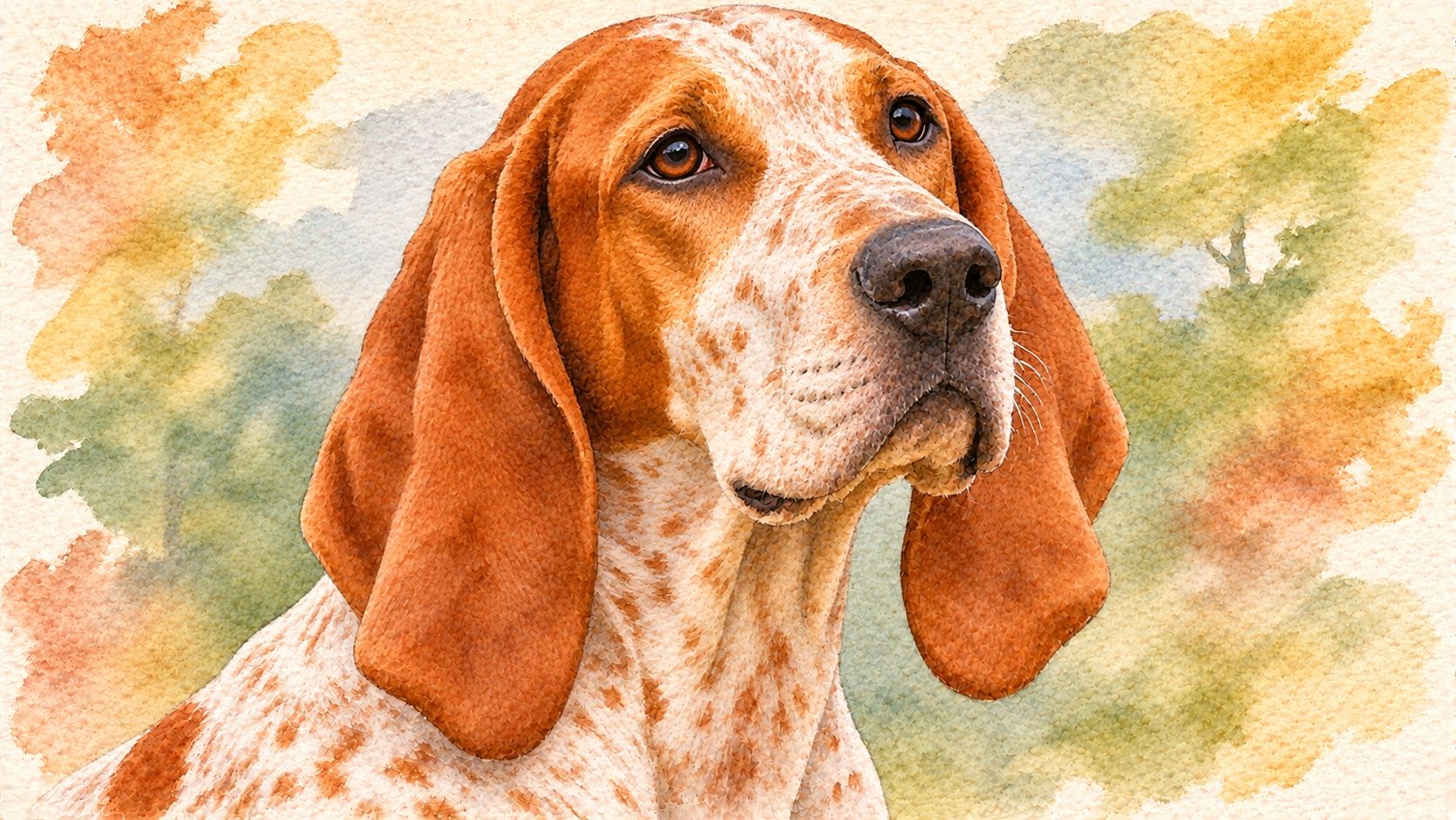
The breed has a broad head, a fairly long muzzle and soft, dark brown eyes with a gentle, pleading expression. Its long ears hang low and fall close to the cheeks, helping to sweep scent toward the nose as the dog works a trail. The tail is carried high and slightly curved, especially when the hound is excited or on the hunt.
Coat and Colors
The American English Coonhound wears a hard, protective coat that ranges from short to medium in length. The coarse texture helps protect the dog from brush, briars and cold weather while it works outdoors.
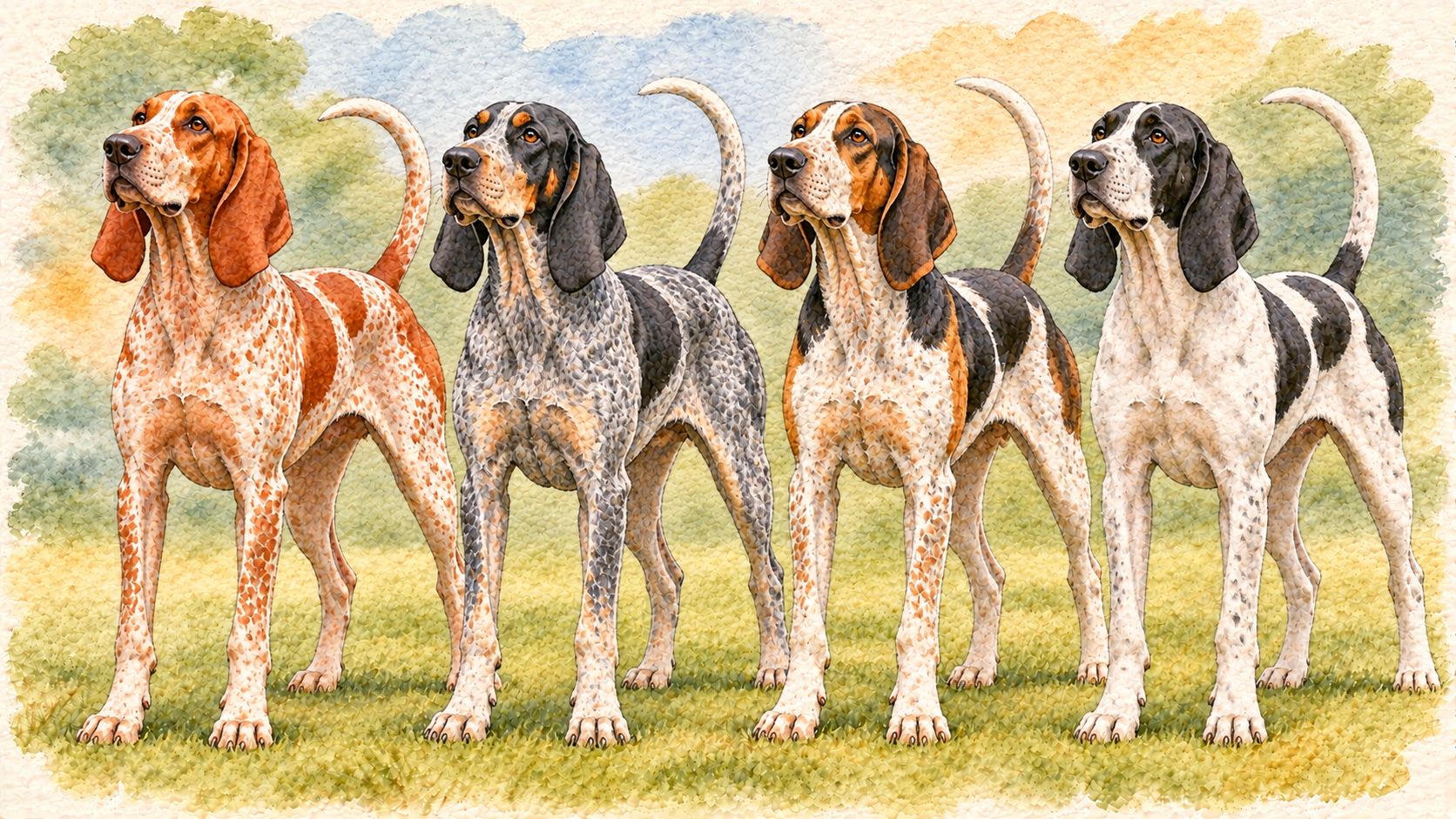
Accepted colors include red and white ticked, blue and white ticked, tricolor with ticking, red and white, and white and black. "Ticking" refers to small flecks of color scattered across a white base, which gives the coat its signature speckled look. The red-ticked pattern is so closely tied to the breed that many people simply call these dogs Redticks.
American English Coonhound Temperament and Personality
The American English Coonhound combines a hard-working hunting drive with a relaxed, friendly personality at home. This breed is known for being:
- Friendly: American English Coonhounds are usually warm and welcoming toward people, including strangers.
- Sociable: Bred to hunt alongside other hounds, they tend to enjoy the company of other dogs.
- Energetic: They have tremendous stamina and love having a job to do or a trail to follow.
- Determined: Once they catch an interesting scent, they can become single-minded and hard to call back.
- Easygoing: After a good day of exercise, many coonhounds are happy to stretch out and relax with their family.
- Vocal: Like other coonhounds, they have a loud, ringing voice and are not shy about using it.
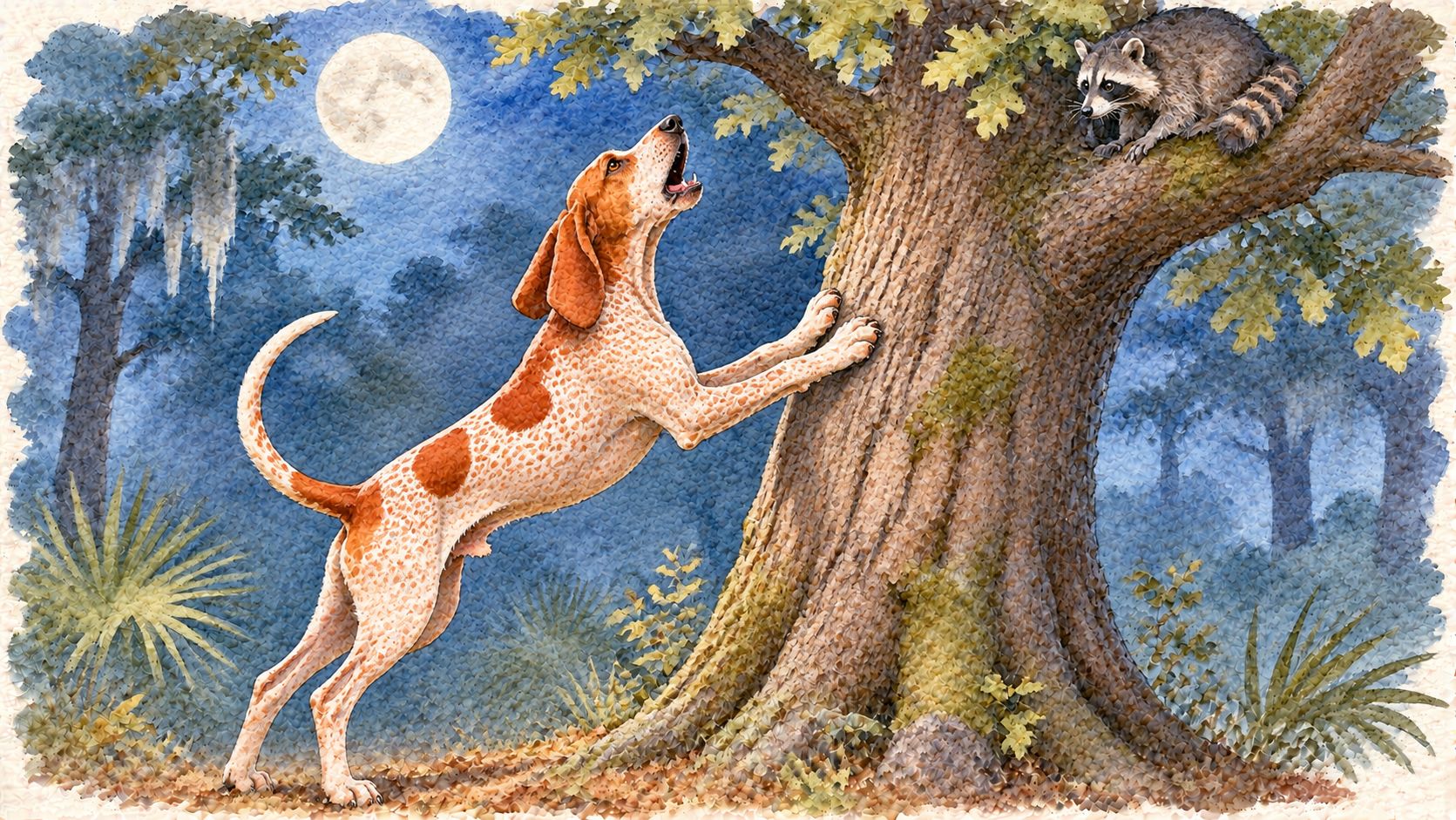
One of the breed's most famous traits is its "bawl," a long, drawn-out howling bark the hound uses while trailing. Hunters love this sound because it tells them where the dog is and how close it is to its quarry. At home, however, that powerful voice may not be a good fit for close neighbors or apartment living.
Is the American English Coonhound Good With Kids and Other Pets?
The American English Coonhound is often a good family dog for active households. Its friendly, tolerant nature usually makes it a pleasant companion for children, especially older kids who can join in on walks and outdoor play. Because it is a large and energetic dog, it may accidentally knock over toddlers, so supervision is always important.
With other dogs, the breed is typically very social, which makes sense for a hound that was developed to work in a pack. Smaller pets are another story. The coonhound's strong prey drive means it may want to chase cats, rabbits and other small animals. Some coonhounds raised with a family cat can live peacefully with it, but careful introductions and supervision are a must.
Early socialization helps any puppy grow into a confident, well-mannered adult. Introduce your American English Coonhound to many different people, animals, sounds and places while it is young.
Training an American English Coonhound
American English Coonhounds are smart and eager to work, but like many scent hounds, they can be independent and easily distracted by interesting smells. Training works best when it is patient, consistent and positive. Rewards such as food, praise and play will keep your hound motivated, while harsh corrections are likely to make it lose interest.
Here are a few training tips for American English Coonhound owners:
- Start early. Begin basic manners, house-training and socialization as soon as your puppy comes home.
- Work on recall. Coming when called is one of the hardest skills for a scent hound. Practice often in a secure area and reward generously.
- Keep it fun. Short, upbeat sessions hold your dog's attention far better than long, repetitive drills.
- Manage barking. Teach a "quiet" cue early and reward calm behavior so the famous bawl does not become a daily habit indoors.
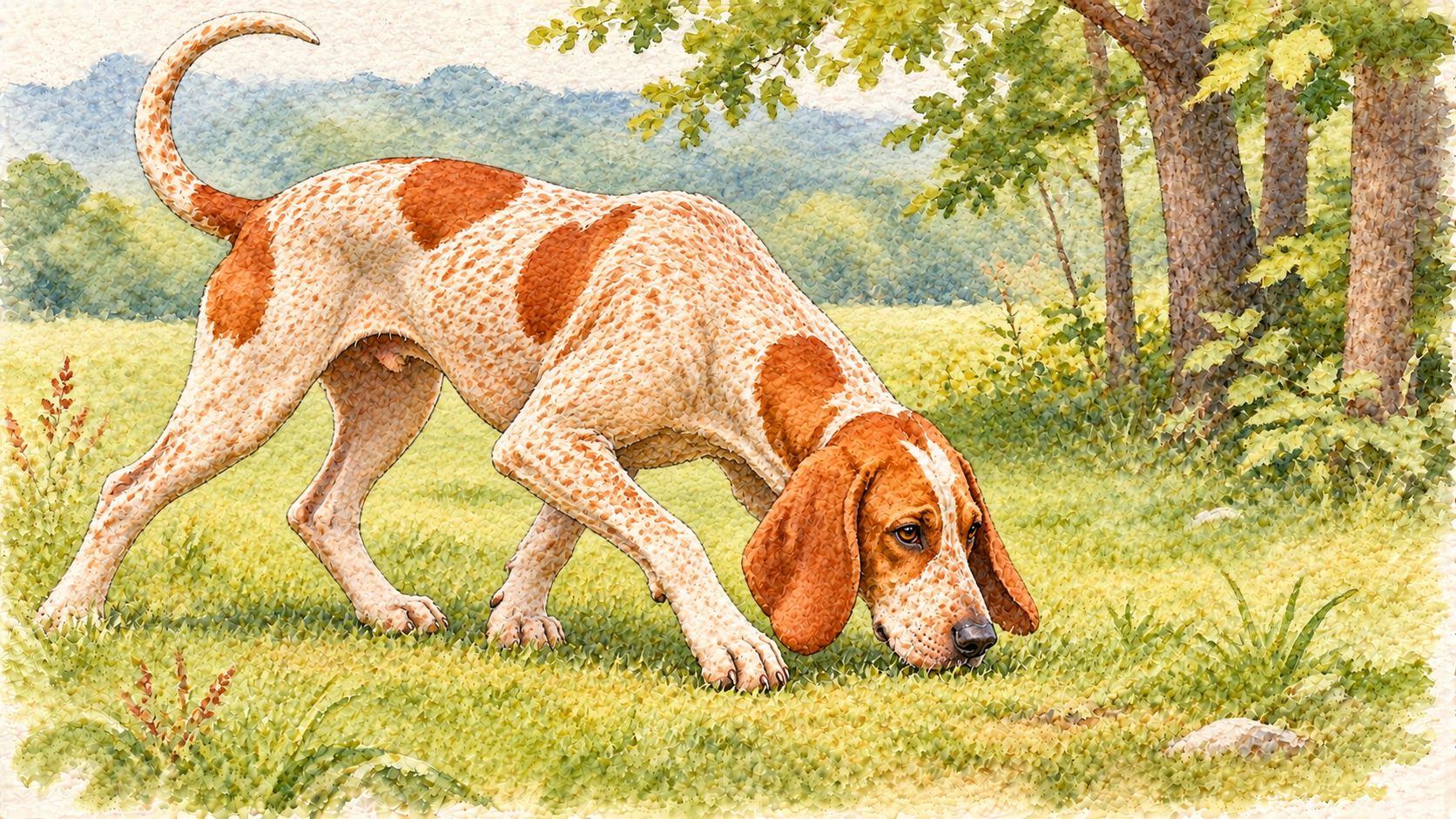
- Use that nose. Tracking, scent work and nose games are great outlets that let your coonhound do what it was born to do.
Exercise Needs
The American English Coonhound is a high-energy breed with impressive endurance. It was developed to run and trail for hours, so it needs regular daily exercise to stay fit and content. Long walks, hikes, jogging and active games in a securely fenced yard are all good ways to burn off energy. Many owners find that at least an hour or more of activity each day keeps their hound happy.
Mental exercise matters too. Scent games, puzzle toys and tracking activities challenge the coonhound's mind and help prevent boredom. A bored coonhound may turn to digging, chewing, howling or trying to escape the yard in search of adventure.
Always keep your American English Coonhound on a leash or in a well-fenced area when outdoors. Once it picks up a scent, it may follow the trail for long distances without paying attention to traffic or your calls. A sturdy fence is important, since some coonhounds are skilled at jumping or digging their way out.
Grooming an American English Coonhound
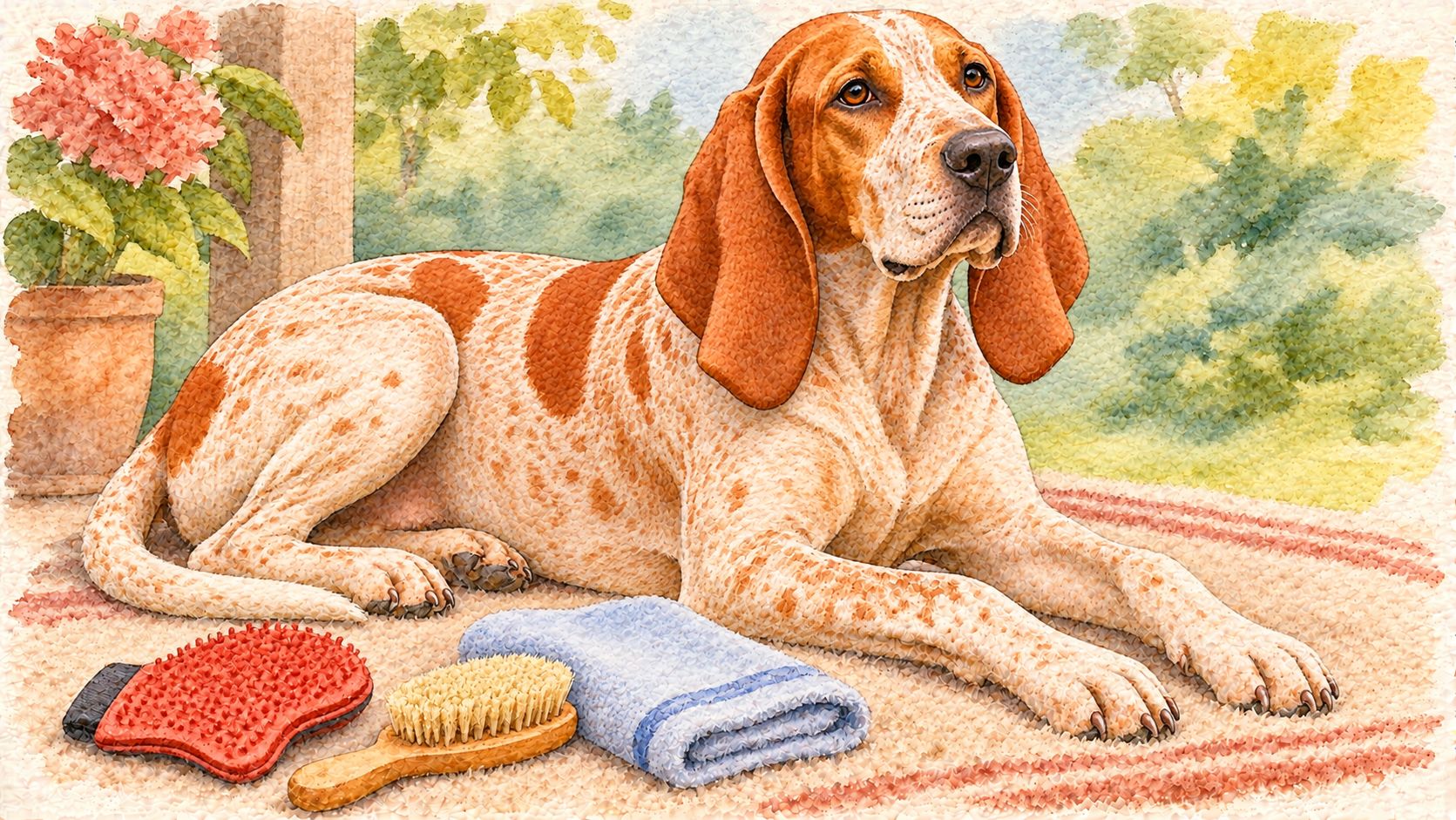
One of the nice things about this breed is its low-maintenance coat. The hard, protective hair needs little grooming compared with many other breeds. The American English Coonhound does shed, though, so expect some hair around the house, especially during seasonal coat changes.
Grooming Routine
- Brushing: Brush the coat about once a week with a bristle brush or hound mitt to remove loose hair and keep the coat shiny.
- Bathing: Bathe only as needed, such as after a muddy hike or a long day in the field.
- Ears: Check and clean the long, hanging ears regularly. Floppy ears can trap moisture and dirt, so keep them clean and dry.
- Nails: Trim nails every few weeks if your dog does not wear them down naturally on walks.
- Teeth: Brush your dog's teeth several times a week to support good dental health.
- After outdoor time: Look over the coat, paws and ears for burrs, scratches or ticks after time in woods or tall grass.
American English Coonhound Health and Lifespan
The American English Coonhound is generally a hardy, healthy breed, with a typical life expectancy of about 11 to 12 years. Like all breeds, it can be prone to certain conditions. Responsible breeders screen their dogs for common concerns, which may include:
- Hip dysplasia: An abnormal formation of the hip joint that can lead to stiffness or discomfort.
- Eye problems: Regular eye checks help catch issues early.
- Ear infections: Long, hanging ears can hold moisture, so routine ear care is important.
- Bloat: Large, deep-chested dogs can be at risk for this serious stomach condition, so ask your veterinarian about signs to watch for.
Because the American English Coonhound is so active, keeping it at a healthy weight helps protect its joints and overall health. Always work with your veterinarian to set up a routine of checkups, vaccinations and preventive care.
Feeding and Nutrition
As a large, active breed, the American English Coonhound does best on a high-quality dog food formulated for large or active dogs. Hounds that hunt or train regularly may need more calories than those living a quieter lifestyle, while less active dogs may need smaller portions to avoid gaining weight.
Puppies should eat a food made specifically for large-breed puppies to support steady, healthy growth. Portion sizes depend on your dog's age, size and activity level, so follow the feeding guidelines on the food package and ask your veterinarian for advice. Many owners of large dogs split the daily food into two meals. Treats are helpful for training but should make up only a small part of your dog's daily calories.
History of the American English Coonhound
The American English Coonhound's story begins with English Foxhounds brought to the American colonies in the 1600s and 1700s. In the American South, these imported hounds were developed into what became known as Virginia Hounds. Fox hunting was a popular pastime among colonial landowners, and George Washington himself was a keen fox hunter who kept and bred hounds at Mount Vernon. The breed is often linked to these early American foxhound lines.
Over time, American hunters needed a dog that could handle rough terrain and hunt at night. They bred their hounds for speed, stamina and a strong nose, and the dogs began to specialize in trailing raccoons as well as foxes. Raccoons climb trees to escape, so the hounds learned to "tree" their quarry and bay loudly until the hunter arrived.
The United Kennel Club recognized these dogs in the early 1900s under the name English Fox and Coonhound. At first, the breed included a wide variety of coat patterns. Over the years, some groups of hounds were separated into their own breeds, including the Bluetick Coonhound and the Treeing Walker Coonhound, which share common roots with the American English Coonhound.
The American Kennel Club fully recognized the American English Coonhound as a member of the Hound Group in 2011. Today, it remains a popular hunting partner in the United States and a loyal, good-natured companion for active families.
Is an American English Coonhound Right for You?
An American English Coonhound could be a wonderful match if you:
- Lead an active, outdoor lifestyle and enjoy long walks, hikes or runs
- Have a home with a large, securely fenced yard
- Want a friendly, sociable dog that gets along with people and other dogs
- Enjoy hunting, tracking or scent sports
- Prefer a breed with a low-maintenance coat
- Have the patience for consistent, positive training
An American English Coonhound may not be the best fit if you:
- Live in an apartment or have close neighbors who may not enjoy loud howling
- Cannot provide daily exercise and mental stimulation
- Want a dog that is reliable off leash in open areas
- Keep small pets such as rabbits, guinea pigs or free-roaming cats
Finding an American English Coonhound Puppy
When looking for an American English Coonhound puppy, choose a reputable breeder who health-tests their dogs, raises puppies in a clean and caring environment and is happy to answer your questions. Ask whether the parents come from hunting or show lines, since this can affect energy level and drive. Coonhound rescue groups and breed clubs are also good places to look, as adult hounds sometimes need loving new homes.
Fun Facts About the American English Coonhound
- The breed is often nicknamed the "Redtick" because of its popular red-and-white ticked coat.
- American English Coonhounds are famous for their "bawl," a loud, drawn-out howl used while trailing.
- The breed descends from English Foxhounds brought to the American colonies.
- These hounds are known for being able to hunt raccoons and foxes all night long.
- The Bluetick Coonhound and Treeing Walker Coonhound share ancestry with the American English Coonhound.
- The American Kennel Club fully recognized the breed in 2011.
Frequently Asked Questions
How big do American English Coonhounds get?
Males usually stand 24 to 27 inches tall at the shoulder and females 23 to 25 inches. Most adults weigh around 50 to 75 pounds, making them a large breed.
Are American English Coonhounds good family dogs?
Yes, they can be excellent family dogs for active households. They are typically friendly and sociable with people and other dogs, but they need plenty of exercise and supervision around small children and small pets.
Do American English Coonhounds shed?
Yes, they shed a moderate amount. Their hard, protective coat is easy to care for, and weekly brushing helps remove loose hair.
Do American English Coonhounds bark a lot?
They are a vocal breed with a loud, distinctive bawl. Early training, daily exercise and mental stimulation can help keep noise under control at home.
How long do American English Coonhounds live?
The average American English Coonhound lifespan is about 11 to 12 years with good care, a healthy diet and regular veterinary checkups.
What is the difference between an American English Coonhound and a Bluetick Coonhound?
The two breeds share common roots, but they are separate breeds today. The American English Coonhound is especially known for its red-ticked coat and speed, while the Bluetick has a dark blue mottled coat and is usually known as a slower, more deliberate trailer.
Final Thoughts
The American English Coonhound is a fast, friendly and tireless hound with deep American roots. Its speckled coat, gentle expression and famous voice make it hard to forget. If you can offer daily exercise, a secure yard, patient training and plenty of companionship, an American English Coonhound may become the most loyal adventure partner you have ever had.