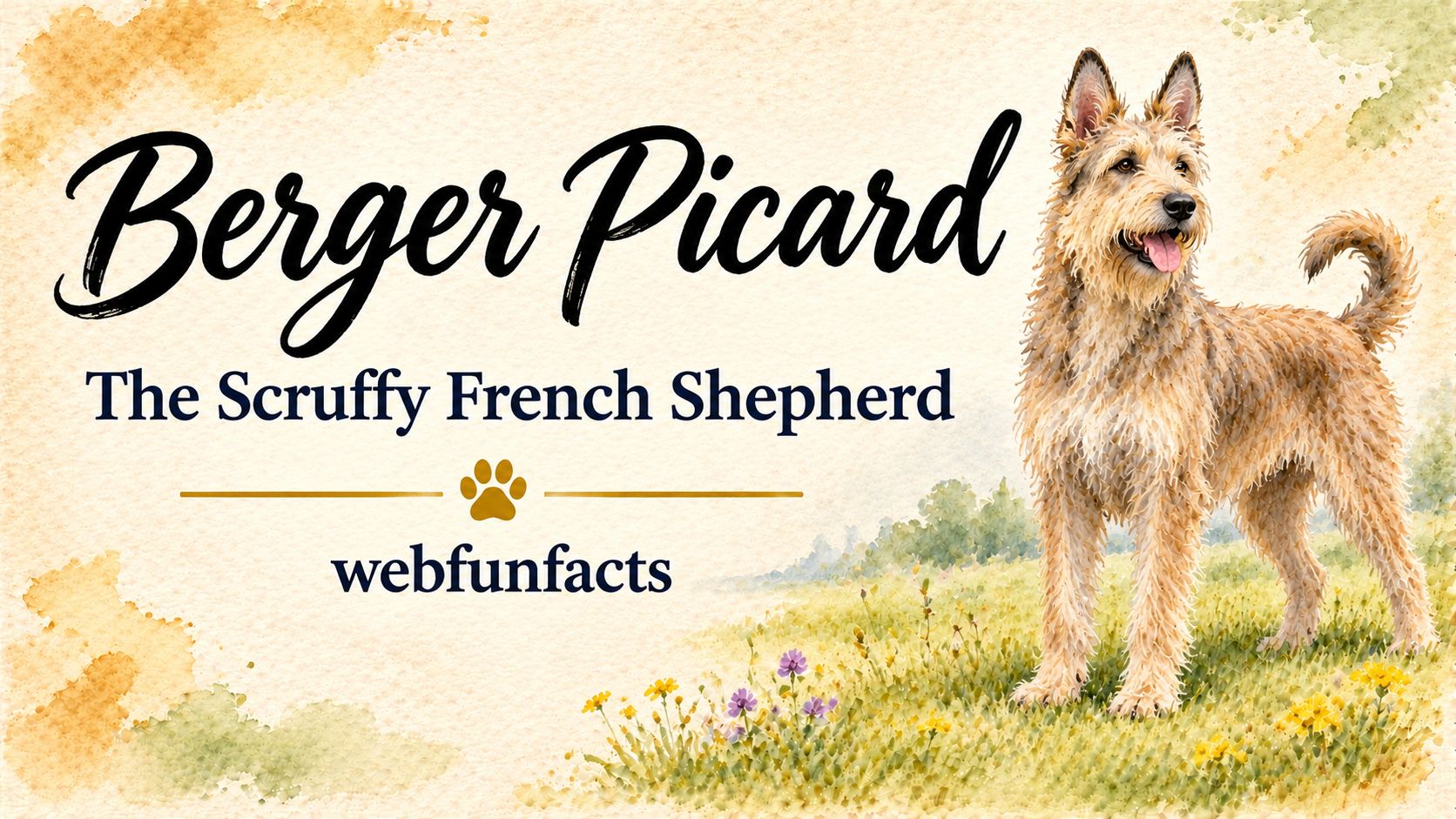
With its tall, upright ears, tousled coat and friendly, almost smiling face, the Berger Picard looks like a dog that just stepped out of a French countryside painting. This rugged herding breed comes from the Picardy region of northern France, and its name (pronounced "bare-ZHAY pee-CARR") simply means "shepherd from Picardy." Many people know the look without knowing the name, because two Picards starred as the lovable dog in the 2005 film Because of Winn-Dixie.
Behind the scruffy charm is a smart, lively and loyal working dog with a playful sense of humor. In this complete Berger Picard dog breed guide, you will learn about its size, temperament, training, exercise needs, grooming, health, diet and remarkable history, so you can decide whether this rare French shepherd is the right companion for you.
Berger Picard at a Glance
| Trait | Details |
|---|---|
| Breed group | Herding (AKC) |
| Height | Males 23.5 to 25.5 inches (60 to 65 cm); females 21.5 to 23.5 inches (55 to 60 cm) |
| Weight | 50 to 75 pounds (23 to 34 kg) |
| Life expectancy | About 12 to 13 years |
| Coat | Short to medium, harsh, shaggy and wiry |
| Colors | Fawn or brindle, in many shades |
| Shedding | Moderate; seasonal |
| Energy level | Moderate |
| Temperament | Lively, alert, loyal, playful, independent |
| Good for | Active owners, families with older kids, homes with a yard |
| Origin | Picardy, France |
What Is a Berger Picard?
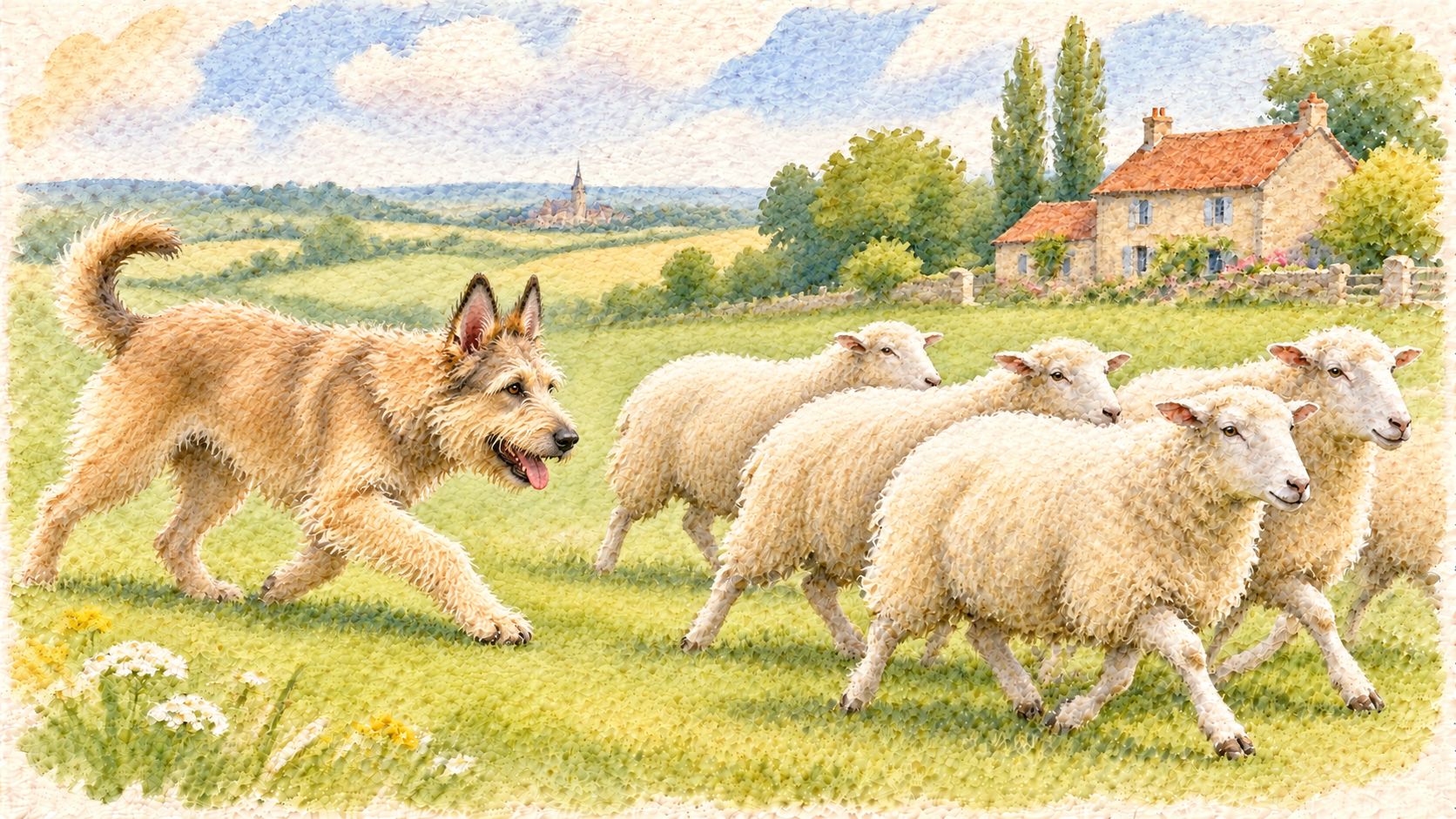
This breed is a medium-large herding dog from northern France. For centuries it worked alongside farmers, moving sheep and cattle, guarding the farm and keeping a close eye on its family. It is considered one of the oldest French sheepdog breeds.
Today the breed is still rare, both in France and in the United States. The American Kennel Club placed it in the Herding Group when it gained full recognition in 2015. Fans love the breed for its rustic, natural look and its blend of work ethic, intelligence and goofy, lighthearted personality.
Berger Picard Size and Appearance
How Big Do Berger Picards Get?
These are large, athletic dogs. Males usually stand 23.5 to 25.5 inches (60 to 65 cm) tall at the shoulder, while females are slightly smaller at 21.5 to 23.5 inches (55 to 60 cm). Most adults weigh between 50 and 75 pounds (23 to 34 kg).
Its size is balanced and practical rather than bulky. The body is a little longer than it is tall, with strong bones and lean muscle built for long days in the field. The overall impression is of a sturdy, agile dog that moves with an easy, tireless trot.
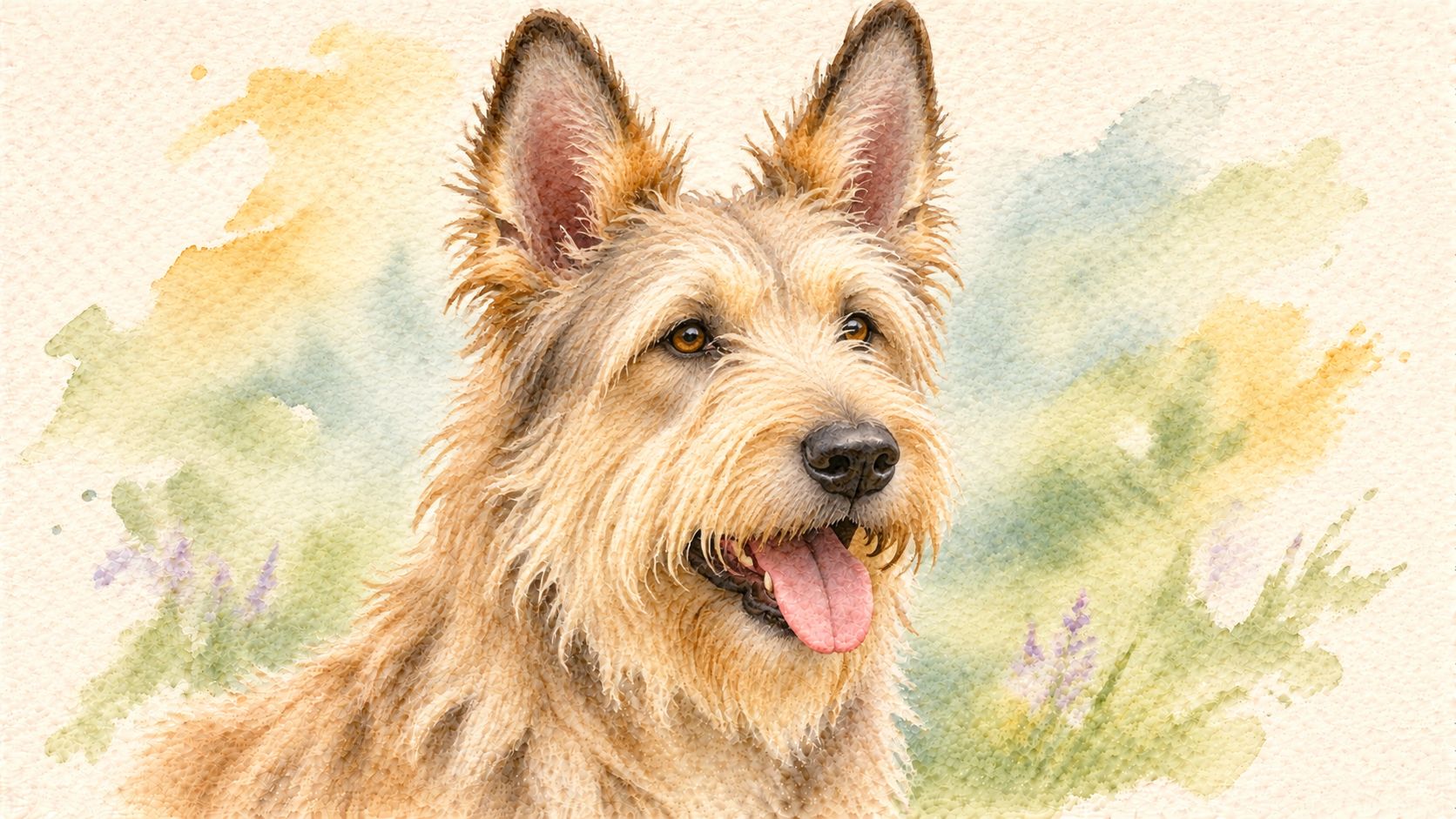
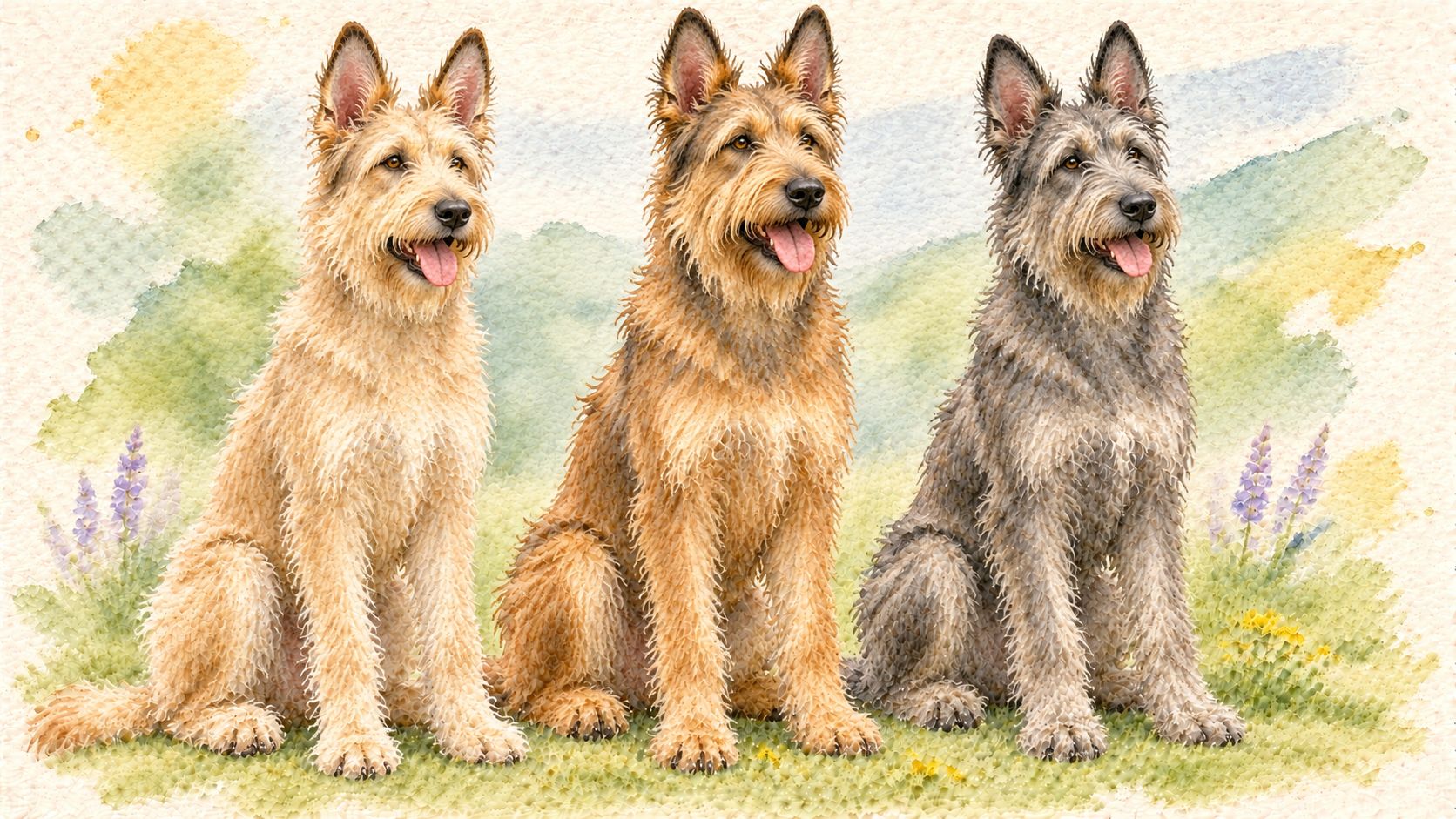
The breed's most striking feature is its ears. They are naturally erect, wide at the base and quite tall, giving the dog an alert and expressive look. Add dark eyes, rough eyebrows, a small beard and mustache, and a tail that ends in a gentle "J" hook, and you have one of the most recognizable faces in the dog world.
Coat and Colors
The Picard wears a weatherproof double coat. The outer coat is harsh, crisp and wiry to the touch, usually about 2 to 3 inches (5 to 8 cm) long, with a soft, dense undercoat beneath. This tough coat helped the breed work outdoors in the cold, damp climate of northern France.
The coat comes in two main colors: fawn and brindle. Fawn ranges from light to dark, often with darker trim on the ears. Brindle can appear in many shades, including gray, gray-black, gray-blue and gray-red. A small white patch on the chest or toes is sometimes seen.
Berger Picard Temperament and Personality
The Berger Picard temperament combines the focus of a working dog with the charm of a family clown. This breed is known for being:
- Lively: Picards are energetic and curious, and they enjoy being involved in whatever their family is doing.
- Alert: Their watchful nature makes them natural watchdogs that notice anything unusual around the home.
- Loyal and affectionate: They bond closely with their people and prefer to be near them rather than left alone for long hours.
- Playful and funny: Many owners describe a mischievous, lighthearted streak that keeps the household entertained.
- Independent: As a herding breed, the Picard was expected to think for itself, which can show up as a stubborn side.
With strangers, the Picard is often reserved at first. It usually warms up once it decides a newcomer is welcome. This thoughtful nature, combined with its sensitivity, means the breed responds best to calm, fair and consistent handling.
Are Berger Picards Good Family Dogs?
Yes, Picards can be excellent family dogs for active households. They tend to be gentle and patient with children they are raised with, though their size and enthusiasm mean play should always be supervised around very young kids.
Their herding instinct may lead them to nudge or try to "gather" running children. Teaching kids how to play calmly, and giving the dog plenty of outlets for its energy, helps keep everyone happy.
Are Berger Picards Good With Other Pets?
Picards generally get along well with other dogs, especially when raised with them. They can also live with cats if introduced early, although some individuals may want to chase or herd smaller animals. Early socialization with a wide range of people, animals, sounds and places is essential for raising a confident, well-mannered Berger Picard puppy.
Training a Berger Picard
Picards are intelligent and quick to learn, but they are also known for an independent, sometimes stubborn streak. They do best with a patient but firm owner who uses positive reinforcement. Harsh corrections tend to backfire with this sensitive breed and can make it less willing to cooperate.
Here are a few training tips for new owners:
- Start early. Begin socialization and basic obedience as soon as your puppy comes home.
- Keep it interesting. Picards can get bored with repetition, so mix up exercises and keep sessions short and upbeat.
- Use rewards they love. Praise, play and small treats are powerful motivators.
- Be consistent. Set clear house rules and make sure every family member follows them.
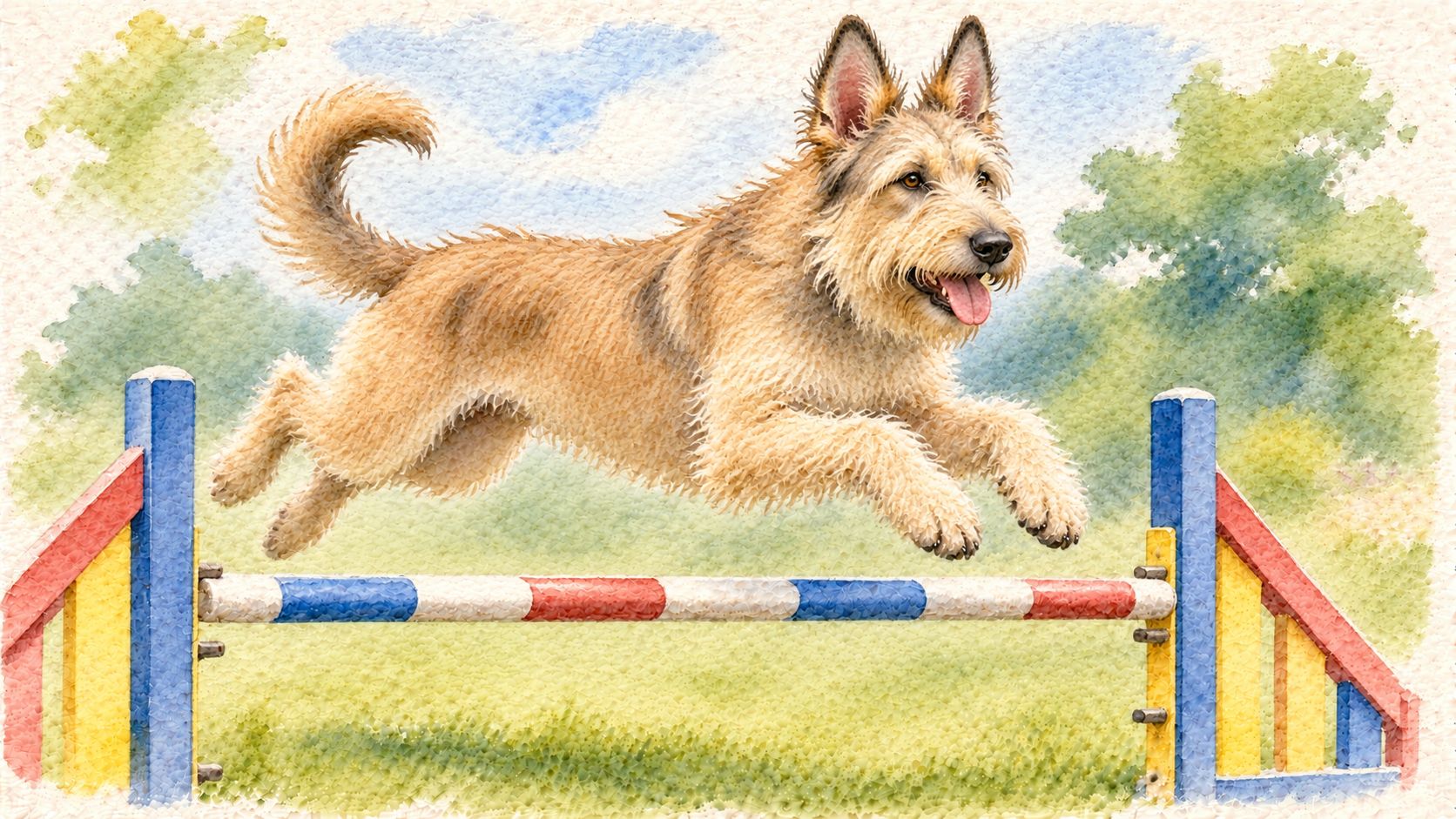
- Give them a job. The breed excels at agility, obedience, rally, herding and tracking, and these activities build a strong bond.
Exercise Needs
This breed has a medium energy level but still needs real activity every day. It is not hyperactive indoors when its needs are met, but it does need regular daily exercise. Plan on at least an hour of activity a day, such as brisk walks, hikes, jogging, fetch or a training session.
Mental exercise matters just as much as physical activity. Puzzle toys, scent games and dog sports help satisfy this clever breed's working mind. A bored Picard may find its own entertainment, which can include digging, chewing or barking.
A home with a securely fenced yard is ideal, though an active owner in a smaller home can make it work with enough daily outings. Because of its herding background, keep your dog on a leash or in a secure area when outdoors.
Berger Picard Grooming
The good news for busy owners is that grooming this breed is fairly simple. The rough, weatherproof coat is designed to stay practical and requires little grooming compared with many shaggy-looking breeds. The coat is meant to look natural and slightly tousled, so it is not trimmed into a styled shape.
Do Berger Picards Shed?
Yes, Picards shed a moderate amount. Most shed lightly year-round and more heavily during seasonal coat changes, often in spring and fall. Extra brushing during these periods helps remove loose undercoat. The breed is not considered hypoallergenic.
Grooming Routine
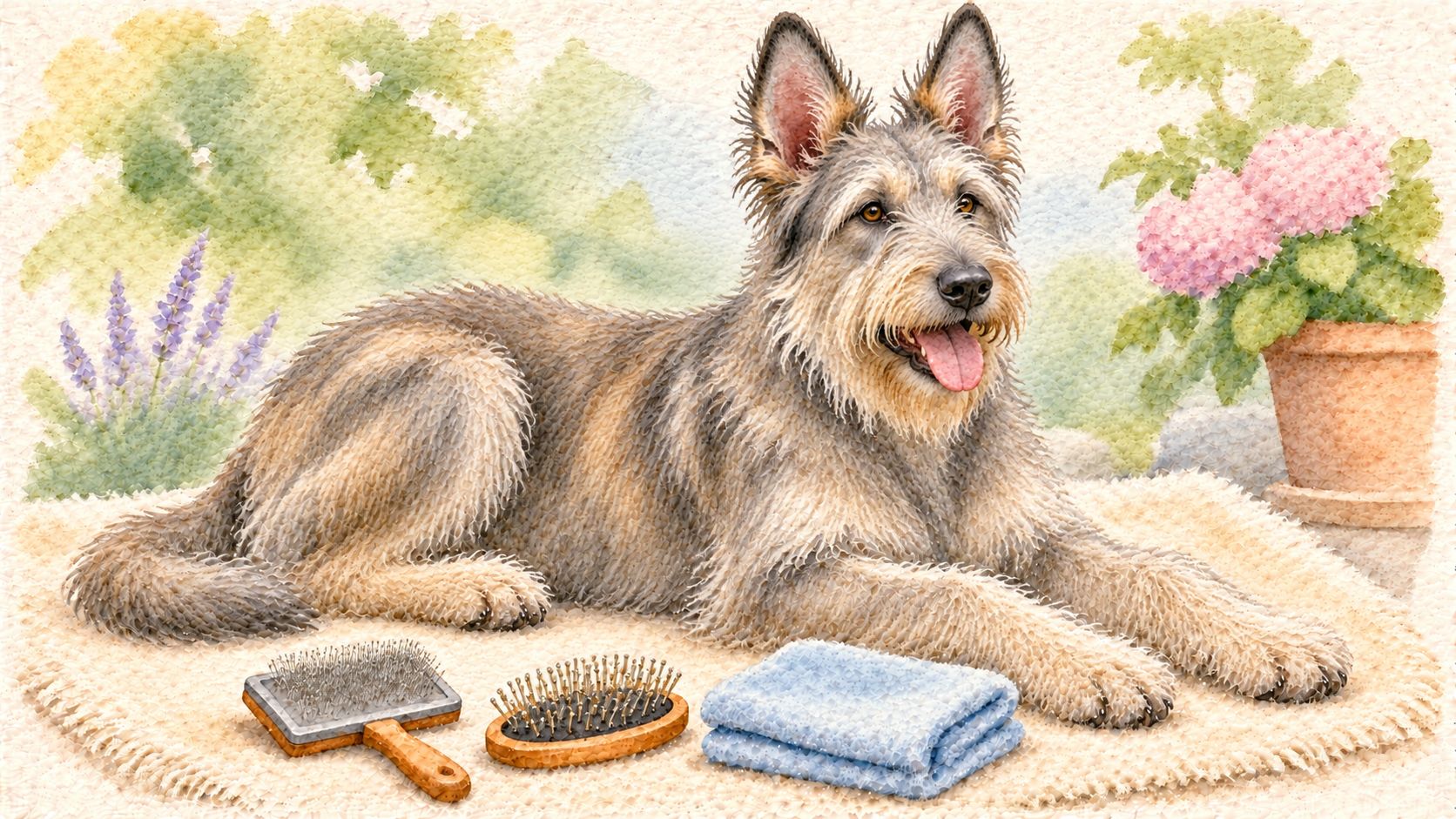
- Brushing: Brush the coat about once a week with a pin brush or slicker brush, and more often during shedding season.
- Bathing: Bathe only when needed. Frequent baths can soften the harsh coat texture.
- Ears: Check those big, upright ears weekly and keep them clean and dry.
- Nails: Trim nails every few weeks if they don't wear down naturally.
- Teeth: Brush your dog's teeth several times a week to support good dental health.
- Beard: Wipe the beard and mustache after meals if food or water collects there.
Berger Picard Health and Lifespan
How Long Do Berger Picards Live?
The typical lifespan for this breed is about 12 to 13 years. Overall, it is considered a hardy, healthy breed, partly because it has remained a natural working dog without extreme features.
Like all breeds, the Picard can be prone to certain inherited conditions. Responsible breeders screen their dogs for common concerns, which may include:
- Hip dysplasia: An abnormal formation of the hip joint that can affect mobility.
- Eye conditions: Some lines can be affected by inherited eye problems, such as forms of progressive retinal atrophy, so regular eye exams are recommended.
Keeping your Picard at a healthy weight, providing regular exercise and choosing a breeder who health-tests their dogs all support long-term wellness. Always work with your veterinarian to set up a routine of checkups, vaccinations and preventive care.
Feeding and Nutrition
A Picard does best on a high-quality, complete and balanced dog food suited to its life stage, size and activity level. Large-breed formulas are designed with the needs of bigger dogs in mind, including steady growth during puppyhood.
Puppies should eat a food made specifically for puppies, ideally a large-breed puppy formula. Portion sizes depend on your dog's age, weight and activity level, so follow the feeding guide on the package and ask your veterinarian for advice. Treats are helpful for training but should make up only a small share of daily calories.
History of the Berger Picard
This breed is believed to be one of the oldest French herding breeds. It has worked as a companion to farmers in northern France since at least the 14th century. Some historians suggest its ancestors may have arrived with Frankish peoples centuries earlier, though the breed's earliest origins are not fully known.
The breed has a colorful past. According to popular accounts, Picards were once used to smuggle goods across the Franco-Belgian border, with small goatskin pouches of contraband hidden in their wiry coats. Picards were also shown at early French dog shows in the 1800s, often grouped with other French shepherd breeds.
The two World Wars were devastating for the breed. Picardy saw intense fighting, especially during World War I, and the breed came close to disappearing. Dedicated French breeders worked hard to rebuild it in the years that followed, and the breed slowly recovered.
The Picard reached North America in the late 20th century, where it remained a rare sight for years. Its big break in popular culture came with Because of Winn-Dixie, and the American Kennel Club granted it full recognition in the Herding Group in 2015.
Berger Picard vs Briard
The Picard is often compared with the Briard, another French herding breed. Both are rugged, intelligent sheepdogs, but the Briard has a long, flowing coat that needs much more grooming. The Picard's coat is shorter and harsher, and its tall, naturally upright ears give it a very different look. If you love the French shepherd personality but want easier coat care, the Picard is often the more practical choice.
Is a Berger Picard Right for You?
A Berger Picard could be a wonderful match if you:
- Lead an active lifestyle and enjoy daily walks, hikes or dog sports
- Want a smart, loyal dog with a playful personality
- Prefer a breed with relatively easy coat care
- Have the patience for consistent, positive training
- Can include your dog in family life rather than leaving it alone for long periods
- Have a home with space to move, ideally with a fenced yard
A Berger Picard may not be the best fit if you:
- Want a low-energy dog that is happy with minimal exercise
- Are away from home for most of the day
- Need a hypoallergenic or non-shedding breed
- Prefer a dog that obeys instantly without any independent thinking
Finding a Berger Picard Puppy
Because the Picard is still a rare breed, finding a puppy can take time, and many breeders keep waiting lists. Look for a breeder who health-tests their dogs, raises puppies in a home environment and is happy to answer your questions. National breed clubs and rescue groups are good places to start, and adult Picards sometimes need new homes too.
Fun Facts About the Berger Picard
- The name "Berger Picard" means "shepherd from Picardy" in French.
- The breed is also known as the Picardy Shepherd.
- Two Picards played the title dog in the 2005 movie Because of Winn-Dixie.
- Popular stories say Picards once smuggled goods across the Franco-Belgian border in pouches hidden in their coats.
- The breed nearly vanished after the two World Wars.
- The Picard's tail typically ends in a soft "J" hook.
- The AKC fully recognized the breed in 2015.
Frequently Asked Questions
How do you pronounce Berger Picard?
It is pronounced "bare-ZHAY pee-CARR." The name is French and means "shepherd from Picardy."
How big do Berger Picards get?
Males usually stand 23.5 to 25.5 inches (60 to 65 cm) tall and females 21.5 to 23.5 inches (55 to 60 cm). Most adults weigh 50 to 75 pounds (23 to 34 kg).
Are Berger Picards good family dogs?
Yes, they can be loving, playful family dogs for active households. Supervision with young children is wise because of their size and herding instincts.
Do Berger Picards shed a lot?
They shed a moderate amount, with heavier shedding during seasonal coat changes. Weekly brushing keeps the coat in good shape.
How long do Berger Picards live?
The average Berger Picard lifespan is about 12 to 13 years with good care, a healthy diet and regular veterinary checkups.
What breed was the dog in Because of Winn-Dixie?
The dog Winn-Dixie was played by two Berger Picards. The film helped introduce the rare French breed to many American families.
Final Thoughts
The Berger Picard is a rare treasure: a rustic French herding dog with a scruffy coat, unforgettable ears and a warm, playful heart. This breed brings centuries of farm history, easy coat care and plenty of personality to the right home. If you can offer daily exercise, patient training and a place at the center of family life, a Berger Picard may become your most devoted companion.