
With its silky mane, plumed tail and bright, intelligent eyes, the Tibetan Spaniel is a small dog with a big history. For centuries, these charming companions lived in the monasteries and villages of Tibet, where Buddhist monks affectionately called them "little lions." Fans of the breed today know them simply as "Tibbies."
The Tibetan Spaniel is cheerful, confident and clever, with a touch of cat-like independence. It loves its family deeply but can be reserved with strangers, making it both a sweet lapdog and an alert little watchdog. In this complete Tibetan Spaniel dog breed guide, you will learn about its size, temperament, grooming needs, exercise requirements, common health concerns, diet tips and fascinating history.
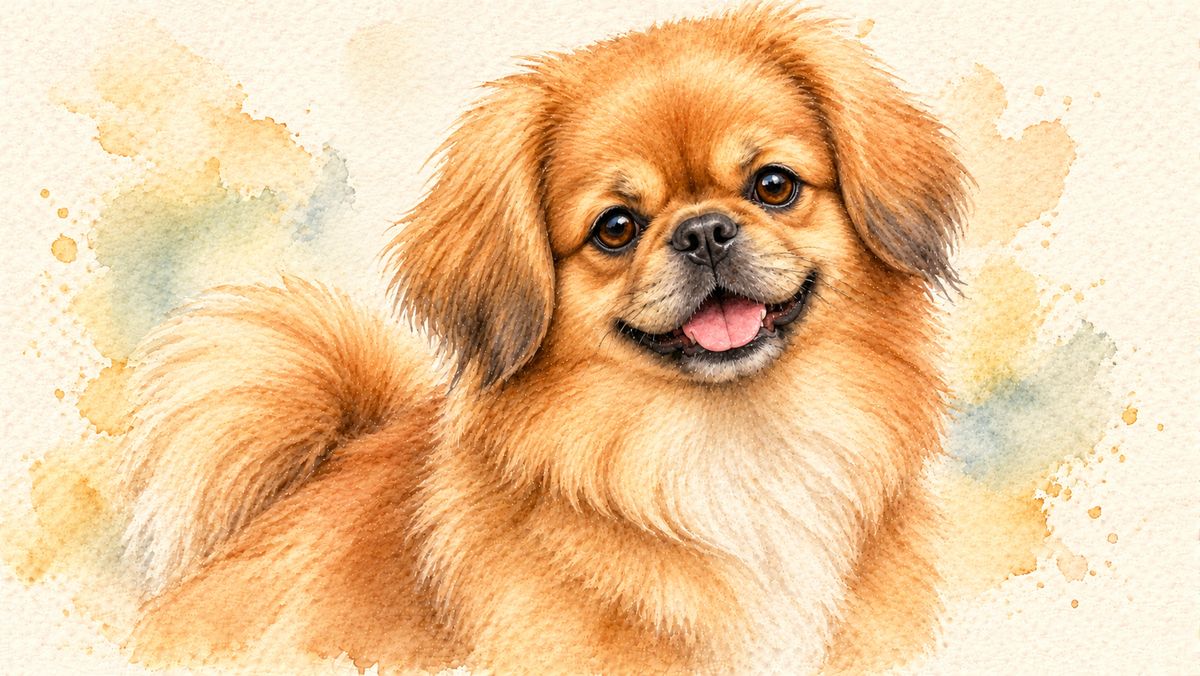
Tibetan Spaniel at a Glance
| Trait | Details |
|---|---|
| Breed group | Non-Sporting (AKC) |
| Height | About 10 inches (25 cm) |
| Weight | 9 to 15 pounds (4 to 7 kg) |
| Life expectancy | 12 to 15 years |
| Coat | Silky, medium-length double coat |
| Colors | Any color or mixture of colors |
| Shedding | Moderate; seasonal |
| Energy level | Moderate |
| Temperament | Cheerful, confident, intelligent, alert, independent |
| Good for | Families, seniors, apartment living |
| Origin | Tibet (ancient) |
What Is a Tibetan Spaniel?
The Tibetan Spaniel is a small, sturdy companion breed from the Himalayan region of Tibet. Despite its name, it is not a true spaniel at all. It was never used for hunting or retrieving game. Instead, it lived alongside monks and families as a companion and watchdog.
Today, the Tibetan Spaniel belongs to the American Kennel Club's Non-Sporting Group. It is still relatively uncommon in the United States, but those who own one often say they will never have another breed. Tibbies are adaptable, easy to live with and full of personality, making them a great fit for many different households.
Tibetan Spaniel Size and Appearance
The Tibetan Spaniel is a small, slightly longer-than-tall dog with a well-balanced, sturdy build. Adults stand about 10 inches tall at the shoulder and usually weigh between 9 and 15 pounds.
How Big Do Tibetan Spaniels Get?
Tibetan Spaniels stay small, reaching about 10 inches in height and 9 to 15 pounds as adults. Their compact size makes them easy to carry and well suited to apartments and smaller homes.
The head is small in proportion to the body, with a slightly domed skull, a short, blunt muzzle and oval, dark brown eyes that give the breed an expressive, almost human look. The ears are set high and hang down with soft feathering. The richly plumed tail curls over the back, and the small "hare" feet are covered in silky tufts of hair.
Coat and Colors
The Tibetan Spaniel has a silky double coat of medium length. The hair lies flat on the face and the front of the legs, while longer feathering grows on the ears, the backs of the legs, the tail and the hindquarters. Many dogs, especially males, develop a "mane" or "shawl" of longer hair around the neck, which helps give the breed its lion-like look.
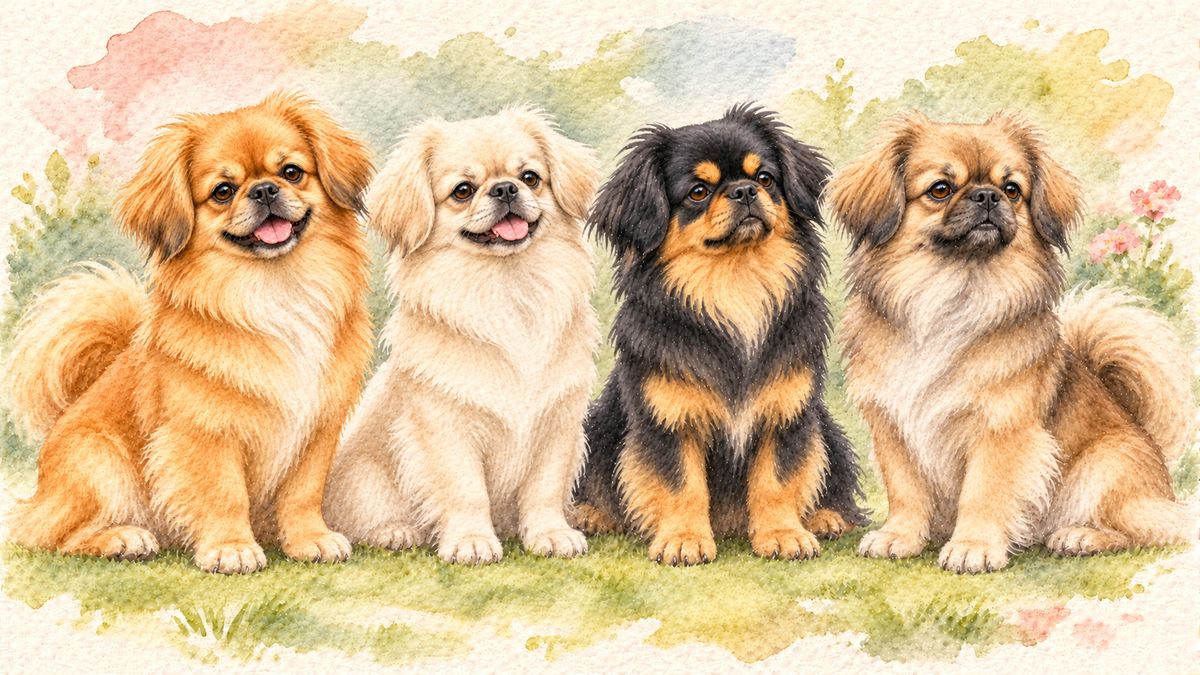
One of the breed's appealing traits is its variety of colors. Tibetan Spaniels can be any color or mixture of colors, including gold, red, cream, white, black, black and tan, and sable. Gold and red shades are especially common.
Tibetan Spaniel Temperament and Personality
The Tibetan Spaniel temperament is a delightful mix of affection, intelligence and independence. This breed is known for being:
- Cheerful: Tibbies have a happy, upbeat attitude and enjoy playful moments with their people.
- Confident: They carry themselves with a proud, self-assured air.
- Highly intelligent: They learn quickly and often figure out how to get what they want.
- Alert: Tibbies love to perch on high spots, like the back of a sofa, to keep watch over their territory.
- Loyal and affectionate: They are devoted to their families and enjoy cuddling up beside their favorite people.
- Reserved with strangers: They are friendly but often cautious with unfamiliar people until they get to know them.
Many owners describe the Tibetan Spaniel as cat-like. It enjoys sitting in high places, can be independent, and sometimes prefers to do things on its own terms. It also tends to be sensitive and does not respond well to harsh voices or rough handling.
Are Tibetan Spaniels Good With Kids and Other Pets?
Tibetan Spaniels can make wonderful family pets and usually do well with respectful children. Because they are small, kids should be taught to handle them gently and never to pick them up roughly. Supervision is always recommended with younger children.
Tibbies generally get along well with other dogs and cats, especially when raised with them. Early socialization with different people, animals, sounds and places helps a Tibetan Spaniel puppy grow into a well-rounded, confident adult.
Training a Tibetan Spaniel
The Tibetan Spaniel is smart and quick to learn, but it also has an independent streak. It may decide that a command is optional if training becomes repetitive or boring. The best approach is patient, positive reinforcement with treats, praise and play.
Here are a few training tips for Tibetan Spaniel owners:
- Start early. Begin training and socialization as soon as your puppy comes home.
- Keep it short and fun. Brief sessions with plenty of rewards hold a Tibbie's interest.
- Be gentle. This sensitive breed responds poorly to harsh corrections or raised voices.
- Work on house-training consistently. A regular routine and crate training can help small breeds learn faster.
- Manage barking. Tibbies are natural watchdogs and can be vocal. Teach a "quiet" cue and reward calm behavior.
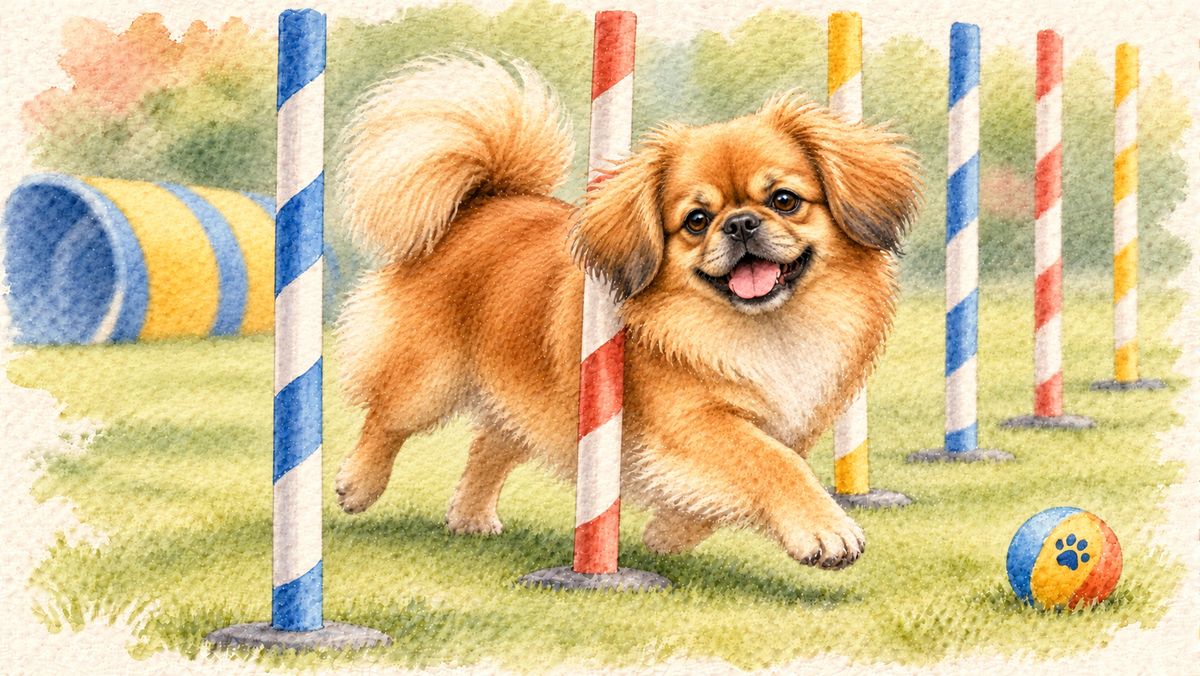
- Try dog sports. Tibetan Spaniels can enjoy agility, obedience and rally obedience.
Exercise Needs
The Tibetan Spaniel has a moderate energy level and does not need intense exercise. A couple of daily walks combined with indoor play is usually enough to keep it happy and fit. Tibbies enjoy exploring and sniffing on walks, as well as games of fetch and puzzle toys at home.
Because of its small size and adaptable nature, the Tibetan Spaniel is a good choice for apartment living. Still, it needs regular activity and mental stimulation to prevent boredom. Always use a leash or a secure fence, as Tibbies can be curious and may wander off to investigate interesting sights and smells.
Grooming a Tibetan Spaniel
Do Tibetan Spaniels Shed?
Yes, Tibetan Spaniels shed a moderate amount. They lose some hair year-round and typically shed more heavily once or twice a year when they blow their undercoat.
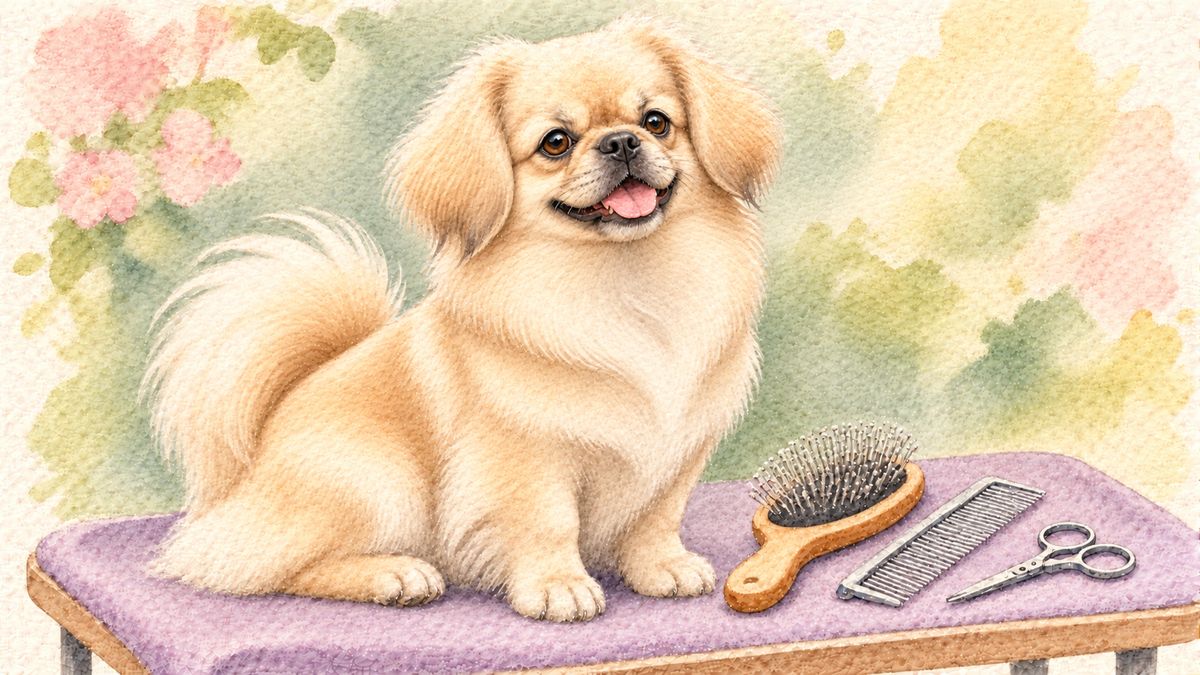
The good news is that the Tibetan Spaniel coat is fairly easy to care for. It does not need clipping or professional styling, and a weekly brushing keeps it in good condition most of the year.
Grooming Routine
- Brushing: Brush the coat once a week, paying extra attention to the feathering behind the ears, on the legs and on the tail, where tangles can form.
- Seasonal shedding: Brush more often during heavy shedding periods to remove loose undercoat.
- Feet: Trim the hair between the paw pads to keep feet clean and help prevent slipping on smooth floors.
- Nails: Trim nails every few weeks, as small dogs often don't wear them down naturally.
- Teeth: Brush your dog's teeth several times a week. Small breeds are prone to dental problems.
- Ears and eyes: Check ears weekly for dirt or redness and keep the area around the eyes clean.
Tibetan Spaniel Health and Lifespan
The Tibetan Spaniel is generally a healthy breed with a long life expectancy. The average Tibetan Spaniel lifespan is about 12 to 15 years, and many live even longer with good care. Like all breeds, Tibbies can be prone to certain health conditions, which may include:
- Progressive retinal atrophy (PRA): An inherited eye disease that can gradually lead to vision loss.
- Luxating patella: A condition in which the kneecap slips out of place, common in small breeds.
- Portosystemic shunt: An abnormal blood vessel that affects how the liver filters blood.
- Cherry eye: A condition in which a gland in the third eyelid becomes visible.
Responsible breeders screen their dogs for common health problems, including eye disease. Because the Tibetan Spaniel has a short muzzle, it may also feel the heat more than some breeds, so provide shade and fresh water in warm weather. Always work with your veterinarian to set up a schedule of checkups, vaccinations and preventive care.
Feeding and Nutrition
The Tibetan Spaniel does best on a high-quality, complete and balanced dog food formulated for small breeds. Small-breed formulas typically feature smaller kibble that is easier for little mouths to chew, and they are designed with the energy needs of small dogs in mind.
Puppies should eat a food made specifically for puppies to support healthy growth. Portion sizes depend on age, weight and activity level, so follow the feeding guidelines on the food package and ask your veterinarian for advice. Tibbies can gain weight easily, so keep treats to a small share of daily calories.
History of the Tibetan Spaniel
The Tibetan Spaniel is an ancient breed with roots in the mountains of Tibet. Some accounts suggest that small dogs like the Tibbie have been prized companions in the region for thousands of years, though exact dates are difficult to confirm.
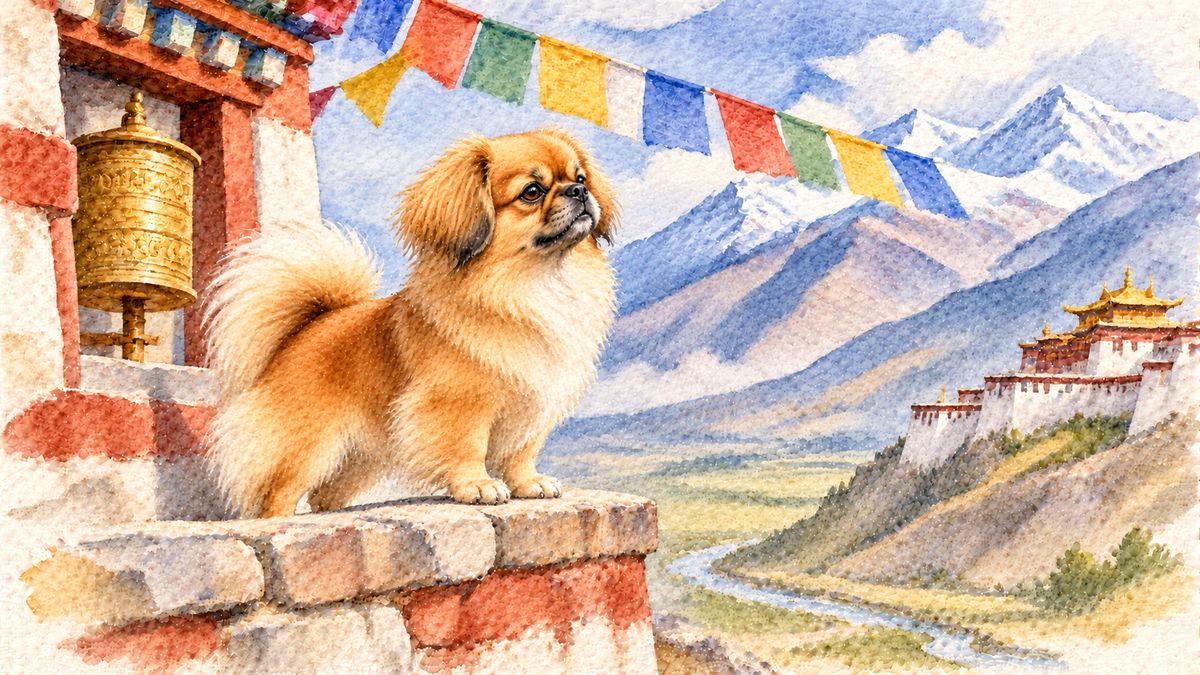
In Tibetan monasteries, these little dogs were treasured by Buddhist monks, who called them "little lions." Because lions were considered sacred in Buddhism, the nickname gave the breed special status. Tibbies are said to have perched on monastery walls, watching the surrounding countryside and barking to alert the monks and larger guard dogs to approaching visitors. According to legend, some were even trained to turn prayer wheels.
Tibetan Spaniels were rarely sold. Instead, they were often given as gifts to honored guests, including visitors from China and other neighboring lands. This exchange of dogs may have linked the Tibbie to other Asian companion breeds, such as the Pekingese and Japanese Chin.
The breed reached the United Kingdom in the late 1800s and early 1900s, but numbers stayed small. After World War II, dedicated breeders in Britain helped establish the breed more firmly, and it later spread to North America. The American Kennel Club officially recognized the Tibetan Spaniel in the early 1980s as a member of the Non-Sporting Group.
Tibetan Spaniel vs Lhasa Apso
The Tibetan Spaniel vs Lhasa Apso comparison is popular because both breeds come from Tibet and served as monastery watchdogs. The Lhasa Apso has a much longer, floor-length coat that needs a lot more grooming. The Tibetan Spaniel has a shorter, silky coat with feathering and is generally easier to maintain, while both share an alert, independent personality.
Is a Tibetan Spaniel Right for You?
A Tibetan Spaniel could be a wonderful match if you:
- Want a small, sturdy companion with a big personality
- Live in an apartment or smaller home
- Prefer a dog with moderate exercise needs
- Appreciate an intelligent, slightly independent dog
- Want an alert little watchdog
- Can handle regular, but simple, grooming
A Tibetan Spaniel may not be the best fit if you:
- Want a dog that obeys every command instantly
- Need a completely quiet dog, since Tibbies like to alert you to visitors
- Want a breed that never sheds
- Are away from home for long hours, as Tibbies love company
Finding a Tibetan Spaniel Puppy
Because the Tibetan Spaniel is relatively rare, you may need to join a waiting list for a puppy from a reputable breeder. Look for breeders who health-test their dogs, especially for eye conditions, raise puppies in a home environment and are happy to answer your questions. Breed clubs and rescue groups are also good places to look for adult Tibbies in need of homes.
Fun Facts About the Tibetan Spaniel
- Buddhist monks called Tibetan Spaniels "little lions."
- Despite its name, the Tibetan Spaniel is not a true spaniel.
- Tibbies love to perch on high places, just as they once sat on monastery walls.
- They were traditionally given as gifts rather than sold.
- Fans often describe the breed as cat-like.
- Tibetan Spaniels can come in any color or mixture of colors.
Frequently Asked Questions
Is the Tibetan Spaniel a real spaniel?
No. The Tibetan Spaniel was never a hunting or retrieving dog. It was bred as a companion and watchdog in Tibet, and its name likely comes from its resemblance to small European toy spaniels.
How big do Tibetan Spaniels get?
Adult Tibetan Spaniels stand about 10 inches tall at the shoulder and weigh 9 to 15 pounds, making them a small, sturdy breed.
Do Tibetan Spaniels shed?
Yes, Tibetan Spaniels shed moderately year-round and more heavily once or twice a year. Weekly brushing, with extra brushing during shedding seasons, keeps the coat healthy.
Are Tibetan Spaniels good family dogs?
Yes, Tibetan Spaniels are affectionate, cheerful and usually good with respectful children and other pets. Gentle handling and supervision with young kids are important because of their small size.
How long do Tibetan Spaniels live?
The average Tibetan Spaniel lifespan is about 12 to 15 years, and many live longer with good care and regular veterinary checkups.
Do Tibetan Spaniels bark a lot?
Tibetan Spaniels are natural watchdogs and will bark to alert you to visitors or unusual sounds. Early training and daily activity help keep barking under control.
Final Thoughts
The Tibetan Spaniel is a small dog with a noble past and a heart full of love. Cheerful, clever and devoted, this "little lion" brings centuries of history, an easy-care coat and plenty of charm to the right home. If you can offer gentle training, daily walks and lots of companionship, a Tibetan Spaniel may become your perfect little friend.