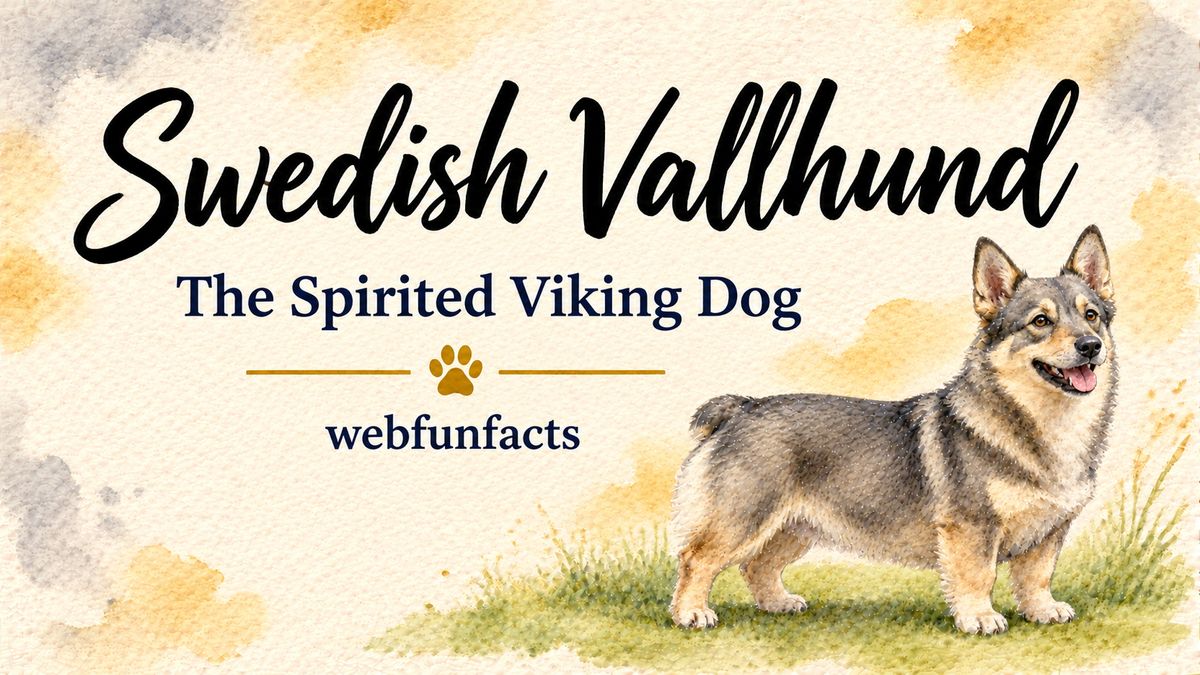
With its foxy face, sturdy little legs and a coat that looks like it was painted with a sable brush, the Swedish Vallhund is one of the most eye-catching herding breeds in the world. This ancient dog has been working alongside farmers in Sweden for more than a thousand years, and it still carries the nickname that hints at its long past: the "Viking Dog."
Don't let the short legs fool you. The Swedish Vallhund is an athletic, quick-thinking and cheerful companion with the energy of a much larger working dog. In this complete Swedish Vallhund dog breed guide, you will learn everything you need to know before welcoming one into your home, including its size, temperament, grooming needs, exercise requirements, common health concerns, diet tips and remarkable history.
Swedish Vallhund at a Glance
| Trait | Details |
|---|---|
| Breed group | Herding (AKC) |
| Height | Males 12.5 to 13.5 inches (32 to 34 cm); females 11.5 to 12.5 inches (29 to 32 cm) |
| Weight | 25 to 35 pounds (11 to 16 kg) |
| Life expectancy | 12 to 15 years |
| Coat | Medium-length, harsh double coat |
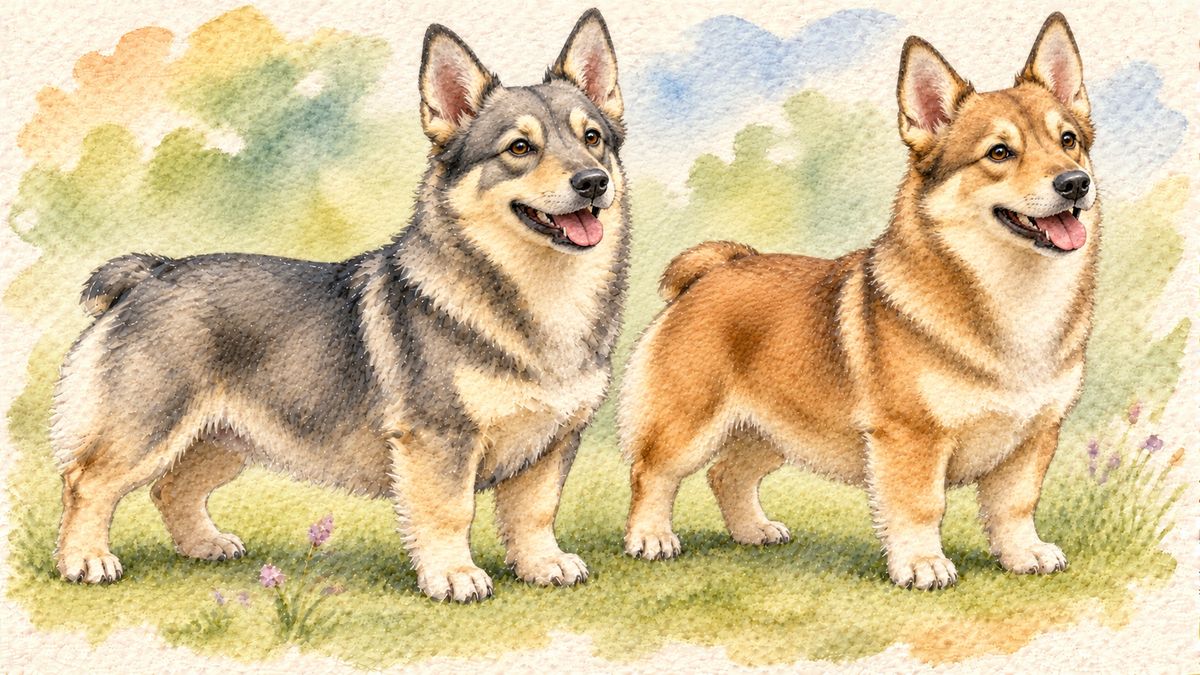
| Colors | Gray or red, in a sable pattern with lighter markings |
| Shedding | Moderate; heavier seasonal sheds |
| Energy level | High |
| Temperament | Alert, confident, spirited, friendly, sweet |
| Good for | Active families, dog sports fans, homes with time to train |
| Origin | Sweden (Viking era, 1,000+ years ago) |
What Is a Swedish Vallhund?
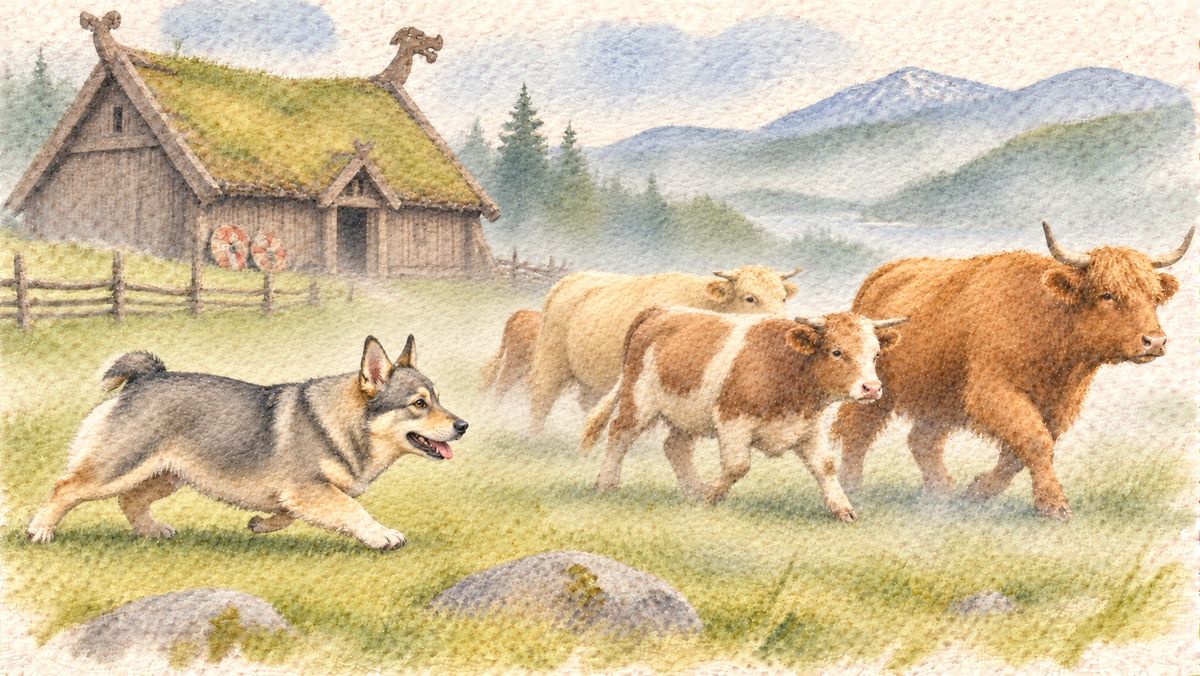
The Swedish Vallhund is a small but powerful herding dog from Sweden. In Swedish, "vallhund" simply means "herding dog," and that is exactly what this breed was created to do. For centuries, it moved cattle and sheep on farms, guarded the homestead and kept rats and mice under control.
Today, the Swedish Vallhund is still a rare sight in the United States, but it has a loyal fan base among people who love an active, clever dog in a compact package. It belongs to the American Kennel Club's Herding Group and excels in many dog sports. Owners often describe it as a "big dog on short legs" because of its strength, stamina and confident attitude.
Swedish Vallhund Size and Appearance
The Swedish Vallhund is a low-set, long-bodied dog with a muscular frame and short, sturdy legs. Males usually stand 12.5 to 13.5 inches tall at the shoulder, while females stand 11.5 to 12.5 inches. Most adults weigh between 25 and 35 pounds, so they are heavier and more solid than their height suggests.
How Big Do Swedish Vallhunds Get?
Swedish Vallhunds stay small in height but are surprisingly sturdy. A full-grown dog is roughly the size of a Corgi, typically 11.5 to 13.5 inches tall and 25 to 35 pounds, which makes it easy to travel with but strong enough to work all day.
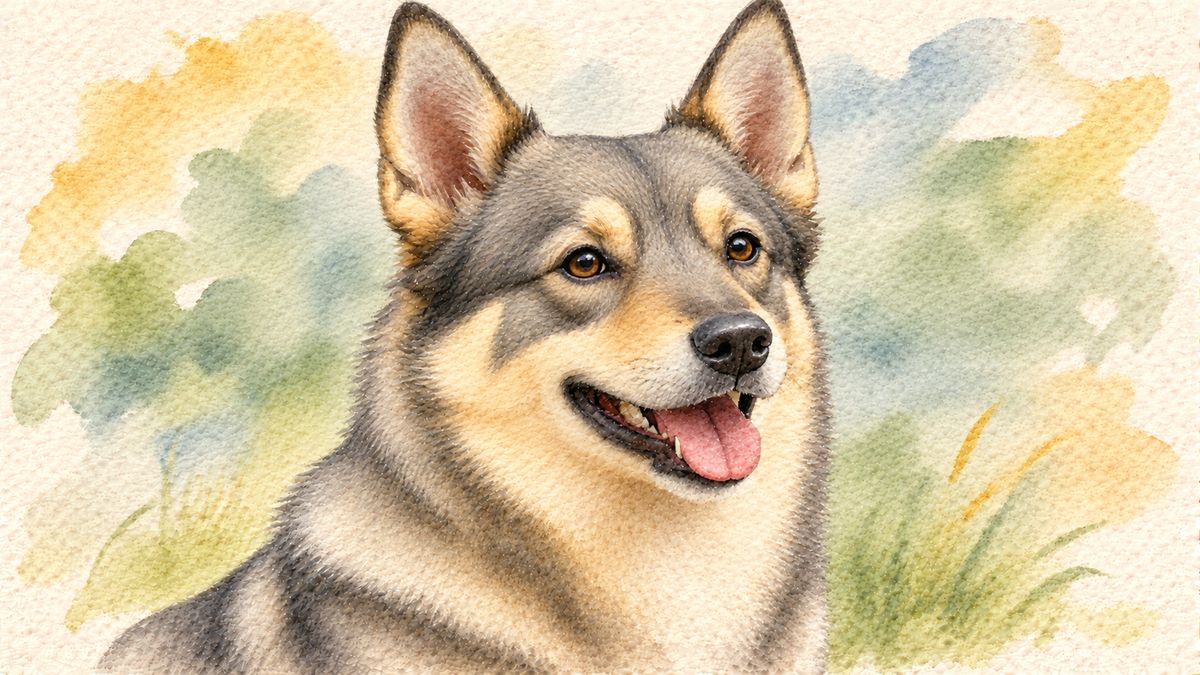
The head is wedge-shaped with pricked ears, a fox-like expression and medium-sized oval eyes. One of the breed's unusual traits is its tail. A Swedish Vallhund may be born with a full, curled tail, a short stub tail or no tail at all, and all three are accepted.
Coat and Colors
The Swedish Vallhund wears a medium-length double coat. The outer coat is harsh and close-lying, while the soft, dense undercoat provides insulation against the cold Scandinavian climate. This weatherproof coat helped the breed work outdoors in rain, wind and snow.
The breed comes in gray or red, usually in a sable pattern where the hairs are darker at the tips. Many dogs have lighter markings on the chest, legs and belly, a lighter "harness" mark across the shoulders, and pale rings around the eyes that look like a pair of spectacles.
Swedish Vallhund Temperament and Personality
The Swedish Vallhund temperament is a lovely mix of working drive and family affection. This breed is known for being:
- Alert: Vallhunds notice everything happening around them and make reliable watchdogs.
- Confident: They are steady, self-assured dogs that rarely back down from a challenge.
- Spirited and fun: Their playful energy and clownish antics keep households entertained.
- Sweet and affectionate: They bond closely with their families and enjoy being included in daily life.
- Protective but not aggressive: A Swedish Vallhund will sound the alarm when strangers approach, but it is generally friendly once introductions are made.
Because it is a herding breed, the Swedish Vallhund may try to "herd" people, children or other pets by circling or nipping at heels. This is natural behavior, but it should be gently redirected with training from an early age. Vallhunds are also known to be vocal, and many have a wide range of barks, yips and "talking" sounds.
Are Swedish Vallhunds Good With Kids and Other Pets?
Swedish Vallhunds can be excellent family dogs for active households. They are usually affectionate and playful with children, especially when raised with them. Supervision is still important, because their herding instinct can lead them to chase or nip running kids.
With other dogs and cats, Vallhunds often do well when properly socialized. Early socialization with a wide variety of people, animals, sounds and places helps a Swedish Vallhund puppy grow into a balanced, confident adult.
Training a Swedish Vallhund
The Swedish Vallhund is intelligent, eager to work and quick to learn. These traits make training rewarding, but they also mean a bored Vallhund may invent its own entertainment. Positive reinforcement with praise, play and small treats works best, while harsh methods can damage the trust this sensitive breed places in its owner.
Here are a few training tips for Swedish Vallhund owners:
- Start early. Begin puppy classes and socialization as soon as your puppy comes home.
- Channel the herding instinct. Teach a reliable "leave it" and redirect heel-nipping toward toys.
- Manage barking. Reward quiet behavior and teach a "quiet" cue so the breed's vocal nature does not become a problem.
- Keep it varied. Mix obedience work with tricks and games so your dog stays engaged.
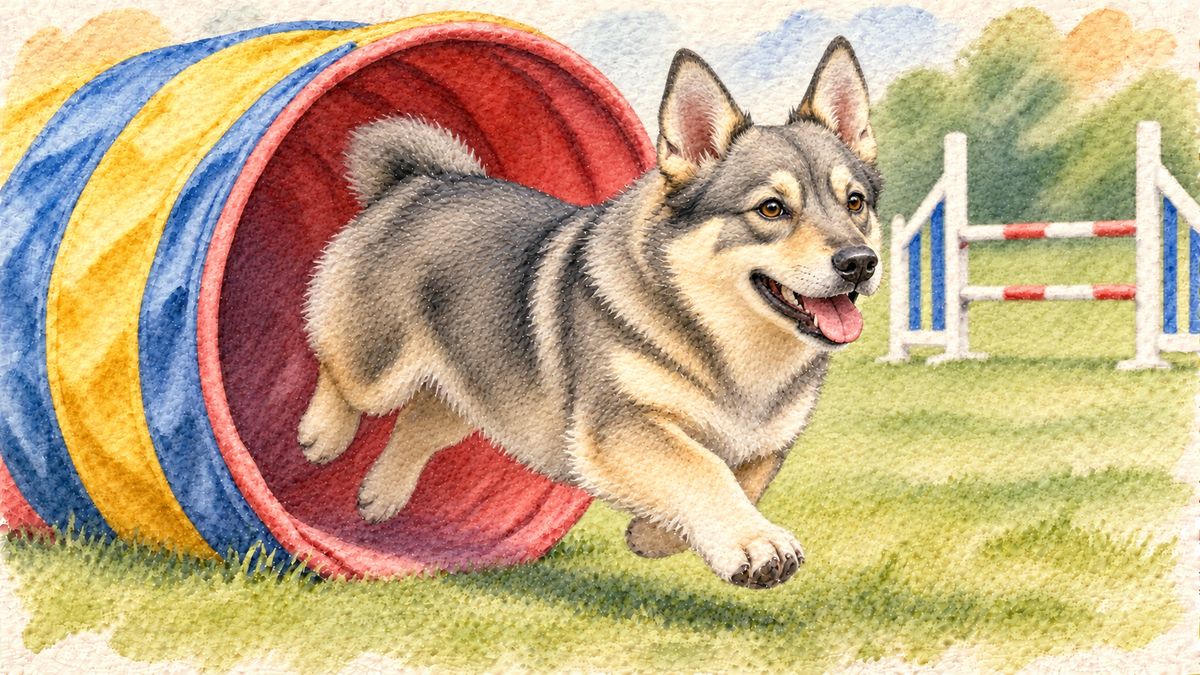
- Try dog sports. Swedish Vallhunds shine in herding, agility, obedience, tracking, flyball and even search and rescue.
Exercise Needs
The Swedish Vallhund has a high energy level. It was bred to work long days on the farm, so it needs plenty of daily exercise to stay happy. Aim for at least an hour of activity each day, such as brisk walks, jogging, fetch, hiking or training games.
Mental exercise is just as important as physical activity. Puzzle toys, scent games and dog sports give this clever breed the challenge it craves. A Vallhund that does not get enough exercise may become restless, noisy or destructive.
A fenced yard is a big plus, but a Swedish Vallhund can adapt to apartment living if its owner is committed to daily outings. Always use a leash in unfenced areas, as the breed may chase wildlife or moving vehicles.
Grooming a Swedish Vallhund
Do Swedish Vallhunds Shed?
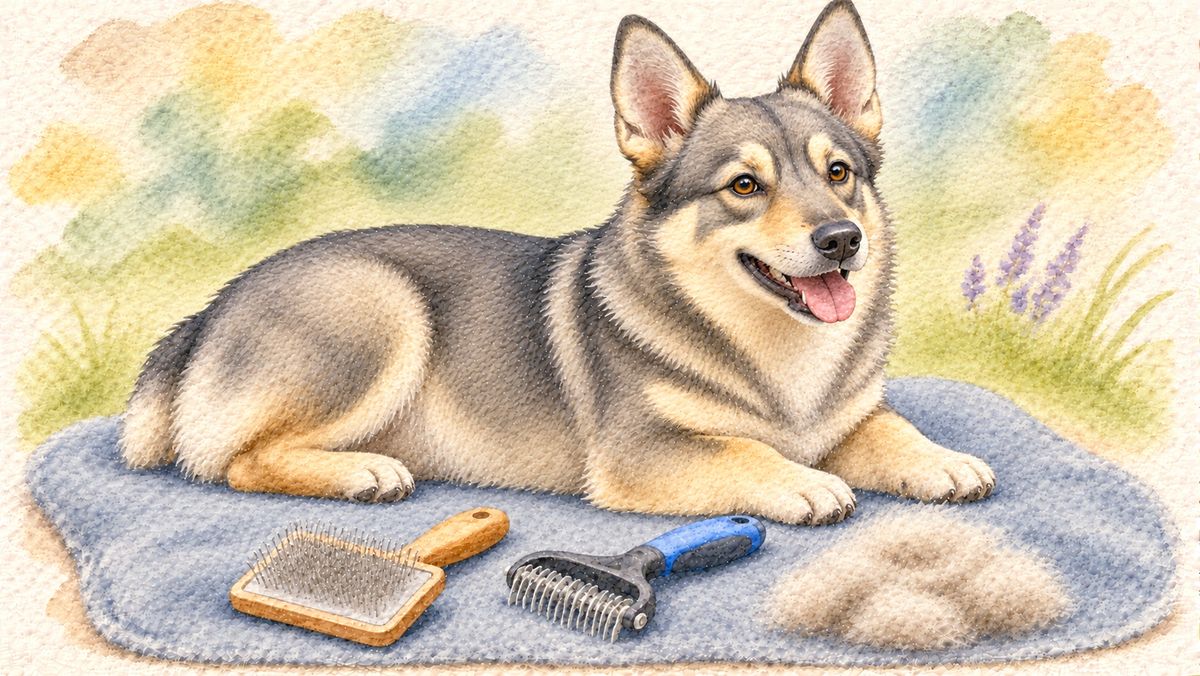
Yes, Swedish Vallhunds shed. They shed a moderate amount year-round and "blow" their undercoat heavily once or twice a year, when you will notice clumps of soft fur around the house. More frequent brushing during these periods keeps the mess under control.
The good news is that the Swedish Vallhund coat is fairly easy to maintain outside of shedding season. It does not need trimming and is naturally weather-resistant.
Grooming Routine
- Brushing: Brush the coat once or twice a week, and daily during heavy shedding seasons, using a slicker brush and an undercoat rake.
- Bathing: Bathe only when needed, as frequent baths can strip the coat's natural oils.
- Nails: Trim nails every few weeks to keep feet comfortable and healthy.
- Teeth: Brush your dog's teeth several times a week to support good dental health.
- Ears: Check the ears weekly for dirt, wax or redness.
Swedish Vallhund Health and Lifespan
The Swedish Vallhund is generally a hardy and healthy breed. The typical Swedish Vallhund lifespan is about 12 to 15 years. Like all breeds, it can be prone to certain conditions, and responsible breeders screen for common concerns, which may include:
- Hip dysplasia: An abnormal formation of the hip joint that can lead to arthritis.
- Eye conditions: Some lines can be affected by an inherited retinal condition, so eye screening is recommended.
- Back strain: As a long-bodied, short-legged dog, the Vallhund benefits from staying lean and avoiding excessive jumping from heights.
Keeping your Swedish Vallhund at a healthy weight is one of the best things you can do for its joints and back. Always work with your veterinarian to set up a routine of checkups, vaccinations and preventive care.
Feeding and Nutrition
An active dog like the Swedish Vallhund does best on a high-quality, complete and balanced dog food suited to its size and energy level. Highly active dogs may need more calories than less active ones, while dogs with lower activity levels need smaller portions to prevent weight gain.
Puppies should eat a food made specifically for puppies to support healthy growth. Portion sizes depend on age, weight and activity, so follow the feeding guidelines on the food package and ask your veterinarian for advice. Treats are great for training, but keep them to a small part of your dog's daily calories.
History of the Swedish Vallhund
The Swedish Vallhund's history stretches back more than 1,000 years to the time of the Vikings in Sweden. These hardy dogs worked on farms, herding cattle and sheep, guarding property and catching vermin. The breed was once known as "Vikingarnas Hund," which means "the Viking Dog."
Historians have long noticed the resemblance between the Swedish Vallhund and the Welsh Corgis. One popular theory is that Viking raids and trading voyages brought these low-set herding dogs into contact, but no one knows for certain which breed influenced the other.
By the early 1900s, the breed had nearly disappeared. In the 1940s, Swedish enthusiasts Count Björn von Rosen and K.G. Zettersten set out to save it, searching the countryside for good examples and starting a careful breeding program. The Swedish Kennel Club recognized the breed in 1943, and it was later renamed the Västgötaspets after the region of Västergötland, where much of the revival took place.
The Swedish Vallhund slowly spread to the United Kingdom and North America. The American Kennel Club officially recognized the breed in 2007 as a member of the Herding Group. Its fame has even reached the post office, as the Swedish Vallhund has appeared on postage stamps in several countries, including Sweden.
Swedish Vallhund vs Corgi
The Swedish Vallhund vs Corgi comparison is one of the most common questions about this breed. Both are low-set, short-legged herding dogs with pricked ears and big personalities. The Vallhund typically has a slightly longer leg and a wolf-like sable coat in gray or red, while Corgis are more often red, sable, fawn or tricolor with white markings. Vallhunds also have their unique variety of natural tail types.
Is a Swedish Vallhund Right for You?
A Swedish Vallhund could be a wonderful match if you:
- Want a compact dog with the stamina of a working breed
- Enjoy hiking, running or dog sports
- Have time for daily exercise and training
- Like a dog that is alert and makes a good watchdog
- Want a friendly, affectionate family companion
- Don't mind some seasonal fur around the house
A Swedish Vallhund may not be the best fit if you:
- Prefer a couch-potato dog with low exercise needs
- Need a quiet dog, since Vallhunds can be vocal
- Want a breed that never sheds
- Are away from home for long hours every day
Finding a Swedish Vallhund Puppy
Because the Swedish Vallhund is rare in the United States, you may need to join a waiting list to get a puppy from a reputable breeder. Look for breeders who health-test their dogs, including hip and eye screening, raise puppies in a home environment and welcome your questions. Breed clubs and rescue groups are also worth contacting, as adult Vallhunds occasionally need new homes.
Fun Facts About the Swedish Vallhund
- The name "vallhund" means "herding dog" in Swedish.
- The breed was once called "Vikingarnas Hund," or the "Viking Dog."
- A Swedish Vallhund can be born with a long tail, a stub tail or no tail at all.
- The breed was saved from extinction in the 1940s by two dedicated Swedish fans.
- The AKC recognized the Swedish Vallhund in 2007.
- Many Vallhunds have pale "spectacles" around their eyes.
Frequently Asked Questions
What does "Vallhund" mean?
"Vallhund" is Swedish for "herding dog." It reflects the breed's original job of moving cattle and sheep on Swedish farms.
How big do Swedish Vallhunds get?
Adult Swedish Vallhunds usually stand 11.5 to 13.5 inches tall at the shoulder and weigh 25 to 35 pounds, making them small but very sturdy dogs.
Do Swedish Vallhunds shed a lot?
Swedish Vallhunds shed a moderate amount year-round and heavily once or twice a year when they blow their undercoat. Weekly brushing, plus extra brushing during shedding seasons, keeps loose hair under control.
Are Swedish Vallhunds good family dogs?
Yes, Swedish Vallhunds are affectionate and playful family dogs for active households. Their herding instinct may lead them to nip at heels, so early training and supervision with young children are important.
How long do Swedish Vallhunds live?
The average Swedish Vallhund lifespan is about 12 to 15 years with good care, a healthy diet, plenty of exercise and regular veterinary checkups.
Are Swedish Vallhunds related to Corgis?
They look very similar, and many people believe Viking-era contact may link the two breeds. However, the exact relationship between the Swedish Vallhund and the Welsh Corgis has never been proven.
Final Thoughts
The Swedish Vallhund is a true working dog in a compact, charming package. This alert, spirited and sweet "Viking Dog" brings over a thousand years of history, an easy-care coat and endless enthusiasm to the right home. If you can offer daily exercise, consistent training and plenty of companionship, a Swedish Vallhund may become your favorite adventure partner.