
With its fox-like face, pointed ears, curled tail and confident trot, the Shiba Inu is one of the most eye-catching small dogs in the world. This ancient breed from Japan has won fans everywhere thanks to its bold personality, tidy habits and famous expressive face, which even became an internet sensation.
The Shiba is alert, independent and loyal, with a spirit far bigger than its compact frame. It is not a typical eager-to-please lapdog, but for the right owner it is a fascinating and devoted companion. In this complete Shiba Inu dog breed guide, you will learn about its size, temperament, grooming needs, exercise requirements, health, diet and long history.
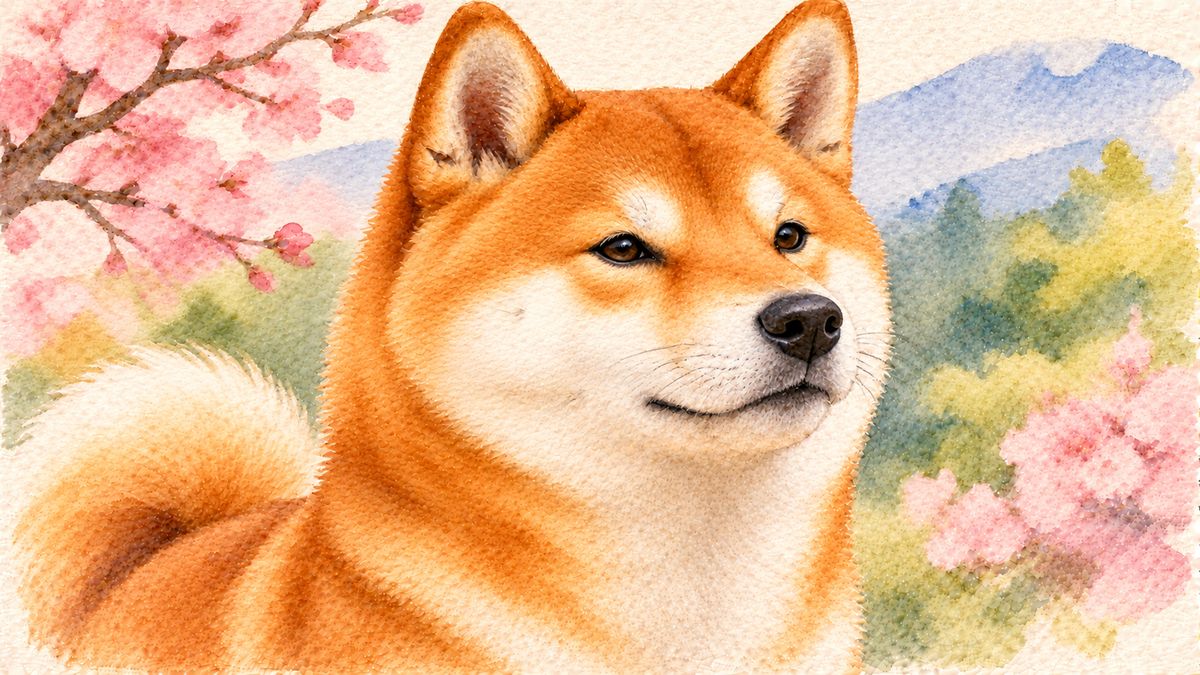
Shiba Inu at a Glance
| Trait | Details |
|---|---|
| Breed group | Non-Sporting (AKC) |
| Height | 13.5 to 16.5 inches (34 to 42 cm) |
| Weight | 17 to 23 pounds (8 to 10 kg) |
| Life expectancy | 13 to 16 years |
| Coat | Short, stiff outer coat with a soft, thick undercoat |
| Colors | Red, red sesame, black and tan, cream, often with white markings |
| Shedding | Heavy, especially seasonally |
| Energy level | Moderate |
| Temperament | Alert, bold, independent, loyal, confident |
| Good for | Experienced owners, adults, active households |
| Origin | Japan (ancient) |
What Is a Shiba Inu?
The Shiba Inu is a small, agile spitz-type dog from Japan. It is the smallest of Japan's six native breeds, which also include the much larger Akita. The Shiba was originally bred to hunt in dense, mountainous terrain, where it flushed birds and small game out of brush for hunters.
Today, the Shiba is a popular companion in Japan and around the world. In the United States, it belongs to the American Kennel Club's Non-Sporting Group. It is adaptable enough to enjoy life in the city or the country, as long as it gets daily exercise and plenty of mental stimulation.
Shiba Inu Size and Appearance
How Big Do Shiba Inus Get?
Shiba Inus usually stand 13.5 to 16.5 inches tall at the shoulder and weigh about 17 to 23 pounds. Males tend to be larger than females.
The Shiba Inu size makes it a convenient, portable companion, yet it is sturdy, muscular and athletic. The body is compact and well balanced, with strong legs and a deep chest. Shibas move with a light, quick and springy gait.
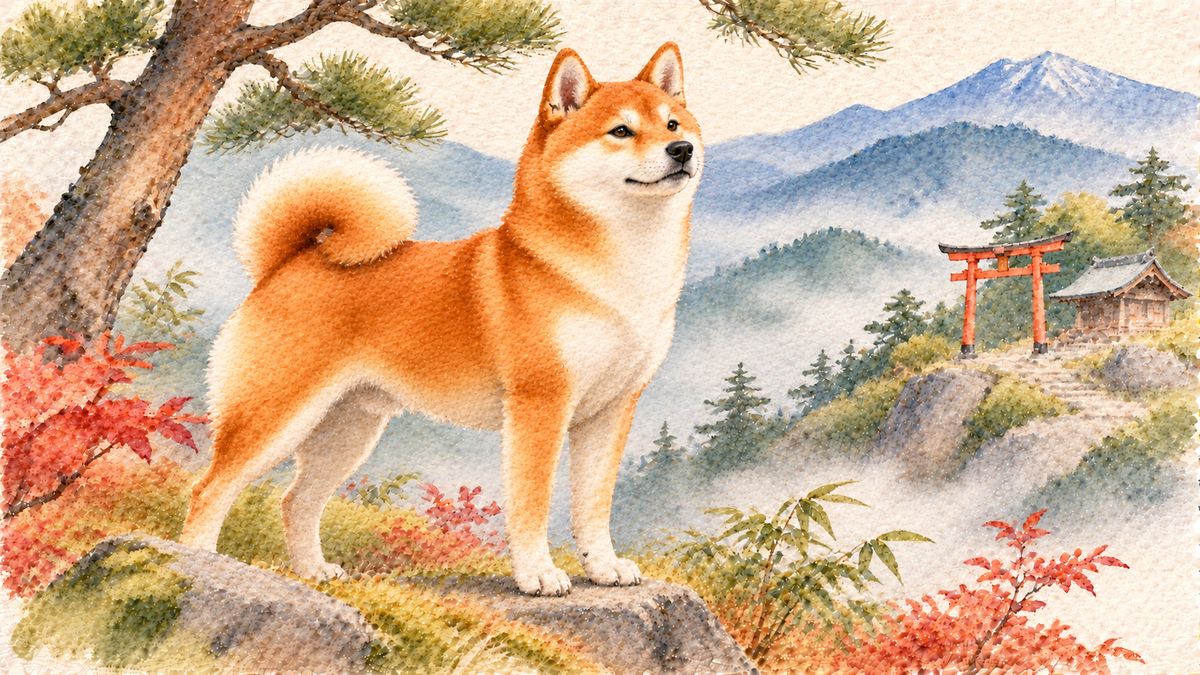
The head is broad with a tapering muzzle, small triangular eyes and small, upright, triangular ears that tilt slightly forward. The thick tail curls over the back in a sickle or full curl. Together, these features give the breed its famous foxy expression.
Coat and Colors
The Shiba has a double coat. The outer coat is stiff and straight, while the undercoat is soft and thick. This combination protected the breed from the cold and from brush while hunting.
Common colors include red, red sesame (red with black-tipped hairs) and black and tan. Cream Shibas also exist. Most Shibas have pale cream or white markings called urajiro on the cheeks, throat, chest, belly, legs and inside of the tail.
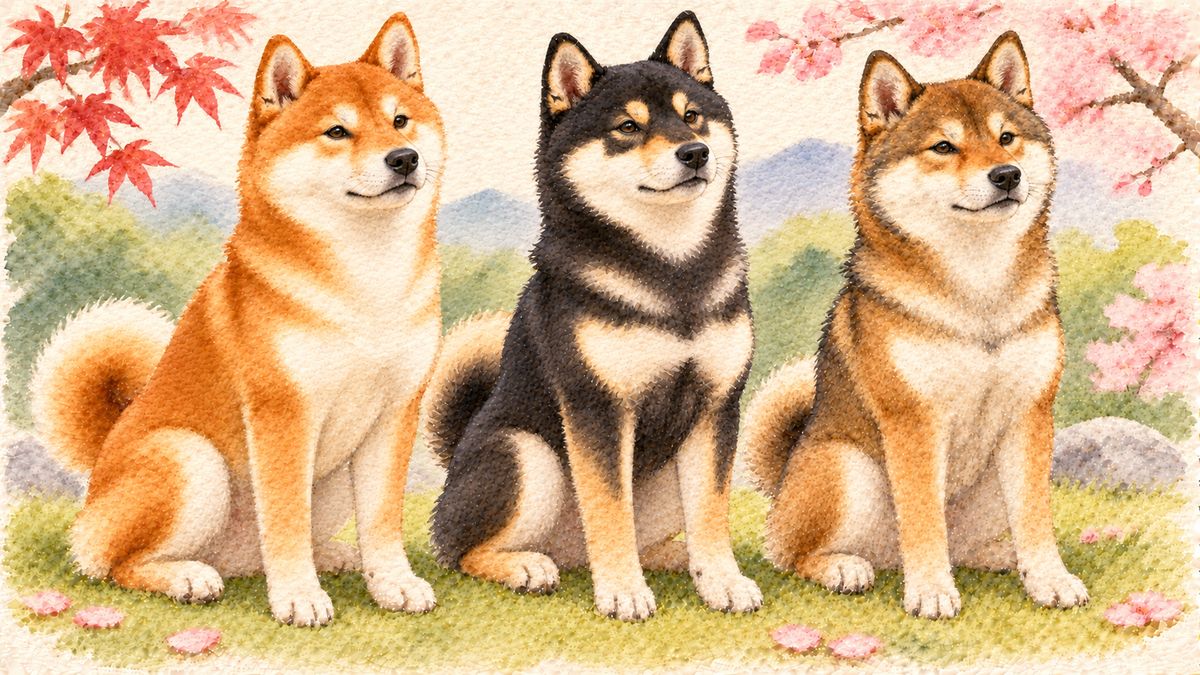
Shiba Inu Temperament and Personality
The Shiba Inu temperament is often described as cat-like. Shibas are known for being:
- Alert: They notice everything and make excellent watchdogs.
- Bold and confident: Bred as hunters, they carry themselves with self-assurance.
- Independent: Shibas like to make their own decisions, which can test an owner's patience.
- Loyal: They are devoted to their families, even if they do not always show it with constant cuddles.
- Clean: Shibas are famously fastidious and often groom themselves like cats.
- Spirited: When excited or unhappy, some let out a loud, high-pitched vocalization fans call the "Shiba scream."
Shibas are typically reserved with strangers and may not enjoy being handled by people they do not know. Many like affection on their own terms rather than being picked up or hugged. This independent nature is part of the breed's charm, but it suits owners who respect a dog's space.
Are Shiba Inus Good Family Dogs?
Shiba Inus can be good family dogs for households with older, respectful children. They are loyal and affectionate with their people, but they may not tolerate rough handling or chaotic play. Families with very young children should think carefully and always supervise interactions.
Are Shiba Inus Good With Other Pets?
Shibas can live with other dogs, especially of the opposite sex, when properly introduced. Some can be possessive of food and toys. Their strong hunting instinct means they may chase cats and small animals, and homes with rabbits, birds or rodents should be cautious.
Early socialization is essential. Introduce your Shiba Inu puppy to many people, animals, places and experiences to help it become a confident and well-mannered adult.
Training a Shiba Inu
Shibas are intelligent, but they are not known for eager obedience. They tend to ask, "What's in it for me?" Training works best when it is positive, consistent and rewarding, with plenty of patience. Harsh methods usually backfire.
On the plus side, Shibas are often quick to housebreak because they are such clean dogs, which is a big bonus for families.
Here are some helpful training tips:
- Start early. Begin socialization and basic manners as soon as your puppy comes home.
- Use high-value rewards. Tasty treats and praise keep a Shiba motivated.
- Keep sessions short. Brief, varied sessions prevent boredom.
- Practice handling. Get your puppy used to having its paws, ears and mouth touched for easier grooming and vet visits.
- Never trust recall in open areas. Shibas are curious hunters and are unlikely to "stay" if something catches their eye.
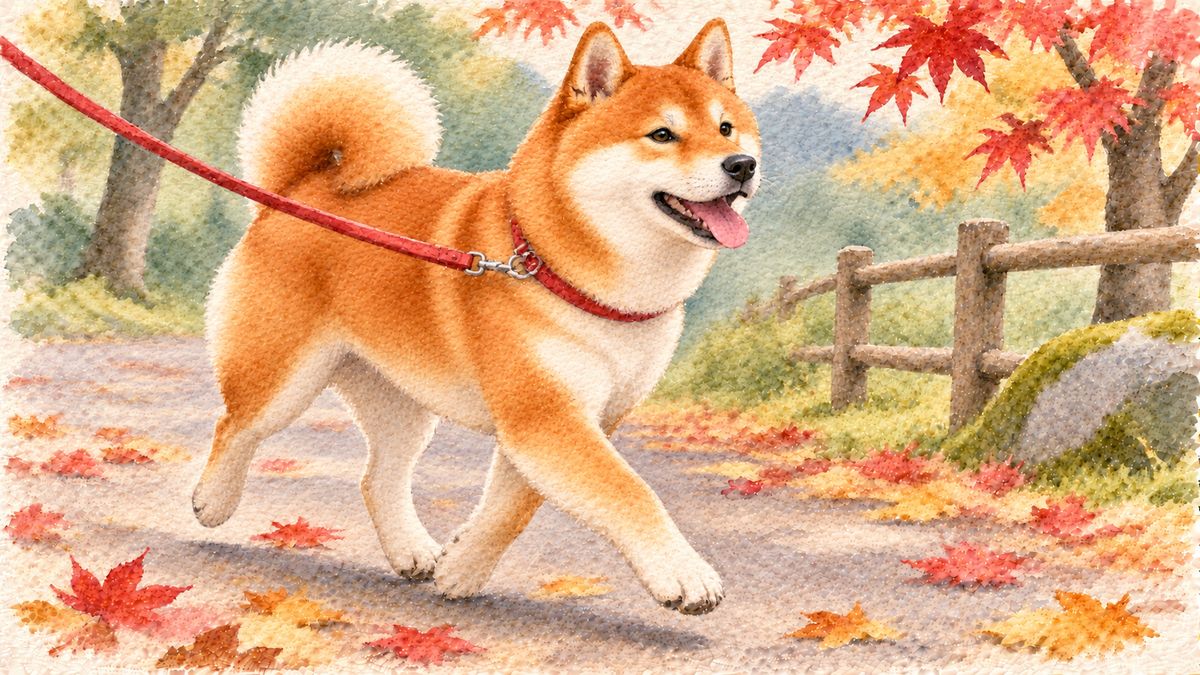
Exercise Needs
The Shiba Inu has a moderate energy level. It is energetic and enjoys daily walks and active play, but it is not usually overly hyper or destructive when its needs are met. A couple of brisk daily walks and some play time in a secure area are generally enough.
Mental exercise matters as well. Puzzle toys, scent games and training sessions help keep the Shiba's sharp mind busy.
Always keep your Shiba on a leash or in a securely fenced area. This breed has a strong prey drive and is famous for being an escape artist. Check fences regularly for gaps, as Shibas may climb, dig or slip through small openings.
Shiba Inu Grooming
Do Shiba Inus Shed?
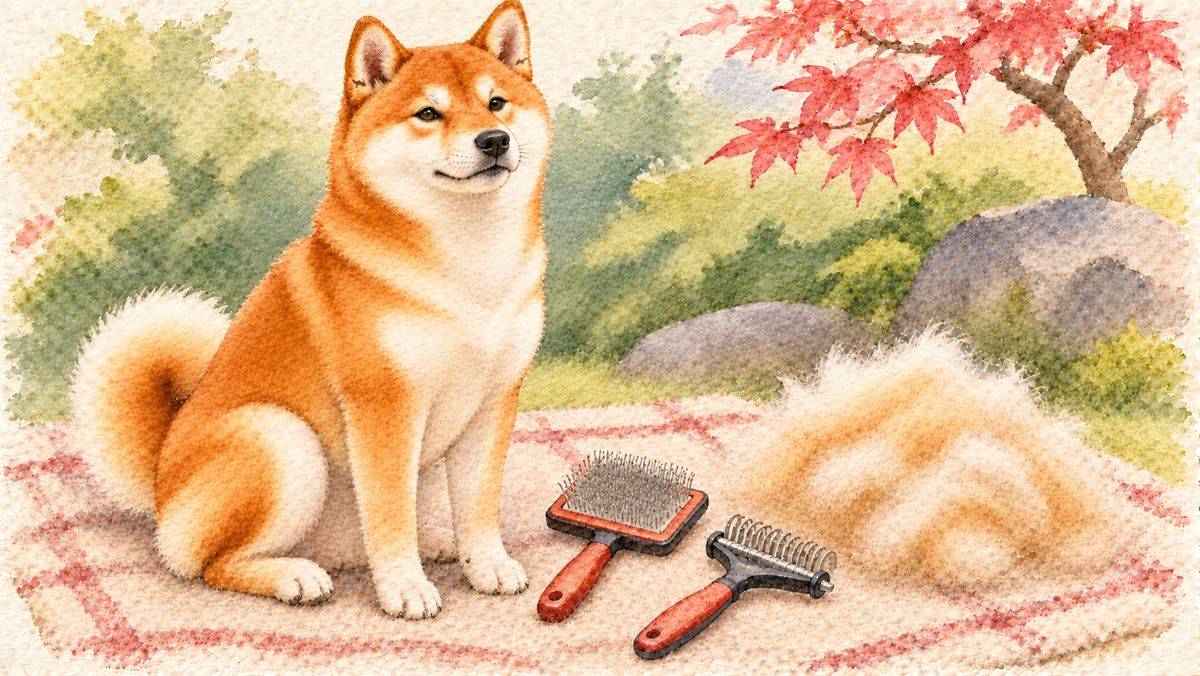
Yes, Shiba Inus shed a lot. They "blow" their undercoat heavily about twice a year, and some owners joke that shedding season feels like it lasts six months. Light shedding happens year-round as well.
Grooming Routine
- Brushing: Brush the coat weekly with a slicker brush or undercoat rake, and daily during heavy shedding periods.
- Blow-drying: A pet-safe high-velocity dryer can help remove loose undercoat during shedding season.
- Bathing: Bathe only as needed, since the Shiba keeps itself quite clean.
- Nails: Trim nails every few weeks. Many Shibas dislike nail trims, so start early and make it positive.
- Teeth: Brush teeth several times a week to support dental health.
- Ears: Check ears weekly for dirt or redness.
The good news is that the Shiba's coat does not need trimming or haircuts. Regular brushing keeps the coat healthy and reduces the amount of hair around your home.
Shiba Inu Health and Lifespan
How Long Do Shiba Inus Live?
The typical Shiba Inu lifespan is 13 to 16 years, which is long for a dog. The breed is generally healthy, but like all breeds it can be prone to certain conditions.
Responsible breeders screen their dogs for health concerns, which may include:
- Eye problems: Such as cataracts and other vision issues.
- Hip dysplasia: An abnormal formation of the hip joint.
- Luxating patella: A condition in which the kneecap slips out of place.
- Allergies: Some Shibas develop inhaled or environmental allergies that cause excessive itching.
Ask breeders about health testing for both parents. Keep your dog at a healthy weight, provide daily exercise and always work with your veterinarian on checkups, vaccinations and preventive care.
Feeding and Nutrition
Because the Shiba is a smaller breed, a high-quality food formulated for small dogs can help maintain an ideal body condition. Small-breed formulas usually have smaller kibble and are designed for the energy needs of compact dogs.
Puppies should eat a puppy food during their first year to support healthy growth. Many puppy formulas include DHA for brain and vision development. Follow the feeding guide on the package, adjust portions for your dog's activity level and ask your veterinarian for advice.
History of the Shiba Inu
The Shiba Inu is an ancient Japanese breed. Some sources suggest dogs of this type were used for hunting in Japan as early as 300 B.C. These small, quick dogs helped hunters flush birds and small game from the thick brush of Japan's mountain regions.
The origin of the name is uncertain. Inu means "dog" in Japanese, while shiba means "brushwood." The name may refer to the brushy terrain where the dogs hunted, to the reddish color of their coat, or to an old word meaning "small."
By the end of World War II, the Shiba was nearly extinct due to bombing, food shortages and a distemper outbreak. Japanese breeders worked to save the breed by combining the surviving bloodlines, most famously the Shinshu, Mino and San'in types. Their efforts were successful, and today the Shiba is one of the most popular breeds in Japan.
The first Shiba known to arrive in the United States came with a military family in 1954, making it a relatively new breed in America. The American Kennel Club fully recognized the breed in the early 1990s. More recently, a Shiba named Kabosu became world famous as the face of the "Doge" internet meme.
Shiba Inu vs Akita
The Shiba Inu and the Akita are both spitz-type breeds from Japan with curled tails and upright ears, so they are often compared. The biggest difference is size: Akitas are large dogs that can weigh 70 pounds or more, while Shibas usually weigh under 25 pounds. Both breeds are independent and loyal, but the Shiba is better suited to smaller homes.
Is a Shiba Inu Right for You?
A Shiba could be a great match if you:
- Want a small, clean and confident dog with a unique personality
- Appreciate an independent companion that is not overly clingy
- Can provide daily walks and secure fencing
- Do not mind heavy seasonal shedding
- Have experience with dogs or are willing to learn about the breed
- Live with adults or older, respectful children
A Shiba may not be the best fit if you:
- Want a highly obedient, eager-to-please dog
- Need a dog that can be trusted off leash
- Have small pets such as rabbits, birds or rodents
- Want a dog that loves being held and cuddled by everyone
Finding a Shiba Inu Puppy
When looking for a Shiba Inu puppy, choose a reputable breeder who health-tests parent dogs and raises puppies in a home environment. Ask to meet at least one parent to get a sense of temperament. Avoid sellers who always have puppies available or cannot answer health questions. Breed clubs and Shiba rescue groups are also good places to find adult dogs that need homes.
Fun Facts About the Shiba Inu
- The Shiba is the smallest of Japan's six native dog breeds.
- Inu means "dog" in Japanese, and shiba means "brushwood."
- Shibas are known for the dramatic "Shiba scream."
- A Shiba named Kabosu became the face of the famous "Doge" meme.
- Shibas are often compared to cats because they groom themselves.
- The breed nearly disappeared by the end of World War II.
Frequently Asked Questions
How big do Shiba Inus get?
Adult Shibas usually stand 13.5 to 16.5 inches tall at the shoulder and weigh 17 to 23 pounds. Males are typically larger than females.
Are Shiba Inus good family dogs?
They can be loyal family dogs for homes with older, respectful children. Shibas are independent and may not enjoy rough handling, so supervision is important.
Do Shiba Inus shed a lot?
Yes, Shibas shed heavily, especially when they blow their undercoat about twice a year. Weekly brushing, and daily brushing during shedding season, helps a lot.
How long do Shiba Inus live?
The average lifespan is 13 to 16 years. A healthy diet, regular exercise and routine veterinary care support a long life.
Are Shiba Inus easy to train?
Shibas are smart but independent, so training takes patience and consistency. They are usually quick to housebreak because they are very clean dogs.
Can Shiba Inus be off leash?
It is best to keep Shibas on a leash or in a securely fenced area. Their strong hunting instinct and curiosity make reliable off-leash recall difficult.
Final Thoughts
The Shiba Inu is a bold, beautiful and fascinating breed with ancient roots and a modern fan base. Alert, loyal and famously clean, it offers a unique blend of independence and devotion. If you can handle heavy shedding, secure fencing and patient training, a Shiba Inu may become a spirited and loving companion for many years.