With its flowing coat, gentle eyes and elegant, fox-like face, the Shetland Sheepdog is one of the most beautiful small breeds you will ever see. Often called the "Sheltie," this little herding dog looks like a miniature Rough Collie, but it is a distinct breed with its own history and personality.
The Sheltie is famous for being loyal, affectionate and remarkably smart. It is eager to please, quick to learn and devoted to its family, which makes it a favorite in obedience and agility rings around the world. In this complete Shetland Sheepdog breed guide, you will learn about its size, temperament, grooming needs, exercise requirements, health, diet and history.
Shetland Sheepdog at a Glance
| Trait | Details |
|---|---|
| Breed group | Herding (AKC) |
| Height | 13 to 16 inches (33 to 41 cm) |
| Weight | 15 to 25 pounds (7 to 11 kg) |
| Life expectancy | 12 to 14 years |
| Coat | Long, straight, harsh outer coat with a dense undercoat |
| Colors | Sable, black, blue merle, with white and/or tan markings |
| Shedding | Heavy, especially seasonally |
| Energy level | Moderate |
| Temperament | Loyal, affectionate, intelligent, responsive, alert |
| Good for | Families, active singles, seniors, first-time owners |
| Origin | Shetland Islands, Scotland |
What Is a Shetland Sheepdog?
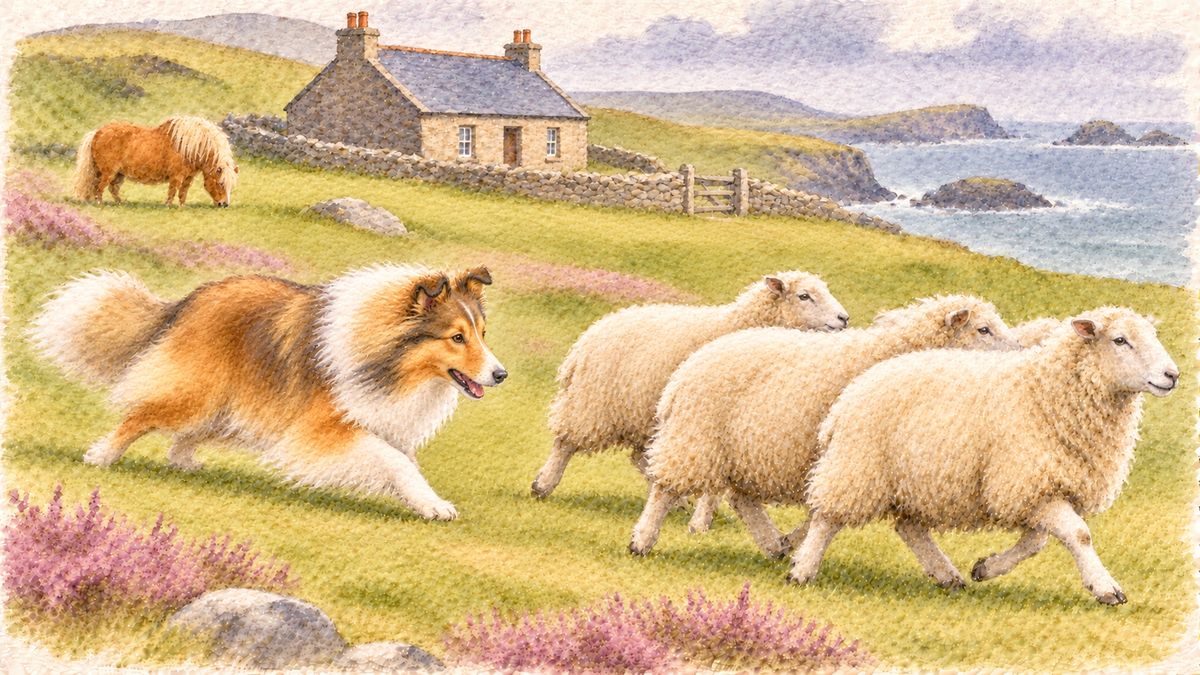
The Shetland Sheepdog is a small, agile herding dog from the Shetland Islands, which lie off the northern coast of Scotland. Farmers there used these dogs to herd and protect sheep, ponies and poultry. A smaller dog made sense on islands where food was scarce, because it needed less to eat than a large working dog.
Today, the Sheltie is a member of the American Kennel Club's Herding Group and is cherished as a family companion. It still has the brains, speed and sensitivity of a working dog. Shelties are considered one of the most successful obedience breeds, and they shine in dog sports such as agility, herding and rally.
Shetland Sheepdog Size and Appearance
How Big Do Shetland Sheepdogs Get?
Shetland Sheepdogs usually stand 13 to 16 inches tall at the shoulder and weigh about 15 to 25 pounds. They are small, light and agile, built for quick movement rather than bulk.
The Shetland Sheepdog size is a big part of its appeal. It is large enough to enjoy hikes and sports, yet small enough to fit comfortably in most homes. The body is slightly longer than it is tall, with a deep chest and a level back.
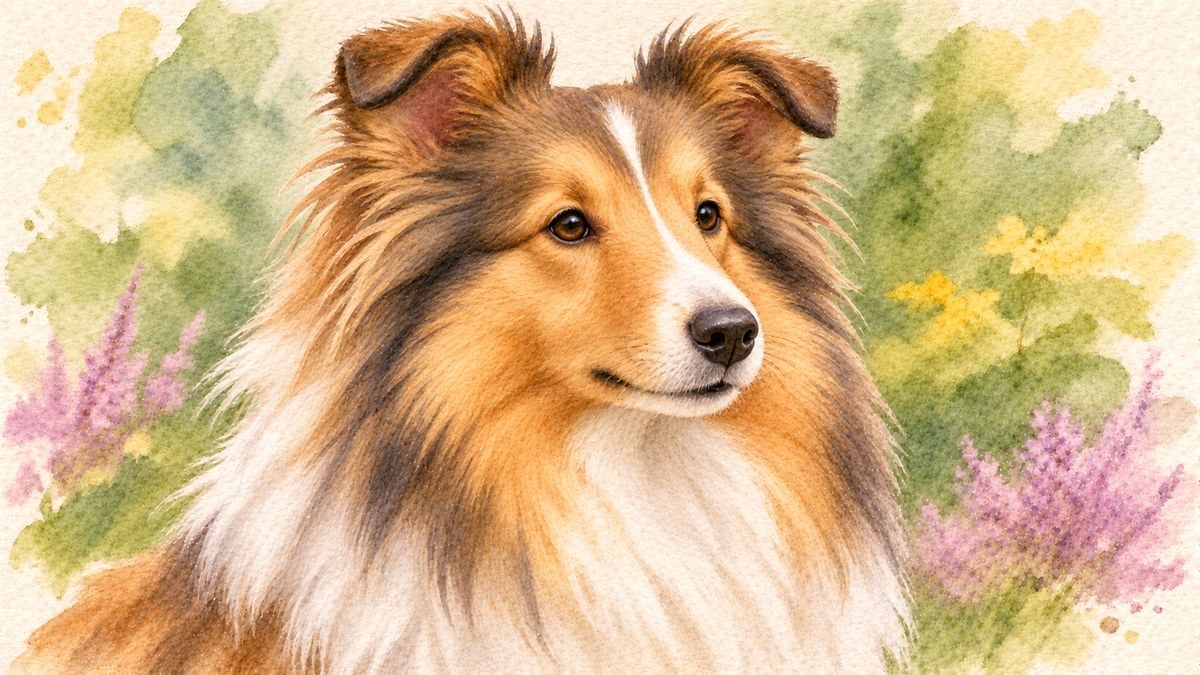
The head is a long, blunt wedge with a refined muzzle, almond-shaped eyes and small ears that are carried mostly upright with the tips folding forward. The expression is gentle, alert and intelligent. A long, full tail completes the graceful outline.
Coat and Colors
The Sheltie has a double coat. The outer coat is long, straight and harsh to the touch, while the undercoat is short, soft and very dense. A thick mane and frill around the neck and chest give the breed its regal look.
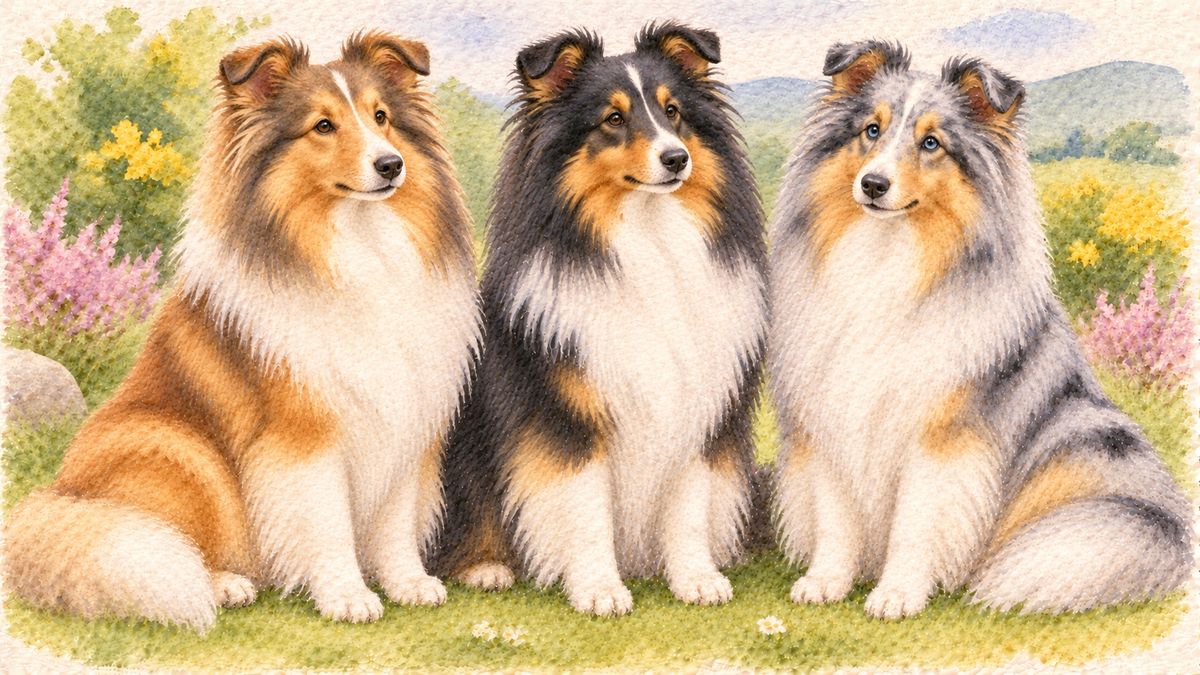
Common colors include sable (from golden to deep mahogany), black, and blue merle. These colors usually appear with varying amounts of white and tan, such as the striking tricolor pattern of black, white and tan.
Shetland Sheepdog Temperament and Personality
The Shetland Sheepdog temperament is one of the breed's biggest selling points. Shelties are known for being:
- Loyal: They bond deeply with their families and like to stay close to their people.
- Affectionate: Shelties are gentle and loving and often enjoy cuddling up on the sofa.
- Intelligent: They learn new cues quickly and love having a job to do.
- Responsive: Shelties are sensitive to their owners' moods and tone of voice.
- Alert: They make excellent watchdogs and will readily bark to announce visitors.
- Playful: Shelties enjoy games, toys and activities with their favorite humans.
Many Shelties are reserved with strangers. They are not usually aggressive, but they may hang back and observe before warming up. Gentle socialization from a young age helps them become confident and comfortable in new situations.
Are Shetland Sheepdogs Good Family Dogs?
Yes, Shetland Sheepdogs are widely considered excellent family dogs. They are affectionate, gentle and eager to please, and they often form close bonds with children. Because of their herding instincts, some Shelties may try to "herd" running kids by circling or nipping at heels, so teach both dog and children good manners.
Are Shetland Sheepdogs Good With Other Pets?
Shelties usually get along well with other dogs and can live happily with cats, especially when raised together. Their herding instinct may tempt them to chase or round up other animals, but early training can help keep this behavior in check.
Socialization is still important. Introduce your Shetland Sheepdog puppy to many people, animals, places and sounds so it grows into a calm, well-adjusted adult.
Training a Shetland Sheepdog
Shelties are among the easiest breeds to train. They are intelligent, eager to please and responsive to their owners, which makes them ideal for first-time owners who want a clever companion. They respond best to gentle, positive methods.
Here are some helpful training tips:
- Use positive reinforcement. Treats, praise and play work far better than harsh corrections with this sensitive breed.
- Keep it fun. Shelties learn fast and can get bored with too much repetition, so mix things up.
- Teach a "quiet" cue. Shelties love to bark, so teaching a calm cue early is a smart move.
- Redirect herding. Give your dog appropriate outlets such as herding games or treibball, a ball-herding sport.
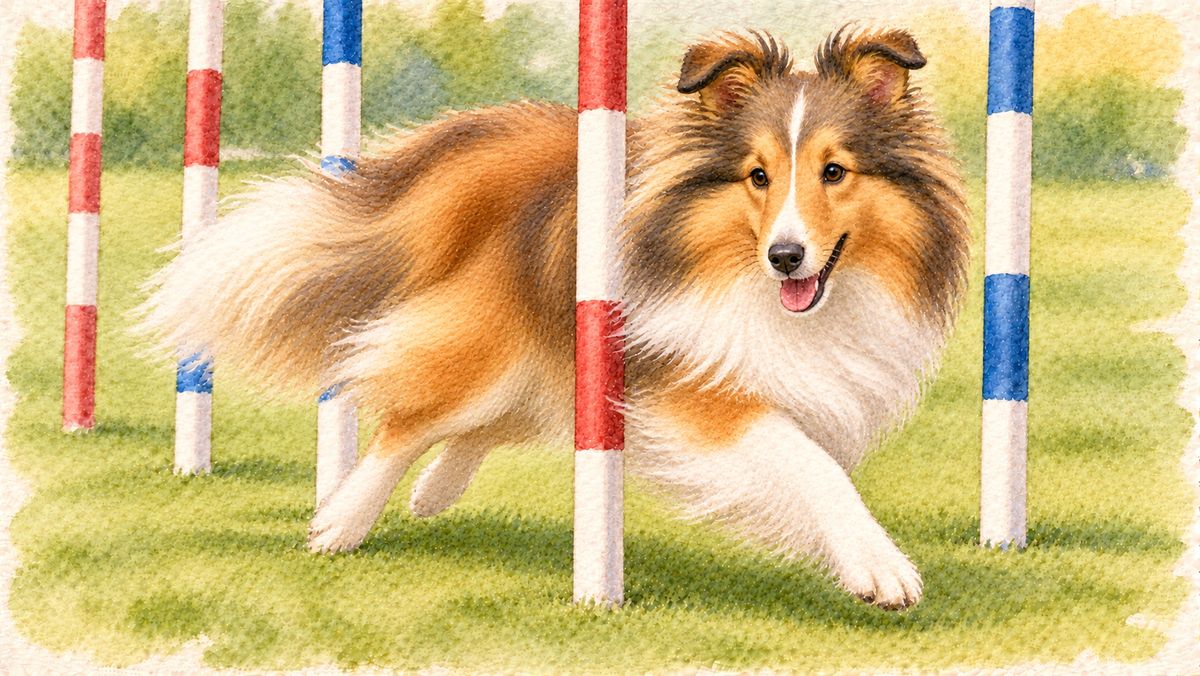
- Try dog sports. Agility, obedience, rally, tracking and herding trials are all great options for this athletic breed.
Exercise Needs
The Shetland Sheepdog has a moderate energy level. It thrives on farms and in active households, but it adapts well to many living situations as long as it gets enough exercise. Daily walks plus some running and play time in a secure area are usually ideal.
Mental exercise is just as important as physical activity. Shelties were bred to think and work, so puzzle toys, training games and dog sports keep them happy and help prevent boredom-related barking.
Shelties can live in apartments if their needs are met, but their barking may be a concern in close quarters. A home with a fenced yard is often a good fit, though they should never be left outdoors alone for long periods. They are people-oriented dogs that want to be with their families.
Shetland Sheepdog Grooming
Do Shetland Sheepdogs Shed?
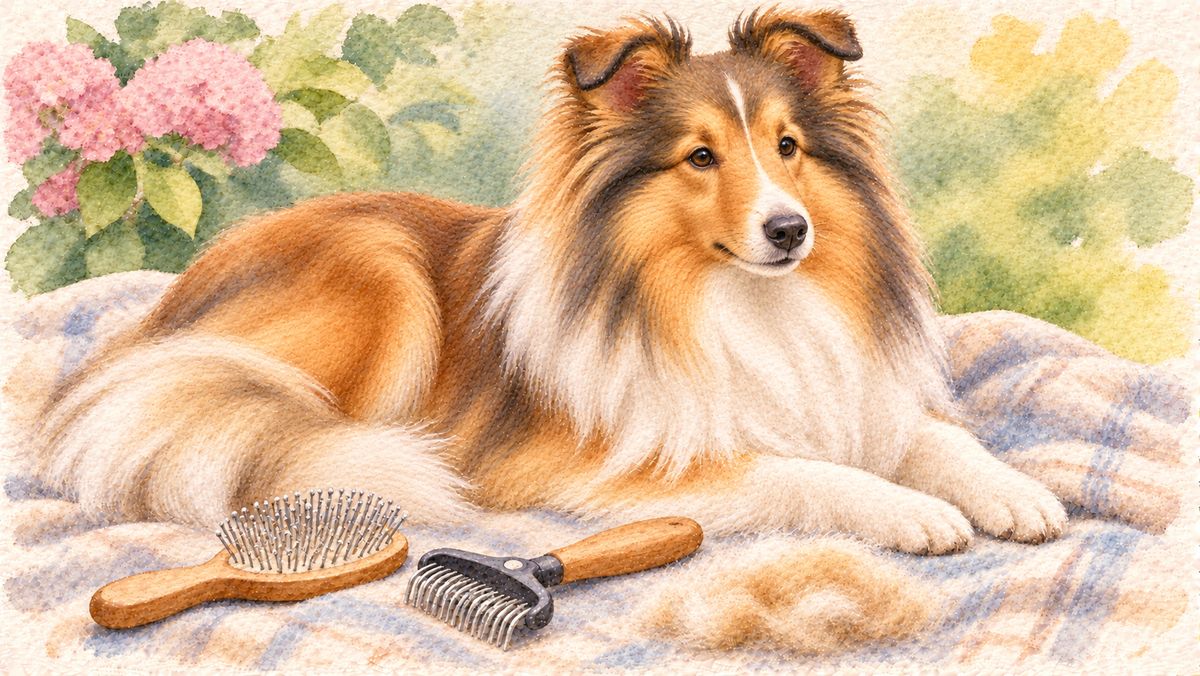
Yes, Shetland Sheepdogs shed considerably. Their thick double coat sheds year-round and much more heavily during seasonal shedding periods. Regular brushing helps manage loose hair around the house.
Grooming Routine
- Brushing: Brush the coat at least once a week, and more often during shedding season, using a pin brush and an undercoat rake.
- Mat checks: Pay close attention to the soft hair behind the ears, under the elbows and around the hindquarters, where mats form easily.
- Bathing: Bathe only occasionally, as frequent baths can dry out the coat.
- Do not shave: The double coat helps regulate temperature and protect the skin, so shaving is not recommended.
- Nails: Trim nails every few weeks and tidy the hair between the paw pads.
- Teeth and ears: Brush teeth several times a week and check ears weekly.
Although grooming takes some time, many owners enjoy the routine. It is a chance to bond with your dog and check for any lumps, bumps or skin problems.
Shetland Sheepdog Health and Lifespan
How Long Do Shetland Sheepdogs Live?
The typical Shetland Sheepdog lifespan is 12 to 14 years. When bred responsibly, Shelties are generally healthy dogs, but like all breeds they can be prone to certain conditions.
Responsible breeders screen their dogs for health concerns that may affect the breed, including:
- Hip dysplasia: An abnormal formation of the hip joint.
- Eye diseases: Including inherited conditions such as Collie eye anomaly and progressive retinal atrophy.
- Thyroid disease: Hypothyroidism can affect energy levels, weight and coat condition.
- Dermatomyositis: An inherited condition that can affect the skin and muscles.
- Von Willebrand's disease: An inherited bleeding disorder.
- Gallbladder mucoceles and epilepsy: Other concerns breeders may watch for.
Ask breeders about health testing on both parents. Keep your dog at a healthy weight, provide regular exercise and always work with your veterinarian on checkups, vaccinations and preventive care.
Feeding and Nutrition
Shelties may benefit from a small-breed dog food, which offers smaller kibble that is easier to chew. Because some Shelties gain weight easily, a healthy weight formula may help adult dogs that need to manage their weight.
Puppies should eat a small-breed puppy food during their first year to support healthy growth. Portion sizes depend on age, weight and activity, so follow the feeding guide on the package and ask your veterinarian for advice. Keep treats to a small share of daily calories.
History of the Shetland Sheepdog
The Shetland Sheepdog comes from the rugged Shetland Islands, where farmers needed a small, hardy dog to herd sheep, ponies and poultry and to keep livestock out of crops. The islands are also known for other small animals, including Shetland ponies and Shetland sheep.
The early island dogs were likely a mix of working collie-type dogs from mainland Scotland and other small dogs brought by visitors and fishermen. Later, breeders crossed them with the Rough Collie, which helped shape the elegant, collie-like look of today's Sheltie. Island farmers kept no written records, so no one knows exactly when the dogs were bred to be smaller.
The breed was largely unknown in the rest of Britain until the early 1900s. In 1909, The Kennel Club in England first recognized it under the name Shetland Collie. Collie fanciers objected to the name, and it was later changed to Shetland Sheepdog. The American Kennel Club registered its first Shetland Sheepdog in 1911.
Since then, the Sheltie has become one of the most popular companion breeds in the United States and beyond. Its intelligence, trainability and beauty have made it a star in obedience, agility and the show ring.
Sheltie vs Collie
The Shetland Sheepdog and the Rough Collie look very similar, but they are separate breeds. The biggest difference is size: Collies stand about 22 to 26 inches tall and can weigh 50 to 75 pounds, while Shelties top out around 16 inches and 25 pounds. Shelties also tend to be a bit more energetic and vocal, while Collies are often more laid-back.
Is a Shetland Sheepdog Right for You?
A Sheltie could be a wonderful match if you:
- Want a smart, affectionate and easy-to-train companion
- Enjoy daily walks, play or dog sports
- Have a family with children who are taught to be gentle
- Do not mind regular brushing and dog hair
- Want an alert watchdog
- Are a first-time owner looking for a responsive dog
A Sheltie may not be the best fit if you:
- Want a low-shedding or low-grooming breed
- Need a quiet dog for an apartment with thin walls
- Are away from home for long hours every day
- Prefer a dog that is outgoing with every stranger
Finding a Shetland Sheepdog Puppy
When searching for a Shetland Sheepdog puppy, look for a reputable breeder who health-tests both parents and can share results for hips, eyes and other breed concerns. Good breeders raise puppies in a home environment and focus on temperament as well as looks. Sheltie rescue groups and breed clubs are also excellent sources for adult dogs needing new homes.
Fun Facts About the Shetland Sheepdog
- The breed is commonly known by its nickname, the "Sheltie."
- Shelties were first recognized in England as "Shetland Collies."
- The Shetland Islands are also home to Shetland ponies and Shetland sheep.
- Shelties are considered one of the most successful obedience breeds.
- Their small size made them cheaper to feed on islands where food was scarce.
- Shelties are famous for their love of barking.
Frequently Asked Questions
How big do Shetland Sheepdogs get?
Adult Shelties usually stand 13 to 16 inches tall at the shoulder and weigh 15 to 25 pounds, making them a small but athletic herding breed.
Are Shetland Sheepdogs good family dogs?
Yes, they are loyal, affectionate and gentle, and they usually do very well with families. Supervise early interactions, since some may try to herd small children.
Do Shetland Sheepdogs shed a lot?
Yes, Shelties shed heavily, especially during seasonal coat changes. Weekly brushing, and more frequent brushing in shedding season, helps keep loose hair under control.
How long do Shetland Sheepdogs live?
The average lifespan is 12 to 14 years. Regular exercise, a healthy diet and routine veterinary care can help your Sheltie enjoy a long life.
Are Shetland Sheepdogs easy to train?
Yes, Shelties are among the easiest breeds to train. They are intelligent, eager to please and respond best to gentle, reward-based methods.
Is a Sheltie a mini Collie?
No, the Sheltie is a separate breed, although it looks like a smaller Rough Collie. Collie ancestry helped shape its appearance, but it developed on the Shetland Islands.
Final Thoughts
The Shetland Sheepdog is a beautiful, brilliant and devoted companion. Loyal, affectionate and easy to train, the Sheltie fits beautifully into many homes, from active families to first-time owners. If you can handle regular brushing, a bit of barking and daily exercise, a Shetland Sheepdog may become the most loving friend you have ever had.