
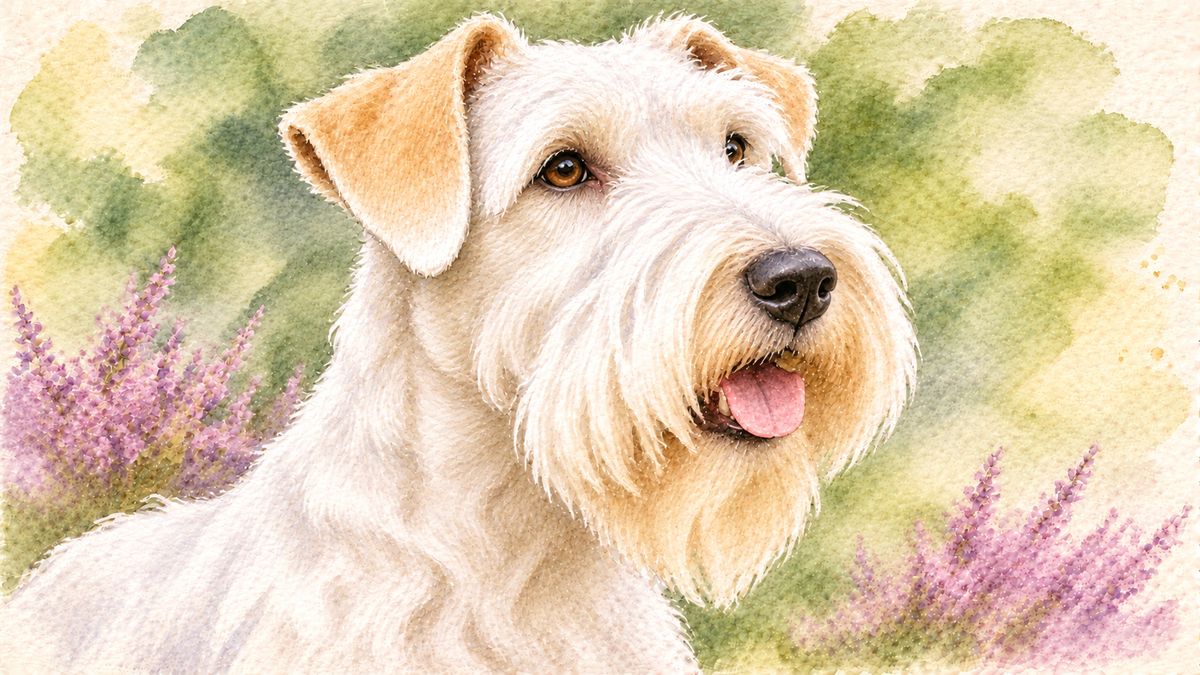
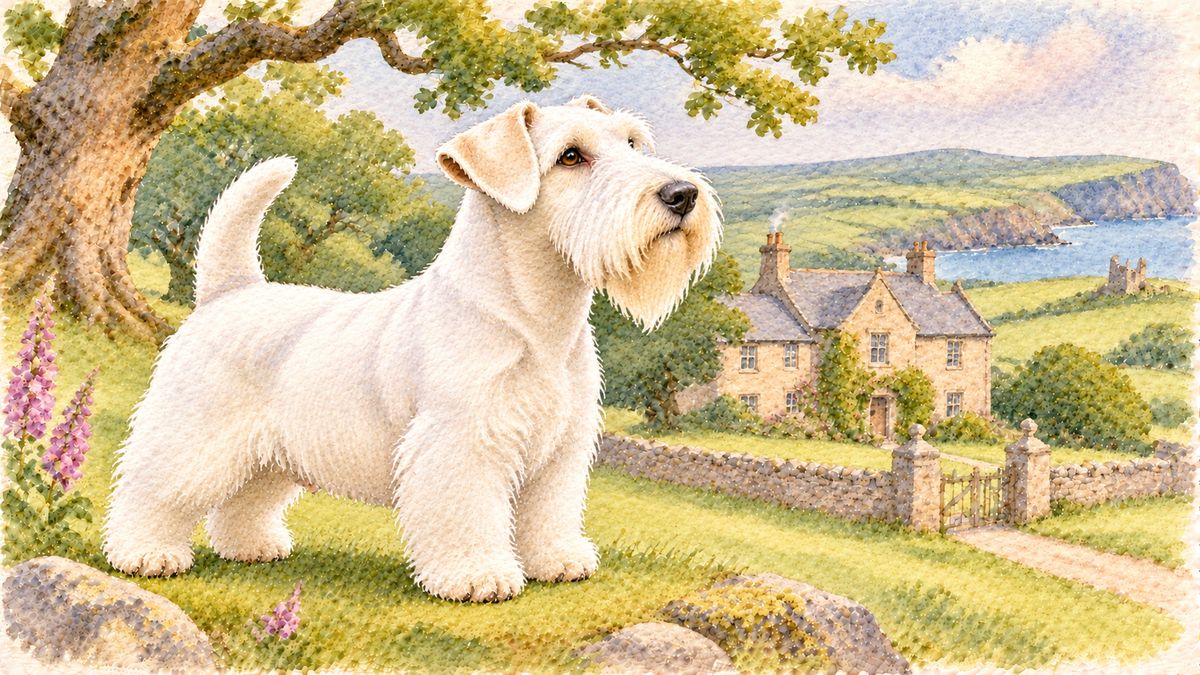
With its snowy white coat, bushy beard and twinkling dark eyes, the Sealyham Terrier looks like a living plush toy. Yet this charming little dog comes from tough working stock, bred in Wales to face badgers, otters and foxes. Its mix of dignity, humor and courage has won it admirers ranging from film directors to royalty.
Today the Sealyham is one of the rarer terrier breeds, but those who share their homes with one rarely want any other dog. It is proud, cheerful, determined and surprisingly calm for a terrier. In this complete Sealyham Terrier dog breed guide, you will learn about its size, temperament, grooming needs, exercise requirements, health, diet and fascinating history.
Sealyham Terrier at a Glance
| Trait | Details |
|---|---|
| Breed group | Terrier (AKC) |
| Height | About 10.5 inches (27 cm) |
| Weight | About 23 to 24 pounds (10 to 11 kg); females slightly less |
| Life expectancy | Around 12 to 14 years |
| Coat | Wiry, weather-resistant outer coat with a soft undercoat |
| Colors | White, or white with lemon, tan, badger or black markings |
| Shedding | Low |
| Energy level | Moderate |
| Temperament | Proud, cheerful, determined, charming, alert |
| Good for | Adults, couples, families with older children |
| Origin | Wales (mid-1800s) |
What Is a Sealyham Terrier?
The Sealyham Terrier is a small, sturdy, short-legged terrier from Pembrokeshire in southwest Wales. It was created in the 1800s to work alongside hounds, going to ground to bolt or hold quarry such as badgers, otters and foxes. That work demanded a dog with strength, stamina and plenty of nerve.
Although it was born to hunt, the modern Sealyham is mostly a companion and show dog. It belongs to the American Kennel Club's Terrier Group. Compared with many terriers, it is relatively laid-back indoors, but it still has a strong will and an unexpectedly loud bark that makes it an excellent watchdog.
Sealyham Terrier Size and Appearance
How Big Do Sealyham Terriers Get?
Sealyham Terriers stand about 10.5 inches tall at the shoulder and usually weigh around 23 to 24 pounds, with females often a little lighter. They are low to the ground but heavier and more solid than their height suggests.
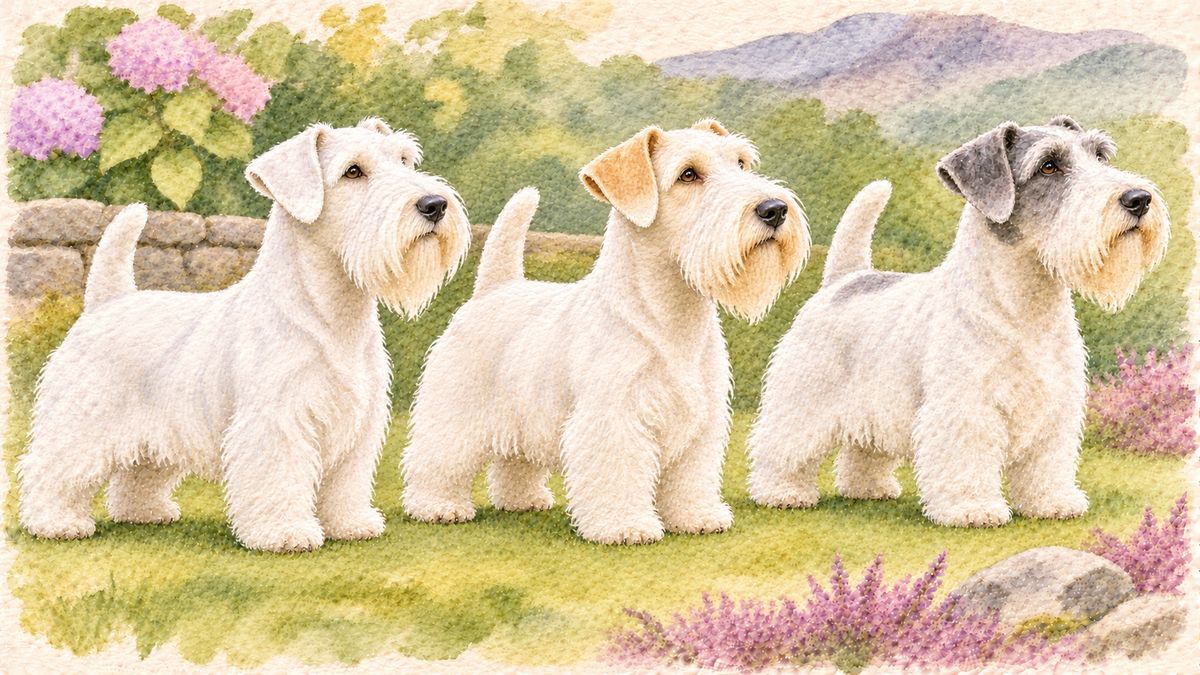
The Sealyham Terrier size makes it easy to carry and travel with, yet it is no lapdog. The body is compact and muscular, with a deep chest, a level back and short, strong legs. The head is long and broad, with a powerful jaw, dark oval eyes and folded ears that hang close to the cheeks.
The breed's signature look comes from its long eyebrows, full beard and mustache. Together, they create a wise yet playful expression that many owners find irresistible.
Coat and Colors
The Sealyham wears a weather-resistant double coat. The outer coat is hard and wiry, while the undercoat is soft and dense. In the show ring, the coat is groomed into a neat, sculpted outline, with longer hair on the legs, face and underside.
The breed is mainly white. Some dogs are all white, while others have lemon, tan, badger or black markings, usually on the head and ears. The white coat was valued by hunters because it made the dog easy to spot against dark earth and undergrowth.
Sealyham Terrier Temperament and Personality
The Sealyham Terrier temperament blends terrier spirit with a calmer, more easygoing nature. This breed is known for being:
- Proud: Sealyhams carry themselves with quiet confidence and a touch of self-importance.
- Cheerful: They are good-natured dogs that enjoy play and lighthearted fun with their families.
- Determined: Bred for difficult work, they can be persistent and sometimes stubborn.
- Charming: Their funny antics and affectionate ways make them delightful companions.
- Alert: Sealyhams have a big, deep bark that surprises many visitors and makes them reliable watchdogs.
- Calmer than many terriers: They are less energetic indoors than some of their terrier cousins.
Sealyhams are usually friendly with people they know and may be somewhat reserved with strangers at first. They form strong bonds with their families and often follow their favorite person from room to room.
Are Sealyham Terriers Good Family Dogs?
Sealyham Terriers can be lovely family dogs, especially in homes with older, considerate children. They enjoy being part of family life and are sturdy enough for gentle play. As with any breed, young children should be supervised and taught to respect the dog's space.
Are Sealyham Terriers Good With Other Pets?
Sealyhams can get along with other dogs when raised with them, but some can be bossy with unfamiliar dogs, especially of the same sex. Their hunting background gives them a natural prey drive, so small pets such as rabbits, rats or hamsters may not be safe around them.
Early socialization helps a great deal. Introduce your Sealyham puppy to a wide variety of people, animals, sights and sounds so it grows into a confident, well-rounded adult.
Training a Sealyham Terrier
Sealyhams are clever, but they are also independent thinkers. Training goes best when it is positive, patient and consistent. Harsh corrections can make this proud breed dig in its heels, while treats, praise and play keep it motivated.
Here are some helpful training tips:
- Begin early. Start basic manners and socialization the day your puppy comes home.
- Keep sessions short. Several brief, upbeat sessions a day work better than one long lesson.
- Make it rewarding. Use small treats, toys and lots of praise to keep your dog interested.
- Teach a "quiet" cue. Their loud bark is useful, but it helps to have a way to turn it off.
- Channel their instincts. Earthdog trials, tracking and other terrier activities give Sealyhams a fun outlet for their natural drives.
Exercise Needs
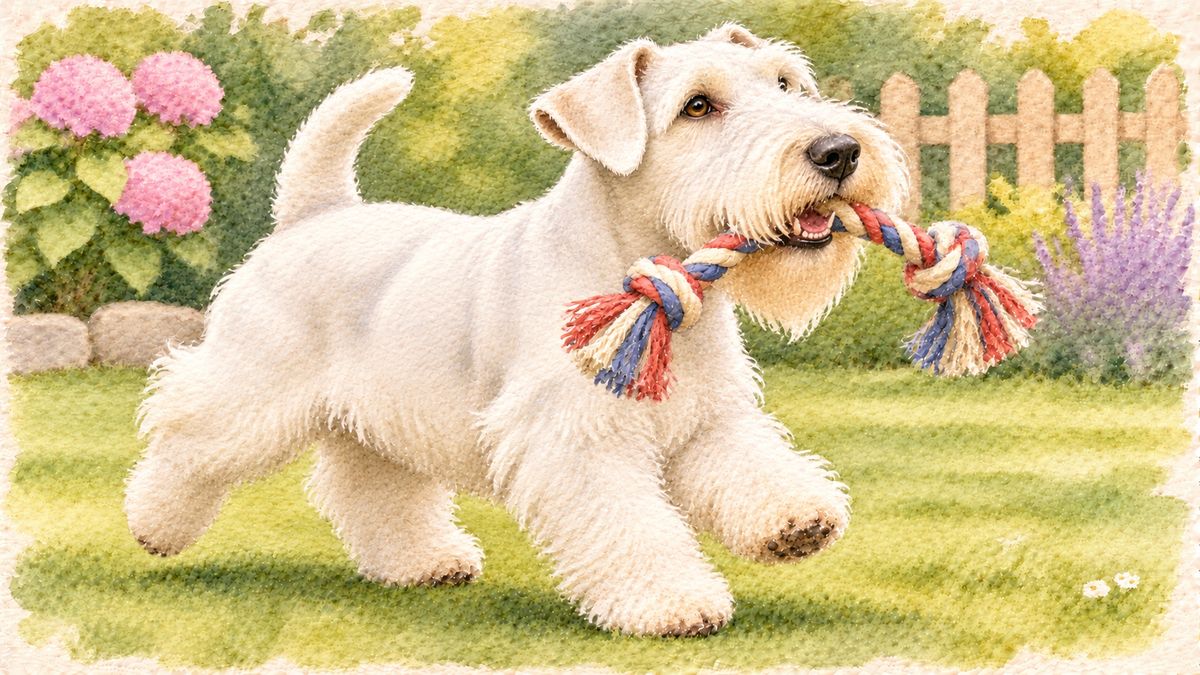
The Sealyham Terrier has a moderate energy level. It is less energetic than many terriers, but it still needs daily exercise to stay fit and happy. A couple of brisk daily walks and some playtime in a secure yard are usually enough.
Because of its size and calm indoor manners, the breed can adapt well to apartments and smaller homes. Mental exercise matters too. Puzzle feeders, scent games and short training sessions help keep this bright dog from getting bored.
Always keep your Sealyham on a leash or in a securely fenced area. Like most terriers, it may chase small animals and can be slow to come back once its hunting instincts kick in.
Sealyham Terrier Grooming
Do Sealyham Terriers Shed?
Sealyham Terriers shed only lightly. Their wiry coat tends to hold loose hair instead of dropping it around the house. However, the coat does need regular care to stay clean, white and free of mats.
Grooming Routine
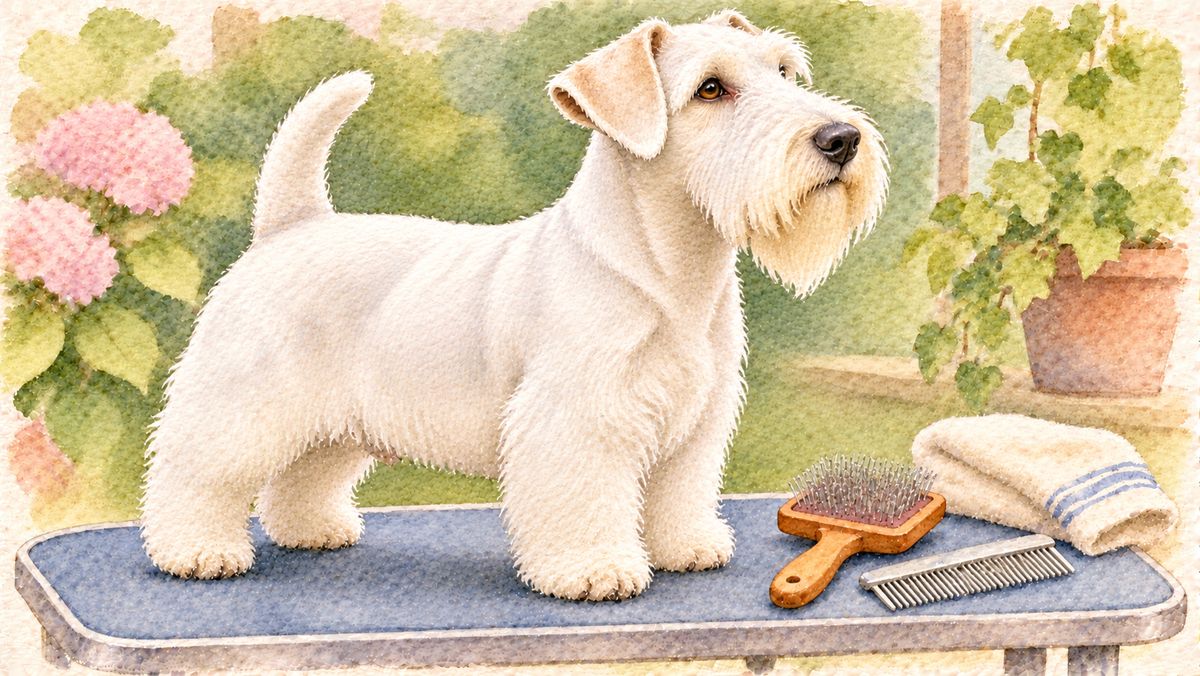
- Brushing: Brush and comb the coat about twice a week, focusing on the beard, legs and underside.
- Trimming: Plan on a trim about once a month to keep the coat neat. Show dogs are usually hand-stripped, while many pets are clipped.
- Beard care: Wipe the beard after meals to prevent staining and odor.
- Bathing: Bathe as needed with a gentle dog shampoo to keep the white coat bright.
- Nails: Trim nails every few weeks.
- Teeth and ears: Brush teeth several times a week and check the folded ears weekly for dirt or redness.
Many owners find a professional groomer who knows terrier coats. Learning basic home grooming between visits will keep your dog comfortable and looking its best.
Sealyham Terrier Health and Lifespan
How Long Do Sealyham Terriers Live?
The typical Sealyham Terrier lifespan is around 12 to 14 years with good care. The breed is generally sturdy, but like all dogs it can be prone to certain conditions.
Responsible breeders screen their breeding dogs and share health information with buyers. Concerns that have been reported in the breed include:
- Eye conditions: Including lens luxation, in which the lens of the eye moves out of position. A DNA test is available for one inherited form.
- Deafness: As with some other mostly white breeds, hearing problems can occur.
- Back problems: The breed's long back and short legs mean owners should avoid letting the dog become overweight.
- Skin allergies: Some dogs may develop itchy skin.
Keeping your dog lean, active and on a regular schedule of checkups is one of the best things you can do. Always work with your veterinarian to plan vaccinations, screenings and preventive care.
Feeding and Nutrition
A Sealyham does best on a high-quality, complete and balanced dog food suited to its age, size and activity level. Puppies should eat a food formulated for puppies to support healthy growth and development.
Portion sizes depend on your dog's age, weight and activity. Follow the feeding guidelines on the package and ask your veterinarian for advice. Because extra pounds can strain the back and joints, measure meals carefully and keep treats to a small part of the daily diet.
History of the Sealyham Terrier
The Sealyham Terrier was created by Captain John Edwards in the mid-1800s on his Sealyham estate near Haverfordwest in Pembrokeshire, Wales. The breed takes its name from that estate. Edwards wanted a small, brave terrier that could work with his hounds and tackle badgers, otters and foxes.
Edwards kept few written records, but the breed is believed to have been developed from several types of dogs. Breeds often linked to its ancestry include the Cardigan and Pembroke Welsh Corgis, the West Highland White Terrier, the Wire Fox Terrier, the Bull Terrier and the Dandie Dinmont Terrier. He reportedly tested his dogs rigorously and kept only the bravest.
The breed began appearing at shows in the early 1900s, and the first breed club was formed in Wales in 1908. The Kennel Club in Britain recognized the breed in 1911, and the American Kennel Club recognized it the same year.
During the first half of the 20th century, the Sealyham became fashionable on both sides of the Atlantic. It was a favorite of film stars, writers and royalty, and Sealyhams won Best in Show at the Westminster Kennel Club Dog Show more than once during the 1920s and 1930s. Director Alfred Hitchcock was a well-known fan and appeared with his own Sealyhams in a cameo in his 1963 film The Birds.
Popularity declined after World War II, and today the Sealyham is considered a rare breed. In the United Kingdom, it is listed by The Kennel Club as a vulnerable native breed, and dedicated breeders work hard to keep it going.
Sealyham Terrier vs Westie
The Sealyham Terrier and the West Highland White Terrier are both small, white terriers from Britain, so they are often mixed up. Sealyhams are heavier and longer in the body, with a long rectangular head and folded ears, while Westies have upright ears and a rounder, chrysanthemum-like face. Sealyhams also tend to be a little calmer at home and are much rarer than Westies.
Is a Sealyham Terrier Right for You?
A Sealyham could be a wonderful match if you:
- Want a small, sturdy dog with a calm but spirited nature
- Appreciate a low-shedding coat and enjoy regular grooming
- Can provide daily walks and play
- Like the idea of a natural watchdog
- Are patient with positive, consistent training
- Are willing to wait for a puppy from a rare breed
A Sealyham may not be the best fit if you:
- Want a dog that needs little grooming
- Keep small pets such as rabbits, rats or hamsters
- Need a quiet dog that rarely barks
- Expect reliable off-leash obedience
Finding a Sealyham Terrier Puppy
Because the breed is rare, finding a Sealyham Terrier puppy may take time. Contact national breed clubs for lists of reputable breeders, and expect to join a waiting list. Look for breeders who health-test their dogs, raise puppies in a home setting and stay in touch after you take your puppy home. Rescue groups occasionally have adults in need of new homes as well.
Fun Facts About the Sealyham Terrier
- The breed is named after the Sealyham estate in Pembrokeshire, Wales.
- It was originally bred to hunt badgers, otters and foxes.
- Sealyhams have a surprisingly loud, deep bark for their size.
- Alfred Hitchcock appeared on screen with his own Sealyhams in The Birds.
- The breed is listed as a vulnerable native breed in the United Kingdom.
- Its white coat helped hunters spot the dog during a chase.
Frequently Asked Questions
How big do Sealyham Terriers get?
Sealyhams stand about 10.5 inches tall at the shoulder and usually weigh around 23 to 24 pounds. Females are often slightly smaller.
Are Sealyham Terriers good family dogs?
Yes, they can be affectionate family dogs, especially with older children who are gentle and respectful. They enjoy being involved in everyday family life.
Do Sealyham Terriers shed?
Sealyhams are light shedders thanks to their wiry coat. They need brushing about twice a week and a trim roughly once a month.
How long do Sealyham Terriers live?
The average lifespan is around 12 to 14 years. A healthy weight, daily exercise and regular veterinary checkups help support a long life.
Are Sealyham Terriers rare?
Yes, the Sealyham is one of the rarer terrier breeds in both the United States and the United Kingdom, so you may need to wait for a puppy.
Do Sealyham Terriers bark a lot?
Sealyhams are alert and have a big bark, so they will announce visitors and unusual sounds. Early training can help keep barking at a reasonable level.
Final Thoughts
The Sealyham Terrier is a rare gem with a proud heart and a cheerful spirit. Sturdy, charming and calmer than many terriers, it brings Welsh history, a striking white coat and plenty of personality into the right home. If you can offer regular grooming, daily walks and patient training, a Sealyham Terrier may become a loyal companion for many years.