With its long, flowing coat, shaggy fringe over the eyes and big, snowshoe-like feet, the Tibetan Terrier looks like a dog straight out of a mountain legend. And in a way, it is. For centuries, this medium-sized companion lived in the monasteries and villages of Tibet, where it was known as a "Holy Dog" and a bringer of good luck.
Despite its name, the Tibetan Terrier is not a true terrier. It is a loyal, affectionate and highly intelligent family dog with a sensitive heart and a mischievous streak. In this complete Tibetan Terrier dog breed guide, you will learn everything you need to know before bringing one home, including its size, temperament, grooming needs, exercise requirements, health concerns, diet tips and ancient history.
Tibetan Terrier at a Glance
| Trait | Details |
|---|---|
| Breed group | Non-Sporting (AKC) |
| Height | 14 to 17 inches (36 to 43 cm) |
| Weight | 18 to 30 pounds (8 to 14 kg) |
| Life expectancy | About 12 to 16 years |
| Coat | Long, profuse double coat; straight or wavy |
| Colors | Any color or color combination |
| Shedding | Low |
| Energy level | Moderate |
| Temperament | Intelligent, sensitive, loyal, affectionate, mischievous |
| Good for | Families, active seniors, homes in varied climates |
| Origin | Tibet (ancient) |
What Is a Tibetan Terrier?
The Tibetan Terrier is a medium-sized companion breed from the Himalayan region of Tibet. It was bred to live in a harsh climate and rugged mountain terrain, which explains its thick weatherproof coat and sure-footed build. It was a beloved companion and watchdog for monks and families, and some dogs may have helped with herding as well.
So why the name "terrier"? Early Western visitors gave it that label because of its size and general look, not because it was bred to hunt vermin like true terriers. Today, the Tibetan Terrier belongs to the American Kennel Club's Non-Sporting Group, alongside its Tibetan cousins, the Lhasa Apso and the Tibetan Spaniel.
Tibetan Terrier Size and Appearance
The Tibetan Terrier is a sturdy, square-proportioned dog of medium size. Adults usually stand between 14 and 17 inches tall at the shoulder and weigh between 18 and 30 pounds, with males typically larger than females.
How Big Do Tibetan Terriers Get?
Tibetan Terriers grow to about 14 to 17 inches tall and 18 to 30 pounds. They are big enough to enjoy hikes and outdoor adventures, yet small enough to fit comfortably into most homes.
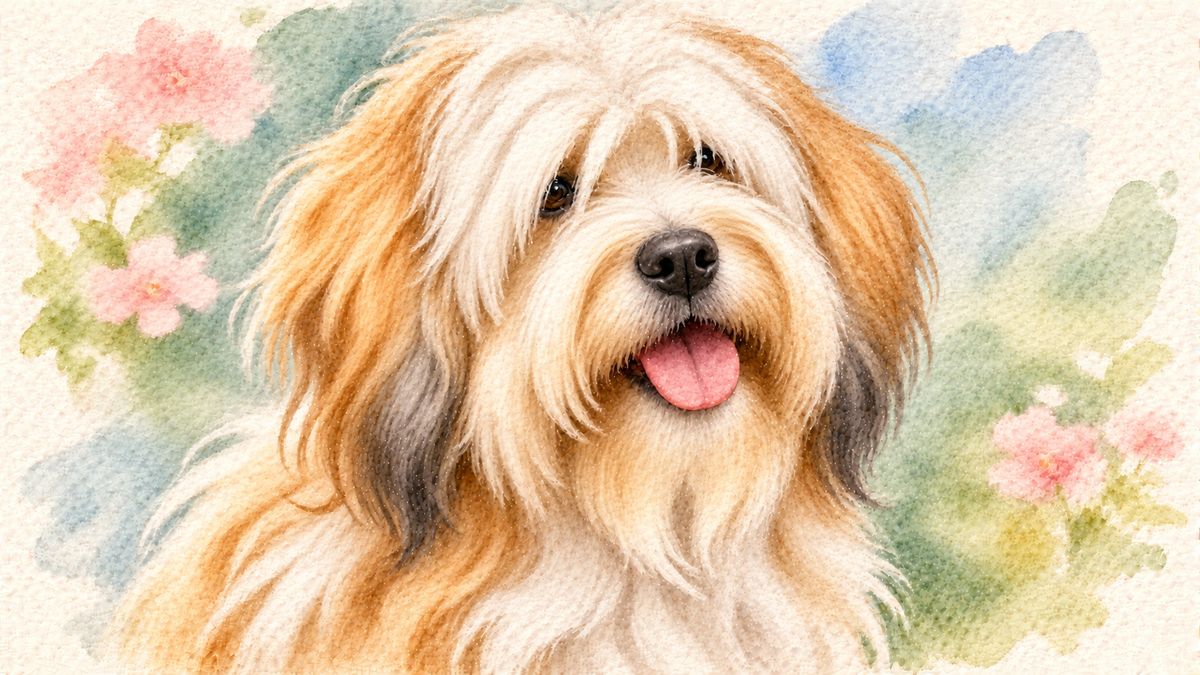
One of the breed's most distinctive traits is its feet. The Tibetan Terrier has large, flat, round paws that work like natural snowshoes, helping it walk across snow and rocky ground. The head is covered with long hair that falls forward over the eyes, the ears are V-shaped and feathered, and the well-plumed tail curls over the back.
Coat and Colors
The Tibetan Terrier has a profuse double coat. The undercoat is soft and woolly, while the outer coat is long and fine and may be straight or wavy, but never silky or curly. This coat protected the breed from bitter Himalayan cold, wind and snow, and the long fringe over the eyes may have helped shield them from glare and harsh weather.
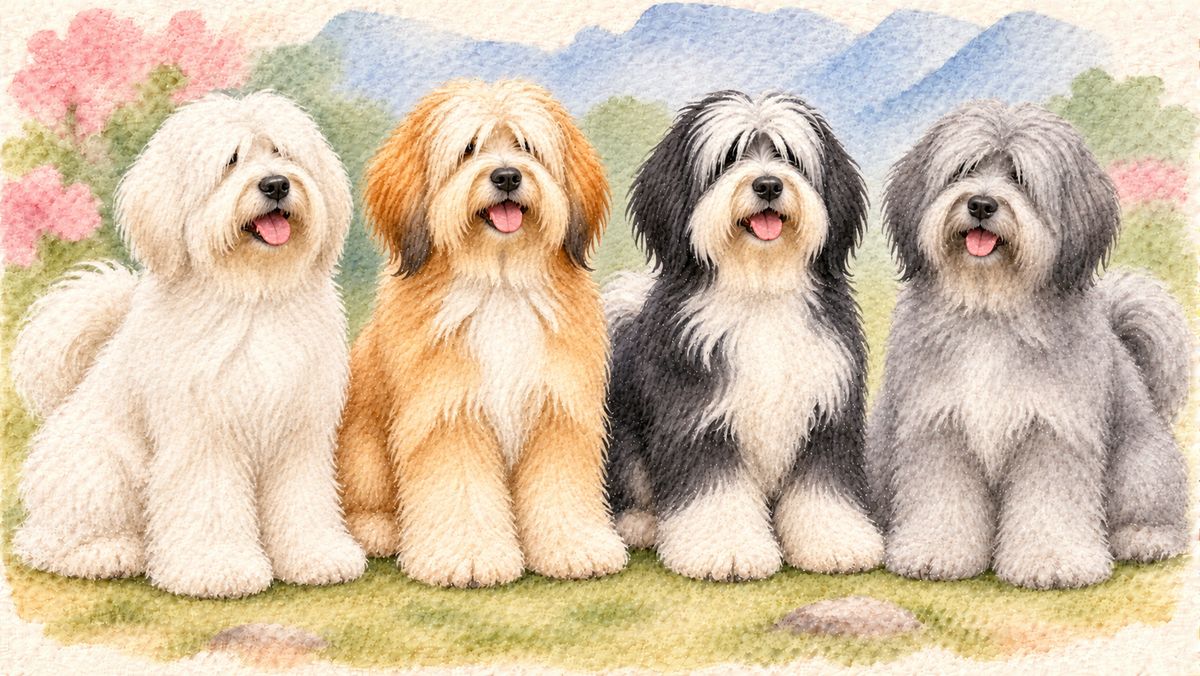
The breed can be any color or combination of colors. Common shades include white, gold, cream, silver, gray, black, brindle, and particolor or tricolor patterns.
Tibetan Terrier Temperament and Personality
The Tibetan Terrier temperament is affectionate and devoted, with plenty of personality. This breed is known for being:
- Highly intelligent: Tibetan Terriers are quick learners and clever problem-solvers.
- Sensitive: They are deeply attuned to their owners' moods and respond best to a gentle approach.
- Mischievous: Their playful, clownish side keeps life interesting.
- Loyal and affectionate: They bond closely with their families and want to be part of everything.
- Alert: They make good watchdogs and will bark to announce visitors.
- Reserved with strangers: Many are polite but cautious with people they don't know.
Tibetan Terriers love companionship and generally do not enjoy being left alone for long periods. They thrive in homes where they can spend lots of time with their people, whether that means joining a walk, sitting beside you on the couch or following you from room to room.
Are Tibetan Terriers Good With Kids and Other Pets?
Yes, Tibetan Terriers are often wonderful family dogs. They are usually affectionate and playful with children, especially when raised with them. As with any breed, kids should be taught to interact gently, and play should always be supervised.
Tibetan Terriers typically get along well with other dogs and cats in the household. Early socialization with a wide variety of people, animals, sounds and places will help your Tibetan Terrier puppy grow into a confident, friendly adult.
Training a Tibetan Terrier
The Tibetan Terrier is smart and capable of learning a lot, but it also has an independent mind. Patient, positive training works best. Praise, play and small treats will motivate this sensitive breed far more than harsh corrections, which can cause it to shut down or lose trust.
Here are a few training tips for Tibetan Terrier owners:
- Start early. Begin training and socialization as soon as your puppy comes home.
- Keep it fun and varied. Tibetan Terriers can get bored with repetition, so mix things up with games and new challenges.
- Be consistent. Set clear rules and stick to them, as this clever breed may test boundaries.
- Use gentle methods. A soft voice and lots of rewards go a long way with a sensitive dog.
- Get your puppy used to grooming. Practice brushing, handling paws and checking ears from an early age.
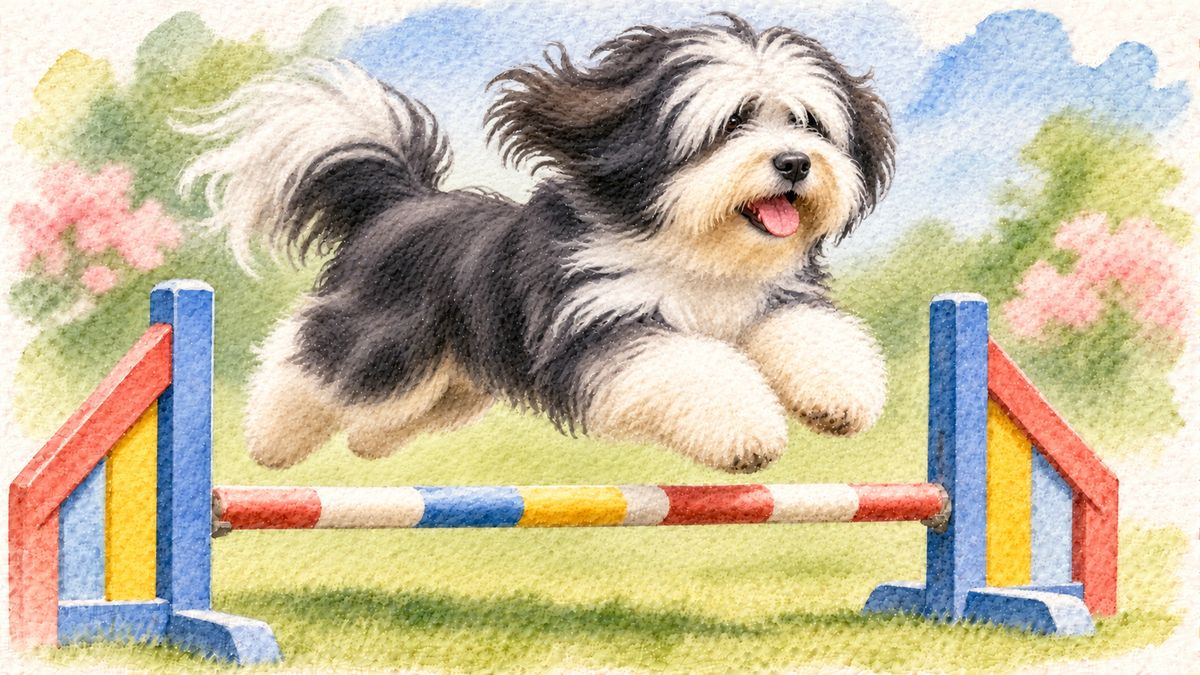
- Try dog sports. Tibetan Terriers can excel in agility, obedience and rally obedience.
Exercise Needs
The Tibetan Terrier has a moderate energy level and needs regular daily exercise. A brisk walk or two each day, plus playtime in a safe, fenced area, is usually enough to keep it healthy and happy. Many Tibetan Terriers also love hiking, and their snowshoe feet and sure-footed build make them excellent trail companions.
Mental stimulation is important too. Puzzle toys, training games and dog sports help prevent boredom in this intelligent breed. The Tibetan Terrier adapts well to different living situations, from apartments to homes with large yards, as long as its exercise and companionship needs are met.
Grooming a Tibetan Terrier
Are Tibetan Terriers Hypoallergenic?
Tibetan Terriers are low-shedding dogs and are often recommended for people with mild allergies. However, no dog is completely hypoallergenic, so anyone with allergies should spend time with the breed before deciding.
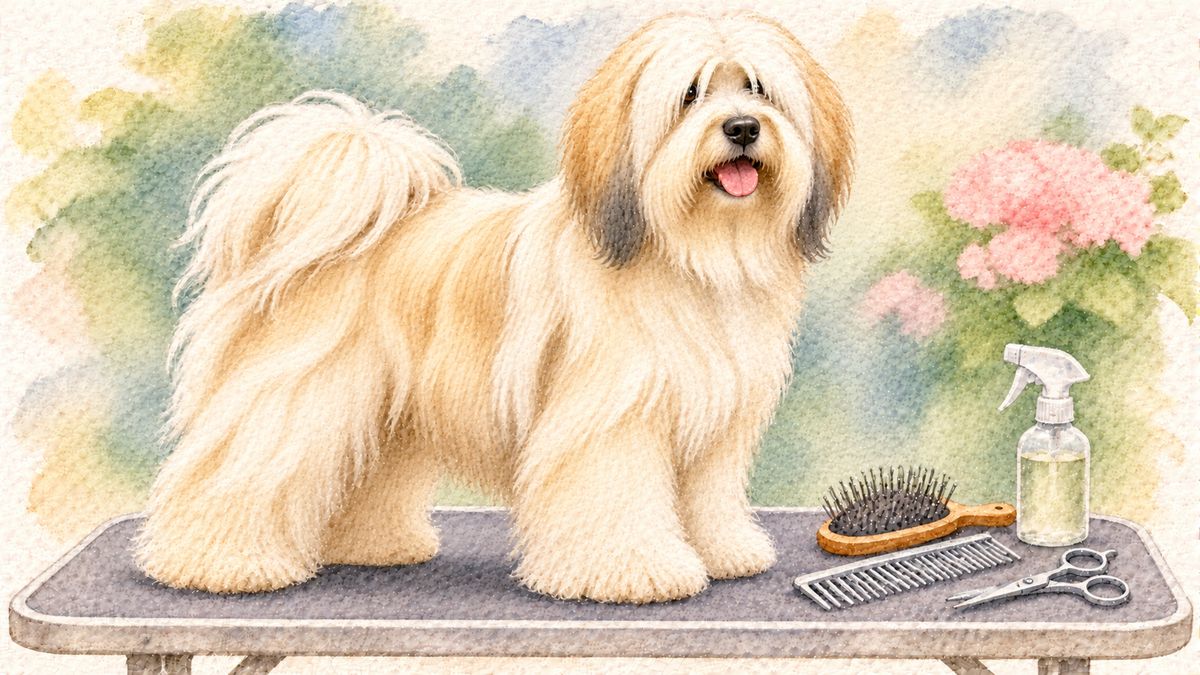
While the Tibetan Terrier doesn't shed much, its long coat does require a serious grooming commitment. Without regular care, the coat can quickly become matted.
Grooming Routine
- Brushing: Brush the coat thoroughly at least once a week, working all the way down to the skin to prevent mats. Many owners brush more often.
- Puppy coat change: Expect extra matting as the puppy coat changes to the adult coat, usually around the first year. Daily brushing helps during this stage.
- Bathing: Bathe every few weeks or as needed, and always brush out tangles before the coat gets wet.
- Trimming: Many pet owners keep their Tibetan Terrier in a shorter "puppy cut" for easier care. Trim the hair between the paw pads to keep feet clean.
- Nails: Trim nails every few weeks.
- Teeth: Brush your dog's teeth several times a week to support dental health.
- Ears and eyes: Check ears weekly and keep the area around the eyes clean.
Tibetan Terrier Health and Lifespan
The Tibetan Terrier is generally a healthy, long-lived breed. The typical Tibetan Terrier lifespan is about 12 to 16 years, and many live well into their teens with good care. Like all breeds, it can be prone to certain health conditions, which may include:
- Hip dysplasia: An abnormal formation of the hip joint.
- Luxating patella: A condition in which the kneecap slips out of place.
- Eye conditions: Including progressive retinal atrophy (PRA), primary lens luxation and cataracts.
- Hypothyroidism: An underactive thyroid gland that can affect weight, energy and coat.
Responsible breeders screen their dogs for common problems, and DNA tests are available for some inherited eye conditions in the breed. Always work with your veterinarian to set up a schedule of checkups, vaccinations and preventive care.
Feeding and Nutrition
The Tibetan Terrier does best on a high-quality, complete and balanced dog food suited to its size, age and activity level. Medium-sized breed formulas are a good choice for most adults.
Puppies should eat a food designed for growing dogs. Portion sizes depend on age, weight and activity level, so follow the feeding guidelines on the food package and ask your veterinarian for advice. Keep treats to a small part of daily calories to help your dog stay at a healthy weight. Some Tibetan Terriers have sensitive stomachs, so introduce any new food gradually.
History of the Tibetan Terrier
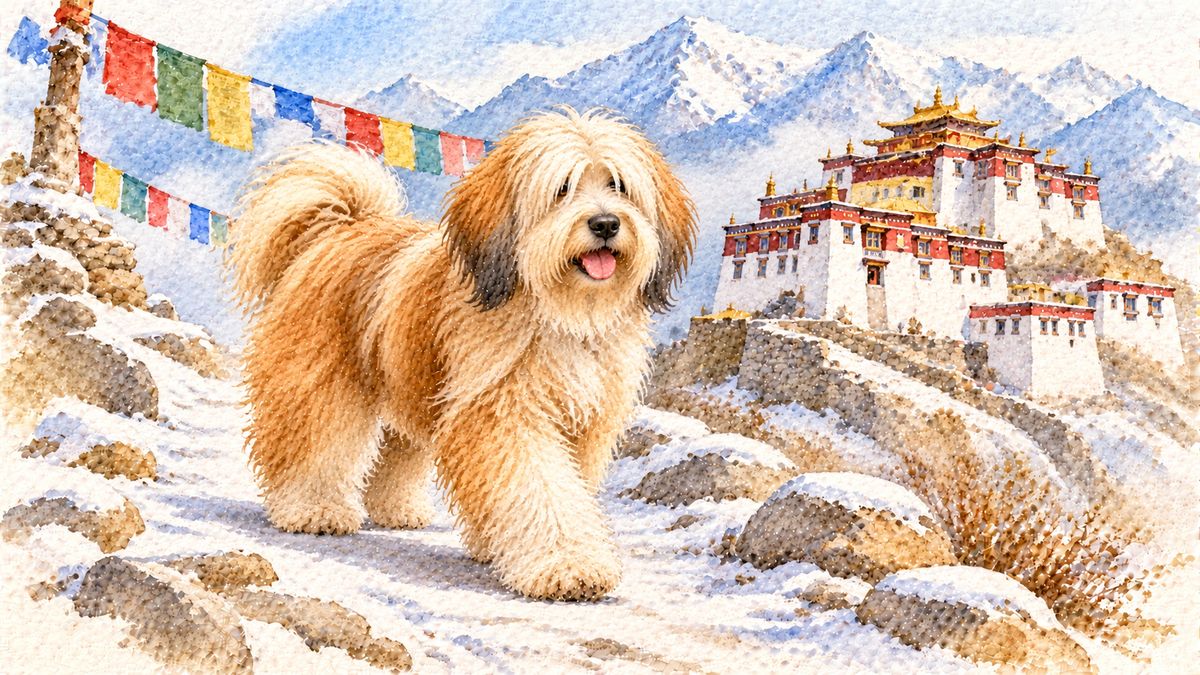
The Tibetan Terrier is an ancient breed from the remote valleys of Tibet. It is often said to have been developed more than 2,000 years ago, though exact dates are difficult to prove. For centuries, these dogs lived alongside Buddhist monks and nomadic families, serving as companions, watchdogs and, at times, herding helpers.
Tibetan Terriers were known as "Holy Dogs" and were believed to bring good luck to their owners. Because of this, they were rarely sold. Instead, they were given as special gifts to show gratitude or honor. Mistreating one was thought to bring bad luck to the family and village.
The breed reached the West in the 1920s, thanks largely to Dr. Agnes Greig, a British physician working in India. According to the breed's history, she received a Tibetan Terrier as a gift after treating a patient and went on to breed and promote the dogs in England. The Kennel Club in Britain recognized the breed in the 1930s.
Tibetan Terriers arrived in the United States in the 1950s. The American Kennel Club officially recognized the breed in 1973 as a member of the Non-Sporting Group, and it has steadily won fans ever since.
Tibetan Terrier vs Lhasa Apso
The Tibetan Terrier vs Lhasa Apso comparison is common because both breeds come from Tibet and have long, flowing coats. The Lhasa Apso is smaller, with a longer body, shorter legs and a heavy, straight coat. The Tibetan Terrier is taller and more square, with large snowshoe feet, and tends to be a bit more playful and athletic.
Is a Tibetan Terrier Right for You?
A Tibetan Terrier could be a wonderful match if you:
- Want a medium-sized, affectionate family dog
- Prefer a low-shedding breed
- Enjoy walks, hikes and outdoor adventures
- Can commit to regular grooming or professional trims
- Are home often and want a devoted companion
- Like a clever dog with a playful sense of humor
A Tibetan Terrier may not be the best fit if you:
- Don't have time for weekly grooming
- Are away from home for long hours every day
- Need a completely quiet dog, since Tibetan Terriers bark to alert you
- Prefer a dog that obeys instantly without any independent streak
Finding a Tibetan Terrier Puppy
Look for a reputable breeder who health-tests parent dogs, including eye and hip screening, raises puppies in a home environment and happily answers your questions. A good breeder will also explain the grooming commitment honestly. Breed clubs and rescue groups are great places to find adult Tibetan Terriers looking for new homes.
Fun Facts About the Tibetan Terrier
- The Tibetan Terrier is not a true terrier; it was named for its size and look.
- It was known in Tibet as a "Holy Dog" and a bringer of good luck.
- Tibetan Terriers were traditionally given as gifts rather than sold.
- Its large, flat feet act like natural snowshoes.
- The long fringe over its eyes may help protect them from glare and harsh weather.
- The AKC recognized the Tibetan Terrier in 1973.
Frequently Asked Questions
Is the Tibetan Terrier a real terrier?
No. The Tibetan Terrier was never bred to hunt vermin like true terriers. Westerners gave it the name because of its size and appearance, and it belongs to the AKC Non-Sporting Group.
How big do Tibetan Terriers get?
Adult Tibetan Terriers stand 14 to 17 inches tall at the shoulder and weigh 18 to 30 pounds, making them a medium-sized breed.
Are Tibetan Terriers hypoallergenic?
Tibetan Terriers shed very little and are often suggested for people with mild allergies. No dog is fully allergen-free, though, so spend time with the breed before committing.
Are Tibetan Terriers good family dogs?
Yes, Tibetan Terriers are loyal, affectionate and playful, and they usually do well with children and other pets when properly socialized.
How long do Tibetan Terriers live?
The average Tibetan Terrier lifespan is about 12 to 16 years, and many live well into their teens with good care and regular veterinary checkups.
How often should you groom a Tibetan Terrier?
Brush a Tibetan Terrier thoroughly at least once a week, and more often during the puppy coat change. Many owners also book a professional trim every few months.
Final Thoughts
The Tibetan Terrier is a shaggy, sweet-natured companion with roots in the roof of the world. Intelligent, loyal and full of fun, this "Holy Dog of Tibet" brings centuries of history, a low-shedding coat and endless affection to the right home. If you can offer regular grooming, daily activity and plenty of companionship, a Tibetan Terrier may become your lucky charm for years to come.