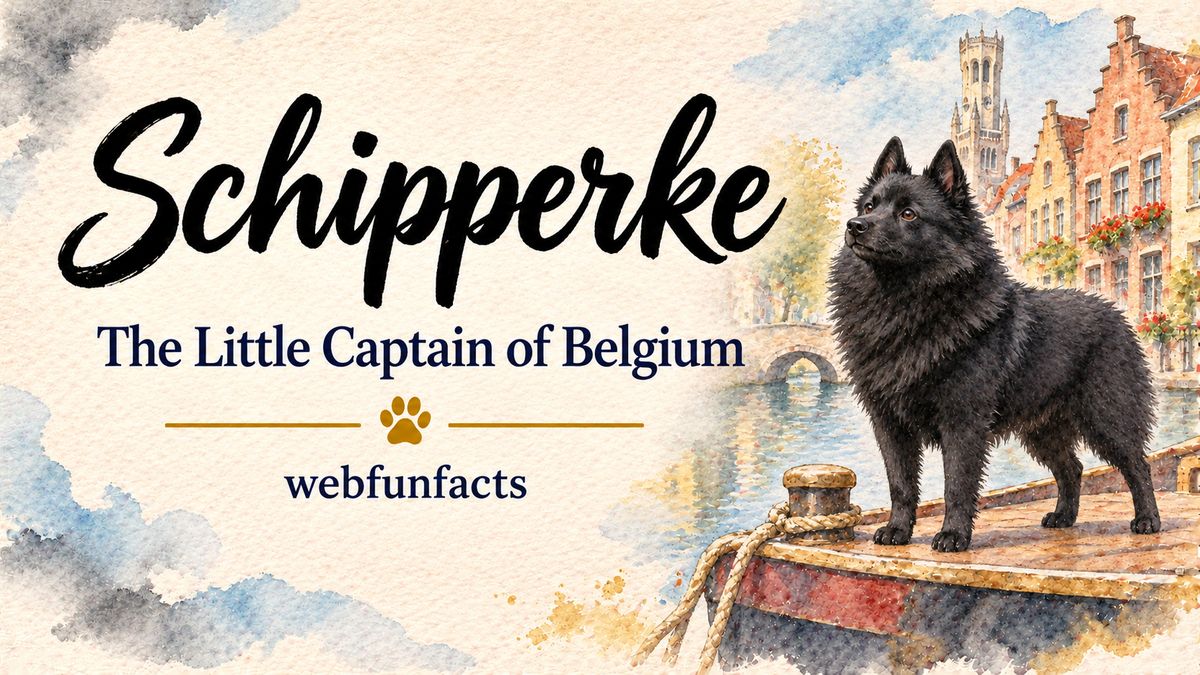
The Schipperke is a small, fox-faced black dog from Belgium with a big personality and a curious mind that never seems to rest. Its name is usually translated from Flemish as "little captain," a nod to the breed's history aboard canal barges, where it guarded the boat and kept rats away. With its thick ruff, pointed ears and confident strut, this little dog always looks ready for its next adventure.
Fans love the breed for its loyalty, cleverness and mischievous spirit, and some even call it the "little black devil." In this complete Schipperke dog breed guide, you will learn about its size, temperament, training, exercise needs, grooming, health, diet, history and whether this spirited small dog is right for your home.
Schipperke at a Glance
| Trait | Details |
|---|---|
| Breed group | Non-Sporting (AKC) |
| Height | 10 to 13 inches (25 to 33 cm) |
| Weight | 12 to 18 pounds (5.5 to 8 kg) |
| Life expectancy | About 13 to 15 years |
| Coat | Harsh double coat with a ruff, cape and culottes |
| Colors | Black (AKC); some other kennel clubs allow other colors |
| Shedding | Moderate, with seasonal coat blows |
| Energy level | Medium to high |
| Temperament | Curious, confident, faithful, alert, mischievous |
| Good for | Active owners, families with older children |
| Origin | Belgium (Flemish provinces) |
What Is a Schipperke?
This is a small working dog that originated in the Flemish region of Belgium. For centuries, it served as a watchdog and ratter for shopkeepers, craftsmen and boatmen. Its alert nature made it an excellent alarm system, and its quick reflexes made it a skilled hunter of rats and mice.
Although it looks a bit like a tiny spitz, the breed is believed by many historians to share ancestry with Belgian sheepdogs. Today, it belongs to the American Kennel Club's Non-Sporting Group and is loved as a lively, devoted companion with plenty of character.
Despite its compact size, this is not a delicate lapdog. It is a hardy, busy little worker at heart, happiest when it can patrol the house, follow its family from room to room and keep watch over everything that happens.
Schipperke Size and Appearance
How Big Do Schipperkes Get?
They are small dogs, with males standing about 11 to 13 inches tall at the shoulder and females about 10 to 12 inches. Most adults weigh between 12 and 18 pounds.
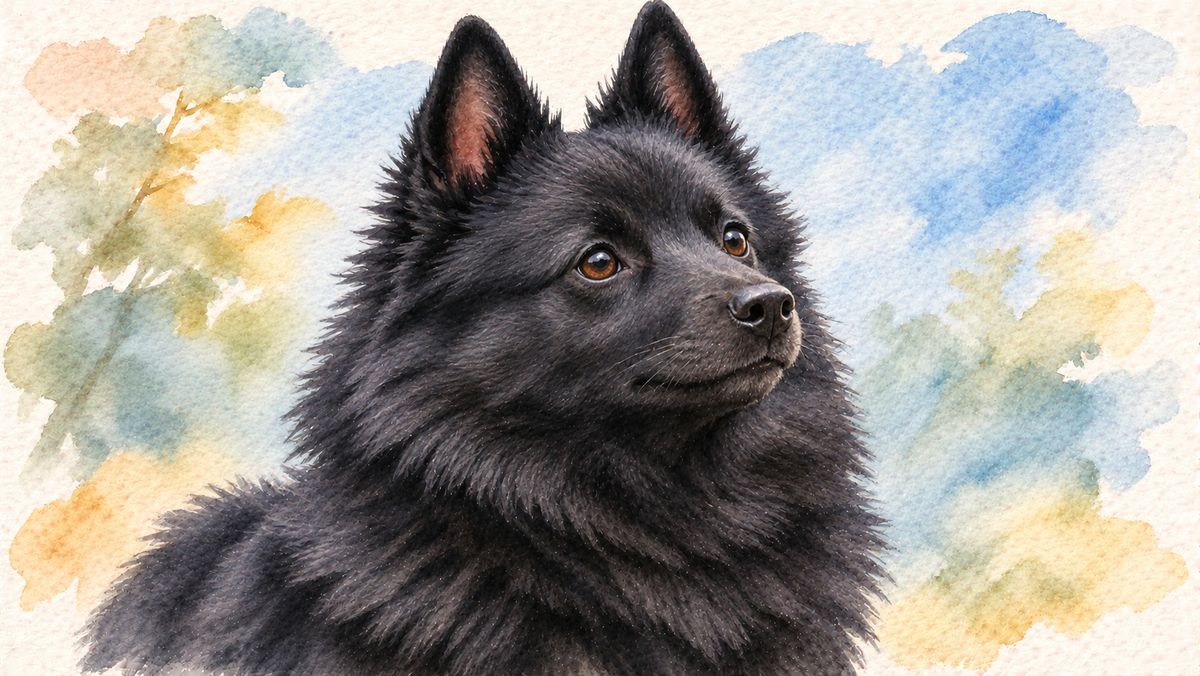
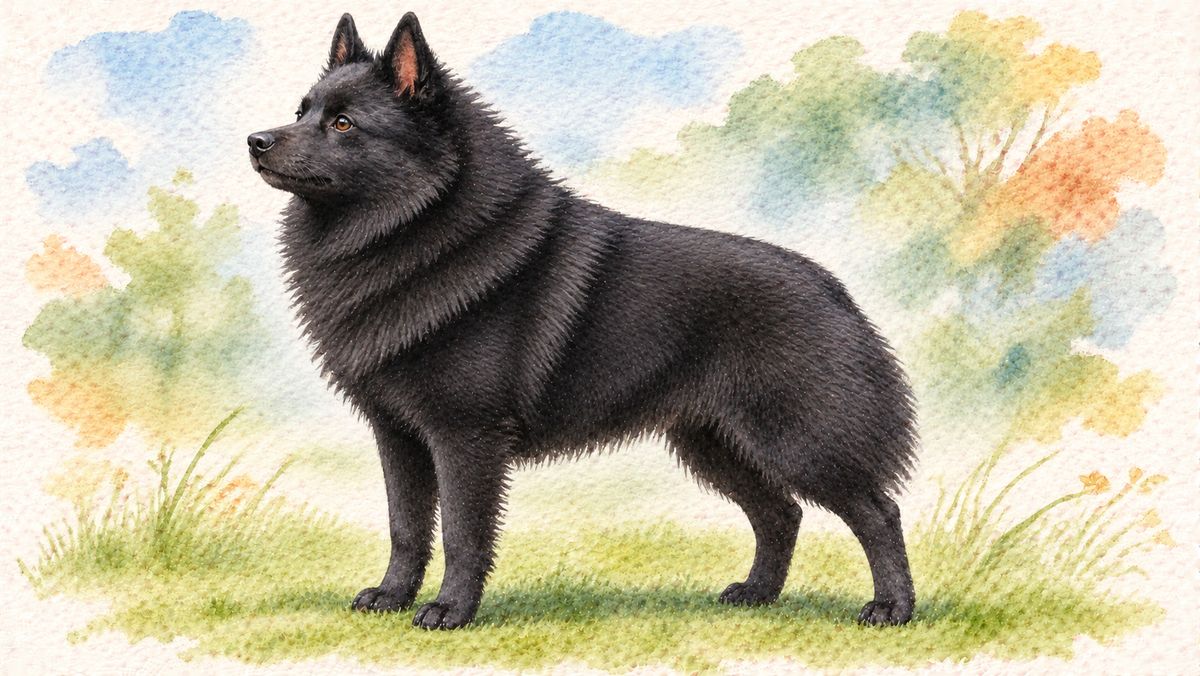
The Schipperke size may be small, but the dog is sturdy, muscular and athletic. It has a fox-like face, small dark oval eyes and high, triangular ears that stand straight up. One of its most distinctive features is its outline: the body appears to slope from a high, full chest and shoulders down to the rump, thanks to the shape of its coat.
Many of these dogs are born with very short tails or no tail at all, which adds to their unique silhouette.
Coat and Colors
The breed's coat is a harsh, double coat that varies in length on different parts of the body. It forms a thick ruff around the neck, a cape over the shoulders and longer "culottes" on the back of the thighs, while the face and front legs have short hair. This special coat pattern gives the dog its striking, sloping profile.
In the United States, the AKC standard calls for a solid black coat. Some kennel clubs in other countries also accept other solid colors, but black is by far the most familiar.
Schipperke Temperament and Personality
The Schipperke temperament is often summed up as curious, confident and faithful. These little dogs are known for being:
- Curious: They want to investigate every sound, smell and corner of their world.
- Confident: They carry themselves with a bold, self-assured attitude that seems much bigger than their size.
- Faithful and loyal: They bond strongly with their families and like to stay close by.
- Protective: As natural watchdogs, they are alert and will quickly announce visitors or anything unusual.
- Mischievous: Their cleverness and energy can lead to playful antics and a few escape attempts.
- Vocal: Many have plenty to say and will bark to share their opinions.
Because they were bred as watchdogs, these dogs can be reserved with strangers at first. They are usually warm and playful once they get to know someone.
Owners often say their dogs seem to know everything happening in the neighborhood. A delivery truck, a falling leaf or a cat on the fence can all earn a quick report, which is part of the breed's charm.
Are Schipperkes Good Family Dogs?
Yes, Schipperkes can be excellent family dogs and are known for their fondness for children. They are playful, sturdy for their size and enjoy being part of family activities.
As with any breed, teach children how to interact gently with dogs and supervise playtime. Older kids who can join in games and walks often make the best companions for this energetic breed.
Are Schipperkes Good With Other Pets?
Many get along well with other dogs and cats, especially when raised with them. However, their ratting history gives them a natural prey drive, so they may not be a safe match for pet rodents such as hamsters, gerbils or rats.
Early socialization is key. Introducing your Schipperke puppy to many people, animals, places and sounds helps it grow into a friendly, well-adjusted adult.
Training a Schipperke
These dogs are intelligent and learn quickly, but they also have an independent streak and can be stubborn. They respond best to consistent, positive training that uses praise, treats and play. Because they are active and curious, they benefit greatly from obedience classes.
Here are a few training tips for new owners:
- Start early. Begin training and socialization as soon as your puppy comes home.
- Keep it interesting. Short, varied sessions keep their busy minds focused.
- Teach a reliable recall. Their curiosity can lead them to wander off.
- Manage barking. Reward quiet behavior and teach a "quiet" cue early.
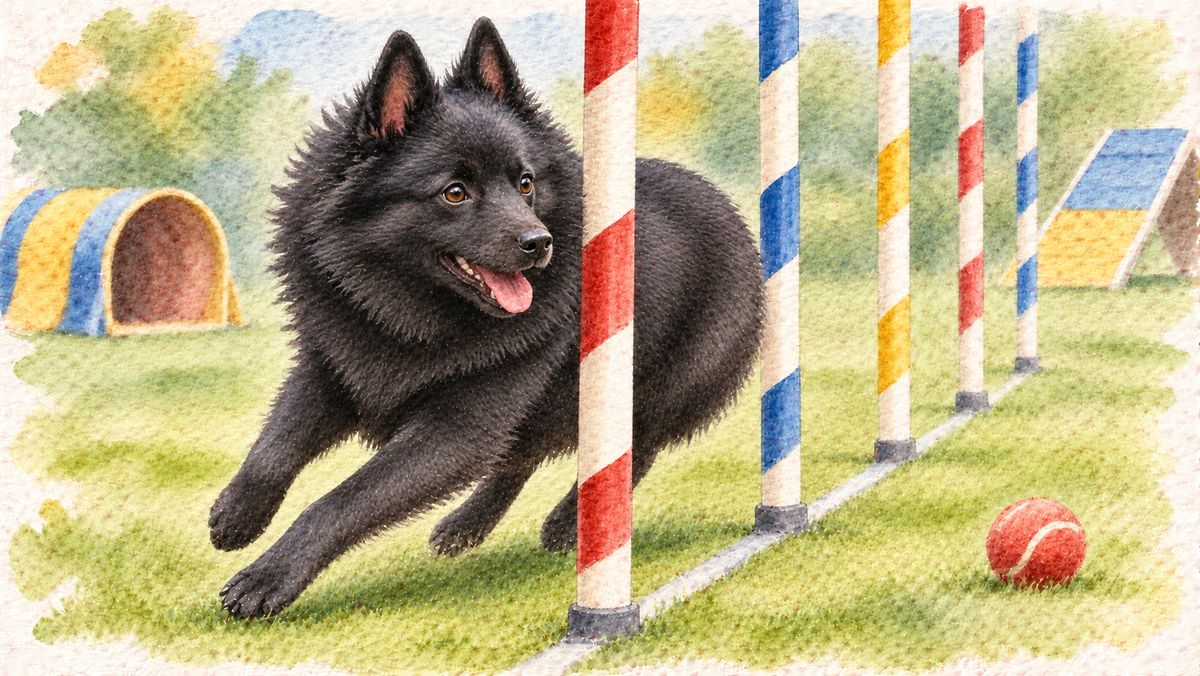
- Try dog sports. Many enjoy agility, obedience, rally and even Barn Hunt.
Exercise Needs
This is an active little dog that needs regular exercise. A couple of brisk daily walks plus playtime in a secure yard or indoors will usually keep it happy and healthy.
Mental stimulation is just as important as physical activity. Puzzle toys, scent games and training sessions give these clever dogs something useful to do. Without enough activity, they may invent their own fun, such as digging, chewing or barking.
Always walk your dog on a leash or let it play in a well-fenced area. These dogs are quick, curious and known for being escape artists, so check fences and gates for gaps.
The good news is that this small breed adapts well to many living situations, including apartments, as long as its daily exercise and mental needs are met. A tired dog is usually a well-behaved one.
Schipperke Grooming
Do Schipperkes Shed?
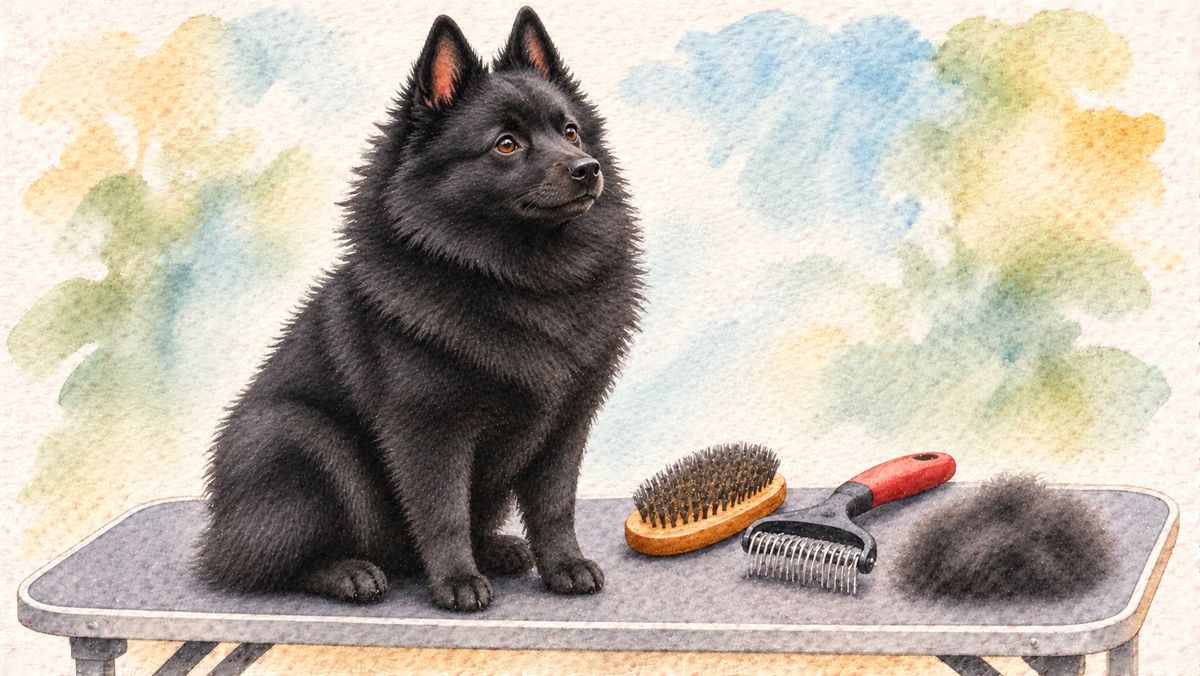
Yes, they shed. Their harsh double coat sheds moderately through the year and more heavily a few times a year, when they shed out their undercoat.
During these seasonal coat blows, you may notice a lot of loose hair for a couple of weeks. Extra brushing during this time helps remove dead hair and keeps your home tidier.
Grooming Routine
Schipperke grooming is fairly simple most of the year:
- Brushing: Brush once a week to remove loose hair and keep the coat healthy, and more often during shedding seasons.
- Bathing: An occasional bath is usually all the coat needs.
- No trimming needed: The natural coat shape gives the breed its classic outline, so heavy trimming is not required.
- Nails: Trim nails every few weeks.
- Teeth: Brush your dog's teeth several times a week to support dental health.
- Ears: Check the ears weekly for dirt or redness.
Schipperke Health and Lifespan
The Schipperke lifespan is fairly long, with many dogs living about 13 to 15 years. Small breeds often enjoy long lives, and good care can help your dog stay healthy well into its senior years.
The breed is generally healthy, but like all dogs, it may be prone to certain conditions. Responsible breeders screen their dogs, and concerns may include:
- Hip dysplasia: An abnormal formation of the hip joint.
- Luxating patella: A condition in which the kneecap slips out of place, which is common in small breeds.
- Eye conditions: Regular eye checks help catch problems early.
- Thyroid issues: Some dogs may be affected by thyroid conditions.
- MPS IIIB: An inherited condition for which a DNA test is available, so ask breeders about testing.
These small dogs can gain weight if they are overfed, so portion control and regular exercise are important. Always work with your veterinarian to plan checkups, vaccinations and preventive care.
Feeding and Nutrition
This breed does best on a complete and balanced dog food formulated for small breeds. Small-breed formulas usually have smaller kibble and are designed with the energy needs of small, active dogs in mind.
Puppies should eat a food made for puppies to support healthy growth and development. Portion sizes depend on age, weight and activity level, so follow the guidelines on the food package and ask your veterinarian for advice. Treats are useful for training but should make up only a small part of your dog's daily calories.
History of the Schipperke
The breed comes from the Flemish provinces of Belgium, where it has been known for several centuries. It was a popular watchdog and ratter among working people, including shopkeepers and craftsmen in towns such as Brussels and Antwerp.
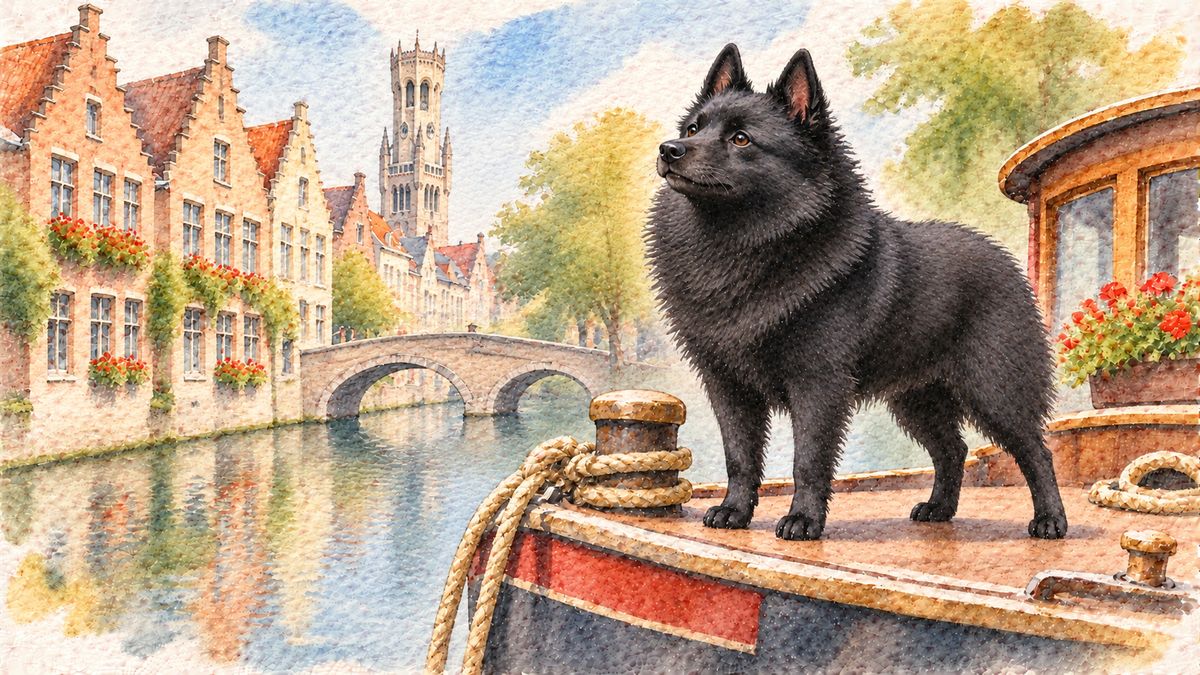
The dogs also became well known on the canal barges that carried goods through Belgium and the Netherlands. They guarded the boats, alerted the crew to strangers and kept rats under control. This connection to boats is one reason the name is often linked to the Flemish word for "little captain" or "little boatman."
In the late 1800s, the breed gained new popularity after Queen Marie Henriette of Belgium took an interest in it. Interest soon spread to England and the United States. The American Kennel Club recognized the Schipperke in 1904.
Schipperke vs Pomeranian
Because of their foxy faces, pointed ears and fluffy ruffs, the Schipperke and the Pomeranian are sometimes confused. The Pomeranian is a much smaller toy breed with a very full, fluffy coat that comes in many colors. The Schipperke is larger and sturdier, has a harsher coat that is usually solid black, and was bred as a working watchdog and ratter. Both breeds are lively, alert and vocal.
Is a Schipperke Right for You?
A Schipperke could be a wonderful match if you:
- Want a small but sturdy and energetic companion
- Enjoy daily walks and active play
- Like a dog with a big personality and lots of curiosity
- Want an alert watchdog that announces visitors
- Have the patience for consistent, positive training
- Have a securely fenced yard or can always use a leash
A Schipperke may not be the best fit if you:
- Want a quiet dog that rarely barks
- Keep small pets such as hamsters, gerbils or rats
- Prefer a calm lapdog with low exercise needs
- Are not prepared for seasonal shedding
Finding a Schipperke Puppy
Because the breed is less common than many small dogs, you may need to join a waiting list for a puppy. Look for a reputable breeder who health-tests their dogs, raises puppies in a home environment and is happy to answer questions. Breed clubs and rescue groups are also good places to find adult dogs that need loving homes.
Fun Facts About the Schipperke
- The name is often translated as "little captain" in Flemish.
- These dogs once guarded canal barges in Belgium and kept them free of rats.
- Fans sometimes call the breed the "little black devil."
- Many are born with very short tails or no tail at all.
- Queen Marie Henriette of Belgium helped make the breed popular in the late 1800s.
- The AKC recognized the Schipperke in 1904.
Frequently Asked Questions
How big do Schipperkes get?
Males usually stand 11 to 13 inches tall and females 10 to 12 inches, with most adults weighing 12 to 18 pounds.
Are Schipperkes good family dogs?
Yes. They are known for their fondness for children and make playful, loyal family pets. Supervise play with young kids, as with any dog.
How long do Schipperkes live?
Many live around 13 to 15 years with good care, a healthy diet and regular veterinary checkups.
Do Schipperkes shed a lot?
They shed moderately most of the year and heavily a few times a year. Weekly brushing, with extra sessions during shedding seasons, helps manage loose hair.
Do Schipperkes bark a lot?
They are alert watchdogs and can be vocal. Early training and plenty of exercise help keep barking under control.
What does "Schipperke" mean?
The name comes from Flemish and is usually translated as "little captain," though some sources suggest "little boatman" or "little shepherd."
Final Thoughts
The Schipperke is a small dog with a bold heart, a sharp mind and centuries of history as a loyal watchdog. It needs daily exercise, consistent training and a family that enjoys its curious, mischievous personality. If you are ready for an active and devoted little companion, a Schipperke could be the perfect "little captain" for your home.