
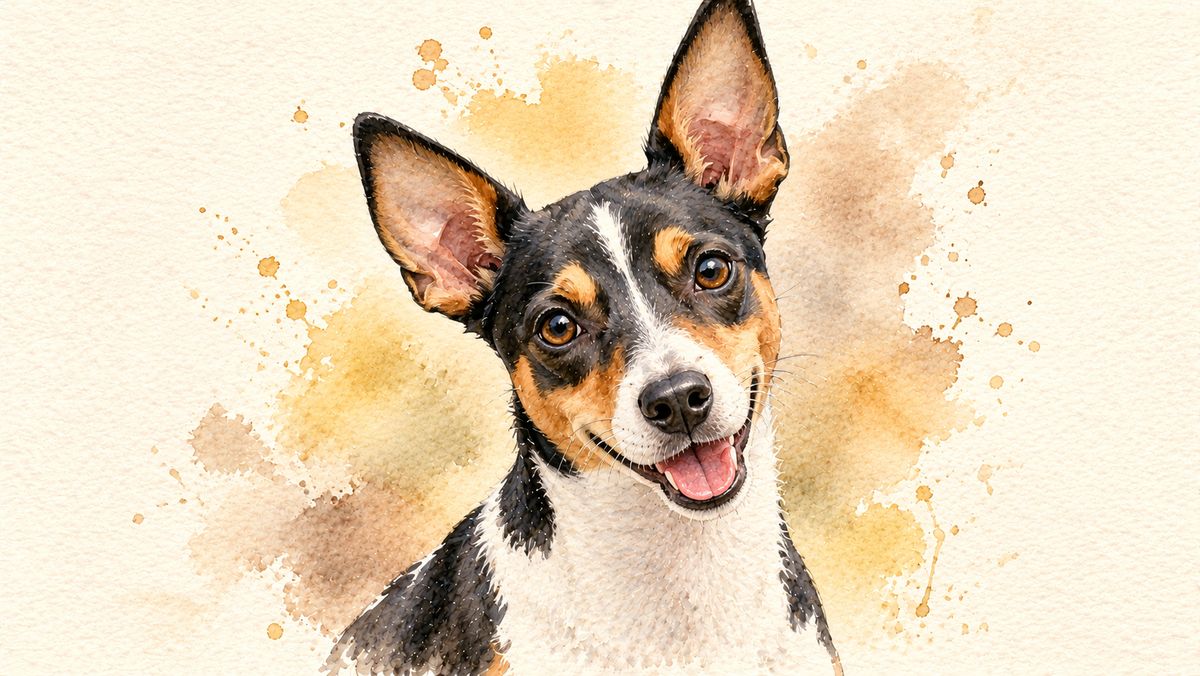
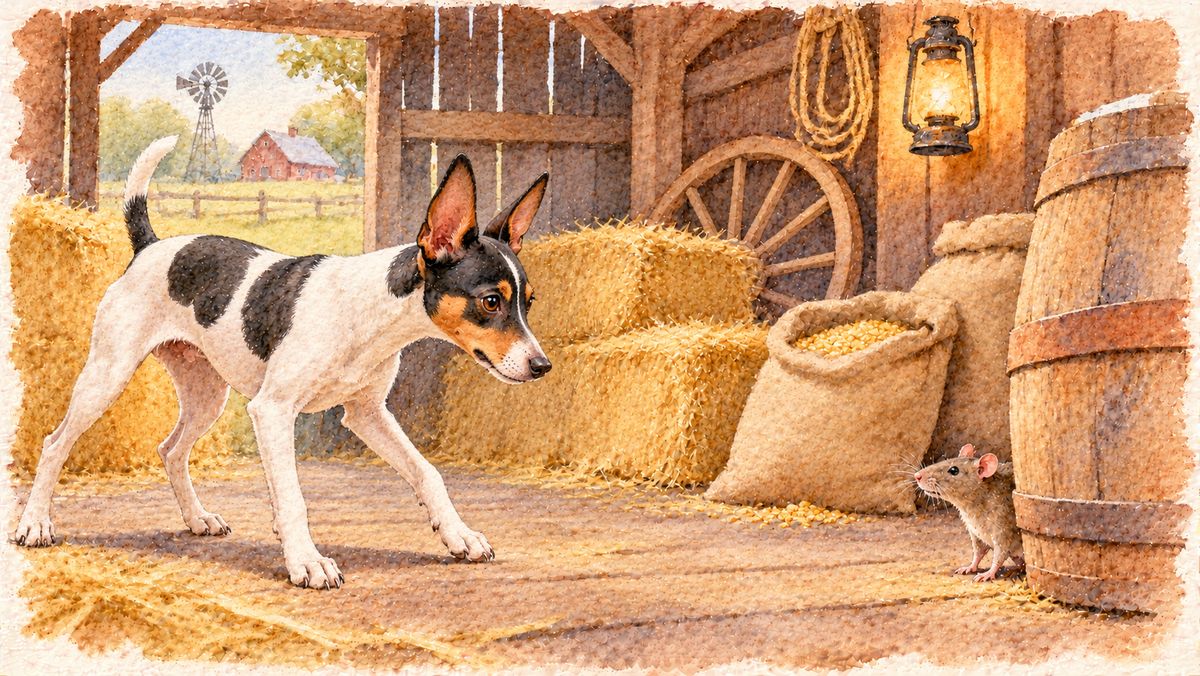
The Rat Terrier is a bright, friendly and endlessly curious little dog that was born and raised on American farms. With its alert ears, sleek short coat and lively pied markings, this breed looks like it is always ready for the next adventure. For generations, it earned its keep by clearing barns and feed rooms of rats and other pests.
Today, this breed is more likely to be found curled up on the couch than patrolling a grain shed, but it has kept its sharp mind and playful spirit. In this complete Rat Terrier dog breed guide, you will learn about its size, temperament, grooming needs, exercise requirements, health, diet and fascinating history, so you can decide whether this all-American terrier is the right match for your home.
Rat Terrier at a Glance
| Trait | Details |
|---|---|
| Breed group | Terrier (AKC) |
| Height | Miniature 10 to 13 inches (25 to 33 cm); Standard over 13 to 18 inches (33 to 46 cm) |
| Weight | Roughly 10 to 25 pounds (4.5 to 11 kg), depending on size variety |
| Life expectancy | 12 to 18 years |
| Coat | Short, smooth, dense |
| Colors | Pied patterns with white plus black, chocolate, red, apricot, blue, fawn, tan or lemon |
| Shedding | Moderate; seasonal |
| Energy level | Moderate |
| Temperament | Friendly, curious, loyal, playful, alert |
| Good for | Active families, homes with older kids, people who want a sturdy small dog |
| Origin | United States (19th century) |
What Is a Rat Terrier?
The Rat Terrier is a small, athletic terrier developed by American farmers in the 1800s. Its original job was simple: keep rats and other vermin away from crops, barns and henhouses. These dogs were fast, fearless and tireless, and they quickly became a familiar sight on farms across the country.
Unlike some terriers that were bred mainly for one task, this dog was a true multipurpose farm dog. It hunted pests, kept watch over the property and doubled as a cheerful companion for farm families. That blend of work ethic and affection still defines the breed today.
The American Kennel Club placed the breed in its Terrier Group when the breed gained full recognition in 2013, making it one of the newer AKC breeds, even though its roots go back well over a century.
Rat Terrier Size and Appearance
How Big Do Rat Terriers Get?
Rat Terriers come in two sizes. Miniatures stand about 10 to 13 inches tall at the shoulder, while Standards measure over 13 inches and up to about 18 inches. Most adults weigh somewhere between 10 and 25 pounds, depending on their size variety and build.
Whatever the size, the dog should look compact, muscular and balanced. It has a wedge-shaped head, bright expressive eyes and alert ears that may stand erect or tip over slightly at the top. The body is slightly longer than it is tall, and the dog moves with a quick, springy, efficient gait.
The tail can be naturally long, naturally short (a bobtail) or, in some countries, docked. The overall impression is of a hardy little athlete that is built for speed and agility.
Coat and Colors
This breed wears a short, smooth, dense coat that has a natural shine. It is easy to care for and suits a busy household well.
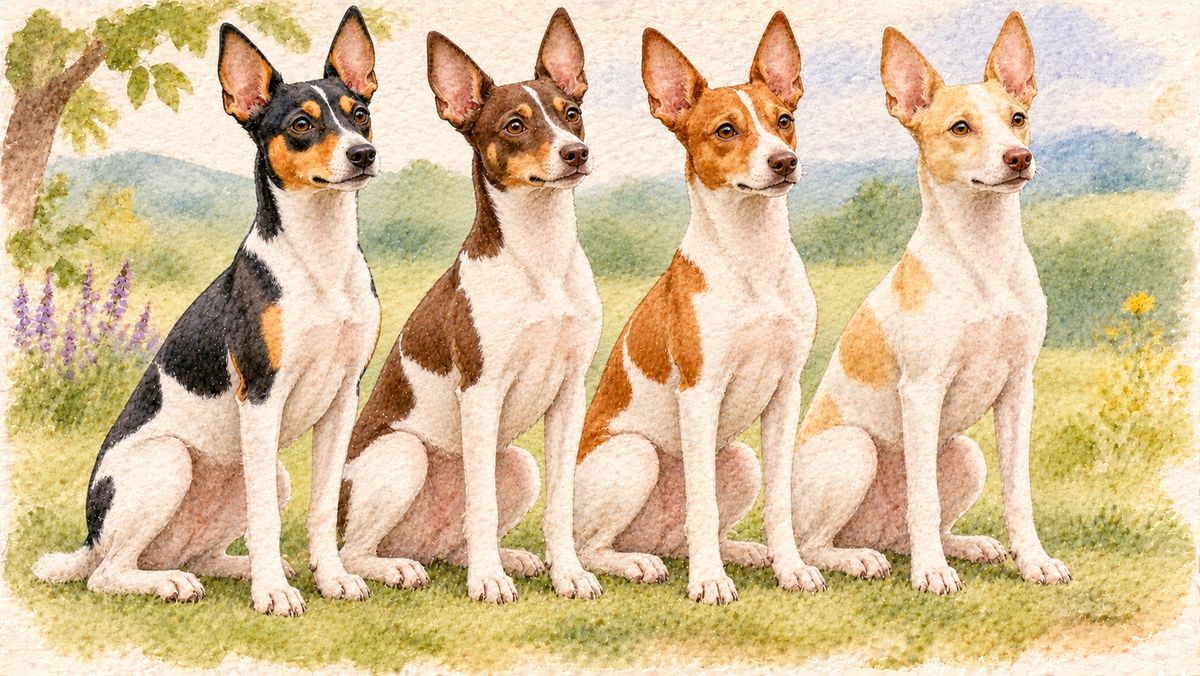
Color is one of the breed's most eye-catching features. These dogs are always pied, which means white combined with patches of color. Common colors include black, chocolate, red, apricot, blue, fawn, tan and lemon. Many dogs are tricolor, with black, tan and white being an especially classic combination.
Rat Terrier Temperament and Personality
The Rat Terrier temperament is one of the main reasons people fall in love with this breed. These dogs are known for being:
- Friendly: They are usually warm and welcoming with the people they know, and many enjoy meeting new friends once properly introduced.
- Curious: They want to investigate every sound, smell and corner of the yard.
- Loyal: This breed bonds closely with its family and likes to be involved in daily life.
- Playful: This dog is always ready for a game of fetch, tug or chase.
- Alert: Their watchful nature makes them good little watchdogs that will announce visitors.
- Intelligent: They pick up new routines quickly and enjoy learning tricks.
While they are lively outdoors, many of these dogs settle down nicely indoors once their exercise needs are met. Owners often describe them as happy-go-lucky companions that are equally comfortable on a hike or snuggled under a blanket.
Are Rat Terriers Good Family Dogs?
Yes, they are generally excellent family dogs. They tend to get along well with children, especially when they are raised together and kids are taught to play kindly. Their sturdy build makes them a bit more robust than many toy breeds, but supervision is still important with very young children.
Are Rat Terriers Good With Other Pets?
Most get along well with other dogs and can live happily with cats, particularly when introduced early. However, they were bred to hunt rodents, so homes with hamsters, gerbils, rats or guinea pigs should take extra care and keep small pets safely separated.
Early socialization helps a great deal. Introduce your Rat Terrier puppy to a variety of people, animals, places and sounds so it grows into a confident, well-mannered adult.
Training a Rat Terrier
These terriers are smart and eager to engage, which makes them fun to train. Like many terriers, they can also show an independent streak, so training works best when it feels like a game. Positive reinforcement with praise, play and small treats will get far better results than harsh corrections.
Here are a few training tips for new owners:
- Start early. Begin basic manners and socialization as soon as your puppy comes home.
- Keep it short and fun. Brief, upbeat sessions hold a terrier's attention better than long drills.
- Teach a reliable recall. A strong "come" cue is important for a breed that loves to chase.
- Channel the digging. Many of these dogs love to dig. A designated digging spot or sandbox can save your garden.
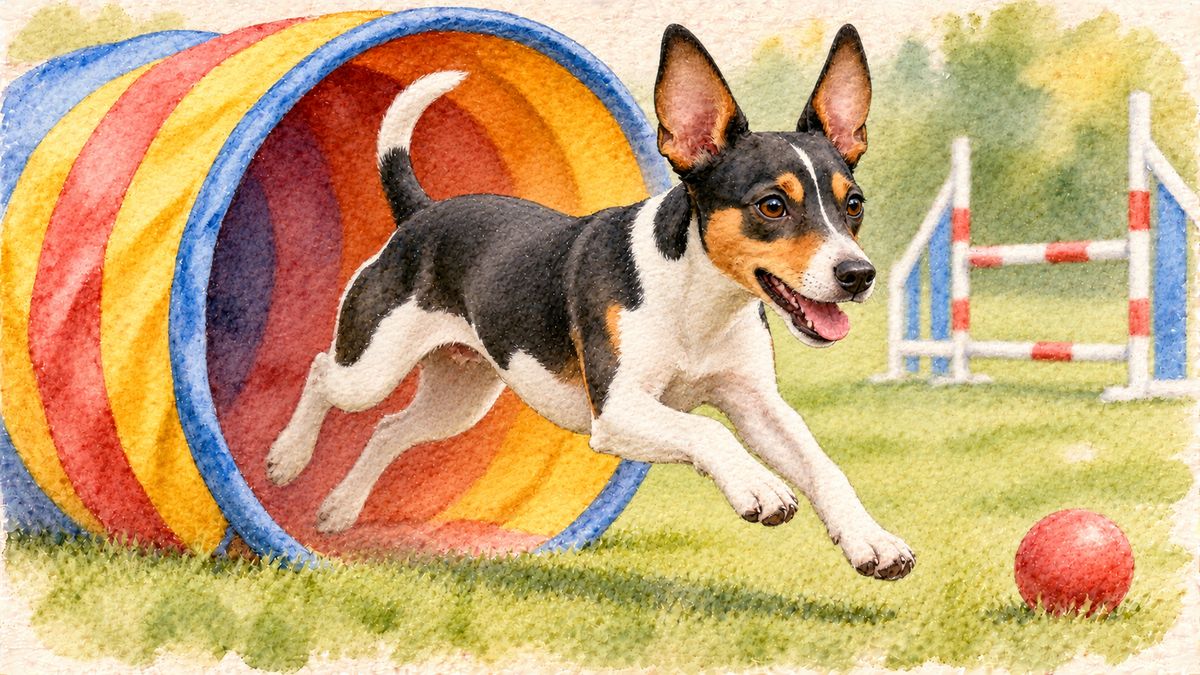
- Try dog sports. The breed often shines in agility, obedience, earthdog trials and lure coursing.
Rat Terrier Exercise Needs
This breed has a moderate energy level. It needs regular activity to burn off energy and stay content, but it does not demand hours of hard exercise each day. Daily walks plus some active play, such as fetch in a fenced yard, usually keep this breed happy.
Mental exercise matters too. Puzzle toys, scent games and short training sessions give a terrier's busy brain something to do. A bored terrier may invent its own entertainment, which can include barking, digging or chewing.
Always use a leash or a securely fenced area. These dogs have a strong prey drive and may take off after a squirrel or rabbit before you can call them back. Check your fence for gaps, since these clever dogs can be skilled escape artists.
Rat Terrier Grooming
Do Rat Terriers Shed?
Yes, they shed, mostly on a seasonal basis. Their short coat does not mat, but you will notice more loose hair during shedding season, usually in spring and fall.
Grooming Routine
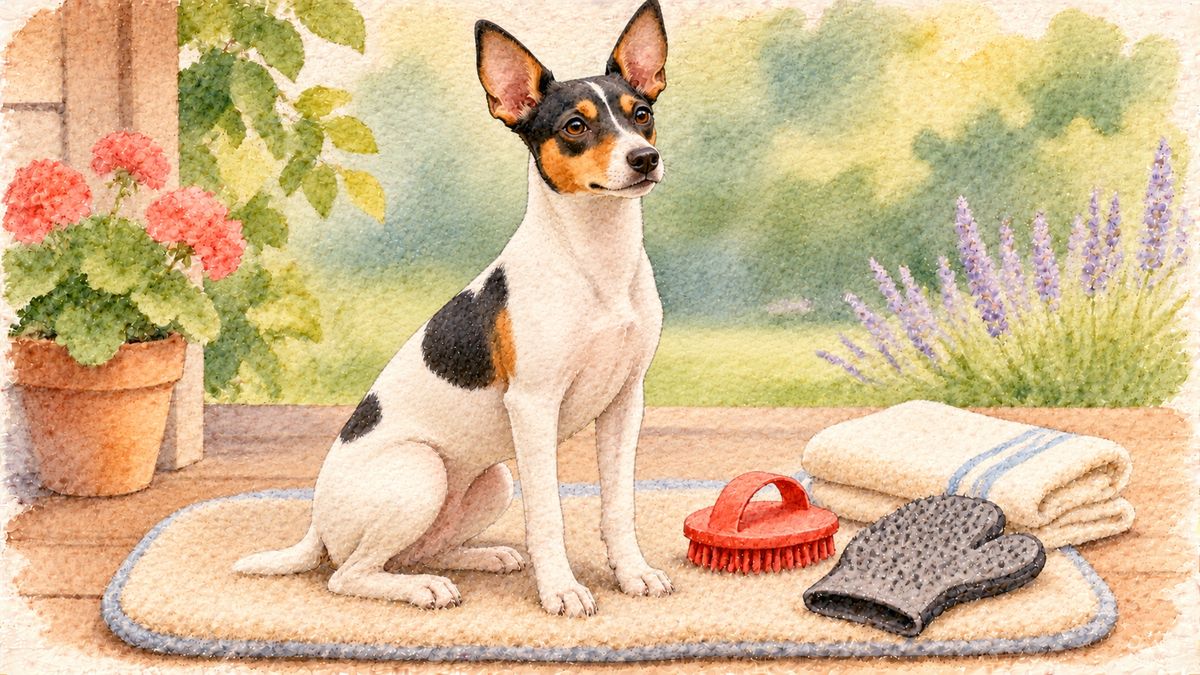
Rat Terrier grooming is refreshingly simple. Here is what a basic routine looks like:
- Brushing: Brush once a week with a soft brush or grooming mitt. During heavy shedding, a rubber curry brush or shedding tool helps lift out loose hair.
- Bathing: A bath about once a month, or whenever your dog gets dirty, is usually enough.
- Nails: Trim nails every few weeks so they don't grow too long.
- Teeth: Brush your dog's teeth several times a week to support good dental health.
- Ears: Check ears weekly and gently wipe away dirt.
Because the coat is so short, these dogs can feel the cold. A dog sweater or coat can make winter walks more comfortable.
Rat Terrier Health and Lifespan
How Long Do Rat Terriers Live?
The Rat Terrier lifespan is impressively long, often 12 to 18 years with good care. This makes the breed one of the longer-lived dogs, so be ready for a companion that may be with you for many years.
The breed is generally healthy, but like all breeds they can be prone to certain conditions. Responsible breeders screen their dogs for concerns that may include:
- Hip dysplasia: An abnormal formation of the hip joint.
- Patellar luxation: A condition in which the kneecap slips out of place.
- Legg-Calvé-Perthes disease: A hip condition seen in some small breeds.
- Heart conditions: Cardiac screening helps breeders make good choices.
- Eye disorders: Regular eye checks can catch issues early.
Keeping your dog at a healthy weight, providing regular exercise and scheduling routine checkups will help it stay well. Always work with your veterinarian to plan vaccinations, parasite prevention and preventive care.
Feeding and Nutrition
This terrier usually does well on a high-quality dog food designed for small breeds. Small-breed formulas often have smaller kibble that is easier to chew and are made with the energy needs of little dogs in mind.
If your dog tends to gain weight, a healthy weight formula may help. Puppies should eat a small-breed puppy food during their first year to support growth and development. Portion sizes depend on age, size and activity level, so follow the food package guidelines and ask your veterinarian for advice. Keep treats to a small part of daily calories.
History of the Rat Terrier
The breed's story begins on American farms in the 19th century. Farmers needed fast, brave dogs to control the rats that damaged grain and spread disease. They crossed several breeds to create the ideal pest controller.
Breeds often mentioned in its background include the Smooth Fox Terrier, the now-extinct Old English White Terrier, the Manchester Terrier and the Bull Terrier. Later, some breeders added Whippet and Italian Greyhound for speed, and Beagle for scenting ability. The result was a quick, keen and versatile little dog.
By the 1910s and 1920s, it was one of the most common dogs on American farms. A popular story links the breed's name to President Theodore Roosevelt, who is said to have kept terriers to deal with rats, although details of the tale vary.
As farmers began relying more on poisons for pest control, the breed's numbers declined. Dedicated fans kept it going, valuing it as a hunting partner, henhouse guardian, watchdog and family playmate. The American Kennel Club granted the breed full recognition in 2013.
Rat Terrier vs Jack Russell Terrier
People often compare the Rat Terrier vs Jack Russell Terrier because both are small, energetic and bred to hunt. The Jack Russell typically has a higher energy level and a more intense drive, while the Rat Terrier is often described as a little more easygoing and family-focused indoors. The Rat Terrier also comes in two size varieties and is always pied, while Jack Russells are mostly white with tan or black markings.
Is a Rat Terrier Right for You?
This breed could be a wonderful match if you:
- Want a small but sturdy dog with a big, friendly personality
- Enjoy daily walks and playtime
- Have children who know how to treat a dog kindly
- Prefer a short coat that is easy to groom
- Want a long-lived companion
- Can provide a secure, fenced yard or always use a leash
It may not be the best fit if you:
- Keep pet rodents such as hamsters, rats or gerbils
- Want a dog that is completely quiet
- Have a garden you never want dug up
- Are away from home for very long hours most days
Finding a Rat Terrier Puppy
When looking for a Rat Terrier puppy, choose a breeder who health-tests their dogs, raises puppies in a home environment and is happy to answer your questions. Ask whether the puppy is expected to be a Miniature or a Standard. You can also contact breed clubs and rescue groups, since adult Rat Terriers sometimes need new homes.
Fun Facts About the Rat Terrier
- The breed was one of the most popular farm dogs in America in the 1910s and 1920s.
- The breed comes in two sizes: Miniature and Standard.
- Some are born with naturally short bobtails.
- Whippet and Italian Greyhound ancestry may help explain the breed's speed.
- The Rat Terrier earned full AKC recognition in 2013.
- These dogs can compete in earthdog trials, which test their hunting instincts.
Frequently Asked Questions
How big do Rat Terriers get?
Miniatures stand about 10 to 13 inches tall, while Standards stand over 13 and up to 18 inches. Most adults weigh roughly 10 to 25 pounds.
Are Rat Terriers good family dogs?
Yes. They are usually friendly, loyal and good with children, especially when raised with them. Supervision with young kids is always wise.
Do Rat Terriers shed a lot?
They shed moderately and mostly seasonally. Weekly brushing and a shedding tool during peak seasons keep loose hair under control.
How long do Rat Terriers live?
The typical Rat Terrier lifespan is 12 to 18 years, making it one of the longer-lived dog breeds.
Do Rat Terriers bark a lot?
They are alert and will bark to announce visitors or unusual sounds. Plenty of exercise and early training help keep barking in check.
Are Rat Terriers easy to train?
They are intelligent and quick learners, but they can be independent. Short, fun sessions with positive rewards work best.
Final Thoughts
The Rat Terrier is a true American original: smart, sturdy, loyal and full of fun. It brings a farm dog's work ethic and a family dog's warmth into one compact package. If you can offer daily activity, patient training and plenty of companionship, a Rat Terrier may become the cheerful, long-lived friend you have always wanted.