
The Pyrenean Shepherd is a small, lightning-quick herding dog from the mountains of southern France, known for its boundless energy and bright, expressive face. Fans affectionately call it the "Pyr Shep." For centuries, it worked the steep slopes of the Pyrenees, moving huge flocks of sheep with speed, intelligence and remarkable stamina.
This breed may be small, but it has the drive and brainpower of a much larger working dog. In this complete dog breed guide, you will learn about its size, two coat varieties, temperament, exercise and grooming needs, health, diet and history, so you can decide whether this lively herder is the right fit for your home.
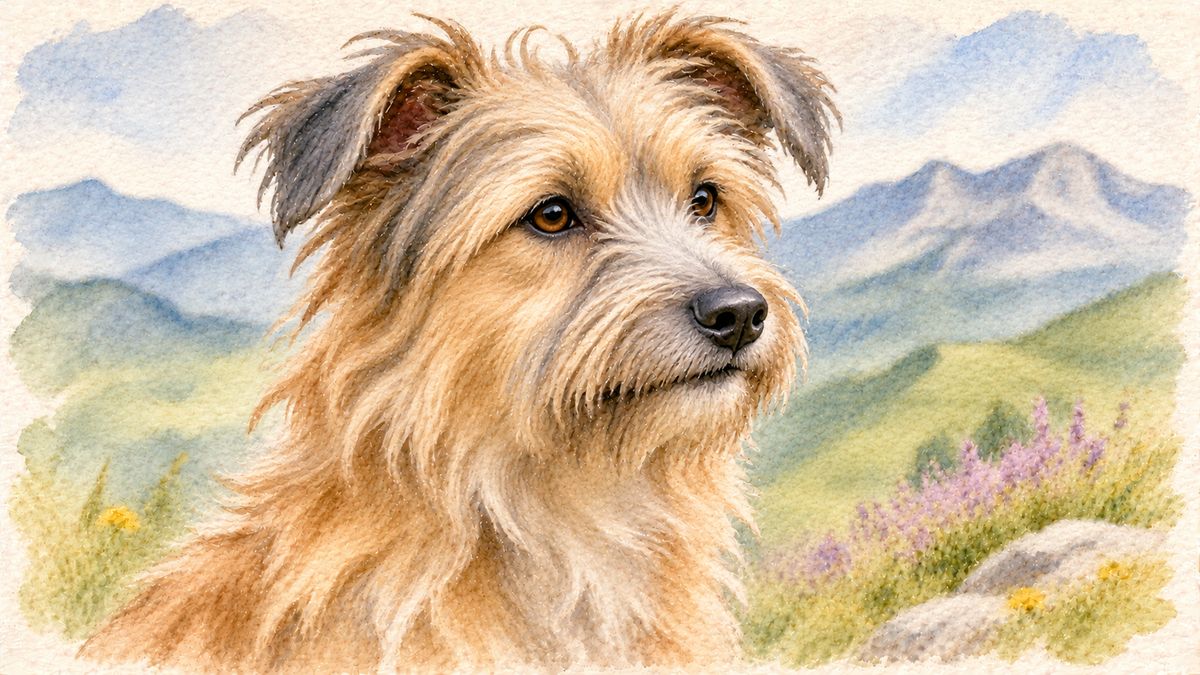
Pyrenean Shepherd at a Glance
| Trait | Details |
|---|---|
| Breed group | Herding (AKC) |
| Height | 15 to 21 inches (38 to 53 cm), depending on variety and sex |
| Weight | 15 to 35 pounds (7 to 16 kg) |
| Life expectancy | About 15 to 17 years |
| Coat | Rough-Faced: long or demi-long; Smooth-Faced: short |
| Colors | Fawn, gray, black, merle, brindle, white and more |
| Shedding | Moderate |
| Energy level | High |
| Temperament | Alert, sensitive, intelligent, cheerful |
| Good for | Active families, dog sports enthusiasts |
| Origin | France (Pyrenees Mountains) |
What Is a Pyrenean Shepherd?
This is a small herding breed developed in the Pyrenees Mountains along the border of France and Spain. Shepherds there relied on these agile dogs to gather and drive flocks across rugged terrain. Larger livestock guardians, such as the Great Pyrenees, protected the sheep from predators, while the smaller herders kept the flock moving.
The breed comes in two varieties: the Rough-Faced and the Smooth-Faced. Both share the same lively personality and working ability. In the United States, the breed is a member of the American Kennel Club's Herding Group, which it joined in 2009. It is still considered a rare breed.
Pyrenean Shepherd Size and Appearance
How Big Do Pyrenean Shepherds Get?
Most adults weigh between 15 and 35 pounds and stand roughly 15 to 21 inches tall at the shoulder. Rough-Faced dogs are usually 15 to 18.5 inches tall, while Smooth-Faced dogs can be a little taller, up to about 21 inches.
The breed has a lean, light-boned but powerful build designed for speed and agility. The head is roughly triangular, with an alert, intelligent expression. Ears may be naturally semi-prick or folded, and the dog moves with a quick, flowing, ground-covering gait.
Coat and Colors
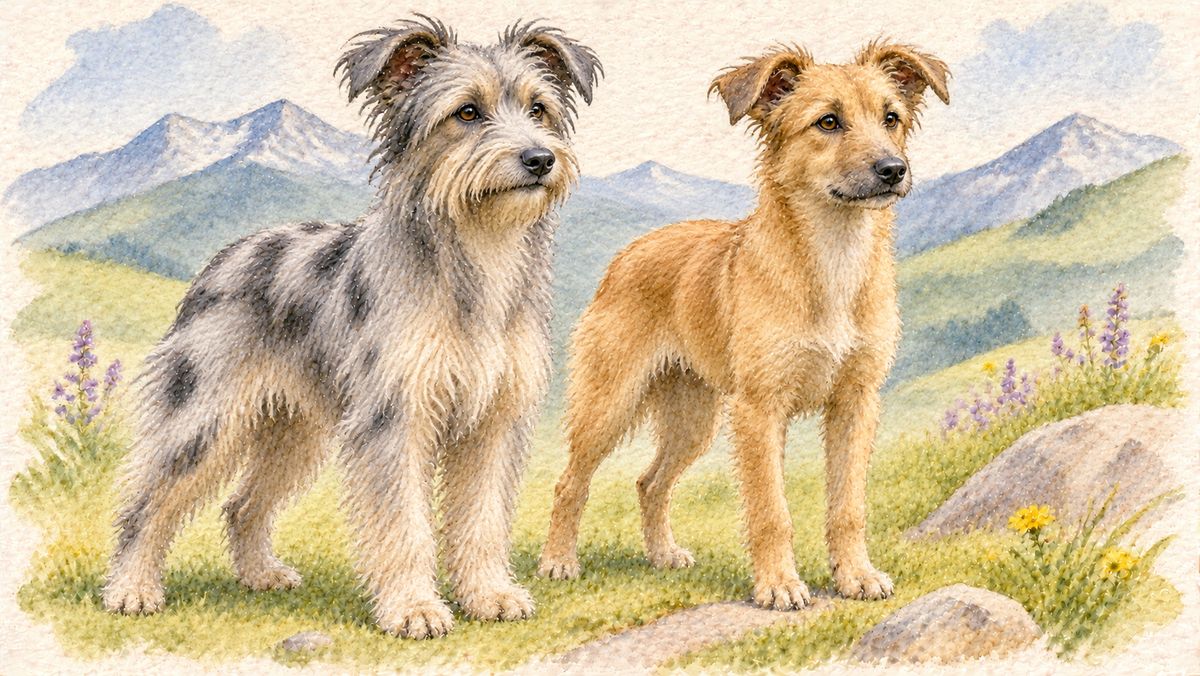
The two varieties are easy to tell apart. The Rough-Faced variety has long or demi-long hair, with a tousled look on the body and longer hair around the face. On some dogs, the coat on the hindquarters can form loose cords or clumps. The Smooth-Faced variety has short, fine hair on the muzzle and a shorter coat overall.
Colors include fawn, fawn merle, gray, slate gray, black, black and white, blue merle, brindle, brindle merle and white. Many dogs have small white markings on the chest or feet.
Pyrenean Shepherd Temperament and Personality
The Pyrenean Shepherd temperament is energetic, devoted and full of personality. These dogs are known for being:
- Alert: They are always watching and quick to react to anything new.
- Intelligent: They learn fast and can think for themselves, as herders must.
- Sensitive: They are deeply attuned to their owners and respond best to gentle handling.
- Cheerful and energetic: They bring enthusiasm to every game and activity.
- Devoted: They often bond closely with one person or with their family.
These dogs do best when they have a job to do. Without enough exercise and mental work, they may become restless, noisy or destructive. They can also be reserved or wary with strangers, so early socialization is essential.
Are Pyrenean Shepherds Good Family Dogs?
Yes, they can be excellent family dogs for active households. They are loving with their people and enjoy being involved in family activities, especially outdoor ones.
They tend to do best with older, respectful children. Their herding instincts may cause them to chase or nip at running kids, so supervision and training matter. Most get along with other dogs when socialized early. Introducing your Pyrenean Shepherd puppy to many people, places and animals will help it grow into a confident adult.
Do Pyrenean Shepherds Bark a Lot?
Yes, many of these dogs are quite vocal. They were bred to work independently in the mountains and to alert their shepherds, so they often bark at strangers, unfamiliar sounds and anything that seems out of place.
Early training, plenty of exercise and a calm daily routine help keep barking in check. Rewarding quiet behavior from puppyhood is far more effective than scolding a sensitive dog.
Training a Pyrenean Shepherd
These clever dogs are very trainable and love to learn, but their sensitive nature means harsh corrections can backfire. Positive reinforcement with praise, play and treats is the most effective approach.
Here are a few training tips for new owners:
- Start early. Begin socialization and basic training as soon as your puppy comes home.
- Keep it upbeat. Short, varied sessions keep this quick-minded breed engaged.
- Build confidence. Gentle exposure to new experiences helps a wary dog feel secure.
- Manage barking. Teach a "quiet" cue, since these alert dogs like to sound the alarm.
- Try dog sports. The breed shines in agility, herding, obedience, flyball, tracking and more.
Exercise Needs
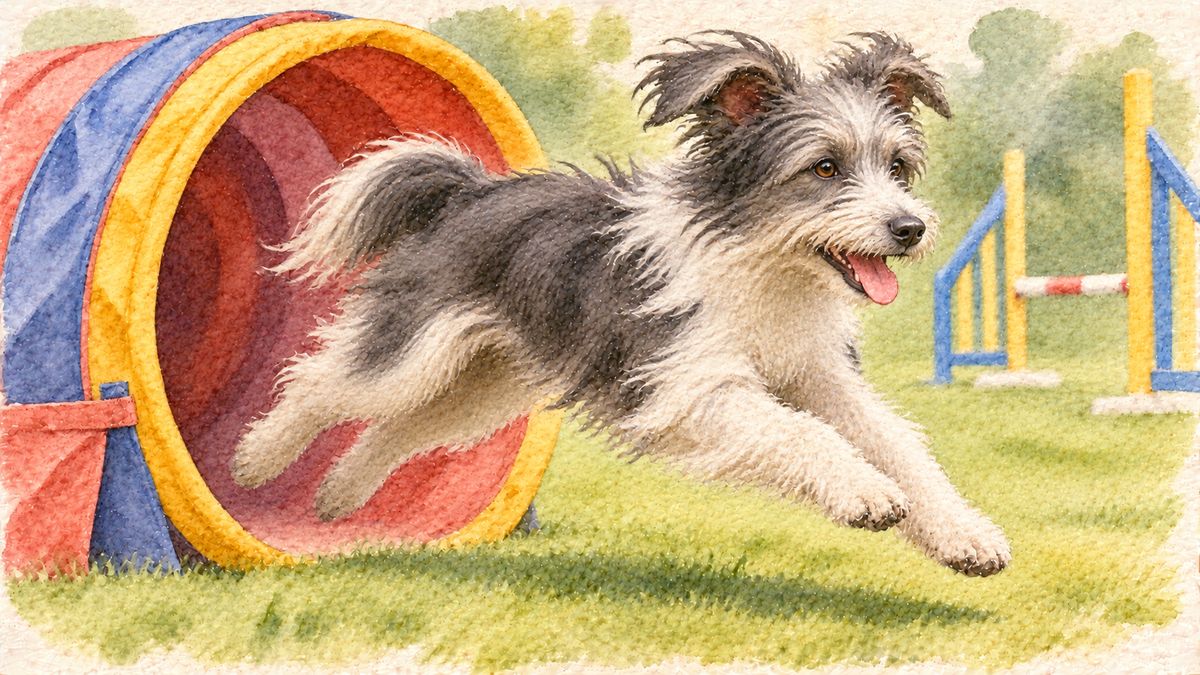
The breed is a high-energy athlete with great stamina. When working alongside a shepherd, one of these dogs can cover up to 25 miles a day. Pet dogs need at least an hour or more of vigorous activity daily, plus plenty of mental challenges.
Great activities include:
- Agility: Their speed and quick turns make them standouts on agility courses.
- Herding: Herding classes and trials tap into their natural instincts.
- Running and hiking: They make enthusiastic outdoor companions.
- Flyball and fetch: High-speed games help burn off energy.
- Puzzle toys and training games: Mental exercise is just as important as physical activity.
A securely fenced yard is ideal. These dogs are best suited to active owners who enjoy spending time outdoors and want a canine partner for adventures and sports.
Can a Pyrenean Shepherd Live in an Apartment?
It is possible, but only with a serious commitment to daily exercise. The breed's small size fits easily into smaller homes, yet its energy level means it needs long outings, active play and mental work every single day.
A home with a fenced yard and easy access to trails or open space is usually a better fit. Without enough activity, an apartment-dwelling dog may bark or become restless.
Weather and Living Conditions
Bred in the mountains, these hardy dogs handle cool, damp and windy weather well. The Rough-Faced coat offers a bit more protection from the cold, while the Smooth-Faced variety may be slightly more comfortable in mild climates. In hot weather, exercise early or late in the day and provide shade and fresh water.
Pyrenean Shepherd Grooming
Do Pyrenean Shepherds Shed?
Yes, they shed a moderate amount. Shedding often increases with seasonal changes, and regular brushing helps manage loose hair.
Grooming needs depend on the variety, but neither type requires elaborate styling. The breed is meant to look natural and a little rustic.
Grooming Routine
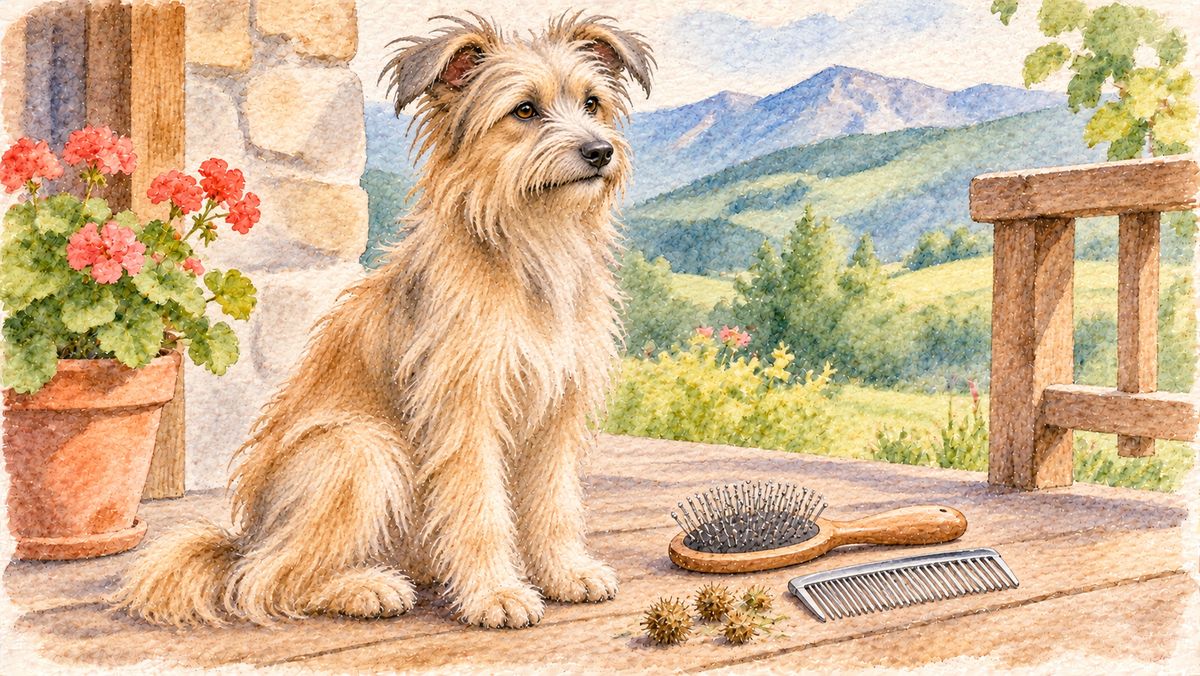
- Rough-Faced brushing: Brush once or twice a week to remove loose hair, debris and small tangles. Pay attention to the hindquarters, where the coat can clump.
- Smooth-Faced brushing: A quick weekly brushing is usually enough.
- Bathing: Bathe only as needed, such as after a muddy outing.
- Debris checks: After hikes or herding, check the coat for burrs, twigs and ticks.
- Nails: Trim nails regularly if they don't wear down naturally.
- Ears and teeth: Check ears weekly and brush teeth several times a week.
Pyrenean Shepherd Health and Lifespan
The breed is generally healthy and known for a long life. The typical lifespan is about 15 to 17 years, which is impressive for any dog.
Like all breeds, these dogs can be prone to certain conditions. Responsible breeders screen their dogs and may test for:
- Hip dysplasia: An abnormal formation of the hip joint.
- Eye conditions: Regular eye exams help detect problems early.
- Luxating patella: A condition in which the kneecap slips out of place.
Keeping your dog fit and at a healthy weight helps protect its joints during a long, active life. Always work with your veterinarian on regular checkups, vaccinations and preventive care.
Feeding and Nutrition
An active herder needs a high-quality, protein-rich dog food suited to its size and energy level. Very active dogs and those competing in sports may benefit from a performance formula.
Puppies should eat a food made for growing dogs. Adjust portions based on age, weight and activity, follow the guidelines on the package and ask your veterinarian for advice. As your dog ages, a formula that supports joint health may be worth discussing with your vet. Keep treats to a small part of the daily diet, and make sure fresh water is always available, especially after long runs or training sessions.
History of the Pyrenean Shepherd
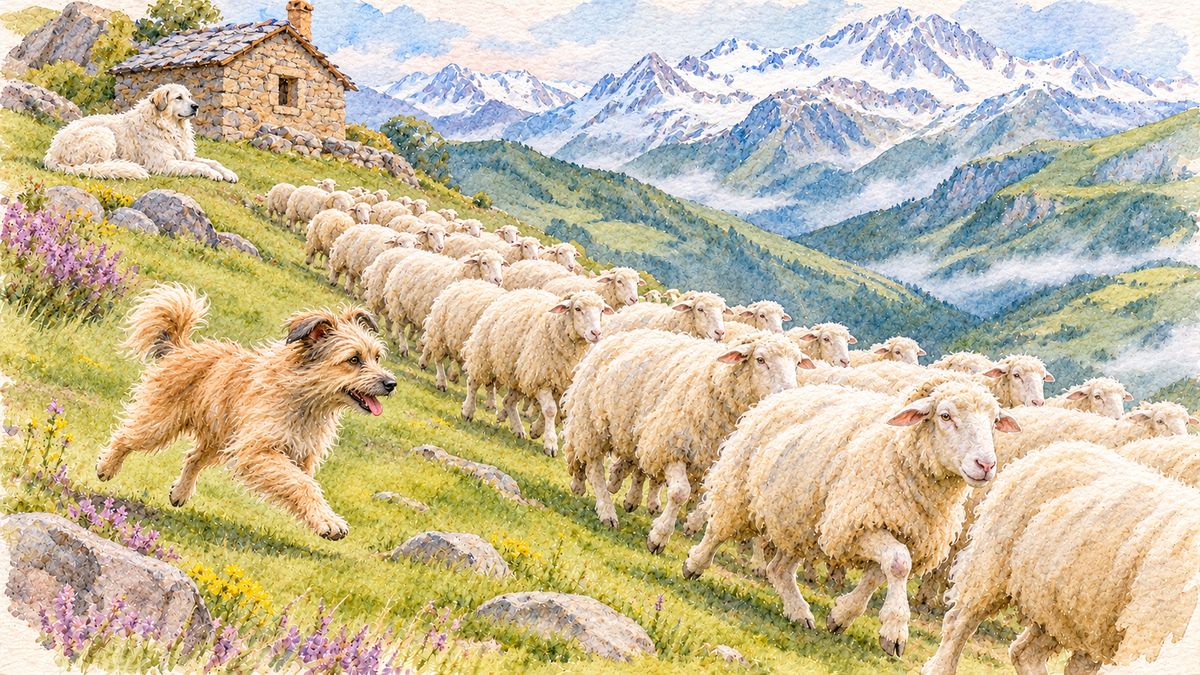
The breed has worked in the Pyrenees Mountains of southern France for centuries, and it is often described as one of the oldest French herding breeds. Shepherds valued these small dogs for their speed, intelligence and endurance on steep, rocky slopes.
Their abilities were remarkable. It is said that two of these dogs could herd a flock of 1,000 sheep. They often worked with large livestock guardian dogs, with the herders managing the flock while the guardians protected it.
During World War I, these dogs served the French army as couriers, guards and search-and-rescue dogs, carrying messages and locating wounded soldiers. Many gave their lives in service, and their courage helped bring wider attention to the breed.
Breed clubs in France worked to preserve the dogs after the war. The breed later spread to other countries, and the American Kennel Club welcomed it into the Herding Group in 2009.
Pyrenean Shepherd vs Australian Shepherd
The Pyrenean Shepherd is sometimes compared with the Australian Shepherd, since both are energetic, intelligent herders. The Australian Shepherd is larger and heavier, with a thicker double coat. The Pyr Shep is smaller and lighter, comes in two coat varieties and is known for its exceptional speed and agility.
Is a Pyrenean Shepherd Right for You?
This breed is happiest as a true partner rather than a background pet. It wants to train, play and explore with its people every day, and it can become frustrated in a home where it spends long hours alone with little to do.
A Pyrenean Shepherd could be a wonderful match if you:
- Lead an active lifestyle and enjoy outdoor adventures
- Want a partner for agility, herding or other dog sports
- Enjoy training and mental challenges
- Want a small dog with big working ability
- Can offer gentle, positive guidance
This breed may not be the best fit if you:
- Want a calm couch companion
- Have little time for exercise and training
- Want a dog that is instantly friendly with all strangers
- Need a quiet dog, since these herders like to bark
Finding a Pyrenean Shepherd Puppy
Because the breed is rare, finding a puppy may take time and patience. Look for breeders who health-test their dogs, raise puppies in a home environment and are happy to answer questions about both varieties. Breed clubs can help connect you with reputable breeders and rescue options.
Fun Facts About the Pyrenean Shepherd
- Fans call the breed the "Pyr Shep" for short.
- It comes in two varieties: Rough-Faced and Smooth-Faced.
- A working dog can cover up to 25 miles in a single day.
- Two dogs could reportedly herd a flock of 1,000 sheep.
- These dogs served as couriers and search-and-rescue dogs in World War I.
- The breed joined the AKC Herding Group in 2009.
Frequently Asked Questions
How big do Pyrenean Shepherds get?
Most adults weigh 15 to 35 pounds and stand roughly 15 to 21 inches tall, depending on variety and sex.
What is the difference between Rough-Faced and Smooth-Faced?
The Rough-Faced variety has long or demi-long hair, while the Smooth-Faced variety has short hair on the muzzle and a shorter coat overall.
Are Pyrenean Shepherds good family dogs?
They can be loving family dogs for active households, especially with older, respectful children and early socialization.
Do Pyrenean Shepherds shed?
Yes, they shed a moderate amount, with more shedding during seasonal changes. Regular brushing helps.
How long do Pyrenean Shepherds live?
The breed is known for a long lifespan of about 15 to 17 years with good care.
Are Pyrenean Shepherds easy to train?
They are smart and eager to learn but sensitive, so positive, reward-based training works best.
Final Thoughts
The Pyrenean Shepherd is a small dog with a big heart, a sharp mind and seemingly endless energy. It brings centuries of mountain herding history and a joyful spirit to the right home. If you can offer daily exercise, gentle training and plenty of adventure, a Pyrenean Shepherd may become your most loyal and lively companion.