The Russell Terrier is a small, spirited terrier with a big heart, a bright face and seemingly endless energy. Bred in England to work alongside fox hounds and dig after quarry underground, this compact dog is brave, clever and always ready for the next adventure. Its lively ears and alert expression tell you it never wants to miss a thing.
Although it began as a hard-working hunter, today this breed is also a cheerful companion for active families. In this complete Russell Terrier dog breed guide, you will learn about its size, temperament, coat types, grooming, exercise needs, health, diet and history, so you can decide whether this feisty little terrier is the right dog for your lifestyle.
Russell Terrier at a Glance
| Trait | Details |
|---|---|
| Breed group | Terrier (AKC) |
| Height | 10 to 12 inches (25 to 30 cm) |
| Weight | 9 to 15 pounds (4 to 7 kg) |
| Life expectancy | 12 to 14 years |
| Coat | Smooth, broken or rough; weatherproof |
| Colors | Predominantly white with black, tan, brown or cream markings, or tricolor |
| Shedding | Moderate; seasonal |
| Energy level | High |
| Temperament | Curious, playful, bold, intelligent, jovial |
| Good for | Active families, experienced owners, outdoor lovers |
| Origin | England, later developed in Australia |
What Is a Russell Terrier?
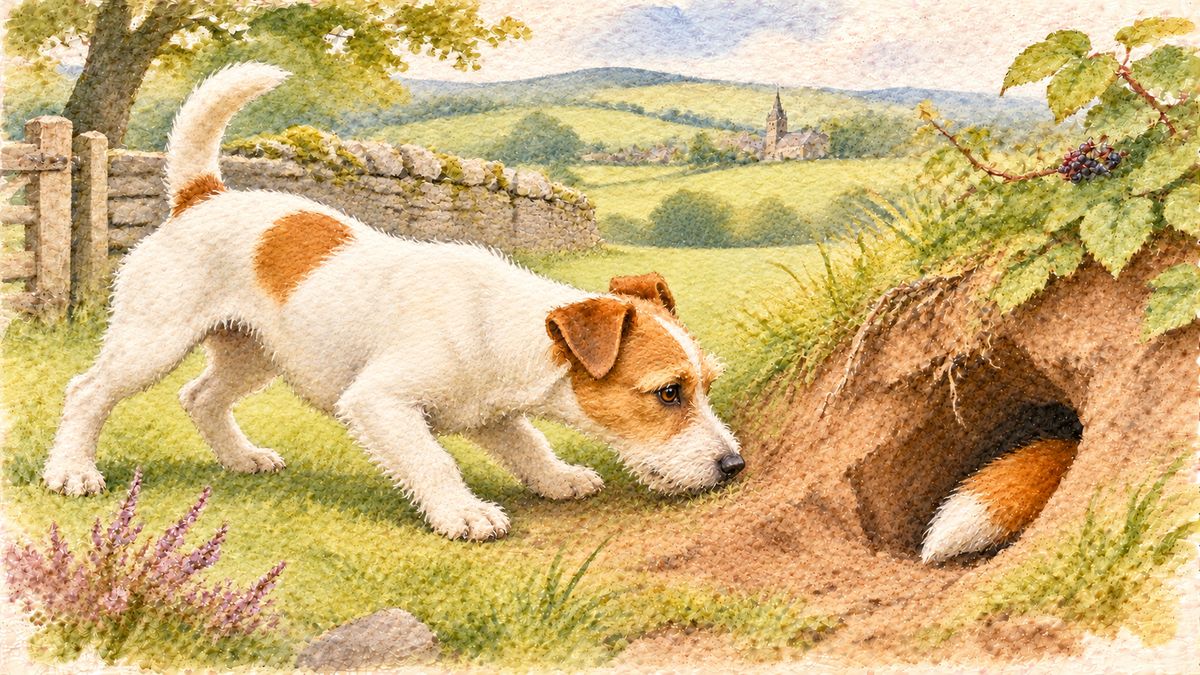
The Russell Terrier is a small working terrier bred to "go to ground," meaning it would follow foxes and other quarry into their dens. It needed to be fast enough to keep up with mounted hunters and hounds, yet compact and flexible enough to squeeze into narrow underground tunnels.
This breed shares its roots with the Parson Russell Terrier, and both trace back to the famous hunting terriers of 19th-century England. The lines later separated, and the shorter-legged type was refined in Australia, where it is still often called the Jack Russell Terrier.
The American Kennel Club recognizes the breed as a member of its Terrier Group. It gained full AKC recognition in 2012, making it one of the newer terriers in the AKC show ring.
Russell Terrier Size and Appearance
How Big Do Russell Terriers Get?
Russell Terriers are small dogs, standing about 10 to 12 inches tall at the shoulder and usually weighing 9 to 15 pounds. Their compact size makes them easy to carry, but their sturdy build gives them plenty of strength and stamina.
The body is slightly longer than it is tall, giving the dog a rectangular outline that helps it maneuver underground. The chest is narrow enough to be spanned by an adult's hands, a traditional test of whether a working terrier can fit into a fox den.
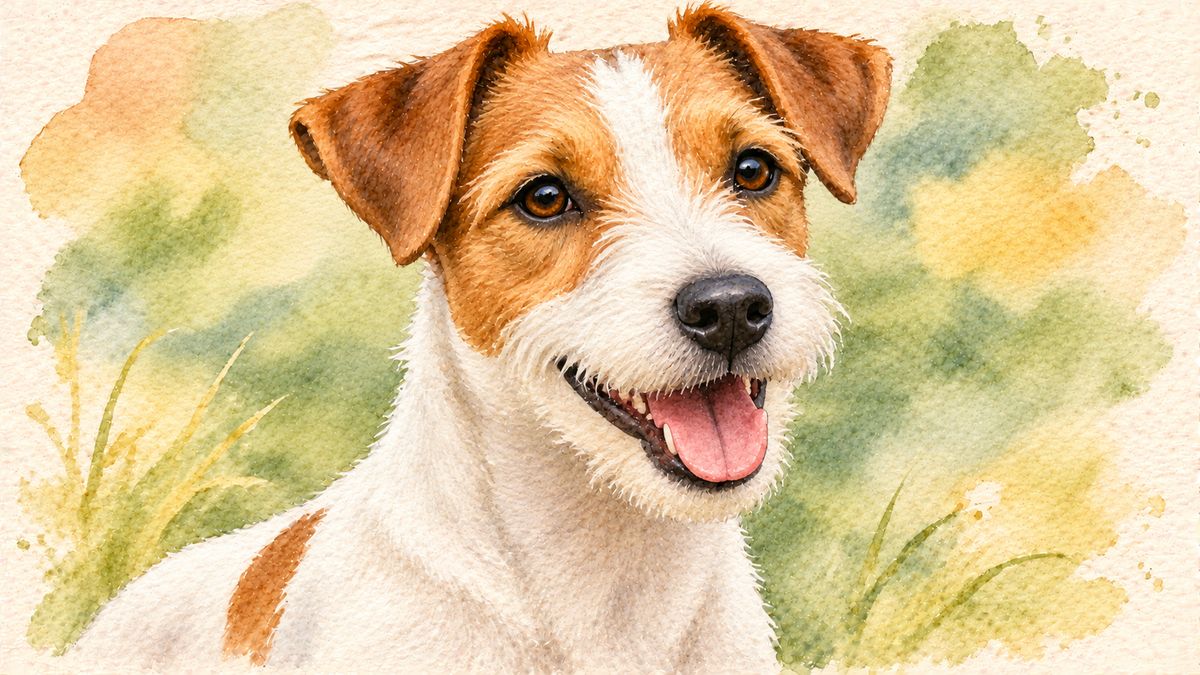
The head is flat between the ears, with almond-shaped dark eyes and small, mobile ears that fold forward. Those active ears add plenty of expression to the dog's bright, alert face. The tail is carried upright when the dog is on the move.
Coat Types and Colors
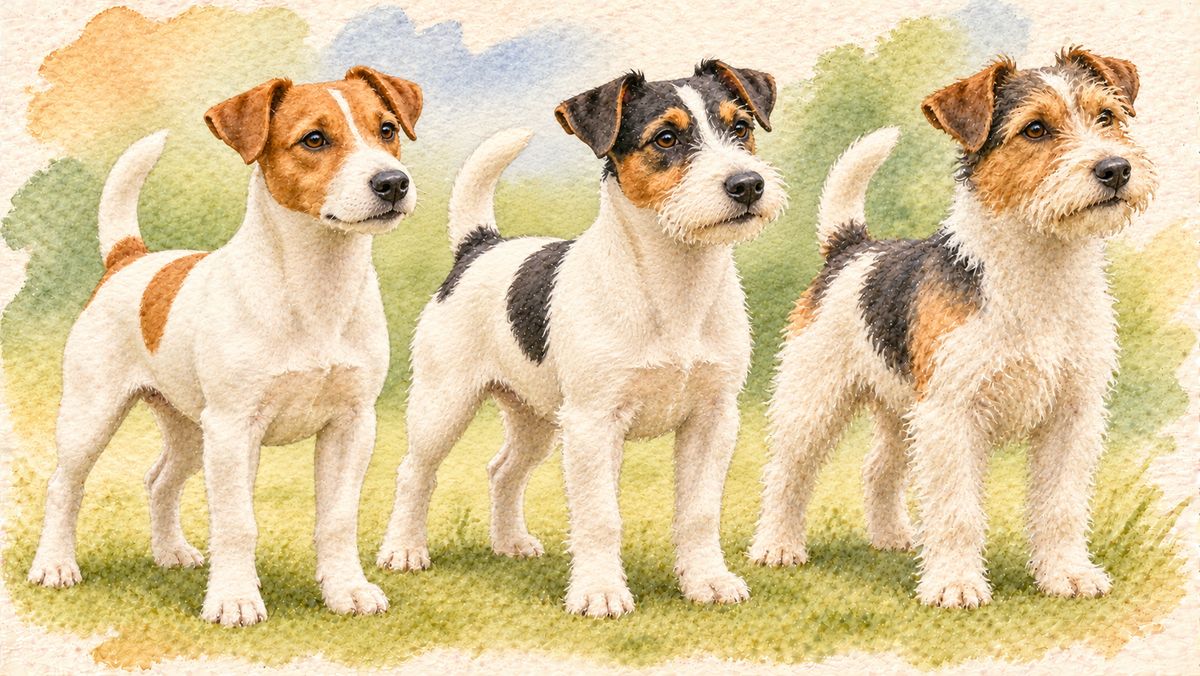
One fun feature of this breed is that it comes in three coat varieties:
- Smooth: A short, dense, close-lying coat.
- Rough: A longer, harsh, wiry coat with a bit of a beard and eyebrows.
- Broken: A mix between the two, with some longer wiry hair, often on the face.
All three coats are weatherproof and easy to care for. The coat is predominantly white, with markings in black, tan, brown or cream, and tricolor dogs are common. The white base color was useful in the field because it helped hunters tell the terrier apart from the fox.
Russell Terrier Temperament and Personality
The Russell Terrier temperament is full of spark and fun. These dogs are known for being:
- Curious: They want to explore every hole, bush and corner they can find.
- Playful: A game of fetch, tug or chase is always welcome.
- Jovial: Their happy, upbeat attitude makes them entertaining companions.
- Bold and fearless: Despite their size, they approach life with confidence and a sense of adventure.
- Intelligent: They are keen, quick thinkers who learn fast, sometimes faster than their owners expect.
- Energetic: Their compact bodies seem to run on an endless supply of energy.
These dogs love being part of the action and do best with families who enjoy spending time outdoors. Without enough activity and attention, they can become bored and find their own entertainment, often by digging, barking or chewing.
Are Russell Terriers Good Family Dogs?
Yes, Russell Terriers can be great family dogs for active households. They are playful and affectionate and often enjoy energetic games with older children who know how to play respectfully. Supervision with toddlers is wise, since a busy terrier and a small child may not always understand each other.
Are Russell Terriers Good With Other Pets?
Many get along with other dogs when socialized early, though their bold attitude means they may not back down from a larger dog. Because they were bred to hunt small animals, they may chase cats and are not usually a safe match for pet rodents, rabbits or ferrets.
Start socializing your puppy early by introducing it to many people, animals, places and sounds. This helps it grow into a confident, well-mannered adult.
Training a Russell Terrier
These terriers are keen and intelligent, but they also have an independent mind. Training works best when it is fun, varied and built on positive reinforcement. Short sessions with treats, praise and play will hold their attention far better than long, repetitive drills.
Here are a few training tips for new owners:
- Start early. Begin socialization and basic manners as soon as your puppy comes home.
- Keep it exciting. Mix up exercises and use games to keep training fresh.
- Work on recall. A dependable "come" cue is vital for a dog that loves to chase.
- Channel the instincts. Provide a digging pit or toys that let your terrier dig and hunt safely.
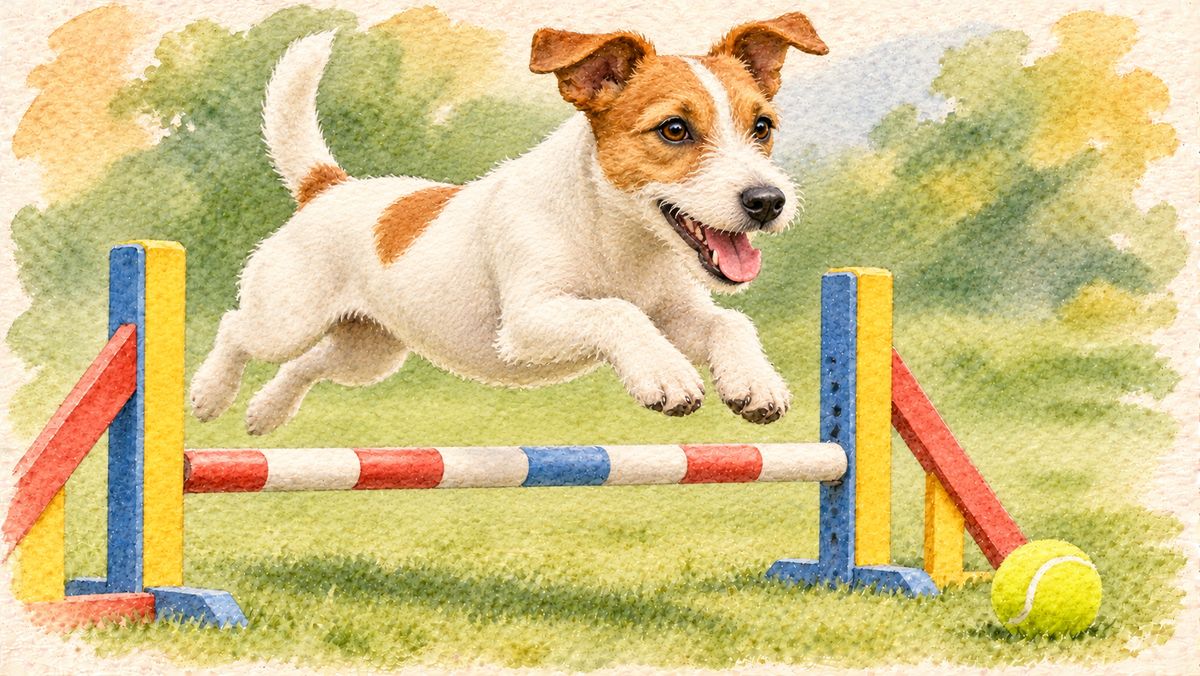
- Try dog sports. These dogs often excel in agility, rally, obedience, earthdog trials, lure coursing and tracking.
Russell Terrier Exercise Needs
This is a high-energy breed that needs plenty of daily exercise and mental stimulation. Several walks a day, combined with active play sessions, are a good starting point. Many love jogging, hiking and exploring new places with their families.
Mental challenges are just as important as physical exercise. Puzzle toys, scent games and trick training help tire out a busy terrier brain.
Always keep your dog on a leash or in a securely fenced yard. Russells can dig under or squeeze through surprisingly small gaps, and their strong prey drive can send them racing after a squirrel in an instant. Check fences regularly for weak spots.
Russell Terrier Grooming
Do Russell Terriers Shed?
Yes, Russell Terriers shed, mostly on a seasonal basis. Smooth-coated dogs tend to leave short white hairs around the house, while broken and rough coats may shed a little less visibly.
Grooming Routine
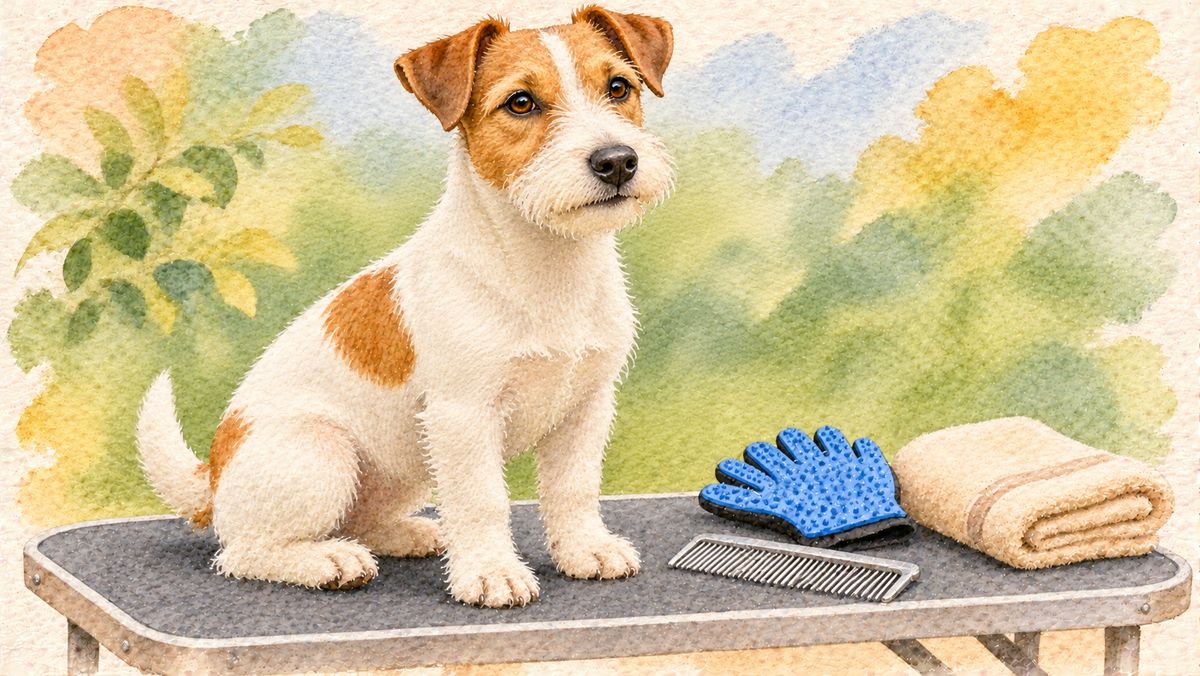
Russell Terrier grooming is easy, though it varies a little by coat type:
- Smooth coats: Give a weekly rubdown with a soft brush or hound glove.
- Broken and rough coats: Brush or comb weekly. Some owners have these coats hand-stripped to keep their natural texture.
- Bathing: Bathe only when needed, since the weatherproof coat naturally sheds dirt.
- Nails: Trim nails every few weeks if they don't wear down naturally.
- Teeth: Brush your dog's teeth several times a week to support dental health.
- Ears: Check ears weekly and gently clean away dirt.
Russell Terrier Health and Lifespan
How Long Do Russell Terriers Live?
The Russell Terrier lifespan is typically 12 to 14 years. With good nutrition, regular exercise and routine veterinary care, many stay lively well into their senior years.
Most of these dogs are healthy, but like all breeds they can be prone to certain conditions. Responsible breeders screen their dogs to help avoid concerns that may include:
- Patellar luxation: A condition in which the kneecap slips out of place, common in small breeds.
- Deafness: Hearing tests help breeders make informed choices.
- Eye disease: Regular eye exams can catch issues early.
Keeping your dog at a healthy weight and well exercised supports its joints and overall health. Always work with your veterinarian to set up a routine of checkups, vaccinations and preventive care.
Feeding and Nutrition
Like other small breeds, this terrier may benefit from a high-quality small-breed dog food. These formulas usually have smaller kibble and are designed for the energy needs of little dogs.
If your dog needs to manage its weight, a healthy weight formula may help. Puppies should eat a small-breed puppy food for their first year to support growth and development. Follow the feeding guidelines on the package and ask your veterinarian about portion sizes. Treats are great for training, but keep them to a small part of daily calories.
History of the Russell Terrier
The breed's story begins in England in the mid-1800s with the Reverend John Russell, a clergyman and passionate fox hunter known as "The Sporting Parson." He bred terriers that could run with fox hounds over long distances and then dive into dens to bolt or hold the fox.
Russell's dogs became famous, and terriers of his type spread throughout England. Over time, two types emerged: a taller, longer-legged dog and a shorter, more compact one. The taller type eventually became the Parson Russell Terrier.
The shorter-legged type was further developed in Australia, where breeders refined and standardized it. There, and in many countries worldwide, it is still known as the Jack Russell Terrier. In the United States, the AKC recognizes it as the Russell Terrier, a separate breed from the Parson Russell Terrier, and granted it full recognition in 2012.
Russell Terrier vs Parson Russell Terrier
People often compare the Russell Terrier vs Parson Russell Terrier because they share a common ancestor. The Russell Terrier is shorter, at about 10 to 12 inches, and slightly longer than it is tall. The Parson Russell is taller, usually around 13 to 14 inches, with a more square build and longer legs. Both are energetic, clever and bold.
Is a Russell Terrier Right for You?
This breed could be a great match if you:
- Lead an active lifestyle and enjoy daily outdoor time
- Want a small dog with a big, fun personality
- Have a securely fenced yard or always use a leash
- Enjoy training and dog sports
- Prefer an easy-care coat
- Have older children who play gently and respectfully
It may not be the best fit if you:
- Want a calm lapdog that is happy with little exercise
- Keep small pets such as hamsters, rabbits or rats
- Have a garden you never want dug up
- Are away from home for long hours most days
Finding a Russell Terrier Puppy
When looking for a Russell Terrier puppy, choose a breeder who health-tests for knees, hearing and eyes, raises puppies in a home environment and is happy to answer your questions. Ask which coat type the puppy is likely to have. Breed clubs and terrier rescue groups are also good places to find adult dogs needing new homes.
Fun Facts About the Russell Terrier
- The breed traces back to Reverend John Russell, known as "The Sporting Parson."
- It comes in three coat types: smooth, broken and rough.
- In Australia and many other countries, it is called the Jack Russell Terrier.
- The mostly white coat helped hunters tell the dog apart from the fox.
- It received full AKC recognition in 2012.
- These dogs can compete in earthdog trials that test their natural hunting skills.
Frequently Asked Questions
How big do Russell Terriers get?
They usually stand 10 to 12 inches tall at the shoulder and weigh 9 to 15 pounds.
Are Russell Terriers good family dogs?
Yes, for active families. They are playful and affectionate, and they do best with older children who know how to play respectfully.
Do Russell Terriers shed?
Yes, they shed seasonally. Weekly brushing or a rubdown with a hound glove keeps loose hair under control.
How long do Russell Terriers live?
The typical lifespan is 12 to 14 years with good care and regular veterinary checkups.
Is a Russell Terrier the same as a Jack Russell Terrier?
The AKC's Russell Terrier is the same type of dog known as the Jack Russell Terrier in Australia and many other countries. The taller Parson Russell Terrier is a separate breed.
Do Russell Terriers bark a lot?
They are alert and vocal and may bark at sounds or animals. Plenty of exercise, mental stimulation and early training help manage barking.
Final Thoughts
The Russell Terrier is a small dog with a mighty spirit. Curious, playful and endlessly energetic, it brings the heart of a true working terrier into a compact, easy-care package. If you can offer daily exercise, secure surroundings and fun, positive training, a Russell Terrier can be a joyful companion for every adventure.