
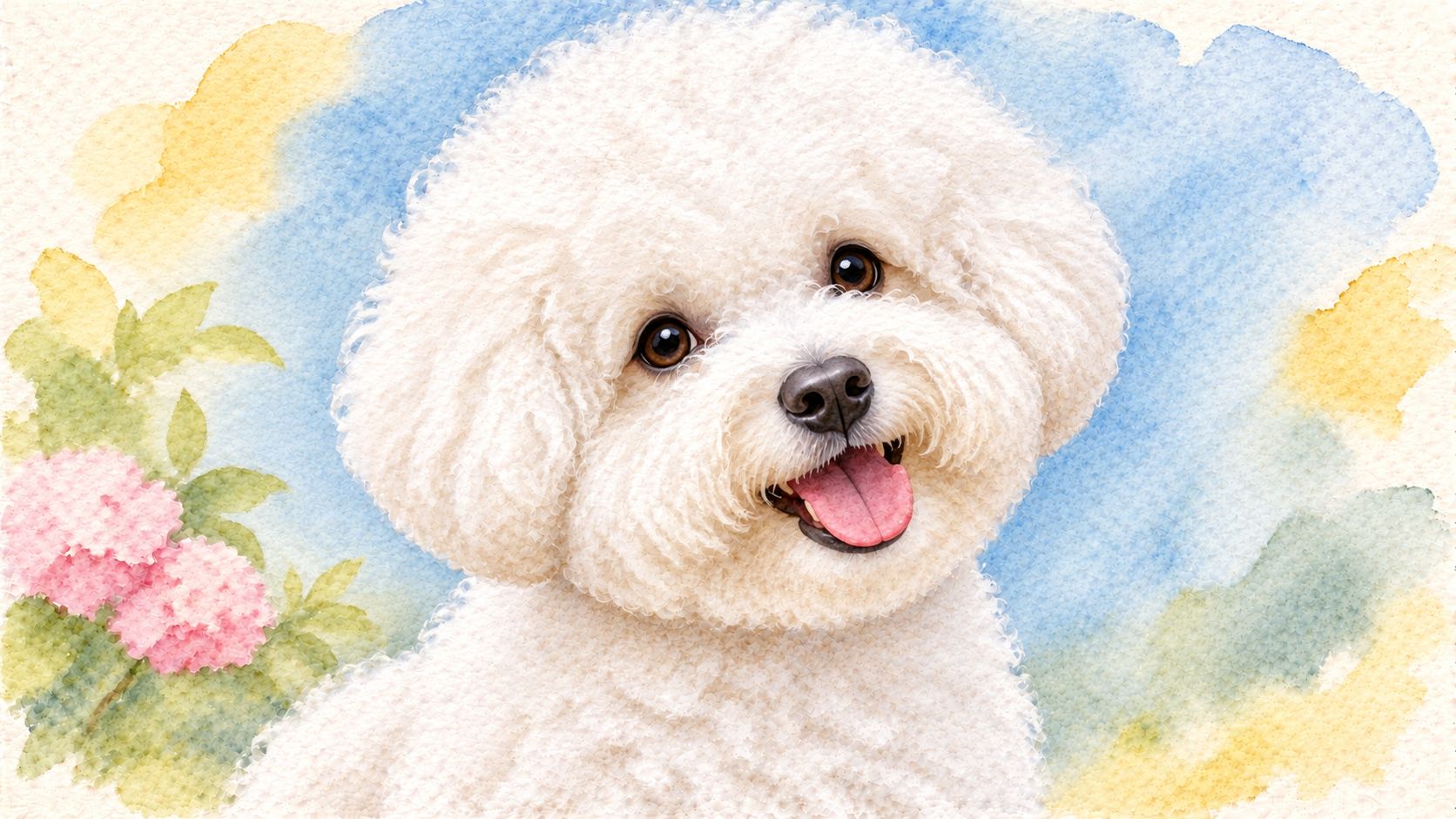
The Bichon Frise is a small, snow-white bundle of fluff with a big smile, bright dark eyes and a coat that looks like a freshly whipped cloud. Its name comes from French and roughly means "curly lap dog," a fitting description for a breed that has been charming people for centuries. The American Kennel Club even calls Bichons "personality dogs," and anyone who has met one will understand why.
Behind that powder-puff look is a cheerful, gentle and playful companion that loves nothing more than being with its family. In this complete Bichon Frise dog breed guide, you will learn everything you need to know before bringing one home, including its size, temperament, grooming needs, exercise requirements, common health concerns, feeding tips and colorful history.
Bichon Frise at a Glance
| Trait | Details |
|---|---|
| Breed group | Non-Sporting (AKC) |
| Height | 9.5 to 11.5 inches (24 to 29 cm) |
| Weight | 12 to 18 pounds (5.5 to 8 kg) |
| Life expectancy | 14 to 15 years |
| Coat | Soft, dense, curly double coat |
| Colors | White, sometimes with buff, cream or apricot shading |
| Shedding | Low |
| Energy level | Moderate |
| Temperament | Cheerful, gentle, affectionate, playful, sensitive |
| Good for | Families, seniors, first-time owners, apartment living |
| Origin | Mediterranean region; developed in France |
What Is a Bichon Frise?
The Bichon Frise is a small, sturdy companion dog best known for its fluffy white coat and happy-go-lucky attitude. It belongs to an old family of small dogs called the Barbichon group, which also includes the Maltese, the Bolognese and the Havanese. For hundreds of years, these little dogs have been bred mainly for one job: being delightful company.
In the United States, the breed is a member of the American Kennel Club's Non-Sporting Group. It is a popular choice for families, retirees and city dwellers because it is small, friendly, adaptable and sheds very little. Its cheerful nature and love of attention have made it a favorite in homes around the world.
Bichon Frise Size and Appearance
How Big Do Bichon Frises Get?
Adult Bichon Frises usually stand 9.5 to 11.5 inches (24 to 29 cm) tall at the shoulder and weigh between 12 and 18 pounds (5.5 to 8 kg). That makes the Bichon Frise size ideal for people who want a small dog that is still sturdy enough for gentle play.
The breed has a compact, slightly longer-than-tall body, a plumed tail that curves over the back and a light, springy way of moving. Its face is round and soft, with large dark eyes, a black nose and black lips. Together, these features create the sweet, curious expression that fans love so much.
Coat and Colors
The Bichon wears a double coat. Underneath is a soft, dense undercoat, and on top is a coarser, curly outer coat. The result is a plush, velvety texture that springs back when you pat it. When groomed in the classic rounded style, the dog looks almost like a cotton ball on four legs.
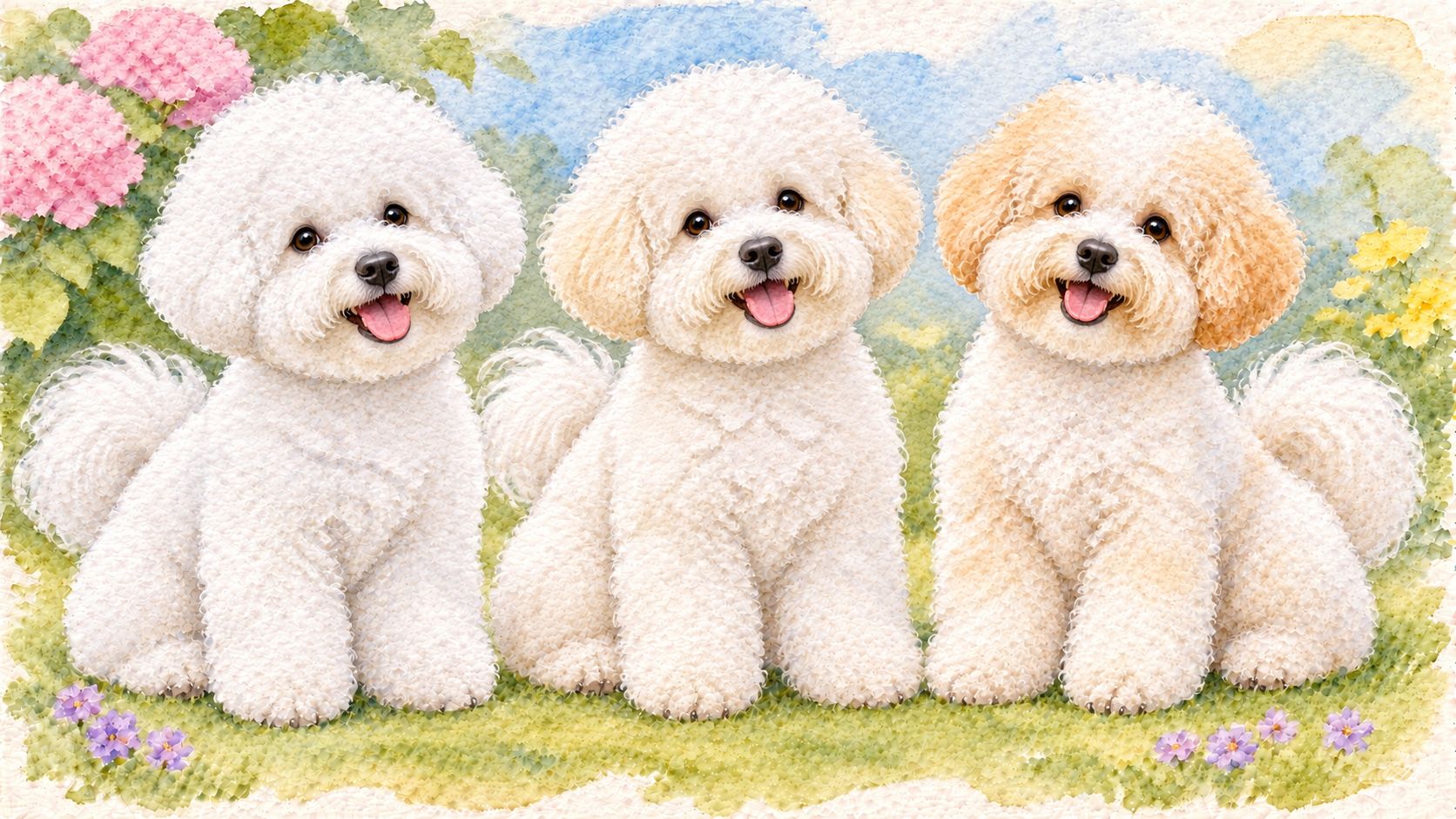
The breed is known as a white dog. Some Bichons have light shading of buff, cream or apricot around the ears or on the body, especially as puppies, but the coat is mostly white. Owners often notice reddish-brown tear stains under the eyes, which can be more visible on a white coat and are usually managed with gentle daily face cleaning.
Bichon Frise Temperament and Personality
The Bichon Frise temperament is one of the main reasons people fall in love with this breed. Bichons are known for being:
- Cheerful: A Bichon seems to greet each day with a wagging tail and a happy bounce in its step.
- Gentle and affectionate: These dogs are soft-hearted companions that enjoy cuddles, laps and close contact with their people.
- Playful: Bichons love games, toys and short bursts of zoomies around the house, often called the "Bichon blitz" by owners.
- Sensitive: They respond best to kind words and gentle handling, and they can be upset by harsh tones.
- Eager to please: Their desire to make their family happy makes them a pleasure to train.
Because they are so people-focused, Bichons do not like being left alone for long periods. A Bichon that spends many hours alone each day may become anxious or bored. This breed is happiest in homes where someone is around for much of the day, or where it can join in on family activities.
Are Bichon Frises Good Family Dogs?
Yes, Bichon Frises are generally excellent family dogs. They tend to get along well with children, other dogs and visitors, and their gentle, playful nature makes them easy companions for many households.
As with any small breed, it is important to teach children how to handle a dog gently. Toddlers should always be supervised, because a Bichon can be hurt if it is dropped or squeezed too tightly.
Is the Bichon Frise Good With Other Pets?
Most Bichons are friendly with other dogs and can live happily with cats, especially when they are raised together. Their low prey drive and sociable personality usually make introductions smooth.
Early socialization still matters. Introduce your puppy to a variety of people, animals, sounds and places so it grows into a confident, well-mannered adult.
Training a Bichon Frise
Are Bichon Frises Easy to Train?
Bichons are usually easy to train because they are smart, attentive and eager to please. They respond very well to positive reinforcement such as praise, play and small treats.
Short, upbeat training sessions work best. Because the breed is sensitive, harsh corrections can make it nervous or less willing to learn. Here are a few training tips for new owners:
- Start early. Begin basic manners and socialization as soon as your puppy comes home.
- Keep it fun. Use games, toys and praise to keep your Bichon interested.
- Be patient with house-training. Like many small breeds, Bichons can take a little longer to house-train. A consistent schedule, frequent potty breaks and crate training can help.
- Teach alone time gradually. Practice short separations and build up slowly so your dog learns that being alone is safe.
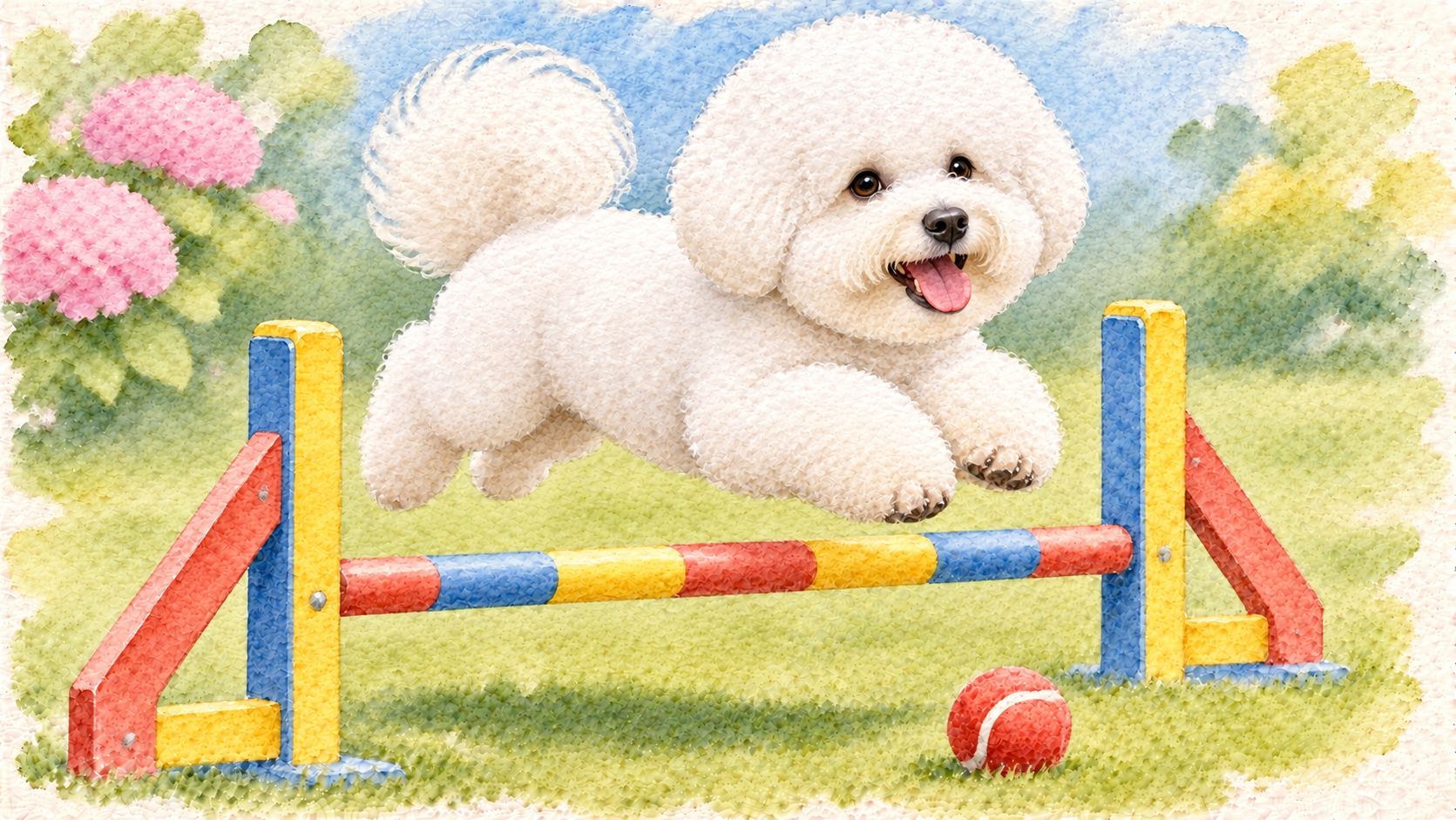
- Try dog sports. Bichons can shine in agility, obedience, rally obedience and even trick training, thanks to their natural flair for performing.
Exercise Needs
This breed has a moderate energy level. It is playful and active, but it does not need long runs or hours of exercise. One or two daily walks plus indoor play sessions are usually enough to keep a healthy adult Bichon fit and content.
Because of its small size and adaptable nature, the Bichon does well in apartments as well as larger homes. Puzzle toys, fetch in the hallway and short training games are great ways to burn off energy and keep its clever mind busy.
Always keep your Bichon on a leash or inside a securely fenced area when outdoors. These friendly dogs may wander off to greet a new person or another dog without thinking twice.
Bichon Frise Grooming
Bichon Frise grooming is the biggest commitment of owning this breed. That fluffy coat keeps growing and needs regular care to stay soft, clean and free of mats.
Do Bichon Frises Shed?
Bichon Frises shed very little. Loose hairs tend to get caught in the undercoat instead of falling onto your floors and furniture, which is why the breed is considered low-shedding.
Are Bichon Frises Hypoallergenic?
Because of their low-shedding curly coat, Bichons are often recommended for people with mild allergies. However, no dog is truly 100 percent hypoallergenic, so allergy sufferers should spend time with the breed before committing.
Grooming Routine
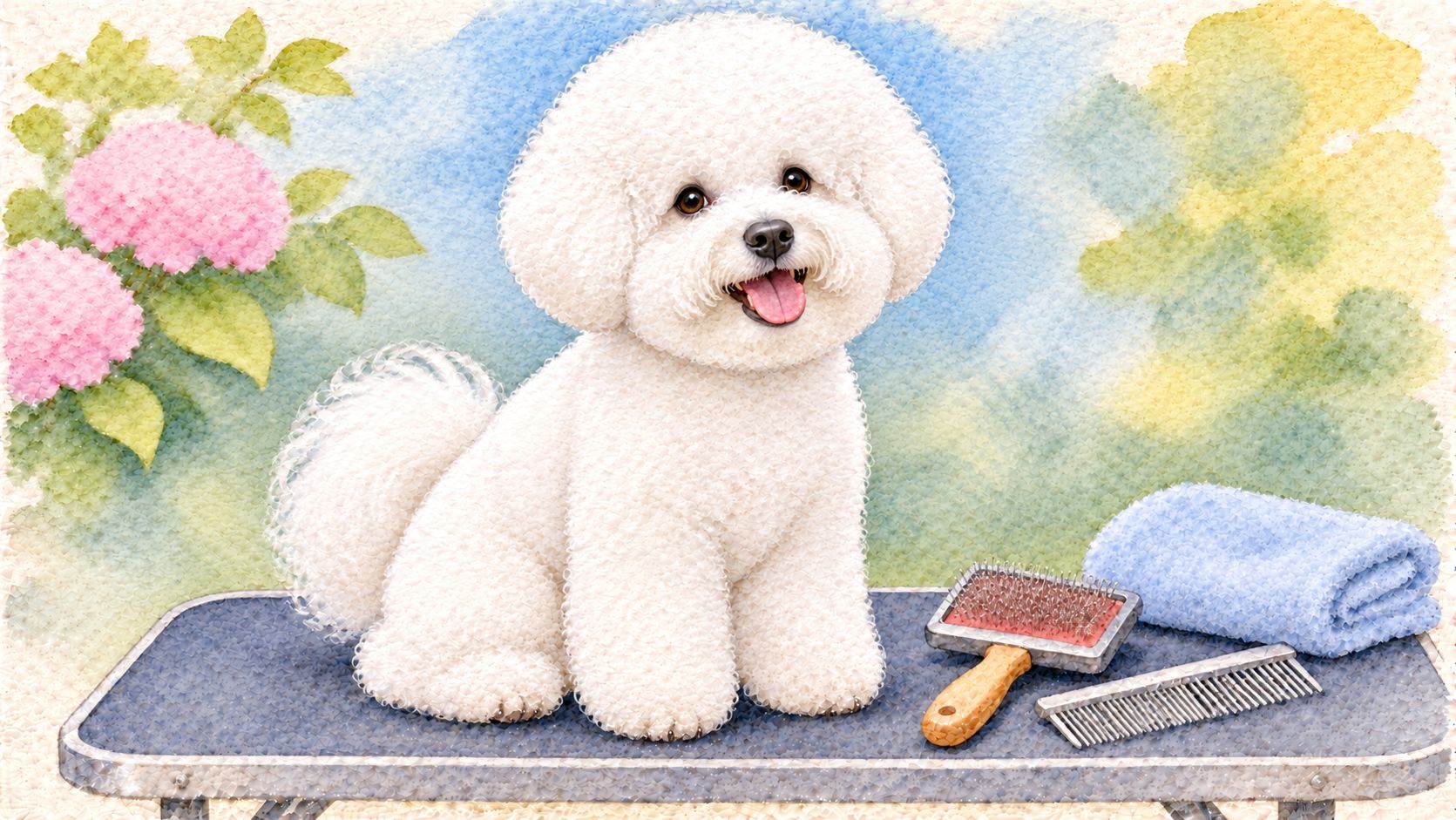
- Brushing: Brush your Bichon several times a week, ideally daily, down to the skin. The trapped hair in the undercoat can quickly form mats if it is not brushed out.
- Professional grooming: Plan on a visit to a professional groomer about every four to six weeks for a bath, trim and shaping.
- Face care: Gently wipe around the eyes daily to help reduce tear staining, and clean the face after meals.
- Nails: Trim nails every few weeks, as small dogs often don't wear them down naturally.
- Teeth: Brush your dog's teeth several times a week. Small breeds are prone to dental problems, and gum infections can lead to tooth loss.
- Ears: Check ears weekly for dirt, odor or redness, and keep them clean and dry.
Bichon Frise Health and Lifespan
How Long Do Bichon Frises Live?
The average Bichon Frise lifespan is about 14 to 15 years, and many live well into their teens with good care. The breed is generally healthy, but like all dogs, it can be prone to certain conditions.
Responsible breeders screen their dogs for common concerns, which may include:
- Allergies: Some Bichons are prone to skin allergies, which may show up as itching or scratching.
- Bladder problems: Bladder infections and bladder stones can occur in the breed.
- Luxating patella: A condition in which the kneecap slips out of place, common in small breeds.
- Eye problems: Cataracts and other eye conditions can develop, so regular eye checks are helpful.
- Dental disease: Regular dental care is important to protect the teeth and gums.
The breed can also gain weight easily if treats and portions are not watched. Keeping your Bichon at a healthy weight helps protect its joints and overall health. Always work with your veterinarian to set up a routine of checkups, vaccinations and preventive care.
Feeding and Nutrition
A Bichon usually does well on a high-quality dog food made for small breeds. Small-breed formulas often have smaller kibble that is easy for little mouths to chew, and they are designed to match the energy needs of small dogs.
Puppies should eat a small-breed puppy food during their first year to support healthy growth. If your adult Bichon tends to gain weight, a weight management formula may help. Portion sizes depend on age, weight and activity level, so follow the feeding guide on the package and ask your veterinarian for advice. Keep treats to a small part of the daily diet.
History of the Bichon Frise
The breed's story begins in the Mediterranean region, where small white dogs of the Barbichon type were prized companions. Sailors are thought to have carried these little dogs from port to port, and one early form became linked with the Canary Island of Tenerife. For this reason, the breed was once known as the Bichon Tenerife.
By the 13th century and into the Renaissance, the Bichon had become a favorite of royal courts in Spain, Italy and France. Nobles pampered these dogs, and legend says King Henry III of France was so fond of his Bichons that he carried them in a basket hung around his neck. The Spanish painter Francisco de Goya also included the breed in several of his works.
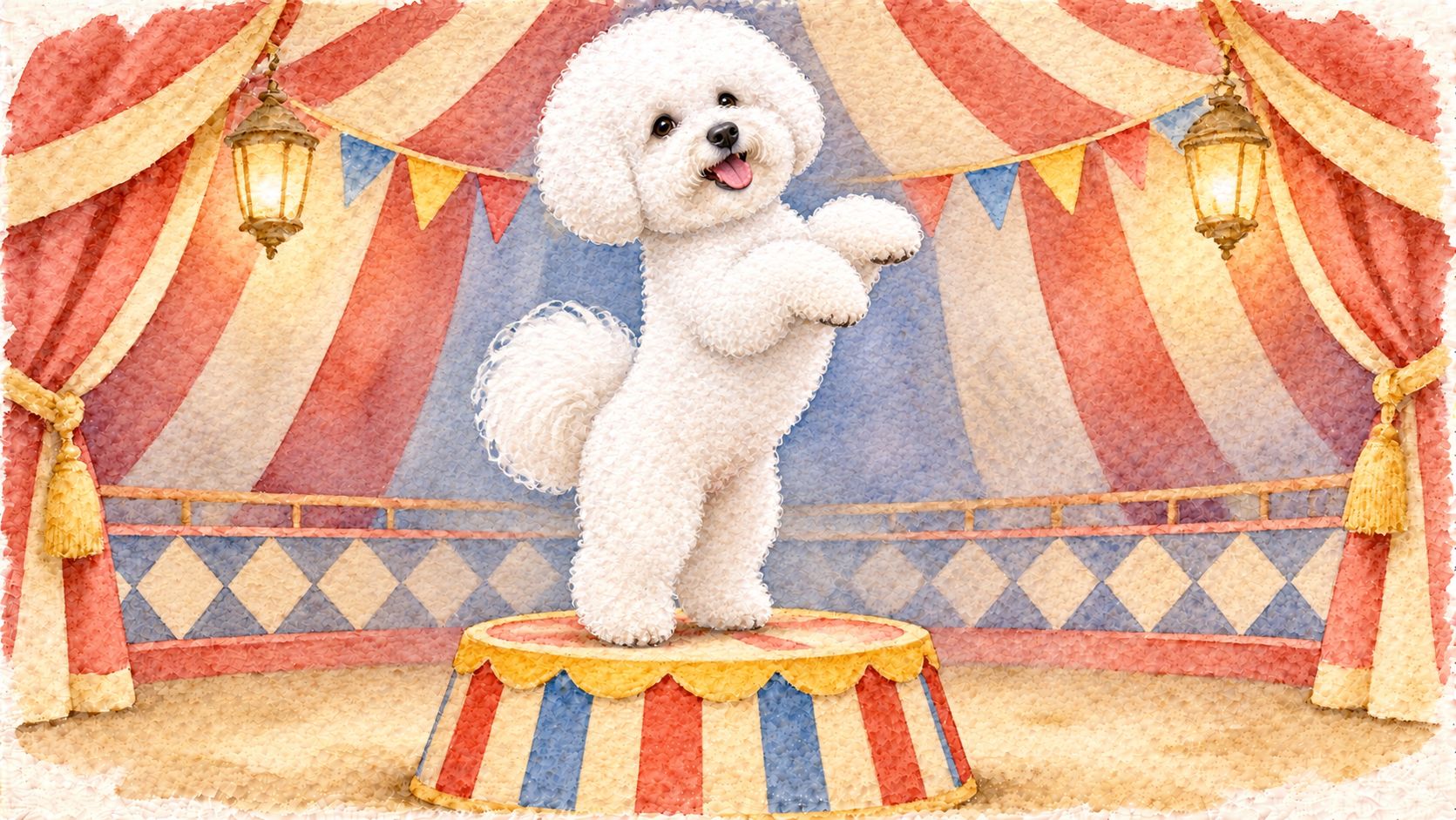
The breed's fortunes changed after the French Revolution. Bichons lost their privileged place at court and found new work as performers, entertaining crowds alongside street entertainers, organ grinders and circus acts. Their intelligence, agility and love of attention made them natural show-offs.
The two world wars were hard on the breed, but devoted enthusiasts rescued Bichons from the streets of France and Belgium and worked to rebuild their numbers. The breed arrived in the United States in the 1950s, and the American Kennel Club recognized it in the Non-Sporting Group in 1973.
The breed has enjoyed moments in the spotlight, too. In 2001, a Bichon Frise named J.R. won Best in Show at the Westminster Kennel Club Dog Show, giving the breed a boost of popularity across the country.
Bichon Frise vs Maltese
The Bichon Frise and the Maltese are both small white companion dogs from the same Barbichon family, so they are often compared. The biggest difference is the coat: the Bichon has a curly, plush double coat, while the Maltese has a long, silky, straight single coat. Bichons are also a little sturdier and heavier, while the Maltese is a true toy breed. Both are affectionate, low-shedding and need regular grooming, so the choice often comes down to which look and size you prefer.
Is a Bichon Frise Right for You?
A Bichon could be a wonderful match if you:
- Want a small, cheerful and affectionate companion
- Live in an apartment, condo or house of any size
- Prefer a low-shedding breed
- Can commit to regular brushing and professional grooming
- Are home often or can include your dog in daily activities
- Have children who know how to treat a small dog gently
A Bichon may not be the best fit if you:
- Are away from home for long hours most days
- Want a dog that needs little grooming
- Prefer a highly independent dog that is happy on its own
- Are looking for a running or hiking partner for long, intense outings
Finding a Bichon Frise Puppy
When looking for a puppy, choose a reputable breeder who health-tests their dogs, raises puppies in a home environment and is happy to answer your questions. Ask to meet the puppy's mother and see where the litter was raised. You can also check with breed clubs and rescue groups, as adult Bichons sometimes need loving new homes.
Fun Facts About the Bichon Frise
- The name "Bichon Frise" is French and roughly means "curly lap dog."
- The breed was once called the Bichon Tenerife, after the Canary Island.
- Bichons were favorites of European royalty during the Renaissance.
- After the French Revolution, many Bichons worked as circus and street performers.
- Spanish artist Francisco de Goya painted Bichons in several of his works.
- A Bichon named J.R. won Best in Show at Westminster in 2001.
Frequently Asked Questions
What does "Bichon Frise" mean?
The name comes from French and roughly translates to "curly lap dog." It describes the breed's soft, curly coat and its long history as a companion.
How big do Bichon Frises get?
Adult Bichons usually stand 9.5 to 11.5 inches tall at the shoulder and weigh 12 to 18 pounds, making them a small but sturdy breed.
Are Bichon Frises hypoallergenic?
Bichons have a low-shedding curly coat and are often suggested for people with mild allergies. However, no dog is completely allergen-free, so spend time with the breed before deciding.
Are Bichon Frises good family dogs?
Yes. Bichons are gentle, playful and affectionate, and they usually get along well with children and other pets. Young children should always be supervised and taught to handle a small dog gently.
How long do Bichon Frises live?
The typical lifespan is about 14 to 15 years with good care, a healthy diet and regular veterinary checkups.
How often does a Bichon Frise need grooming?
Plan to brush your Bichon several times a week and schedule a professional groom about every four to six weeks to keep the coat clean, shaped and free of mats.
Final Thoughts
The Bichon Frise is a joyful, affectionate little dog with a fluffy white coat and centuries of charm behind it. This "curly lap dog" brings laughter, cuddles and a low-shedding coat to the right home. If you can offer regular grooming, gentle training and plenty of companionship, a Bichon Frise may become the happiest member of your family.