With its shaggy whiskers, bright dark eyes and a face that looks like it is always up to something, the Affenpinscher is one of the most charming toy breeds you will ever meet. Its name comes from German and roughly means "monkey dog" or "ape terrier," a nod to that wise, almost human expression. In France, the breed earned an even better nickname: diablotin moustachu, or "little mustached devil."
Don't let the small size fool you. The Affenpinscher is a confident, curious and comical companion with the heart of a much bigger dog. In this complete Affenpinscher dog breed guide, you will learn everything you need to know before welcoming one into your home, including its size, temperament, grooming needs, exercise requirements, common health concerns, diet tips and fascinating history.
Affenpinscher at a Glance
| Trait | Details |
|---|---|
| Breed group | Toy (AKC) |
| Height | 9 to 11.5 inches (23 to 29 cm) |
| Weight | 7 to 10 pounds (3 to 4.5 kg) |
| Life expectancy | 12 to 15 years |
| Coat | Dense, wiry, medium length |
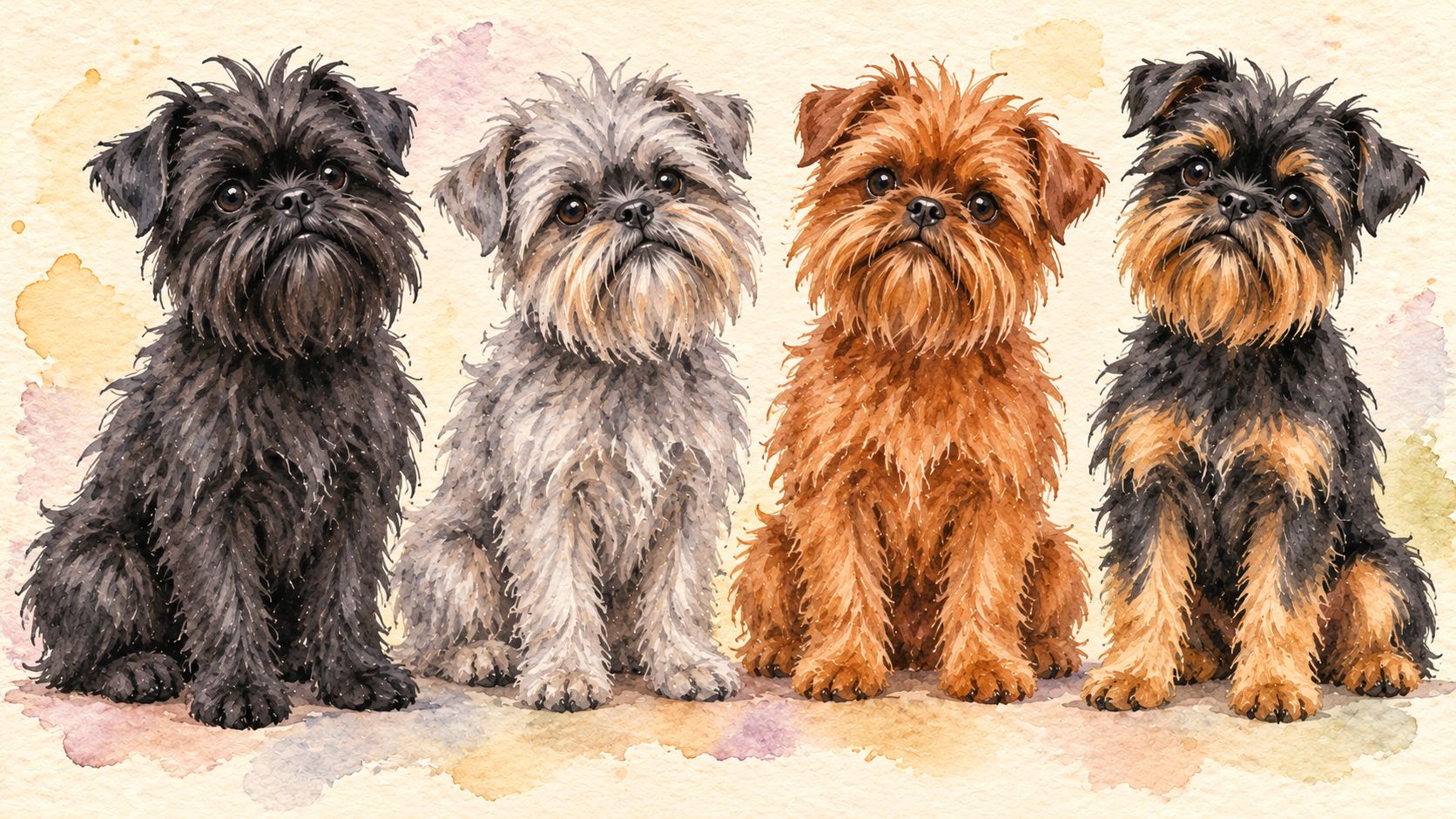
| Colors | Black, gray, silver, red, black and tan, beige |
| Shedding | Low; seasonal |
| Energy level | Moderate |
| Temperament | Bold, curious, playful, loyal, funny |
| Good for | Adults, couples, seniors, apartment living |
| Origin | Germany (1600s) |
What Is an Affenpinscher?
The Affenpinscher is a small, sturdy toy breed that originated in Germany several centuries ago. Unlike many toy dogs that were bred purely as lapdogs, the Affenpinscher started life as a working dog. Its job was to keep stables, barns and kitchens free of rats and mice. Over time, breeders reduced its size and it moved from the stable to the sitting room, becoming a beloved companion for European households.
Today, the Affenpinscher is considered a rare breed in the United States, but it has a devoted following. People who own one often describe it as a "big dog in a small body" because of its fearless attitude and lively sense of humor. It is a member of the American Kennel Club's Toy Group, even though its ratting history and spirited personality give it plenty of terrier-like qualities.
Affenpinscher Size and Appearance
The Affenpinscher is compact, square and surprisingly solid for its size. Adults usually stand between 9 and 11.5 inches tall at the shoulder and weigh between 7 and 10 pounds. Their body length is roughly equal to their height, which gives them a neat, square outline. Females are often slightly longer in the body than males.
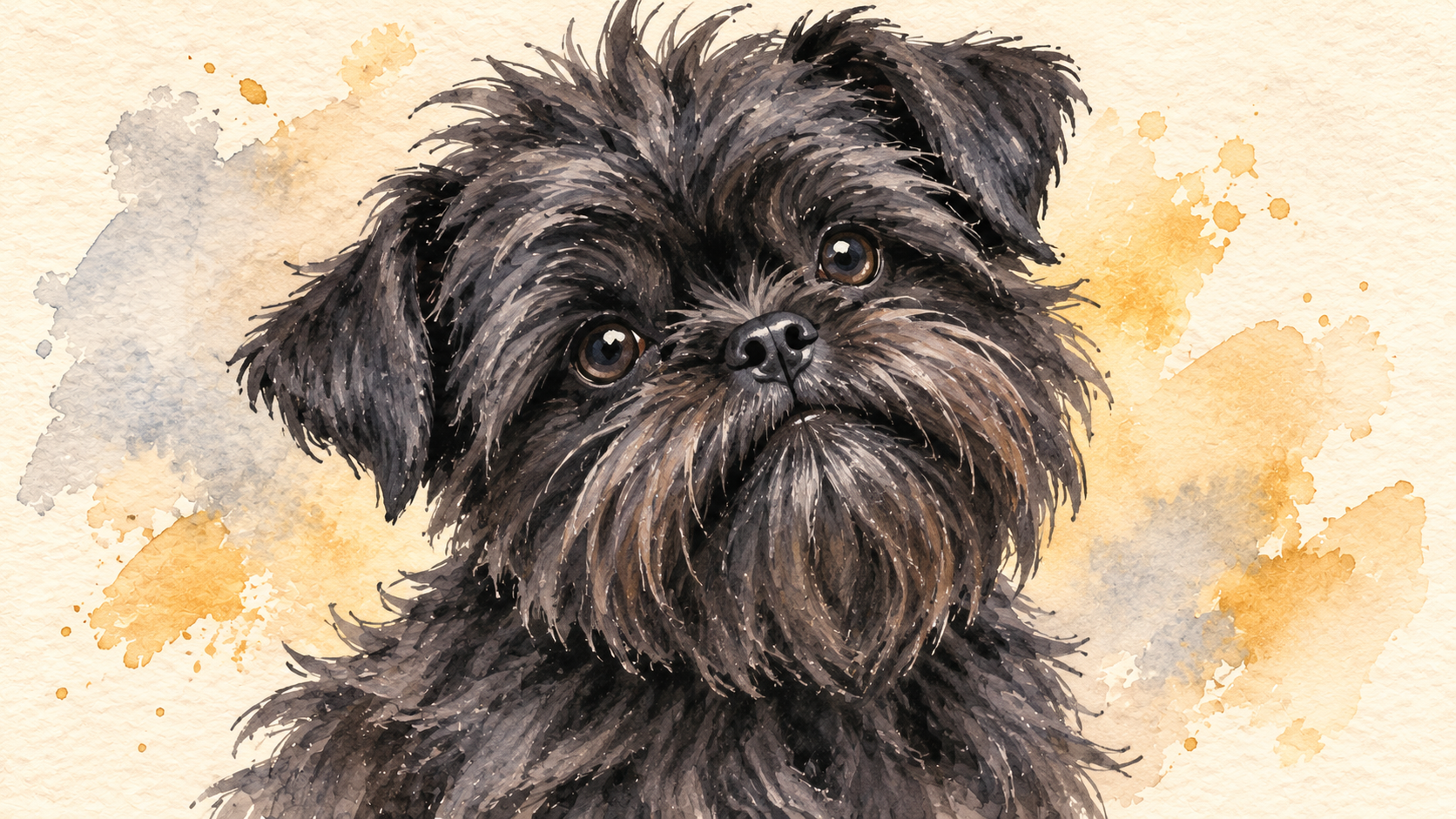
The breed's most famous feature is its face. The Affenpinscher has a short muzzle, a prominent chin, round dark eyes and a "beard" and "eyebrows" of longer hair that frame the face like a little monkey. The expression is alert, curious and often mischievous. Many owners say it looks like the dog is about to tell a joke.
Coat and Colors
The Affenpinscher wears a dense, rough, wiry coat that is medium in length. The hair is usually longer and shaggier on the head, chest, legs and underside, and shorter and tighter on the back and hindquarters. This gives the breed its distinctive, slightly untidy look that fans adore.
Accepted colors include black, gray, silver, red, black and tan, and beige. Black is the most common color you will see in the United States.
Affenpinscher Temperament and Personality
If you want a small dog with a big personality, the Affenpinscher delivers. This breed is known for being:
- Curious: Affenpinschers like to investigate everything and keep an eye on what is happening around the house.
- Bold and confident: They are not timid dogs. An Affenpinscher will happily stand up to a much larger dog, which means owners need to watch out for their safety.
- Funny and playful: Their antics, expressive faces and clownish behavior make them natural entertainers.
- Loyal and affectionate: They form strong bonds with their people and enjoy being part of family life.
- Alert: Thanks to their courage and intelligence, Affenpinschers make excellent little watchdogs and will let you know when someone is at the door.
Like many toy breeds, the Affenpinscher has a strong sense of personal space. It enjoys play and attention, but it typically does not like being squeezed, hugged tightly, grabbed or chased. For this reason, the breed is generally not recommended for homes with very young children who may not yet understand how to handle a small dog gently.
Is the Affenpinscher Good With Kids and Other Pets?
The Affenpinscher can do well with older, respectful children who know how to interact calmly with dogs. Supervision is always important, especially because the breed is small and can be injured by rough handling.
With other dogs, Affenpinschers usually get along well, particularly if they are raised together. However, their history as ratters means they have a natural prey drive. They may not be a safe match for homes with pet rodents such as hamsters, gerbils, rats or guinea pigs.
Early socialization is essential. Introducing your Affenpinscher puppy to a wide range of people, animals, sounds and places will help it grow into a well-mannered, confident adult.
Training an Affenpinscher
Affenpinschers are intelligent dogs, but they also have an independent streak that some owners describe as stubborn. The key to success is patience, consistency and plenty of positive reinforcement. Short, fun training sessions that use praise, play and small treats work far better than harsh corrections, which can make this sensitive breed shut down or become defensive.
Here are a few training tips for Affenpinscher owners:
- Start early. Begin basic training and socialization as soon as your puppy comes home.
- Keep sessions short. Five to ten minutes at a time keeps your dog engaged and eager to learn.
- Be consistent with house-training. Like many toy breeds, Affenpinschers can take a little longer to house-train. A regular schedule and crate training can help.
- Manage barking. Their watchdog nature can lead to excessive barking. Teach a "quiet" cue and reward calm behavior.
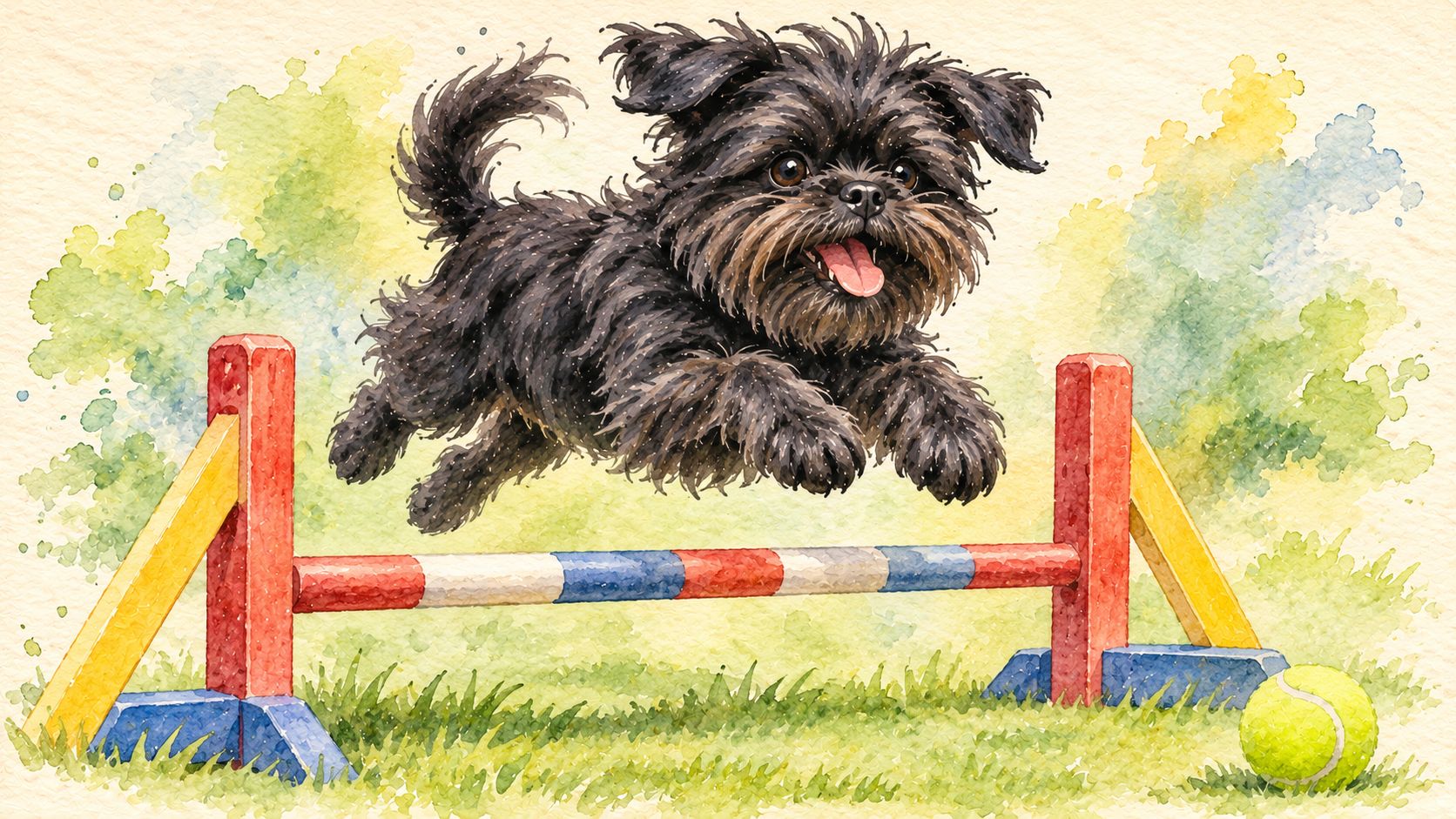
- Try dog sports. Affenpinschers can enjoy obedience, agility and even Barn Hunt, a sport that taps into their natural ratting instincts.
Exercise Needs
The Affenpinscher has a moderate energy level. It is lively and playful, but it does not need hours of exercise each day. A couple of short daily walks combined with indoor play sessions is usually enough to keep this little dog happy and healthy.
Because of its size, the Affenpinscher adapts well to apartment living and smaller homes. Still, it needs regular mental and physical activity to prevent boredom. Puzzle toys, short games of fetch in the hallway, and training games are great ways to keep its clever mind busy.
Always use a secure leash or a well-fenced yard. Affenpinschers are brave and curious, and they may dart after small animals or confront larger dogs without hesitation.
Grooming an Affenpinscher
One of the breed's appealing features for many families is its relatively low-shedding coat. The wiry texture means the Affenpinscher sheds less than many breeds and only sheds seasonally. For this reason, it is often considered a good choice for people with mild allergies. Keep in mind that no dog is truly 100 percent hypoallergenic, so allergy sufferers should spend time with the breed before committing.
Grooming Routine
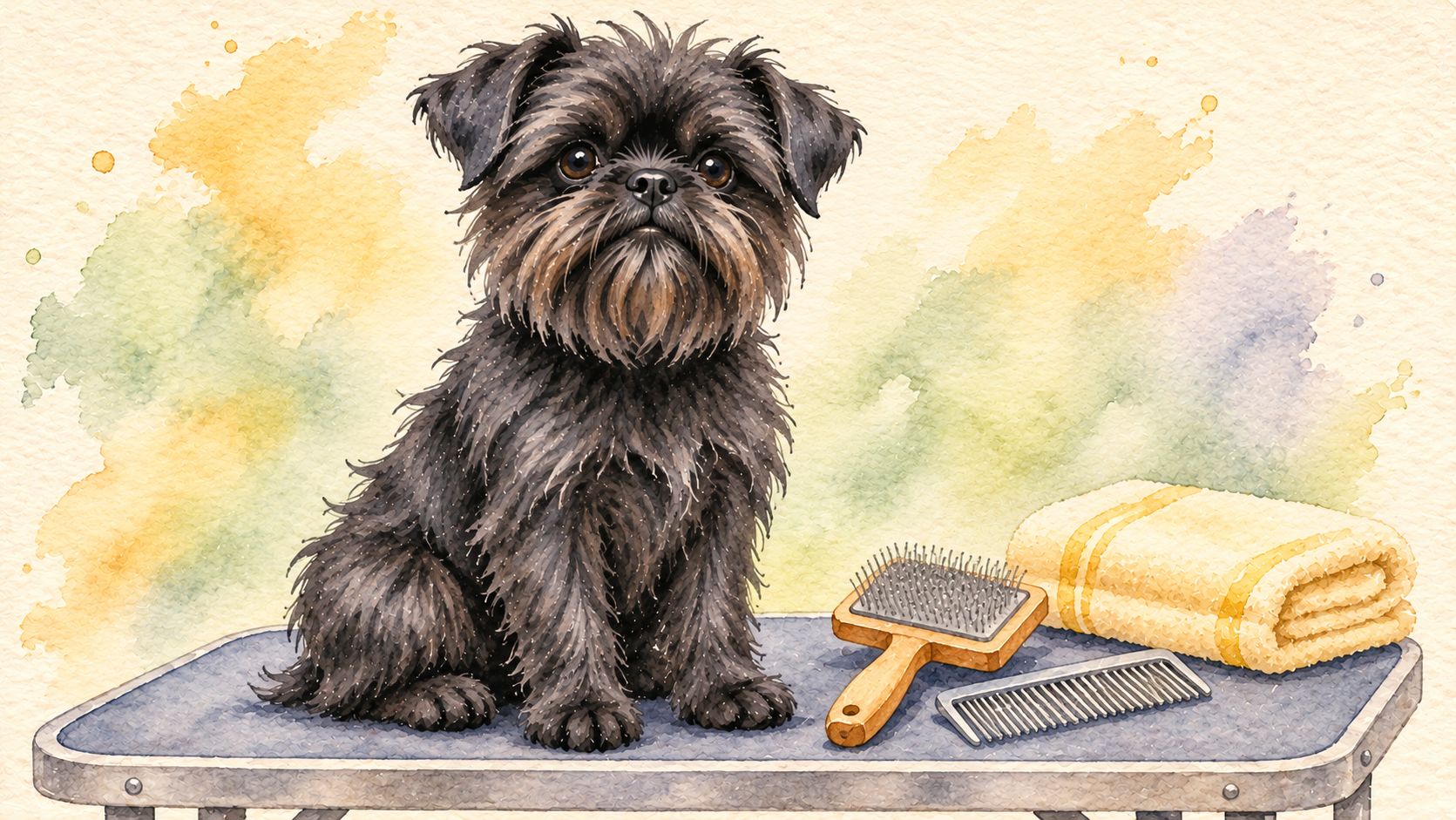
- Brushing: Brush the coat two to three times per week to prevent mats and tangles, especially in the longer hair around the face, legs and underside.
- Face care: Wipe the beard after meals so food and water don't build up in the hair.
- Trimming: Many owners have the coat neatened by a professional groomer every few months. Some dogs are hand-stripped to maintain the coat's natural wiry texture.
- Nails: Trim nails every few weeks, as small dogs often don't wear them down naturally.
- Teeth: Brush your dog's teeth several times a week. Toy breeds are prone to dental problems because their teeth are crowded into a small mouth.
- Ears and eyes: Check ears weekly for dirt or redness, and gently keep the area around the eyes clean.
Affenpinscher Health and Lifespan
The Affenpinscher is generally a healthy and long-lived breed, with a typical life expectancy of 12 to 15 years. Like all breeds, however, it can be prone to certain conditions. Responsible breeders screen their dogs for common concerns, which may include:
- Luxating patella: A condition in which the kneecap slips out of place, common in small breeds.
- Hip dysplasia: An abnormal formation of the hip joint.
- Heart problems: Some lines may be affected by heart conditions, so heart screening is recommended.
- Eye problems: Regular eye checks help catch issues early.
Because the Affenpinscher has a short face, it may have more difficulty cooling down in hot weather. Keep walks to the cooler parts of the day in summer, provide plenty of shade and fresh water, and never leave your dog in a parked car.
The breed can also gain weight easily. Extra pounds put stress on small joints and can affect overall health, so regular exercise and careful portion control are important. Always work with your veterinarian to set up a routine of checkups, vaccinations and preventive care.
Feeding and Nutrition
As a toy breed, the Affenpinscher does best on a high-quality dog food formulated for small dogs. Small-breed formulas typically feature smaller kibble that is easier for tiny mouths to chew, and they are designed with the energy needs of small dogs in mind.
Puppies should eat a food made specifically for puppies to support healthy growth and development. Portion sizes depend on your dog's age, weight and activity level, so follow the feeding guidelines on the food package and ask your veterinarian for advice. Treats are useful for training, but they should make up only a small part of your dog's daily calories to help prevent weight gain.
History of the Affenpinscher
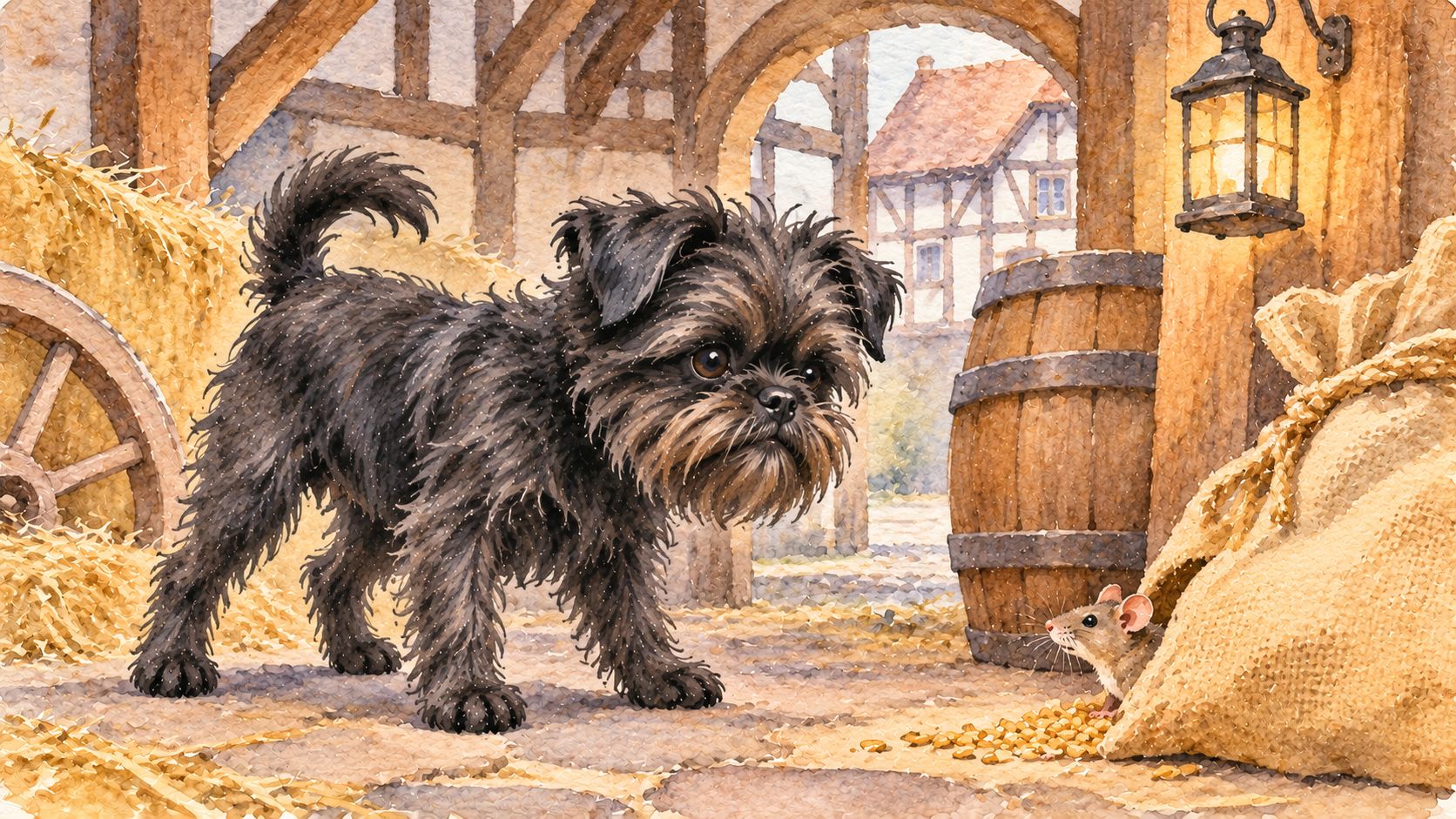
The Affenpinscher's story begins in Germany in the 1600s, with roots often traced to the area around Munich. These early dogs were somewhat larger than today's Affenpinschers and worked as ratters in stables, farms and shops. Their job was simple but important: catch the rats and mice that threatened grain and food supplies.
Over time, people began bringing these clever little dogs indoors to hunt mice in kitchens and living quarters. Breeders gradually reduced their size, and the Affenpinscher became a popular companion dog. Historians believe the breed may have contributed to the development of other well-known breeds, including the Brussels Griffon and the Miniature Schnauzer.
By the late 1800s, breed clubs had formed in Germany and France. The Berlin Lapdog Club began drafting a formal breed standard in 1902, and it was completed in 1913. The American Kennel Club officially recognized the Affenpinscher in 1936.
World War II nearly halted breeding of the Affenpinscher, and the breed became quite rare. Interest slowly returned in the 1950s, and dedicated breeders worked to keep the breed alive.
The Affenpinscher has also enjoyed some moments of fame. In 2002, an Affenpinscher named Super Nova won the Toy Group at the prestigious Westminster Kennel Club Dog Show. Then, in 2013, an Affenpinscher named Banana Joe captured the top prize, Best in Show, at Westminster, introducing the breed to millions of new fans across the United States.
Is an Affenpinscher Right for You?
An Affenpinscher could be a wonderful match if you:
- Want a small, sturdy dog with a big, funny personality
- Live in an apartment or a smaller home
- Prefer a low-shedding breed
- Can provide daily walks, play and mental stimulation
- Have the patience for consistent, positive training
- Live with adults or older, gentle children
An Affenpinscher may not be the best fit if you:
- Have toddlers or very young children
- Keep small pets such as hamsters, gerbils or rats
- Want a dog that loves to be cuddled and carried constantly
- Need a completely quiet dog, since Affenpinschers like to alert you to visitors
Finding an Affenpinscher Puppy
Because the Affenpinscher is a rare breed, you may need to join a waiting list to get a puppy from a reputable breeder. Look for breeders who health-test their dogs, raise puppies in a home environment and are happy to answer your questions. You can also check with breed clubs and rescue groups, as adult Affenpinschers sometimes need new homes.
Fun Facts About the Affenpinscher
- The name "Affenpinscher" means "monkey dog" or "ape terrier" in German.
- In France, the breed is nicknamed the "little mustached devil."
- Affenpinschers were originally bred to hunt rats and mice in stables and kitchens.
- An Affenpinscher named Banana Joe won Best in Show at Westminster in 2013.
- Despite its ratting past, the Affenpinscher belongs to the AKC Toy Group, not the Terrier Group.
- The breed is considered rare in the United States.
Frequently Asked Questions
What does "Affenpinscher" mean?
The name comes from German and means "monkey dog" or "ape terrier." It refers to the breed's monkey-like face with its beard, eyebrows and expressive eyes.
How big do Affenpinschers get?
Adult Affenpinschers usually stand 9 to 11.5 inches tall at the shoulder and weigh 7 to 10 pounds, making them a true toy breed.
Are Affenpinschers hypoallergenic? Affenpinschers have a wiry, low-shedding coat and are often recommended for people with mild allergies. However, no dog is completely allergen-free, so spend time with the breed before deciding.
Are Affenpinschers good family dogs?
They can be loving family pets for adults and older children who handle them gently. They are generally not recommended for homes with very young children because they dislike being squeezed or chased.
How long do Affenpinschers live?
The average Affenpinscher lifespan is 12 to 15 years with good care, a healthy diet and regular veterinary checkups.
Do Affenpinschers bark a lot?
Affenpinschers are alert watchdogs and will bark to announce visitors or unusual sounds. Early training and plenty of daily activity can help keep barking under control.
Final Thoughts
The Affenpinscher is proof that great things come in small packages. This bold, funny and loyal little "monkey dog" brings centuries of history, a low-shedding coat and endless entertainment to the right home. If you can offer patient training, daily play and a gentle household, an Affenpinscher may become the most charming companion you have ever had.