
With their soft, fluffy fleece, long graceful necks and gentle, curious faces, alpacas have become some of the best-loved farm animals in the world. They are prized for their luxurious fiber, adored for their calm personalities and increasingly popular as small-farm animals and even as visitors in therapy and educational programs.
The alpaca is a domesticated South American camelid that has lived alongside people in the high Andes for thousands of years. In this complete guide, you will learn what an alpaca is, where it comes from, what it looks like, how it differs from a llama, what it eats, how it behaves, how it raises its young and what it takes to care for alpacas, from fencing and shelter to feeding, shearing and health.
Quick answer: The alpaca (Vicugna pacos) is a domesticated South American camelid raised mainly for its soft fleece. Adults stand about 80 to 100 cm (32 to 39 in) at the shoulder, weigh around 48 to 90 kg (106 to 200 lb) and live about 15 to 20 years. They eat mostly grass and hay, are herd animals that need company, and come in two types, Huacaya and Suri. Alpacas are domestic animals, so they have no IUCN conservation status.
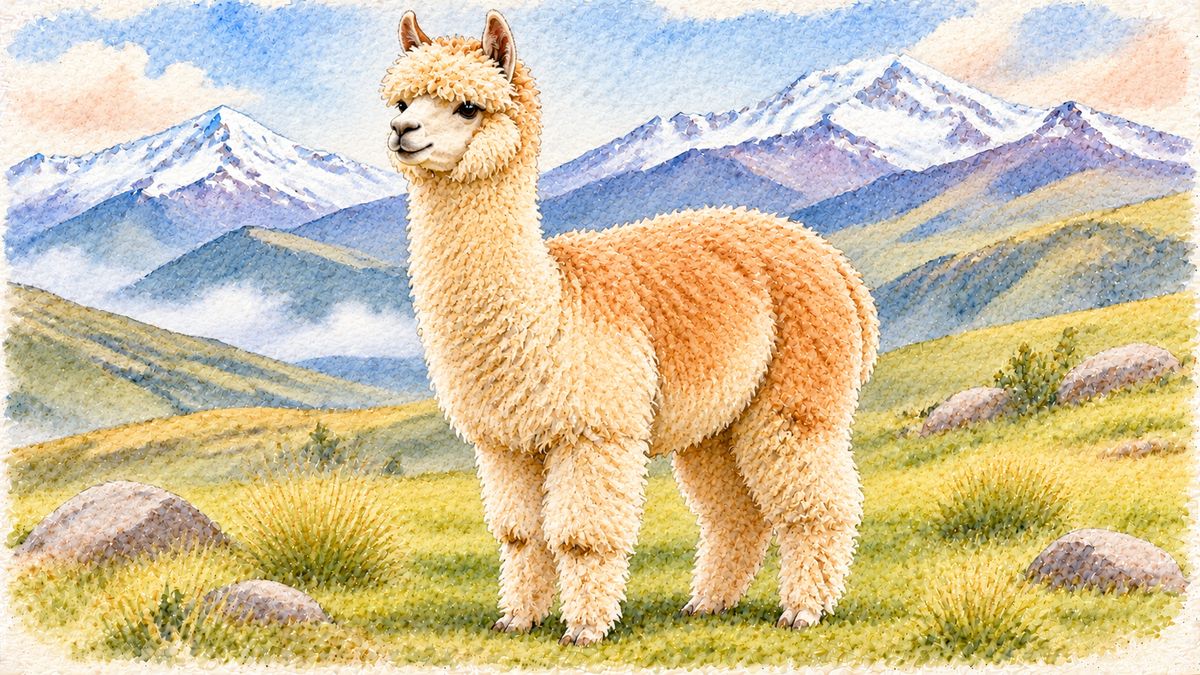
Alpaca at a Glance
| Feature | Details |
|---|---|
| Scientific name | Vicugna pacos |
| Class | Mammalia |
| Order | Artiodactyla (even-toed ungulates) |
| Family | Camelidae |
| Height at shoulder | About 32 to 39 inches (80 to 100 cm) |
| Weight | About 106 to 200 pounds (48 to 90 kg) |
| Lifespan | Around 15 to 20 years |
| Diet | Grasses, hay and pasture, with minerals |
| Origin | Andes of Peru, Bolivia and Chile |
| Types | Huacaya (fluffy) and Suri (silky and draped) |
| Fleece | Soft, warm and available in many natural colors |
| Temperament | Gentle, curious, shy and herd-oriented |
| Conservation status | Domesticated; not assessed by the IUCN |
What Is an Alpaca?
The alpaca is a member of the camel family, the Camelidae, which also includes camels, llamas, guanacos and vicuñas. Together, the four South American members are called camelids or "New World camelids." Alpacas are believed to be descended from the wild vicuña and were domesticated by Andean peoples, including the ancestors of the Inca, roughly 6,000 to 7,000 years ago.
For ancient Andean cultures, alpacas were extremely valuable. Their fleece was woven into fine cloth reserved for royalty and sacred ceremonies, and the Inca prized alpaca textiles so highly that they were used as gifts and as a form of wealth. After the Spanish conquest, alpaca numbers fell sharply, but the animals survived at high altitudes, and today the majority of the world's alpacas, probably over 80 percent, live in Peru, with others in Bolivia, Chile and an increasing number in the United States, Australia, New Zealand and Europe.
Unlike llamas, which are bred largely as pack animals, alpacas are smaller and kept mostly for fiber, and increasingly as companions.
What Does an Alpaca Look Like?
Size and Shape
Alpacas are medium-sized animals, standing about 32 to 39 inches (80 to 100 cm) at the withers (the top of the shoulders) and weighing about 106 to 200 pounds (48 to 90 kg). They have a slender neck, a compact body and long, thin legs with two toes on each foot. Instead of hooves, they have soft, padded feet with toenails, which are gentler on the ground than hooves.
Face and Ears
The head is small, with a short muzzle, large dark eyes and short, spear-shaped ears. Alpacas have a split upper lip that helps them grasp grass. Their lower incisors grow constantly and their upper jaw has a hard dental pad instead of front teeth.
Two Types of Alpaca
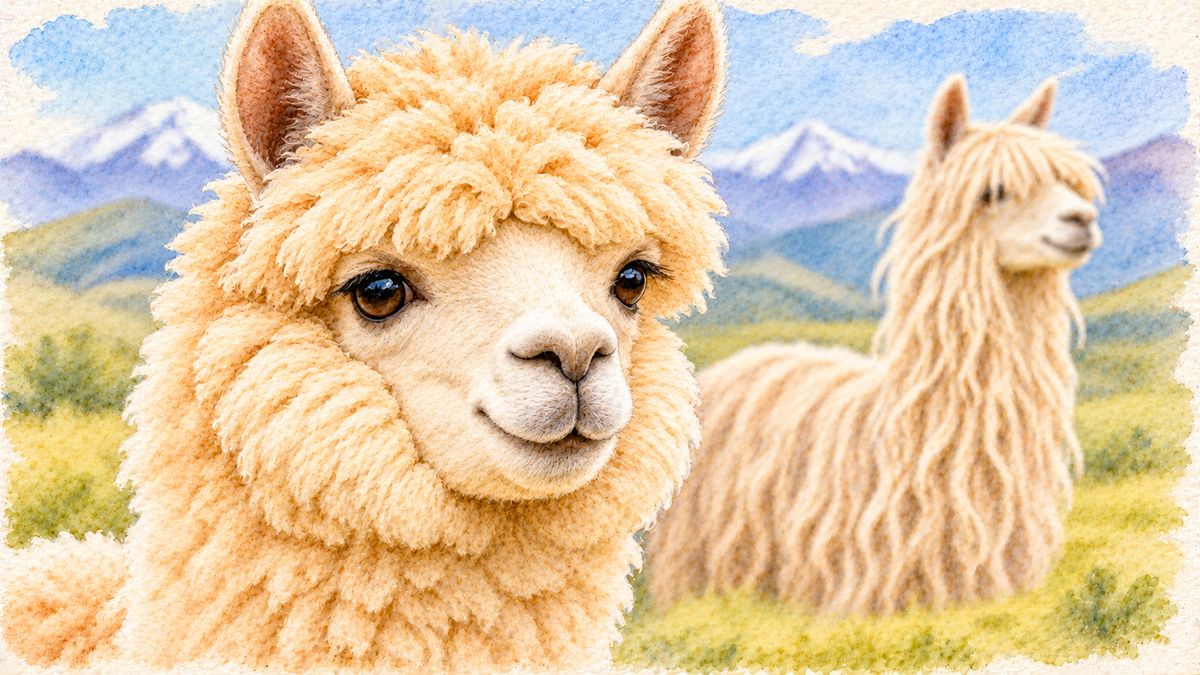
- Huacaya (wa-KI-ya): This is the most common type, making up around 90 percent of alpacas. The fleece is dense, crimpy and fluffy, giving the animal a teddy-bear look.
- Suri (SUR-ee): The fleece grows in long, silky, lustrous locks that hang down in ringlets or dreadlock-like strands. Suris are rarer and the fiber is prized for its shine and drape.
Colors
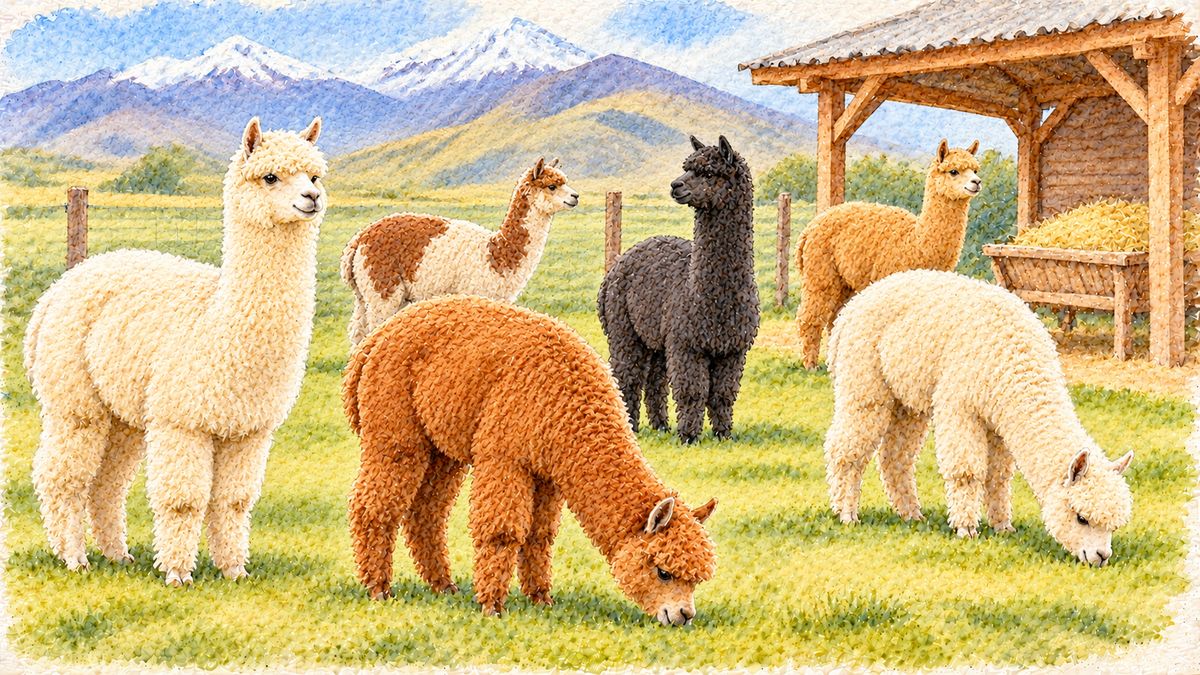
Alpacas come in many natural colors, from white, cream and fawn to brown, gray and black. Peruvian grading systems recognize around 22 natural shades. Because the fleece is already colored, it can often be used without chemical dyes.
The Fleece
Alpaca fleece is soft, warm, strong and lightweight. It contains no lanolin, the waxy substance in sheep's wool, which means it is less greasy and is often considered gentler on sensitive skin. Alpaca fiber is hollow in places, which helps it trap heat. A healthy adult alpaca produces about 5 to 10 pounds (2.3 to 4.5 kg) of fleece per year, though yields vary with age and breeding.
Alpaca vs Llama
Alpacas and llamas are often confused. Here is how to tell them apart:
- Size: Llamas are bigger, weighing roughly 250 to 450 pounds (113 to 204 kg), while alpacas are much lighter.
- Ears: Llamas have long, banana-shaped ears, while alpacas have short, spear-shaped ears.
- Face: Alpacas have a blunt, fluffy face, while llamas have a longer snout.
- Use: Alpacas are raised for fiber, while llamas are used as pack animals and guard animals.
- Fleece: Alpaca fleece is finer and softer, while llama fiber is coarser.
Where Do Alpacas Come From and Live?
The alpaca originated in the Andes mountains of South America, where it lives in high-altitude grasslands called the altiplano at elevations of roughly 3,500 to 5,000 meters (11,500 to 16,400 ft). Cold nights, thin air and sparse vegetation have shaped the animal's physical traits, including its dense fleece and efficient lungs and blood.
Today alpacas are also raised in many other countries, where they live on pastures at lower elevations. They do best in climates that are not too hot and humid, though they can adapt well with proper shade, water and shearing.
What Do Alpacas Eat?
Alpacas are herbivores with a gentle, efficient digestive system. They have a three-chambered stomach and chew cud like cattle and sheep.
Basic Diet
- Grass pasture and grass hay: the foundation of the diet
- Alpaca-specific feed or pellets: in limited amounts for extra nutrients, especially for pregnant or nursing females and growing crias
- Minerals and vitamins: formulated for camelids, as these animals need the right balance of minerals such as selenium and vitamin D
- Fresh, clean water: available at all times
An adult alpaca typically eats about 1.5 to 2 percent of its body weight in forage each day, and sometimes a little more when nursing or in cold weather. Overfeeding rich food can lead to obesity, so it is best to keep the diet simple and monitor body condition.
What Should Alpacas Avoid?
Alpacas should not be fed moldy hay, large amounts of grain or sugary treats. Some common garden and pasture plants are toxic, including rhododendron, azaleas, yew and oleander. Always check what is growing in the field and fence it off if necessary.
Alpaca Behavior and Temperament
Herd Animals
Alpacas are social herd animals and should never be kept alone. Keep at least two or three together, because a lone alpaca can become stressed, lonely and unhealthy. Many keepers choose two or three castrated males (called geldings) or females together.
Gentle and Curious
Alpacas are generally calm and curious but also shy. They are not usually fond of being hugged or touched on the head. Alpacas will often approach people calmly but prefer to keep their distance until they are comfortable.
Communication
Alpacas communicate by humming, a soft sound that expresses everything from curiosity to worry or contentment. They also make an alarm call, a sharp, whinnying shriek, when they spot a predator. Body language such as ear position and tail position also conveys mood.
Spitting
Spitting is mainly a way for alpacas to settle disagreements with each other, and it is directed at people only rarely, usually if the alpaca feels threatened. Spit contains sour stomach contents and smells bad. Alpacas also sometimes kick when they are scared.
Dung Piles
Alpacas are tidy animals. They choose communal dung piles where the entire herd goes to the bathroom, which makes pasture cleanup easier and helps limit parasite spread. The manure is an excellent, low-odor fertilizer that can be used directly in gardens.
Alpaca Reproduction and Babies
Female alpacas are induced ovulators, meaning that ovulation is triggered by mating rather than by a seasonal cycle, so they can breed at almost any time of year. Gestation lasts roughly 11 to 12 months, about 335 to 350 days.
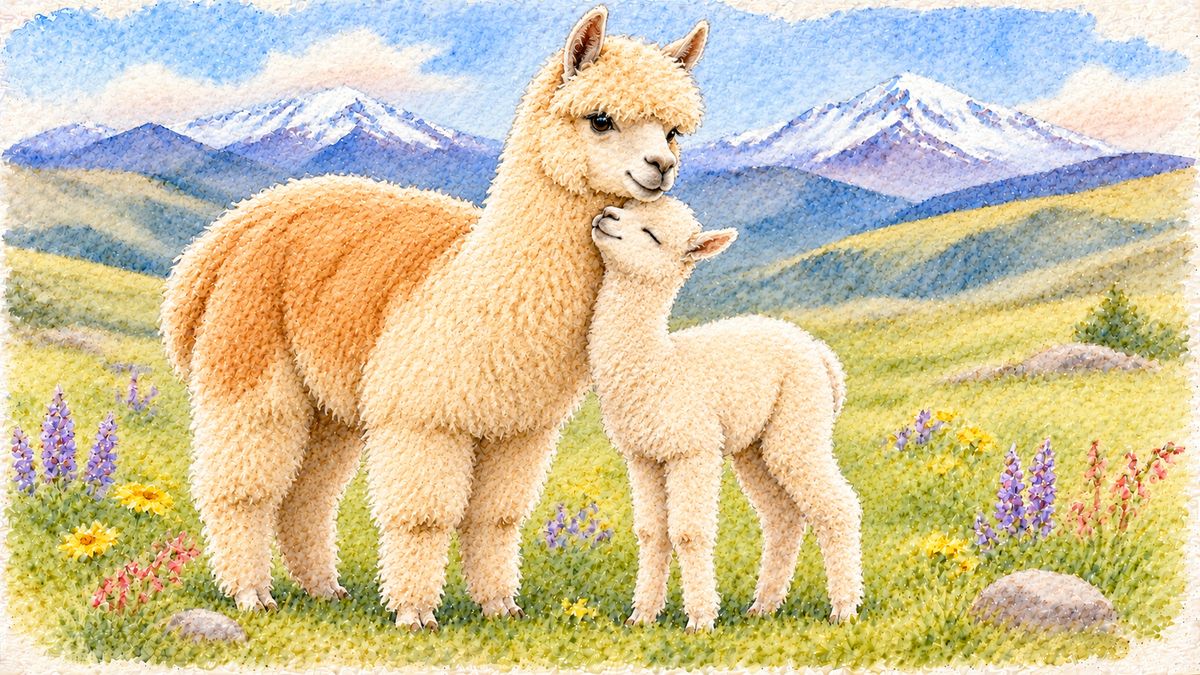
A female typically gives birth to one baby, called a cria, usually during the daytime and often without assistance. A newborn cria weighs about 15 to 20 pounds (7 to 9 kg) and can stand and nurse within a few hours. Crias are weaned at around five to six months.
Mothers are usually bred again within a few weeks of giving birth. Females reach breeding age at around 12 to 18 months, and males are usually used for breeding at about two to three years.
Alpaca Care Guide
Fencing and Shelter
Alpacas need sturdy fencing about 4 to 5 feet (1.2 to 1.5 m) high, such as woven wire, which also keeps predators out. A three-sided shelter or barn protects them from rain, wind and sun. Heat is a bigger problem than cold for most alpacas, so shade, fans and sprinklers can help in summer.
Space
A common guideline is about 5 to 10 alpacas per acre (0.4 hectare), depending on the quality of the pasture and the climate. Rotational grazing can help keep pasture healthy.
Shearing
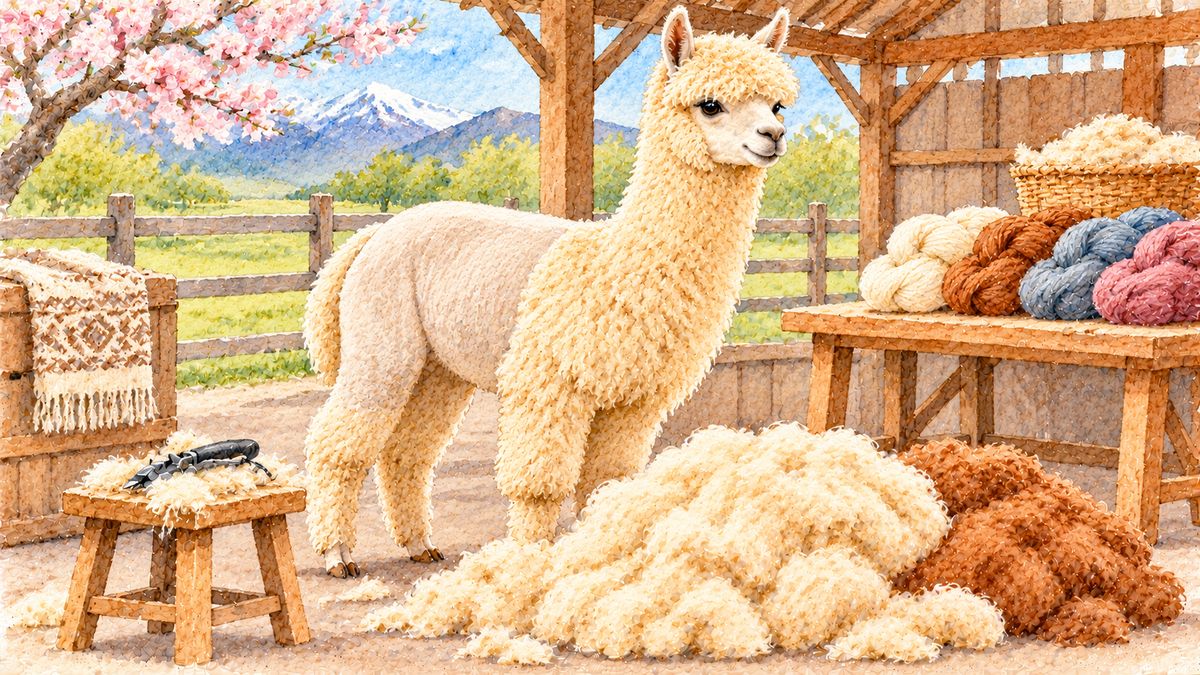
Alpacas are sheared once a year, usually in spring before warm weather starts, to prevent overheating and to harvest the fleece. Shearing is a skilled job, and many owners hire an experienced shearer. The fleece is used for yarn, socks, scarves, sweaters and blankets.
Health Care
- Vaccinations: Many keepers vaccinate against clostridial diseases and tetanus; ask a local vet for local advice.
- Parasite control: Regular fecal tests help manage internal parasites.
- Toenail trims: Nails need trimming a few times a year.
- Teeth checks: Overgrown teeth may need trimming.
- Heat stress: Watch for heavy breathing in hot weather.
- Body condition: Feel along the back to judge weight, since fleece can hide thinness.
Work with a veterinarian experienced with camelids, and keep an eye out for signs of illness such as lethargy, loss of appetite or isolating from the herd.
How Long Do Alpacas Live?
With good care, alpacas typically live 15 to 20 years. Regular health checks, good nutrition and comfortable conditions help them live long, healthy lives.
Predators and Threats
In the Andes, wild predators such as pumas and foxes may threaten alpacas. In other countries, dogs, coyotes, wolves and big cats can be a danger to alpacas. Many farmers keep guardian animals such as llamas or livestock guardian dogs. Alpacas are quick and alert and will sound alarm calls, but a secure fence is the best defense.
Why Alpacas Are Important
- Fiber: Alpaca fleece is among the finest natural fibers, used in textiles worldwide.
- Livelihoods: Many Andean families depend on alpacas for income.
- Sustainable farming: Soft padded feet and efficient grazing make alpacas gentle on pasture.
- Fertilizer: Their manure is a valuable, low-odor garden fertilizer.
- Companionship and education: Alpacas are popular at farms, schools and community programs.
Are Alpacas Endangered?
No. Alpacas are domesticated animals, and there are millions of them, mostly in Peru. They are not assessed on the IUCN Red List in the way wild species are. However, their wild ancestor, the vicuña, was once endangered but recovered thanks to strong protection, and some traditional alpaca breeds and bloodlines need careful management to avoid genetic loss.
Fun Facts About Alpacas
- Camelid cousins: Alpacas are related to camels and llamas.
- Hum, hum: They communicate mostly by humming.
- Fleece with no lanolin: Alpaca fiber is less greasy than sheep wool.
- Natural rainbow: They come in about two dozen natural colors.
- Soft feet: They have padded feet rather than hooves.
- Group potty: The whole herd uses the same dung piles.
- Baby is a cria: A baby alpaca is called a cria.
- Royal fiber: The Inca reserved the finest alpaca cloth for royalty.
- Big in Peru: Most of the world's alpacas live in Peru.
Frequently Asked Questions
What is an alpaca? An alpaca is a domesticated South American camelid raised for its soft fleece. It is smaller and gentler than a llama and lives in herds.
What is the difference between an alpaca and a llama? Alpacas are smaller, with short ears, a fluffy face and finer fleece. Llamas are larger, with long ears and a longer face, and are used mainly as pack and guard animals.
Do alpacas spit? Yes, but mostly at each other when arguing over food or space. They rarely spit at people unless they feel threatened or are handled roughly.
What do alpacas eat? Alpacas eat grass pasture and grass hay, with camelid-specific minerals and a little supplemental feed when needed.
How long do alpacas live? Alpacas usually live about 15 to 20 years with good care.
Can I keep just one alpaca? No. Alpacas are herd animals and should be kept with at least one or two other alpacas to stay healthy and calm.
Final Thoughts
Alpacas combine beauty, usefulness and calm charm. They have been treasured in the Andes for thousands of years and have won hearts around the world with their gentle humming, fluffy fleece and curious faces. Whether you are interested in their fiber, thinking about keeping a small herd or just curious about these endearing camelids, understanding their needs and natural habits is the key to ensuring they thrive.