
The Treeing Walker Coonhound is a fast, athletic American scent hound famous for its sharp nose, tireless stamina and ringing voice. Hunters affectionately call it "the people's choice" among coonhounds, and with its sleek tricolor coat, soulful eyes and friendly nature, it is easy to see why.
Bred to track raccoons through the night and hold them up a tree, this hound is all business on the trail. At home, however, it is usually an easygoing, affectionate and sociable companion. In this complete Treeing Walker Coonhound guide, you will learn about its size, temperament, training, exercise needs, grooming, health, diet and history, so you can decide whether this energetic hound is a good fit for your family.

Treeing Walker Coonhound at a Glance
| Trait | Details |
|---|---|
| Breed group | Hound (AKC) |
| Height | Males 22 to 27 inches (56 to 69 cm); females 20 to 25 inches (51 to 64 cm) |
| Weight | 50 to 70 pounds (23 to 32 kg) |
| Life expectancy | About 12 to 13 years |
| Coat | Short, smooth and glossy |
| Colors | Tricolor (white, black and tan) preferred; also white and black or white and tan |
| Shedding | Moderate |
| Energy level | High |
| Temperament | Confident, affectionate, friendly, determined, vocal |
| Good for | Active families, hunters, runners, homes with yards |
| Origin | United States (Virginia and Tennessee roots) |
What Is a Treeing Walker Coonhound?
The Treeing Walker Coonhound is a coonhound, a group of American scent hounds bred to trail raccoons. When the hound picks up a scent, it follows it at speed, often through the night, until the raccoon climbs a tree. The dog then stays at the base and bays loudly, announcing to the hunter that the quarry is "treed."
The breed descends from American foxhounds known as Walker hounds, which in turn trace back to English Foxhounds. It was once grouped under the English Coonhound before being recognized as a separate breed. Today it is one of the most popular hunting hounds in the United States and a member of the American Kennel Club's Hound Group.
How Big Do Treeing Walker Coonhounds Get?
Treeing Walker Coonhounds are medium-large to large dogs. Males typically stand 22 to 27 inches (56 to 69 cm) at the shoulder and females 20 to 25 inches (51 to 64 cm). Most adults weigh 50 to 70 pounds (23 to 32 kg).
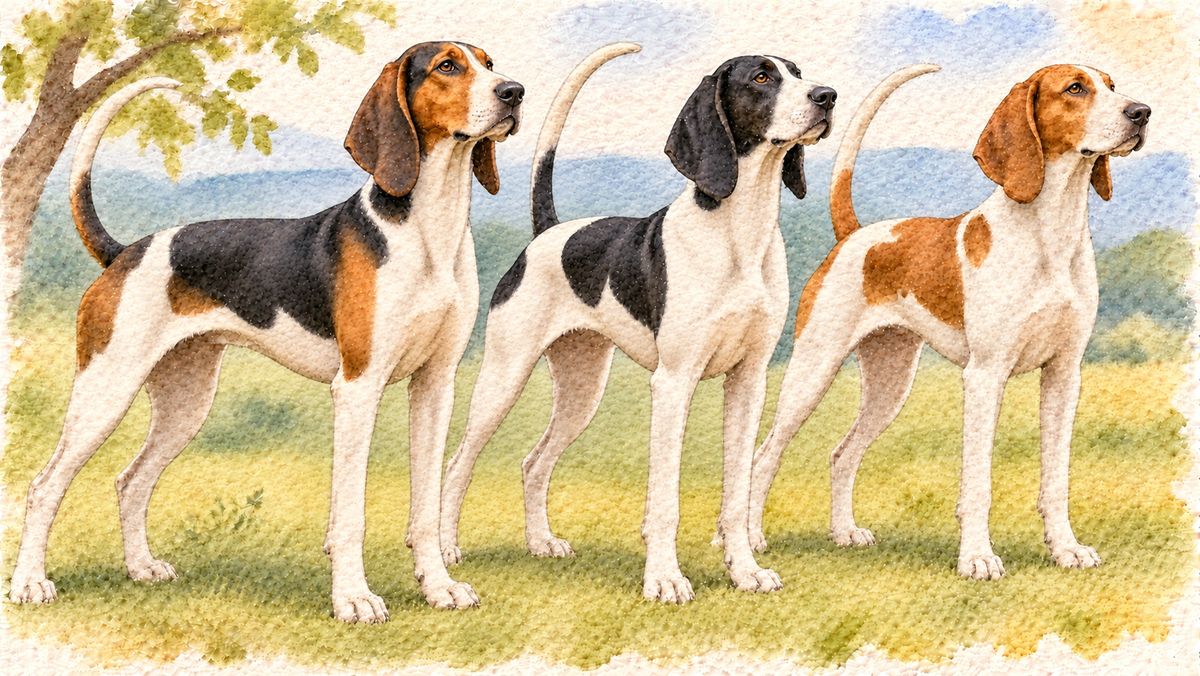
The body is powerful, lean and athletic, built for speed and endurance rather than bulk. The breed has a broad head, a square muzzle, long drop ears and large dark eyes with a gentle, pleading expression. The tail is carried high and slightly curved, and the overall impression is of a hound that can run all night.
Coat and Colors
The coat is short, smooth, dense and glossy, offering protection in the field while staying easy to care for.
The preferred color pattern is tricolor: a white base with black saddle or patches and tan markings, often on the face and legs. Bicolor dogs, such as white and black or white and tan, are also seen. Solid black dogs are not typical of the breed.
Treeing Walker Coonhound Temperament and Personality
The Treeing Walker Coonhound temperament combines a hunter's drive with a sweet, people-loving nature. These hounds are often described as:
- Confident hunters: On a scent, they are focused, fast and determined, with a strong instinct to tree their quarry.
- Affectionate: At home, they love their people and often enjoy relaxing on the couch after a busy day.
- Friendly and sociable: Most get along well with visitors, children and other dogs.
- Smart: They are clever and quick to learn, especially when the task involves their nose.
- Vocal: Like all coonhounds, they have a powerful voice, ranging from a long "bawl" to a rapid "chop" bark.
- Independent: Bred to work out a trail on their own, they can be single-minded when a scent catches their attention.
This combination makes the breed a great companion for active families, but owners should be ready for plenty of exercise and some noise.
What Does a Coonhound Sound Like?
The coonhound voice is part of the breed's working toolkit. On the trail, a Treeing Walker typically gives a long, drawn-out "bawl" that tells the hunter it is following a scent. Once the raccoon is up a tree, the dog switches to a faster, choppy bark, often called a "chop" or "locate," so the hunter can find the tree in the dark.
Experienced hunters can often recognize their own dog by its voice alone, even from far away. At home, this same instinct can show up as baying at passing animals, sirens or interesting smells. Early training, enough exercise and a calm routine help keep the volume reasonable, but a coonhound will never be a silent dog. If you live close to neighbors, it is worth thinking about this before bringing one home.
Are Treeing Walker Coonhounds Good Family Dogs?
Yes, Treeing Walker Coonhounds are often good family dogs. They are friendly, affectionate and generally patient with children, especially when raised with them. Because they are large and energetic, supervise play with small children to prevent accidental knocks.
Treeing Walker Coonhounds and Other Pets
As pack hounds, they usually enjoy the company of other dogs. Their strong prey drive, though, can make them unsafe with cats, rabbits and other small pets unless they are raised together and carefully supervised.
Training a Treeing Walker Coonhound
These hounds are intelligent and responsive to positive training, but their nose can easily outvote their ears. Once on a scent, they may tune out everything else, so patience and consistency are key.
Here are some training tips for new owners:
- Start early. Begin socialization and basic obedience as soon as your puppy comes home.
- Use positive reinforcement. Food rewards are especially motivating for most hounds.
- Keep sessions short and fun. Several brief sessions a day work better than one long lesson.
- Practice recall in safe areas. Even well-trained hounds can bolt after a scent, so use a long line or fenced area.
- Channel the nose. Tracking, scent work and hunting give the dog a satisfying outlet for its instincts.
- Teach a "quiet" cue. Reward calm behavior to keep baying under control at home.
Exercise Needs
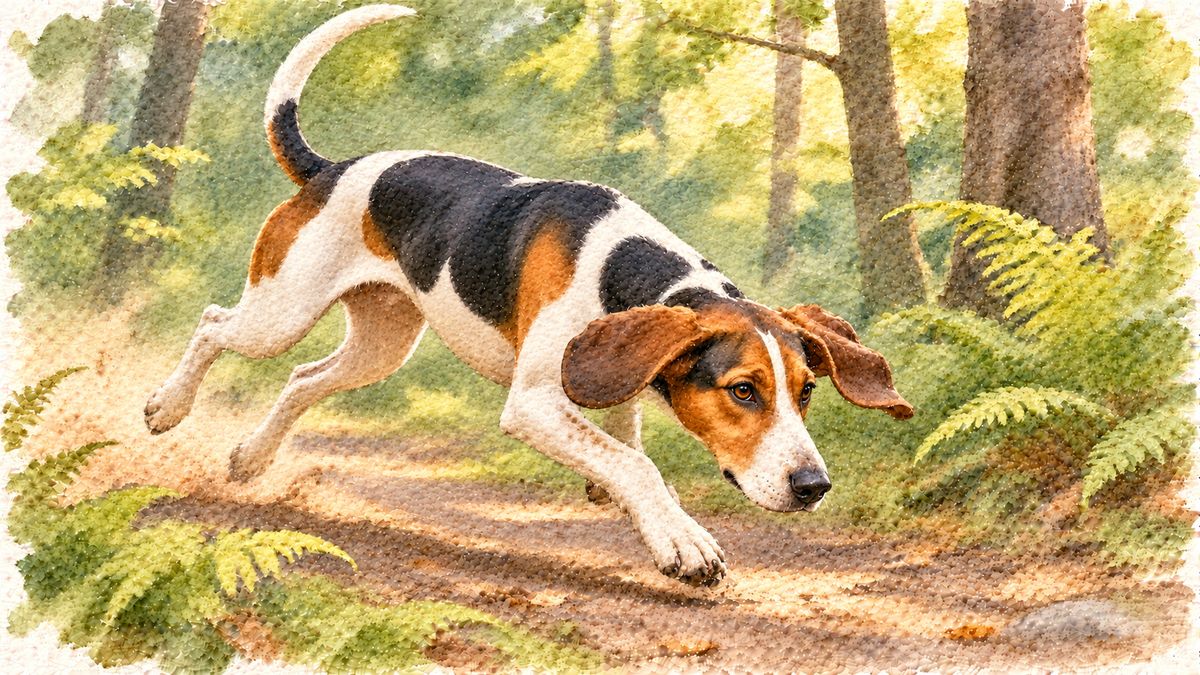
The Treeing Walker Coonhound is a high-energy breed that needs vigorous exercise every day. Long walks, hikes, jogging and running in a securely fenced area are all good options. Many also enjoy tracking, agility and, of course, hunting.
A bored hound is likely to find its own entertainment, such as howling, digging or raiding the trash. A tall, secure fence is a must, since a hound on a scent may wander far from home. Always walk your dog on a leash in unfenced areas.
Because of its size, energy and voice, the breed is usually happiest in a house with a yard rather than a small apartment.
Grooming
Grooming is simple. The short, smooth coat needs only minimal care to stay glossy and healthy.
Do Treeing Walker Coonhounds Shed?
Yes, they shed moderately throughout the year. Weekly brushing removes loose hair and keeps the coat shiny. They are not considered hypoallergenic.
Grooming Routine
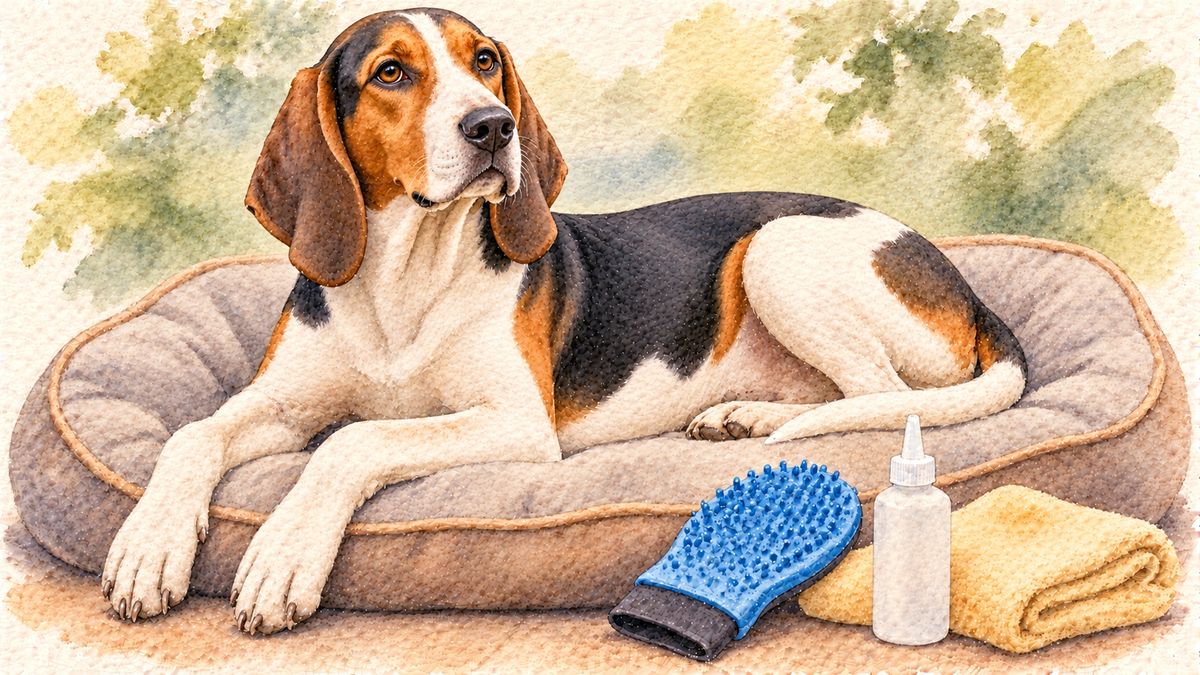
- Brushing: Brush weekly with a hound mitt or rubber curry brush.
- Bathing: Bathe occasionally or when your dog gets muddy or smelly after time outdoors.
- Ears: Check and clean the long drop ears weekly, since they can trap moisture and debris.
- Nails: Trim nails every few weeks if they don't wear down naturally.
- Teeth: Brush teeth several times a week or provide dental chews.
- Paws and coat: After hunts or hikes, check for burrs, cuts and ticks.
Treeing Walker Coonhound Health and Lifespan
The Treeing Walker Coonhound is generally a healthy, hardy breed with a typical lifespan of about 12 to 13 years. Responsible breeders screen their dogs for conditions that may affect the breed, such as:
- Hip dysplasia: An abnormal formation of the hip joint that can lead to arthritis.
- Ear infections: Long, hanging ears can trap moisture and dirt.
- Eye problems: Regular eye checks help catch issues early.
- Weight gain: Hounds love food, and extra weight can stress joints.
Active hunting dogs also face outdoor risks, including injuries, ticks and other parasites. Always work with your veterinarian to set up a routine of checkups, vaccinations and preventive care.
Feeding and Nutrition
The breed does best on a high-quality dog food suited to its age, size and activity level. Puppies should eat a puppy formula, ideally one made for large breeds, to support steady growth. Active and working adults may benefit from a high-protein formula designed for athletic dogs.
Portion sizes depend on age, weight and exercise. Follow the feeding guidelines on the package and ask your veterinarian for advice. Coonhounds are famously food-motivated, so measure meals carefully and keep treats to a small part of daily calories.
History of the Treeing Walker Coonhound
The story of the Treeing Walker Coonhound begins in colonial America. In 1742, Thomas Walker of Virginia imported English Foxhounds, and these dogs became the foundation of the hounds that would later carry the Walker name.
In the 1800s, a fast, hard-driving dog of unknown origin, known as "Tennessee Lead," was reportedly taken from a deer chase in Tennessee and bred into Walker hound lines. His speed, drive and hunting sense are credited with shaping the Walker hounds that hunters prized.
For many years, Treeing Walkers were considered part of the English Coonhound breed. In 1945, the United Kennel Club recognized the Treeing Walker Coonhound as a separate breed. Hunters loved its speed, accuracy and voice, and it soon became known as "the people's choice." The American Kennel Club granted full recognition and placed the breed in the Hound Group in 2012.

Treeing Walker vs Bluetick Coonhound
People often compare the Treeing Walker with the Bluetick Coonhound. The Treeing Walker is known for being faster and hotter-nosed, with a lean build and a mostly white tricolor coat. The Bluetick tends to be a little slower and more methodical on the trail, with a heavier build and a dark blue-ticked coat. Both are friendly, vocal hounds with similar exercise needs.
Is a Treeing Walker Coonhound Right for You?
This breed could be a wonderful match if you:
- Lead an active lifestyle and enjoy running, hiking or hunting
- Have a house with a large, securely fenced yard
- Want a friendly, affectionate dog that is good with kids
- Prefer a short coat that is easy to groom
- Don't mind a loud, enthusiastic voice
It may not be the best fit if you:
- Live in an apartment or have close neighbors
- Want a dog that is reliable off leash
- Keep cats, rabbits or other small pets
- Prefer a calm, low-energy companion
Finding a Treeing Walker Coonhound Puppy
When looking for a Treeing Walker Coonhound puppy, choose a breeder who health-screens their dogs, raises puppies with care and is honest about the breed's energy and voice. Many hounds also need new homes, so coonhound rescue groups and shelters are excellent places to find a loving adult dog.
Fun Facts About the Treeing Walker Coonhound
- The breed is nicknamed "the people's choice" among coonhounds.
- It traces back to English Foxhounds imported to Virginia in 1742.
- A legendary dog called "Tennessee Lead" helped shape the breed.
- The UKC recognized it as a separate breed in 1945, and the AKC followed in 2012.
- Its voice includes a long bawl on the trail and a rapid chop at the tree.
- The breed competes in hunting events, field trials, tracking, agility and obedience.
Frequently Asked Questions
How big do Treeing Walker Coonhounds get?
Males usually stand 22 to 27 inches tall and females 20 to 25 inches, with most adults weighing 50 to 70 pounds.
Are Treeing Walker Coonhounds good family dogs?
Yes. They are friendly, affectionate and usually good with children, but they need plenty of daily exercise and a secure yard.
How long do Treeing Walker Coonhounds live?
The typical lifespan is about 12 to 13 years with good care, a healthy diet and regular veterinary checkups.
Do Treeing Walker Coonhounds bark a lot?
They are vocal hounds with a loud bay and bark. Training and daily exercise help, but some noise is part of owning a coonhound.
Do Treeing Walker Coonhounds shed?
Yes, they shed moderately year-round. Weekly brushing keeps loose hair under control and the coat shiny.
Can Treeing Walker Coonhounds be off leash?
It is risky. Their powerful nose and strong drive can lead them to follow a scent for miles, so keep them on a leash or in a secure fenced area.
Final Thoughts
The Treeing Walker Coonhound is a joyful blend of speed, stamina and sweet temperament. It is a gifted hunter, a loving family dog and a loyal running partner rolled into one. If you can provide daily exercise, a secure yard and a little tolerance for its ringing voice, a Treeing Walker Coonhound may be the perfect companion for your active household.