The Rottweiler is a powerful, confident working dog with a calm presence, a sharp mind and a deeply loyal heart. With its glossy black coat, rich rust markings and broad, noble head, this breed looks every bit the guardian it was bred to be. Yet the people who share their homes with one often describe it as a gentle goofball with its family.
Few breeds combine strength, intelligence and devotion quite like this one. In this complete Rottweiler dog breed guide, you will learn about its size, temperament, training, exercise needs, grooming, health, diet and fascinating history, which stretches all the way back to the Roman Empire, so you can decide whether this impressive breed is the right match for you.
Rottweiler at a Glance
| Trait | Details |
|---|---|
| Breed group | Working (AKC) |
| Height | Males 24 to 27 inches (61 to 69 cm); females 22 to 25 inches (56 to 63 cm) |
| Weight | Males 95 to 135 pounds (43 to 61 kg); females 80 to 100 pounds (36 to 45 kg) |
| Life expectancy | 9 to 10 years |
| Coat | Short, straight, coarse outer coat with an undercoat |
| Colors | Black with rust to mahogany markings |
| Shedding | Moderate, heavier in spring and fall |
| Energy level | Moderate |
| Temperament | Calm, confident, loyal, protective, playful with family |
| Good for | Experienced owners, active families, homes with a fenced yard |
| Origin | Germany (roots in the Roman era) |
What Is a Rottweiler?
The Rottweiler is a large, muscular breed developed in Germany to drive cattle and guard property. Its ancestors traveled with Roman armies, and later generations worked for butchers and cattle dealers in the town of Rottweil. Over the centuries, this versatile dog has worked as a herder, guardian, police dog, guide dog and search-and-rescue partner.
Today, the breed is one of the most popular dogs in the United States, ranking among the American Kennel Club's top 10 breeds in recent years. It belongs to the AKC Working Group and was officially recognized in 1931.
Despite its strong guardian instincts, a well-bred and well-raised dog of this breed is not overly aggressive. Its ideal temperament is calm, confident and good-natured, with a steady watchfulness toward strangers.
Rottweiler Size and Appearance
How Big Do Rottweilers Get?
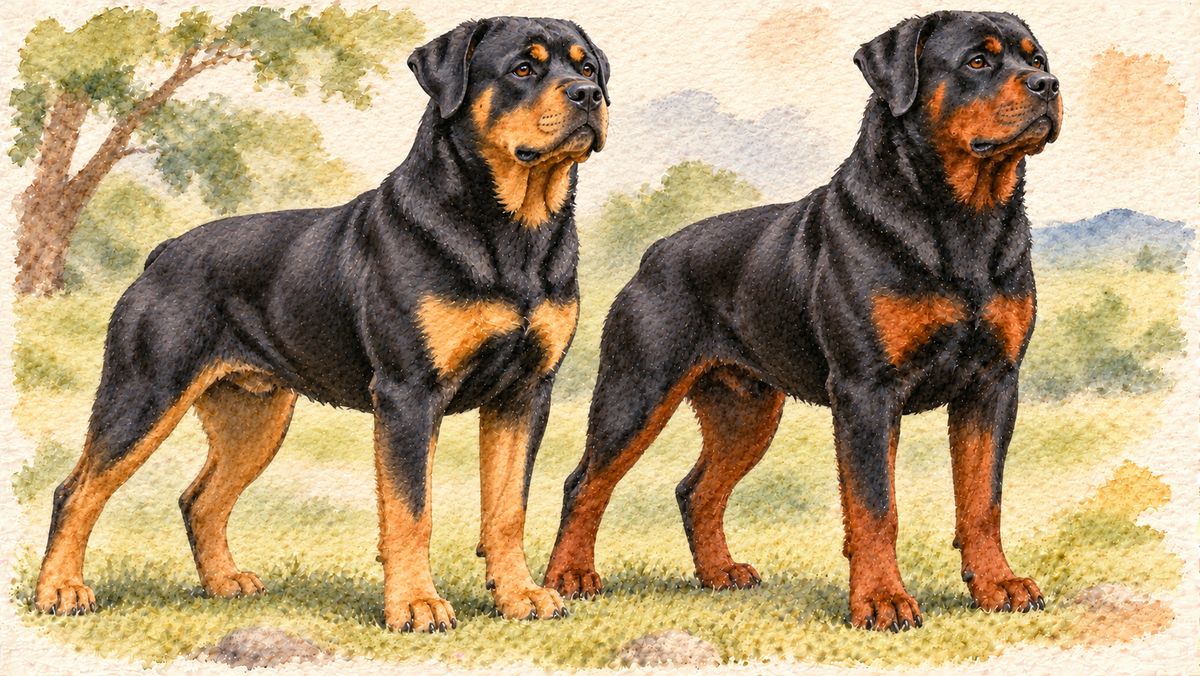
Rottweilers are large, solidly built dogs. Males usually stand 24 to 27 inches tall at the shoulder and weigh 95 to 135 pounds, while females stand 22 to 25 inches and weigh 80 to 100 pounds. They reach their full adult size slowly, often filling out until around two years of age.
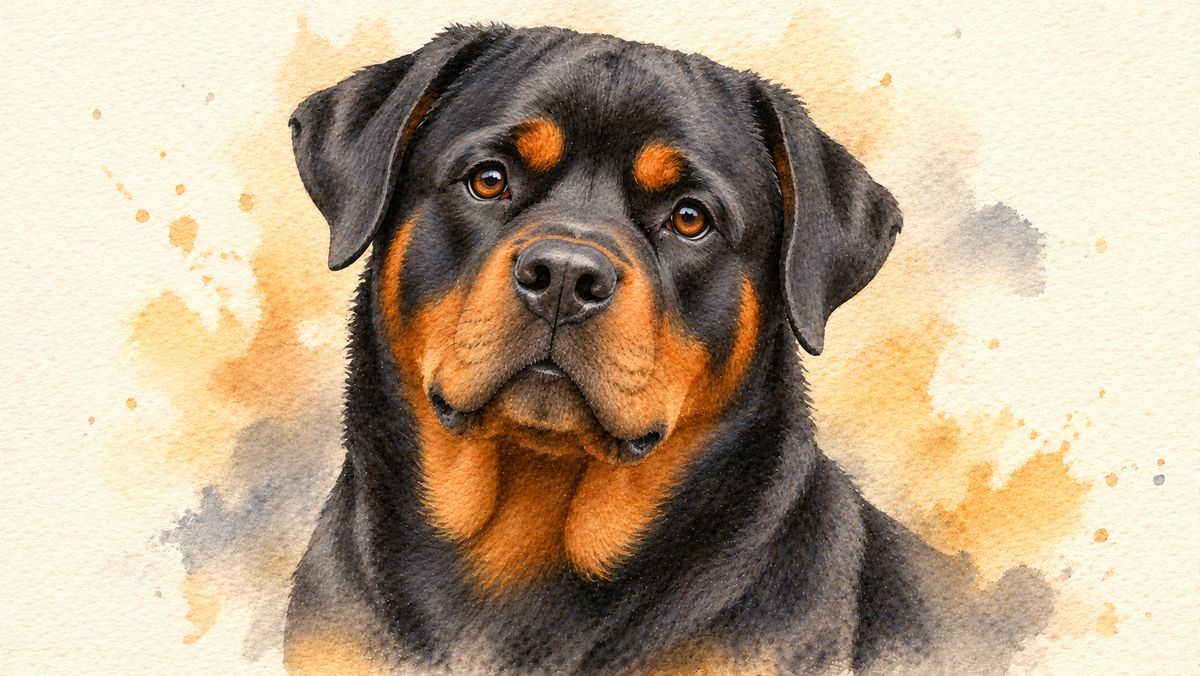
The breed is compact and powerful, with a broad chest, strong bones and well-muscled hindquarters. Its head is broad between the ears, with a strong muzzle, almond-shaped dark brown eyes and triangular ears that hang forward. The overall look is one of strength, balance and endurance.
In the United States, tails have traditionally been docked, but in many other countries, the dogs keep their natural tails.
Coat and Colors
The breed wears a straight, coarse, medium-short outer coat that lies flat against the body. Beneath it is an undercoat, most noticeable on the neck and thighs, which helps protect the dog in cooler weather.
The breed always comes in black with clearly defined markings that range from rust to mahogany. These markings appear above each eye, on the cheeks, muzzle, throat, chest and legs, and under the tail.
Rottweiler Temperament and Personality
The Rottweiler temperament is a fascinating mix of strength and sweetness. These dogs are known for being:
- Calm and confident: A well-raised dog of this breed is self-assured and steady rather than nervous or reactive.
- Loyal: They are true "people dogs" that bond deeply with their families.
- Protective: Natural guardians, they watch over their home and family and are often reserved with strangers.
- Intelligent: They learn quickly and excel at many jobs, from obedience to therapy work.
- Playful and silly: With the people they love, many show a goofy, affectionate side that surprises newcomers.
- Hardworking: This breed loves having a job and enjoys working alongside its owner.
Because of its strength and guardian instincts, this is a breed that does best with an owner who can provide clear leadership, structure and consistent training from day one.
Are Rottweilers Good Family Dogs?
Yes, they can be excellent family dogs when they are well-bred, well-socialized and properly trained. They are often affectionate and protective with the children in their own family. Because they are large and strong, they can accidentally knock over small children, so supervision is always important.
Are Rottweilers Good With Other Pets?
Many live peacefully with other dogs and cats, especially when raised with them. Some can be wary of unfamiliar dogs, particularly dogs of the same sex. Early socialization and careful introductions make a big difference.
Introduce your puppy to many people, places, sounds and animals during its first months. Puppy classes are a great way to build good manners and confidence.
Training a Rottweiler
This is an extremely intelligent and highly trainable breed, which is one reason it has excelled in police work, search and rescue and therapy roles. Training should begin early and continue throughout the dog's life. Positive reinforcement, consistency and calm confidence work far better than harsh methods.
Here are a few Rottweiler training tips:
- Start on day one. Begin socialization and basic manners as soon as your puppy comes home.
- Enroll in classes. Puppy and obedience classes provide structure and safe socialization.
- Teach polite greetings. A large dog that jumps on people can be overwhelming, so reward calm greetings early.
- Practice leash manners. Teaching loose-leash walking while your dog is small makes life much easier later.
- Give it a job. Obedience, tracking, herding, rally and carting are excellent outlets for this working breed.
Rottweiler Exercise Needs
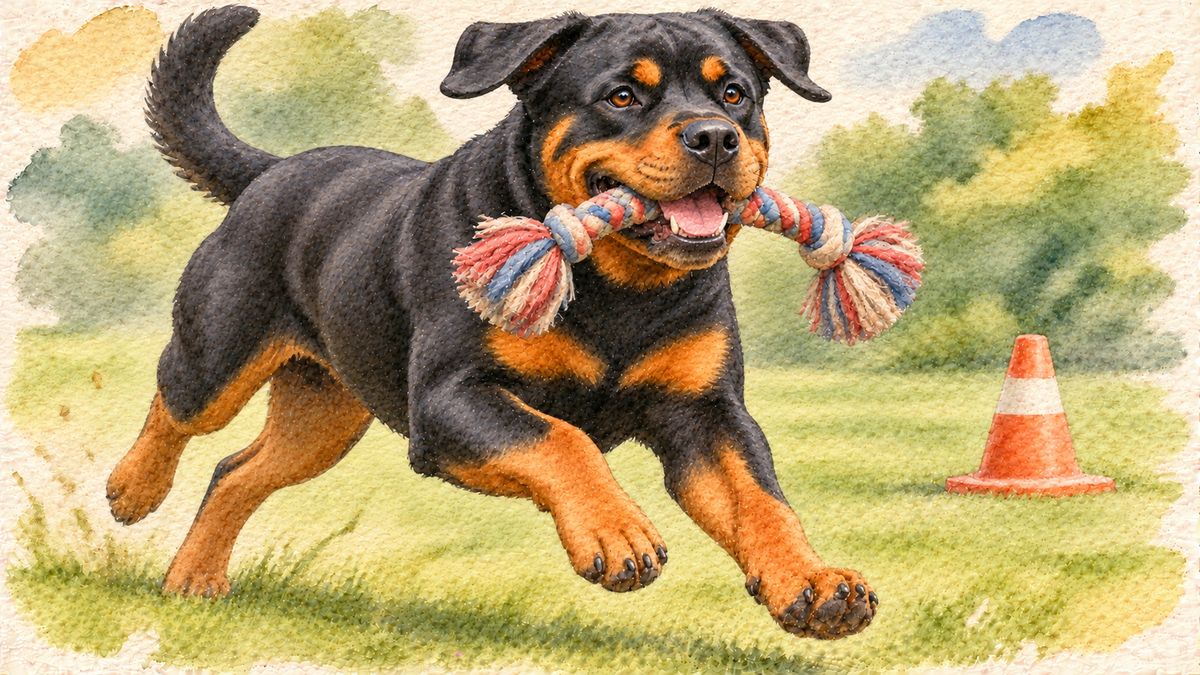
The breed has a medium energy level. It needs regular daily exercise, such as brisk walks, play sessions and training activities, to stay fit and content. A tired, mentally satisfied dog is much more relaxed at home.
Mental stimulation is just as important as physical activity. Puzzle toys, scent games and short training sessions help keep this clever breed engaged. Without enough activity, a bored dog may become destructive.
Be careful not to over-exercise young puppies. Their bones and joints are still developing, so stick to moderate play and short walks until your veterinarian says more strenuous activity is safe. Always use a sturdy leash and a well-fenced yard.
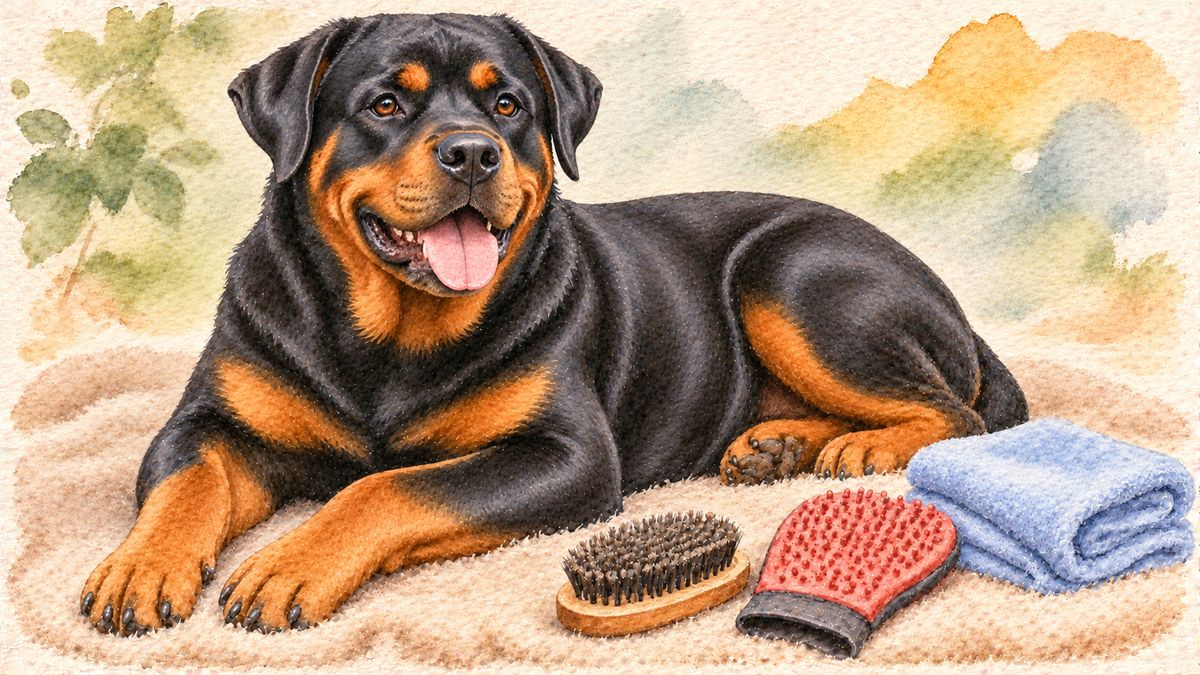
Rottweiler Grooming
Do Rottweilers Shed?
Yes, they shed. The coat sheds moderately throughout the year and more heavily twice a year, usually in spring and fall, when the undercoat comes out.
Grooming Routine
Grooming this breed is fairly simple:
- Brushing: Brush once a week to remove loose hair. During heavy shedding seasons, brushing more often helps.
- Bathing: Bathe every few months or whenever your dog gets dirty.
- Nails: Trim nails regularly. Large dogs with long nails can find walking uncomfortable.
- Teeth: Brush your dog's teeth several times a week to support dental health.
- Ears: Check ears weekly and gently clean away dirt or wax.
Start handling your puppy's paws, ears and mouth early so that grooming is easy once it is fully grown.
Rottweiler Health and Lifespan
How Long Do Rottweilers Live?
The Rottweiler lifespan is typically 9 to 10 years. Like many large breeds, it has a shorter life expectancy than smaller dogs, which makes good preventive care especially valuable.
Responsible breeders follow the American Rottweiler Club's recommendations to screen for concerns that may include:
- Hip dysplasia: An abnormal formation of the hip joint, common in large breeds.
- Elbow dysplasia: Abnormal development of the elbow joint.
- Heart conditions: Cardiac screening helps breeders make informed choices.
- Eye conditions: Regular eye exams can catch problems early.
- Cancer: As with all breeds, cancer is a possibility, so regular checkups are important.
Keeping your dog lean, active and on a regular schedule of veterinary visits will help it enjoy the best possible quality of life. Always work with your veterinarian on vaccinations, parasite prevention and screenings.
Feeding and Nutrition
As a large breed, this dog does best on a high-quality large-breed dog food that helps maintain an ideal body condition. Large-breed formulas are designed to support joint health and the energy needs of bigger dogs.
Puppies may need to stay on a large-breed puppy food until they are about 18 months to 2 years old. Look for puppy foods that contain DHA, which supports brain and vision development, and antioxidants, which support the immune system. Follow the feeding guidelines on the package and ask your veterinarian about portion sizes, since extra weight can strain the joints.
History of the Rottweiler
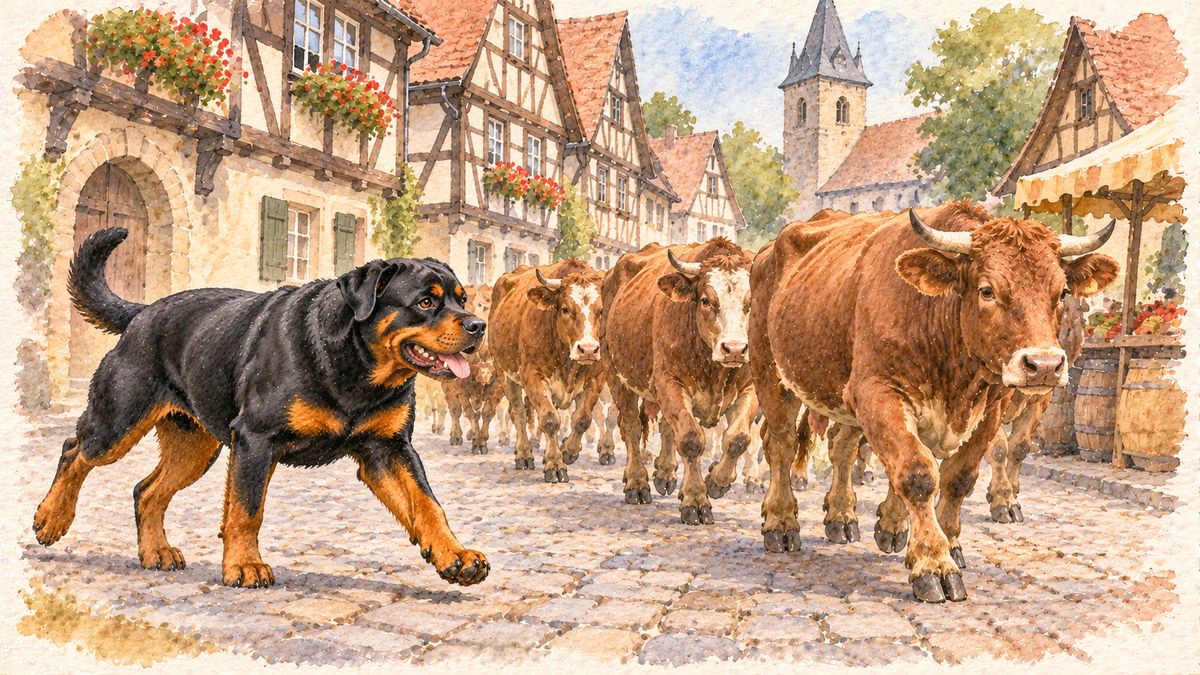
This is one of the oldest herding breeds, with roots in the Roman Empire. Roman armies traveled with mastiff-type drover dogs that herded the cattle used to feed the troops. As the legions moved north into what is now Germany, some of these dogs stayed behind.
After the fall of Rome, the dogs found new work in the market town of Rottweil, a busy center for the cattle trade. There, they drove livestock to market and guarded the money pouches of traveling butchers and cattle dealers. This earned them the name "Rottweiler Metzgerhund," meaning "butcher's dog of Rottweil."
In the 1800s, railroads began moving cattle to market, and the breed's numbers dropped sharply. The dogs found new purpose as police dogs, guardians and companions, and they served as police dogs during World War I. They were also among the breeds used as early guide dogs for people who are blind.
The American Kennel Club recognized the breed in 1931. In more recent history, Rottweilers were among the search-and-rescue dogs that worked at the Oklahoma City bombing site and the World Trade Center after the September 11 attacks.
Rottweiler vs Doberman
People often compare the Rottweiler vs Doberman because both are black-and-rust German working breeds known for loyalty and protection. The Doberman Pinscher is sleeker, lighter and typically more high-energy, while the Rottweiler is heavier, more muscular and often more laid-back at home. Both need early training and plenty of companionship.
Is a Rottweiler Right for You?
This breed could be a wonderful match if you:
- Have experience training large, strong dogs
- Can commit to early socialization and lifelong training
- Want a loyal, protective and affectionate companion
- Have a home with a securely fenced yard
- Enjoy daily walks and active play
- Are home often enough to provide companionship
It may not be the best fit if you:
- Are a first-time owner unsure about training a large breed
- Live in a small space with no access to regular exercise
- Want a dog that is friendly with every stranger
- Are away from home for long hours most days
Some areas and rental properties have rules about certain breeds, so it is a good idea to check local regulations and housing policies before bringing one home.
Finding a Rottweiler Puppy
When looking for a Rottweiler puppy, choose a breeder who health-tests for hips, elbows, heart and eyes, raises puppies in a home environment and can tell you about the parents' temperaments. A responsible breeder will ask about your experience and lifestyle. Breed clubs and rescue groups are also excellent places to find adult dogs that need loving homes.
Fun Facts About the Rottweiler
- The breed is named after the German town of Rottweil.
- Its full historic name, "Rottweiler Metzgerhund," means "butcher's dog of Rottweil."
- Its ancestors marched with Roman armies.
- The breed was among the early breeds used as guide dogs.
- The breed was a popular police dog during World War I.
- It has ranked among the AKC's 10 most popular breeds in recent years.
Frequently Asked Questions
How big do Rottweilers get?
Males usually stand 24 to 27 inches tall and weigh 95 to 135 pounds. Females stand 22 to 25 inches and weigh 80 to 100 pounds.
Are Rottweilers good family dogs?
Yes, when well-bred, socialized and trained, they are loyal, affectionate family dogs. Their size means supervision with young children is important.
Do Rottweilers shed?
Yes. They shed moderately year-round and more heavily in spring and fall. Weekly brushing helps manage loose hair.
How long do Rottweilers live?
The typical lifespan is 9 to 10 years with good care and regular veterinary checkups.
Are Rottweilers easy to train?
They are very intelligent and highly trainable, but they need consistent, positive training from an early age and an owner who provides clear structure.
Where does the Rottweiler come from?
The breed developed in the German town of Rottweil, from Roman drover dogs that herded cattle for the army.
Final Thoughts
The Rottweiler is a remarkable blend of strength, intelligence and devotion. Its long history as a herder, guardian and helper shows just how versatile and capable this breed can be. If you can provide early socialization, consistent training, daily exercise and plenty of love, a Rottweiler can be a loyal, affectionate and trustworthy companion for the whole family.