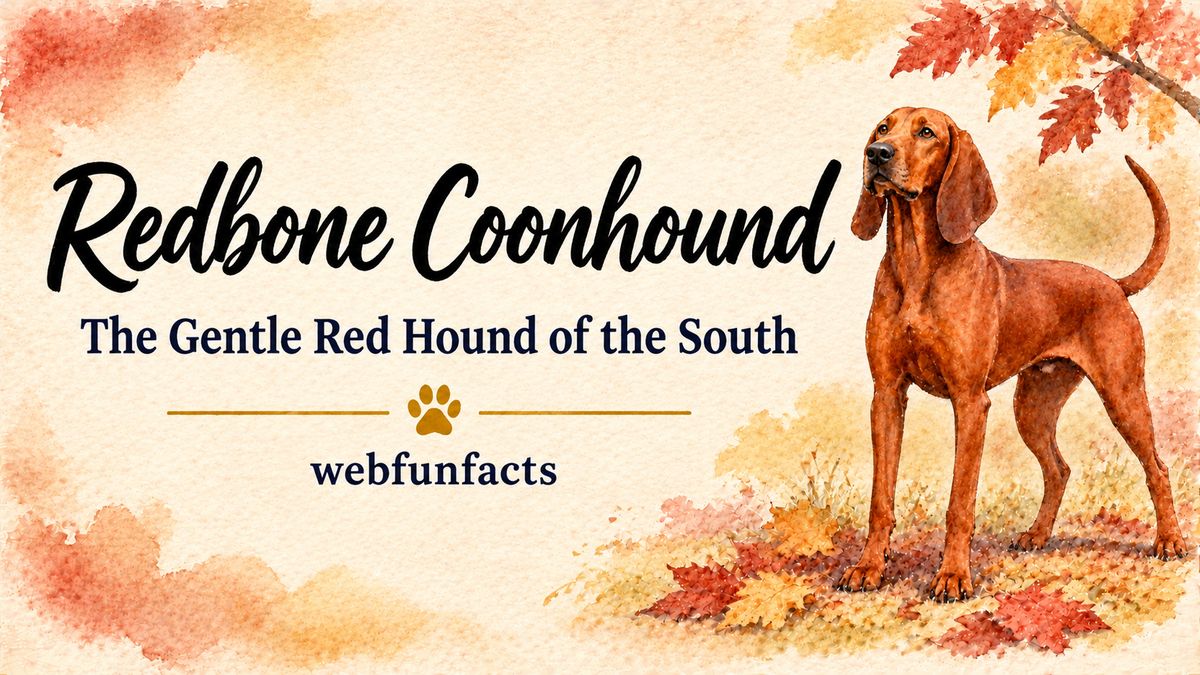
The Redbone Coonhound is a striking American scent hound with a glossy, deep red coat, soulful eyes and a voice that carries through the woods. Bred in the American South to trail and tree raccoons, this athletic dog combines speed, stamina and an exceptional nose. Out in the field it is bold and determined, yet at home it is famously easygoing.
Many people first met this breed through the classic children's novel Where the Red Fern Grows, and the dog in real life is every bit as loyal and lovable as the book suggests. In this complete Redbone Coonhound dog breed guide, you will learn about its size, temperament, grooming, exercise needs, health, diet and history, so you can decide whether this handsome hound is right for you.
Redbone Coonhound at a Glance
| Trait | Details |
|---|---|
| Breed group | Hound (AKC) |
| Height | Males 22 to 27 inches (56 to 69 cm); females 21 to 26 inches (53 to 66 cm) |
| Weight | Roughly 45 to 85 pounds (20 to 39 kg), with males usually heavier |
| Life expectancy | About 12 to 15 years |
| Coat | Short, smooth, slightly coarse |
| Colors | Solid red; a little white on the chest or feet may appear |
| Shedding | Low to moderate |
| Energy level | High |
| Temperament | Gentle, eager to please, determined, loyal |
| Good for | Active families, hunters, homes with space and a fenced yard |
| Origin | Southern United States (1700s to 1800s) |
What Is a Redbone Coonhound?
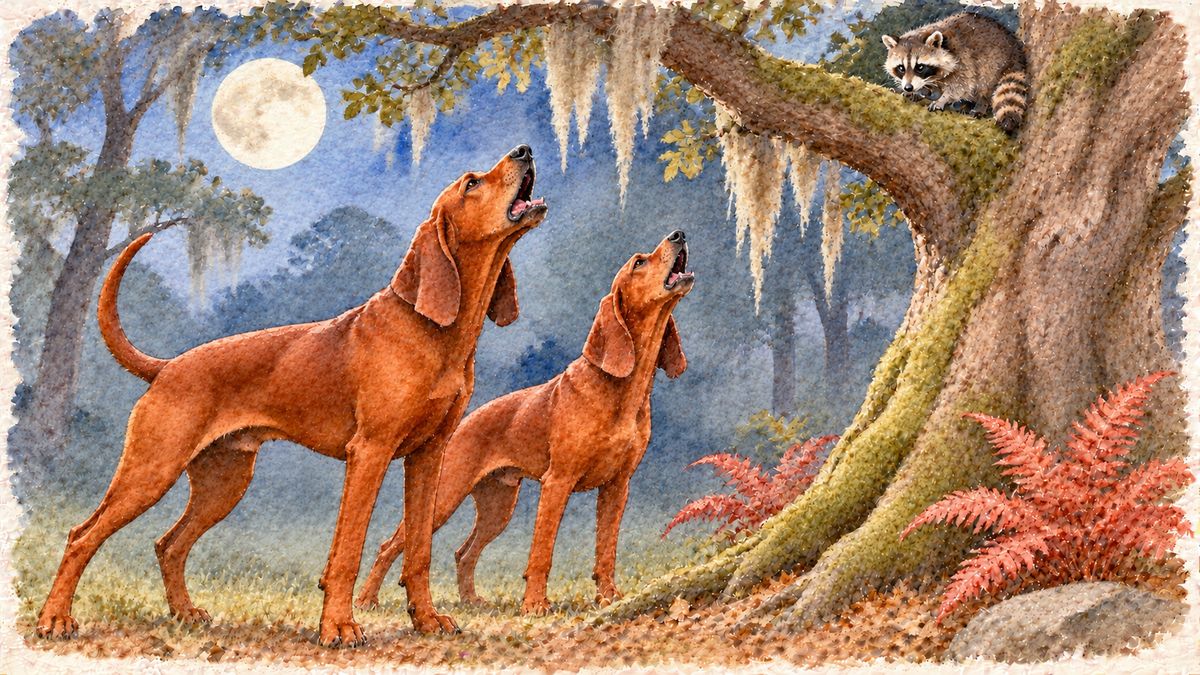
The Redbone Coonhound is a large, athletic scent hound developed in the United States to hunt raccoons. Its job was to follow a scent trail, sometimes long after the animal had passed, and then "tree" the quarry while baying loudly so hunters could find it. Hunters also used the breed on larger game such as bear and cougar.
What sets the Redbone apart is its combination of talents. It is fast, agile and sure-footed over rough ground, and it can work a cold trail with patience and focus. Fans also love its looks: the rich red coat makes it one of the most eye-catching hounds you will ever see.
The American Kennel Club recognizes the Redbone Coonhound as a member of its Hound Group. The breed received full AKC recognition in 2009, although it had been well established in America for more than a century before that.
Redbone Coonhound Size and Appearance
How Big Do Redbone Coonhounds Get?
Redbone Coonhounds are large dogs. Males typically stand 22 to 27 inches tall at the shoulder, and females stand about 21 to 26 inches. Weight usually falls somewhere between about 45 and 85 pounds, with males tending to be larger and heavier than females.
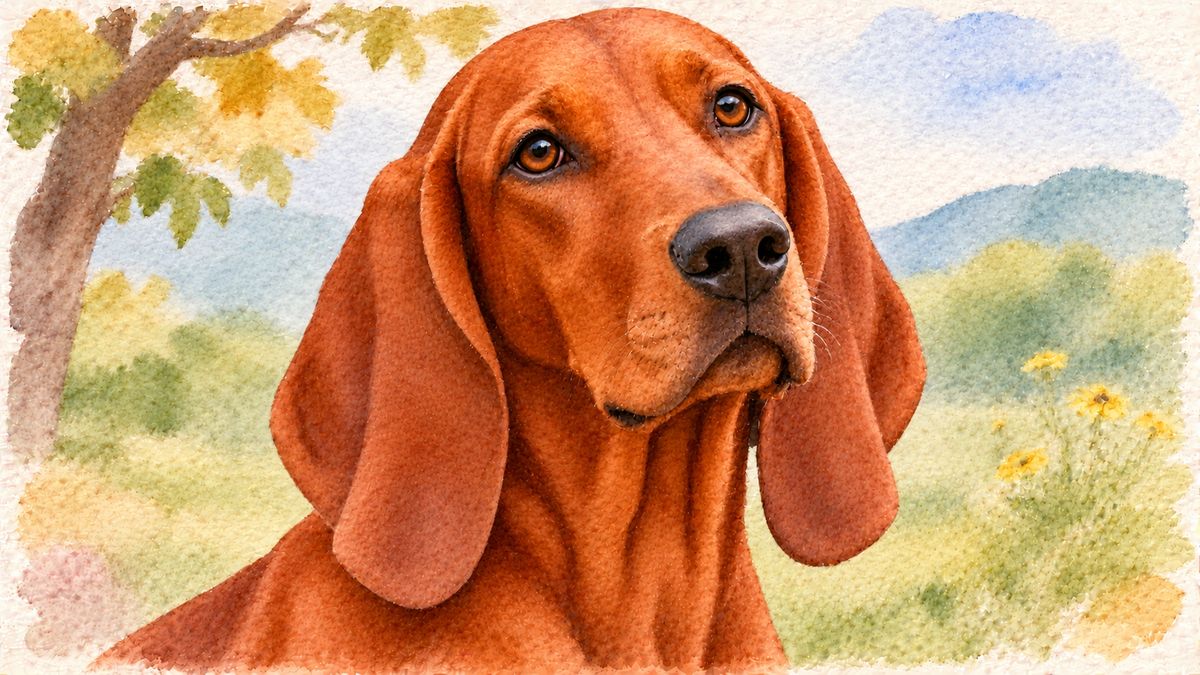
The breed has a lean, muscular and well-balanced build that is designed for endurance. Its head is handsome and moderately broad, with long, low-set ears that hang in soft folds. The eyes are dark brown to hazel and give the dog a warm, pleading expression that many owners find irresistible.
The legs are strong and straight, the feet are compact and cat-like, and the tail is carried up when the dog is alert or moving. In motion, a well-built Redbone looks smooth, confident and effortless.
Coat and Colors
The coat is short and smooth, yet slightly coarse to the touch, giving the dog protection when working through brush. It lies close to the body and has a natural shine.
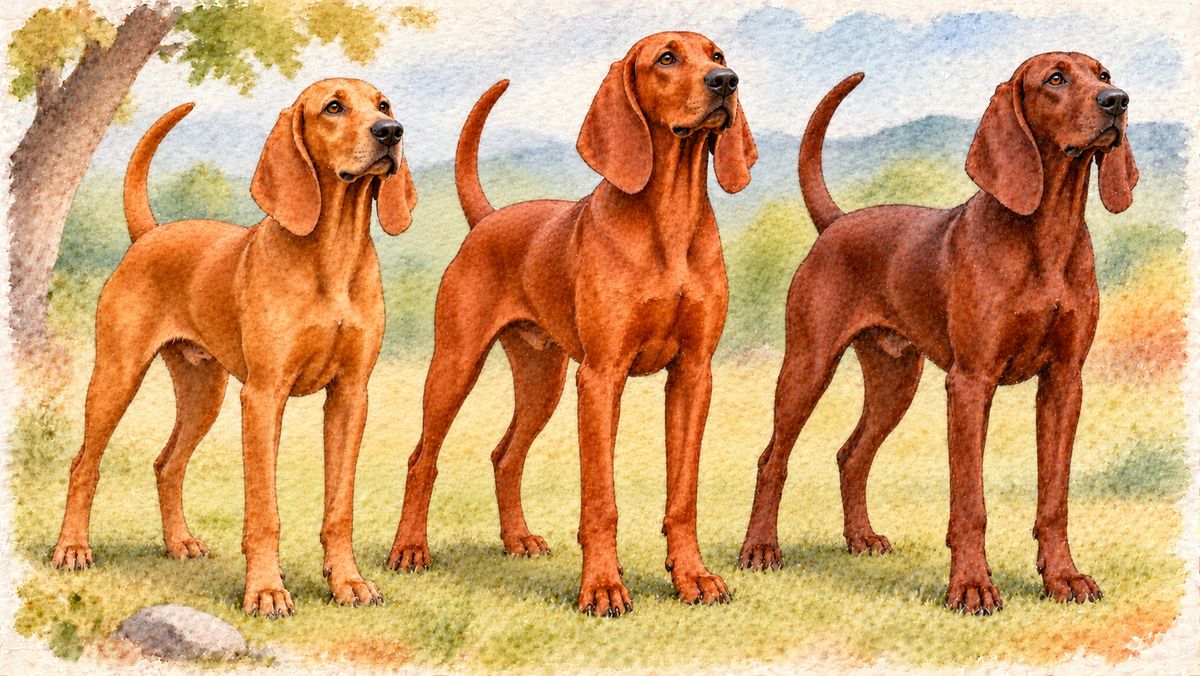
As the name suggests, red is the color of this breed. A solid, rich red is preferred, and the shade can range from lighter coppery tones to deep mahogany. Some dogs have a small amount of white on the chest or feet, and a darker muzzle is not unusual.
Redbone Coonhound Temperament and Personality
The Redbone Coonhound temperament is often described as having two sides: driven in the field and mellow at home. Common traits include:
- Gentle: Indoors, Redbones are usually calm, easygoing and affectionate with their families.
- Eager to please: Compared with some hounds, this breed is known for wanting to work with its people.
- Determined: Once on a scent, a Redbone is focused, persistent and hard to distract.
- Bold in the field: Bred to face raccoons and even larger game, it is brave and confident when hunting.
- Loyal: These dogs bond strongly with their owners and enjoy being close by.
- Vocal: Like other coonhounds, Redbones have a loud, musical bay and may use it.
Many owners say their hound is a "couch potato" after a good run, happy to stretch out near the family for hours. That relaxed side only appears, however, when the dog's exercise needs have been met.
Are Redbone Coonhounds Good Family Dogs?
Yes, Redbone Coonhounds are generally good family dogs. They are often patient and friendly with children, especially when raised with them. Because they are large and enthusiastic, supervision with toddlers is always a good idea to prevent accidental bumps.
Are Redbone Coonhounds Good With Other Pets?
Redbones were bred to hunt in packs, so many get along well with other dogs. Their strong prey drive, however, means they may chase cats or small animals. Early socialization and careful introductions help, but homes with pet rodents or rabbits should take extra care.
Expose your puppy to many people, animals, sights and sounds during its first months. Good early experiences help it grow into a confident, polite adult.
Training a Redbone Coonhound
Redbones are intelligent and often more eager to please than many other scent hounds. Still, that powerful nose can override even the best manners when an interesting smell appears. Patience, consistency and positive reinforcement are the keys to success.
Here are a few training tips for new owners:
- Start early. Begin socialization and basic cues as soon as your puppy comes home.
- Use food and praise. Hounds tend to respond well to tasty rewards and cheerful encouragement.
- Work on recall. A reliable "come" is essential, but never assume it will beat a fresh scent trail.
- Address barking. Teach a "quiet" cue and reward calm behavior to manage the breed's loud voice.
- Give the nose a job. Tracking, scent work and nose games are perfect outlets for this breed's talents.
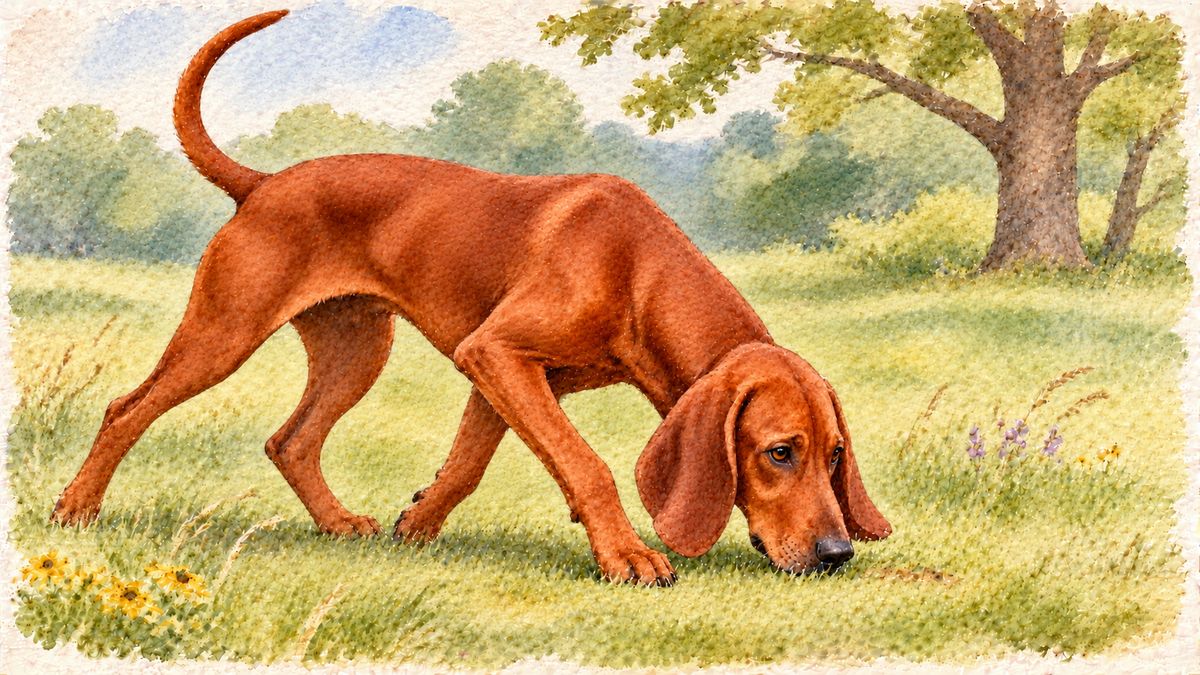
Redbone Coonhound Exercise Needs
This is a high-energy breed that needs plenty of daily exercise. Long walks, hikes, jogging and active play sessions help keep it fit and content. Many Redbones also enjoy swimming and are known as capable water dogs.
Mental exercise is just as important. Scent games, tracking, hide-and-seek with treats and puzzle toys all tap into the dog's natural instincts. A bored hound may become noisy or destructive.
Always keep your dog on a leash or in a securely fenced area. Once it catches a scent, it may follow it for miles without looking back. Because of its size, energy and voice, this breed usually does best in a house with a yard rather than a small apartment.
Redbone Coonhound Grooming
Do Redbone Coonhounds Shed?
Redbone Coonhounds do shed, but their short coat sheds relatively lightly compared with many breeds. Regular brushing keeps loose hair under control and the coat looking glossy.
Grooming Routine
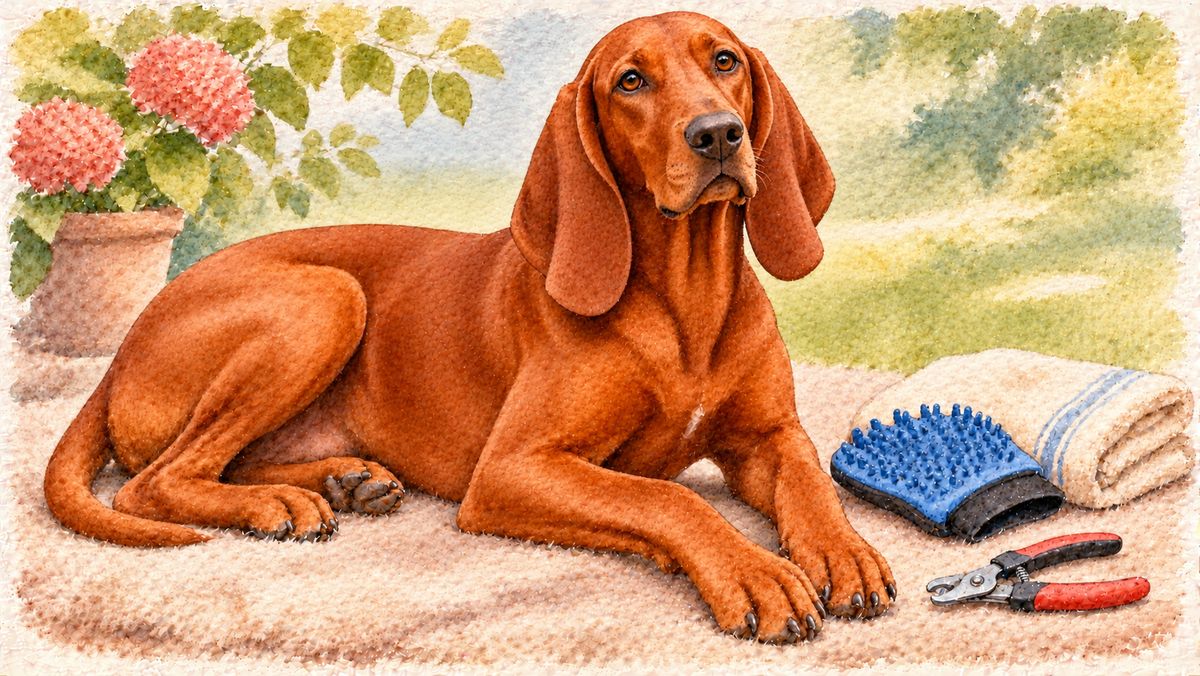
Redbone Coonhound grooming is simple. The coat needs only occasional care:
- Brushing: Brush once a week with a hound mitt or rubber brush to remove loose hair and spread natural oils.
- Bathing: Bathe only when needed, such as after a muddy outing.
- Ears: Check and gently clean the long ears weekly. Floppy ears can trap moisture and dirt.
- Nails: Trim nails every few weeks if they don't wear down naturally.
- Teeth: Brush your dog's teeth several times a week to support good dental health.
- After outings: Check the coat and paws for burrs, ticks and small cuts after time in the woods.
Redbone Coonhound Health and Lifespan
How Long Do Redbone Coonhounds Live?
The Redbone Coonhound lifespan is commonly given as about 12 to 15 years. With good care, a healthy diet and regular checkups, many enjoy long and active lives.
The breed is generally considered healthy and hardy. Like all large dogs, however, it can be prone to certain conditions. Responsible breeders screen for concerns that may include:
- Hip dysplasia: An abnormal formation of the hip joint that is seen in many larger breeds.
- Ear infections: Long, hanging ears benefit from regular checks and cleaning.
- Eye conditions: Routine eye exams help catch problems early.
- Weight gain: A hound with a big appetite and too little exercise can easily become overweight.
Keep your dog lean and active to protect its joints. Always work with your veterinarian to set up a routine of vaccinations, parasite prevention and preventive care.
Feeding and Nutrition
A Redbone does best on a high-quality dog food suited to its size, age and activity level. Active hunting dogs may need more calories than family pets with a quieter routine.
Puppies should eat a puppy food that supports steady growth, and large-breed puppy formulas are designed with bigger dogs in mind. Follow the feeding guidelines on the package and ask your veterinarian for advice on portion sizes. Hounds are often food-motivated, so measure meals carefully and keep treats to a small part of daily calories.
History of the Redbone Coonhound
The Redbone Coonhound's roots go back to red foxhounds brought to America by Scottish and Irish immigrants between the late 1700s and the Civil War era. Settlers in the South, especially in Georgia and Tennessee, wanted a hound that could handle the region's terrain and hunt raccoons, bear and cougar.
Breeders selected for speed, agility, a strong nose and the ability to work a cold trail. Over time, they also favored a solid red coat, and early dogs with black saddles gradually gave way to the all-red hound we know today. The origin of the name is uncertain, though it is often linked to early breeders, including a man named Peter Redbone.
By 1900, the breed was well established in the United States. The United Kennel Club recognized it in the early 1900s, making it one of the earliest coonhound breeds to gain official recognition. The American Kennel Club later admitted it to the Hound Group in 2009.
The Redbone's most famous moment in popular culture came in 1961, when Wilson Rawls published Where the Red Fern Grows. The novel follows a boy and his two Redbone Coonhounds, Old Dan and Little Ann, and it has introduced generations of readers to this loyal breed.
Redbone Coonhound vs Vizsla
People sometimes confuse the Redbone Coonhound vs Vizsla because both have short red coats. The Vizsla is a Hungarian pointing breed that hunts mostly by sight and scent in open fields, and it has a lighter golden-rust color. The Redbone is an American scent hound with long hanging ears, a deeper red coat and a loud bay used to signal treed game.
Is a Redbone Coonhound Right for You?
This breed could be a great match if you:
- Enjoy hiking, running or long daily walks
- Have a home with a securely fenced yard
- Want a gentle, affectionate family companion
- Prefer a short coat that is easy to groom
- Are interested in hunting, tracking or scent sports
- Don't mind a dog with a big, musical voice
It may not be the best fit if you:
- Live in an apartment with close neighbors
- Want a dog that can be trusted off leash in open areas
- Keep small pets such as rabbits or rodents
- Prefer a low-energy dog that needs little exercise
Finding a Redbone Coonhound Puppy
When looking for a Redbone Coonhound puppy, choose a breeder who health-tests their dogs, raises puppies around people and can tell you about the parents' temperaments. Hunting lines and companion lines can differ in drive, so explain your lifestyle to the breeder. Breed clubs and hound rescue groups are also good places to look for adult dogs that need homes.
Fun Facts About the Redbone Coonhound
- Old Dan and Little Ann, the dogs in Where the Red Fern Grows, are Redbones.
- Early Redbones often had black saddles before breeders favored a solid red coat.
- The breed was bred to hunt raccoons but was also used on bear and cougar.
- Many Redbones are strong swimmers and enjoy water.
- The breed was well established in America before 1900.
- It received full AKC recognition in 2009.
Frequently Asked Questions
How big do Redbone Coonhounds get?
Males usually stand 22 to 27 inches tall, and females about 21 to 26 inches. Most adults weigh roughly 45 to 85 pounds.
Are Redbone Coonhounds good family dogs?
Yes. They are usually gentle, loyal and patient with children at home. Their size and energy mean supervision with toddlers is wise.
Do Redbone Coonhounds bark a lot?
They are vocal hounds with a loud, musical bay. Training, exercise and mental stimulation help keep the noise manageable.
How long do Redbone Coonhounds live?
The typical lifespan is about 12 to 15 years with good care and regular veterinary checkups.
Do Redbone Coonhounds shed?
They shed lightly. Weekly brushing with a hound mitt or rubber brush keeps the short coat neat.
What book features Redbone Coonhounds?
Where the Red Fern Grows by Wilson Rawls, published in 1961, tells the story of a boy and his two Redbone Coonhounds, Old Dan and Little Ann.
Final Thoughts
The Redbone Coonhound is a beautiful blend of athlete and sweetheart. In the woods it is a tireless, determined hunter, and at home it is a gentle, loyal companion who loves to lounge with its family. If you can give it daily exercise, a secure yard and patient training, a Redbone Coonhound may be the most devoted friend you will ever have.