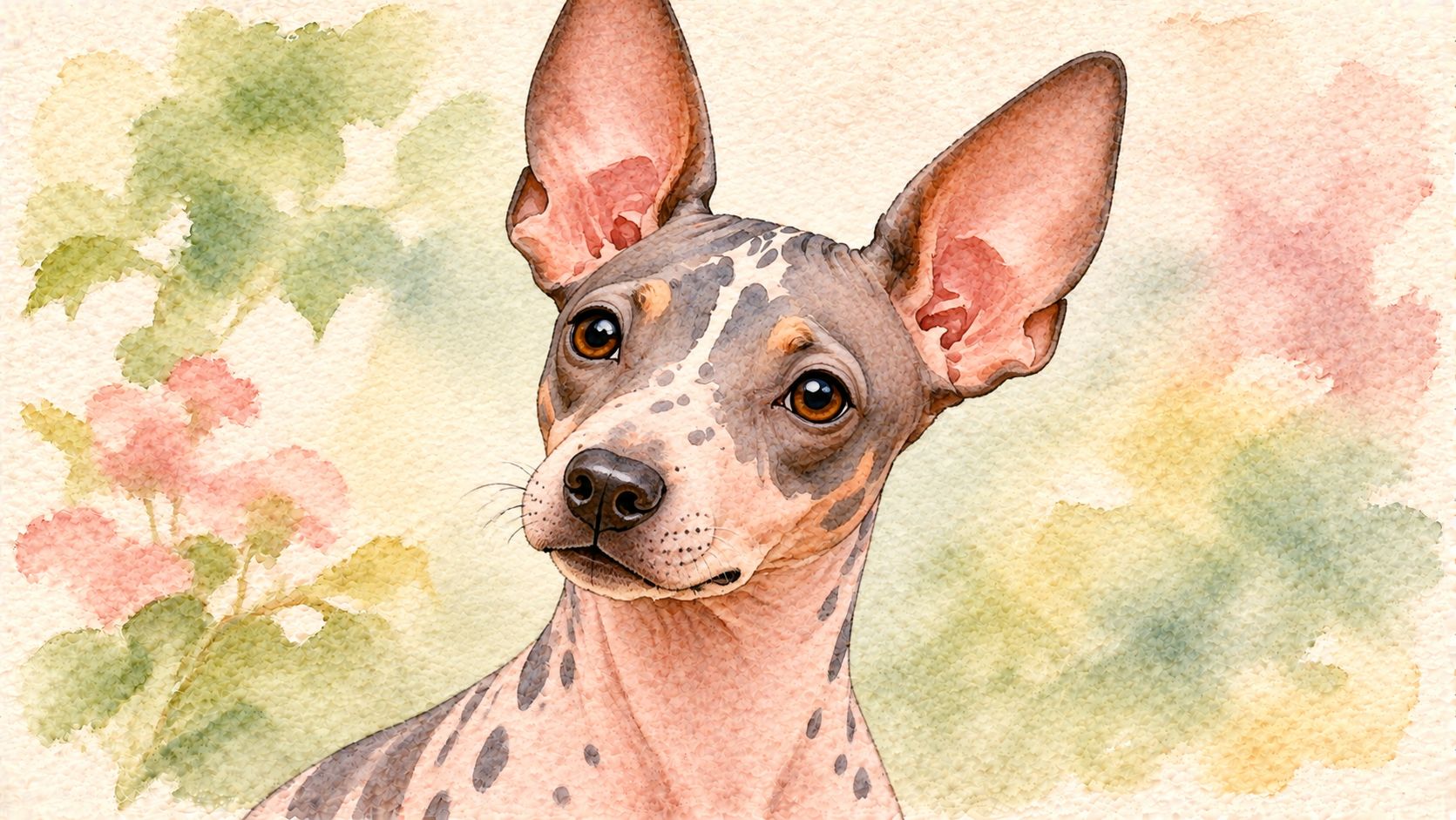
With its smooth, bare skin, big upright ears and bright, eager eyes, the American Hairless Terrier is one of the most eye-catching small dogs you will ever meet. Spot one at the park and you will probably do a double take. But behind that unusual look is a classic terrier: busy, clever, playful and always ready for the next adventure.
The American Hairless Terrier holds a special place in dog history as the only hairless breed that was developed in the United States. It comes in two varieties, a completely hairless type and a type with a short, sleek coat, and both are popular with people who want a low-allergy companion. In this complete American Hairless Terrier dog breed guide, you will learn everything you need to know before bringing one home, including its size, temperament, skin and coat care, exercise needs, common health concerns, diet tips and remarkable origin story.
American Hairless Terrier at a Glance
| Trait | Details |
|---|---|
| Breed group | Terrier (AKC) |
| Height | About 12 to 16 inches (30 to 41 cm) |
| Weight | About 12 to 28 pounds (5.5 to 12.5 kg) |
| Life expectancy | 14 to 16 years |
| Coat | Hairless, or short, smooth and dense with a sheen |
| Colors | Almost any color, with or without markings |
| Shedding | None (hairless) to minimal (coated) |
| Energy level | Moderate |
| Temperament | Playful, alert, affectionate, tenacious, smart |
| Good for | Active singles, couples, families with older children |
| Origin | Louisiana, United States (1970s) |
What Is an American Hairless Terrier?
The American Hairless Terrier, often shortened to AHT by fans, is a small, athletic terrier that descends directly from the Rat Terrier. In simple terms, it began as a hairless version of that hardworking farm dog. The breed's ancestors were valued for keeping homes, barns and fields free of rats and other vermin, and the AHT still carries much of that drive and energy.
The breed is relatively young compared with many terriers. Its story began in the early 1970s, and it took several decades of careful breeding before the American Kennel Club granted full recognition in 2016, placing the AHT in the Terrier Group. Today, it is still considered an uncommon breed, but it has a loyal and growing fan base across the country and beyond.
American Hairless Terrier Size and Appearance
The American Hairless Terrier is a small to medium-small dog with a sturdy, muscular, slightly rectangular build. Adults typically stand about 12 to 16 inches tall at the shoulder. Weight varies with height and build, generally falling somewhere around 12 to 28 pounds. Despite their modest size, these dogs are agile and well balanced, built to run, dig and turn quickly.
The breed has an open, friendly face with round, expressive eyes and a wedge-shaped head. Its ears are one of its most noticeable features. They are V-shaped and are usually carried erect, although some dogs have tipped or button ears. Hairless dogs may have a few whiskers or eyebrow hairs on the face, which adds to their charming expression.
Coat and Colors
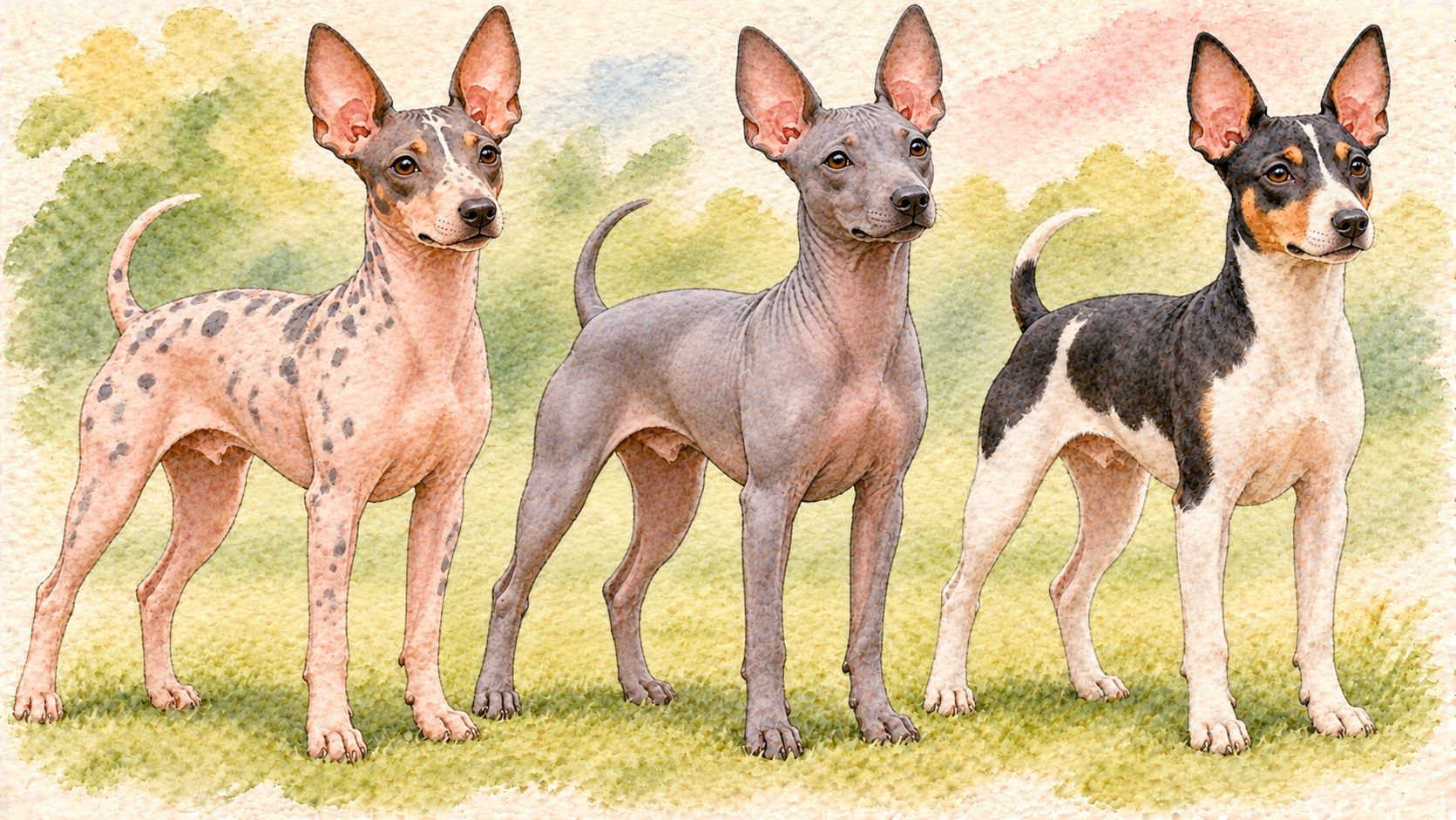
The American Hairless Terrier comes in two varieties:
- Hairless: These dogs have bare, warm, smooth skin over most of the body. Interestingly, hairless puppies are born with a fine fuzz that gradually falls out as they grow.
- Coated: These dogs have a short, smooth, dense coat with a natural sheen. The coated variety looks a lot like a Rat Terrier and plays an important role in breeding programs.
The breed can come in almost any color. Skin and coat shades include black, red sable, apricot, fawn, blue fawn, lemon and lilac dilute, among others. Many dogs also have markings such as white patches, piebald spots, tan points or brindle points. Hairless dogs often have freckles or spots on their skin, which can become more visible over time.
American Hairless Terrier Temperament and Personality
Do not let the unusual look distract you from the personality underneath. The American Hairless Terrier is a terrier through and through. This breed is known for being:
- Playful: AHTs love games, toys and short bursts of high-speed running around the house or yard.
- Tenacious: Like their Rat Terrier ancestors, they are determined and focused once something catches their interest.
- Affectionate: They bond closely with their families and enjoy being included in everyday life, from walks to couch time.
- Alert: These dogs notice everything and will happily bark to let you know about visitors, delivery trucks or squirrels.
- Smart and eager: They pick up new skills quickly and enjoy having a job to do.
Many owners describe the AHT as happy and easygoing indoors but spirited outdoors. Some individuals have a bit of a "spicy" side, which simply means they respond best to calm, consistent and gentle guidance. Because they love their people, some American Hairless Terriers can become anxious when left alone for long periods.
Is the American Hairless Terrier Good With Kids and Other Pets?
The American Hairless Terrier can make a good family dog, especially in homes with older children who understand how to respect a dog's space. Families with very young children should supervise interactions closely, as busy toddlers and an energetic terrier can be a tricky mix.
With other dogs, AHTs often get along well when properly socialized. Their strong prey drive is another story. These dogs were bred from ratting stock, and the urge to chase small, quick animals can appear suddenly. Homes with cats may work if the dog is raised with them, but pet rodents, rabbits and birds are generally not a good match.
Early and ongoing socialization is important. Introduce your puppy to many different people, places, sounds and friendly animals so it grows into a confident and well-mannered adult.
Training an American Hairless Terrier
The American Hairless Terrier is widely considered one of the more trainable terriers. It is intelligent, curious and motivated by food, play and praise. That said, it still has a terrier's independent streak, so training works best when it is fun, short and rewarding.
Here are a few training tips for American Hairless Terrier owners:
- Start early. Begin basic manners and socialization from the day your puppy comes home.
- Use positive reinforcement. Treats, toys and praise work much better than harsh corrections with this sensitive, people-focused breed.
- Keep sessions short. Five to ten minutes at a time keeps your dog engaged and prevents boredom.
- Teach a solid recall, but use a leash. Even well-trained AHTs may take off after a squirrel, so always keep them on a leash or in a securely fenced area.
- Manage barking. AHTs were bred to be alert. Teaching a "quiet" cue and rewarding calm behavior can help.
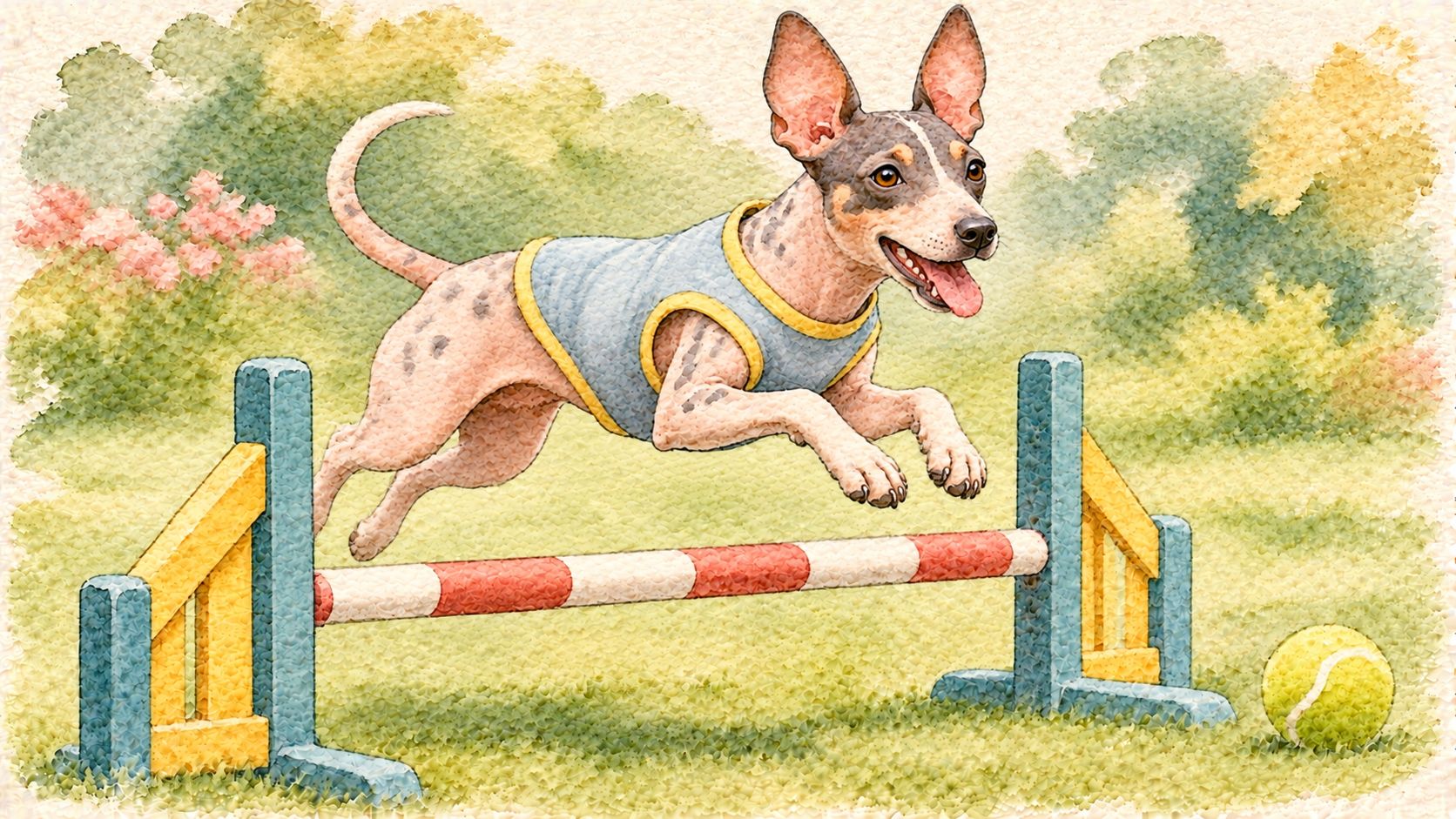
- Try dog sports. Many AHTs shine in agility, rally, trick training and Barn Hunt, a sport that taps into their natural ratting instincts.
Exercise Needs
The American Hairless Terrier has a moderate energy level. It is lively and athletic, but it does not need hours of hard exercise each day. A couple of good daily walks, a few play sessions and some mental challenges are usually enough to keep it content.
Mental exercise matters as much as physical activity. Puzzle toys, scent games and short training sessions help keep this clever breed busy. Many AHTs love to dig, so a designated dig box or a corner of the yard where digging is allowed can save your flower beds.
AHTs can adapt to smaller homes if they get regular outdoor time, though their barking may be a concern in close neighborhoods. A secure fence is a must for homes with yards, and outdoor time should always be supervised.
Weather and Climate Care
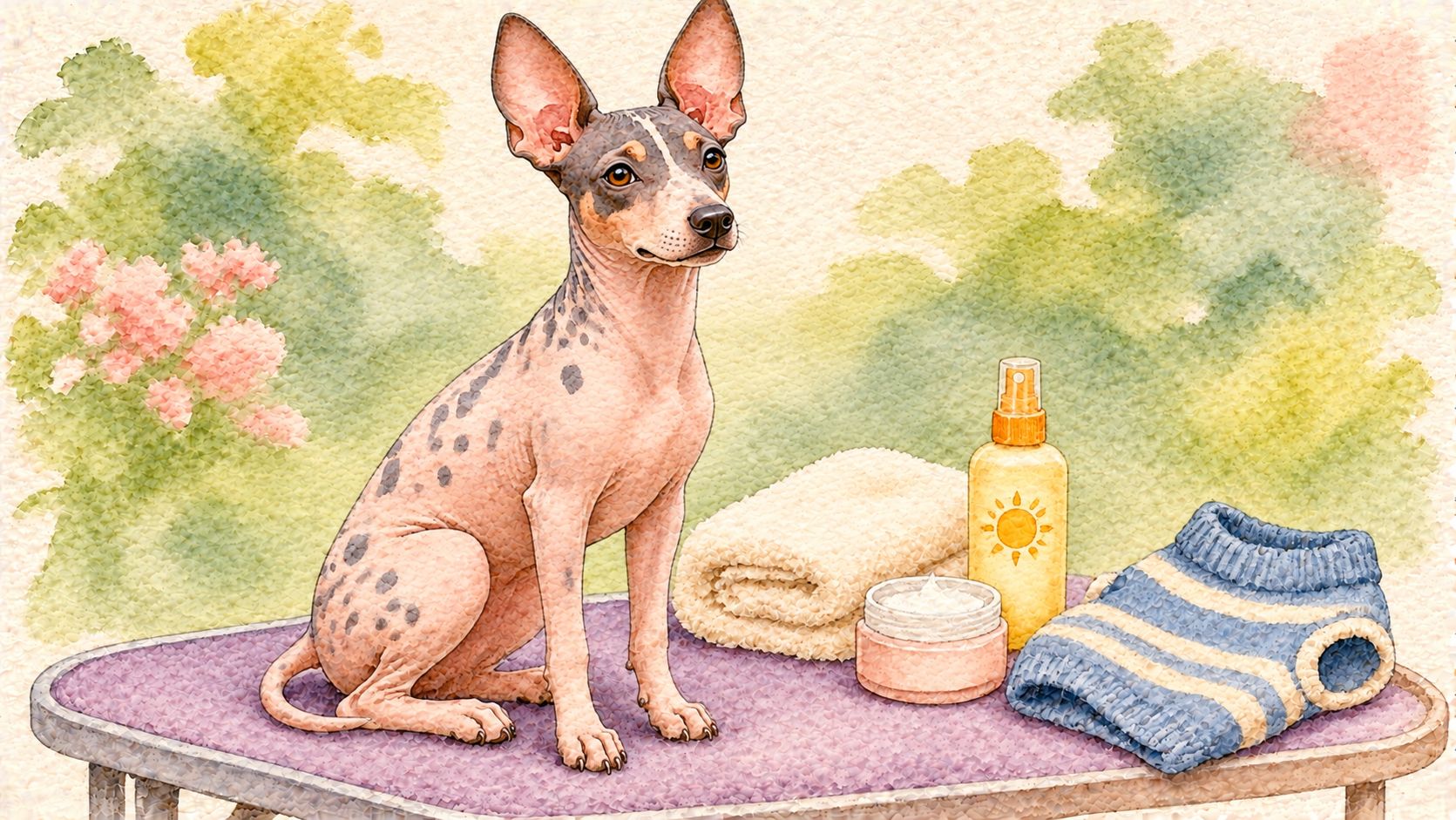
The hairless variety needs extra attention when the weather changes. Without fur to protect them, these dogs lose body heat quickly and can feel the cold more than most breeds. A dog sweater or coat for chilly walks, and a warm blanket indoors, can make a big difference.
In sunny weather, hairless dogs can get sunburned. Apply a dog-safe sunscreen before outdoor time, provide plenty of shade and fresh water, and limit time outside during the hottest part of the day. Many owners also use lightweight dog shirts for extra sun protection.
Grooming an American Hairless Terrier
Both varieties of the American Hairless Terrier are considered low-allergy breeds, which makes the AHT a popular choice for people with mild allergies. The hairless variety does not shed fur at all, and the coated variety sheds only lightly. Keep in mind that no dog is truly 100 percent hypoallergenic, so spend time with the breed before committing.
Grooming Routine
- Skin care (hairless): Bathe weekly with a gentle dog shampoo to prevent oil buildup and blackheads, then apply a fragrance-free, dog-safe moisturizer. Between baths, you can wipe the skin with a damp cloth.
- Sun protection (hairless): Use a dog-safe sunscreen before spending time outdoors.
- Brushing (coated): A quick weekly brush with a soft brush or grooming mitt keeps the coat shiny. Bathe as needed.
- Nails: Trim nails regularly to prevent cracking and discomfort.
- Teeth: Brush your dog's teeth often to help prevent tartar buildup and dental disease.
- Ears: The large, upright ears should be checked weekly and cleaned with a vet-approved cleaner when needed.
- Paws: Look over the paws after walks for small cuts or scrapes.
American Hairless Terrier Health and Lifespan
The American Hairless Terrier is generally a healthy and long-lived breed, with a typical life expectancy of 14 to 16 years. Like all breeds, it can be prone to certain conditions. Responsible breeders screen their dogs, and owners should watch for concerns such as:
- Skin issues: Hairless dogs can be prone to sunburn, skin irritation, allergies and skin infections, so daily skin checks are a good habit.
- Dental disease: As with many small breeds, regular tooth brushing and dental checkups are important.
- Joint problems: Some dogs may develop joint issues, particularly as they age.
- Age-related changes: Senior AHTs may experience changes in vision and hearing, and hairless seniors may feel the cold even more.
The breed can gain weight easily, which puts extra stress on joints and overall health. Regular exercise and careful portion control go a long way. Always work with your veterinarian to set up a routine of checkups, vaccinations, parasite prevention and preventive care.
Feeding and Nutrition
The American Hairless Terrier does best on a high-quality, complete and balanced dog food, ideally one formulated for small breeds. Small-breed formulas typically feature smaller kibble that is easy to chew and are designed around the energy needs of smaller dogs.
Hairless dogs lose more body heat than coated dogs, so some may need slightly more calories, especially in cold weather. Ask your veterinarian to help you find the right amount for your dog. Scheduled meals usually work better than leaving food out all day, since this breed tends to put on weight. Puppies should eat a food made specifically for puppies, and older dogs may benefit from a senior formula when your veterinarian recommends it. Treats are great for training, but they should make up no more than about 10 percent of your dog's daily calories.
History of the American Hairless Terrier
The American Hairless Terrier's roots go back to the Rat Terrier, a breed descended from European terriers that were brought to America and crossed with breeds such as the Smooth Fox Terrier. Rat Terriers became beloved farm dogs, prized for their ratting skills and friendly nature.
The AHT's story truly began in Louisiana in 1972, when a hairless puppy was born in an otherwise normal litter of Rat Terriers. The little female, named Josephine, was given to Edwin and Willie Scott, who adored her unusual look and sweet personality. When Josephine was later bred, she eventually produced a hairless puppy of her own, and the Scotts set about building a breeding program around this rare trait. Their efforts laid the foundation for an entirely new breed.
Over the following decades, breeders worked to grow the population while keeping it healthy. The United Kennel Club recognized the breed in the late 1990s, and the American Hairless Terrier later moved through the AKC's Foundation Stock Service and Miscellaneous Class. Full AKC recognition arrived in 2016, when the AHT joined the Terrier Group. The breed made its Westminster Kennel Club Dog Show debut in 2017, giving many people their first look at this one-of-a-kind American terrier.

Is an American Hairless Terrier Right for You?
An American Hairless Terrier could be a wonderful match if you:
- Want a small, athletic dog with a big, playful personality
- Prefer a low-shedding or no-shedding breed
- Enjoy training, dog sports or teaching tricks
- Can provide daily walks, play and mental stimulation
- Are happy to handle regular skin care and sun protection for a hairless dog
- Live with adults or older, respectful children
An American Hairless Terrier may not be the best fit if you:
- Keep small pets such as hamsters, rabbits or birds
- Live in a place with very cold or very hot weather and limited indoor space for exercise
- Need a quiet dog, since AHTs like to bark
- Are away from home for long hours most days
Finding an American Hairless Terrier Puppy
Because the American Hairless Terrier is still an uncommon breed, you may need to join a waiting list to get a puppy from a reputable breeder. Look for breeders who health-test their dogs, raise puppies in a home environment and are happy to answer your questions about both the hairless and coated varieties. Breed clubs and rescue groups are also worth contacting, as adult AHTs sometimes need new homes.
Fun Facts About the American Hairless Terrier
- The American Hairless Terrier is the only hairless dog breed developed in the United States.
- The entire breed traces back to a single hairless Rat Terrier puppy named Josephine, born in Louisiana in 1972.
- Hairless puppies are born with a fine coat of fuzz that falls out as they grow.
- Some American Hairless Terriers are born with a full, short coat and are known as coated AHTs.
- Hairless AHTs can get freckles and even sunburns, just like people.
- The breed earned full AKC recognition in 2016 and debuted at Westminster in 2017.
Frequently Asked Questions
Are American Hairless Terriers hypoallergenic?
Both the hairless and coated varieties are considered low-allergy breeds, and many people with mild allergies do well with them. However, no dog is completely allergen-free, so spend time with the breed before deciding.
How big do American Hairless Terriers get?
Adults typically stand about 12 to 16 inches tall at the shoulder and weigh roughly 12 to 28 pounds, depending on height and build.
Do American Hairless Terriers need sunscreen?
Hairless AHTs can sunburn easily, so a dog-safe sunscreen is recommended before outdoor time. Shade, lightweight dog shirts and limiting time in strong midday sun also help.
Are American Hairless Terriers good family dogs?
Yes, they can be loving and playful family pets. They tend to do best with adults or older children who respect their boundaries, and they are usually not a good match for homes with small pets like rodents.
How long do American Hairless Terriers live?
The average American Hairless Terrier lifespan is 14 to 16 years with good care, a healthy diet and regular veterinary checkups.
Do American Hairless Terriers get cold?
Hairless AHTs lose body heat quickly and can feel the cold easily. A sweater or coat for winter walks and a cozy blanket indoors will help keep them comfortable.
Final Thoughts
The American Hairless Terrier is a true American original. Born from a single surprise puppy in Louisiana, this playful, clever and affectionate terrier offers a low-allergy coat, a long lifespan and plenty of personality. If you can provide daily activity, positive training, and a little extra skin and weather care, an American Hairless Terrier may become the most delightful companion you have ever had.