The Bedlington Terrier is the dog that people most often mistake for a little lamb. With its fluffy, curly coat, rounded pear-shaped head and soft topknot of hair, it looks gentle and sweet from every angle. Yet underneath that woolly disguise is a quick, athletic terrier that was once prized for catching vermin in the mining towns of northern England.
That mix of softness and spirit is what makes the breed so special. In this complete Bedlington Terrier dog breed guide, you will learn about its size, temperament, grooming needs, exercise requirements, health and lifespan, feeding tips and colorful history, so you can decide whether this unique terrier is the right companion for your home.
Bedlington Terrier at a Glance
| Trait | Details |
|---|---|
| Breed group | Terrier (AKC) |
| Height | About 15 to 17.5 inches (38 to 44 cm) |
| Weight | 17 to 23 pounds (8 to 10.5 kg) |
| Life expectancy | Roughly 11 to 16 years |
| Coat | Curly, woolly, crisp, medium length |
| Colors | Blue, sandy, liver, blue and tan, sandy and tan, liver and tan |
| Shedding | Minimal |
| Energy level | Moderate |
| Temperament | Gentle, affectionate, playful, alert, loyal |
| Good for | Families, active singles, apartment or house living |
| Origin | Northern England (1800s) |
What Is a Bedlington Terrier?
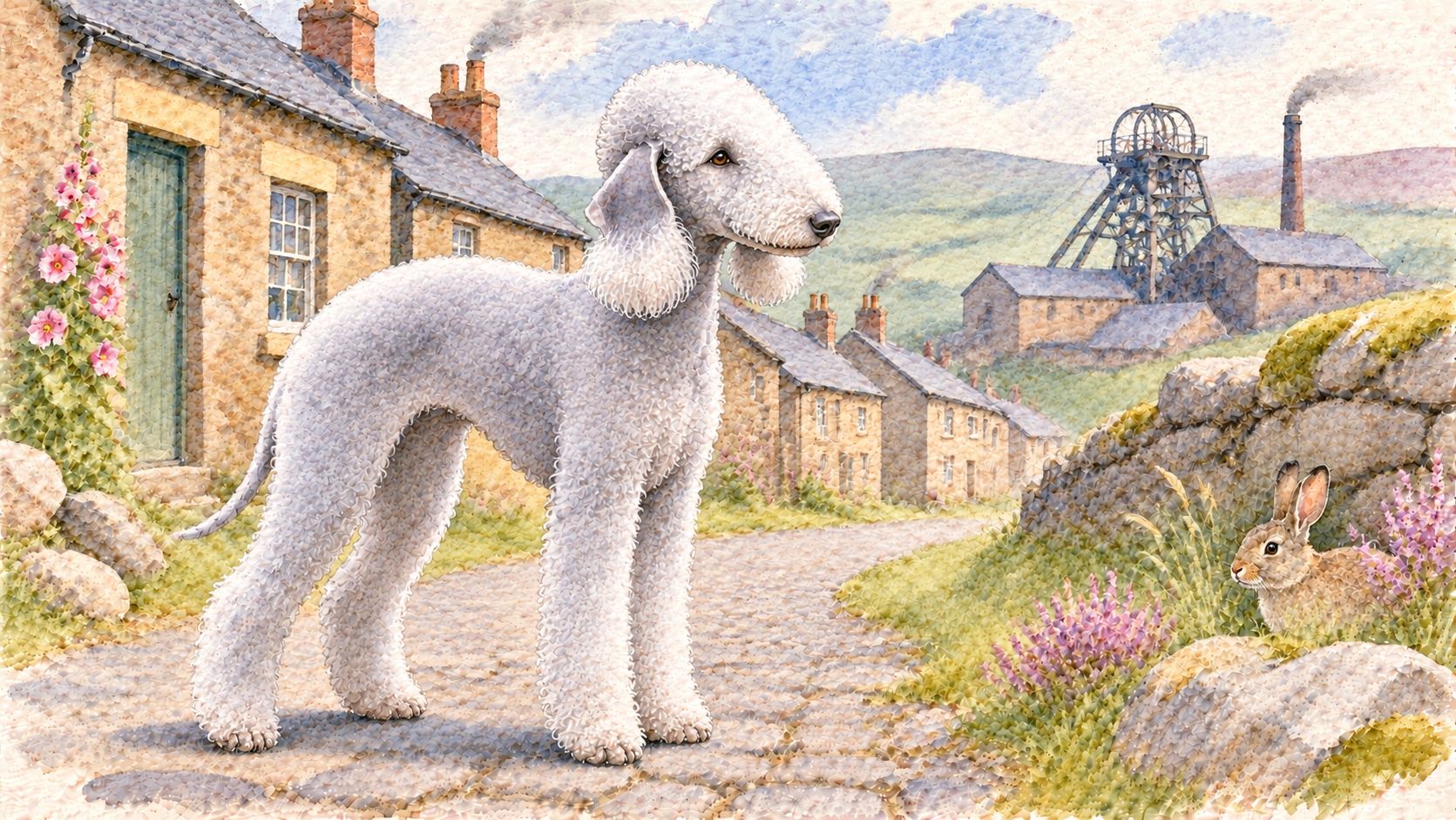
The Bedlington Terrier is a small, graceful terrier that was developed in England in the 19th century. It takes its name from the mining town of Bedlington in Northumberland, where local workers kept these dogs to control rats and other vermin. Many were also used to hunt rabbits and other small game.
Today, the Bedlington is mainly a family companion. It is a member of the American Kennel Club's Terrier Group and is known for being milder and more easygoing than many of its terrier cousins. It is still a fairly uncommon breed in the United States, but its fans are fiercely loyal.
Bedlington Terrier Size and Appearance
How Big Do Bedlington Terriers Get?
Bedlington Terriers are small to medium-sized dogs that usually weigh 17 to 23 pounds (8 to 10.5 kg). Males generally stand at least 16 inches (41 cm) tall at the shoulder, while females are at least 15 inches (38 cm), with most adults landing somewhere around 15 to 17.5 inches (38 to 44 cm).
The Bedlington's outline is unlike any other terrier. It has a lean, flexible body, a deep chest and a gently arched back that curves over the loin. Its legs are fairly long for its size, and the hind legs are slightly longer than the front legs. This graceful build gives the breed surprising speed and endurance.
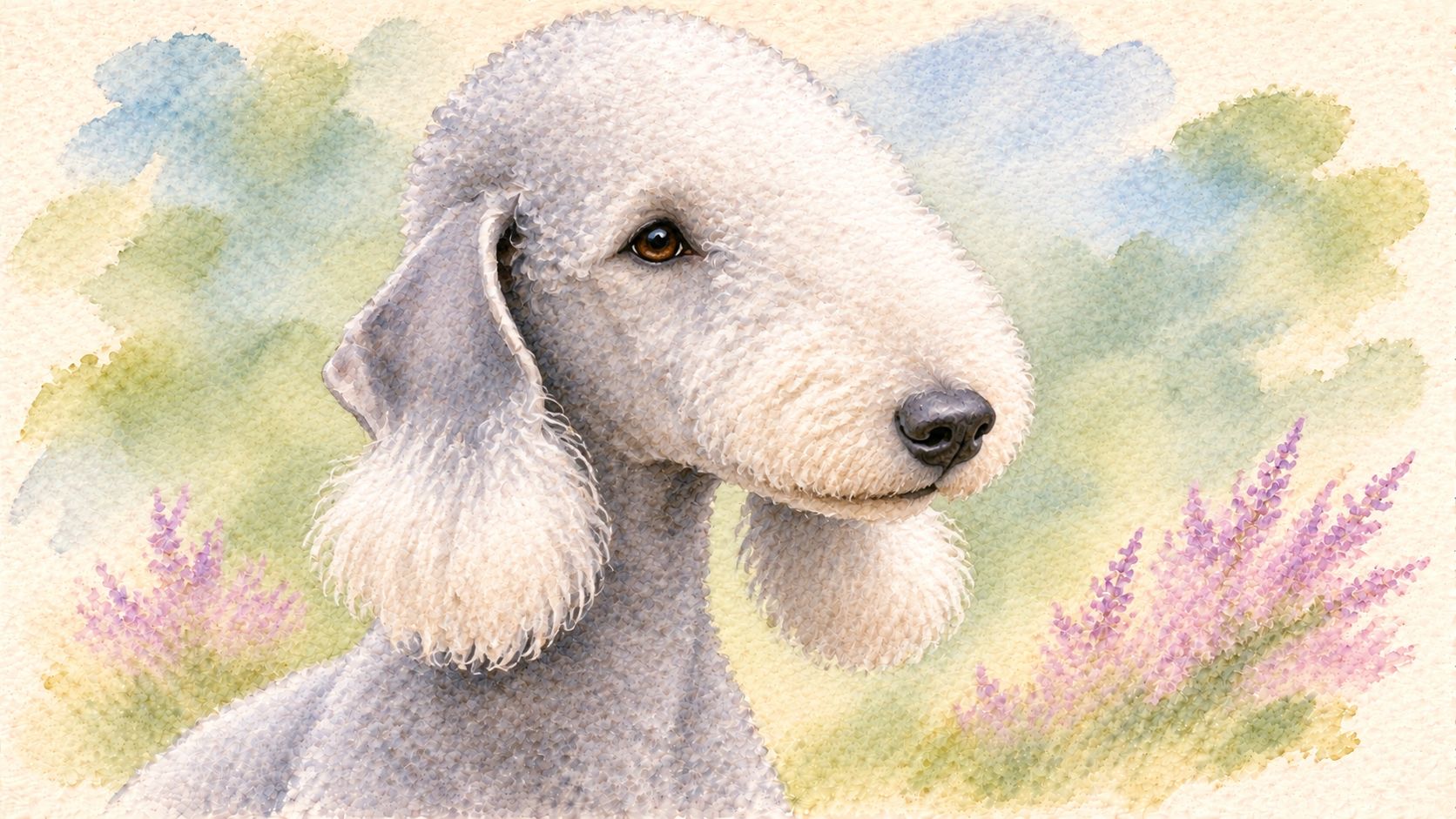
The head is narrow and rounded with no obvious stop, creating that famous pear or wedge shape. A soft topknot of lighter hair sits on top of the head, and the low-set, triangular ears end in a silky tassel. Put it all together and you have a dog that truly looks like a lamb but moves like a sprinter.
Coat and Colors
The Bedlington wears a distinctive coat that mixes soft and harder hairs. It feels crisp rather than wiry and tends to curl, especially on the head and face. The coat is usually trimmed to about an inch long on the body, with shorter hair on the ears apart from the tassels.
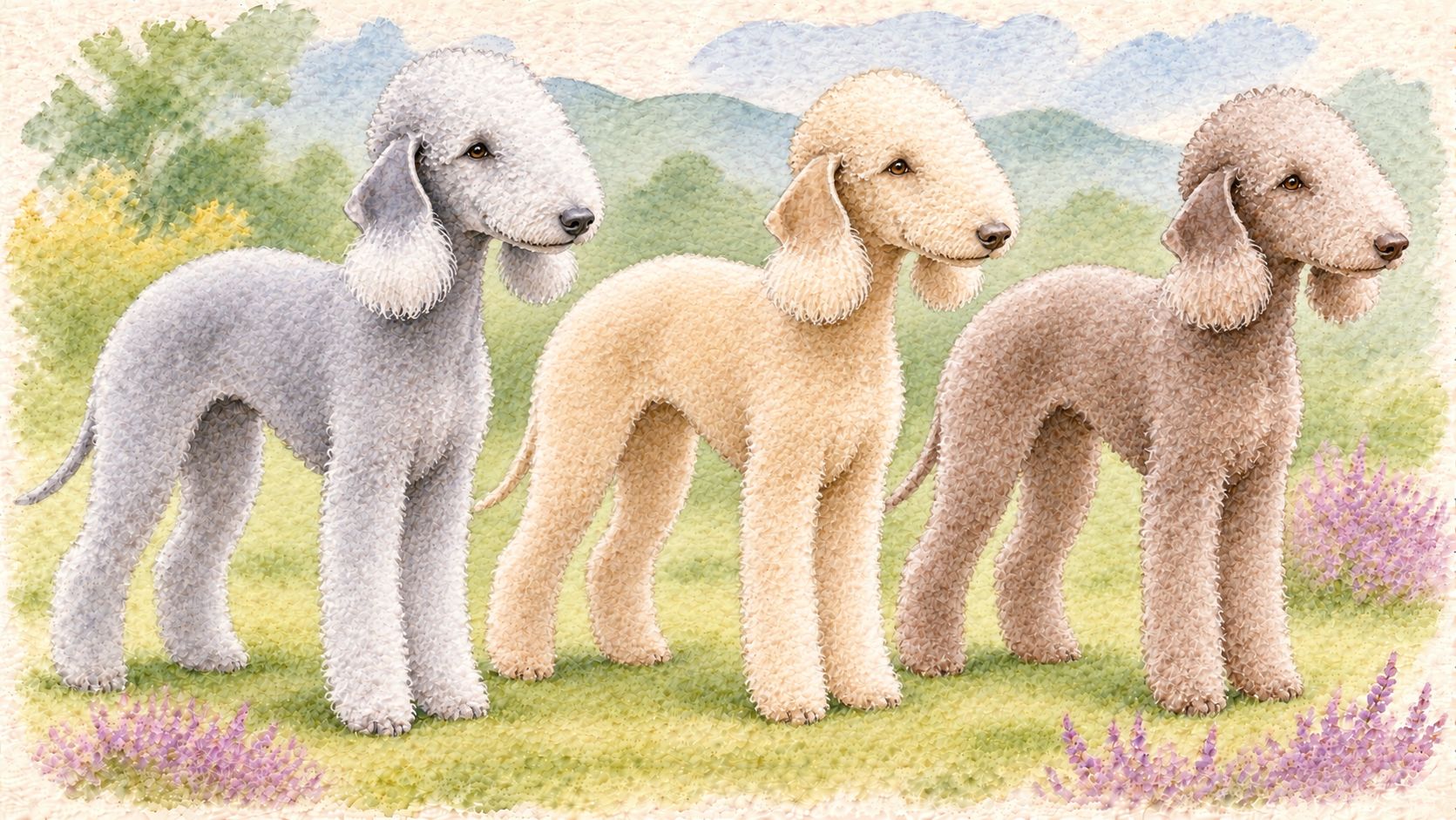
Accepted colors are blue, sandy and liver, either solid or with tan markings. One fun surprise for new owners is that Bedlington puppies are born dark. Blue puppies are typically born almost black, and liver puppies start out dark brown. Their coats gradually lighten as they mature, often taking a year or more to reach their adult shade.
Bedlington Terrier Temperament and Personality
The Bedlington Terrier temperament is often described as gentle, affectionate and lovable. At home, many Bedlingtons are calm and cuddly. Outdoors, they can switch into a fast, focused terrier in seconds. This breed is known for being:
- Gentle: Bedlingtons are generally mild-mannered and less rambunctious than many terriers.
- Affectionate: They love their people and enjoy curling up on the couch beside them.
- Playful: They have plenty of energy for games, walks and toys without being overly hyper.
- Alert: They notice what is going on around them and will often let you know when visitors arrive.
- Brave: Behind the soft look is a true terrier who will stand its ground if challenged.
Bedlingtons tend to be friendly with people they know and may be a little reserved with strangers at first. Like most terriers, they can be independent thinkers, so they do best with owners who enjoy a dog with personality.
Are Bedlington Terriers Good Family Dogs?
Yes, Bedlingtons can make wonderful family dogs. Their gentle nature and moderate energy fit well into many households, and they often enjoy playing with respectful children. As with any dog, teach kids how to interact kindly and supervise young children during play.
Are Bedlington Terriers Good With Other Pets?
Bedlingtons usually get along with other dogs, especially if they are raised together. However, they were bred to chase small animals and have a strong prey drive. Cats they grow up with may be accepted, but small pets such as rabbits, hamsters or guinea pigs may be too tempting.
Early socialization is key. Introducing your Bedlington Terrier puppy to many people, places, sounds and animals will help it grow into a confident, well-rounded adult.
Training a Bedlington Terrier
Bedlingtons are intelligent and eager to engage with their owners, but they also have a typical terrier streak of independence. Positive training methods work best. Use praise, play and small treats, and keep the mood light and upbeat. Bedlingtons can be sensitive, so harsh corrections often backfire.
Here are a few training tips for Bedlington owners:
- Start early. Begin basic manners and socialization as soon as your puppy comes home.
- Keep sessions short and fun. Several five- to ten-minute sessions a day work better than one long lesson.
- Work on recall. Their speed and prey drive mean a reliable "come" is essential. Practice in safe, enclosed areas.
- Manage barking. Bedlingtons can be vocal. Teach a "quiet" cue and reward calm behavior.
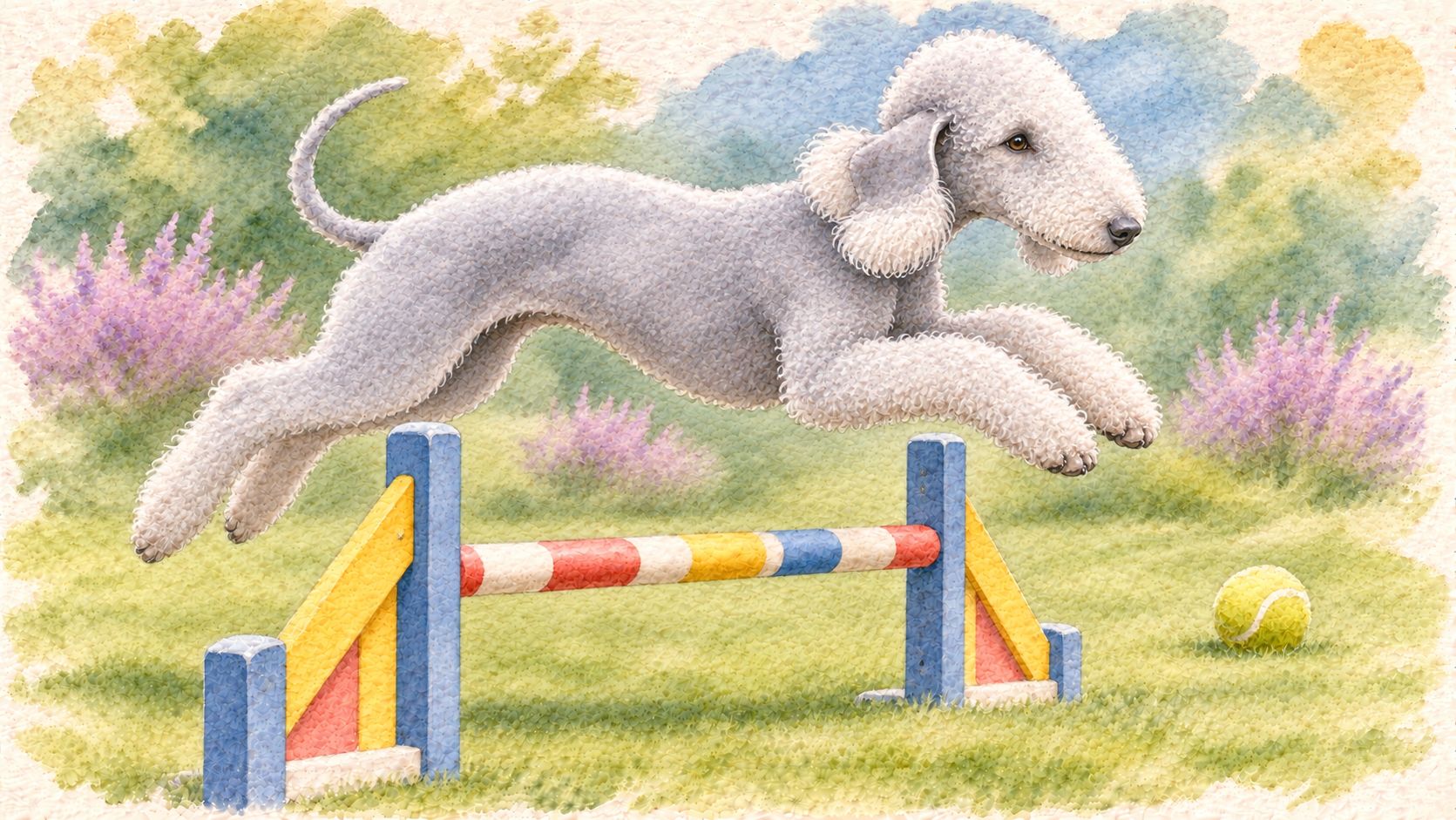
- Try dog sports. Bedlingtons can excel at agility, obedience and rally obedience, which channel their athletic ability and sharp minds.
Exercise Needs
This breed has a moderate energy level and needs daily exercise. A brisk walk or two each day, plus some playtime, is usually enough to keep this breed happy. Many Bedlingtons also love the chance to run at full speed in a securely fenced area.
Thanks to its size and calm indoor manners, a Bedlington can adapt to apartment life as long as it gets regular outings. Mental exercise matters too. Puzzle toys, scent games and short training sessions help prevent boredom.
Always keep your Bedlington on a leash or in a well-fenced space. With their sighthound-like speed and urge to chase, they can be gone in a flash if they spot a squirrel or rabbit.
Bedlington Terrier Grooming
Do Bedlington Terriers Shed?
Bedlingtons shed very little. Their curly, woolly coat tends to trap loose hair instead of dropping it around the house, which is why the breed is often suggested for people with mild allergies. No dog is completely hypoallergenic, though, so allergy sufferers should spend time with a Bedlington before making a decision.
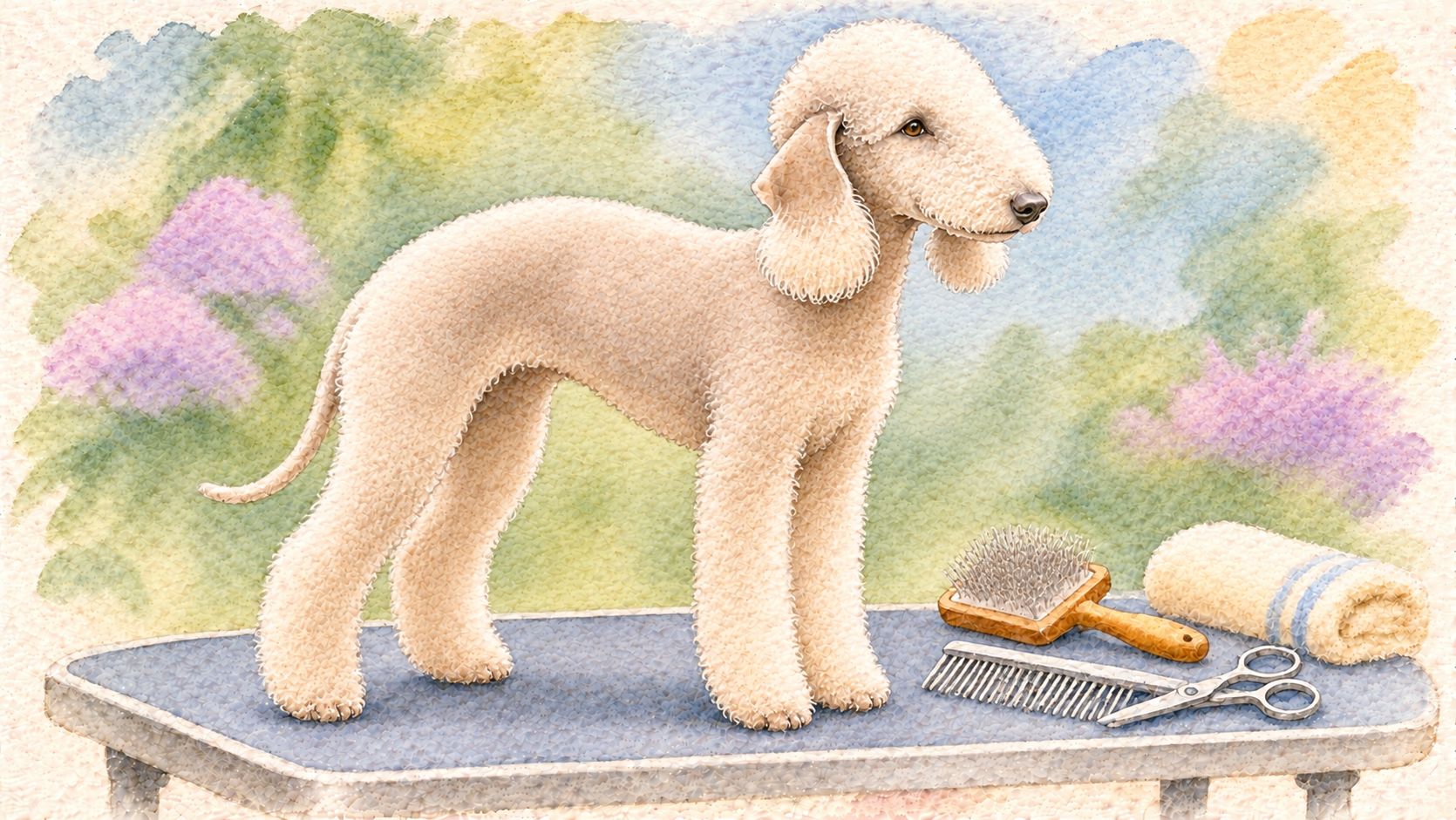
Low shedding does not mean low maintenance. Bedlington Terrier grooming takes regular effort to keep the coat healthy and to maintain the breed's signature lamb-like look.
Grooming Routine
- Brushing: Brush and comb the coat about once or twice a week to prevent mats, paying extra attention to the legs, ears and underside.
- Trimming: The coat needs regular trimming, typically every six to eight weeks. Many owners rely on a professional groomer who knows the classic Bedlington clip.
- Ears: Check and clean the ears weekly, since the hair and drop shape can trap moisture and dirt.
- Nails: Trim nails every few weeks so they don't grow too long.
- Teeth: Brush your dog's teeth several times a week to support good dental health.
- Bathing: Bathe as needed, usually before a trim, using a gentle dog shampoo.
Bedlington Terrier Health and Lifespan
How Long Do Bedlington Terriers Live?
The Bedlington Terrier lifespan is roughly 11 to 16 years, and many dogs enjoy long, active lives with good care. Like all breeds, however, Bedlingtons can be prone to certain inherited conditions. Responsible breeders screen their dogs for common concerns, which may include:
- Copper toxicosis: An inherited condition in which copper builds up in the liver. DNA testing is available, and reputable breeders test their breeding dogs.
- Eye conditions: Issues such as retinal dysplasia or extra eyelashes can occur, so regular eye exams are recommended.
- Kidney concerns: Some lines may be affected by kidney problems.
- Luxating patella: A condition in which the kneecap slips out of place, seen in many smaller breeds.
Keeping your Bedlington at a healthy weight, providing regular exercise and staying on top of dental care all support overall wellbeing. Always work with your veterinarian to set up a routine of checkups, vaccinations and preventive care.
Feeding and Nutrition
A Bedlington does best on a high-quality, complete and balanced dog food suited to its age, size and activity level. Adult dogs generally do well on a formula designed for small to medium breeds.
Puppies should eat a food made specifically for puppies to support healthy growth. Portion sizes depend on your dog's age, weight and activity, so follow the package guidelines and ask your veterinarian for advice, especially given the breed's history with copper-related liver concerns. Treats are great for training, but they should make up only a small part of your dog's daily calories.
History of the Bedlington Terrier
The breed was developed in the 1800s in Northumberland, in the north of England. It was first linked to the village of Rothbury and was sometimes called the Rothbury Terrier. Local miners, nailmakers and other working people valued these dogs for clearing out rats and hunting rabbits and other small game.
The name "Bedlington Terrier" is generally credited to a man from the town of Bedlington, who is said to have bred and named the dogs in the early 1800s. Historians often suggest that whippets and other terriers, possibly including the Dandie Dinmont Terrier, played a part in the breed's development, which would explain its speed and graceful build. The exact recipe, however, was never recorded.
Over time, the Bedlington moved from working dog to show dog and companion. Breed clubs formed in England in the late 1800s, and the American Kennel Club recognized the breed in 1886.
The Bedlington also has a famous American connection. The breed was a favorite of the Rockefeller family, and in 1948 a Bedlington named "Timmie," owned by William A. Rockefeller, won the Westminster Kennel Club Dog Show.
Bedlington Terrier vs Whippet
The Bedlington Terrier and the Whippet are often compared because they share a similar arched back and racy outline, and the Whippet is believed to be part of the Bedlington's ancestry. The biggest difference is the coat. The Whippet has a short, smooth coat with very little grooming needed, while the Bedlington has a curly, woolly coat that needs regular trimming. Bedlingtons also tend to have a bit more terrier attitude, while Whippets are typically quieter sighthounds.
Is a Bedlington Terrier Right for You?
A Bedlington Terrier could be a wonderful match if you:
- Want a gentle, affectionate dog with a unique look
- Prefer a low-shedding breed
- Can provide daily walks and safe places to run
- Are happy to commit to regular grooming or professional trims
- Enjoy positive training and dog sports
- Live in a house or an apartment with access to daily exercise
A Bedlington may not be the best fit if you:
- Keep small pets such as rabbits, hamsters or guinea pigs
- Want a dog with almost no grooming needs
- Plan to let your dog off leash in open areas
- Need a completely quiet dog
Finding a Bedlington Terrier Puppy
Because the breed is fairly rare, you may need to join a waiting list for a Bedlington Terrier puppy. Choose a breeder who health-tests their dogs, including DNA testing for copper toxicosis, raises puppies in a home setting and welcomes your questions. Breed clubs and rescue groups are also good places to look, since adult Bedlingtons sometimes need new homes.
Fun Facts About the Bedlington Terrier
- The Bedlington is famous for looking like a lamb.
- The breed is named after the mining town of Bedlington in Northumberland, England.
- Bedlington puppies are born dark and gradually lighten to their adult color.
- Early Bedlingtons were sometimes called Rothbury Terriers.
- A Bedlington named "Timmie" won Westminster in 1948.
- The breed was a favorite of the Rockefeller family.
Frequently Asked Questions
Why does the Bedlington Terrier look like a lamb?
Its curly, woolly coat, rounded pear-shaped head and soft topknot give it a lamb-like appearance. The classic Bedlington trim exaggerates these features even more.
How big do Bedlington Terriers get?
Adult Bedlingtons usually weigh 17 to 23 pounds and stand about 15 to 17.5 inches tall at the shoulder, with males generally a little taller than females.
Are Bedlington Terriers hypoallergenic?
Bedlingtons shed very little and are often recommended for people with mild allergies. However, no dog is completely allergen-free, so spend time with the breed first.
Are Bedlington Terriers good family dogs?
Yes. They are gentle, affectionate and moderately energetic, which makes them good companions for many families. Supervise young children and keep small pets separated.
How long do Bedlington Terriers live?
The average Bedlington Terrier lifespan is roughly 11 to 16 years with good care, a healthy diet and regular veterinary checkups.
Do Bedlington Terriers bark a lot?
Bedlingtons can be fairly vocal and will often bark to alert you to visitors or noises. Training, daily exercise and mental activity help keep barking under control.
Final Thoughts
The Bedlington Terrier is a true original: a dog that looks like a gentle lamb but has the speed and heart of a working terrier. It offers a low-shedding coat, an affectionate personality and a fascinating history. If you can provide daily exercise, regular grooming and patient training, a Bedlington Terrier may become one of the most loving and unique companions you have ever had.