The Pumi is a bright, bouncy herding dog from Hungary with a coat of springy curls and ears that seem to have a mind of their own. With its alert expression, curled tail and endless curiosity, this breed looks like a cartoon character come to life. Behind the whimsical looks is a hardworking, intelligent dog that was bred to move livestock with speed and determination.
This breed is fun-loving and affectionate with its family, but it also has plenty of energy and opinions. In this complete dog breed guide, you will learn about its size, temperament, grooming, exercise needs, health, diet and history, so you can decide whether this spirited herder is the right match for you.
Pumi at a Glance
| Trait | Details |
|---|---|
| Breed group | Herding (AKC) |
| Height | Roughly 15 to 18.5 inches (38 to 47 cm) |
| Weight | 22 to 29 pounds (10 to 13 kg) |
| Life expectancy | 12 to 14 years |
| Coat | Curly, wavy, medium length |
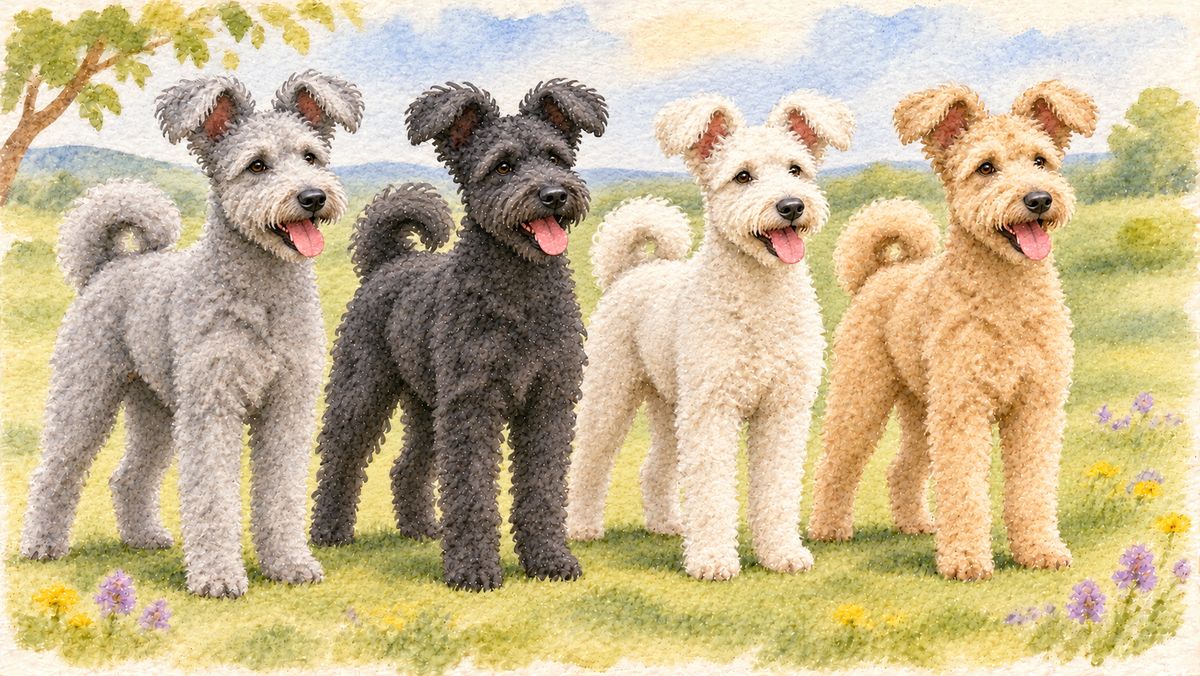
| Colors | Gray, silver gray, black, white, fawn |
| Shedding | Low |
| Energy level | High |
| Temperament | Lively, clever, affectionate, alert |
| Good for | Active owners, dog sports fans |
| Origin | Hungary |
What Is a Pumi?
This is a medium-sized herding breed from Hungary. It is one of three traditional Hungarian sheepdog breeds, along with the Puli and the Mudi. For many years it was treated as a variety of the Puli, but it is now recognized as a separate breed with its own look and personality.
In the United States, the breed joined the American Kennel Club's Herding Group in 2016. It is still uncommon, but it is quickly gaining fans among people who love dog sports and active outdoor lifestyles.
Pumi Size and Appearance
How Big Do Pumis Get?
Males typically weigh about 27 to 29 pounds and females about 22 to 24 pounds. Most stand roughly 15 to 18.5 inches tall at the shoulder, with males usually a little taller than females.
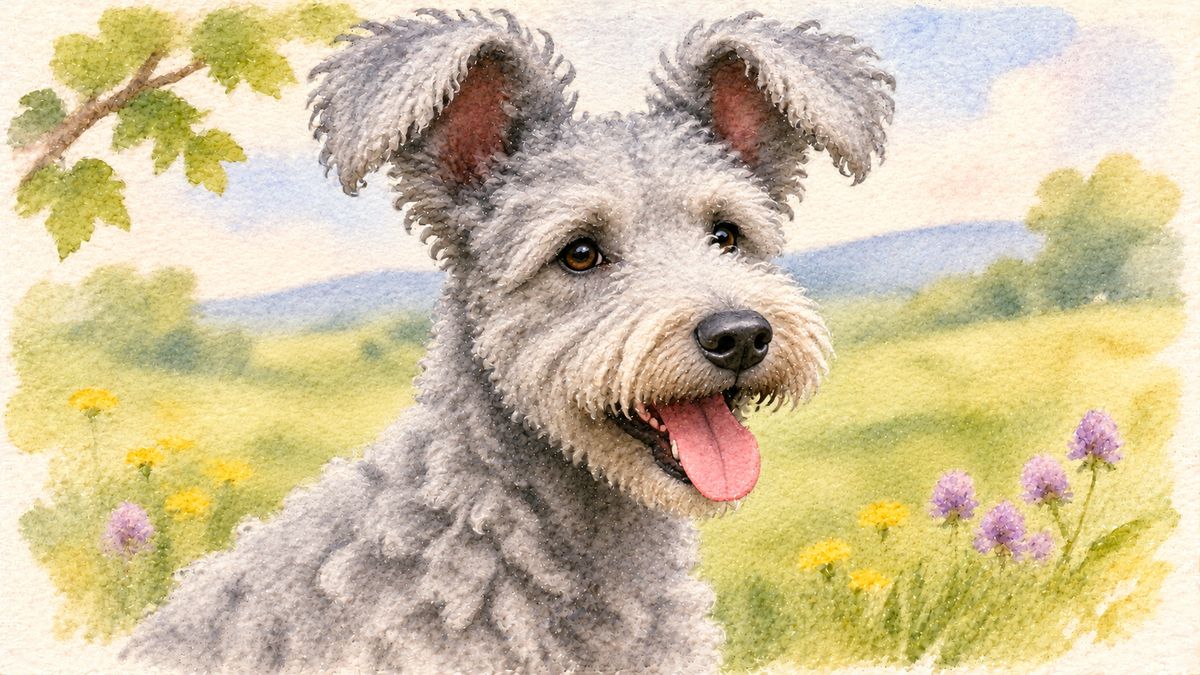
The body is square, lean and muscular, built for quick turns and bursts of speed. The head is long and narrow, and the tail curls over the back in a loose circle. The ears are the breed's most charming feature. They stand up, but the top part tips forward, giving the dog a constantly alert and slightly comical expression.
Coat and Colors
The coat is made of natural curls or corkscrew-like locks. It can be wavy, but it is never smooth and never corded like the Puli's. The curls give the dog a tousled, teddy-bear look while protecting it from weather and brush.
Colors include gray, silver gray, black, white and fawn. Many gray dogs are born black and lighten as they mature. Some dogs also have black and tan or brindle markings.
Pumi Temperament and Personality
The Pumi temperament is lively, bold and full of fun. These dogs are known for being:
- Fun-loving: They enjoy games, adventures and anything that keeps them busy.
- Affectionate: They are loyal and loving with their families.
- Intelligent: They learn quickly and enjoy solving problems.
- Curious and courageous: They are eager to explore and not easily intimidated.
- Alert: They notice everything and are often wary of strangers.
These dogs are eager to please, but they can also be stubborn and independent-minded. Without enough exercise and mental engagement, they may become bored or anxious. When their needs are met, they are delightful, entertaining companions.
Are Pumis Good With Kids and Other Pets?
They can be good with children in an active family, especially kids who are old enough to play respectfully. Their herding instincts may lead them to chase or nip at the heels of running children, so supervision and training are important.
With other dogs, most get along well when socialized early. However, they have a strong prey drive and may not be a good match for small pets like rabbits or rodents. Early and frequent socialization helps a Pumi puppy grow into a well-balanced adult.
Do Pumis Bark a Lot?
Yes, these dogs tend to be vocal. They were bred to bark while herding and to alert their owners, so they may bark at visitors, delivery drivers and unusual sounds. Training and plenty of activity can help keep barking under control.
Training a Pumi
This is a smart, quick-learning breed that enjoys working with its people. Its independent streak means training should be fun, varied and consistent. Positive reinforcement with praise, play and treats works much better than harsh corrections.
Here are a few training tips for new owners:
- Start early. Begin socialization and basic manners as soon as your puppy comes home.
- Keep sessions short and lively. These dogs learn fast and get bored with repetition.
- Teach a solid recall. Their prey drive makes a reliable "come" essential.
- Redirect herding behavior. Offer toys and games instead of letting your dog herd people.
- Try dog sports. Agility, herding, obedience and rally are fantastic outlets for this athletic breed.
Most of all, keep training upbeat. A dog that enjoys its lessons will offer focus and enthusiasm, while one that feels bored or pressured may simply find something more interesting to do.
Exercise Needs
The breed has high energy and needs a lot of physical and mental stimulation every day. Plan on at least an hour of activity, such as brisk walks, running, fetch and active play. A short stroll around the block will not be enough.
These dogs love to chase, jump and run. Popular activities include:
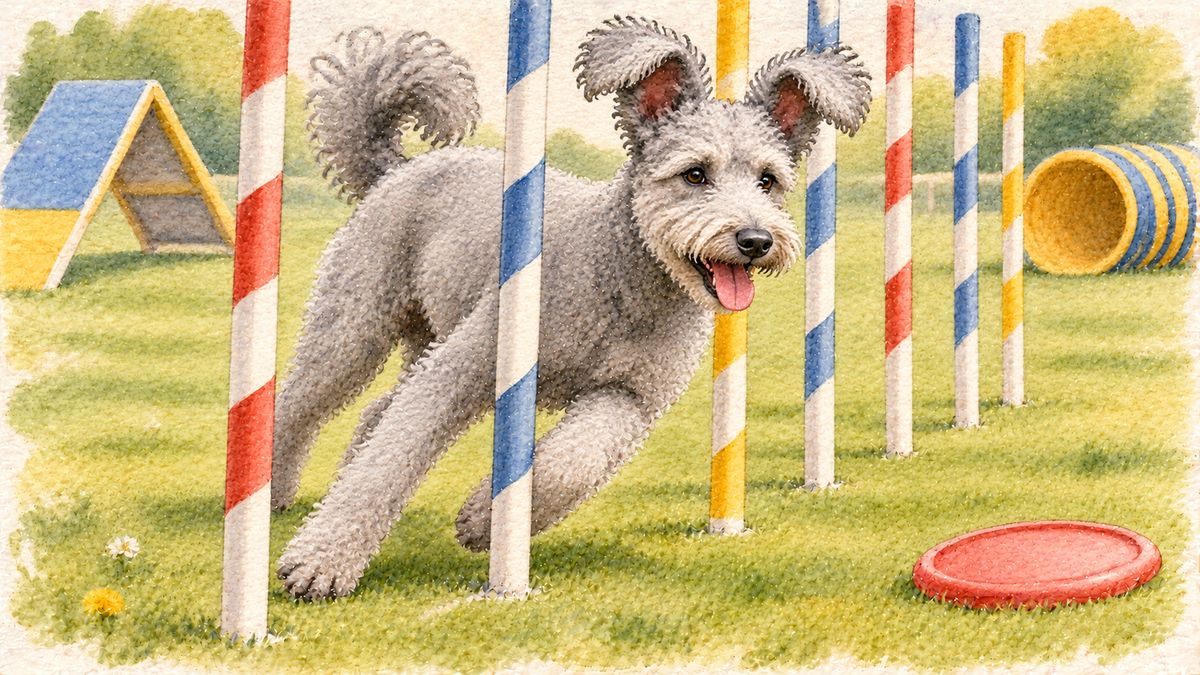
- Agility: Their speed and quick turns make them natural agility stars.
- Fetch and frisbee: Great ways to burn off energy in a fenced area.
- Swimming: Many enjoy splashing in calm water.
- Herding: Herding classes let them use their natural instincts.
- Puzzle toys: Mental games help prevent boredom on quieter days.
A fenced yard is ideal, and these dogs should not be left unsupervised outdoors because of their prey drive. Their medium size means they can adapt to less indoor space than larger breeds, as long as they get enough exercise and outdoor time.
Weather and Living Conditions
The curly coat suits temperate climates best. It offers some protection from wind and rain, but it is not designed for extreme heat or bitter cold, so these dogs should not be kept outdoors for long periods in harsh weather.
Indoors, the breed wants to be where the action is. These dogs bond closely with their families and can become restless or noisy if they are left alone for long hours with nothing to do.
Pumi Grooming
Do Pumis Shed?
These dogs are relatively low-shedding. Their curly coat tends to hold loose hair rather than dropping it around the house. No dog is completely hypoallergenic, so allergy sufferers should spend time with the breed first.
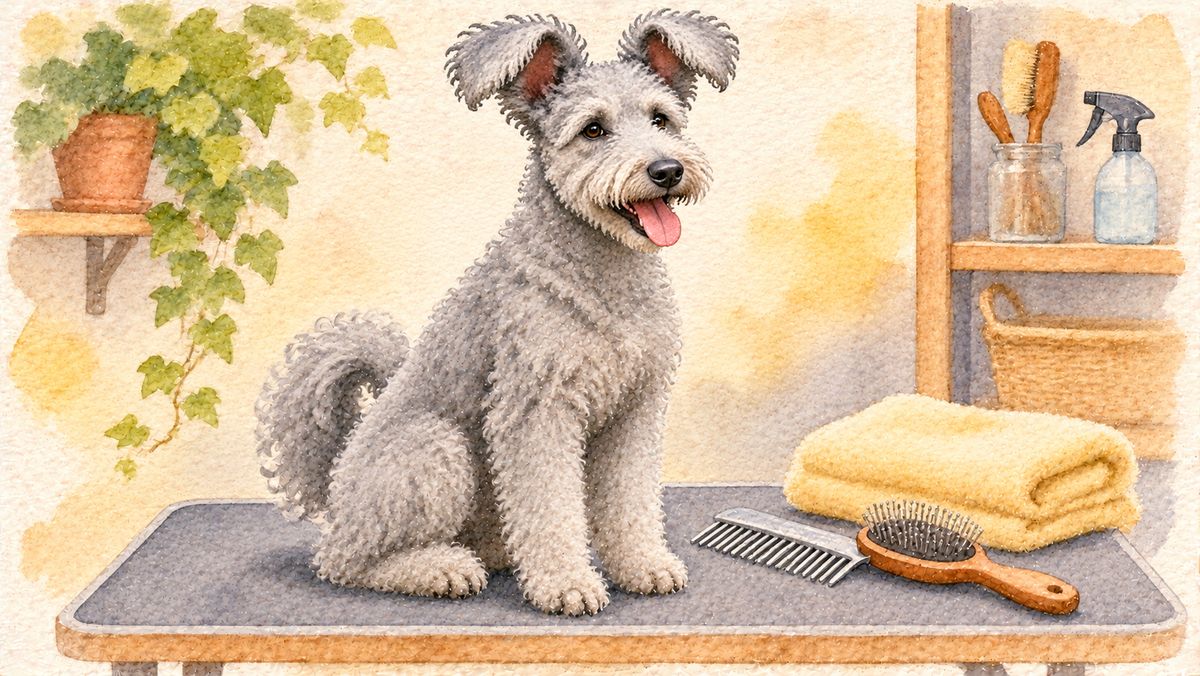
Pumi grooming is not difficult, but the curls do need regular attention to stay healthy and tangle-free.
Grooming Routine
- Brushing and combing: Brush frequently to prevent painful mats, then let the curls spring back naturally.
- Bathing: Bathe sparingly, since too many baths can strip the coat's natural oils.
- Drying: Let the coat air dry after a bath. This can take a while, but it helps the curls form properly.
- Trimming: Many owners have the coat shaped every few months by a professional groomer.
- Ears: Check ears regularly and clean them using a routine your vet recommends.
- Paws and nails: Check paw pads for cuts and trim nails if they don't wear down naturally.
- Teeth: Brush teeth regularly and offer dental chews if appropriate.
Pumi Health and Lifespan
The breed is generally healthy, and a well-cared-for dog can live 12 to 14 years. Regular veterinary checkups help catch any issues early.
Like all breeds, they can be prone to certain conditions. Responsible breeders screen their dogs and may watch for:
- Hip dysplasia: An abnormal formation of the hip joint.
- Luxating patella: A condition in which the kneecap slips out of place.
- Heat sensitivity: These dogs can suffer from heat exhaustion in warm weather.
During hot weather, exercise your dog in the cooler parts of the day and provide plenty of shade and water. Watch for anal gland discomfort, such as scooting, and contact your veterinarian if it appears. Always work with your vet on vaccinations and preventive care.
Feeding and Nutrition
An active dog like this does best on a high-quality food with quality protein, moderate carbohydrates and healthy fats. Very active dogs may benefit from a formula designed for sporting or working dogs.
Feed meals on a schedule, ideally twice a day, rather than leaving food out. Use your veterinarian's advice and the guidelines on the food label to choose portion sizes. Treats should be low in calories and make up no more than about 10 percent of daily calories. Talk to your vet before adding supplements, and ask when it is time to switch to a senior diet.
History of the Pumi
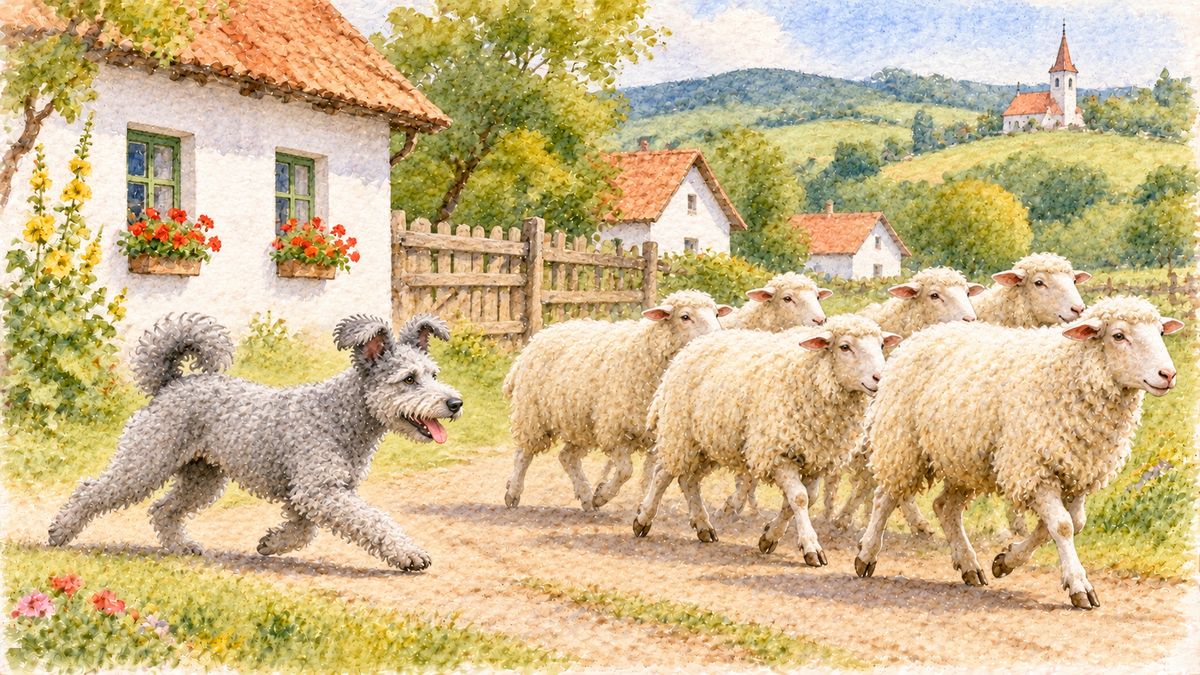
The breed comes from Hungary, where herding dogs have helped farmers for many centuries. Its roots may go back more than a thousand years. The Pumi developed in western Hungary, where local herding dogs were likely mixed with herding breeds and terriers from Western Europe.
This blend of herding and terrier blood helps explain the breed's quick, feisty and tenacious nature. These dogs were valued for driving sheep, cattle and pigs, and for working in tight spaces on village farms.
For many years, Hungarians considered the dog a variety of the Puli. Over time, breeders recognized that it was a distinct type with its own coat, ears and working style, and it was established as an independent breed.
Today, the breed is popular as a herder and companion in Finland as well as in Hungary. It joined the AKC Herding Group in 2016, opening the door for more American fans to discover its charm.
Pumi vs Puli
The Pumi is often confused with the Puli because both are Hungarian herding breeds. The Puli has a long, corded coat that can reach the ground. The Pumi has shorter, springy curls, a longer head and distinctive tipped ears, and it tends to be even more terrier-like in personality.
Is a Pumi Right for You?
This breed is a big personality in a medium-sized package. It thrives with owners who enjoy training, outdoor adventures and a dog that is always ready for the next game, and it can struggle in a quiet home where it spends most of the day alone.
A Pumi could be a wonderful match if you:
- Lead an active lifestyle and enjoy daily exercise
- Want a smart dog for agility, herding or other dog sports
- Prefer a low-shedding coat
- Have a fenced yard or safe outdoor space
- Enjoy training and mental games
This breed may not be the best fit if you:
- Want a quiet dog, since these herders like to bark
- Have little time for exercise and training
- Keep small pets such as rabbits or guinea pigs
- Live with very young children and can't supervise play
Finding a Pumi Puppy
Because the breed is still rare in the United States, you may need to join a waiting list. Look for breeders who health-test their dogs, socialize puppies well and are happy to answer questions. Breed clubs can point you toward reputable breeders and rescue options. A good breeder will also ask you questions about your lifestyle to make sure the breed is a good fit, and will offer advice on coat care and training long after your puppy goes home.
Fun Facts About the Pumi
- The breed is one of three Hungarian sheepdog breeds, along with the Puli and the Mudi.
- Its tipped ears give it a permanently curious expression.
- Many gray dogs are born black and lighten with age.
- The breed is popular as a herding dog in Finland.
- It joined the AKC Herding Group in 2016.
- Its curls should never be smooth or corded.
Frequently Asked Questions
How big do Pumis get?
Males usually weigh 27 to 29 pounds and females 22 to 24 pounds, with most standing roughly 15 to 18.5 inches tall.
Do Pumis shed?
They are relatively low-shedding, because the curly coat tends to hold loose hair. Regular brushing is still important.
Are Pumis good family dogs?
They can be loving family dogs for active households. They do best with older, respectful children and owners who can meet their exercise needs.
How long do Pumis live?
A healthy, well-cared-for dog can live 12 to 14 years.
Are Pumis easy to train?
They are intelligent and eager to please, but they can be stubborn. Short, fun and positive training sessions work best.
What is the difference between a Pumi and a Puli?
The Puli has a long, corded coat, while the Pumi has shorter curls, a longer head and tipped ears.
Final Thoughts
The Pumi is a lively, clever and endlessly entertaining herding dog with a look all its own. It brings energy, loyalty and a playful spirit to any home ready to keep up. If you can offer daily exercise, consistent training and plenty of fun, a Pumi may become your favorite adventure partner.