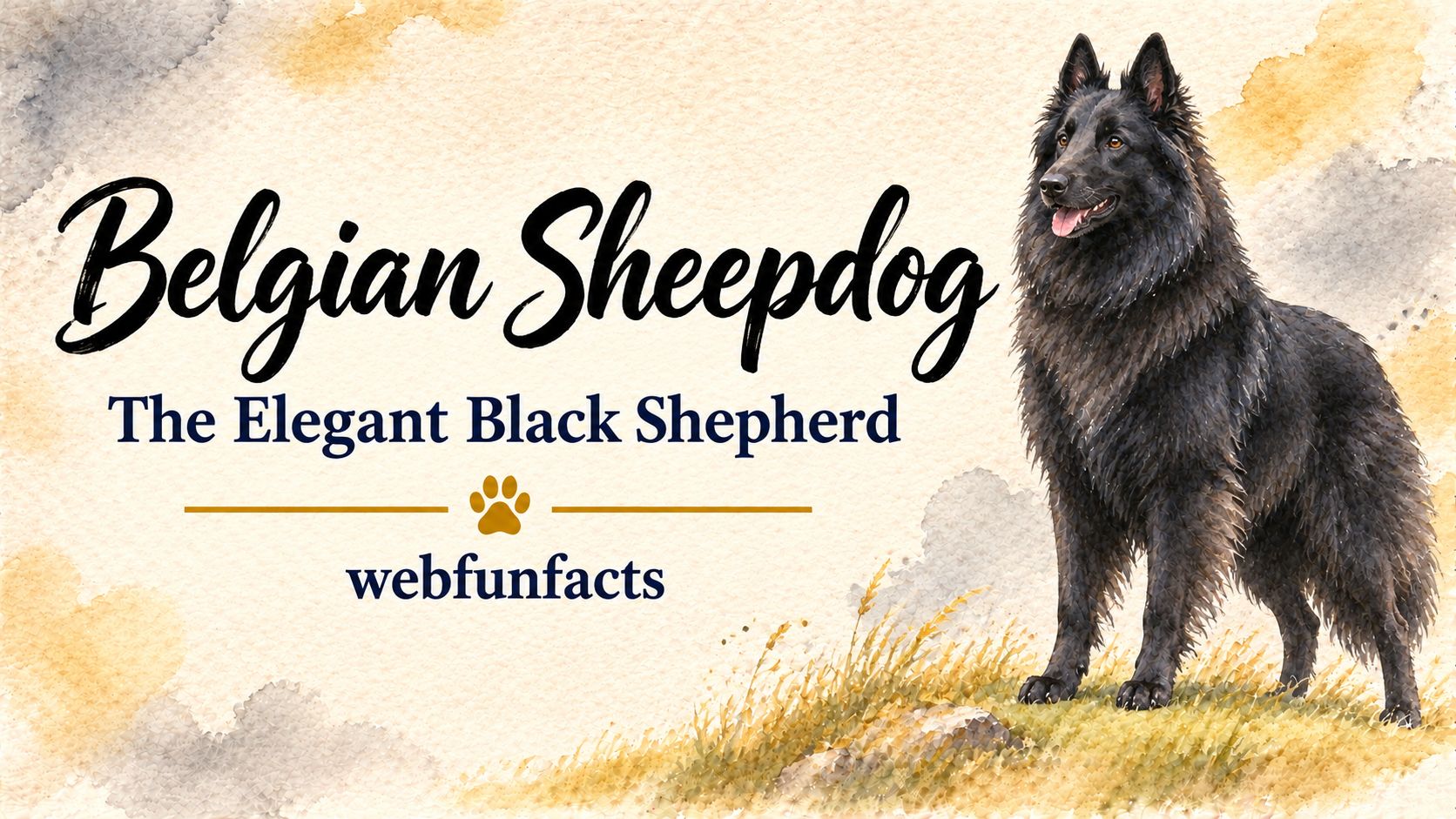
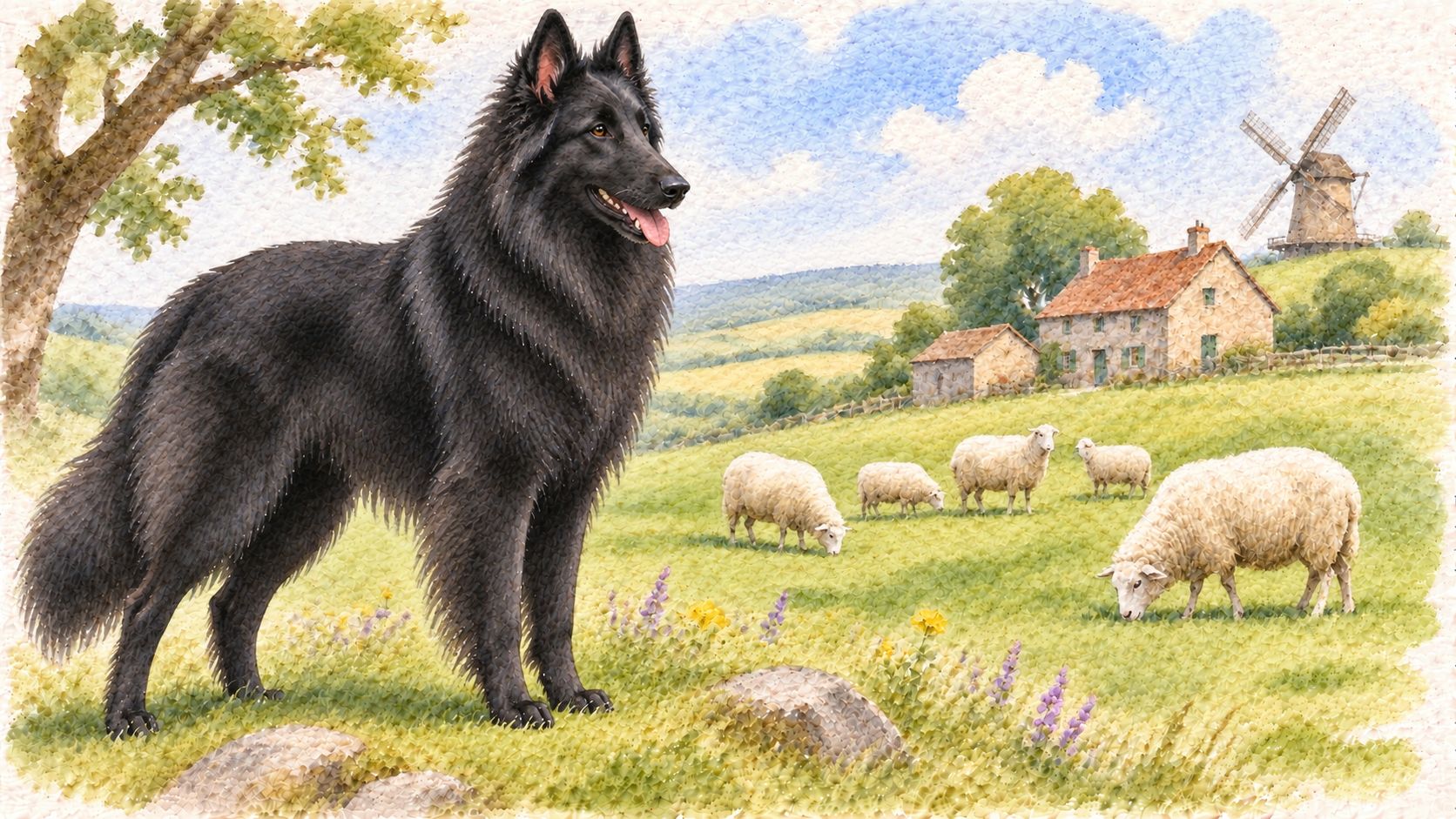
The Belgian Sheepdog is a striking, jet-black herding dog with a proud head, a long flowing coat and an alert, intelligent gaze. Known in many countries as the Groenendael, after the Belgian village where the breed was refined, it combines elegance with serious working ability. Few dogs look quite as regal standing on a hillside watching over a flock.
Behind that beautiful coat is a devoted, energetic and highly trainable companion that wants a job to do. In this complete Belgian Sheepdog dog breed guide, you will learn about its size, temperament, training, exercise and grooming needs, health and lifespan, feeding tips and fascinating history, so you can decide whether this loyal shepherd is the right dog for you.
Belgian Sheepdog at a Glance
| Trait | Details |
|---|---|
| Breed group | Herding (AKC) |
| Height | Males 24 to 26 inches (61 to 66 cm); females 22 to 24 inches (56 to 61 cm) |
| Weight | Males 55 to 65 pounds (25 to 29.5 kg); females 45 to 50 pounds (20 to 23 kg) |
| Life expectancy | About 12 to 14 years |
| Coat | Long, straight outer coat with a dense undercoat |
| Colors | Black |
| Shedding | Seasonal; heavy during coat blows |
| Energy level | High |
| Temperament | Alert, loyal, intelligent, protective, affectionate |
| Good for | Active owners, experienced handlers, homes with space |
| Origin | Belgium (late 1800s) |
What Is a Belgian Sheepdog?
The Belgian Sheepdog is a medium-to-large herding breed from Belgium. It is one of four closely related Belgian shepherd types, along with the Belgian Malinois, the Belgian Tervuren and the Belgian Laekenois. All four share the same basic build and working heritage, and they are separated mainly by coat type and color.
What sets this breed apart is its long, all-black coat. In many parts of the world, including Europe, the four types are treated as varieties of a single breed called the Belgian Shepherd Dog, and this black long-haired type is known as the Groenendael. In the United States, the American Kennel Club recognizes the Belgian Sheepdog as its own breed in the Herding Group.
Originally bred to herd and guard sheep, the breed has since proved its talent in police work, search and rescue, therapy work and a wide range of dog sports.
Belgian Sheepdog Size and Appearance
How Big Do Belgian Sheepdogs Get?
Belgian Sheepdogs are large, athletic dogs. Males usually stand 24 to 26 inches (61 to 66 cm) tall at the shoulder and weigh 55 to 65 pounds (25 to 29.5 kg), while females typically stand 22 to 24 inches (56 to 61 cm) and weigh 45 to 50 pounds (20 to 23 kg).
Despite its size, this dog is not bulky. It has a square, well-balanced body, a deep chest and strong but refined bones. The overall impression is of a dog that is both powerful and graceful, built for speed and agility rather than brute strength.
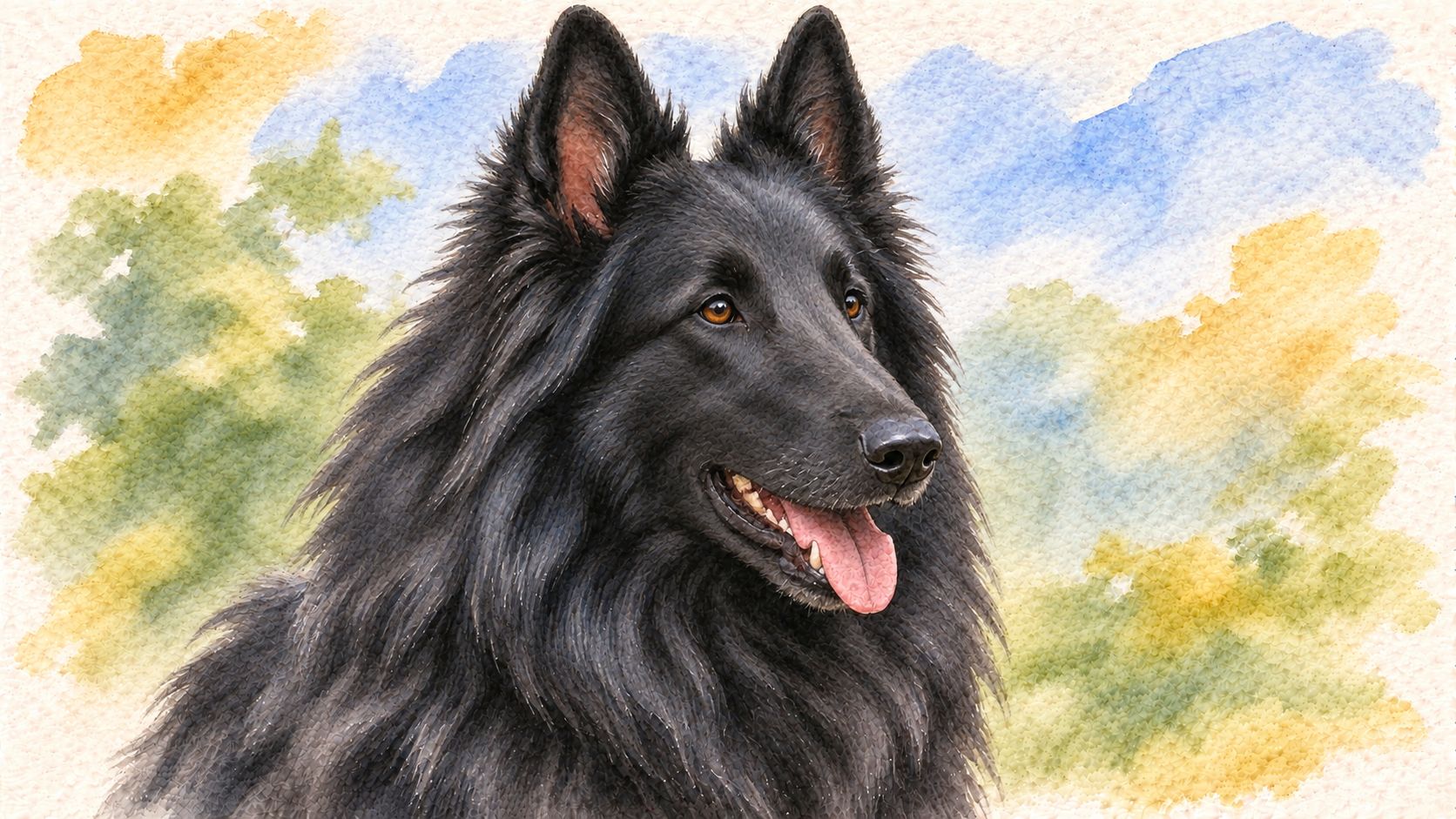
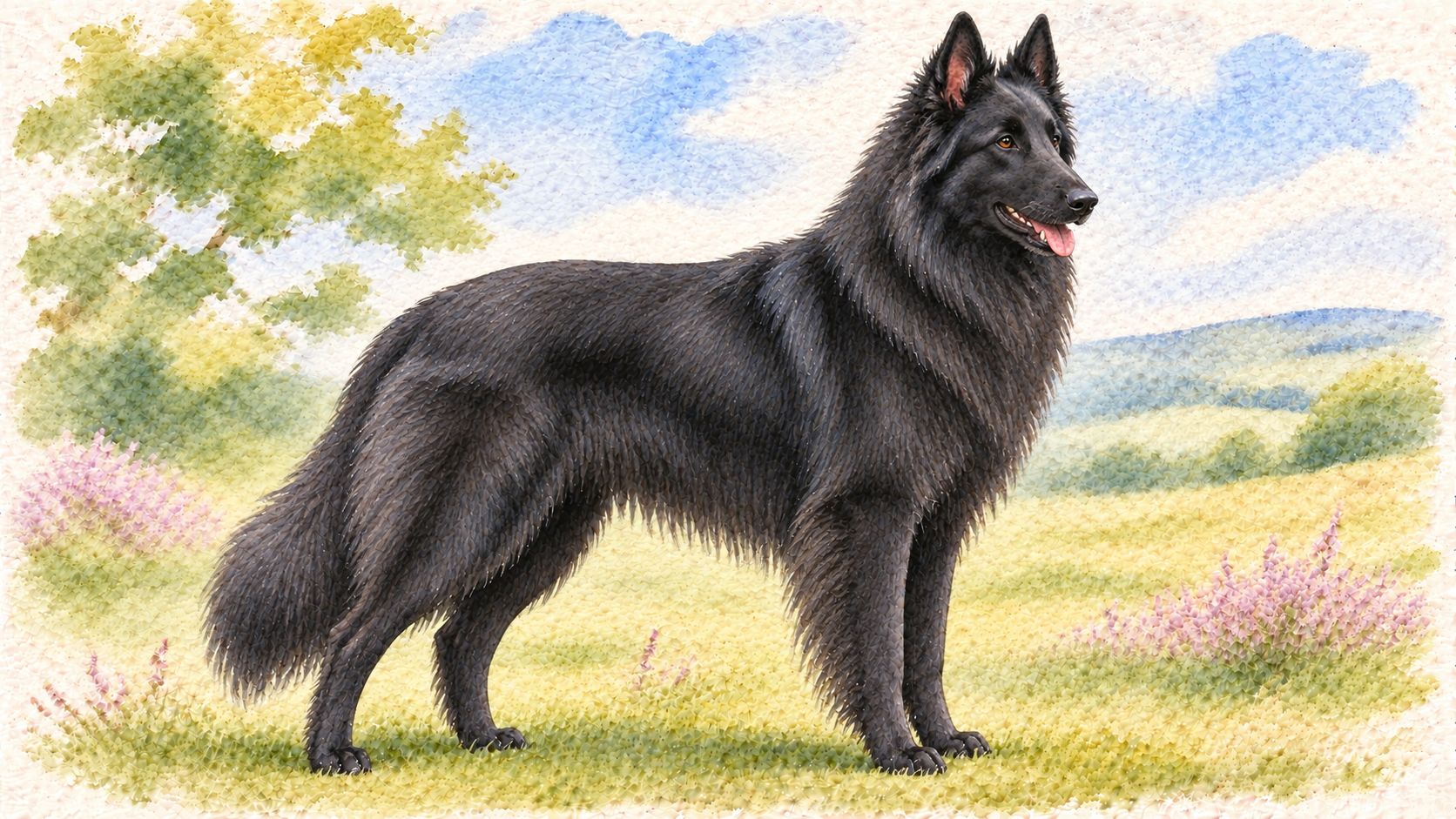
The head is long and chiseled, with a moderately pointed muzzle, dark almond-shaped eyes and stiff, triangular ears that stand upright. The breed carries its head high and moves with a light, tireless, flowing gait.
Coat and Colors
The breed wears a double coat. The outer coat is long, straight and fairly harsh to the touch, while the undercoat is dense and soft, offering protection from cold and wet weather. The hair forms a thick collar or ruff around the neck, along with feathering on the legs and a bushy tail.
The breed is solid black. A small amount of white is permitted in some places, such as a small patch on the chest or on the tips of the toes, but the classic look is a glossy, deep black from nose to tail.
Belgian Sheepdog Temperament and Personality
The Belgian Sheepdog temperament reflects its long history as a working farm dog and guardian. This breed is known for being:
- Intelligent: These dogs learn quickly and enjoy figuring things out, which makes them stars in obedience and dog sports.
- Loyal and devoted: They form deep bonds with their families and like to stay close to their people.
- Alert and watchful: They notice everything happening around the home and make excellent watchdogs.
- Protective: Their guarding instincts mean they can be reserved with strangers until they get to know them.
- Energetic: This is an active breed that thrives when it has a purpose or a job.
- Sensitive: They respond best to gentle, fair handling and can become stressed by harsh treatment.
A well-raised dog of this breed is affectionate and playful at home, yet serious and focused when working. It does not do well when left alone for long hours, because it craves companionship and activity.
Are Belgian Sheepdogs Good Family Dogs?
Belgian Sheepdogs can be excellent family dogs for active households that have time for training, exercise and companionship. They are typically loving and protective with their own family members, including children they have grown up with.
Because of their herding instincts, some of these dogs may try to "herd" running children by circling or nudging them. Teaching both the dog and the kids how to behave around one another, and supervising play, helps keep everyone safe and happy.
Are Belgian Sheepdogs Good With Other Pets?
These dogs often get along well with other dogs and pets when they are raised with them. Early socialization is key. Introducing your puppy to many people, animals, sounds and places will help it grow into a confident, well-mannered adult that is calm rather than suspicious.
Training a Belgian Sheepdog
This is one of the most trainable dogs you can own. It is eager to work with its handler and quick to pick up new skills. The flip side is that a bright, energetic dog without enough to do can invent its own entertainment, which may include chewing, barking or digging.
Here are a few training tips for new owners:
- Start early. Begin training and socialization the day your puppy comes home.
- Use positive reinforcement. Praise, play and treats work far better than harsh corrections for this sensitive breed.
- Keep it interesting. Mix up training routines so your dog stays engaged and does not get bored.
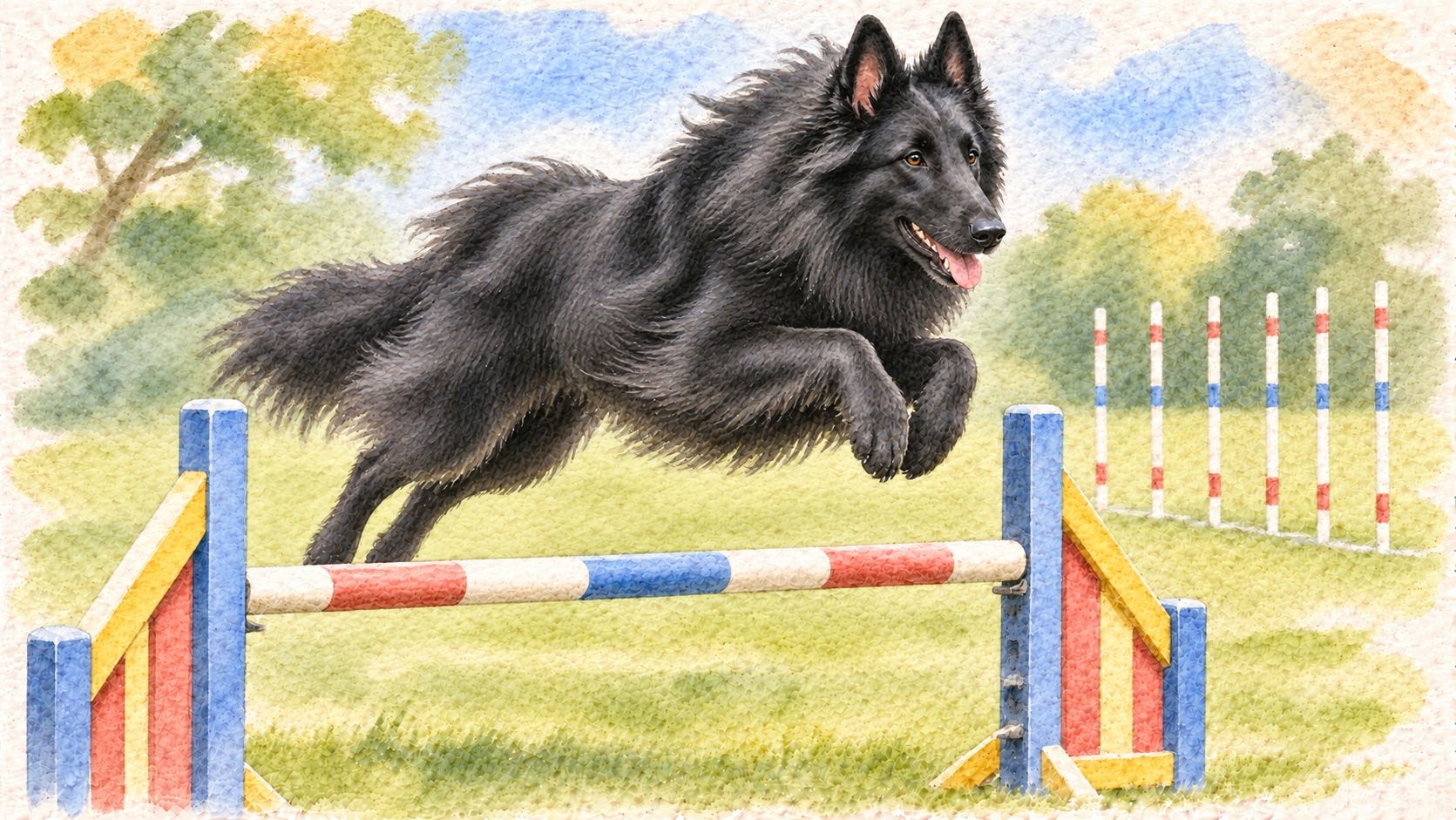
- Give it a job. These dogs shine in herding, obedience, rally, agility and tracking.
- Be consistent. Clear rules and routines help this smart dog understand what you expect.
Many owners find that a group class or a dog sport club is a great way to channel their dog's drive and build a strong bond.
Exercise Needs
This breed has a high energy level and needs plenty of daily exercise. Plan for at least an hour or more of activity each day, such as brisk walks, jogging, hiking, fetch or structured training sessions.
Mental exercise is just as important as physical activity. Puzzle toys, scent games, trick training and dog sports help keep this clever breed satisfied. A bored dog can quickly become restless.
Because of its size and energy, the breed usually does best in a home with a securely fenced yard. It can adapt to other living situations only if its owners are committed to meeting its exercise needs every single day.
Belgian Sheepdog Grooming
Do Belgian Sheepdogs Shed?
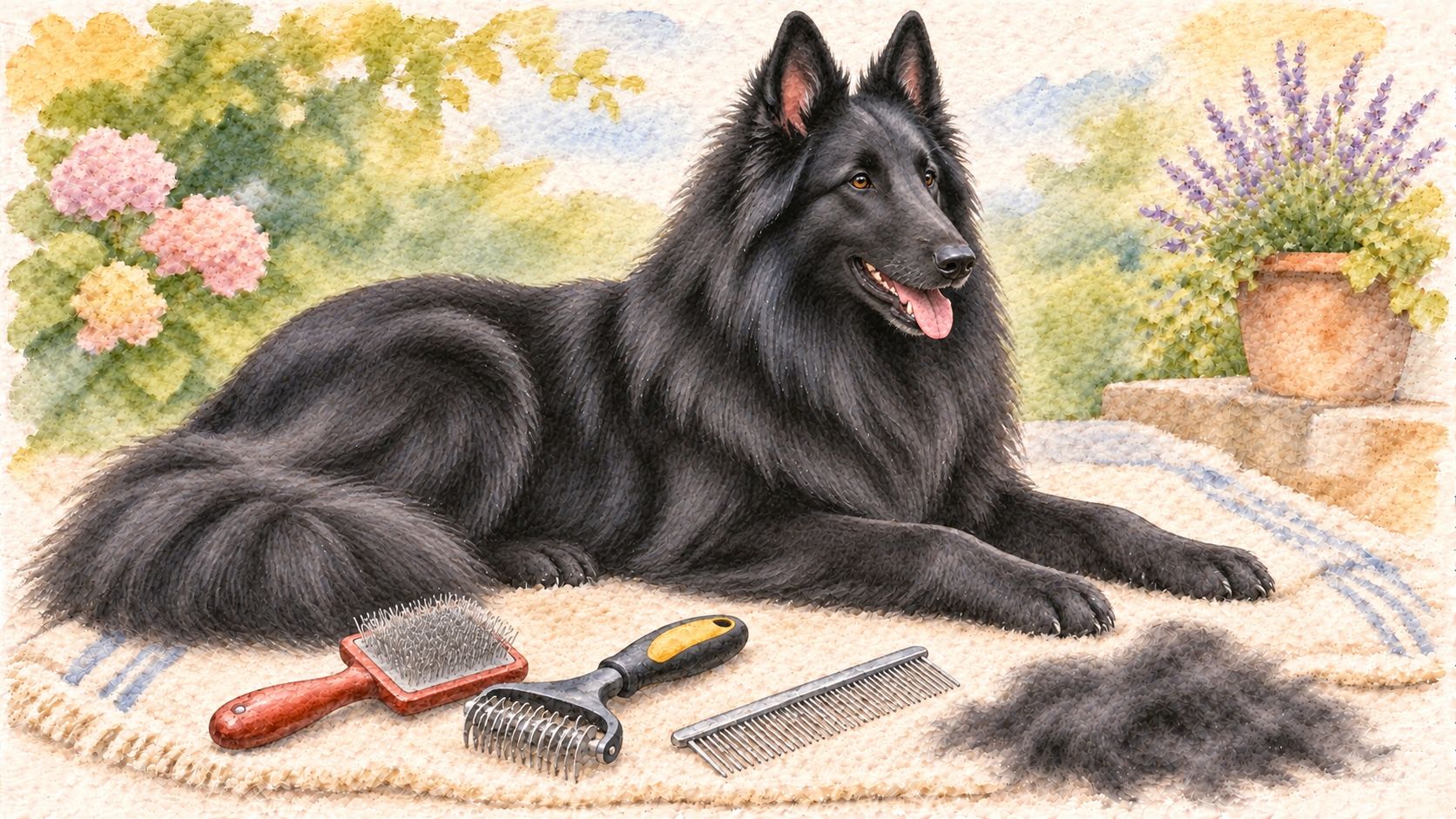
Yes, they do. They lose some hair year-round, and they typically shed heavily once or twice a year when they "blow" their undercoat. During these seasons, expect to find black fur around your home.
Grooming Routine
Grooming this breed is simpler than the long coat might suggest, but it does require regular attention:
- Brushing: Brush the coat at least once a week to remove loose hair and prevent tangles. Daily brushing helps during heavy shedding seasons.
- Problem areas: Pay extra attention to the hair behind the ears, under the legs and around the ruff, where mats can form.
- Bathing: Bathe only when needed, since the coat naturally resists dirt fairly well.
- Nails: Trim nails every few weeks if your dog does not wear them down naturally.
- Teeth: Brush your dog's teeth several times a week to support good dental health.
- Ears: Check the ears weekly and gently clean away any dirt or debris.
Belgian Sheepdog Health and Lifespan
How Long Do Belgian Sheepdogs Live?
The typical Belgian Sheepdog lifespan is about 12 to 14 years. Overall, it is considered a fairly healthy, hardy breed, especially when it comes from responsible breeders.
Like all breeds, it can be prone to certain conditions. Reputable breeders screen their dogs for common concerns, which may include:
- Hip dysplasia: An abnormal formation of the hip joint seen in many larger breeds.
- Elbow dysplasia: A developmental problem affecting the elbow joint.
- Eye conditions: Regular eye exams help catch problems early.
- Epilepsy: Some lines may be affected by seizure disorders, so ask breeders about the health history of their dogs.
Keeping your dog at a healthy weight, providing regular exercise and scheduling routine checkups all help support a long, active life. Always work with your veterinarian to set up a plan for vaccinations, checkups and preventive care.
Feeding and Nutrition
This breed does best on a high-quality, complete and balanced dog food suited to its age, size and activity level. Active working dogs may need more calories than less active companions, while older dogs may need fewer.
Puppies should eat a food made for growing puppies, ideally one designed for medium or large breeds, to support steady, healthy development. Portion sizes vary from dog to dog, so follow the feeding guidelines on the package and ask your veterinarian for advice. Keep treats to a small part of daily calories to help prevent weight gain.
History of the Belgian Sheepdog
The breed's story begins in Belgium in the late 1800s. At that time, farmers across the country kept a wide variety of shepherd dogs that differed in coat, color and size. In 1891, a group of dog fanciers formed the Belgian Shepherd Dog Club, and a veterinary professor named Adolphe Reul helped study these local herding dogs and sort them into distinct types.
The black long-haired type owes much to Nicholas Rose, who lived in the village of Groenendael. He established the first kennel of black Belgian sheepdogs, starting with a pair named Petite and Picard d'Uccle. Their descendants became the foundation of the breed, which is why the Belgian Sheepdog is still called the Groenendael in many countries.
The breed soon showed it could do far more than herd sheep. These dogs were used in police work in the early 1900s. During World War I and World War II, they served bravely as message carriers, ambulance dogs and even machine gun pullers.
The breed arrived in the United States in the early 20th century, and the American Kennel Club first recognized Belgian dogs in 1912. Today, the breed remains a respected working dog and a cherished companion for active families.
Belgian Sheepdog vs Belgian Malinois
The Belgian Sheepdog and the Belgian Malinois share the same roots and a very similar build. The biggest visible difference is the coat. The Belgian Sheepdog has a long, solid black coat, while the Malinois has a short, fawn to mahogany coat with a black mask. Both breeds are intelligent and energetic, though the Malinois is often described as especially intense and is widely used in police and military work.
Is a Belgian Sheepdog Right for You?
This breed could be a wonderful match if you:
- Lead an active lifestyle and enjoy daily outdoor exercise
- Want a loyal, intelligent and protective companion
- Have time for regular training and mental challenges
- Are interested in dog sports such as agility, herding or obedience
- Have a home with a secure yard or easy access to open space
- Don't mind regular brushing and seasonal shedding
It may not be the best fit if you:
- Are away from home for long hours most days
- Prefer a calm, low-energy dog
- Want a low-shedding breed
- Are a first-time owner without time for training and socialization
Finding a Belgian Sheepdog Puppy
The breed is not one of the most common breeds in the United States, so you may need to join a waiting list for a puppy from a reputable breeder. Look for breeders who health-test their dogs, raise puppies in a home environment and welcome your questions. Breed clubs and rescue groups are also good places to look, as adult dogs sometimes need new homes.
Fun Facts About the Belgian Sheepdog
- The breed is known as the Groenendael in much of the world, named after a village near Brussels.
- It is one of four Belgian shepherd types, along with the Malinois, Tervuren and Laekenois.
- The breed served as a messenger and ambulance dog during both World Wars.
- These dogs excel in a remarkable range of activities, from herding and tracking to search and rescue and therapy work.
- The breed's long black coat helps protect it in cold, wet weather.
- The first kennel of black Belgian sheepdogs began with two dogs named Petite and Picard d'Uccle.
Frequently Asked Questions
Is a Belgian Sheepdog the same as a Groenendael?
Yes. Groenendael is the name used in many countries, especially in Europe, for the black long-haired Belgian shepherd. In the United States, the AKC calls it the Belgian Sheepdog.
How big do Belgian Sheepdogs get?
Males usually stand 24 to 26 inches tall and weigh 55 to 65 pounds. Females are a little smaller, standing 22 to 24 inches and weighing 45 to 50 pounds.
Are Belgian Sheepdogs good family dogs?
They can be loving, protective family dogs for active households. They need daily exercise, training and companionship, and their herding instincts mean play with young children should be supervised.
Do Belgian Sheepdogs shed a lot?
Yes. They shed moderately throughout the year and heavily once or twice a year. Weekly brushing, and more frequent brushing during shedding seasons, helps manage loose hair.
How long do Belgian Sheepdogs live?
The average Belgian Sheepdog lifespan is about 12 to 14 years with good care, a balanced diet and regular veterinary checkups.
Are Belgian Sheepdogs easy to train?
Belgian Sheepdogs are highly intelligent and eager to work, so they usually learn quickly. They respond best to positive, consistent training and need plenty of mental challenges to stay happy.
Final Thoughts
The Belgian Sheepdog is a rare blend of beauty, brains and devotion. With its shining black coat, keen intelligence and deep loyalty, it makes a remarkable partner for owners who love an active life. If you can offer daily exercise, consistent training and plenty of companionship, a Belgian Sheepdog may become the most dedicated friend you have ever had.