With its soulful brown eyes, velvety drop ears and a tail that never seems to stop wagging, the Beagle is one of the most recognizable and best-loved dogs in the world. This compact scent hound was developed to track rabbits and hares, and it still carries one of the keenest noses in the dog world. Fans adore its cheerful outlook, playful spirit and that unmistakable baying voice.
Thanks to stars like Snoopy and a long history as a family favorite, this little hound has charmed generations of dog lovers. In this complete Beagle dog breed guide, you will learn everything you need to know before bringing one home, including its size, temperament, grooming needs, exercise requirements, common health concerns, diet tips and fascinating history.
Beagle at a Glance
| Trait | Details |
|---|---|
| Breed group | Hound (AKC) |
| Height | Up to about 15 inches (38 cm); two varieties: under 13 inches (33 cm) and 13 to 15 inches (33 to 38 cm) |
| Weight | Roughly 18 to 35 pounds (8 to 16 kg) |
| Life expectancy | 10 to 15 years |
| Coat | Smooth, dense, short double coat |
| Colors | Tri-color (black, tan and white), lemon, red and white, tan and white, blue, redtick and more |
| Shedding | Moderate year-round; heavier seasonally |
| Energy level | Moderate to high |
| Temperament | Friendly, curious, merry, affectionate, determined |
| Good for | Active families, homes with other dogs, owners who enjoy outdoor walks |
| Origin | England |
What Is a Beagle?
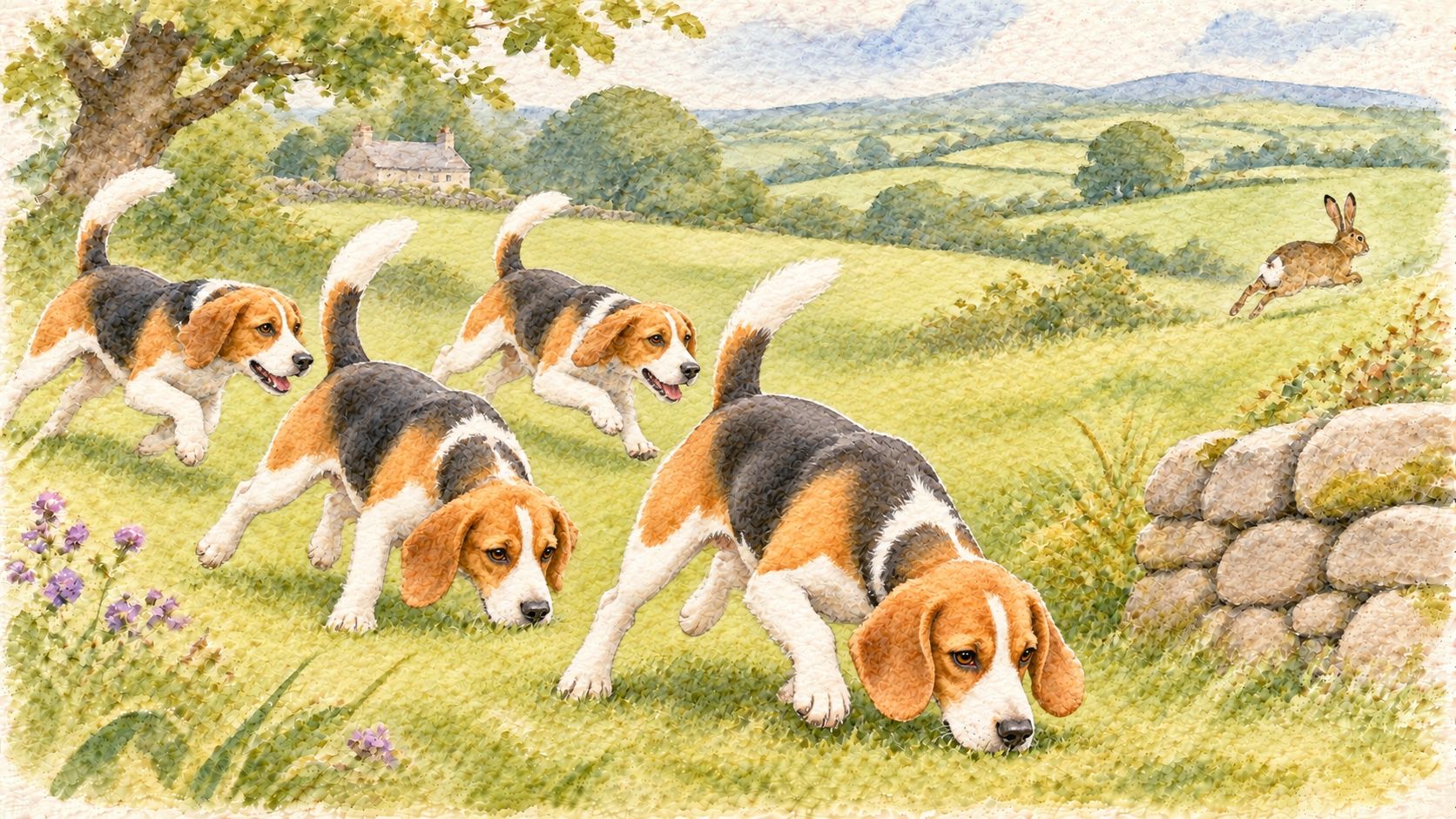
This is a small to medium-sized scent hound originally bred in England to hunt rabbits and hares in packs. Hunters followed these dogs on foot rather than on horseback, which is why they were sometimes called "foot hounds." Their sturdy build, stamina and outstanding sense of smell made them ideal partners in the field.
Today, the breed is just as popular on the sofa as it is in the countryside. It is a member of the American Kennel Club's Hound Group and has ranked among the most popular dogs in the United States for decades. Its friendly nature, manageable size and short coat make it a natural fit for many households.
Beagle Size and Appearance
How Big Do Beagles Get?
Most adult Beagles stand no taller than 15 inches (38 cm) at the shoulder and weigh roughly 18 to 35 pounds (8 to 16 kg). In the United States, the breed is shown in two height varieties: dogs under 13 inches and dogs between 13 and 15 inches tall.
Smaller dogs from the 13-inch variety usually weigh toward the lower end of that range, while 15-inch dogs tend to be a bit heavier. Individual weight also depends on build, activity level and diet.
13-Inch vs 15-Inch Beagle
Apart from height, the two varieties share the same standard, temperament and care needs. The 13-inch variety may suit owners who want a slightly smaller companion, while the 15-inch variety is a touch sturdier. Both are energetic, food-loving hounds at heart.
Overall Look
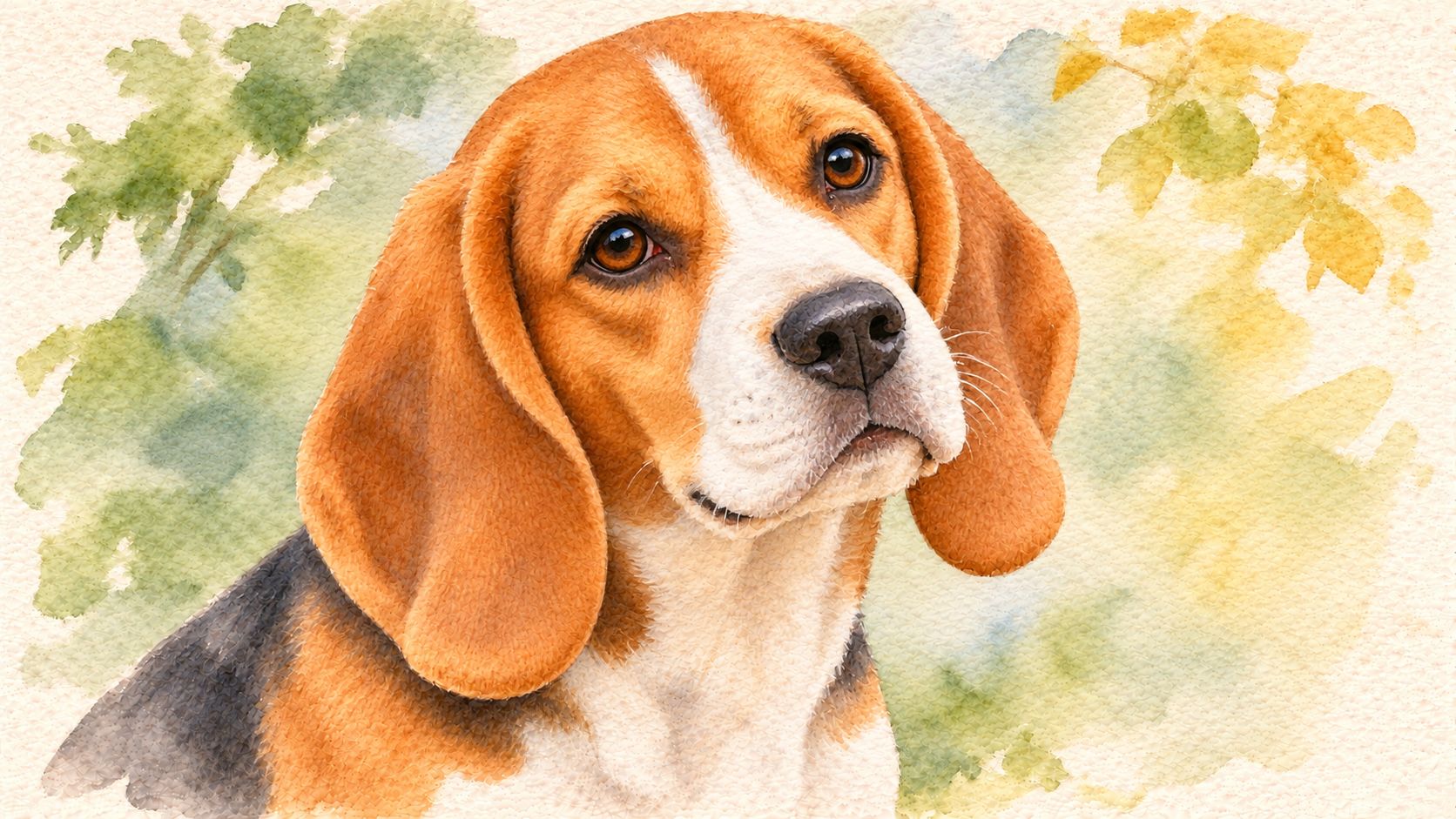
This hound looks like a miniature Foxhound, with a solid, muscular body and a slightly domed head. Its long, soft ears hang low and frame a gentle, pleading expression. The tail, often tipped with white, is carried high and cheerfully. Some say the white tip helped hunters spot their dogs in tall grass.
Coat and Colors
The breed wears a smooth, dense double coat that is short and weather-resistant. It is hard enough to protect the dog when pushing through brush, yet sleek and easy to care for at home.
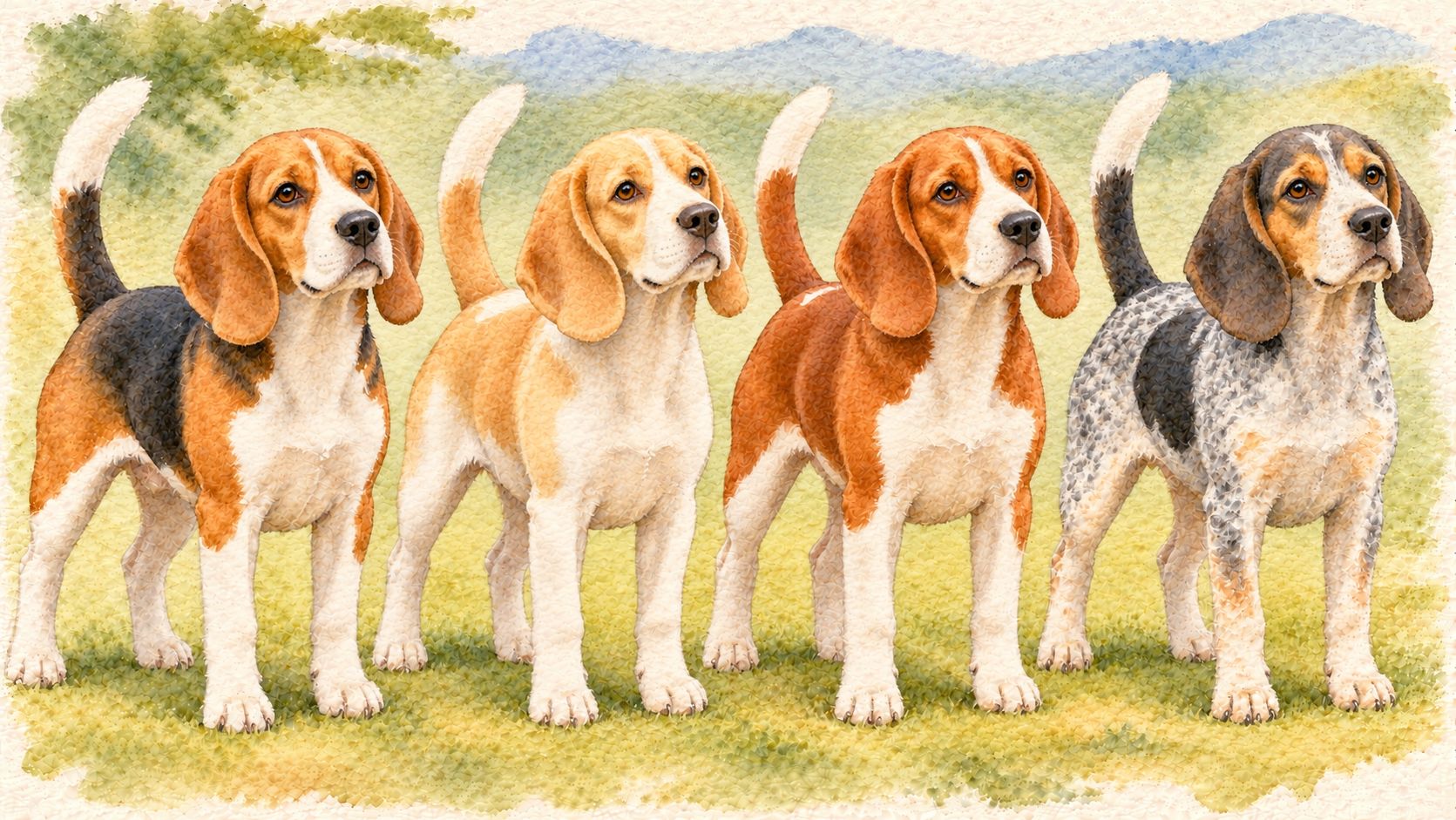
The classic look is tri-color: black, tan and white. However, many other combinations are seen, including lemon and white, red and white, tan and white, chocolate tri, blue and redtick patterns. Puppies often darken or lighten as they mature, so a young dog's final color can change.
Beagle Temperament and Personality
The Beagle temperament is famously sunny. Bred to work in packs, these dogs are social, easygoing and happiest when they have company. The breed is known for being:
- Friendly: Most of these hounds greet strangers, children and other dogs with a wagging tail rather than suspicion.
- Curious: That powerful nose drives a constant desire to explore, sniff and investigate.
- Merry and playful: They love games, toys and chasing their favorite people around the yard.
- Affectionate: They bond closely with their families and enjoy being part of daily life.
- Determined: Once it catches an interesting scent, it can become single-minded about following it.
- Vocal: Many have a distinctive howl or "bay" that was useful on the hunt and can be noticeable at home.
Because they are pack dogs, these hounds generally dislike being left alone for long periods. A lonely, bored hound may become restless, howl or chew things it shouldn't. Plenty of company, exercise and toys can help prevent these habits.
Are Beagles Good Family Dogs?
Yes, Beagles are usually excellent family dogs. Their gentle, cheerful personality and sturdy size make them good companions for children who know how to treat dogs kindly.
As with any breed, adults should supervise interactions between dogs and young kids. Teaching children not to grab ears or tails and to give the dog space while eating helps everyone get along.
Are Beagles Good With Other Pets?
They typically get along very well with other dogs, thanks to their pack-hound roots. Many enjoy having a canine friend to play with while their people are busy.
Small pets are a different story. Their hunting instincts may make them too interested in rabbits, guinea pigs or other small animals. Some live peacefully with cats, especially when raised together. Early socialization with many people, animals and places helps a puppy grow into a well-rounded adult.
Training and Intelligence
Are Beagles Easy to Train?
These hounds are smart and eager to please their stomachs, but they are not always the easiest dogs to train. Their independent nose often wins the battle for attention, so patience and consistency are essential.
Positive reinforcement works best. Short, upbeat sessions using praise, play and small treats keep this food-motivated hound engaged. Harsh corrections tend to backfire with such a sensitive, friendly dog.
Here are a few training tips for new owners:
- Start early. Begin basic manners and socialization as soon as your puppy comes home.
- Use food wisely. Treats are powerful motivators, but count them as part of the daily diet to avoid weight gain.
- Practice recall in a safe area. Even well-trained hounds may ignore a "come" cue when following a scent, so practice in fenced spaces.
- Manage howling. Reward quiet behavior and give your dog enough activity so it has less reason to bay out of boredom.
- Channel the nose. Scent games, tracking and nose work give this hound a satisfying job. Many also enjoy agility, obedience, rally and field trials.
Exercise Needs
This breed has a moderate to high energy level and need daily activity to stay fit and content. One or two good walks a day, plus play sessions and chances to sniff, usually keep a healthy adult satisfied. Needs vary with age and health, and some individuals are happier lounging than others.
Always keep your hound on a leash during walks. These dogs are known escape artists and may wander off to follow a fascinating scent, ignoring calls to return. A securely fenced yard is ideal, and it is wise to check fences for gaps, since some dig or squeeze through small openings.
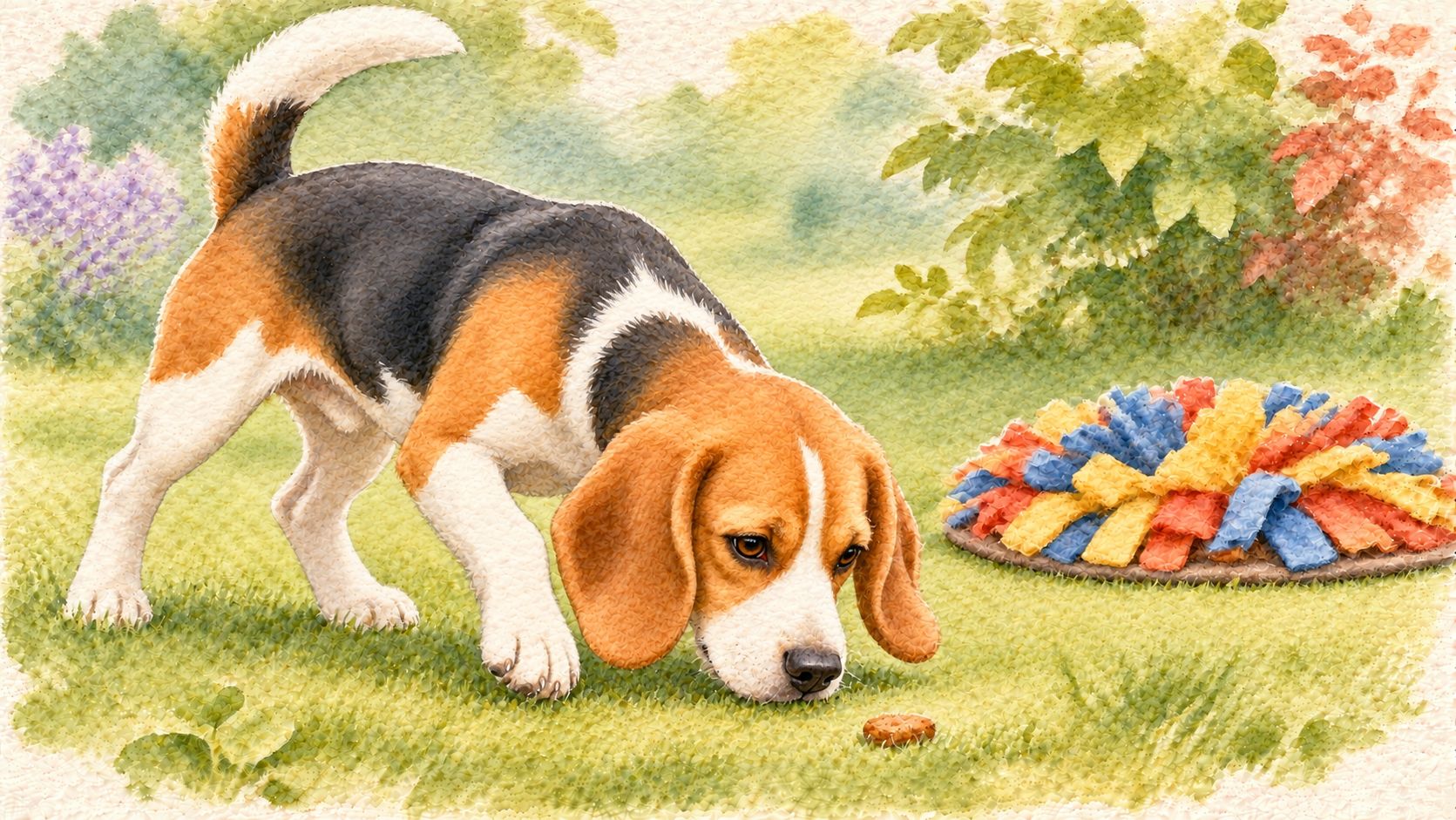
Mental exercise matters as much as physical activity. Puzzle feeders, snuffle mats and hide-and-seek games with treats tap into the breed's natural talents and help prevent boredom.
Beagle vs Basset Hound
People often compare the Beagle with the Basset Hound, since both are friendly scent hounds with long ears and big voices. The Basset Hound is heavier, with very short legs, loose skin and a more laid-back pace. The Beagle is lighter, longer-legged and more athletic, so it usually needs more active exercise and playtime.
Beagle Grooming
Do Beagles Shed?
Yes, Beagles shed moderately throughout the year. Their dense double coat grows heavier in winter and then sheds more noticeably as the weather warms. They are not considered hypoallergenic.
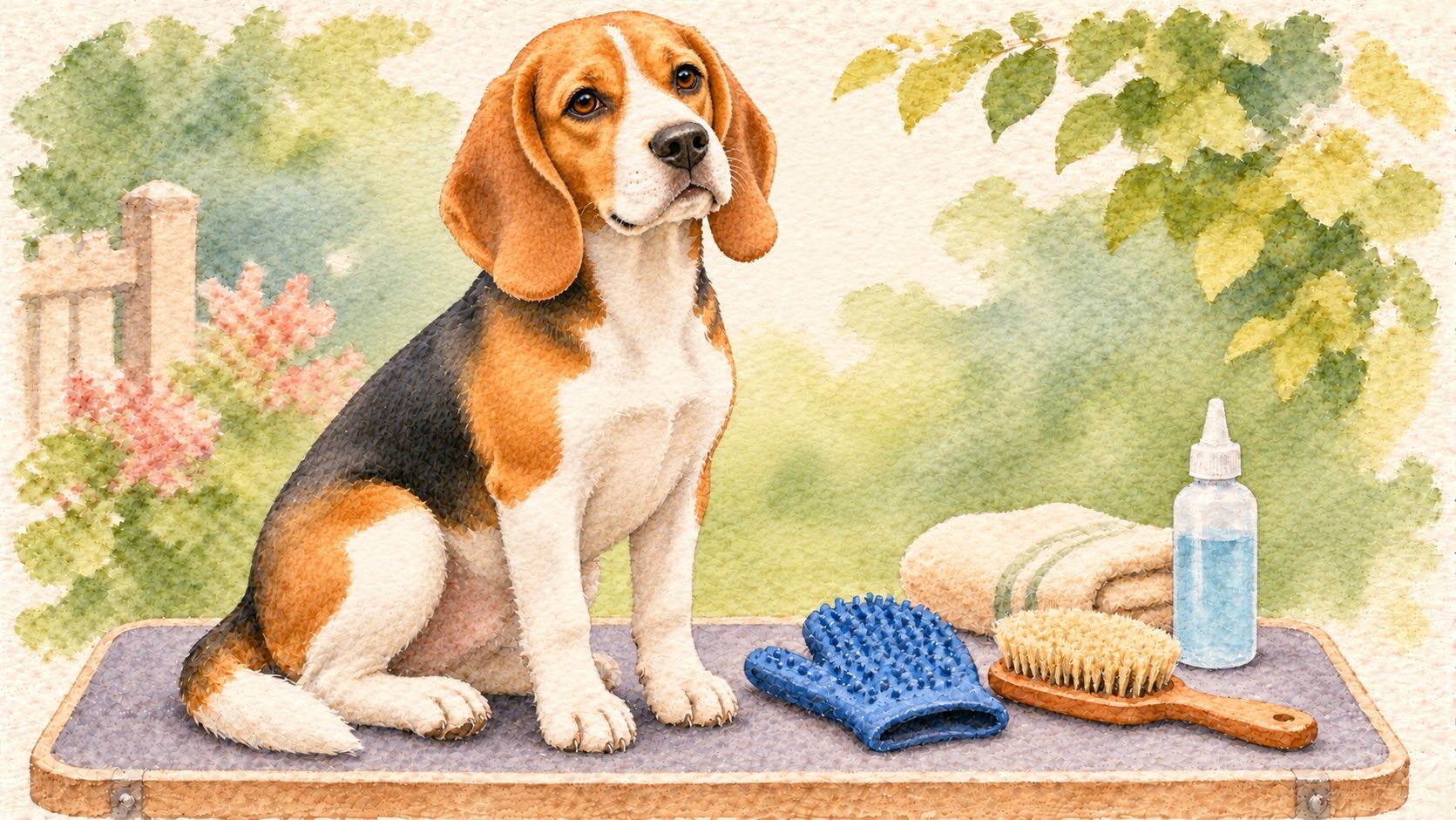
The good news is that the short coat is simple to maintain. A little regular care keeps loose hair under control and the coat looking glossy.
Grooming Routine
- Brushing: Brush once or twice a week with a rubber grooming mitt or bristle brush, and more often during heavy shedding seasons.
- Bathing: Bathe only as needed, such as after a muddy adventure or a roll in something smelly.
- Ears: Check and gently clean those long, floppy ears every week. Drop ears can trap moisture and dirt, so keeping them clean and dry is important.
- Nails: Trim nails every few weeks if they are not worn down naturally.
- Teeth: Brush your dog's teeth several times a week to support good dental health.
- Eyes: Wipe away any discharge and watch for redness or cloudiness.
Beagle Health and Lifespan
How Long Do Beagles Live?
The typical Beagle lifespan is about 10 to 15 years. With good care, regular exercise and a healthy weight, many enjoy long, active lives.
Like all breeds, these hounds can be prone to certain conditions. Responsible breeders screen their dogs for concerns that may include:
- Hip dysplasia: An abnormal formation of the hip joint that can affect mobility.
- Hypothyroidism: A condition in which the thyroid gland does not produce enough hormone.
- Epilepsy: A neurological condition that can cause seizures.
- Luxating patella: A condition in which the kneecap slips out of place.
- Eye disorders: Regular eye checks help catch problems early.
This breed also loves food and can gain weight easily. Extra pounds put strain on joints and overall health, so watch portions and keep your dog active. Always work with your veterinarian to set up a routine of checkups, vaccinations and preventive care.
Feeding and Nutrition
These dogs do well on a high-quality, complete and balanced dog food suited to their age, size and activity level. Very active dogs, such as those that hunt or compete in field trials, may benefit from a formula designed for working or sporting dogs.
Puppies need a food made specifically for growing dogs. Puppy formulas with DHA support brain and vision development, while antioxidants help support a healthy immune system.
Because these hounds are skilled food thieves, store kibble and snacks securely and keep counters clear. Measure meals instead of free-feeding, follow the feeding guidelines on the package, and ask your veterinarian how much your individual dog should eat. Keep treats to a small part of daily calories.
History of the Beagle
The Beagle may be one of the oldest dog breeds, although its exact origins and the source of its name are uncertain. One theory links the name to an old Gaelic word for "little." Another connects it to an old French term describing the loud sound hounds make while hunting.
Small pack hounds were hunting rabbits and hares in England long before written breed records existed, possibly even before 55 B.C. By the 1500s, many English gentlemen kept packs of hounds. Larger dogs were used to hunt deer, while smaller hounds, the ancestors of today's breed, tracked hares. Legend also tells of tiny "pocket beagles" from the Elizabethan era, though those dogs were much smaller than the modern breed.
Because hunters could follow these foot hounds without a horse, the breed became popular with people who could not afford or manage horses. After the Civil War, the hounds were imported to the United States, where they quickly became favorites among rabbit hunters.
The American Kennel Club registered the breed in 1885, and the National Beagle Club was formed in 1888. The breed has also enjoyed its share of fame. President Lyndon B. Johnson owned three of these hounds, named Him, Her and Edgar. A 15-inch dog named Uno won Best in Show at the Westminster Kennel Club Dog Show in 2008, and another, Miss P, repeated the feat in 2015.
Is a Beagle Right for You?
This breed could be a wonderful match if you:
- Want a friendly, cheerful dog that gets along with almost everyone
- Have children or other dogs in the home
- Enjoy daily walks and outdoor time
- Prefer a short coat that is easy to groom
- Can provide company for much of the day
- Have patience for consistent, reward-based training
It may not be the best fit if you:
- Need a quiet dog, since many hounds howl and bay
- Are away from home for long hours every day
- Keep small pets such as rabbits or guinea pigs
- Want a dog that can reliably walk off-leash
- Have no fenced yard or way to keep an escape artist secure
Finding a Beagle Puppy
When looking for a puppy, choose a reputable breeder who health-tests parent dogs, raises puppies in a home environment and welcomes your questions. Meeting the puppy's mother can give you a good idea of future temperament. You can also check breed clubs and rescue groups, as many adult hounds are looking for loving homes.
Fun Facts About the Beagle
- Snoopy from the Peanuts comic strip is probably the most famous Beagle in pop culture.
- The breed is shown in two varieties in the United States: 13-inch and 15-inch.
- Many have a white-tipped tail, which may have helped hunters see them in tall grass.
- President Lyndon B. Johnson's dogs Him and Her often appeared in news photos with him.
- The USDA's "Beagle Brigade" uses these sharp-nosed hounds to sniff out food and plant products in luggage at U.S. airports.
- They are scent hounds, mainly used to hunt rabbits and hares.
Frequently Asked Questions
How big do Beagles get?
Adults stand up to about 15 inches (38 cm) tall and usually weigh roughly 18 to 35 pounds (8 to 16 kg). They come in two height varieties: under 13 inches and 13 to 15 inches.
Are Beagles good family dogs?
Yes. They are friendly, gentle and playful, which makes them great companions for families with respectful children. Supervision with young kids is always recommended.
Do Beagles shed a lot?
They shed moderately all year, with heavier shedding as the seasons change. Weekly brushing helps keep loose hair under control.
How long do Beagles live?
The average lifespan is about 10 to 15 years with good care, a healthy weight and regular veterinary checkups.
Do Beagles bark or howl a lot?
Many are vocal and may bark, howl or bay, especially when bored or lonely. Daily exercise, company and training can help keep noise manageable.
Can Beagles be left alone?
They are pack dogs that prefer company and may become restless or destructive if left alone too long. Another dog, a dog walker or puzzle toys can help when you must be away.
Final Thoughts
The Beagle is a joyful, friendly and endlessly curious companion with a nose that leads the way. This classic scent hound brings centuries of history, an easy-care coat and a big, happy heart to the right home. If you can offer daily walks, patient training, secure fencing and plenty of company, a Beagle may become the most loving friend your family has ever had.