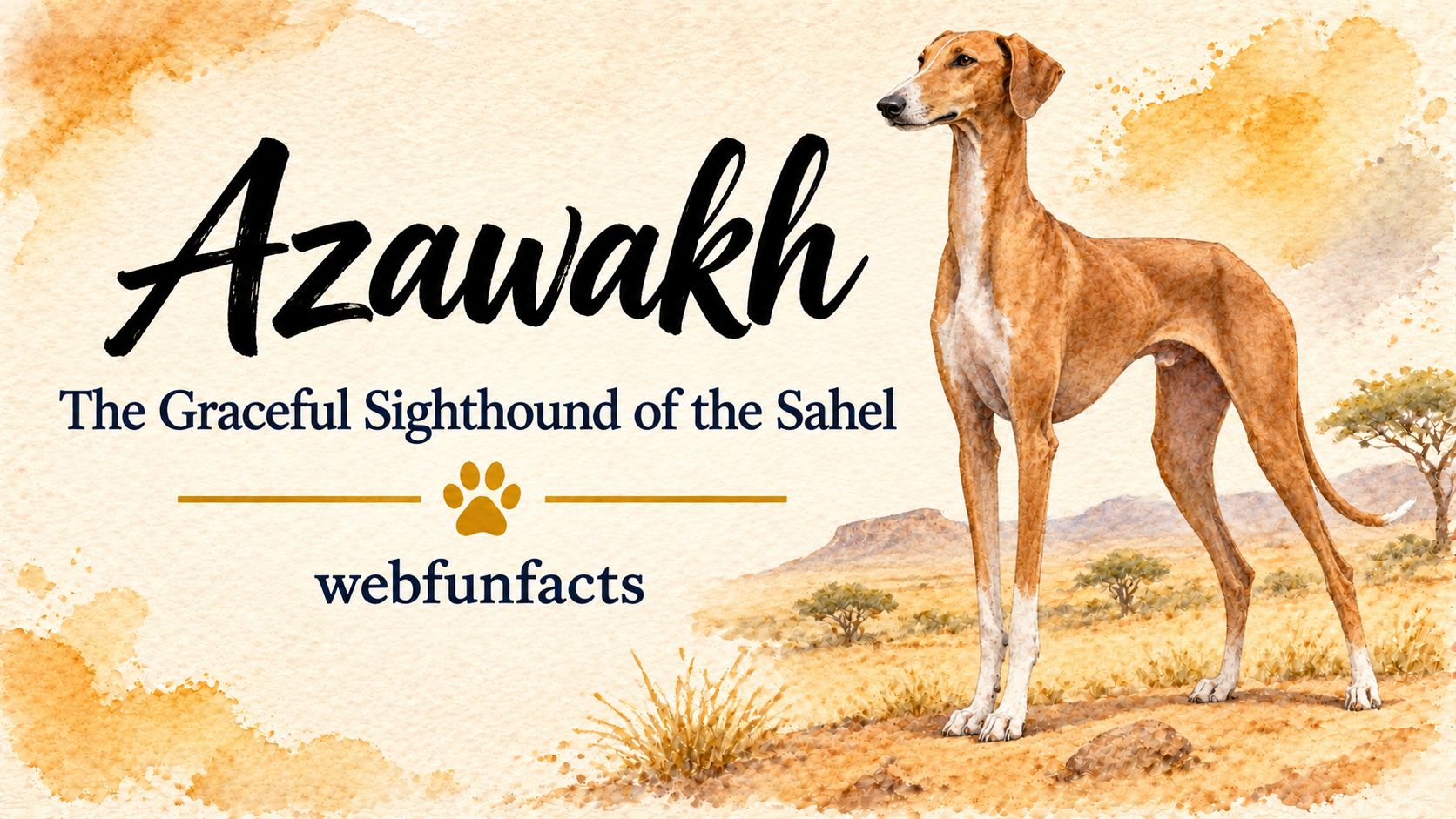
Tall, lean and impossibly elegant, the Azawakh is a sighthound that seems to float rather than run. This ancient breed comes from the Sahel region of West Africa, where it lived alongside Tuareg nomads for countless generations. Its name is pronounced "Az-a-walk," and it is taken from the Azawagh valley, part of the dry lands that stretch across modern-day Mali and Niger.
The breed is rare in the United States, but those who know the breed adore its loyalty, grace and quiet dignity. In this complete Azawakh dog breed guide, you will learn about its size, temperament, exercise needs, grooming, health, diet and fascinating desert history, so you can decide whether this unique hound belongs in your life.
Azawakh at a Glance
| Trait | Details |
|---|---|
| Breed group | Hound (AKC) |
| Height | About 23.5 to 29 inches (60 to 74 cm) |
| Weight | 25 to 55 pounds (11 to 25 kg) |
| Life expectancy | 10 to 12 years |
| Coat | Short, fine and tight |
| Colors | Fawn, red, brindle, sandy, cream, white, black, blue, brown, gray |
| Shedding | Minimal |
| Energy level | High |
| Temperament | Loyal, independent, reserved, alert, gentle with family |
| Good for | Experienced owners, active adults, homes with secure fencing |
| Origin | West Africa (Mali and Niger) |
What Is an Azawakh?
The Azawakh is a slender African sighthound bred to hunt by sight and to run down fast game across rough desert terrain. Sighthounds spot movement from far away and chase it at high speed, and the Azawakh is one of the most striking examples of this ancient type of dog.
For the Tuareg people who kept it, this dog was more than a hunter. It was also a companion and a watchful guardian of the camp. The Tuareg called these dogs "Tuareg Sloughi," a name often translated as "sleek desert sighthound." Today the American Kennel Club places the breed in its Hound Group, and the breed made its debut at the Westminster Kennel Club Dog Show in 2020.
Azawakh Size and Appearance
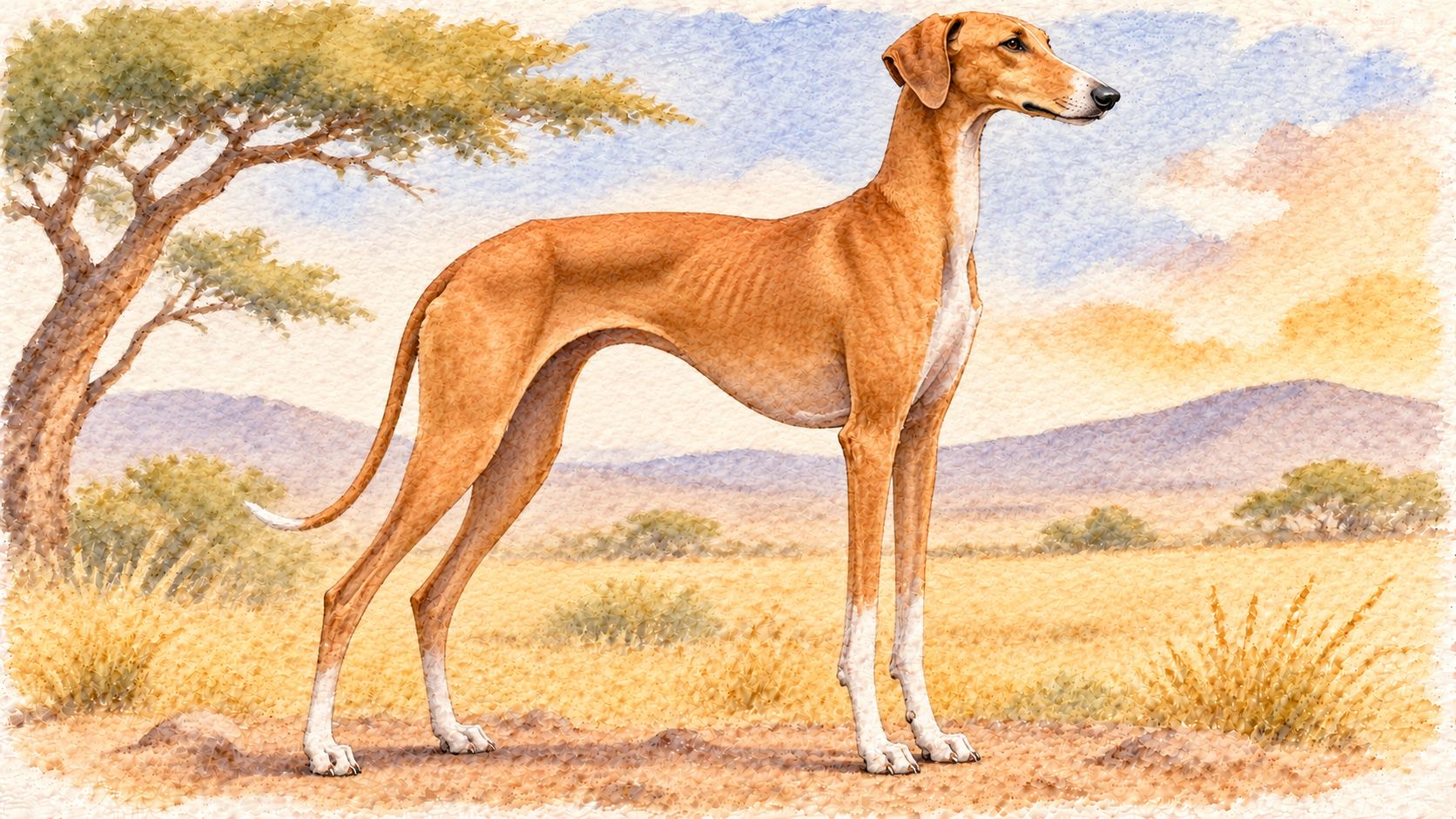
This is a tall, leggy dog with a very light frame. Its bones and muscles show clearly beneath the thin skin, which gives the breed a sculpted, almost statue-like look. Everything about this hound is built for speed, from its long legs to its narrow, aerodynamic head.
How Big Do Azawakhs Get?
Adult Azawakhs usually stand about 23.5 to 29 inches tall at the shoulder and weigh roughly 25 to 55 pounds. Males are generally taller than females. Because they are so lean, these hounds often weigh much less than other dogs of the same height.
One unusual detail of the Azawakh size and shape is that the body tends to be shorter than the legs are long. This gives the breed an upright, vertical outline that sets it apart from many other sighthounds. Its almond-shaped eyes, high-set folded ears and long, thin tail complete the graceful picture.
Coat and Colors
The breed wears a short, fine coat that lies tight and close over the whole body. On the belly the hair can be so thin that it is almost absent. This simple coat suited the breed's hot desert home, where a thick coat would have been a burden.
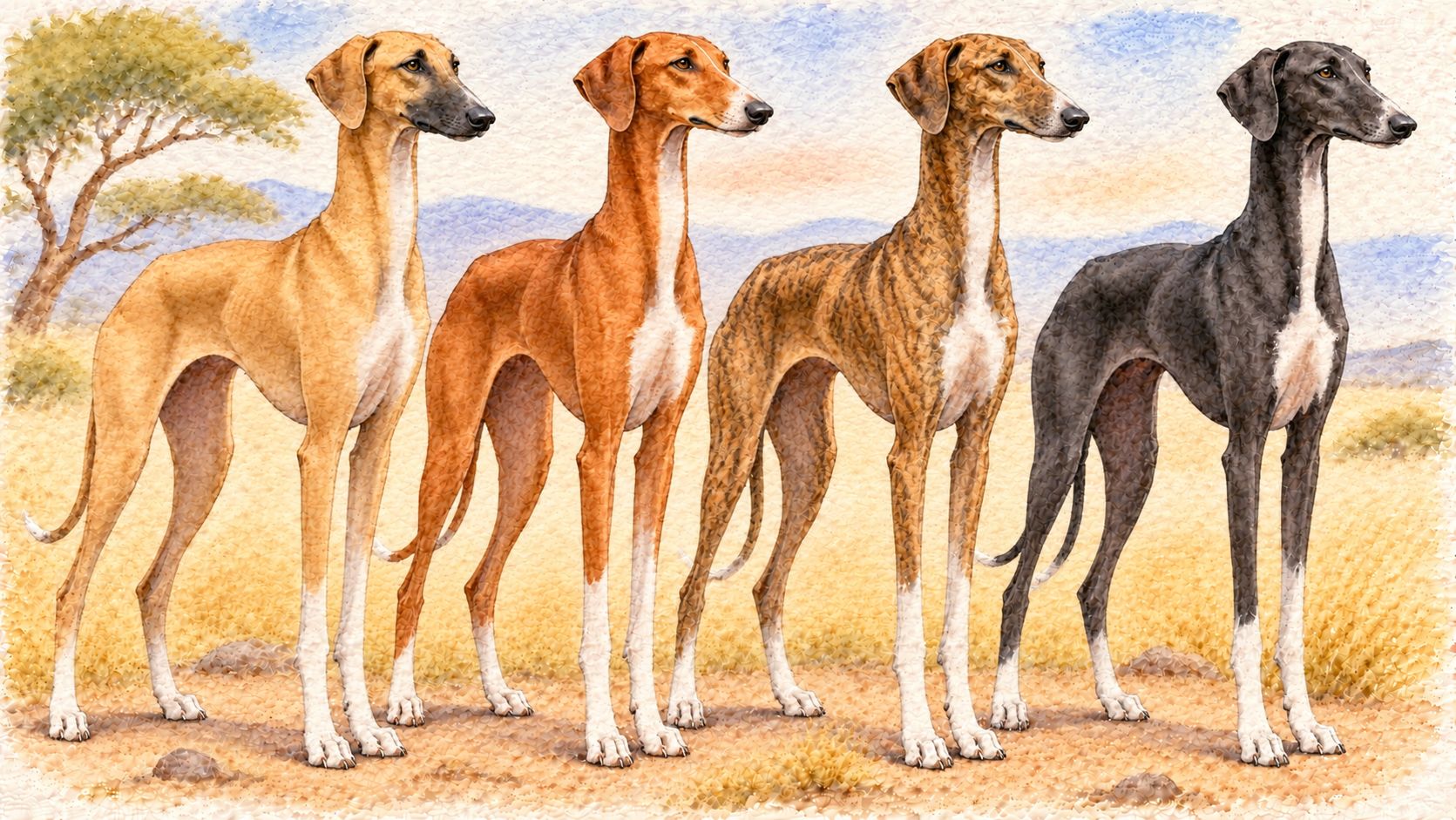
These sighthounds come in a wide range of colors, including fawn, red, brindle, sandy, cream, white, black, blue, brown and gray. Markings may include a black mask, brindling, grizzle, piebald patterns or white markings on the chest, feet and tail tip.
Azawakh Temperament and Personality
The Azawakh temperament is a mix of deep loyalty and proud independence. With its own family, this hound is often affectionate and gentle. With strangers, it is usually cool and reserved. People who share their homes with the breed describe it as:
- Loyal: They bond closely with their people and often choose one or two favorite humans.
- Independent: Like many sighthounds, they think for themselves and do not always see the point of following orders.
- Reserved with strangers: They are naturally suspicious of people they do not know and act as a built-in guard dog.
- Alert: Their heritage as camp guardians means they notice everything happening around them.
- Sensitive: These dogs respond poorly to harsh handling and do best in a calm, respectful home.
A well-exercised dog with plenty to think about is usually well-mannered indoors. A bored one may dig, chase or turn destructive to get attention, so meeting this breed's needs is key to a happy household.
Are Azawakhs Good Family Dogs?
They can be devoted family dogs for the right household, especially one with adults or older children. They tend to suit homes without small children best, although young kids who respect a dog's space can sometimes do well with supervision.
Are Azawakhs Good With Other Pets?
These hounds can live with other dogs, but introductions should be slow and calm. Their strong prey drive means they may not be a safe match for cats, rabbits, gerbils or even very small dogs.
Early and frequent socialization is essential for every Azawakh puppy. Gently introducing your young dog to many people, places, sounds and friendly animals helps shape a confident, steady adult.
Training an Azawakh
Training this breed takes patience. These dogs are intelligent, but they are also independent thinkers with a stubborn streak. Gentle, consistent methods built on praise, play and small treats work far better than corrections, which can damage trust with this sensitive breed.
Here are some training tips for new owners:
- Start early. Begin socialization and basic manners as soon as your puppy comes home.
- Keep it short and positive. Brief, upbeat sessions hold a sighthound's interest better than long drills.
- Work on recall, but never rely on it. Even a well-trained sighthound may ignore you once it spots something running.
- Give it a job. These dogs enjoy having a purpose, so puzzles, scent games and structured activities help a lot.
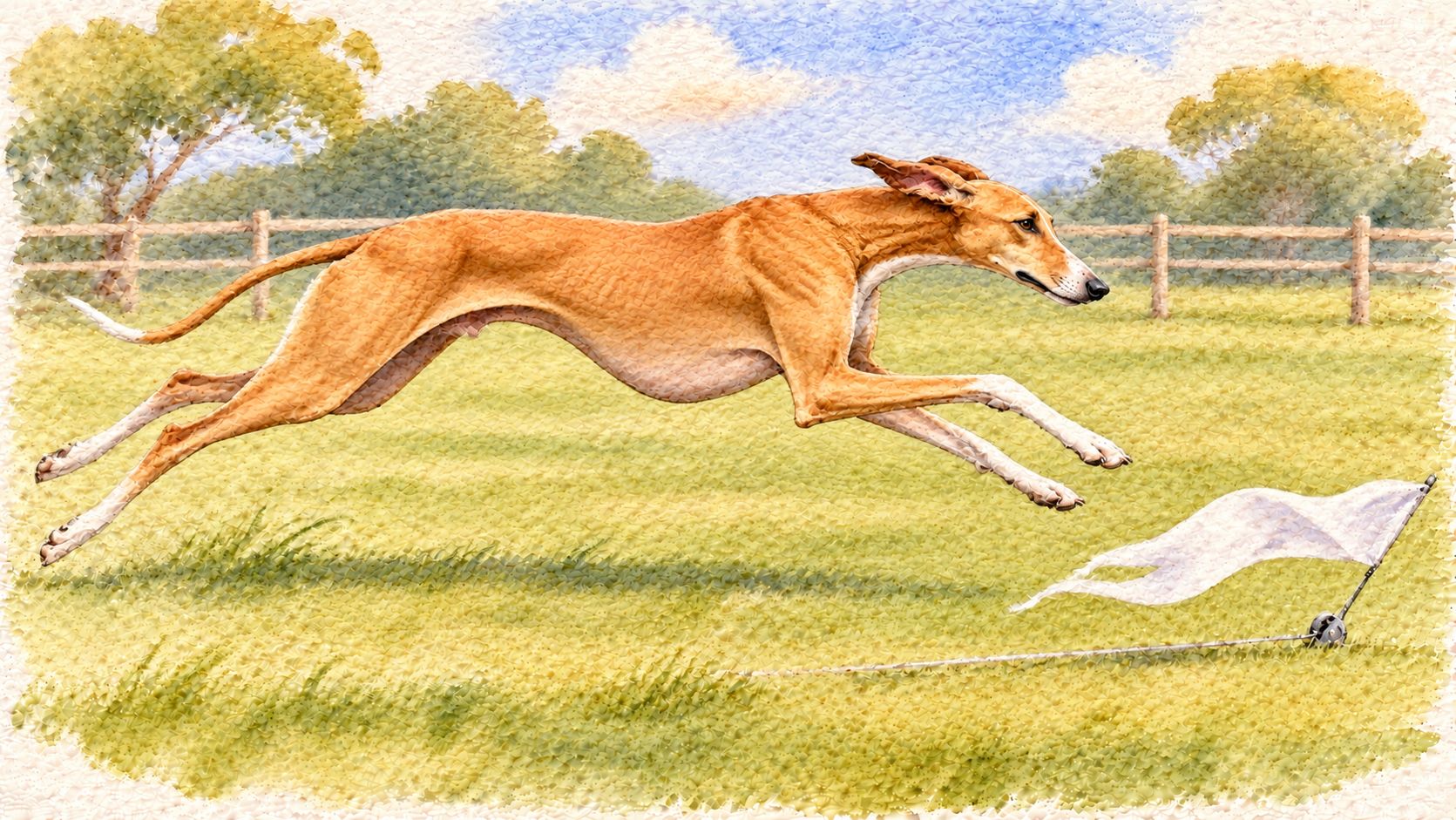
- Try sighthound sports. Lure coursing and similar sports let the breed chase safely and burn off energy.
Azawakh Exercise Needs
This is a high-energy breed that needs plenty of space and time to run. Daily walks are a good start, but this hound also needs regular chances to stretch its legs at full speed in a safely fenced area.
Because of its powerful prey drive and its instinct to keep chasing, off-leash time should happen only in a secure, enclosed space with supervision. A fence needs to be sturdy and tall, since a determined sighthound can be surprisingly athletic.
Mental exercise matters just as much as physical activity. Puzzle toys, chase games with a flirt pole and lure coursing all give this hound a healthy outlet for its natural instincts. A tired, mentally satisfied dog is usually a calm and pleasant companion at home.
Weather and Living Space
The breed comes from a hot, dry part of the world and generally prefers moderate to warm temperatures. It dislikes cold and wet weather and needs a warm, cozy spot indoors. In chilly climates, a sweater or coat and dog booties can help, and you should dry your dog thoroughly after it gets wet.
Even in hot weather, use common sense. Exercise during the cooler parts of the day and always provide shade and fresh water.
Azawakh Grooming
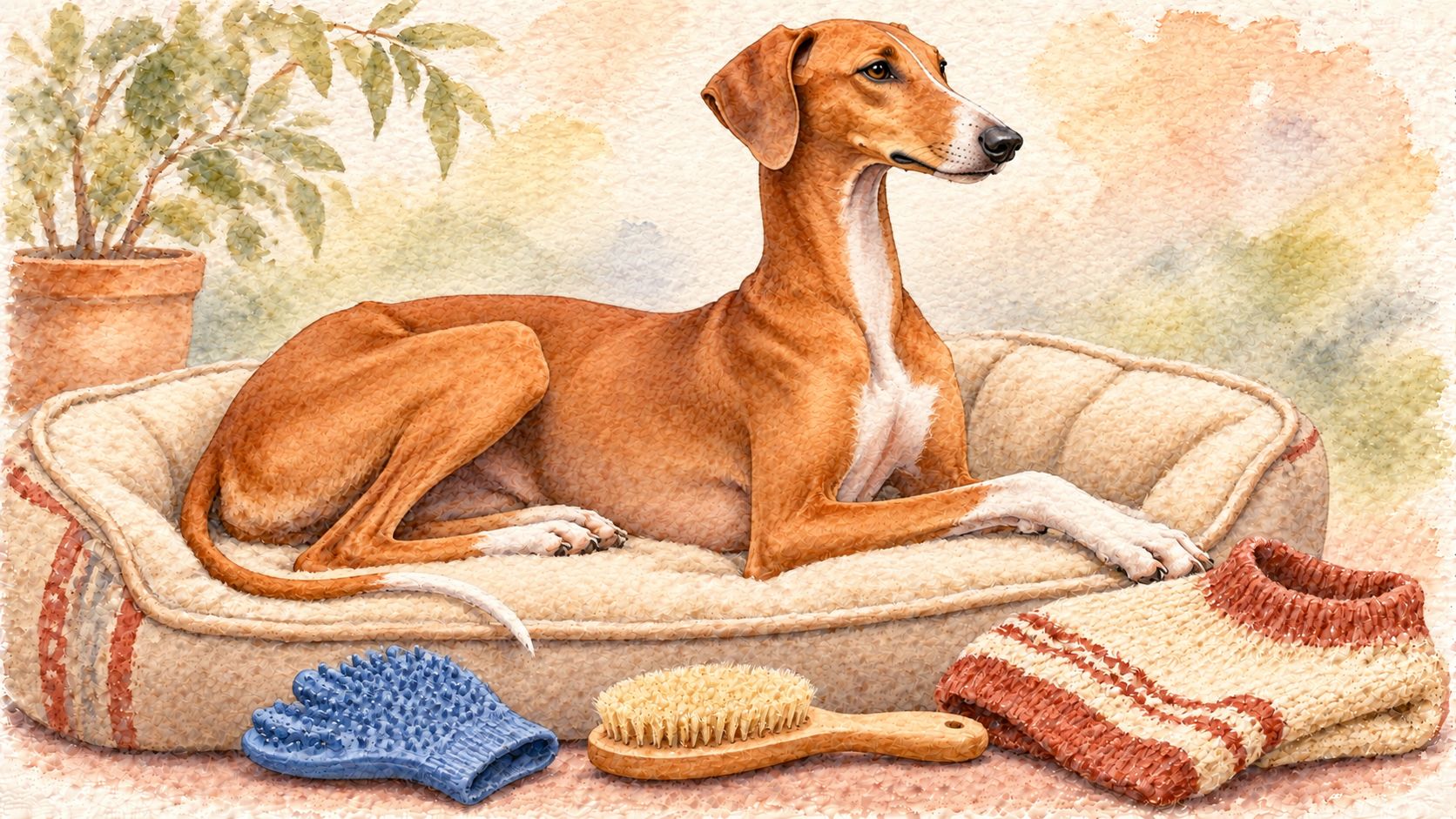
Azawakh grooming is refreshingly simple. The short, fine coat needs only regular brushing to spread natural skin oils and remove loose hair.
Do Azawakhs Shed?
Yes, but only minimally compared with many other breeds. A quick brushing with a soft brush or grooming mitt keeps loose hair under control.
Grooming Routine
- Brushing: Brush often with a soft brush or rubber mitt to keep the coat sleek and shiny.
- Bathing: Baths are only needed when your dog gets dirty. Some dogs of this breed have sensitive skin, so ask your veterinarian about any irritation.
- Nails: Trim nails regularly to prevent cracking and splitting.
- Ears: Clean the ears using a routine your veterinarian approves.
- Teeth: Set up a regular dental routine, since good oral care is especially important for this breed.
Azawakh Health and Lifespan
This hound is considered a relatively healthy breed, with a typical lifespan of about 10 to 12 years. Like all breeds, it can be prone to certain conditions, and responsible breeders screen their dogs with this in mind. Concerns that may affect the breed include:
- Hypothyroidism: A condition in which the thyroid gland does not produce enough hormone.
- Epilepsy: A neurological condition that can cause seizures.
- Dental disease: Tartar buildup and gum disease are more common in this breed than in many other breeds.
- Anal gland problems: Some dogs' glands may not empty naturally, so watch for scooting or excessive licking.
Older dogs may become even more sensitive to cold, so give senior dogs extra warmth and comfort. Keeping your dog at a healthy weight also reduces stress on its joints.
Routine checkups, vaccinations, parasite prevention and dental care are all part of keeping your hound healthy. Always work with your veterinarian to create a care plan that suits your individual dog.
Feeding and Nutrition
This breed is meant to be slim, much like a Greyhound, so do not be alarmed if you can see the outline of its ribs and hip bones. A healthy weight for this breed looks very lean compared with most dogs.
A diet high in quality protein, moderate in carbohydrates and balanced in healthy fats suits this athletic hound well. Choose a food made for your dog's life stage, whether puppy, adult or senior. Very active dogs may benefit from a performance formula.
Two scheduled meals a day usually work better than leaving food out all day, and they make it easier to track your dog's weight. Treats should be low in calories and should make up no more than about 10 percent of daily calories. Your veterinarian can help you set the right portion size.
History of the Azawakh
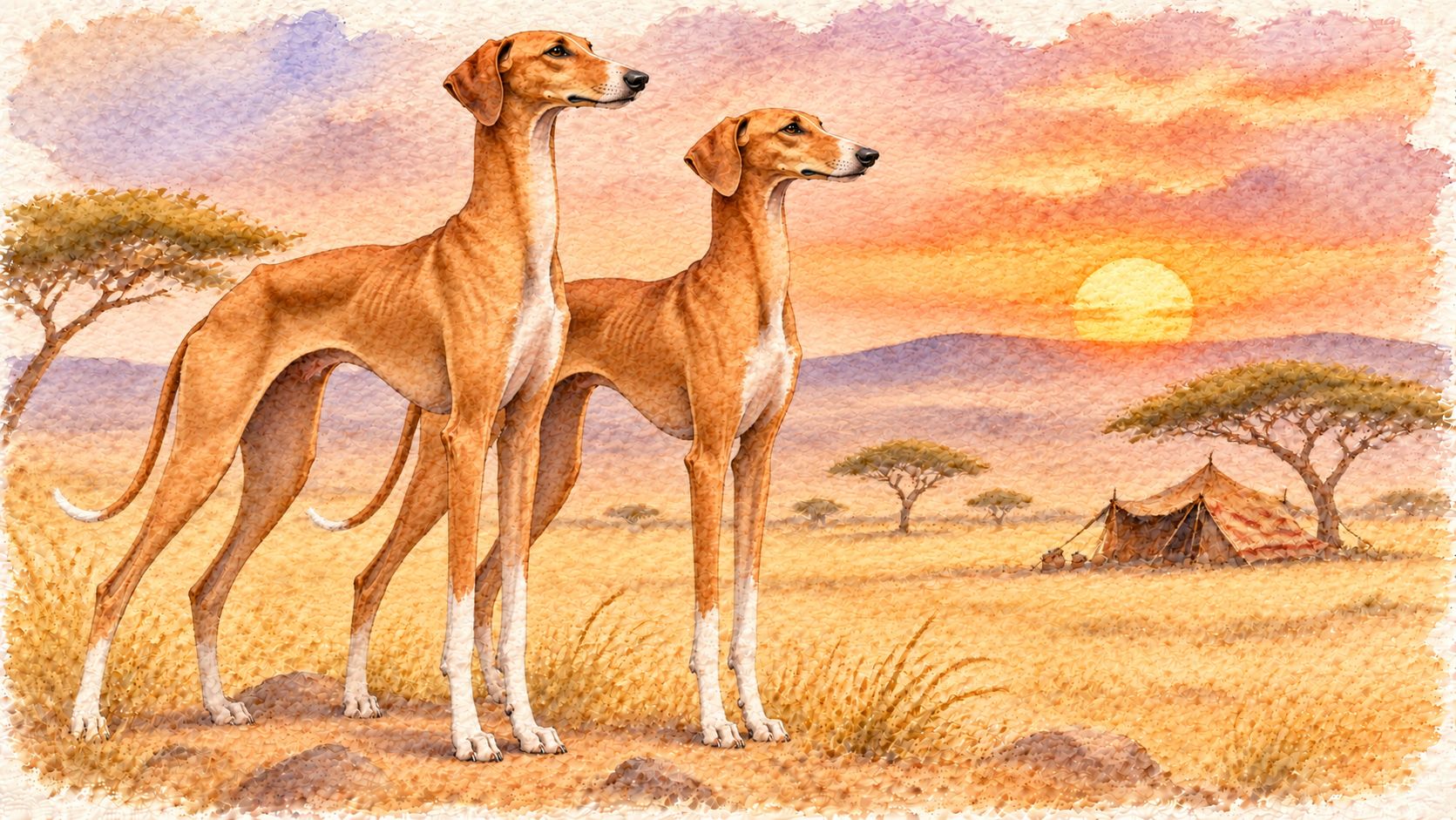
This is an ancient African sighthound whose roots stretch back thousands of years. It developed in the Sahel, the semi-arid band south of the Sahara Desert, in the region of modern-day Mali and Niger.
For generations, the Tuareg and other nomadic peoples of the area kept these dogs as hunting partners, companions and camp guardians. The dogs were prized for their speed and stamina over every kind of terrain, from soft sand to rocky ground. They were reportedly used to chase fast desert game such as hares and gazelles.
The breed remained largely unknown outside Africa until the later decades of the 20th century, when European enthusiasts began bringing dogs home. The first dogs arrived in the United States from West Africa in the 1980s. The American Kennel Club fully recognized the breed in 2019, and in 2020 the breed stepped into the spotlight as one of the newest breeds at the Westminster Kennel Club Dog Show.
Azawakh vs Saluki
The Azawakh and the Saluki are both elegant sighthounds, but they differ in a few clear ways. The Saluki often has silky feathering on its ears and tail, while the Azawakh's coat is short and smooth all over. It also has a more upright, leggy outline and tends to be more reserved with strangers, making it a natural watchdog as well as a hunter.
Is an Azawakh Right for You?
This breed could be a wonderful match if you:
- Have experience with independent or sighthound breeds
- Can provide daily exercise and safe space to run
- Have a securely fenced yard or access to an enclosed area
- Want a loyal, quiet companion with a low-maintenance coat
- Live with adults or older, respectful children
- Can offer a warm indoor home
It may not be the best fit if you:
- Keep cats, rabbits or other small pets
- Want a dog that is friendly with every stranger
- Cannot commit to daily exercise and mental stimulation
- Live in a cold climate and prefer long outdoor adventures in all weather
Finding an Azawakh Puppy
Because this is a rare breed in the United States, finding a puppy may take time. Look for a reputable breeder who health-tests their dogs, raises puppies in a home environment and is happy to answer your questions. Breed clubs and rescue groups can also help you find adult dogs that need loving homes.
Fun Facts About the Azawakh
- The name Azawakh is pronounced "Az-a-walk."
- The breed is named after the Azawagh valley in West Africa.
- The Tuareg people called these dogs "Tuareg Sloughi."
- The breed first arrived in the United States in the 1980s.
- The AKC fully recognized the breed in 2019.
- The breed made its Westminster debut in 2020.
- Its skin is so thin that you can often see muscles and bones clearly beneath it.
Frequently Asked Questions
How do you pronounce Azawakh?
It is pronounced "Az-a-walk." The name comes from the Azawagh valley in the Sahel region of West Africa.
How big do Azawakhs get?
Adults usually stand about 23.5 to 29 inches tall at the shoulder and weigh roughly 25 to 55 pounds, with a very lean, leggy build.
Are Azawakhs good family dogs?
They can be loyal and loving with their families, especially adults and older children. They are reserved with strangers and tend to do best in homes without small children or small pets.
How long do Azawakhs live?
The average Azawakh lifespan is about 10 to 12 years with good care, a healthy diet and regular veterinary checkups.
Do Azawakhs shed a lot?
No. They have a short, fine coat that sheds minimally, and regular brushing keeps loose hair under control.
Can an Azawakh live in a cold climate?
Yes, it can live in a colder area with the right precautions, such as a warm indoor space, a dog sweater and booties. The breed is naturally more comfortable in moderate to warm weather.
Final Thoughts
The Azawakh is a rare and beautiful sighthound with ancient desert roots, a graceful build and a loyal, independent heart. It is not the right dog for everyone, but for experienced owners who can offer daily running, gentle training and a warm home, an Azawakh can become a devoted and unforgettable companion.