
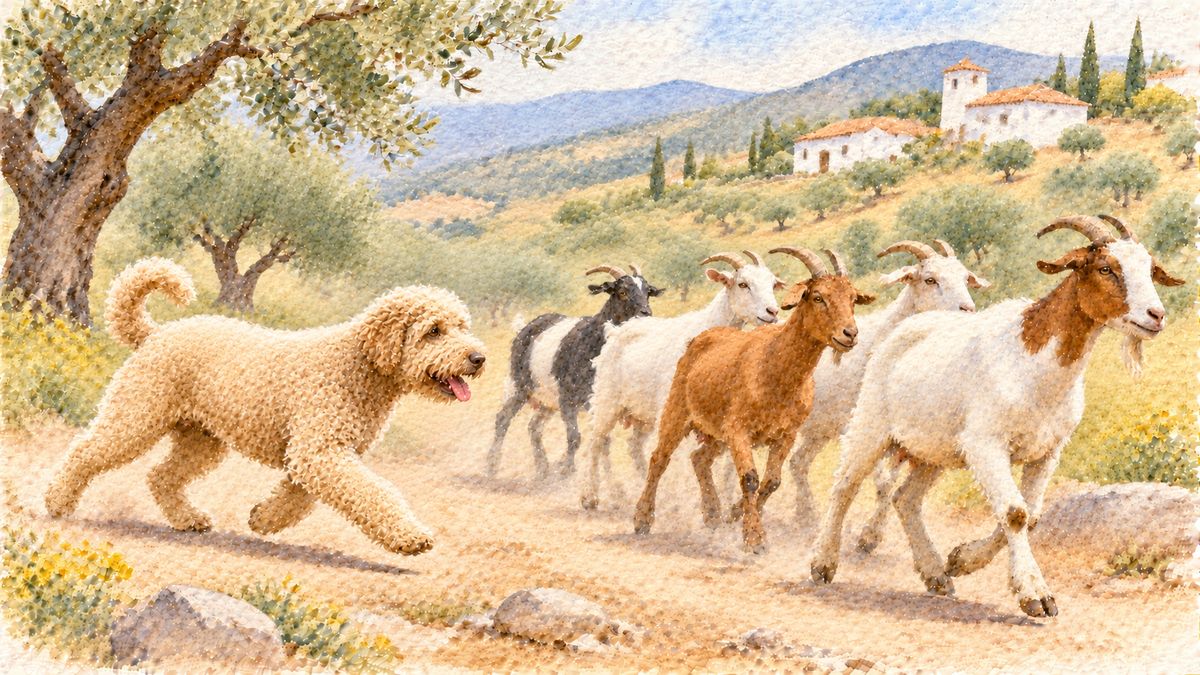
With its woolly curls, bright eyes and endless enthusiasm for work and play, the Spanish Water Dog is one of the most versatile breeds in Europe. For centuries this rustic, medium-sized dog herded goats and sheep across the Spanish countryside, helped fishermen at the docks and joined hunters in the marshes. In its homeland it is known as the Perro de Agua Español, and in the south it has long been called the "Turco Andaluz."
Today this hardworking breed is winning fans far beyond Spain as an energetic, affectionate family companion. In this complete Spanish Water Dog breed guide, you will learn everything you need to know before bringing one home, including its size, temperament, unique coat care, exercise needs, common health concerns, diet tips and fascinating history.
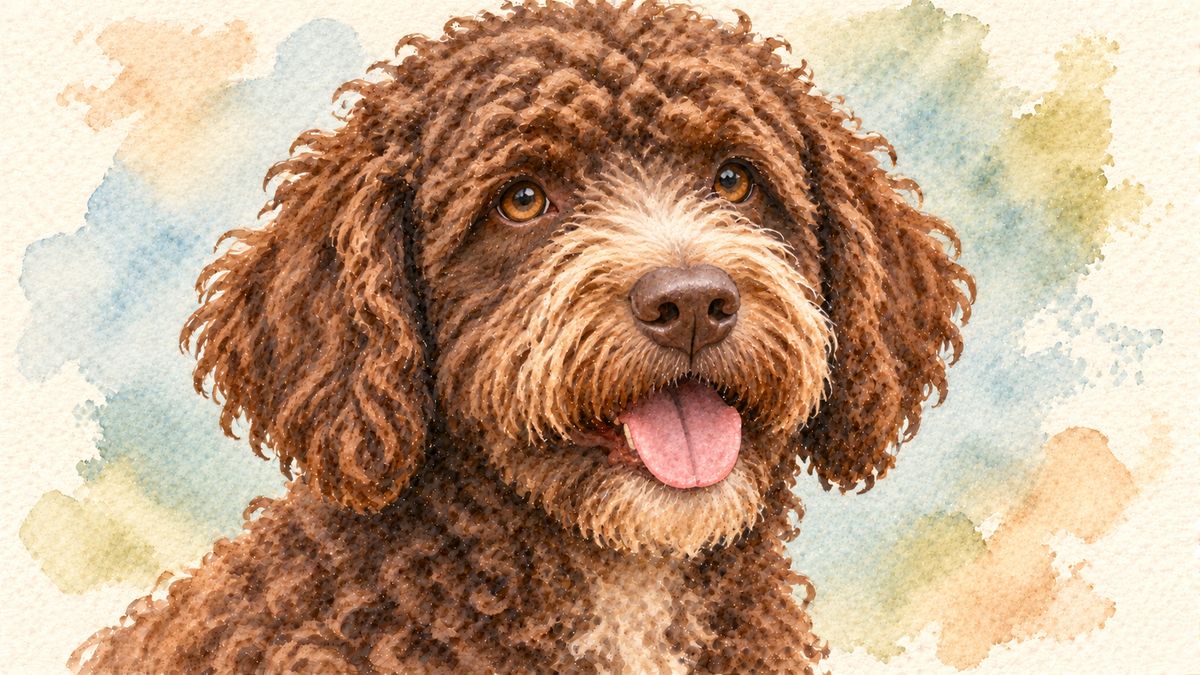
Spanish Water Dog at a Glance
| Trait | Details |
|---|---|
| Breed group | Herding (AKC) |
| Height | 15.75 to 19.75 inches (40 to 50 cm) |
| Weight | 31 to 49 pounds (14 to 22 kg) |
| Life expectancy | 12 to 14 years |
| Coat | Single, curly, woolly; can form cords |
| Colors | Black, brown, beige, white, or parti-color (white with black or brown) |
| Shedding | Low |
| Energy level | Moderate to high |
| Temperament | Intelligent, lively, loyal, hardworking, watchful |
| Good for | Active families, dog sports fans, experienced owners |
| Origin | Spain |
What Is a Spanish Water Dog?
The Spanish Water Dog is a medium-sized, all-purpose working breed from Spain. It is often described as an ancient breed, and it earned its keep doing almost every job a farm or fishing village could need. It moved flocks of goats and sheep, drove cattle, retrieved game from water and helped fishermen haul nets and fetch items that fell overboard.
This history created a smart, athletic and adaptable dog. The American Kennel Club recognized the breed in 2015 and placed it in the Herding Group. It is still uncommon in the United States, but its popularity is growing among active owners who want a capable, eager partner.
Spanish Water Dog Size and Appearance
How Big Do Spanish Water Dogs Get?
They are medium-sized dogs that usually stand 15.75 to 19.75 inches tall and weigh 31 to 49 pounds. Males typically measure 17.5 to 19.75 inches (44 to 50 cm) and weigh 40 to 49 pounds (18 to 22 kg). Females are a little smaller, at 15.75 to 18 inches (40 to 46 cm) and 31 to 40 pounds (14 to 18 kg).
The body is athletic, well-muscled and slightly longer than it is tall. The head is strong and carried proudly, with expressive eyes and hanging ears. The tail is often docked in some countries, while many dogs have a natural tail or are born with a short one. Overall, the breed looks rustic and practical rather than fancy.
Coat and Colors
The coat is this breed's signature feature. It is a single coat of curly, woolly hair that grows continuously. When left to grow, the curls naturally form cords, giving the dog a rugged look. Many pet owners keep the coat clipped to an even, shorter length for easier care.
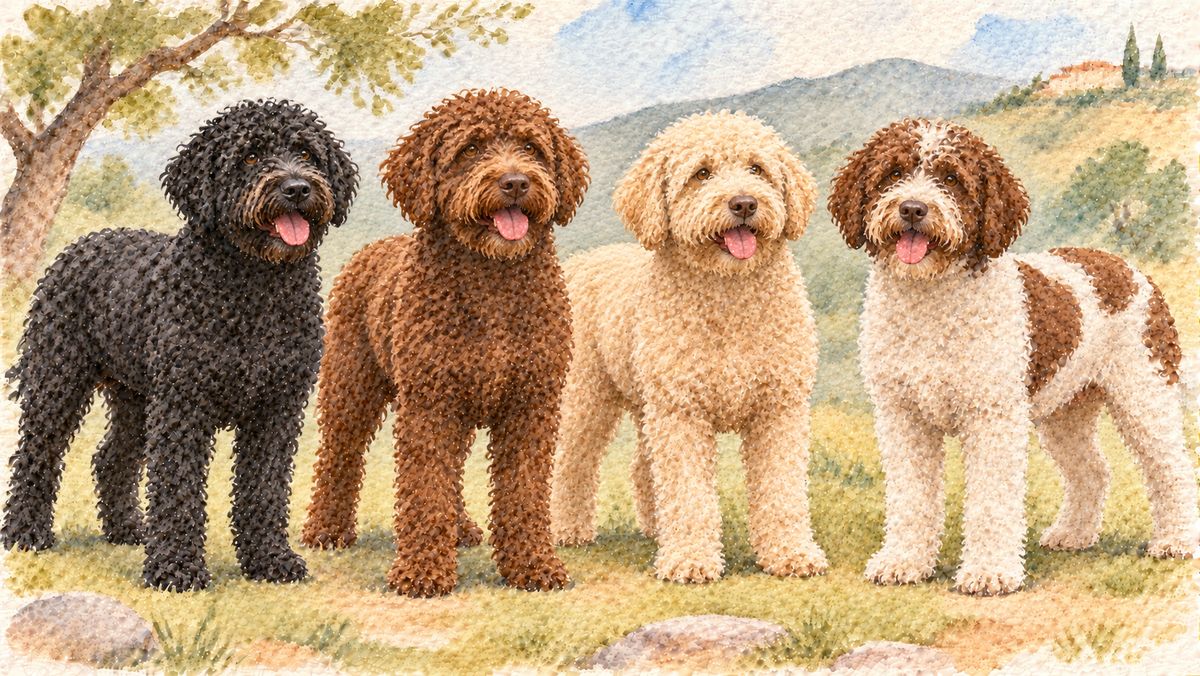
Accepted colors include solid black, brown, beige or white, as well as parti-colors, which are white combined with black or brown. Tan points and tricolor coats are not part of the breed standard.
Spanish Water Dog Temperament and Personality
The Spanish Water Dog temperament reflects its working roots. This breed is known for being:
- Intelligent: These dogs learn quickly and enjoy figuring out new tasks and games.
- Lively and athletic: They have plenty of stamina and love to run, swim and play.
- Loyal and affectionate: They bond closely with their families and like to be included in daily life.
- Watchful: As natural guardians of the flock, they are alert and will announce visitors with a bark.
- Reserved with strangers: Many are cautious around people they don't know until they have had time to warm up.
That reserved nature is one reason early socialization matters so much. A well-socialized dog is confident and friendly, while a dog that lacks exposure to new people and places can become overly suspicious or shy.
Are Spanish Water Dogs Good Family Dogs?
Yes, Spanish Water Dogs can be outstanding family dogs for active households. They are playful, affectionate and devoted, and they usually do well with children who are taught to respect dogs. Because of their herding instincts, some may try to "herd" running kids by circling or nudging, which training can redirect.
With other dogs, they generally get along well, especially when raised together. They can live with cats if introduced early, though their herding and hunting background means small, fast-moving pets should be supervised.
Training a Spanish Water Dog
This breed is highly trainable and eager to work with its people. It responds best to positive reinforcement such as praise, play and food rewards. Harsh methods can damage trust with this sensitive, intelligent breed.
Here are a few training tips for Spanish Water Dog owners:
- Socialize early. Introduce your puppy to many people, places, sounds and dogs during the first months.
- Give it a job. These dogs thrive when they have tasks to do, from fetching items to learning tricks.
- Keep training varied. Short, fun sessions with new challenges keep this clever dog engaged.
- Redirect herding behavior. Teach alternative behaviors if your dog tries to nip or herd family members.
- Try dog sports. These dogs excel at agility, obedience, rally, herding, dock diving, flyball and barn hunt.
Exercise Needs
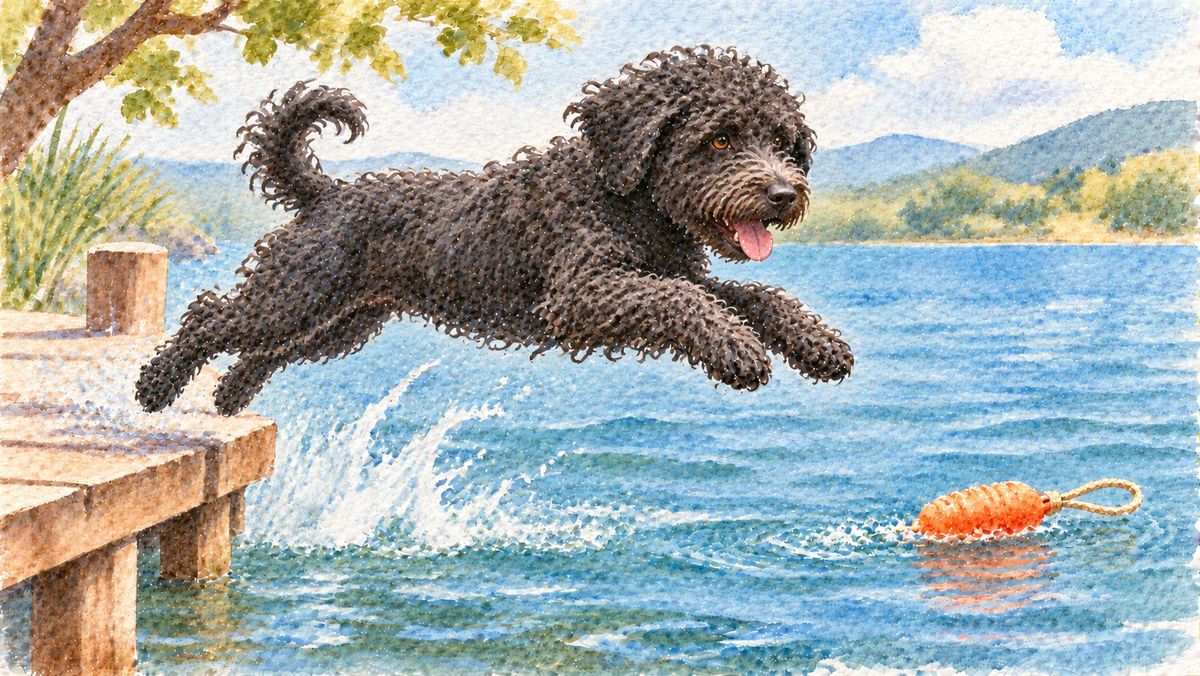
The Spanish Water Dog is an active, athletic breed that needs daily physical and mental exercise. Plan for at least an hour of activity each day, such as brisk walks, jogging, hiking, fetch or swimming. Many love water, so a safe lake or dog-friendly beach can be a highlight of their week.
Mental stimulation is just as important. Puzzle toys, scent games and training sessions help satisfy its working mind. A bored dog may invent its own entertainment, which can include barking, digging or chewing.
This breed does best with a family that includes it in as many activities as possible. It is happiest as a true partner rather than a dog left alone in the yard.
Spanish Water Dog Grooming
Spanish Water Dog grooming is different from the care most curly-coated breeds need. The coat should not be brushed. Brushing pulls apart the natural curls and can make the coat frizzy and prone to matting. Instead, owners usually separate any cords by hand and keep the coat clean.
Do Spanish Water Dogs Shed?
They shed very little, because their curly coat tends to hold loose hair. For this reason, they are sometimes suggested for people with mild allergies. Keep in mind that no dog is completely hypoallergenic, so spend time with the breed before committing.
Grooming Routine
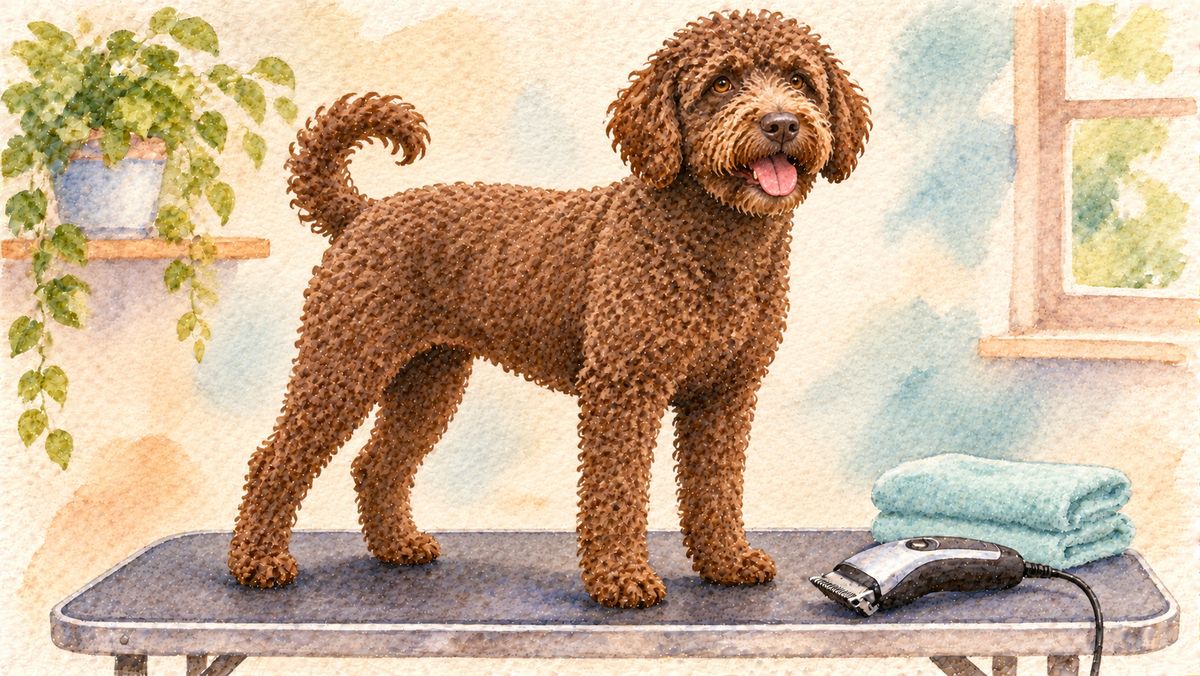
- Clipping: The coat is typically clipped to an even length all over, often at least once or twice a year. Many pet owners clip more often for a tidy, easy-care look.
- Cords: If you let the coat grow long, separate forming cords by hand so they don't mat together into large clumps.
- Bathing: Bathe only when needed with a gentle shampoo, and rinse and dry the coat thoroughly.
- After swimming: Rinse out salt, chlorine or mud, and dry the ears well.
- Ears: Check ears weekly. Hair and moisture can trap dirt, so keep them clean and dry.
- Nails and teeth: Trim nails every few weeks and brush teeth several times a week.
Spanish Water Dog Health and Lifespan
The Spanish Water Dog is generally a hardy breed with a typical lifespan of 12 to 14 years. Like all breeds, it can be prone to certain conditions. Responsible breeders screen their dogs for concerns that may include:
- Hip dysplasia: An abnormal formation of the hip joint that can lead to arthritis.
- Eye conditions: Including progressive retinal atrophy, an inherited condition that affects the retina.
- Hypothyroidism: A condition in which the thyroid gland does not produce enough hormone.
- Ear infections: Water-loving dogs with hairy ears can be prone to ear problems if ears stay damp.
Ask breeders about health testing on both parents and request to see the results. Regular checkups, vaccinations and preventive care are important throughout your dog's life, so always work with your veterinarian to create a routine that fits your Spanish Water Dog.
Feeding and Nutrition
A Spanish Water Dog does best on a complete and balanced, high-quality dog food suited to its age, size and activity level. Active adults that hike, swim or compete in dog sports may need more calories than dogs with quieter routines.
Puppies should eat a food formulated for puppies to support healthy growth. Portion sizes vary by age, weight and activity, so follow the feeding guidelines on the package and ask your veterinarian for advice. Keep treats to a small share of daily calories, and adjust meals if your dog starts gaining weight.
History of the Spanish Water Dog
This breed has worked in Spain for many centuries, though its exact origins are unknown. It is often linked with other European water dogs, and some historians believe it shares ancestry with breeds such as the Portuguese Water Dog and the Poodle. Its curly, protective coat helped it work in water, mud and rough terrain.
In the south of Spain, especially Andalusia, these dogs moved flocks of sheep and goats between grazing areas. In northern coastal regions, they helped fishermen and retrieved objects from the water. Hunters also valued them for retrieving waterfowl.
As farming and fishing modernized in the 20th century, the need for these working dogs declined. In the 1970s and 1980s, Spanish enthusiasts began gathering dogs from rural areas to preserve the breed. The breed was later recognized internationally, and the American Kennel Club welcomed it to the Herding Group in 2015.
Spanish Water Dog vs Portuguese Water Dog
The Spanish Water Dog and Portuguese Water Dog are often compared because both are curly-coated working dogs from the Iberian Peninsula. The Spanish Water Dog is usually a little smaller and lighter and belongs to the AKC Herding Group, reflecting its livestock work. The Portuguese Water Dog is in the Working Group and was best known as a fisherman's dog. Their coat care also differs: Portuguese Water Dogs are brushed and often styled in a lion or retriever clip, while Spanish Water Dogs are not brushed and keep a more rustic look.
Is a Spanish Water Dog Right for You?
A Spanish Water Dog could be a wonderful match if you:
- Lead an active lifestyle and enjoy hiking, running or swimming
- Want a smart dog to train for sports or advanced tricks
- Prefer a low-shedding breed
- Can provide daily exercise and mental challenges
- Are willing to learn the breed's special coat care
- Want an affectionate, loyal family companion
A Spanish Water Dog may not be the best fit if you:
- Want a low-energy dog that is happy with short walks
- Are away from home for long hours most days
- Want a dog that is instantly friendly with every stranger
- Need a very quiet dog, since this breed may bark to alert you
Finding a Spanish Water Dog Puppy
Because the breed is still uncommon in the United States, you may need to join a waiting list for a puppy. Look for a breeder who health-tests their dogs, raises puppies in a home environment and focuses on stable temperament. Breed clubs and rescue groups can also help you find adult dogs looking for new homes.
Fun Facts About the Spanish Water Dog
- In Spain the breed is called the Perro de Agua Español, and in Andalusia it was known as the "Turco Andaluz."
- These dogs traditionally herded, hunted and helped fishermen, making them true all-rounders.
- Its curly coat forms natural cords when left to grow.
- Owners are advised not to brush the coat, because brushing ruins the curls.
- The AKC recognized the breed in 2015.
- They compete in sports as varied as dock diving, flyball and barn hunt.
Frequently Asked Questions
How big do Spanish Water Dogs get?
Adult Spanish Water Dogs usually stand 15.75 to 19.75 inches tall and weigh 31 to 49 pounds, with males larger than females.
Are Spanish Water Dogs hypoallergenic?
They shed very little and are often suggested for people with mild allergies. However, no dog is completely allergen-free, so spend time with the breed before deciding.
Are Spanish Water Dogs good family dogs?
Yes, they are loving and playful family dogs for active homes. Early socialization helps them become confident with children, visitors and other pets.
How long do Spanish Water Dogs live?
The average Spanish Water Dog lifespan is 12 to 14 years with good care, a healthy diet and regular veterinary checkups.
Should you brush a Spanish Water Dog?
No. Brushing breaks up the natural curls. Instead, the coat is clipped to an even length and any cords are separated by hand.
Do Spanish Water Dogs like water?
Most do. The breed has a long history of working around water, and many Spanish Water Dogs love swimming and retrieving.
Final Thoughts
The Spanish Water Dog is a smart, curly-coated all-rounder with centuries of hard work in its history. Loyal, lively and low-shedding, it shines in homes that offer daily exercise, positive training and plenty of shared adventures. If you are looking for an active partner for the trail, the water and the sofa, a Spanish Water Dog may be the perfect fit.