
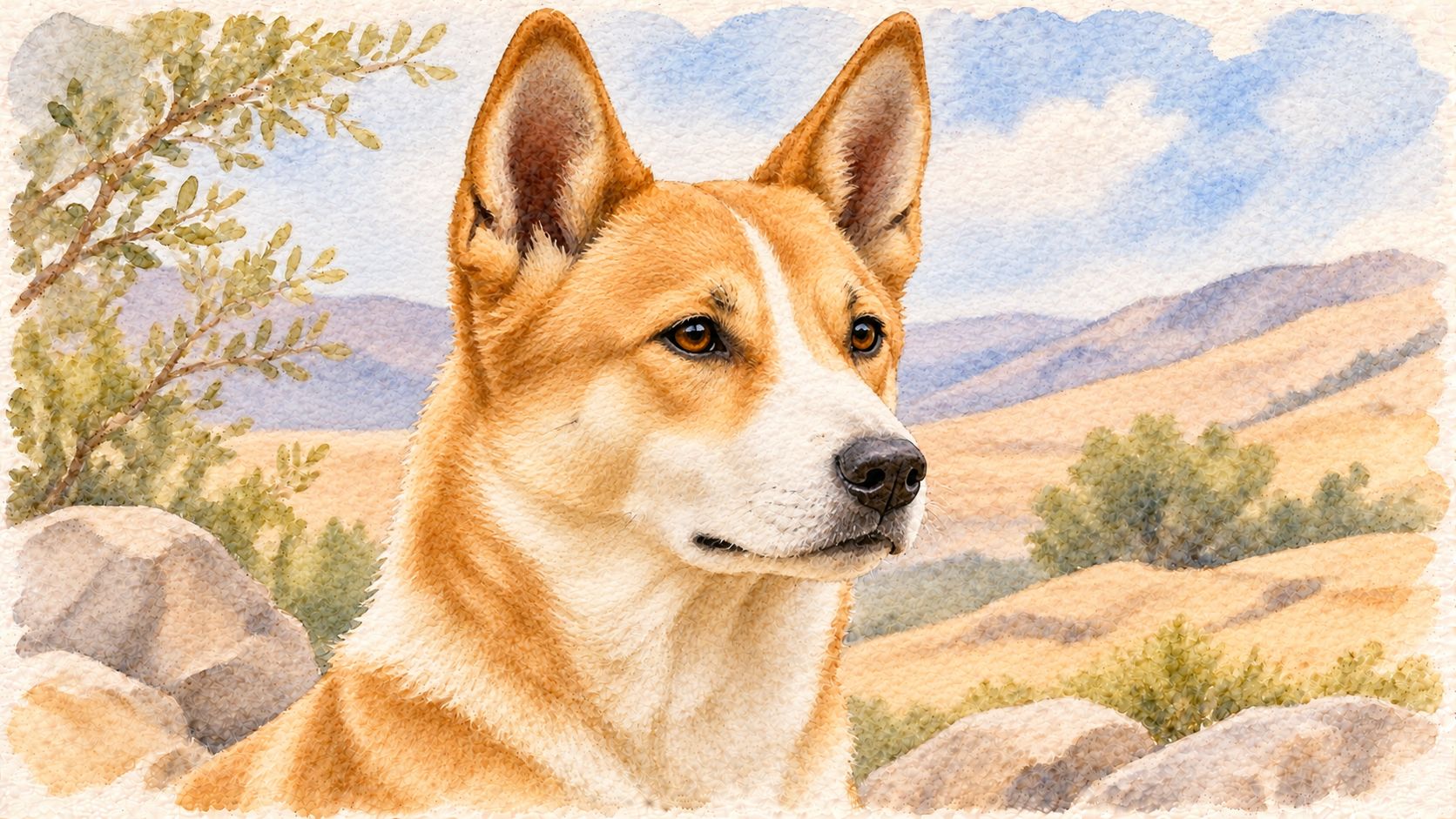
The Canaan Dog is one of the world's oldest breeds, a quick, alert and natural guardian whose story stretches back thousands of years to the deserts of the Middle East. With its wedge-shaped head, upright ears and bushy tail curled over its back, it looks every bit the hardy survivor it is.
This intelligent breed is famously devoted to its family and wary of strangers, which makes it an excellent watchdog. In this complete Canaan Dog breed guide, you will learn about its size, temperament, grooming, exercise needs, health, diet and remarkable history, so you can decide whether this ancient companion is the right fit for you.
Canaan Dog at a Glance
| Trait | Details |
|---|---|
| Breed group | Herding (AKC) |
| Height | Males 20 to 24 inches (51 to 61 cm); females 19 to 23 inches (48 to 58 cm) |
| Weight | Males 45 to 55 pounds (20 to 25 kg); females 35 to 45 pounds (16 to 20 kg) |
| Life expectancy | Around 12 to 15 years |
| Coat | Harsh, straight double coat |
| Colors | White with a mask and patches, or solid black through brown shades, with or without white trim |
| Shedding | Seasonal; heavy when the undercoat sheds |
| Energy level | Moderate |
| Temperament | Loyal, alert, territorial, intelligent, aloof with strangers |
| Good for | Experienced owners, active families, homes with a fenced yard |
| Origin | The Land of Canaan (modern-day Israel and surrounding region) |
What Is a Canaan Dog?
The Canaan Dog is a medium-sized herding and guarding breed that developed in the ancient Land of Canaan, in the region of modern-day Israel. For centuries, these dogs lived alongside people as flock guardians, camp sentries and, at times, free-living pariah dogs that survived on their own in harsh desert conditions.
That long history of natural selection shaped a dog that is resourceful, quick-thinking and self-reliant. Today, the breed is recognized as the national dog of Israel and is a member of the American Kennel Club's Herding Group. It remains rare in the United States, but its fans prize its loyalty, hardiness and natural, unexaggerated build.
How Big Do Canaan Dogs Get?
They are medium-sized dogs. Males usually stand 20 to 24 inches (51 to 61 cm) tall and weigh 45 to 55 pounds (20 to 25 kg), while females stand 19 to 23 inches (48 to 58 cm) and weigh 35 to 45 pounds (16 to 20 kg).
Canaan Dog Size and Appearance
The Canaan Dog size gives it a balanced, athletic look built for agility and endurance rather than bulk. The body is square and moderately muscled, with a deep chest and a level back. It moves with a light, quick, effortless trot that allows it to cover ground efficiently.
The head is wedge-shaped with dark, almond-shaped eyes and low-set, upright ears that are broad at the base. The bushy tail is often carried curled over the back when the dog is alert or excited. Overall, the breed has a natural, "unrefined" look that reflects its life as a working survivor.
Coat and Colors
The breed has a harsh, straight double coat. The outer coat is weather-resistant, while the undercoat thickens in colder months. This combination helps protect the dog from extreme heat and cold, a vital trait in the deserts where it developed.
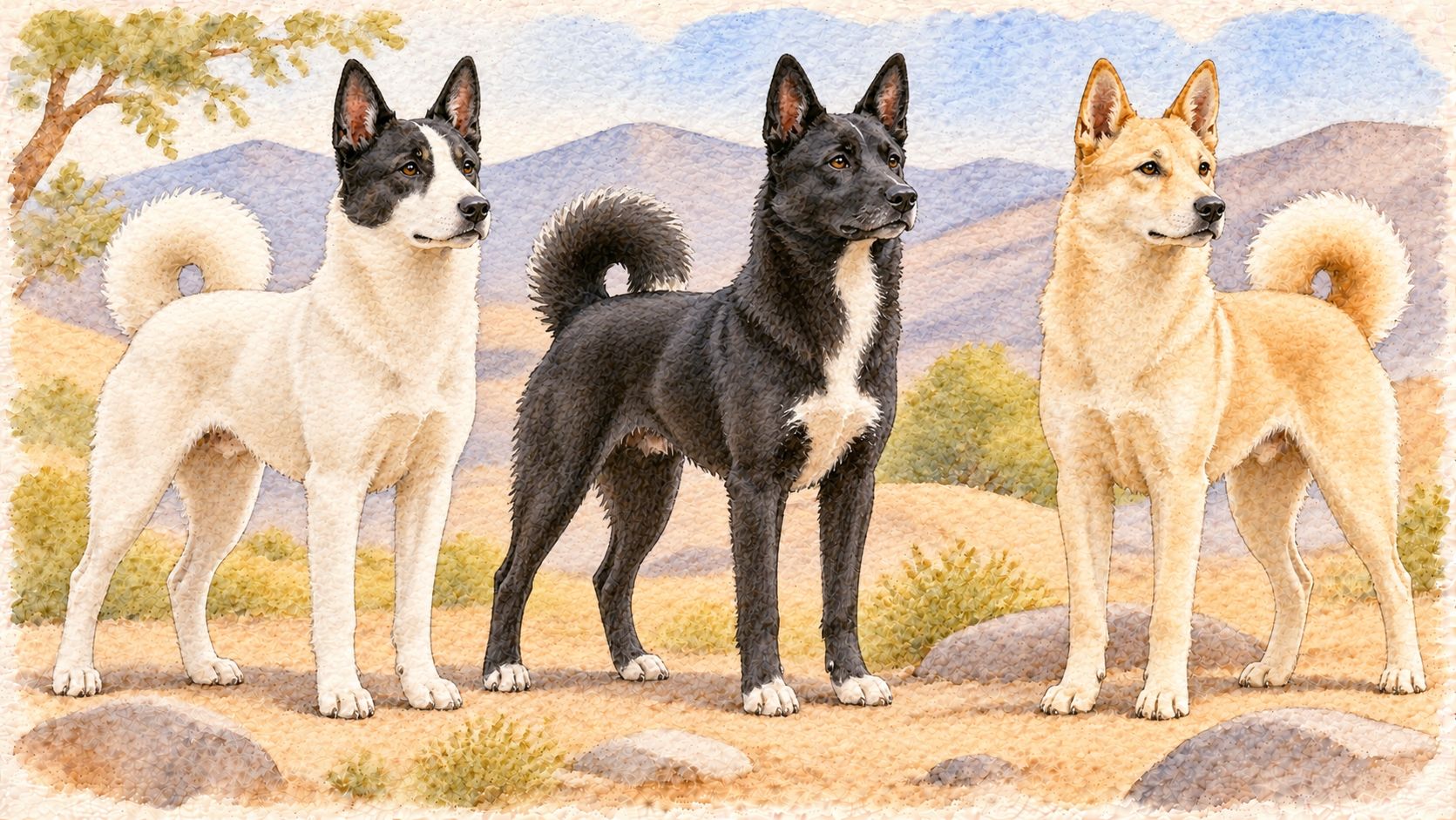
There are two main color patterns. Some dogs are mostly white with a colored mask and possibly patches in black or shades of brown. Others are solid black or any shade from cream to dark brown, with or without white trim. A symmetrical mask is a classic look for the breed.
Canaan Dog Temperament and Personality
The Canaan Dog temperament reflects its role as a guardian. These dogs are known for being:
- Loyal and loving: Canaans form deep bonds with their families and are often described as one-family dogs.
- Alert: They notice everything and will quickly sound the alarm when something seems out of place.
- Territorial: Guarding their home and people comes naturally, so they make reliable watchdogs.
- Intelligent: Canaans are clever problem-solvers that learn quickly.
- Reserved with strangers: They tend to be aloof or suspicious with unfamiliar people until they get to know them.
This combination makes the Canaan a devoted companion, but not a dog that greets every visitor with open paws. Owners should respect its cautious nature and give new people time to earn its trust.
Are Canaan Dogs Good With Kids?
Canaans can be good with kids in their own family, especially when raised with them and taught to respect boundaries. They are often affectionate and protective with the children they know.
Because of their guarding instincts, they may be wary of visiting children and rough play. Always supervise interactions and teach kids how to behave calmly around dogs.
Are Canaan Dogs Good With Other Pets?
Canaans can live peacefully with other pets, especially when they grow up together. Some may be reserved or bossy with unfamiliar dogs, and their alert nature means small animals can catch their attention.
Early socialization is essential. Introducing your Canaan Dog puppy to many people, places, sounds and friendly animals helps it grow into a confident and well-adjusted adult.
Training a Canaan Dog
Canaans are smart and learn quickly, but they are also independent thinkers that like to understand why they are being asked to do something. They respond best to positive reinforcement, consistency and variety. Repetitive drills tend to bore them, and harsh methods can damage their trust.
Training tips for Canaan owners include:
- Start socialization early. Positive experiences with many people and places help balance the breed's natural wariness.
- Keep sessions short and varied. Change up exercises to hold your dog's interest.
- Use rewards. Treats, praise and play build motivation and trust.
- Teach a reliable "quiet." Canaans are vocal watchdogs, so barking management is important.
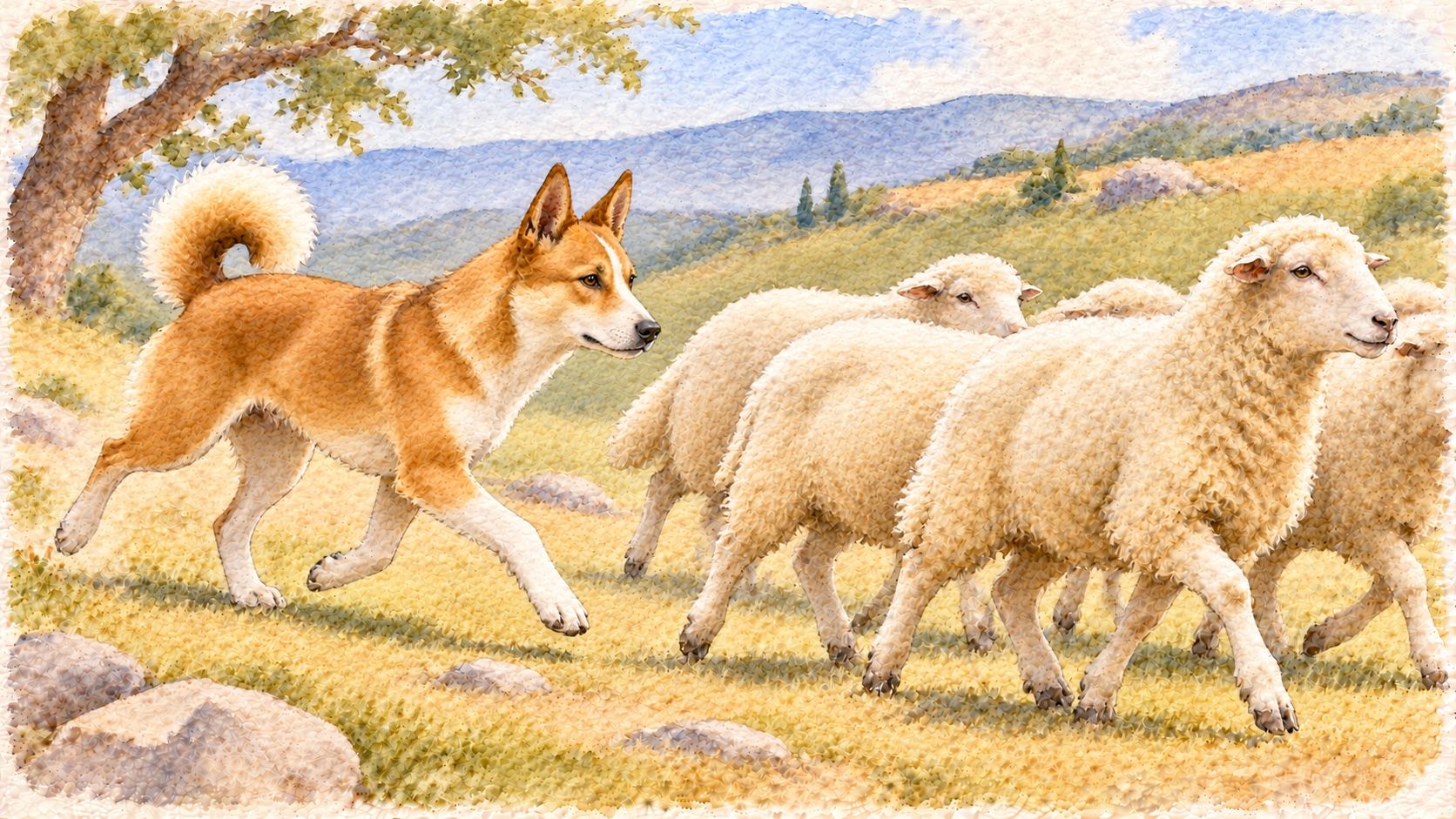
- Give it a job. Herding, tracking, agility and obedience are great outlets for this working mind.
Canaan Dog Exercise Needs
The Canaan Dog has a moderate energy level and needs daily exercise to stay healthy and content. A couple of brisk walks, plus time to run and play in a securely fenced yard, usually suits most adults.
Mental stimulation is just as important. Puzzle toys, scent games, training challenges and dog sports help satisfy this intelligent breed. Canaans can be enthusiastic diggers, so a bored dog may decide to remodel your garden.
A secure fence is a must. Canaans are agile and resourceful, and their guarding instincts may lead them to patrol and investigate beyond your property line if given the chance.
The breed adapts well to warm climates thanks to its desert heritage, but it still needs shade, fresh water and sensible timing for walks on hot days. Many owners find that early-morning and evening outings suit their dogs best in summer. In cooler weather, the thicker winter undercoat keeps these dogs comfortable on long hikes.
Canaan Dog Grooming
Canaan Dog grooming is refreshingly simple for most of the year. The harsh, short coat is naturally clean and does not need much fuss.
Do Canaan Dogs Shed?
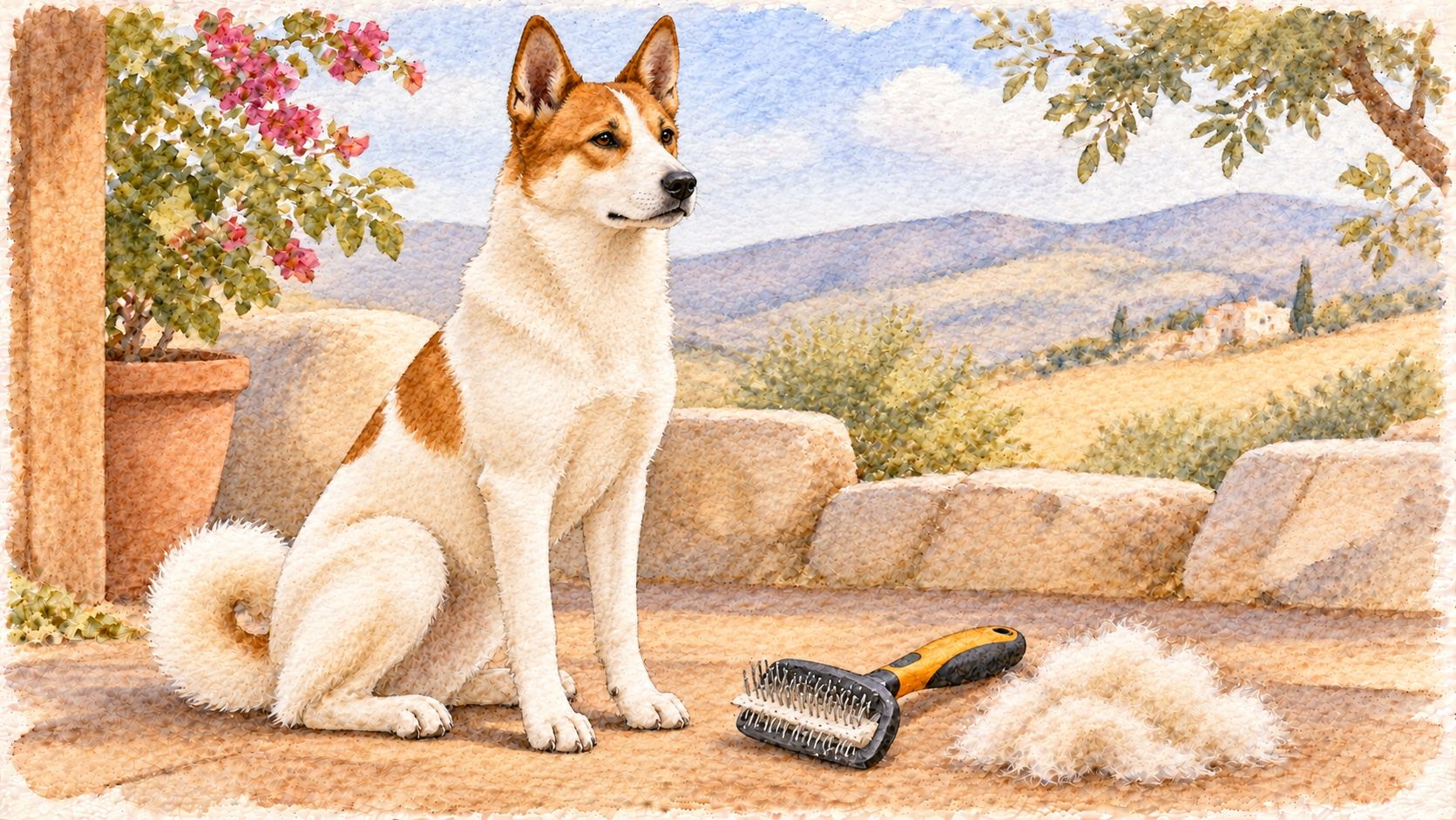
Yes, they shed, especially when they "blow" their undercoat, typically once or twice a year. During these periods, shedding can be heavy, and daily brushing helps remove the loose hair.
Grooming Routine
- Brushing: Brush once a week for most of the year, and more often during seasonal shedding.
- Bathing: Bathe only as needed, since the coat tends to stay clean and has little odor.
- Nails: Trim nails every few weeks if they do not wear down naturally.
- Teeth: Brush your dog's teeth several times a week for good dental health.
- Ears: Check ears weekly and wipe away any dirt.
Canaan Dog Health and Lifespan
The Canaan is generally considered a healthy, hardy breed, shaped by thousands of years of natural selection. The typical Canaan Dog lifespan is around 12 to 15 years with good care.
Like all breeds, it can still be prone to some inherited conditions. Responsible breeders screen their dogs, and conditions to ask about may include:
- Hip dysplasia: An abnormal formation of the hip joint.
- Elbow dysplasia: A developmental condition affecting the elbow.
- Eye conditions: Regular eye exams help catch issues early.
Keep your dog at a healthy weight and stay up to date on routine care. Lean dogs put less strain on their joints, and regular weigh-ins make it easier to spot gradual changes. Ask your breeder about the health screening results of both parents before you bring a puppy home. Always work with your veterinarian to plan vaccinations, parasite prevention and regular checkups.
Feeding and Nutrition
This medium-sized breed does well on a high-quality, complete and balanced dog food suited to its age and activity level. Active dogs may benefit from a formula designed for higher energy needs, while less active dogs may need smaller portions to stay lean.
Puppies should eat a puppy formula to support healthy growth and development. Follow the feeding guide on the package and ask your veterinarian for advice on portion sizes. Treats are great for training, but they should make up only a small part of daily calories.
History of the Canaan Dog
The breed's history dates back to biblical times in the Land of Canaan. Ancient drawings and carvings in the region show dogs that closely resemble today's Canaans. These dogs guarded the herds, flocks and camps of the Israelites and other peoples of the area.
When much of the population was dispersed about 2,000 years ago, many of the dogs remained behind. They survived as semi-wild pariah dogs in the Negev Desert and surrounding areas, while some continued to work with Bedouin herders as flock guardians and camp sentries.
In the 1930s, Dr. Rudolphina Menzel, an expert in dog behavior, began working with these native dogs to develop a reliable working breed. During World War II, she trained hundreds of Canaans to detect mines for Middle East forces. Her dogs also served as sentries, messengers and, later, guide dogs.
The breed arrived in the United States in 1965, when Ursula Berkowitz of Oxnard, California, imported four dogs that helped establish it here. The American Kennel Club fully recognized the Canaan in 1997, and it is now part of the Herding Group.

Canaan Dog vs Basenji
The Canaan Dog vs Basenji comparison comes up because both are ancient, primitive-type breeds with curled tails and upright ears. The Basenji is smaller, has a very short single coat and is famous for yodeling rather than barking. The Canaan is larger, has a harsh double coat and is a vocal watchdog with strong guarding and herding instincts.
Are Canaan Dogs Good Family Dogs?
Canaans can be excellent family dogs for experienced owners who appreciate a loyal, watchful companion. A Canaan could be a great match if you:
- Want a devoted, protective family dog
- Enjoy daily walks, training and outdoor activities
- Have a securely fenced yard
- Prefer a naturally clean, low-maintenance coat
- Have experience with intelligent, independent breeds
A Canaan may not be the best fit if you:
- Want a dog that loves every stranger it meets
- Live in a place where barking would be a problem
- Are a first-time owner looking for an easygoing dog
- Cannot commit to early and ongoing socialization
Finding a Canaan Dog Puppy
Because the breed is rare, finding a Canaan Dog puppy may take time and patience. Look for a reputable breeder who health-tests parent dogs, socializes puppies well and answers your questions openly. National breed clubs can help you find responsible breeders, and rescue groups occasionally have adult Canaans looking for homes.
Fun Facts About the Canaan Dog
- The Canaan is the national dog of Israel.
- Its history traces back to biblical times in the Land of Canaan.
- During World War II, Canaans were trained to detect mines.
- Four dogs imported in 1965 helped establish the breed in the United States.
- Many Canaans lived as free-roaming desert dogs for centuries before modern breeding began.
- Their double coat helps protect them from both heat and cold.
Frequently Asked Questions
How big do Canaan Dogs get?
Males stand 20 to 24 inches tall and weigh 45 to 55 pounds. Females stand 19 to 23 inches and weigh 35 to 45 pounds.
Do Canaan Dogs shed?
Yes. They shed moderately most of the year and heavily when they blow their undercoat, usually once or twice a year.
Are Canaan Dogs good family dogs?
They are loyal and loving with their own families and protective of children they know. They are naturally wary of strangers, so early socialization is important.
How long do Canaan Dogs live?
The Canaan Dog lifespan is typically around 12 to 15 years with a healthy diet, regular exercise and veterinary care.
Do Canaan Dogs bark a lot?
Canaans are alert watchdogs and will bark to warn of strangers or unusual sounds. Training a "quiet" cue helps manage barking.
Is the Canaan Dog a rare breed?
Yes, the Canaan is considered rare in the United States. You may need to join a waiting list to get a puppy from a reputable breeder.
Final Thoughts
The Canaan Dog is a living link to the ancient world, a loyal, clever and watchful companion shaped by thousands of years in the desert. It rewards experienced owners with deep devotion, natural hardiness and easy coat care. If you can provide socialization, daily activity and a secure yard, a Canaan Dog may become your most faithful guardian and friend.