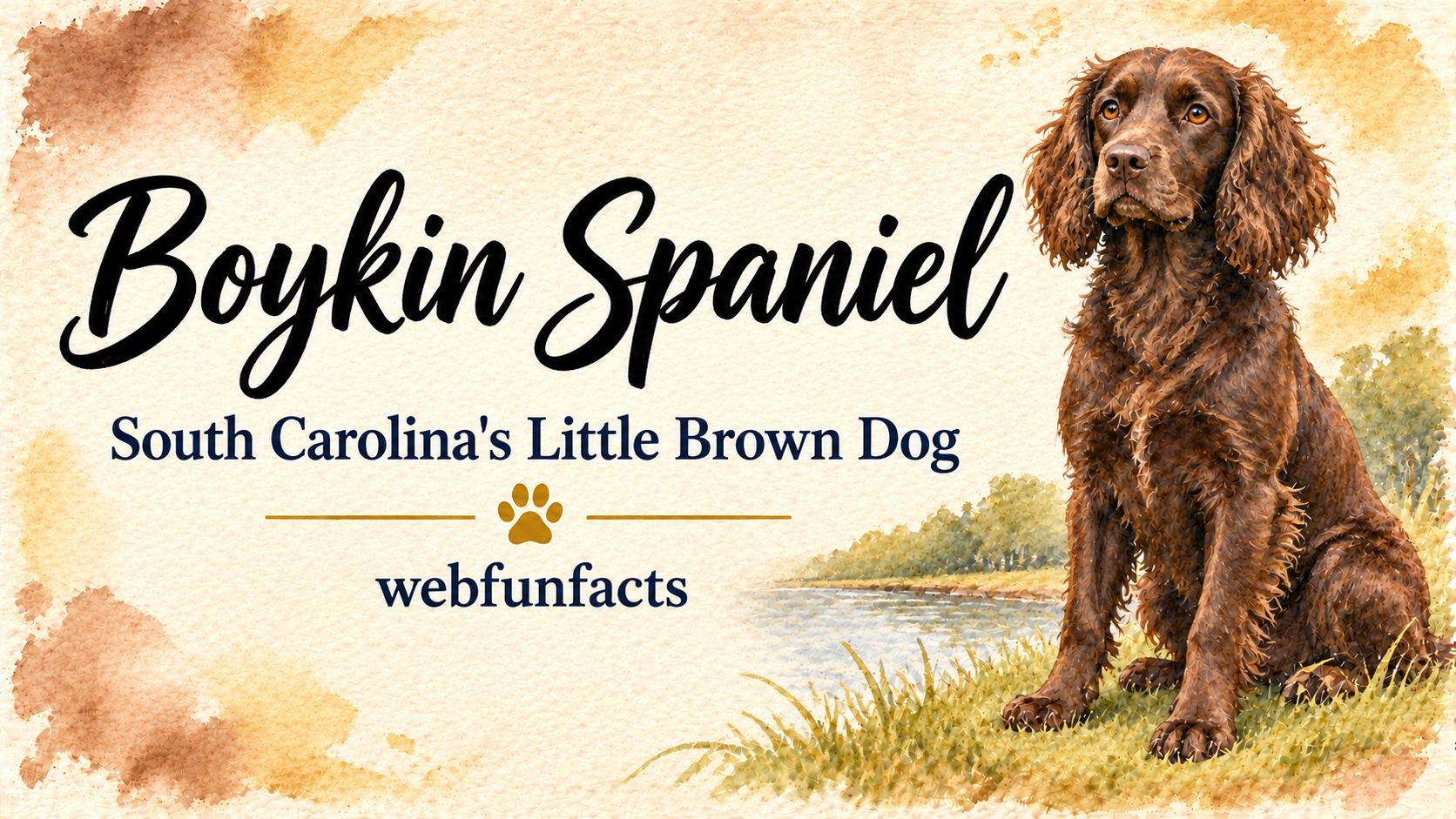
The Boykin Spaniel is a friendly, chocolate-brown hunting dog with soft amber eyes, a wavy coat and a seemingly endless supply of enthusiasm. Born in the swamps and rivers of South Carolina, this spaniel was built to ride in small boats and fetch ducks and wild turkeys for hunters. It is so beloved in its home state that it was named the official state dog of South Carolina.
Away from the field, the Boykin is a cheerful, people-loving companion that wants to be part of everything its family does. In this complete Boykin Spaniel dog breed guide, you will learn about its size, temperament, grooming needs, exercise requirements, common health concerns, diet tips and uniquely American history, so you can decide whether this energetic sporting dog is right for you.
Boykin Spaniel at a Glance
| Trait | Details |
|---|---|
| Breed group | Sporting (AKC) |
| Height | Males 15.5 to 18 inches (39 to 46 cm); females 14 to 16.5 inches (36 to 42 cm) |
| Weight | About 25 to 35 pounds (11 to 16 kg); some males weigh a little more |
| Life expectancy | Roughly 10 to 15 years |
| Coat | Medium length, flat to wavy, with feathering |
| Colors | Rich liver, brown or dark chocolate |
| Shedding | Moderate |
| Energy level | High |
| Temperament | Cheerful, eager, affectionate, friendly, hardworking |
| Good for | Active families, hunters, homes with a yard |
| Origin | South Carolina, United States (early 1900s) |
What Is a Boykin Spaniel?
This breed is a medium-sized sporting dog developed in South Carolina in the early twentieth century. It was designed as an all-purpose hunting partner that could flush and retrieve upland birds, fetch waterfowl from the water and track wild turkeys. Most importantly, it had to be compact enough to share a small boat with hunters on the region's rivers and swamps.
Today the Boykin is still a capable field dog, but many live mainly as family companions. The American Kennel Club recognized the Boykin Spaniel in 2009 as a member of the Sporting Group. Fans often call it "the little brown dog," and it remains especially popular across the American South.
Boykin Spaniel Size and Appearance
How Big Do Boykin Spaniels Get?
Boykin Spaniels are medium-sized dogs. Males usually stand 15.5 to 18 inches tall at the shoulder, while females stand about 14 to 16.5 inches, and most adults weigh roughly 25 to 35 pounds.
The Boykin Spaniel size is a big part of the breed's story. Hunters wanted a dog small enough to sit in a narrow boat without tipping it, yet sturdy enough to swim through cold water and carry a duck back to shore. The result is a well-balanced, athletic dog that is slightly longer than it is tall.
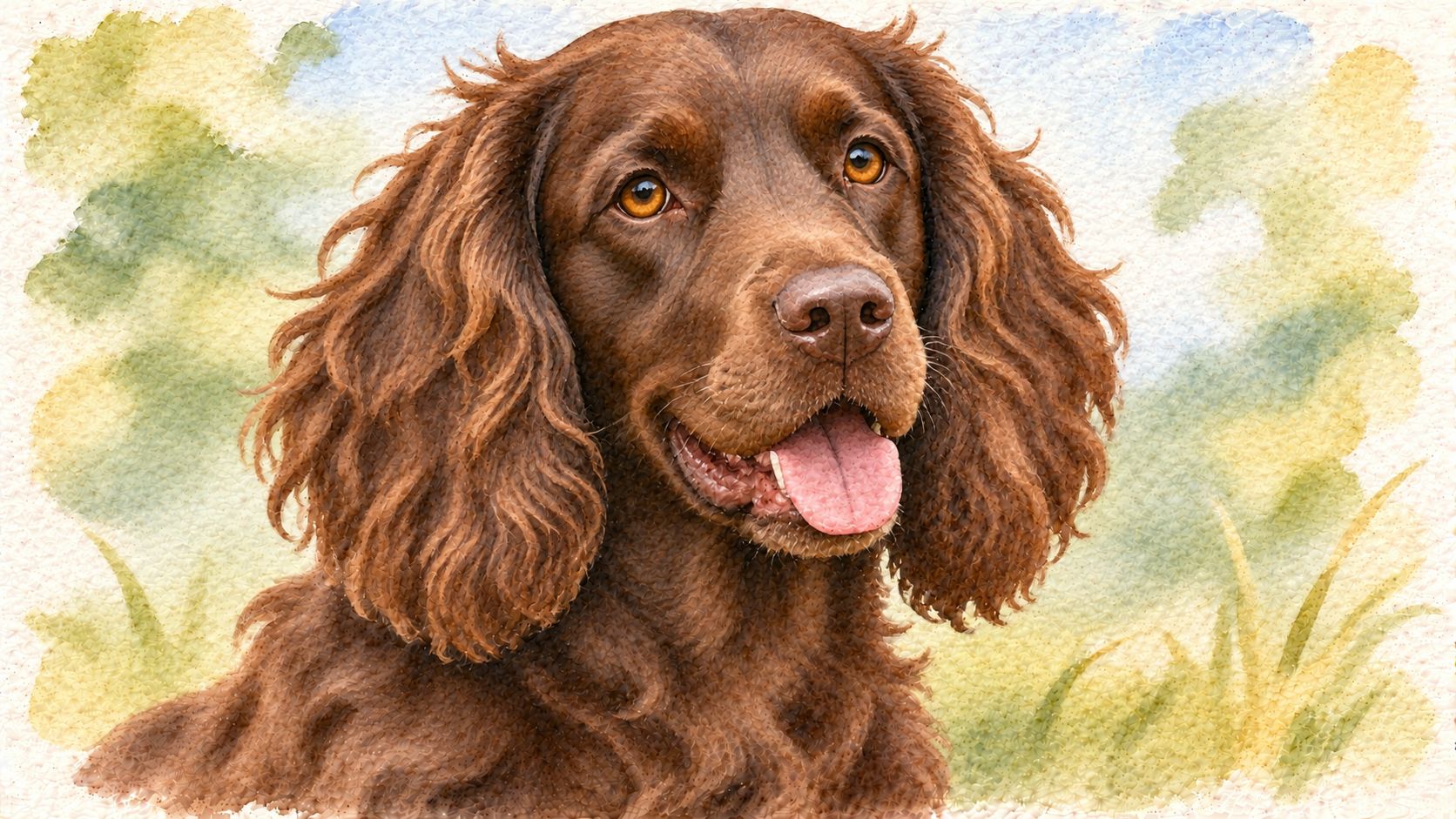
The breed has a broad, flat head, long ears that hang close to the cheeks and expressive eyes that range from yellow to amber or brown. Its soft, intelligent expression is one of the features owners love most.
Coat and Colors
The Boykin wears a medium-length coat that can be flat, slightly wavy or curly. Light feathering appears on the ears, chest, legs and belly. The coat is weather-resistant, helping protect the dog in brush, briars and water.
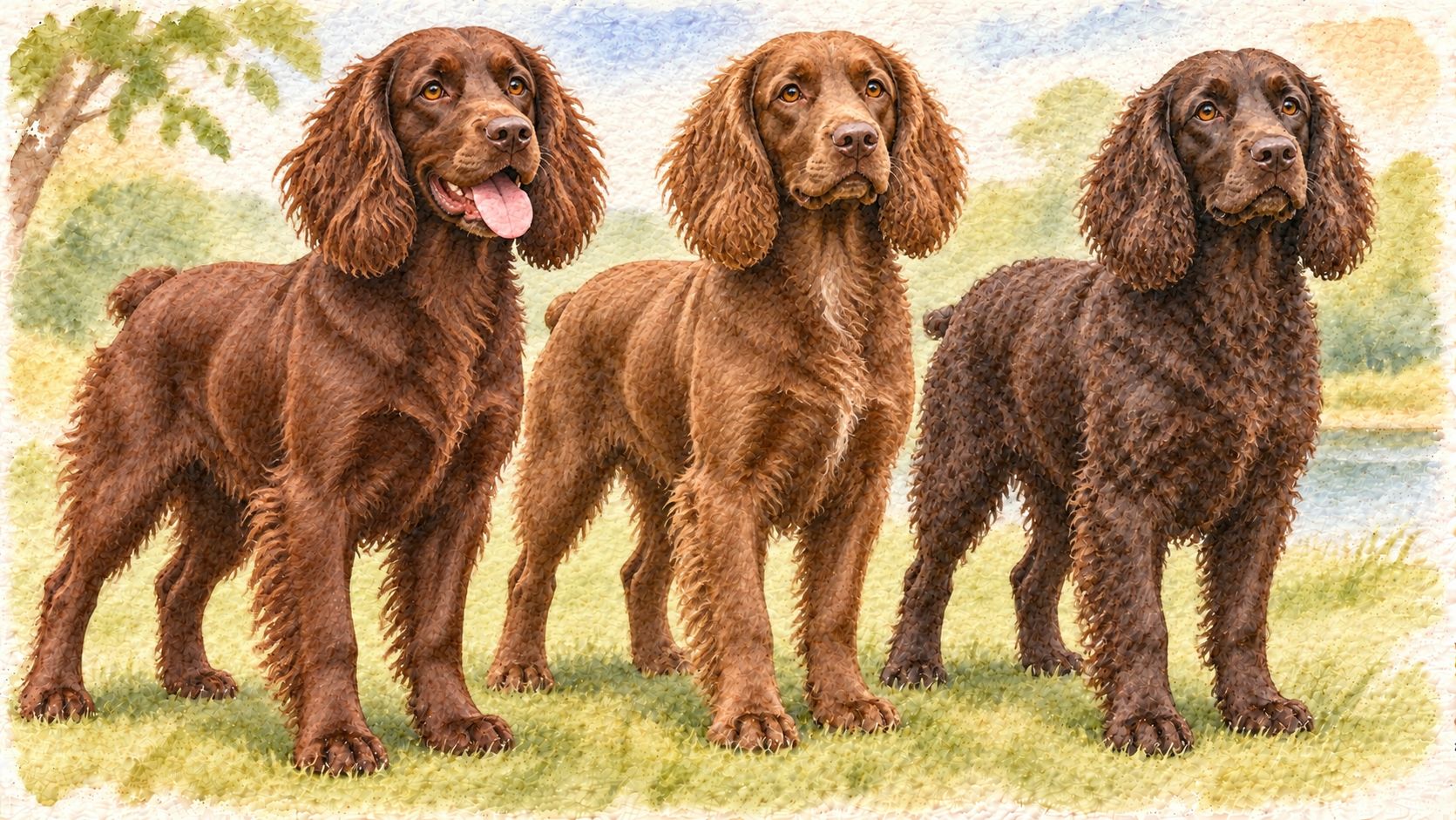
The color is always a solid shade of brown, from rich liver to dark chocolate. A small white mark on the chest is sometimes seen. In strong sunlight, the coat may lighten slightly, especially on dogs that spend a lot of time outdoors.
Boykin Spaniel Temperament and Personality
The Boykin Spaniel temperament can be summed up in one word: happy. This breed is known for being:
- Cheerful: Boykins have a sunny, upbeat nature and greet most people with a wagging tail.
- Affectionate: They love being close to their families and often follow their people from room to room.
- Eager to please: Their desire to work with humans makes them responsive and enjoyable to train.
- Energetic: As true sporting dogs, they have plenty of stamina and love having a job to do.
- Friendly: Boykins are generally social with strangers and other animals rather than suspicious or aloof.
Because they are so people-oriented, Boykins do not enjoy being left alone for long stretches. A bored or lonely Boykin may chew, dig or bark to release pent-up energy. They do best in homes where someone is around for much of the day or where they get plenty of activity and companionship.
Are Boykin Spaniels Good With Kids and Other Pets?
Yes, Boykins are usually excellent with children and get along well with other animals. Their gentle, playful nature makes them wonderful playmates for kids who know how to treat dogs kindly.
As with any breed, adults should supervise young children and dogs together. Boykins are bouncy and enthusiastic, so they may accidentally knock over a toddler during play.
Most Boykins enjoy the company of other dogs. They can live with cats too, especially when raised with them. Because they were bred to hunt birds, keep an eye on them around pet birds. Early socialization will help your Boykin Spaniel puppy grow into a calm, confident adult.
Training a Boykin Spaniel
Boykins are intelligent, willing and quick to learn, which makes them a good choice for many first-time owners who are ready for an active dog. They respond best to positive reinforcement such as praise, toys and food rewards. Harsh corrections can upset this sensitive breed.
Here are a few training tips for Boykin owners:
- Start early. Begin basic manners and socialization the day your puppy comes home.
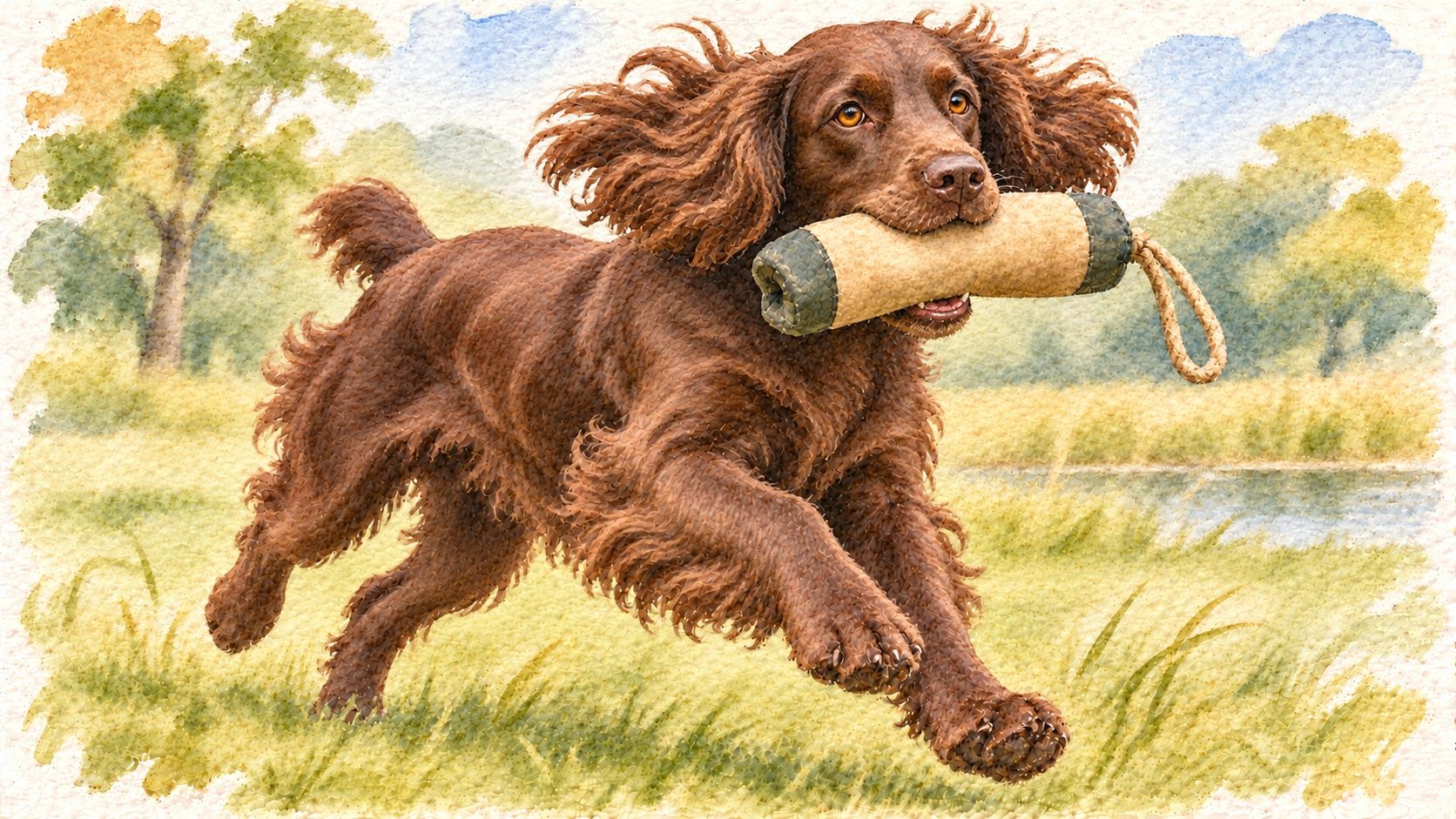
- Use their love of retrieving. Fetch games make excellent rewards and help burn energy.
- Teach a solid recall. Boykins follow their noses, so a reliable "come" cue is essential before any off-leash time.
- Work on calm behavior. Practice settling on a mat so your dog learns to relax indoors.
- Try dog sports. Boykins often shine in hunt tests, field trials, agility, obedience, dock diving and tracking.
Exercise Needs
The Boykin is a high-energy breed that needs a lot of exercise every day. Plan on at least an hour of activity, such as brisk walks, jogging, hiking, swimming or long games of fetch.
Most Boykins love water. If you have safe access to a lake or pond, swimming is one of the best ways to tire them out while being easy on their joints. Mental exercise matters just as much. Scent games, puzzle toys and retrieving drills keep their busy minds engaged.
A home with a securely fenced yard is ideal. Apartment living can work only if the owner is committed to several outings a day. Without enough exercise, a Boykin can become restless and develop unwanted habits.
Boykin Spaniel Grooming
Do Boykin Spaniels Shed?
Yes, Boykins shed a moderate amount year-round, with heavier shedding in spring and fall. They are not considered hypoallergenic.
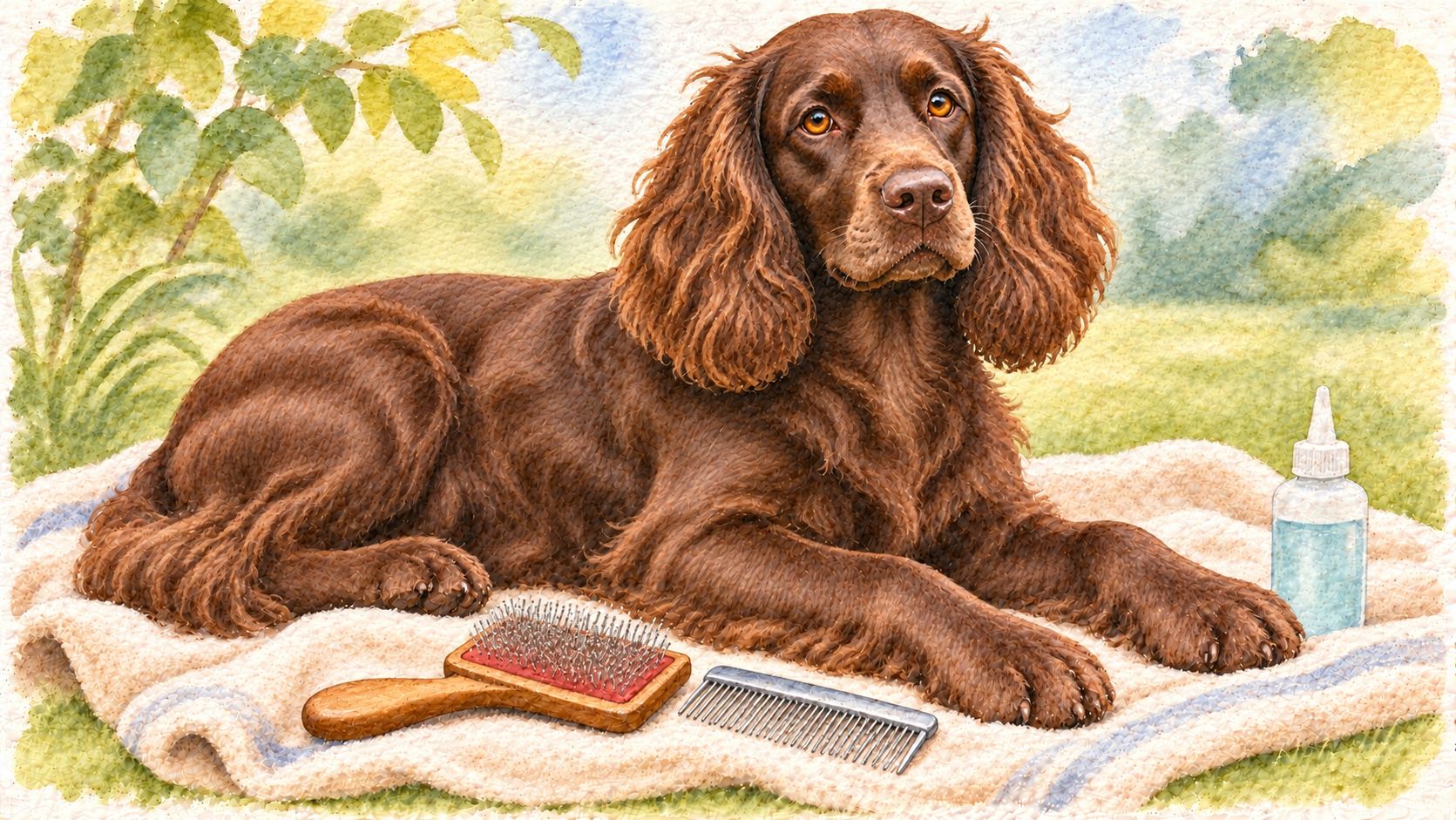
Boykin Spaniel grooming is fairly simple, but the feathered coat does need regular attention to prevent mats, especially behind the ears and on the legs.
Grooming Routine
- Brushing: Brush the coat once or twice a week with a slicker brush and a metal comb. Brush more often during shedding seasons.
- Ear care: Check and clean the ears weekly. Long, hanging ears can trap moisture, especially after swimming, so dry them well.
- Trimming: Tidy the feathering on the ears, feet and legs every few months to keep the coat neat and reduce burrs.
- Bathing: Bathe as needed, and rinse after swims in muddy or salty water.
- Nails: Trim nails every few weeks if they don't wear down naturally.
- Teeth: Brush your dog's teeth several times a week to support good dental health.
After hunting or hiking, check the coat for burrs, ticks and seeds, which can easily tangle in the feathering.
Boykin Spaniel Health and Lifespan
The Boykin Spaniel lifespan is typically about 10 to 15 years. The breed is generally healthy, but like all breeds it can be prone to certain conditions. Responsible breeders screen their dogs for common concerns, which may include:
- Hip dysplasia: An abnormal formation of the hip joint that can lead to stiffness or arthritis.
- Eye conditions: Some inherited eye problems occur in the breed, so regular eye exams are recommended.
- Exercise-induced collapse: A genetic condition seen in some sporting breeds; DNA tests are available.
- Heart conditions: Some lines may be affected, so heart screening is a good idea.
- Ear infections: Floppy ears and frequent swimming can make ear infections more likely.
Because Boykins are so active, keeping them at a healthy weight helps protect their joints. Always work with your veterinarian to set up a routine of checkups, vaccinations and preventive care, and ask breeders about the health testing they perform.
Feeding and Nutrition
A Boykin does best on a high-quality dog food that suits its age, size and activity level. Working and very active dogs may need more calories than family companions that exercise less.
Puppies should eat a food made specifically for puppies to support healthy growth. Follow the feeding guidelines on the package, adjust portions to keep your dog lean and ask your veterinarian for advice. Keep treats to a small part of the daily diet, even though Boykins will happily work for snacks.
History of the Boykin Spaniel
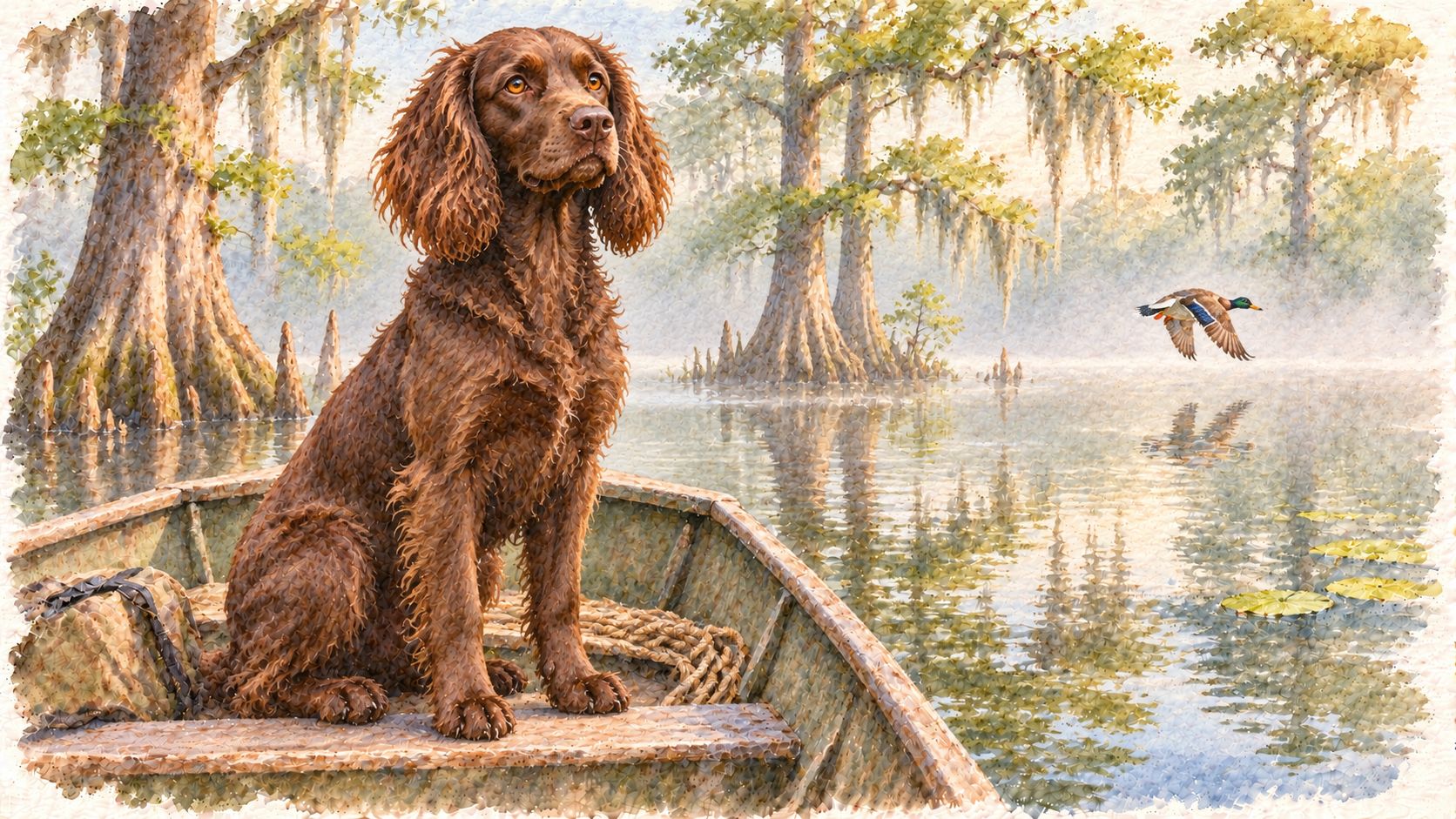
The breed's story begins in South Carolina in the early 1900s. According to breed lore, a small brown spaniel was found wandering near a church in Spartanburg. A local man took the dog in and sent it to his hunting friend, Lemuel Whitaker Boykin, who lived near Camden.
The little dog, often called Dumpy, turned out to be a gifted retriever. Boykin began breeding from him, and the line became the foundation of the breed that now carries his name. Purina notes that the first Boykins came from two strays owned by Whit Boykin. Over the years, other breeds, likely including the Chesapeake Bay Retriever, Springer Spaniel, Cocker Spaniel and American Water Spaniel, are thought to have contributed.
Hunters around the Wateree River swamps needed a compact dog that could ride in small boats and retrieve ducks and wild turkeys. The Boykin fit the bill perfectly. It also proved to be an excellent retriever of upland game birds.
The Boykin Spaniel Society was founded in 1977 to protect and promote the breed. In 1985, the Boykin was named the official state dog of South Carolina. The American Kennel Club granted full recognition in 2009.
Boykin Spaniel vs American Water Spaniel
The Boykin is often compared with the American Water Spaniel, a similar-sized brown retriever from the Midwest. Both are friendly, all-purpose hunting dogs that love water. The American Water Spaniel usually has a tighter, curlier coat and a slightly more reserved personality, while the Boykin tends to have a flatter or wavier coat and an especially outgoing nature.
Is a Boykin Spaniel Right for You?
Are Boykin Spaniels Good Family Dogs?
Yes, Boykins make excellent family dogs for active households. They are affectionate, gentle with children and friendly with other pets, as long as they get plenty of exercise and attention.
A Boykin could be a wonderful match if you:
- Enjoy hiking, running, swimming or hunting
- Have a securely fenced yard
- Want a friendly, affectionate dog that is good with kids
- Can spend time each day on exercise and training
- Prefer a medium-sized dog that is easy to travel with
- Don't mind regular brushing and ear care
A Boykin may not be the best fit if you:
- Are away from home for long hours most days
- Prefer a calm dog that is happy with short walks
- Need a hypoallergenic or non-shedding breed
- Live in a small apartment with little access to outdoor space
Finding a Boykin Spaniel Puppy
When looking for a Boykin Spaniel puppy, choose a breeder who health-tests parent dogs, raises puppies in a home setting and answers your questions openly. Ask to meet at least one parent to get a feel for temperament. Breed clubs and rescue groups are also good places to find adult Boykins that need new homes.
Fun Facts About the Boykin Spaniel
- The Boykin is the official state dog of South Carolina.
- The breed is named after L. Whitaker Boykin, a South Carolina hunter.
- Boykins were bred to be small enough to ride in a boat without tipping it over.
- The breed was traced back to a stray brown spaniel found near a church in Spartanburg.
- Boykins are skilled turkey hunting dogs as well as duck retrievers.
- The AKC officially recognized the breed in 2009.
Frequently Asked Questions
How big do Boykin Spaniels get?
Most adult Boykins stand 14 to 18 inches tall at the shoulder and weigh about 25 to 35 pounds, with males usually a bit larger than females.
Are Boykin Spaniels good family dogs?
Yes. They are affectionate, playful and especially good with children, making them excellent companions for active families.
Do Boykin Spaniels shed a lot?
They shed a moderate amount, with more shedding in spring and fall. Weekly brushing helps keep loose hair under control.
How long do Boykin Spaniels live?
The typical Boykin lifespan is about 10 to 15 years with good care, a healthy diet and regular veterinary checkups.
Are Boykin Spaniels easy to train?
Generally, yes. They are smart and eager to please, and they respond very well to positive, reward-based training.
Why is the Boykin Spaniel the state dog of South Carolina?
The breed was developed in South Carolina to hunt along the state's rivers and swamps. In recognition of that heritage, it was named the official state dog in 1985.
Final Thoughts
The Boykin Spaniel is a joyful, hardworking and loving dog with deep Southern roots. Whether it is retrieving ducks, hiking a trail or playing fetch with the kids, this little brown spaniel brings enthusiasm to everything it does. If you can offer daily exercise, regular grooming and plenty of companionship, a Boykin Spaniel may become the happiest member of your family.