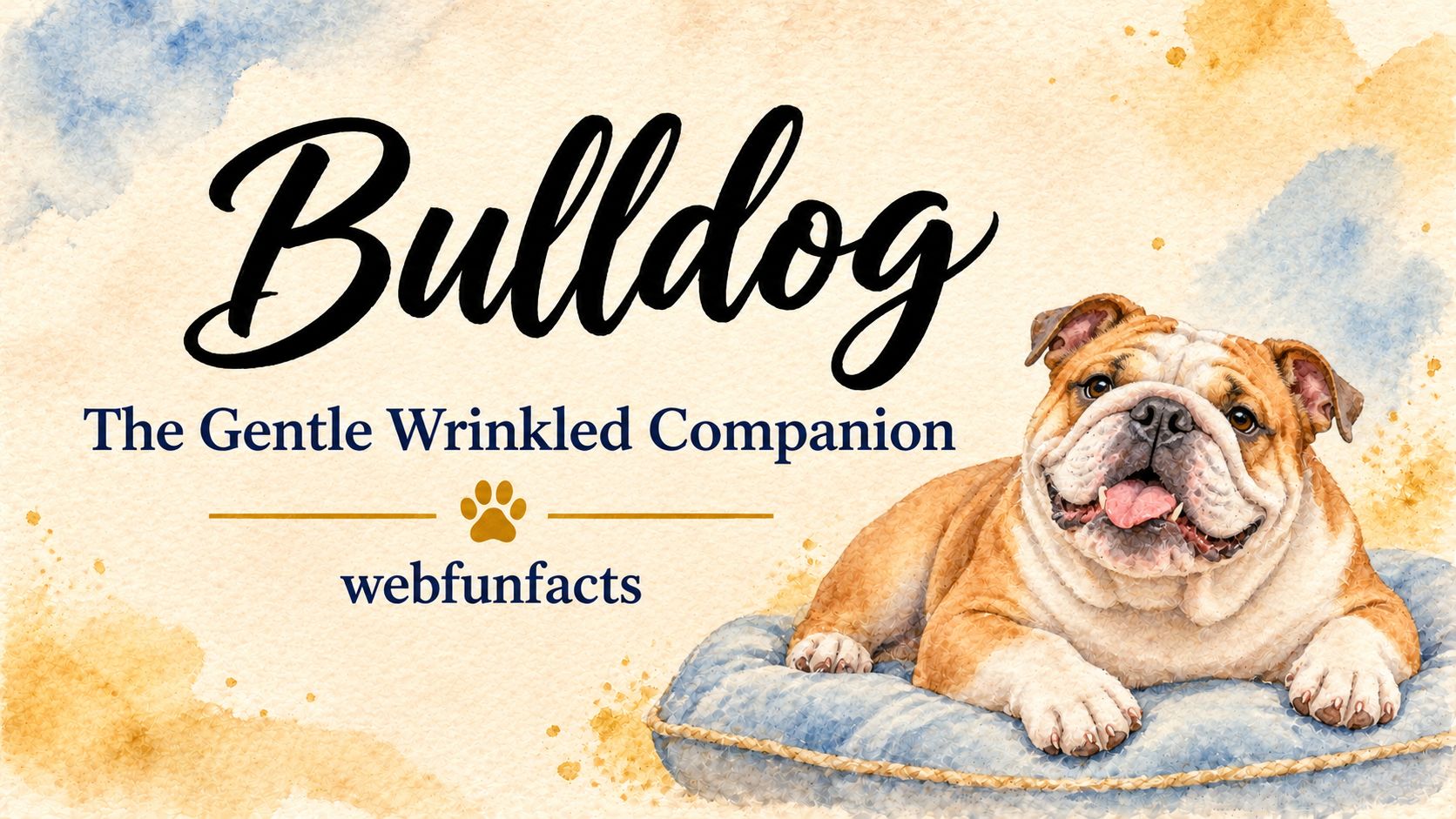
The Bulldog is one of the most recognizable dogs on the planet, with its loose, wrinkled face, pushed-in nose, rolling gait and stocky, low-slung body. It may look tough, but this breed is famously sweet, mellow and devoted, more interested in a cozy couch than a confrontation.
Often called the English or British Bulldog, the breed has gone from a rough past to become a beloved family companion and a national symbol of England. In this complete guide, you will learn everything you need to know before bringing one home, including its size, temperament, grooming needs, exercise requirements, health, diet and history.
Bulldog at a Glance
| Trait | Details |
|---|---|
| Breed group | Non-Sporting (AKC) |
| Height | 13 to 15 inches (33 to 38 cm) |
| Weight | About 50 pounds (23 kg) for males; about 40 pounds (18 kg) for females |
| Life expectancy | 8 to 10 years |
| Coat | Short, fine, smooth and glossy |
| Colors | Red, white, fawn, fallow, or combinations, often brindle or piebald |
| Shedding | Moderate, with heavier seasonal periods |
| Energy level | Low |
| Temperament | Friendly, calm, loyal, courageous, affectionate |
| Good for | Families, apartment living, relaxed households |
| Origin | England |
What Is a Bulldog?
This is a medium-sized, heavy-set companion breed that originated in England. Its ancestors were bred for a cruel sport called bull-baiting, but after that practice was banned, dedicated fans transformed the breed into the gentle, easygoing pet we know today.
The American Kennel Club places the breed in the Non-Sporting Group and recognized it in 1886. It consistently ranks among the most popular breeds in the United States, loved for its laid-back attitude, comical expressions and affectionate nature.
Bulldog Size and Appearance
How Big Do Bulldogs Get?
Adults usually stand about 13 to 15 inches (33 to 38 cm) tall at the shoulder. Males typically weigh about 50 pounds (23 kg) or a little more, while females weigh about 40 pounds (18 kg) or more.
Although they are not tall, these dogs are surprisingly heavy and solid. They have a wide chest, sturdy legs set well apart and a low center of gravity that gives them their famous side-to-side "roll" when they walk.
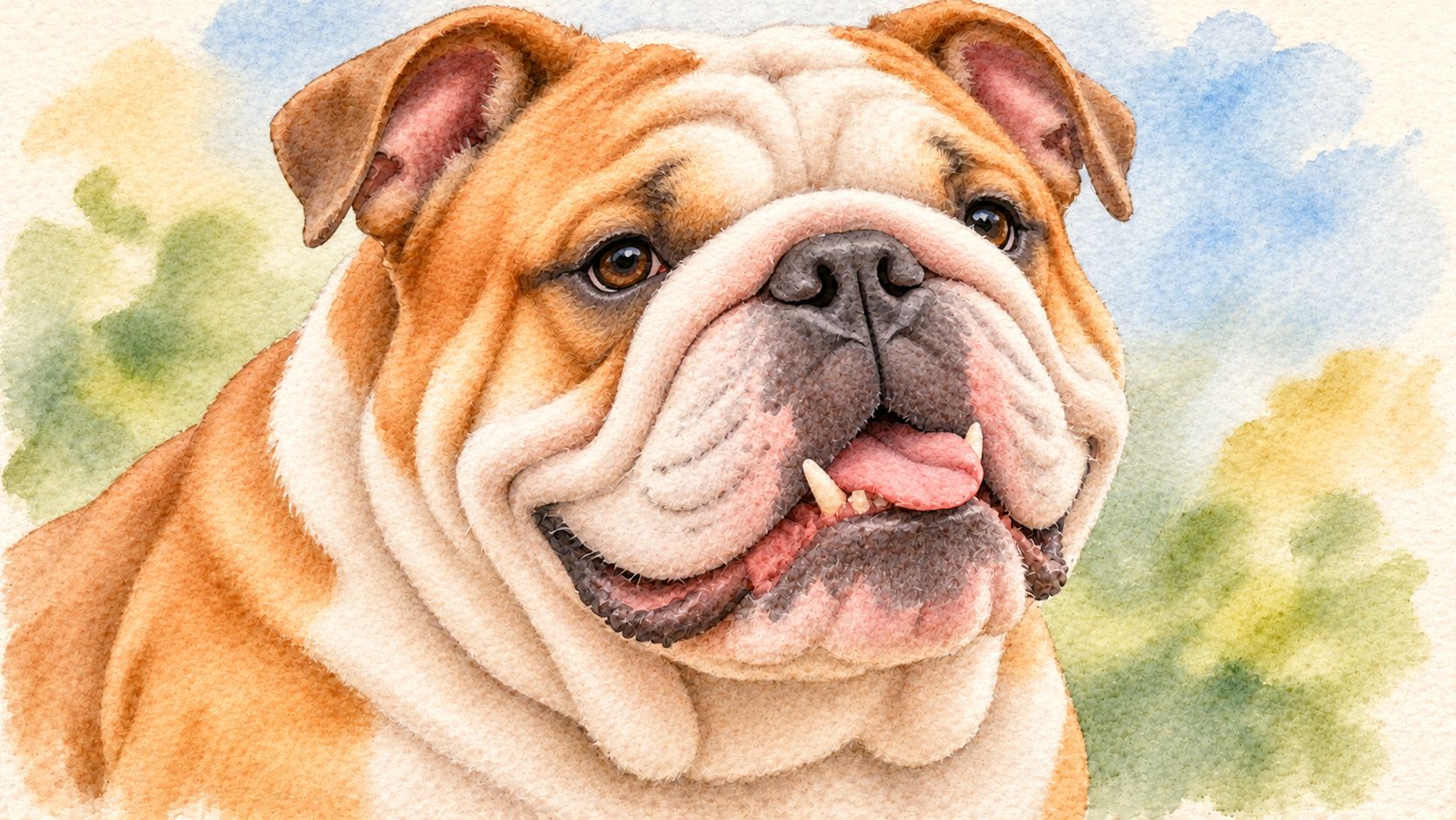
The head is large and broad, with heavy wrinkles, a short pushed-in muzzle and hanging upper lips called flews. The lower jaw juts forward in an underbite, and the small, thin "rose" ears fold back neatly. Their tails are naturally short, either straight or screwed.
Coat and Colors
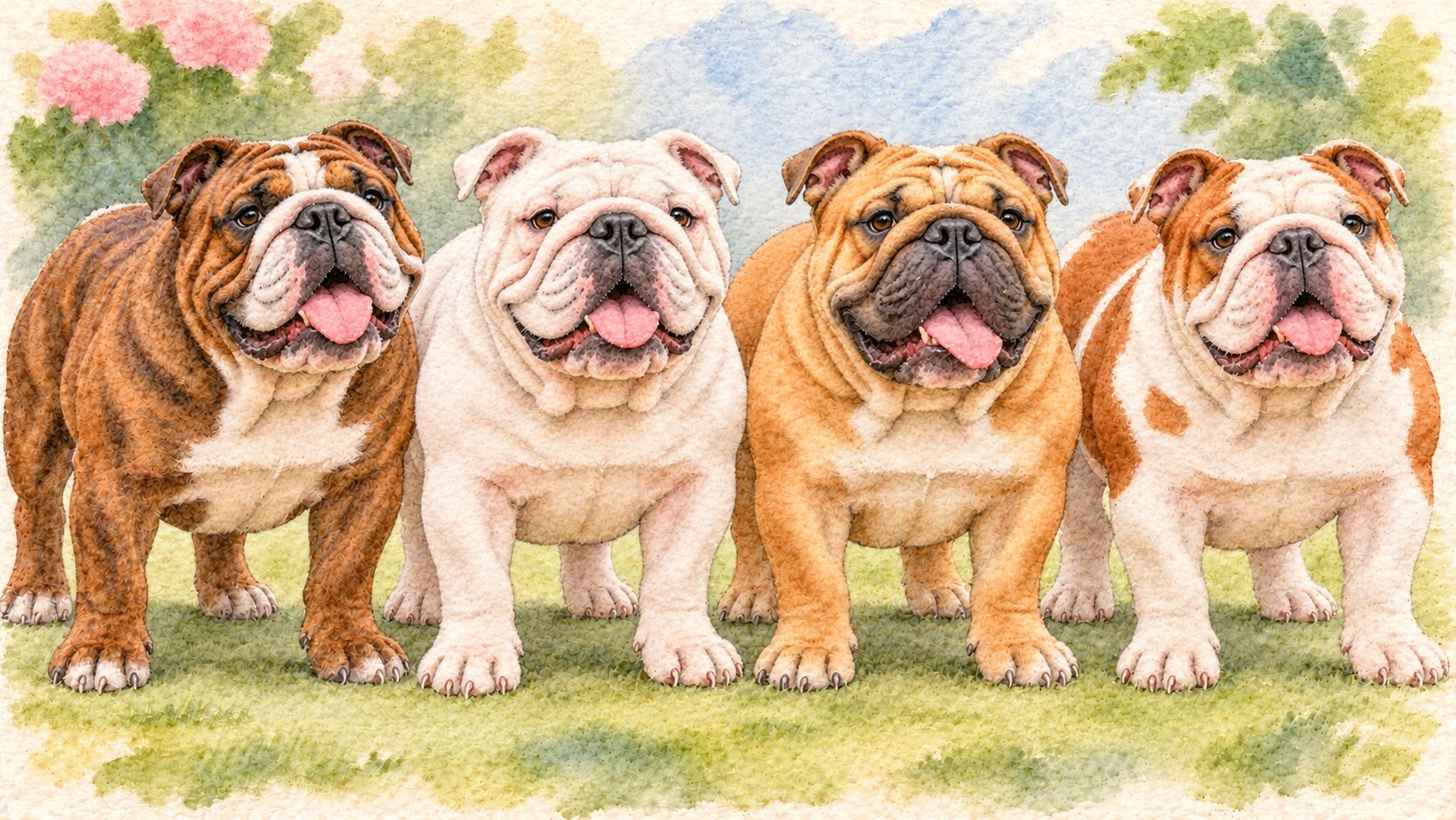
The coat is short, fine and smooth, with a soft, glossy sheen. Accepted colors include red, white, fawn and fallow, or combinations of these.
Common patterns and markings include brindle, piebald (patches of color on white), ticking, black masks and black tipping. Many dogs wear a mix of these, which gives every dog a unique look.
Bulldog Temperament and Personality
The Bulldog temperament is one of the gentlest in the dog world. Despite its gruff appearance, here is what you can expect:
- Friendly: Most are sociable with family, guests and even strangers.
- Calm and mellow: They are relaxed and easygoing, which is sometimes mistaken for laziness.
- Loyal and devoted: They form deep bonds with their people and love to be close by.
- Courageous: They are brave and steady, and they will stand their ground if they feel their family needs them.
- Affectionate: Many love to cuddle and may try to squeeze onto your lap, regardless of their size.
These dogs also have a stubborn side and will dig in their heels when they do not want to do something. A sense of humor and plenty of patience go a long way.
They are also known for being expressive and a little noisy. Snoring, snorting, grunting and the occasional bout of drool are all part of the package, and most owners quickly come to see these quirks as part of the breed's charm.
Are Bulldogs Good Family Dogs?
Yes, they are usually excellent family dogs. They tend to be patient and gentle with children and are sturdy enough to handle respectful play.
As with any breed, supervise young children around dogs and teach them not to climb on or tug at the dog. Most of these dogs are happy to be part of the family's daily routine, whether that means play time or nap time.
Are They Good With Other Pets?
Many get along well with other dogs and cats, especially when raised together. Some can be a bit possessive about toys or food, so early socialization and calm introductions help.
Training a Bulldog
These dogs are sweet and eager to please, and many owners find them fun to train. They can also be stubborn, so success comes from patience, consistency and positive reinforcement. Short sessions with praise and small treats work best.
Training tips:
- Start early. Begin socialization and basic manners as soon as your puppy comes home.
- Keep sessions short. A few minutes at a time holds their attention.
- Use rewards. Praise and tasty treats motivate far better than harsh corrections.
- Be patient with house-training. A consistent schedule and crate training help.
- Teach leash manners. A strong dog that pulls can be hard to walk, so start leash training early. Many owners prefer a harness over a collar.
Exercise Needs
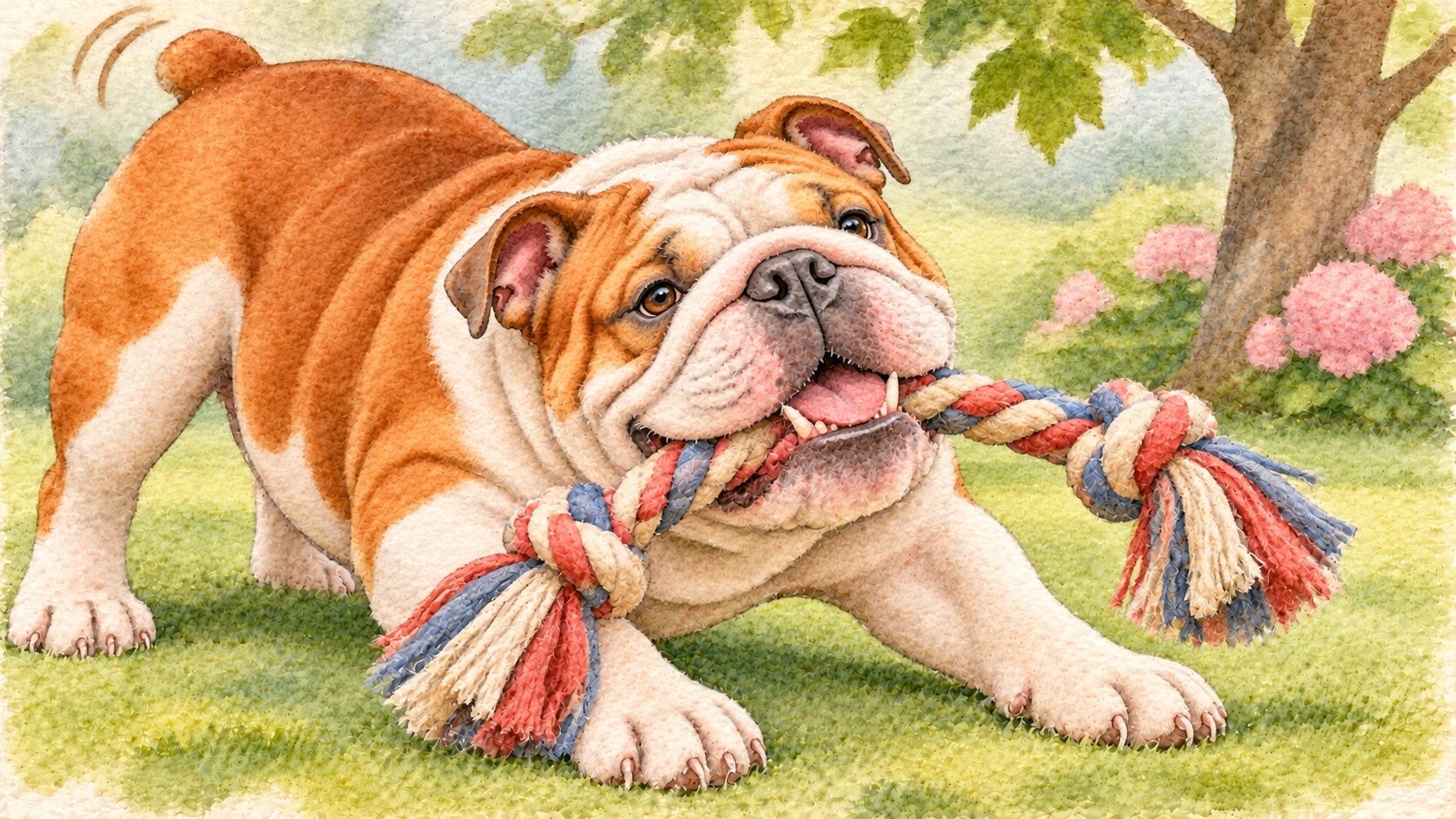
The breed has a low energy level, but it still needs regular exercise to stay fit and avoid weight gain. Daily brisk walks and short play sessions are usually enough. These dogs are not as inactive as they may appear and often enjoy a good game of tug-of-war.
Because of their short muzzles, they are prone to overheating. Exercise during the cooler parts of the day, keep sessions moderate and watch for heavy panting. Never leave them in the hot sun without shade and water.
Many love to chew, so provide tough, durable toys and rotate them to keep things interesting. Puzzle feeders and simple scent games are also a great way to add mental exercise without overdoing physical exertion. Also note that their heavy build and short legs make swimming difficult for most, so always supervise them near pools and water.
Can a Bulldog Live in an Apartment?
Yes, this breed adapts very well to apartment living. Their calm nature, moderate size and modest exercise needs make them a good match for city life, as long as they get daily walks and a cool, comfortable home.
Bulldog Grooming
Do Bulldogs Shed?
Yes, they shed, and they go through periods of heavier shedding during seasonal coat changes. Regular brushing keeps loose hair under control.
Grooming Routine
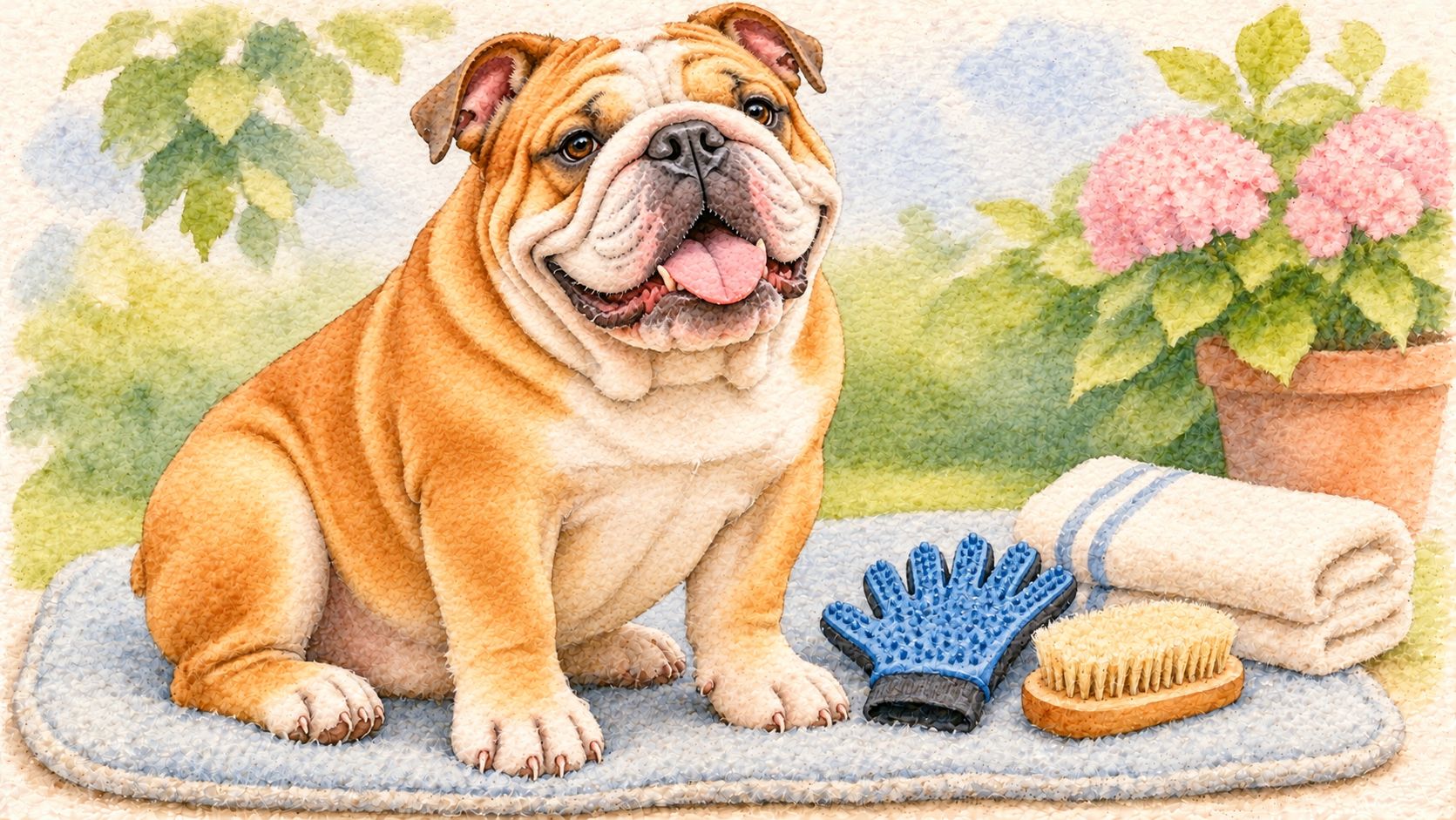
- Brushing: Brush the whole coat two to three times a week with a soft bristle brush or rubber mitt.
- Wrinkle care: Clean the facial wrinkles and folds regularly with a soft, damp cloth, then dry them thoroughly to help prevent irritation or infection.
- Tail pocket: Some dogs have a small pocket under the tail that also needs gentle cleaning.
- Bathing: Bathe as needed, making sure the coat and folds are completely dry afterward.
- Nails and teeth: Trim nails regularly and brush teeth several times a week.
Bulldog Health and Lifespan
The average Bulldog lifespan is about 8 to 10 years. Because of its unique build, the breed can be prone to several health concerns. Responsible breeders screen their dogs, and common issues may include:
- Breathing problems: The short, flat face can make breathing harder, especially in heat or during exercise.
- Overheating: These dogs have trouble cooling themselves and need a cool environment in warm weather.
- Skin fold irritation: Wrinkles can trap moisture and debris if not cleaned.
- Joint issues: Hip and elbow problems can occur in the breed.
- Eye conditions: Problems such as cherry eye can affect some dogs.
Signs such as noisy breathing, frequent overheating or tiring very quickly on walks are worth discussing with your veterinarian, who can suggest ways to keep your dog comfortable.
Keeping your dog lean is one of the best things you can do for its comfort and breathing. Always work with your veterinarian to set up a routine of checkups, vaccinations and preventive care, and ask about how to keep your dog cool in summer.
Feeding and Nutrition
A high-quality dog food that supports a healthy body condition is important for this breed, since extra weight puts strain on the joints and breathing. Measure meals instead of free-feeding, and adjust portions based on your dog's age, activity level and shape.
Puppies should eat a complete puppy food, ideally one that includes nutrients such as DHA to support brain and vision development. Follow the package feeding guide and ask your veterinarian for advice. Keep treats small and limited.
History of the Bulldog
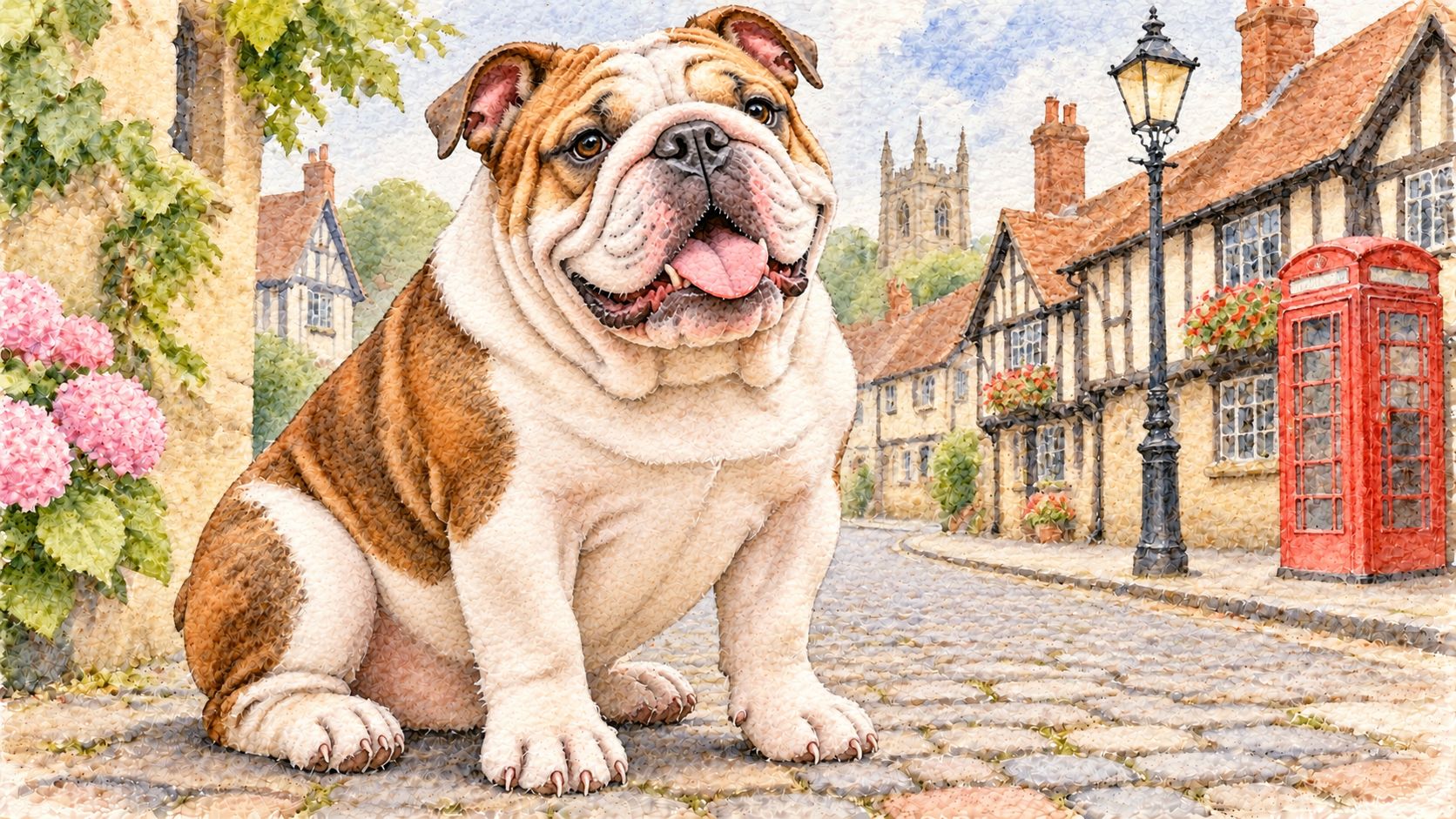
The breed's history goes back many centuries in England. According to popular tradition, bull-baiting dates to the 13th century during the reign of King John. In this cruel spectator sport, dogs were set against a tethered bull. Early dogs of this type were bred for strength, courage and powerful jaws.
Bull-baiting was banned in England in 1835. Some dogs were then crossed with terriers to create bull-and-terrier breeds, while the original breed was at risk of disappearing. Dedicated admirers stepped in and carefully bred out the aggression, keeping the breed's courage while creating a calm, affectionate companion.
The American Kennel Club recognized the breed in 1886. Over time, the breed became a symbol of determination and is often linked with Winston Churchill, whose jowly look and tenacity drew comparisons to the breed.
The breed is also a favorite mascot. Yale University's "Handsome Dan" was one of the first live college mascots in the United States, and the University of Georgia's Uga is famous on the football sidelines. Mack Trucks and the U.S. Marine Corps also use the breed as a symbol. Presidents Warren Harding and Calvin Coolidge both kept one in the White House: Harding's was named Oh Boy, and Coolidge's was Boston Beans.
English Bulldog vs French Bulldog
The English Bulldog and the French Bulldog share some ancestry and a flat-faced look, but they are different breeds. The English breed is larger and heavier, usually 40 to 50 pounds, with rose ears and a broad, low build. The Frenchie is smaller, usually under 28 pounds, with tall, upright "bat" ears and a more compact frame.
Is a Bulldog Right for You?
This breed could be a wonderful match if you:
- Want a calm, affectionate and loyal companion
- Live in an apartment or a home with limited space
- Prefer a dog with low exercise needs
- Have children and want a gentle, patient family dog
- Can keep your dog cool in hot weather
It may not be the best fit if you:
- Want a running, hiking or high-activity partner
- Live in a very hot climate without air conditioning
- Prefer a dog that needs very little grooming attention
- Are bothered by snoring, snorting or drool
Finding a Bulldog Puppy
When looking for a Bulldog puppy, choose a responsible breeder who health-screens parent dogs, focuses on healthy breathing and soundness, and is happy to answer your questions. Ask to meet the parents and see where the puppies are raised. A good breeder will also be honest about the breed's needs and may ask you questions to make sure their puppy is going to a suitable home. Breed clubs and rescue groups are also excellent places to find adult dogs that need loving homes.
Fun Facts About the Bulldog
- The name comes from the breed's historic link to bull-baiting.
- The breed is often considered a national symbol of England.
- Yale's "Handsome Dan" was one of the first live college mascots in the US.
- A bulldog appeared in Hanna-Barbera's Tom and Jerry cartoons starting in the 1940s.
- Presidents Warren Harding and Calvin Coolidge both owned one.
- Mack Trucks and the US Marine Corps use the breed as a mascot.
Frequently Asked Questions
How big do Bulldogs get?
Adults usually stand 13 to 15 inches tall at the shoulder. Males typically weigh about 50 pounds and females about 40 pounds.
Are Bulldogs good family dogs?
Yes, they are gentle, patient and affectionate with children. Their calm nature makes them a great fit for many families.
How long do Bulldogs live?
The average lifespan is about 8 to 10 years. A healthy weight, a cool environment and regular veterinary care support a long, comfortable life.
Do Bulldogs shed a lot?
They shed moderately, with heavier periods during seasonal coat changes. Brushing two to three times a week keeps hair under control.
Are English Bulldogs and Bulldogs the same?
Yes. The AKC simply calls the breed the Bulldog, but it is widely known as the English Bulldog or British Bulldog.
Do Bulldogs need a lot of exercise?
No, they have low exercise needs. Daily brisk walks and short play sessions are usually enough, but avoid exercise in hot weather.
Final Thoughts
The Bulldog is a gentle, loyal and charming companion with a big heart behind its famous wrinkled face. It thrives in relaxed homes where it can enjoy short walks, plenty of cuddles and a cool place to nap. If you can keep up with its grooming and comfort needs, a Bulldog may become the most devoted friend your family has ever had.