The Borzoi is one of the most elegant dogs in the world, with a long silky coat, a slim narrow head and a graceful, flowing stride. Bred in Russia to chase wolves across open country, this tall sighthound combines remarkable speed with a calm, gentle nature at home. For centuries, it was the prized hunting companion of Russian nobility.
Today, this breed is admired as much for its quiet, affectionate personality as for its striking looks. In this complete Borzoi dog breed guide, you will learn about its size, temperament, grooming needs, exercise requirements, common health concerns, diet tips and fascinating history, so you can decide whether this aristocratic hound is the right match for your home.
Borzoi at a Glance
| Trait | Details |
|---|---|
| Breed group | Hound (AKC) |
| Height | Males at least 28 inches (71 cm); females at least 26 inches (66 cm) |
| Weight | Males about 75 to 105 pounds (34 to 48 kg); females usually lighter |
| Life expectancy | About 9 to 14 years |
| Coat | Long, silky, flat, wavy or slightly curly |
| Colors | Any color or color combination |
| Shedding | Moderate; heavier seasonally |
| Energy level | High in bursts; calm indoors |
| Temperament | Gentle, affectionate, dignified, independent, quiet |
| Good for | Experienced owners, homes with a securely fenced yard |
| Origin | Russia (several centuries ago) |
What Is a Borzoi?
The Borzoi is a large sighthound, which means it hunts mainly by sight rather than by scent. Sighthounds spot movement from far away and then use explosive speed to close the gap. It was developed in Russia to pursue wolves, foxes and hares across wide, open land.
For many years, the breed was known in English as the Russian Wolfhound. The American Kennel Club recognized it in 1891, and the official name was changed to Borzoi in 1936. The word comes from Russian and is usually translated as "fast" or "swift," which suits this athletic hound perfectly.
Borzoi Size and Appearance
How Big Do Borzois Get?
Borzois are big, tall dogs. Males stand at least 28 inches (71 cm) at the shoulder and females at least 26 inches (66 cm), and many are taller. Males typically weigh around 75 to 105 pounds (34 to 48 kg), while females are usually lighter and more delicately built.
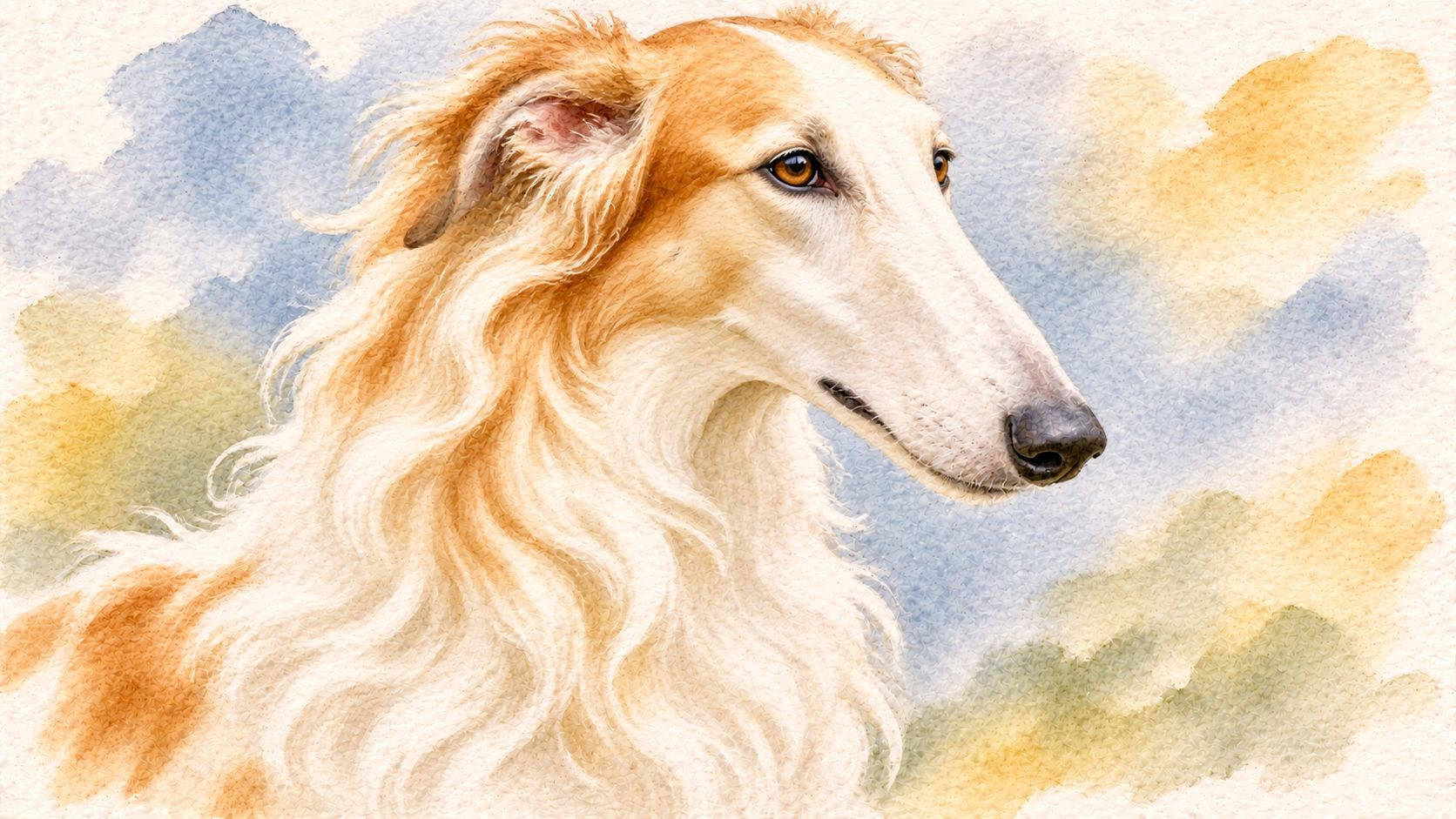
Despite this impressive Borzoi size, the dog looks light and refined rather than bulky. It has a deep, narrow chest, a gently arched back, long legs and a long, low-set tail that curves gracefully. The head is long and narrow with a slightly domed skull, dark eyes and small, folded ears that lie back against the neck when the dog is relaxed.
When this hound moves, the effect is almost like watching a dancer. Its stride is long, smooth and effortless, and at full speed it covers ground with powerful leaps.
Coat and Colors
The coat is long and silky, and it can be flat, wavy or quite curly. The hair is shorter and smoother on the head, ears and front of the legs. Longer feathering appears on the hindquarters, the tail, the back of the legs and the chest, and males often grow a fuller frill around the neck.
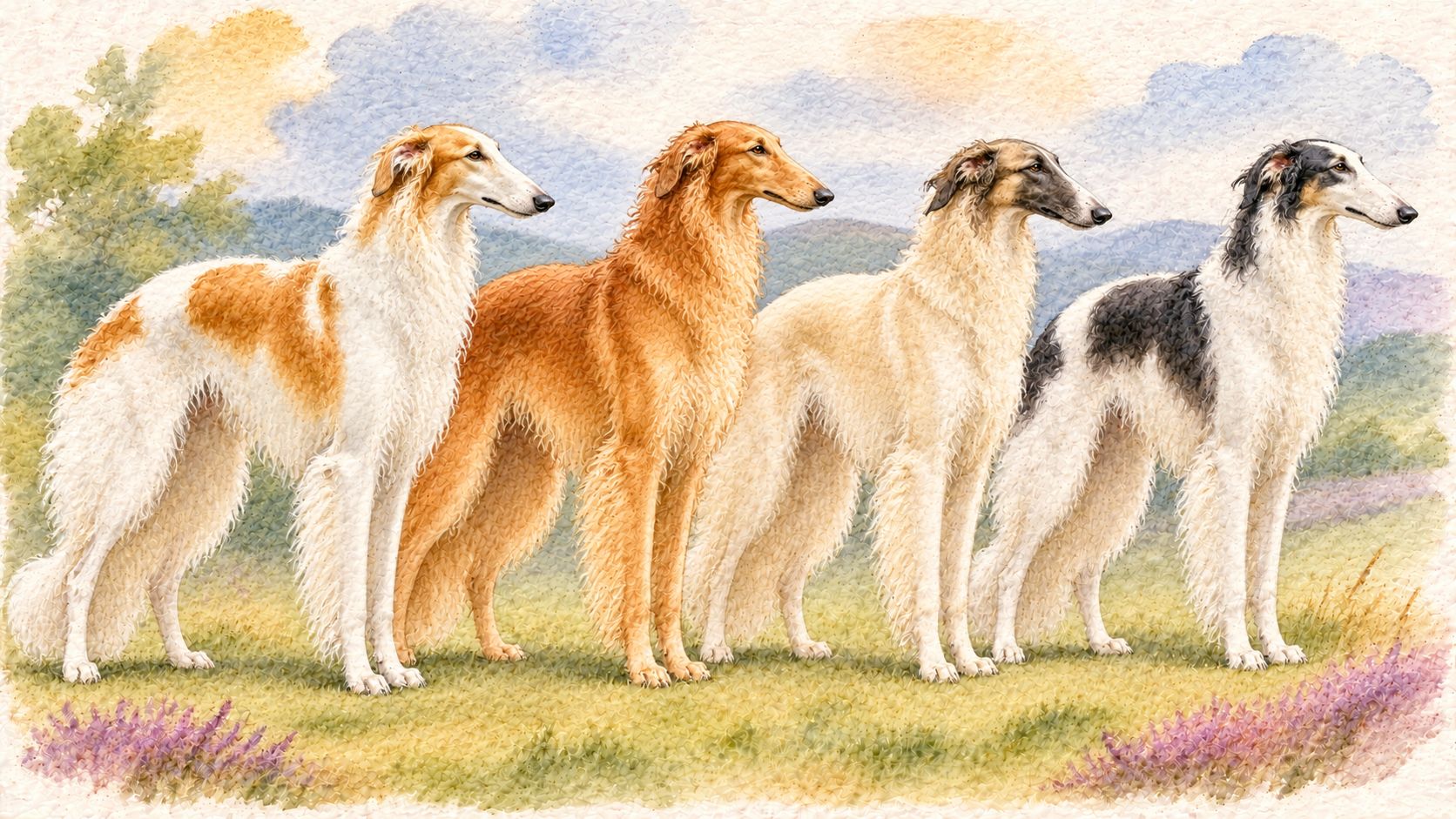
The breed can come in any color or color combination. White with patches of gold, red, cream, gray or black is very common, but you will also see solid colors, brindle and dogs with darker masks.
Borzoi Temperament and Personality
The Borzoi temperament is often described as gentle, calm and almost catlike. Inside the home, this breed is usually quiet and relaxed. It is known for being:
- Gentle: Most are soft-natured dogs that prefer a peaceful household.
- Affectionate: They bond closely with their families and enjoy quiet time near their people, though they are rarely clingy.
- Dignified: Many owners say their dog carries itself with a noble, reserved air, especially around strangers.
- Independent: Bred to make decisions during the chase, these hounds like to think for themselves.
- Quiet: The breed is not known for frequent barking, so it is not a classic watchdog.
- Sensitive: Harsh words or rough handling can upset this hound, so a calm approach works best.
Outdoors, however, a different side appears. The breed has a powerful instinct to chase anything that runs. A squirrel, cat or rabbit can trigger a burst of speed that is very hard to stop, even in a well-trained dog.
Are Borzois Good Family Dogs?
Yes, they can be affectionate family dogs in the right home. They tend to do best with adults and older, respectful children who understand that a large hound may not enjoy rough play or noisy chaos. Because of their size, they can accidentally knock over small children, so supervision is always wise.
Are Borzois Good With Other Pets?
They usually get along well with other dogs, especially other sighthounds and dogs of a similar size. Small pets are a different story. Because of the breed's strong prey drive, it may see cats, rabbits or small dogs as something to chase, even if it was raised with them. Careful introductions and lifelong supervision are important.
Early socialization helps a young hound grow into a confident adult. Gently introduce your puppy to new people, places, sounds and well-mannered dogs during the first months at home.
Training a Borzoi
These hounds are intelligent, but they were bred to work independently, not to wait for commands. As a result, they can seem aloof or uninterested in repetitive drills. Patience, consistency and positive reinforcement are the keys to success.
Here are a few training tips for owners:
- Start early. Begin with basic manners and socialization as soon as your puppy comes home.
- Keep it short and fun. Brief sessions with praise and tasty rewards hold a sighthound's attention better than long lessons.
- Stay gentle. This sensitive breed responds poorly to harsh corrections and may simply shut down.
- Work on recall, but stay realistic. A reliable recall is valuable, but most should not be trusted off leash in unfenced areas.
- Try sighthound sports. Lure coursing lets your dog chase an artificial lure safely, and the breed can also take part in field trials, conformation and obedience.
Borzoi Exercise Needs
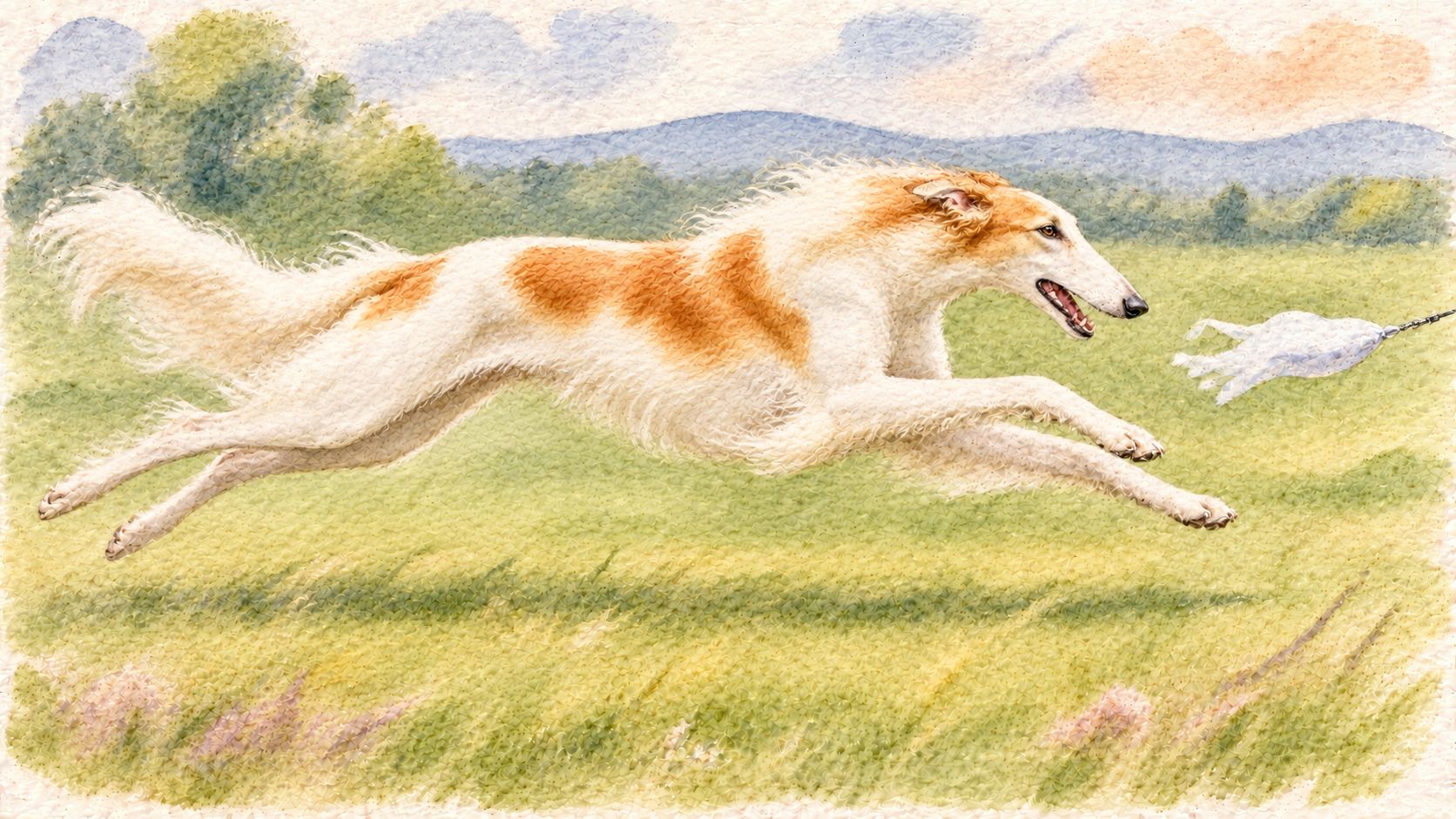
Borzois have high energy, but it tends to come in bursts. They need daily walks plus regular opportunities to run at full speed in a safe, securely fenced area. After a good gallop, many are happy to stretch out on the sofa for hours.
A fenced yard is a big advantage. Fences should be tall and solid, because a determined hound can clear or squeeze through low barriers. On walks, always use a secure leash and collar, since the breed can reach very high speeds within seconds.
Puppies need a little extra care. Large breeds grow quickly, so avoid forced running or long, repetitive exercise on hard surfaces until your veterinarian says your young dog's joints are ready.
Borzoi Grooming
Do Borzois Shed?
Yes, they shed a moderate amount year-round and tend to shed more heavily once or twice a year. Regular brushing keeps loose hair under control and helps the coat stay clean and shiny.
Grooming Routine
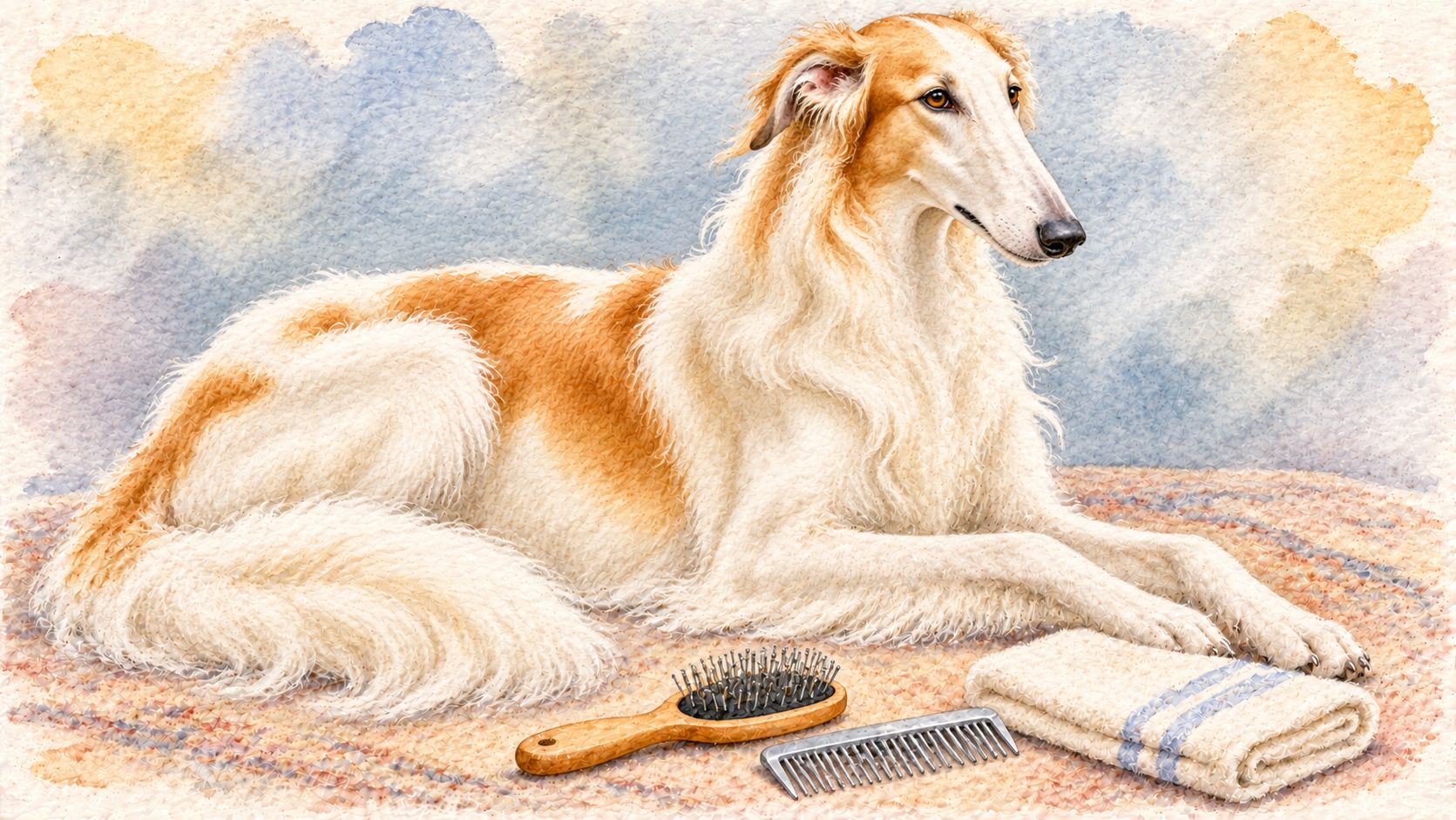
Borzoi grooming is less demanding than the long coat suggests, because the silky hair does not mat as easily as some other long coats. Still, a steady routine is important:
- Brushing: Brush the coat once or twice a week, and more often during shedding season. Pay extra attention to the feathering behind the ears, on the chest and on the hindquarters.
- Bathing: Bathe your dog as needed to keep its lustrous coat fresh. Dry the long hair thoroughly afterward.
- Feet: Trim the hair between the paw pads to keep the feet neat and help prevent slipping.
- Nails: Trim nails every few weeks, as long nails can affect the way your dog moves.
- Teeth: Brush your dog's teeth several times a week to support good dental health.
- Ears: Check the ears weekly for dirt or redness.
Borzoi Health and Lifespan
The typical Borzoi lifespan is roughly 9 to 14 years. Like all breeds, it can be prone to certain health conditions. Responsible breeders screen their dogs for common concerns, which may include:
- Bloat (gastric dilatation-volvulus): A serious, sudden condition that can affect deep-chested breeds. Learn the warning signs and talk with your veterinarian about prevention.
- Heart conditions: Some lines may be affected, so heart screening is often recommended.
- Eye problems: Regular eye exams can help catch issues early.
- Thyroid issues: Some dogs may develop thyroid conditions.
Like other sighthounds, this breed carries very little body fat. Make sure your veterinarian knows you have a sighthound, especially before any procedure. Because of their lean build, they also appreciate soft bedding and a warm coat in very cold weather.
Always work with your veterinarian to set up a routine of checkups, vaccinations and preventive care.
Feeding and Nutrition
This breed does best on a high-quality dog food formulated for large breeds. Large-breed formulas are designed to support healthy joints and steady growth, which is especially important for a tall, fast-growing dog.
Puppies should eat a large-breed puppy food to help them grow at a healthy pace. Many owners of deep-chested breeds feed two or more smaller meals a day rather than one large meal. Portion sizes depend on your dog's age, weight and activity level, so follow the feeding guidelines on the food package and ask your veterinarian for advice. Keep your dog lean, and limit treats to a small share of daily calories.
History of the Borzoi
The Borzoi was bred hundreds of years ago in Tsarist Russia, where hunting with hounds was a grand sport of the aristocracy. Its ancestors likely included sighthounds brought from the south and east, crossed with sturdier, long-coated dogs that could handle the cold Russian climate.
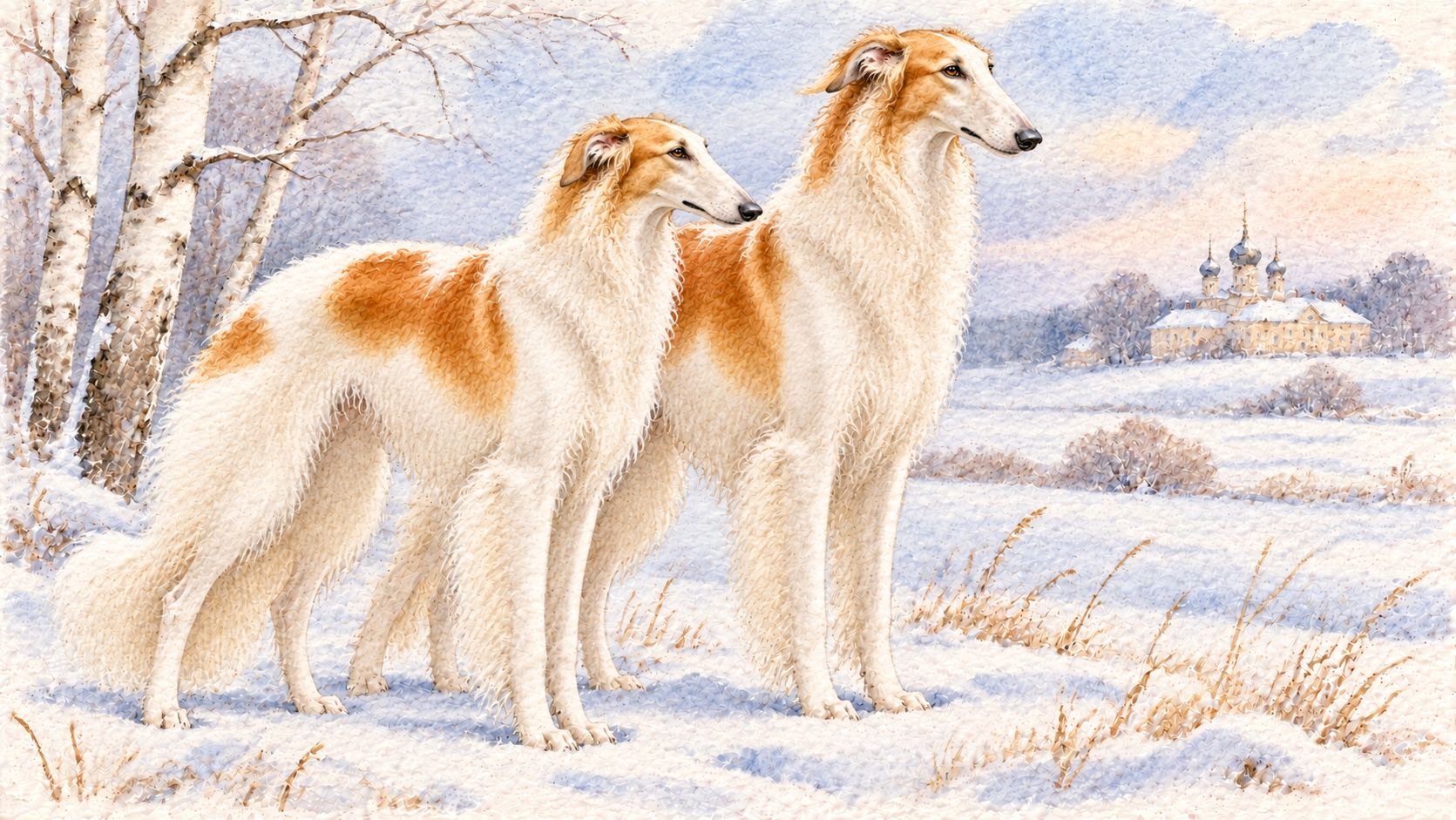
Russian noble families kept large kennels of these hounds and staged elaborate hunts. Hounds were often released in pairs or trios to chase a wolf across open fields, using their speed and courage to catch and hold it until the hunters arrived. One of the most famous kennels was Perchino, owned by Grand Duke Nicholas Nikolaevich.
In the late 1800s, the hounds were given as gifts to European royalty and soon reached Britain and the United States. The breed became a fashionable symbol of elegance and appeared in art and advertising of the era.
The Russian Revolution of 1917 brought hard times for the breed in its homeland, since it was closely linked to the old aristocracy. Fortunately, dedicated breeders abroad had already established strong lines, which helped the breed survive and thrive outside Russia.
The breed has also made its mark in popular culture. It appears in the Disney films Lady and the Tramp and 102 Dalmatians, and its graceful silhouette has long been a favorite of artists and designers.
Borzoi vs Greyhound
The Borzoi and the Greyhound are both fast, gentle sighthounds, but they look and feel quite different. The Greyhound has a short, smooth coat that needs very little grooming, while the Russian hound has a long, silky coat that needs regular brushing. It is also generally taller and was bred for colder climates, and many owners find it a little more independent and reserved than the typical Greyhound.
Is a Borzoi Right for You?
This hound could be a wonderful match if you:
- Want a calm, quiet and affectionate companion indoors
- Have a securely fenced yard or safe access to one
- Can provide daily walks and regular chances to run
- Enjoy brushing a long, beautiful coat
- Have patience for gentle, positive training
- Have space for a large dog to stretch out
This breed may not be the best fit if you:
- Have cats, rabbits or other small pets
- Want a dog that will reliably come when called off leash
- Need an alert, barking watchdog
- Have toddlers or a very busy, noisy household
- Live in a small apartment with no safe place to run
Finding a Borzoi Puppy
When looking for a puppy, choose a reputable breeder who health-tests their dogs, raises puppies in a home environment and is happy to answer your questions. Ask to meet the parents if possible. Breed clubs and sighthound rescue groups are also good places to look, as adults sometimes need new homes.
Fun Facts About the Borzoi
- The breed was known as the Russian Wolfhound in the United States until 1936.
- The name "Borzoi" comes from a Russian word usually translated as "fast" or "swift."
- The hounds were traditionally released in pairs or trios to chase wolves.
- Two Disney films, Lady and the Tramp and 102 Dalmatians, feature the breed.
- The breed was one of the earliest breeds recognized by the American Kennel Club, in 1891.
- Despite its size, this hound is often described as a quiet, catlike dog at home.
Frequently Asked Questions
What does "Borzoi" mean?
The name comes from Russian and is usually translated as "fast" or "swift." It reflects the breed's history as a speedy hunting hound.
How big do Borzois get?
Males stand at least 28 inches (71 cm) tall and typically weigh around 75 to 105 pounds (34 to 48 kg). Females stand at least 26 inches (66 cm) and are usually lighter.
Are Borzois good family dogs?
They can be gentle, affectionate family dogs, especially with adults and older children. Their size and strong prey drive mean they need supervision around small kids and small pets.
How long do Borzois live?
The average lifespan is about 9 to 14 years with good care, a healthy diet and regular veterinary checkups.
Do Borzois bark a lot?
They are generally quiet dogs and are not known for frequent barking. This makes them pleasant housemates, but they are not strong watchdogs.
Can Borzois be off leash?
Most should stay on leash or in a securely fenced area. Their instinct to chase moving animals is very strong, and they can quickly run far away at high speed.
Final Thoughts
The Borzoi is a rare blend of elegance, speed and gentle companionship. This graceful Russian sighthound is calm and loving at home, yet thrilling to watch in full flight. If you can offer a secure place to run, regular grooming and patient, kind training, this hound may become the most devoted and beautiful friend you have ever had.