
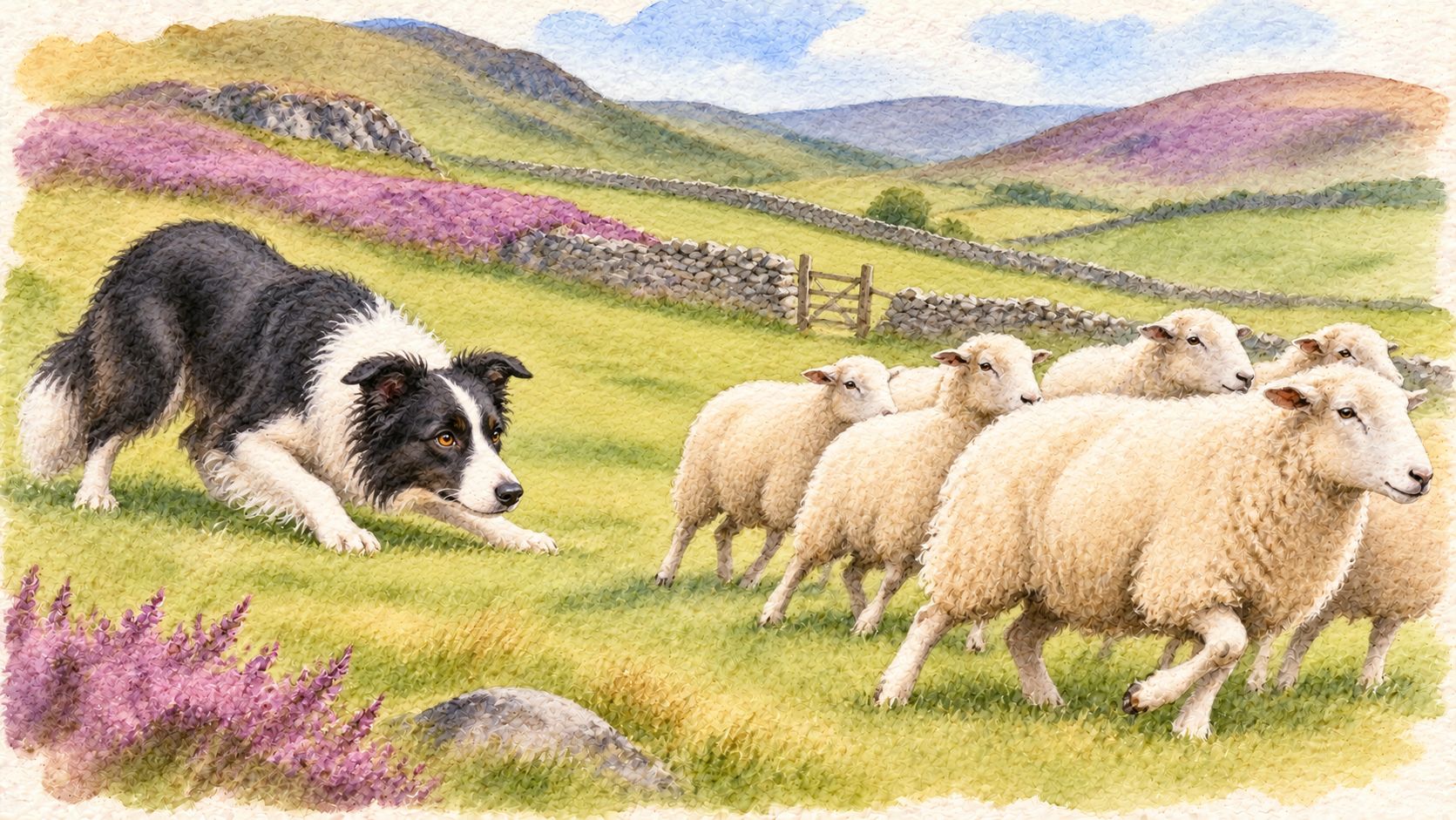
The Border Collie is often called the smartest dog in the world, and anyone who has watched one work a flock of sheep can see why. With its intense gaze, low crouch and lightning-fast reactions, this herding dog seems to read the minds of both livestock and people. It is a true athlete with a brain to match.
Bred in the hills along the border between Scotland and England, the breed was built for long days of hard work. In this complete Border Collie dog breed guide, you will learn about its size, temperament, training, exercise needs, grooming, health, diet and fascinating history, so you can decide whether this brilliant dog is the right fit for your home.
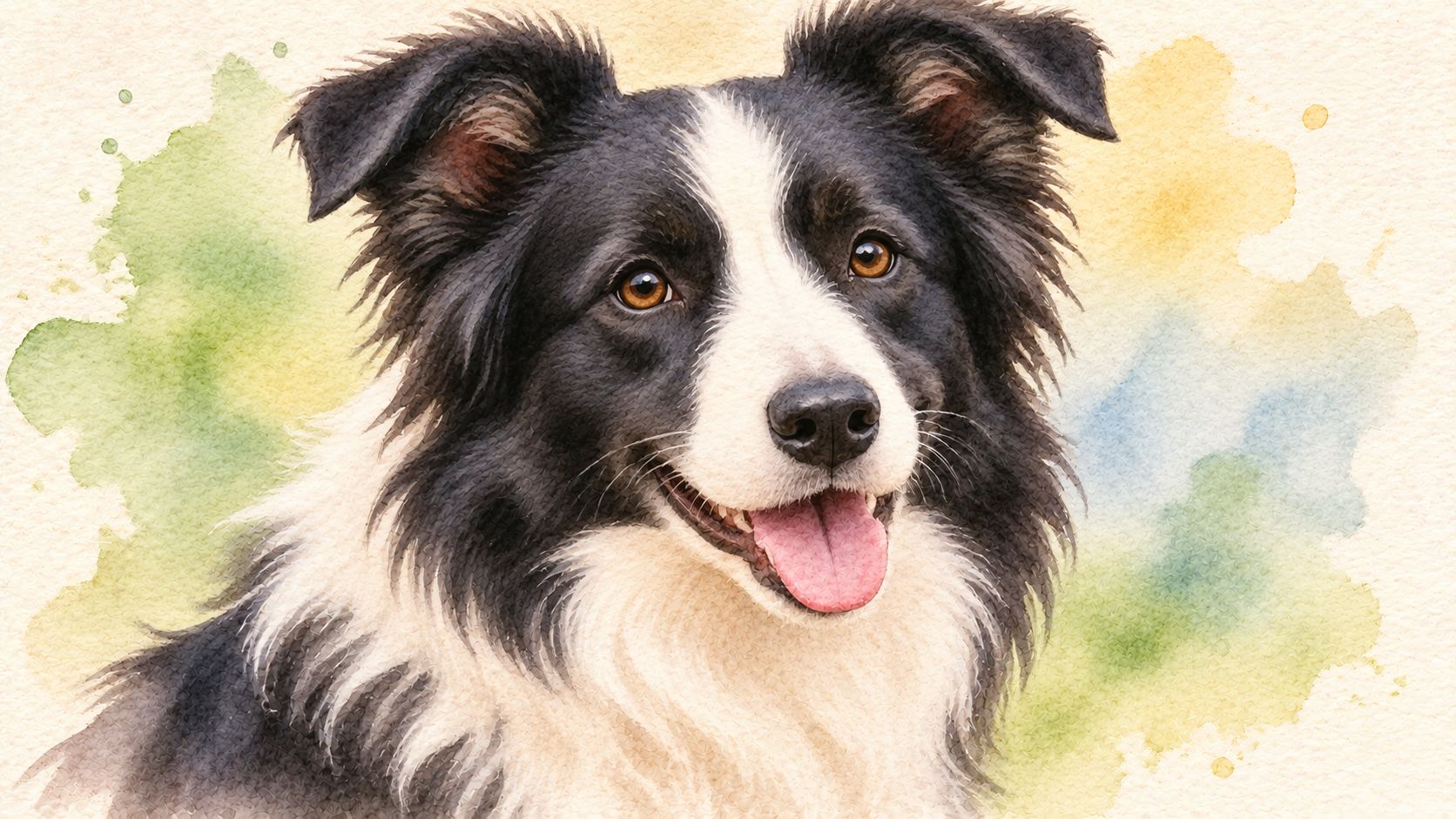
Border Collie at a Glance
| Trait | Details |
|---|---|
| Breed group | Herding (AKC) |
| Height | 18 to 22 inches (46 to 56 cm) |
| Weight | 27 to 45 pounds (12 to 20 kg) |
| Life expectancy | 12 to 15 years |
| Coat | Double coat; rough (medium, feathered) or smooth (short) |
| Colors | Black, blue, blue merle, red, red merle, sable, gold, brindle and more, often with white |
| Shedding | Moderate; seasonal |
| Energy level | High |
| Temperament | Intelligent, energetic, affectionate, focused, eager to work |
| Good for | Active owners, farms, homes with yards, dog sports |
| Origin | Anglo-Scottish border region (1800s) |
What Is a Border Collie?
This is a medium-sized herding dog developed in the border country of Scotland, England and Wales. Shepherds valued this dog above all for its working ability, not its looks. The dogs that could gather, move and pen sheep best were the ones chosen for breeding.
That focus on skill created a dog with remarkable intelligence and stamina. Today the breed still works on farms around the world, but it is also a star in dog sports and a loving companion for active families. The American Kennel Club places it in the Herding Group.
Border Collie Size and Appearance
How Big Do Border Collies Get?
They are medium-sized dogs. Males usually stand 19 to 22 inches (48 to 56 cm) tall at the shoulder and weigh about 30 to 45 pounds (14 to 20 kg). Females are a little smaller, at roughly 18 to 21 inches (46 to 53 cm) and 27 to 42 pounds (12 to 19 kg).
The Border Collie size is ideal for agile work. The body is lean, athletic and slightly longer than it is tall. The breed moves with a smooth, tireless trot and can switch to a burst of speed in a heartbeat.
The head is balanced, with alert ears that may stand up, fold over or sit somewhere in between. The eyes are the most striking feature. A working dog uses a steady, focused stare called "the eye" to control sheep without barking or biting.
Coat and Colors
This breed wears a dense, weather-resistant double coat that comes in two types:
- Rough coat: Medium length with feathering on the legs, chest and tail. This is the classic "fluffy" look many people picture.
- Smooth coat: Shorter and coarser, giving the dog a sleeker outline.
The breed comes in a wide range of colors. These include black, blue, blue merle, brindle, gold, lilac, red, red merle, sable, sable merle, seal and slate. Many dogs have white markings, tan points or white ticking. Black and white remains the most familiar pattern.
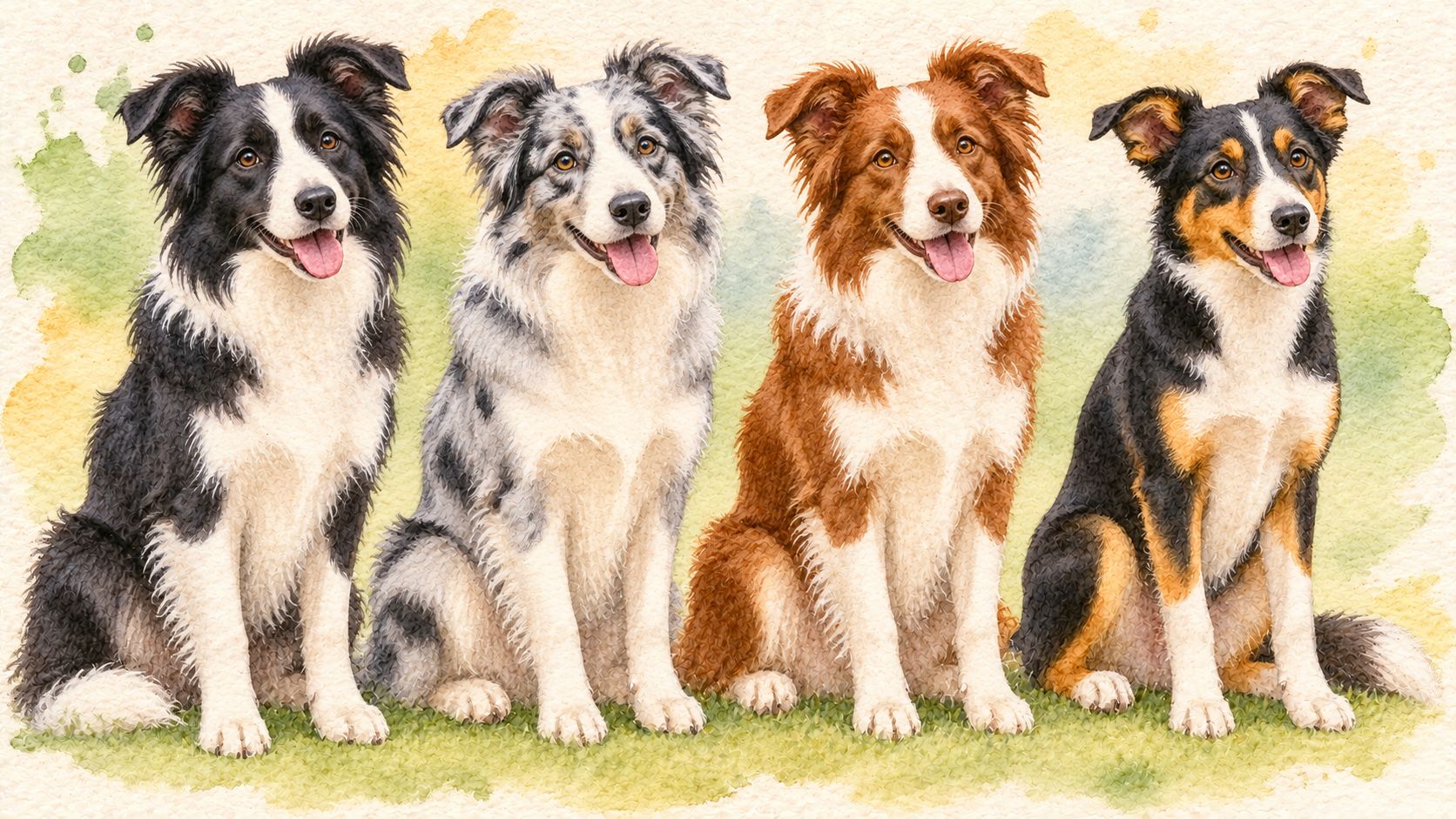
Border Collie Temperament and Personality
The Border Collie temperament is a blend of brains, drive and devotion. This breed is known for being:
- Highly intelligent: These dogs learn new commands quickly and love solving problems.
- Energetic: They have deep reserves of stamina and are happiest when they are busy.
- Focused: When working or playing, this dog can concentrate with laser-like intensity.
- Affectionate: After a hard day, many enjoy settling down for a cuddle with their favorite people.
- Eager to work: These dogs crave a job, whether that is herding sheep, chasing a flying disc or learning tricks.
That herding instinct runs deep. The dog may try to herd anything that moves, including other pets, bicycles and even children. Owners often notice crouching, circling, staring or gentle nipping at heels. Training can redirect this behavior into acceptable outlets.
A bored dog of this breed can become frustrated. Without enough mental and physical exercise, the breed may chew, dig, bark or invent its own "jobs" around the house.
Are Border Collies Good Family Dogs?
Yes, they can be wonderful family dogs for active households. They are loyal, playful and affectionate with their people, and they enjoy being included in family activities.
They do best with owners who can provide plenty of exercise, training and attention. A quiet household that wants a relaxed couch companion may find the breed overwhelming.
Are Border Collies Good With Kids and Other Pets?
They are usually gentle and playful with children, especially when raised with them. However, their urge to herd can lead them to chase or nip at running kids. Teach children to stay calm around the dog, and always supervise play with young children.
With other dogs and cats, they often get along well when introduced early. Some may try to herd household pets, so early socialization and training are important. Introducing your Border Collie puppy to many people, animals and places will help it grow into a confident adult.
Training a Border Collie
These dogs are among the easiest breeds to train. They pick up new cues quickly and genuinely enjoy learning. The flip side is that they can also learn bad habits just as fast, so consistency matters from day one.
Positive reinforcement works best. Praise, play and treats keep this breed motivated, while harsh corrections can make this sensitive breed anxious.
Here are a few training tips for owners:
- Start early. Begin socialization and basic manners as soon as your puppy comes home.
- Give the brain a workout. Teach new tricks, rotate puzzle toys and practice scent games to keep the mind busy.
- Channel the herding instinct. Redirect chasing and nipping with toys, fetch or structured herding lessons.
- Be consistent. Use the same cues and rules every time, since this clever dog notices everything.
- Try dog sports. This breed excels at herding trials, agility, obedience, rally, tracking, flyball and flying disc.
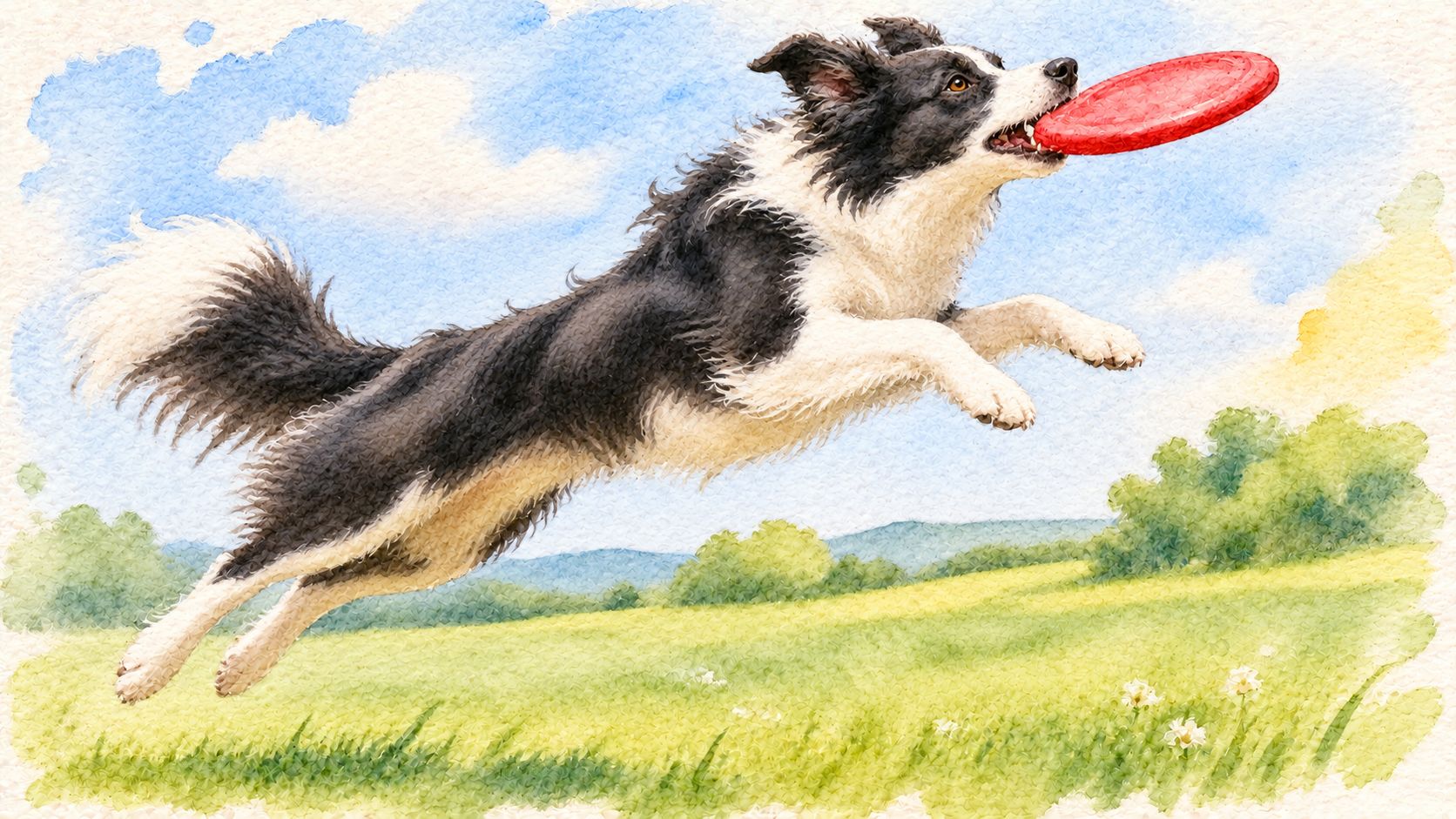
Border Collie Exercise Needs
How Much Exercise Does a Border Collie Need?
This breed needs a lot of exercise, much more than a quick walk around the block. Most adults thrive with at least one to two hours of vigorous activity each day, plus mental challenges.
Great outlets include running, hiking, long games of fetch, swimming and dog sports. Many owners find that a mix of physical exercise and brain games produces the calmest, happiest dog.
The breed is best suited to homes with a securely fenced yard and owners with an active lifestyle. Apartment living is possible, but only for dedicated owners who can provide plenty of daily exercise outside the home.
Border Collie Grooming
Do Border Collies Shed?
Yes, they shed. Both coat types shed moderately year-round and more heavily during seasonal shedding, usually in spring and fall. The breed is not considered hypoallergenic.
Grooming Routine
Border Collie grooming is fairly simple, but it should be regular:
- Brushing: Brush the coat once or twice a week to remove loose hair and prevent tangles. Increase brushing during heavy shedding seasons.
- Feathering care: Rough-coated dogs need extra attention behind the ears, on the legs and under the tail, where mats can form.
- Bathing: Bathe only as needed, such as after a muddy hike.
- Nails: Trim nails every few weeks if your dog does not wear them down naturally.
- Teeth: Brush your dog's teeth several times a week to support good dental health.
- Ears: Check ears weekly for dirt, redness or odor, especially after outdoor adventures.
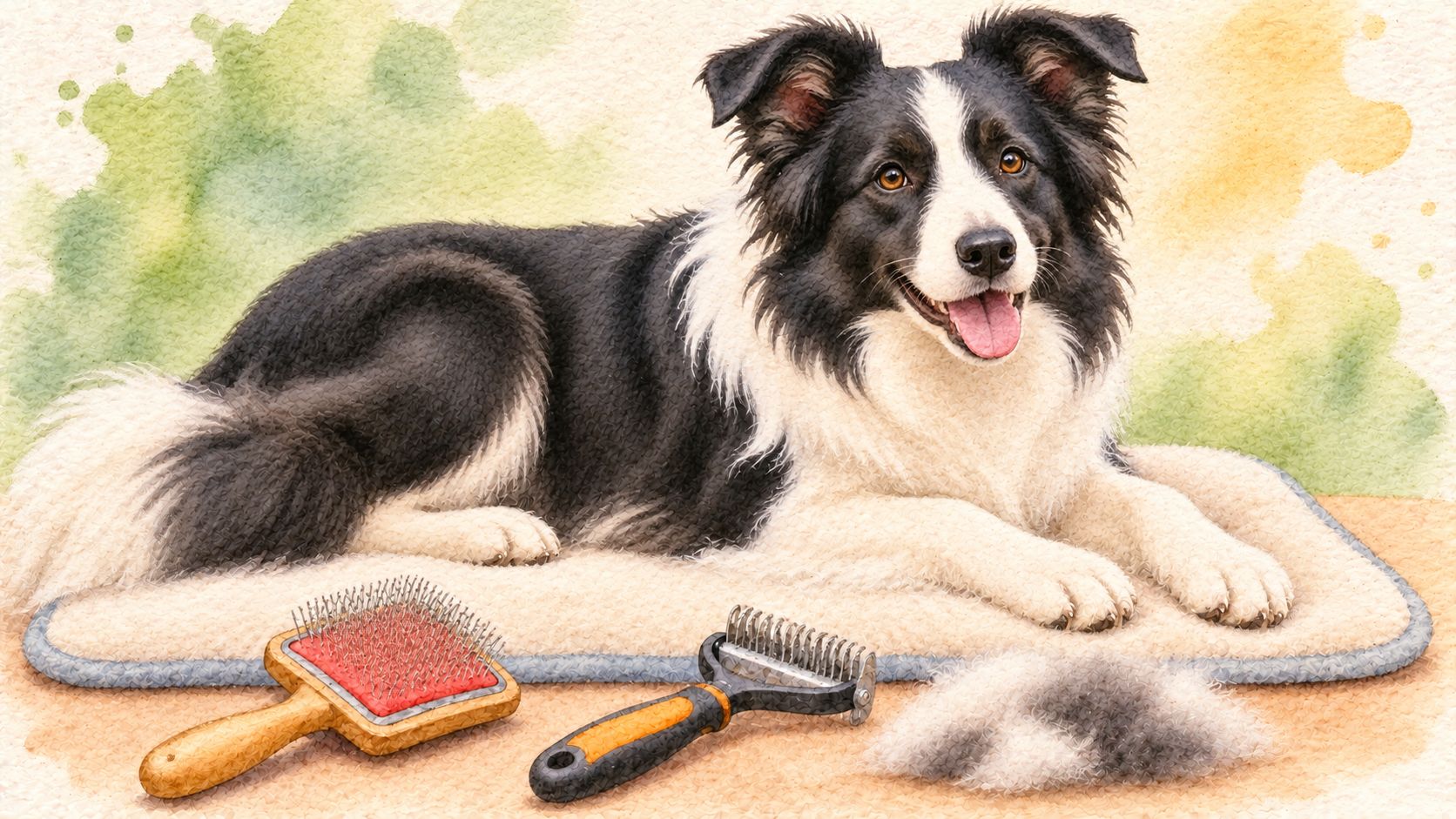
Border Collie Health and Lifespan
How Long Do Border Collies Live?
The average Border Collie lifespan is 12 to 15 years. The breed is generally hardy and healthy, but like all dogs it can be prone to certain conditions.
Responsible breeders screen for common concerns, which may include:
- Hip dysplasia: An abnormal formation of the hip joint.
- Collie eye anomaly: An inherited condition that affects the eye.
- Progressive retinal atrophy: A group of eye diseases that can affect vision over time.
- Epilepsy: A condition that can cause seizures.
- Deafness: Some dogs may be born with hearing loss.
- Inherited disorders: Breeders may also test for neuronal ceroid lipofuscinosis and trapped neutrophil syndrome.
Ask breeders about the health testing they perform on parent dogs. Always work with your veterinarian to set up regular checkups, vaccinations and preventive care.
Feeding and Nutrition
As an active working breed, this dog does best on a high-quality dog food that matches its energy level. Very active dogs, especially those involved in herding or dog sports, may benefit from a performance or sport formula.
Puppies should eat a food made for puppies to support healthy growth. Formulas with DHA can support brain and vision development. Portion sizes depend on your dog's age, weight and activity level, so follow the package guidelines and ask your veterinarian for advice. Keep treats to a small part of daily calories to maintain a lean, athletic body.
History of the Border Collie
The breed's roots stretch back many centuries. When the Romans conquered Britain, they brought livestock and herding dogs with them. Later, Viking raiders brought smaller, spitz-type herding dogs.
Over generations, crossing these dogs produced a compact, agile herder perfectly suited to the hilly, rocky highlands of Scotland and Wales. The word "collie" is a Scottish term for sheepdogs, and early versions of the breed were known as the "Scotch Sheep Dog."
The breed grew in popularity during the 19th century, helped along by Queen Victoria, who was a fan of collies. Sheepdog trials also helped shepherds show off their dogs' skills. A dog named Old Hemp, born in Northumberland in 1893, became one of the most influential foundation sires of the modern breed.
The breed's current name came into common use in the early 1900s, a nod to the border region where the breed was refined. The American Kennel Club officially recognized the Border Collie in 1995.
Border Collie vs Australian Shepherd
Both are smart, high-energy herding breeds, so they are often compared. Australian Shepherds are usually a bit larger and stockier, and many have a naturally short or docked tail. Border Collies tend to be leaner and use their famous intense stare when working. Both need plenty of exercise and mental stimulation, so either breed suits an active owner.
Is a Border Collie Right for You?
This breed could be a wonderful match if you:
- Enjoy an active, outdoor lifestyle
- Can provide at least one to two hours of exercise every day
- Love training and teaching new skills
- Have a securely fenced yard or access to safe open spaces
- Want a partner for hiking, running or dog sports
- Are happy to brush a shedding coat each week
It may not be the best fit if you:
- Are away from home for long hours most days
- Prefer a calm, low-energy dog
- Have little time for training and mental games
- Live in a small space without easy access to exercise areas
Finding a Border Collie Puppy
When looking for a puppy, choose a reputable breeder who health-tests parent dogs and raises puppies in a home environment. Ask about the parents' temperament and energy levels, since working lines can be especially driven. Breed rescue groups are also a great option, as adult Border Collies sometimes need new homes.
Fun Facts About the Border Collie
- "Collie" is a Scottish word for sheepdogs.
- The breed was first known as the "Scotch Sheep Dog."
- Queen Victoria helped make collies popular in the 19th century.
- One famous member of the breed, Chaser, learned the names of more than 1,000 toys.
- The sheepdogs Fly and Rex in the movie Babe are this breed.
- Working dogs control sheep with an intense stare known as "the eye."
Frequently Asked Questions
Are Border Collies the smartest dog breed?
They are widely considered one of the most intelligent dog breeds. They learn commands quickly, solve problems easily and excel in many dog sports.
How big do Border Collies get?
Adults usually stand 18 to 22 inches tall and weigh about 27 to 45 pounds, with males typically larger than females.
Do Border Collies shed a lot?
They shed moderately year-round and more during seasonal shedding. Brushing once or twice a week helps control loose hair.
Are Border Collies good family dogs?
They can be excellent family dogs for active households that offer lots of exercise and attention. Supervise them with young children, since they may try to herd them.
How long do Border Collies live?
The typical Border Collie lifespan is 12 to 15 years with good care, a healthy diet and regular veterinary checkups.
Can a Border Collie live in an apartment?
It is possible, but challenging. An apartment-dwelling dog needs a dedicated owner who provides plenty of daily exercise, training and mental stimulation outside the home.
Final Thoughts
The Border Collie is a brilliant, hardworking and affectionate dog that shines in the right home. Its intelligence, athleticism and loyalty have made it a legend on farms and in dog sports alike. If you can offer daily exercise, ongoing training and plenty of mental challenges, a Border Collie may become the most rewarding companion you have ever had.