
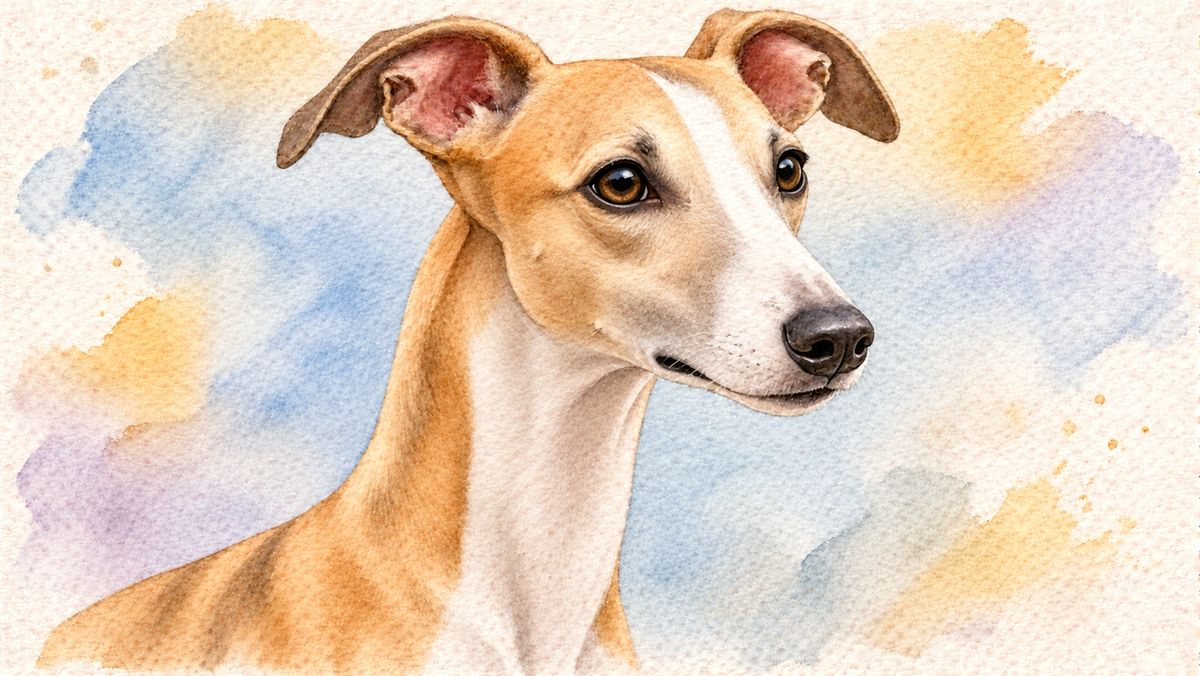
Sleek, graceful and lightning fast, the Whippet is a sighthound that looks like a Greyhound in miniature. On the racetrack or in the park, it can hit speeds of around 35 miles (56 km) per hour. At home, though, the Whippet is famous for doing the opposite: curling up on the softest sofa or bed it can find and snoozing the day away.
This combination of athletic talent and calm, gentle companionship makes the Whippet one of the most rewarding medium-sized breeds to live with. In this complete Whippet dog breed guide, you will learn about its size, temperament, exercise needs, grooming, health, diet and fascinating history, so you can decide whether this elegant speedster is right for you.
Whippet at a Glance
| Trait | Details |
|---|---|
| Breed group | Hound (AKC) |
| Height | 19 to 22 inches (48 to 56 cm) for males; 18 to 21 inches (46 to 53 cm) for females |
| Weight | 25 to 40 pounds (11 to 18 kg) |
| Life expectancy | 12 to 15 years |
| Coat | Short, smooth, close-fitting |
| Colors | Any color or pattern, including black, white, red, fawn, blue and brindle |
| Shedding | Low to moderate |
| Energy level | Moderate; bursts of high speed |
| Temperament | Gentle, friendly, affectionate, calm, playful |
| Good for | Families, couples, seniors, apartment living with daily exercise |
| Origin | England (1800s) |
What Is a Whippet?
The Whippet is a medium-sized sighthound that was developed in England for racing and hunting rabbits. Sighthounds hunt mainly by sight rather than scent, spotting movement from a distance and then chasing it down with incredible speed.
Today the Whippet is a member of the American Kennel Club's Hound Group. It is often called the "poor man's racehorse" because of its working-class roots in racing. Modern Whippets compete in lure coursing, racing, agility and conformation, but most live happily as gentle, affectionate family pets.
Whippet Size and Appearance
How Big Do Whippets Get?
Whippets are medium-sized dogs. Males usually stand 19 to 22 inches tall at the shoulder and females 18 to 21 inches, with most adults weighing between 25 and 40 pounds.
The Whippet size and shape are built for speed. These dogs have a long, lean neck, a deep chest, a tucked-up waist and long, muscular legs. The back has a graceful arch over the loin, and the long, thin tail helps with balance when running and turning.
The head is long and narrow with a lean muzzle, bright alert eyes and small "rose" ears that fold back against the head when relaxed. Many people new to the breed think a healthy Whippet looks too skinny. In fact, a lean outline, with a faint view of the hip bones or spine, is normal for this athletic dog.
Coat and Colors
The Whippet coat is short, smooth and close to the body. It is fine in texture and shows off the dog's elegant, muscular outline.
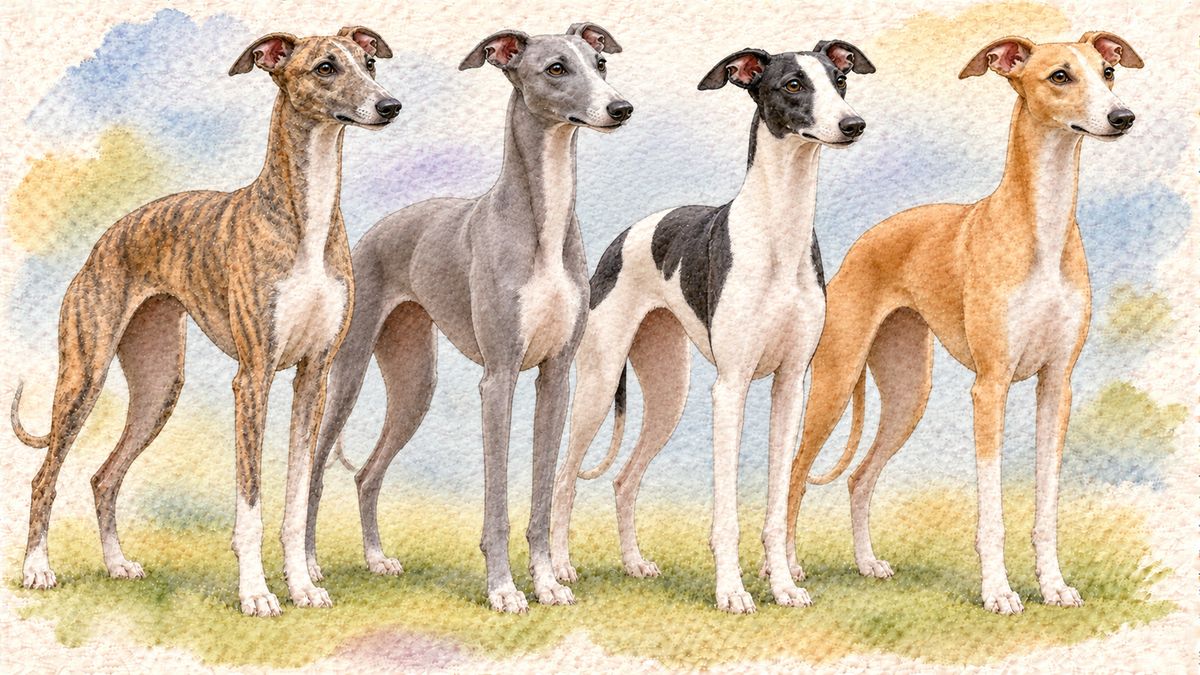
Whippets come in almost any color or pattern. Common colors include black, white, red, fawn, blue and brindle, either solid or combined with white markings. This wide variety means no two Whippets look quite the same.
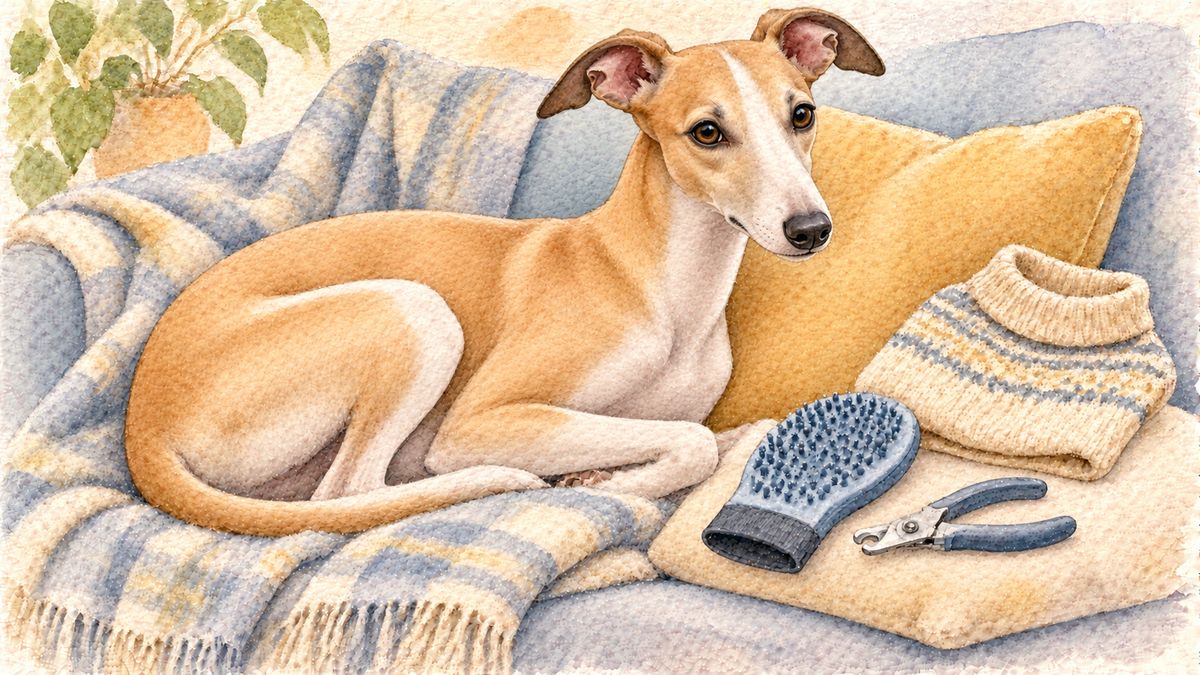
Because the coat is so thin and the dog carries very little body fat, Whippets get cold easily. Many owners keep a sweater or coat on hand for chilly walks.
Whippet Temperament and Personality
The Whippet temperament is one of the breed's best features. These dogs are known for being:
- Gentle: Whippets are soft, kind dogs that rarely show aggression toward people.
- Affectionate: They love their families and enjoy snuggling close, often under a blanket.
- Calm at home: Indoors, Whippets are usually quiet, relaxed and dignified.
- Playful and athletic: Outdoors, they come alive with bursts of speed and joyful zoomies.
- Sensitive: Whippets respond best to a calm, kind approach and can be upset by harsh handling.
Whippets are generally not big barkers, which makes them pleasant neighbors. They are friendly with people but not usually strong watchdogs. Their sensitive nature means they thrive in a peaceful, loving home where they feel safe and secure.
Are Whippets Good Family Dogs?
Yes, Whippets are usually excellent family dogs. They are gentle, affectionate and patient, and many enjoy playing with respectful children.
Because Whippets are lean and have thin skin, they can be injured by rough play. Teach children to handle the dog gently and supervise interactions with very young kids.
Are Whippets Good With Other Pets?
Whippets usually get along very well with other dogs and often enjoy having a canine companion. Their strong prey drive is the main concern. A Whippet may chase cats, squirrels, rabbits and other small animals. Some Whippets can live peacefully with a cat they were raised with, but small pets like rabbits and guinea pigs may always be a temptation.
Early socialization helps your Whippet puppy grow into a confident, well-adjusted adult that is comfortable with different people, pets and environments.
Training a Whippet
Whippets are intelligent and willing, but they can be a bit independent, as many sighthounds are. They respond best to gentle, positive training with plenty of praise, treats and play. Harsh corrections can make this sensitive breed anxious or withdrawn.
Here are a few training tips for Whippet owners:
- Start early. Begin training and socialization as soon as your puppy comes home.
- Keep it short and fun. Brief, upbeat sessions hold a Whippet's attention better than long drills.
- Practice recall carefully. Even a well-trained Whippet may bolt after a moving animal, so only let it off leash in securely fenced areas.
- Be gentle with house-training. Use a consistent routine and reward success. Some Whippets dislike going outside in cold or rainy weather.
- Try dog sports. Lure coursing, racing, agility and flying disc are great outlets for a Whippet's speed and athleticism.
Whippet Exercise Needs
The Whippet has a moderate energy level. It needs regular daily exercise, such as one or two good walks plus a chance to run at full speed in a safe, fenced area a few times a week.
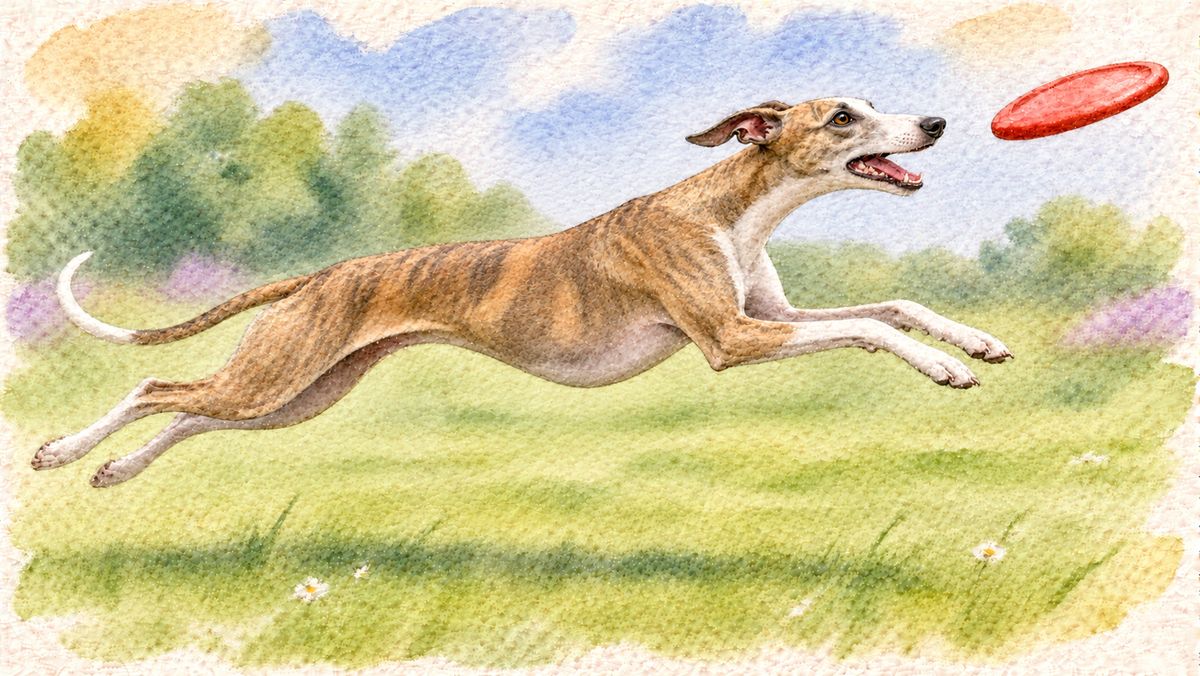
Whippets love to sprint, and watching one run is a real treat. The breed has a special "double-suspension" gallop, typical of sighthounds, in which all four feet leave the ground twice during each stride. After a good run, most Whippets are happy to relax for hours.
Can Whippets Live in Apartments?
Yes, Whippets can adapt well to apartment living as long as they get regular walks and safe opportunities to run. They are quiet and calm indoors, which makes them good apartment dogs.
Always use a leash when walking near traffic or open spaces. A Whippet that spots a squirrel or rabbit can be gone in seconds, and its speed makes it very hard to catch.
Whippet Grooming
Do Whippets Shed?
Whippets do shed, but only lightly. Their short, fine coat sheds a small amount of hair that is easy to manage with regular brushing.
Whippet grooming is simple, which is one reason many owners love the breed. Whippets also have very little "doggy" odor.
Grooming Routine
- Brushing: Brush the coat once a week with a soft brush or rubber grooming mitt to remove loose hair and keep it shiny.
- Bathing: Give an occasional bath when your dog gets dirty. Many Whippets rarely need one.
- Nails: Trim nails every few weeks, as long nails can affect the feet and gait.
- Teeth: Brush your dog's teeth several times a week to support good dental health.
- Ears: Check the ears weekly for dirt or redness.
- Skin care: Whippets have thin skin that can nick or scrape easily, so check for small cuts after active play.
Whippet Health and Lifespan
The Whippet lifespan is 12 to 15 years, and the breed is generally healthy. Like all dogs, however, it can be prone to certain conditions. Responsible breeders screen their dogs for concerns that may include:
- Heart conditions: Heart screening is recommended for breeding dogs.
- Eye conditions: Regular eye exams help catch inherited problems early.
- Deafness: Some Whippets may be affected, so hearing tests are often done in puppies.
- Injuries: Thin skin and high-speed running can lead to cuts, scrapes and muscle strains.
Like many sighthounds, Whippets have very little body fat, which can make them more sensitive to certain anesthetic drugs. It is a good idea to choose a veterinarian who is familiar with sighthounds.
Keeping a Whippet lean is especially important. Extra weight puts strain on its light frame and joints. Always work with your veterinarian to set up a routine of checkups, vaccinations and preventive care.
Feeding and Nutrition
Adult Whippets generally do well on a high-quality adult dog food that suits their age and activity level. Because a healthy Whippet should be lean, it is important not to overfeed just because the dog looks thin.
Puppies should eat a food formulated for puppies during their first year to support healthy growth and development. If your Whippet starts to put on extra pounds, a healthy weight formula may help. Portion sizes depend on age, weight and activity level, so follow the package guidelines and ask your veterinarian for advice. Keep treats to a small part of daily calories.
History of the Whippet
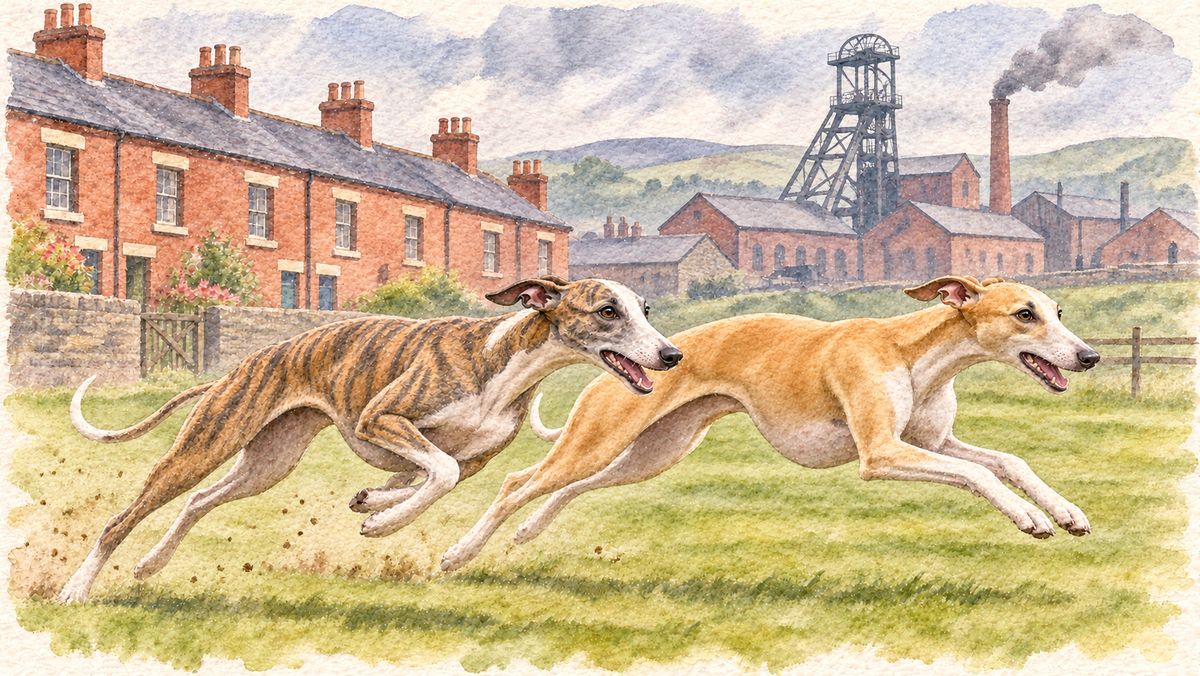
The Whippet was developed in Victorian England, mainly in the north of the country. Coal miners and other working-class families wanted a fast dog that could race and hunt rabbits, but Greyhounds were too large and expensive to keep. By breeding smaller Greyhound-type dogs, possibly with terriers and other breeds, they created a compact sprinter that was affordable to feed and house.
Whippet racing became a popular weekend pastime in these working towns. Dogs raced down straight tracks toward their owners, who waved rags or towels to urge them on. This tradition earned the Whippet its nickname, the "poor man's racehorse." The dogs also helped put food on the table by catching rabbits.
The American Kennel Club registered the Whippet in 1888. In the early 20th century, textile workers from Lancashire brought their Whippets to New England, where Whippet racing became a lively sport, particularly in Massachusetts.
The breed has also made its mark on popular culture. In 1974, a Whippet named Ashley Whippet and his 19-year-old owner, Alex Stein, ran onto the field at Dodger Stadium during a baseball game and performed amazing flying disc catches. The stunt helped spark the flying disc dog craze that continues today.
Whippet vs Greyhound
The Whippet and the Greyhound look very similar, and the Whippet was developed from Greyhound-type dogs. The main difference is size. Greyhounds are much larger, standing around 27 to 30 inches tall and weighing 60 to 70 pounds or more, while Whippets are about 18 to 22 inches tall and weigh 25 to 40 pounds. Greyhounds have a slightly higher top speed, but Whippets are known for very quick acceleration and agility.
Is a Whippet Right for You?
A Whippet could be a wonderful match if you:
- Want a gentle, affectionate and quiet companion
- Can provide daily walks and safe places to run
- Live in an apartment or a home with a fenced yard
- Prefer a low-maintenance coat
- Enjoy a dog that loves to cuddle on the couch
- Are interested in dog sports like lure coursing or racing
A Whippet may not be the best fit if you:
- Keep small pets such as rabbits, guinea pigs or rats
- Want a dog you can trust off leash in open areas
- Need a protective watchdog
- Live in a very cold climate and don't want to use dog coats
Finding a Whippet Puppy
When looking for a Whippet puppy, choose a reputable breeder who health-tests the parent dogs, raises puppies in a home environment and is happy to answer your questions. Ask to meet the parents to get a sense of temperament. Breed clubs and sighthound rescue groups are also excellent places to find adult Whippets looking for loving homes.
Fun Facts About the Whippet
- Whippets can reach speeds of around 35 miles per hour.
- The breed is nicknamed the "poor man's racehorse."
- Whippets have a "double-suspension" gallop, with all four feet off the ground twice per stride.
- Ashley Whippet helped launch the flying disc dog craze in 1974.
- The American Kennel Club registered the Whippet in 1888.
- Whippets come in almost any color or pattern.
Frequently Asked Questions
How fast can a Whippet run?
Whippets can reach speeds of around 35 miles per hour, making them one of the fastest dog breeds for their size.
How big do Whippets get?
Male Whippets stand 19 to 22 inches tall and females 18 to 21 inches. Most adults weigh between 25 and 40 pounds.
Are Whippets good family dogs?
Yes. Whippets are gentle, affectionate and calm at home, and they usually do well with respectful children.
How long do Whippets live?
The average Whippet lifespan is 12 to 15 years with good care, a healthy diet and regular veterinary checkups.
Do Whippets shed?
Whippets shed lightly. Their short, smooth coat needs only weekly brushing and an occasional bath.
Why does my Whippet look so skinny?
A healthy Whippet is naturally lean, and a faint outline of the hip bones or spine is normal. Ask your veterinarian if you are unsure about your dog's weight.
Final Thoughts
The Whippet is a rare blend of speed, grace and gentle companionship. This sleek sighthound loves a good sprint outdoors and a cozy cuddle indoors, making it a wonderful fit for many families, couples and apartment dwellers. If you can provide daily walks, safe places to run and a warm spot on the sofa, a Whippet will be a loving friend for many years.