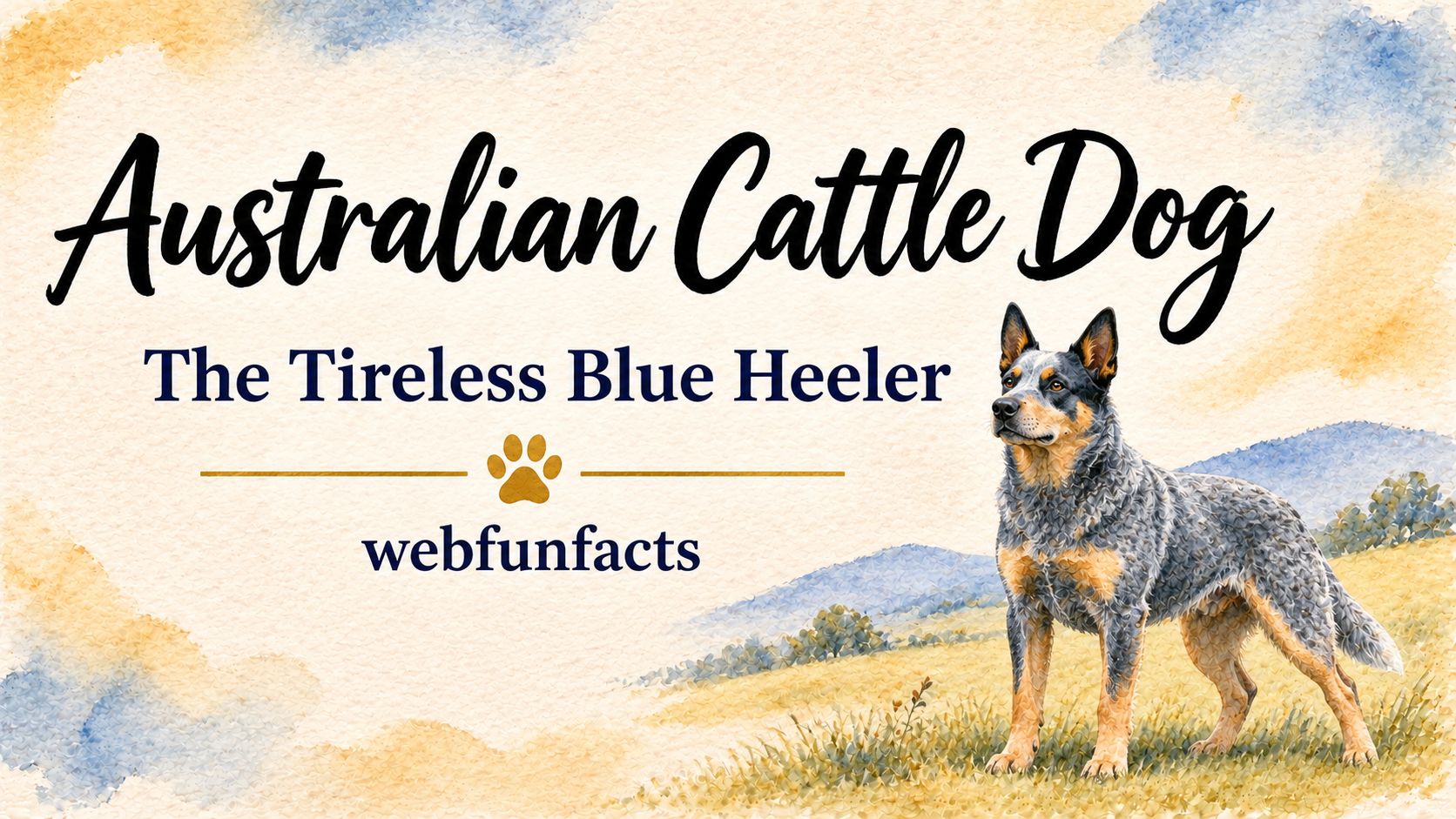
The Australian Cattle Dog is a tough, clever and endlessly energetic herding breed built to move stubborn cattle across the vast Australian outback. Many people know it better as the Blue Heeler or Red Heeler, names that point to its speckled coat and its habit of nipping at the heels of livestock to keep them moving.
This is a dog with stamina to spare and a brain that is always working. In this complete breed guide, you will learn about its size, temperament, training, exercise needs, grooming, health, diet and remarkable history, so you can decide whether this hardworking companion is the right match for your lifestyle.
Australian Cattle Dog at a Glance
| Trait | Details |
|---|---|
| Breed group | Herding (AKC) |
| Height | Males 18 to 20 inches (46 to 51 cm); females 17 to 19 inches (43 to 48 cm) |
| Weight | 35 to 45 pounds (16 to 20 kg) |
| Life expectancy | About 12 to 16 years |
| Coat | Short, smooth, dense double coat |
| Colors | Blue (speckled or mottled), red speckle |
| Shedding | Moderate; heavier seasonal sheds |
| Energy level | High |
| Temperament | Intelligent, loyal, alert, determined, protective |
| Good for | Active owners, rural homes, dog sports |
| Origin | Australia (1800s) |
What Is an Australian Cattle Dog?
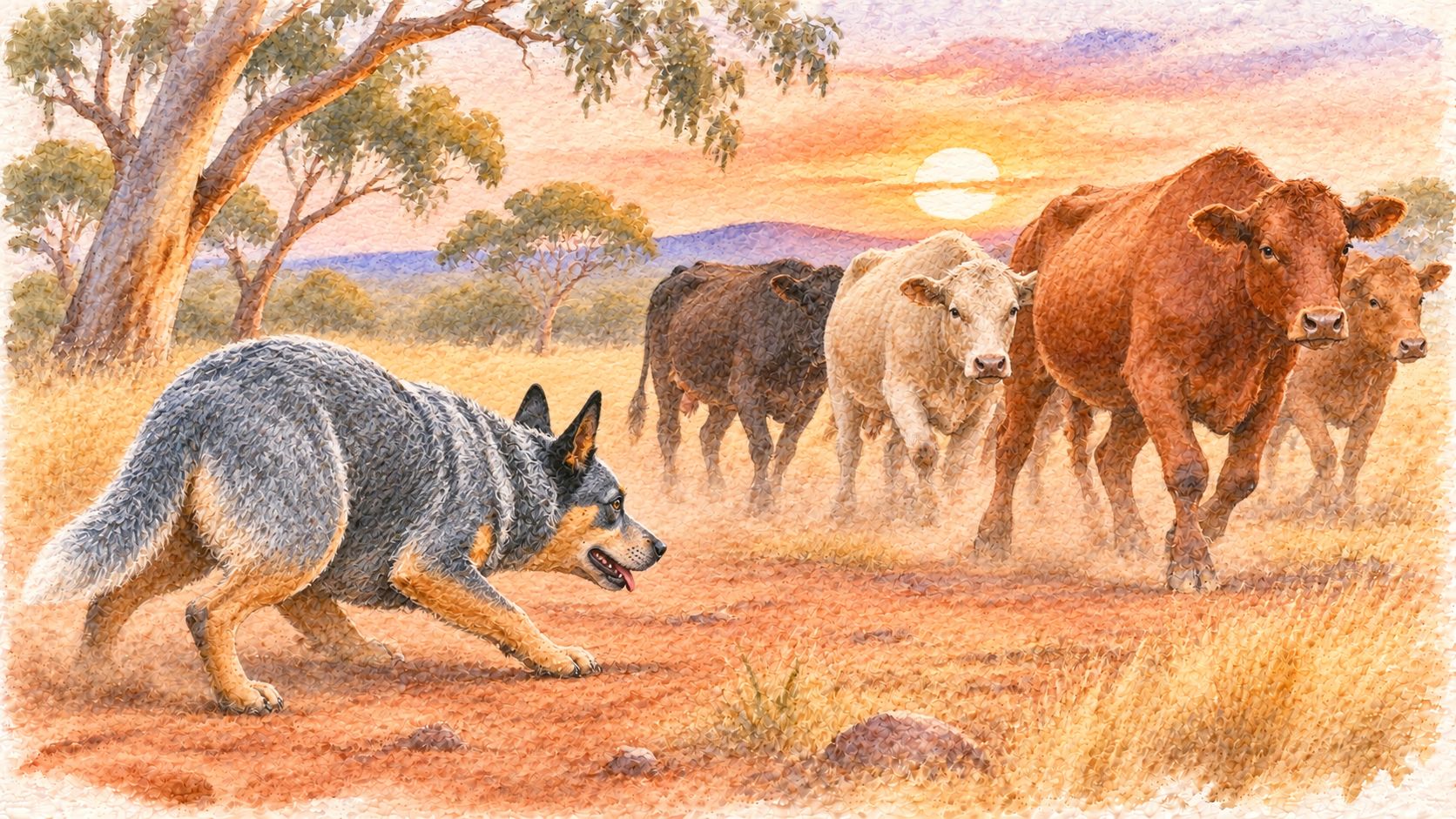
The Australian Cattle Dog is a medium-sized herding breed developed in Australia during the 1800s. Its job was to drive half-wild cattle over long distances in harsh heat and rough terrain. To do that, it needed endurance, courage and the ability to think for itself far from its handler.
That working heritage still shapes the breed today. This dog is happiest when it has a purpose, whether that is herding, running alongside a bike, learning new tricks or competing in agility. The American Kennel Club places the breed in its Herding Group, and it is regularly ranked among the most intelligent dog breeds.
Australian Cattle Dog Size and Appearance
How Big Do Australian Cattle Dogs Get?
These are medium-sized dogs. Males usually stand 18 to 20 inches (46 to 51 cm) tall at the shoulder, while females stand about 17 to 19 inches (43 to 48 cm). Most adults weigh between 35 and 45 pounds (16 to 20 kg).
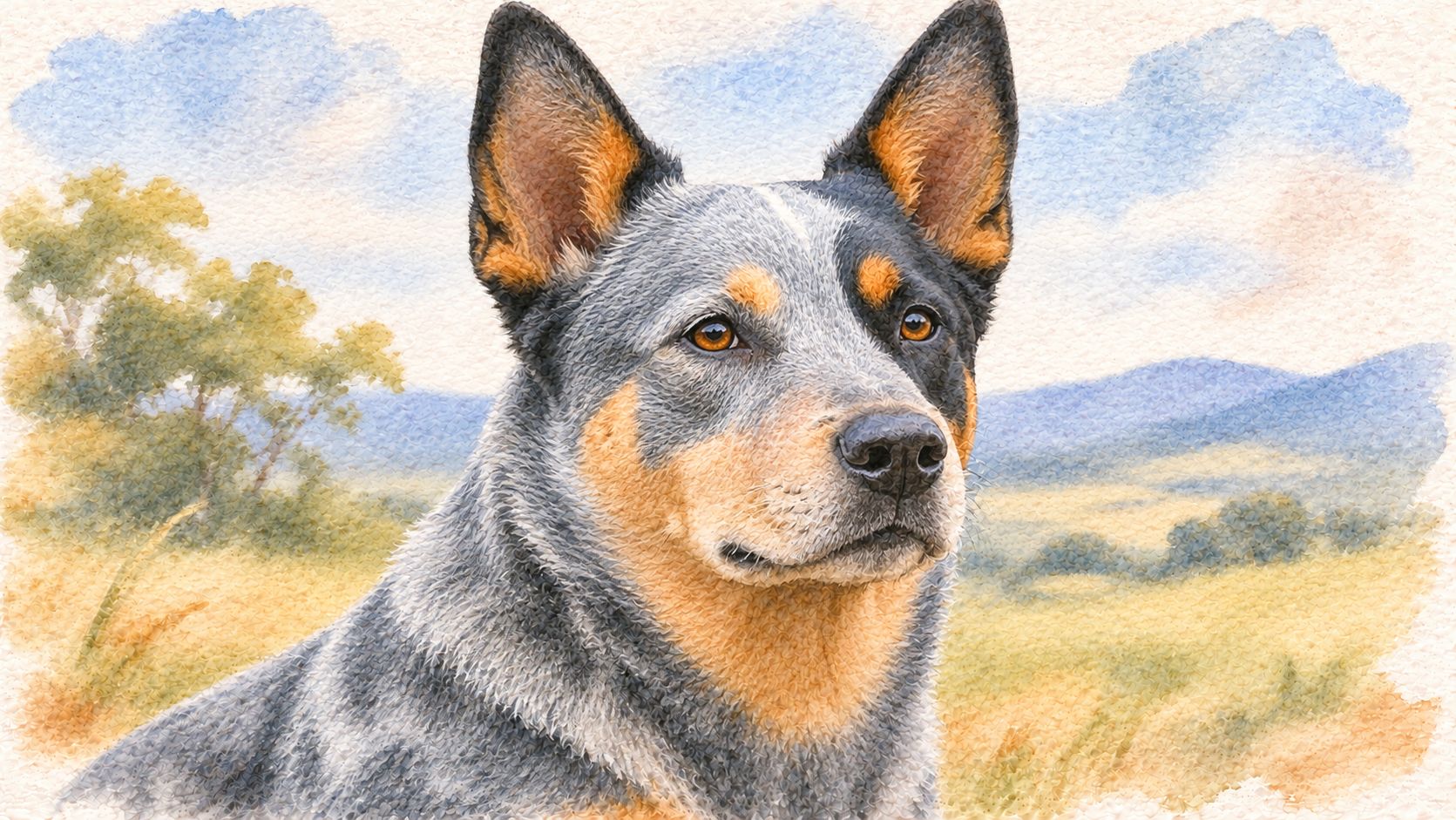
The breed is compact, muscular and slightly longer than it is tall. It has a broad head, a medium-length muzzle, alert pricked ears and dark oval eyes that give it a sharp, watchful expression. Everything about its build suggests agility and power rather than bulk.
Coat and Colors
The Australian Cattle Dog has a short, smooth outer coat over a dense undercoat. This weather-resistant combination protected working dogs from sun, rain and dust on long cattle drives.
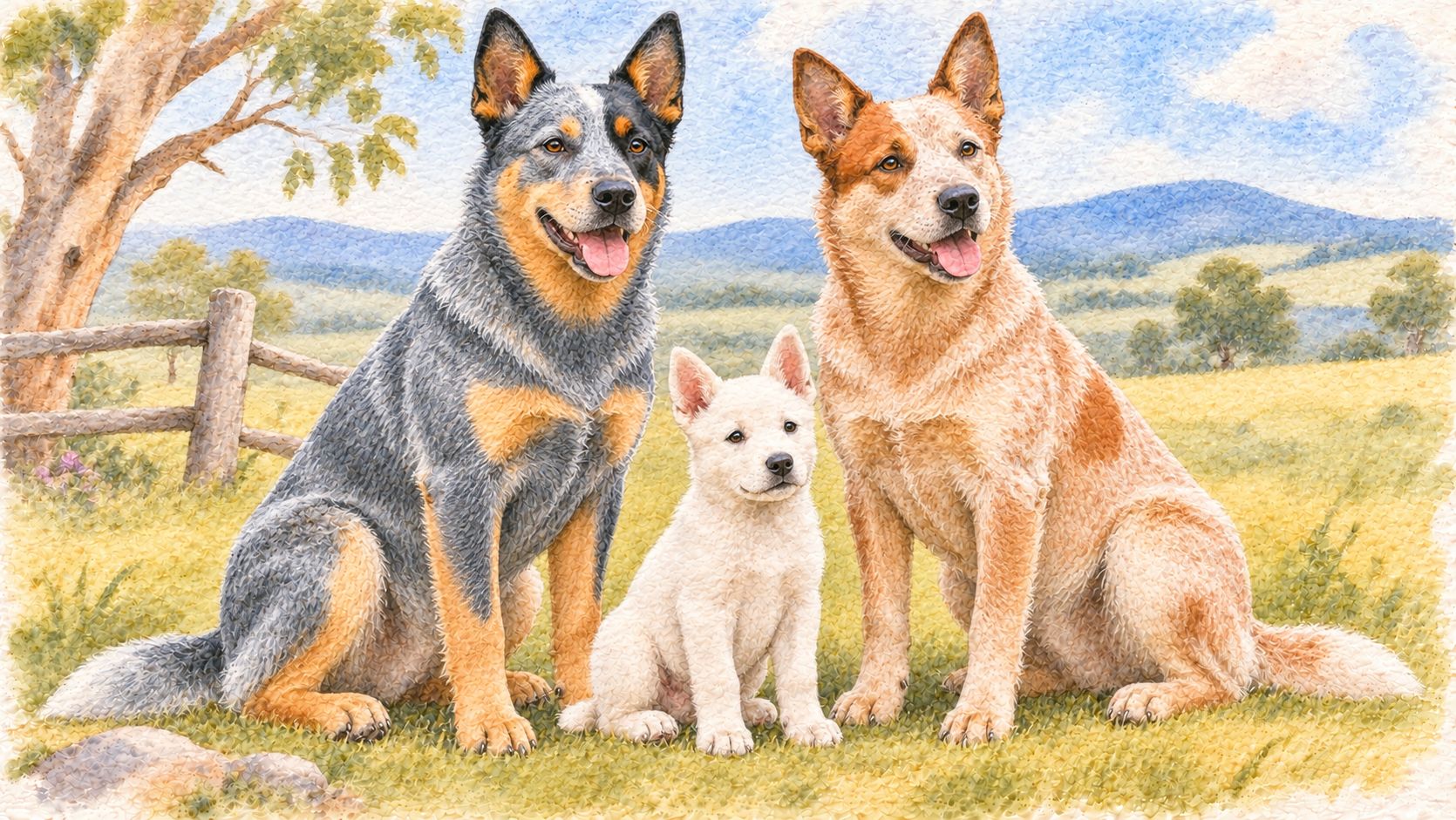
There are two main color families. Blue dogs may be speckled or mottled and often carry black, tan or white markings, while red dogs have an even red speckle across the body, sometimes with darker red patches. Many dogs have a dark "mask" over one or both eyes, and some show a small white patch on the forehead known as the "Bentley mark."
One of the most surprising facts about the breed is that puppies are born completely white. The blue or red coloring appears gradually over the first few weeks of life.
Australian Cattle Dog Temperament and Personality
The Australian Cattle Dog temperament reflects generations of hard work. This breed is known for being:
- Intelligent: Heelers learn quickly and love solving problems, which makes them excellent working and sport dogs.
- Loyal: They bond closely with their family and often attach strongly to one favorite person.
- Determined: Once a Heeler sets its mind on a task, it rarely gives up.
- Alert and protective: They keep a close eye on their home and people, making them dependable watchdogs.
- Energetic: This is a high-energy breed that needs plenty of activity every single day.
- Reserved with strangers: Many are polite but cautious with new people until they get to know them.
Because the breed was created to control livestock, some dogs try to herd children, other pets or even cars by circling or nipping at heels. Training can redirect this instinct into acceptable outlets.
Are Australian Cattle Dogs Good With Kids and Other Pets?
Yes, they can be good with kids when they are raised with them and well socialized. They are sturdy and playful, but their herding instinct can lead to nipping at running children, so supervision and clear rules are important.
With other dogs, results vary. Many Heelers get along well with dogs they grow up with, while some can be bossy with unfamiliar dogs. Their chase instinct may make small pets such as cats or rabbits a challenge unless introductions happen early and carefully.
Early socialization is essential. Introduce your puppy to many people, places, sounds and animals so it grows into a confident and well-mannered adult.
Training an Australian Cattle Dog
This breed is extremely smart, which is both a blessing and a challenge. It picks up new skills fast, but it can also become bored or test boundaries if training feels repetitive. Calm, confident leadership and consistent rules help this breed thrive.
Here are a few training tips for new owners:
- Start early. Begin basic obedience and socialization as soon as your puppy comes home.
- Use positive reinforcement. Praise, play and treats motivate this breed far better than harsh corrections.
- Keep it interesting. Mix up exercises and add new challenges to hold your dog's attention.
- Redirect nipping. Teach a reliable "leave it" and offer toys to channel the urge to herd.
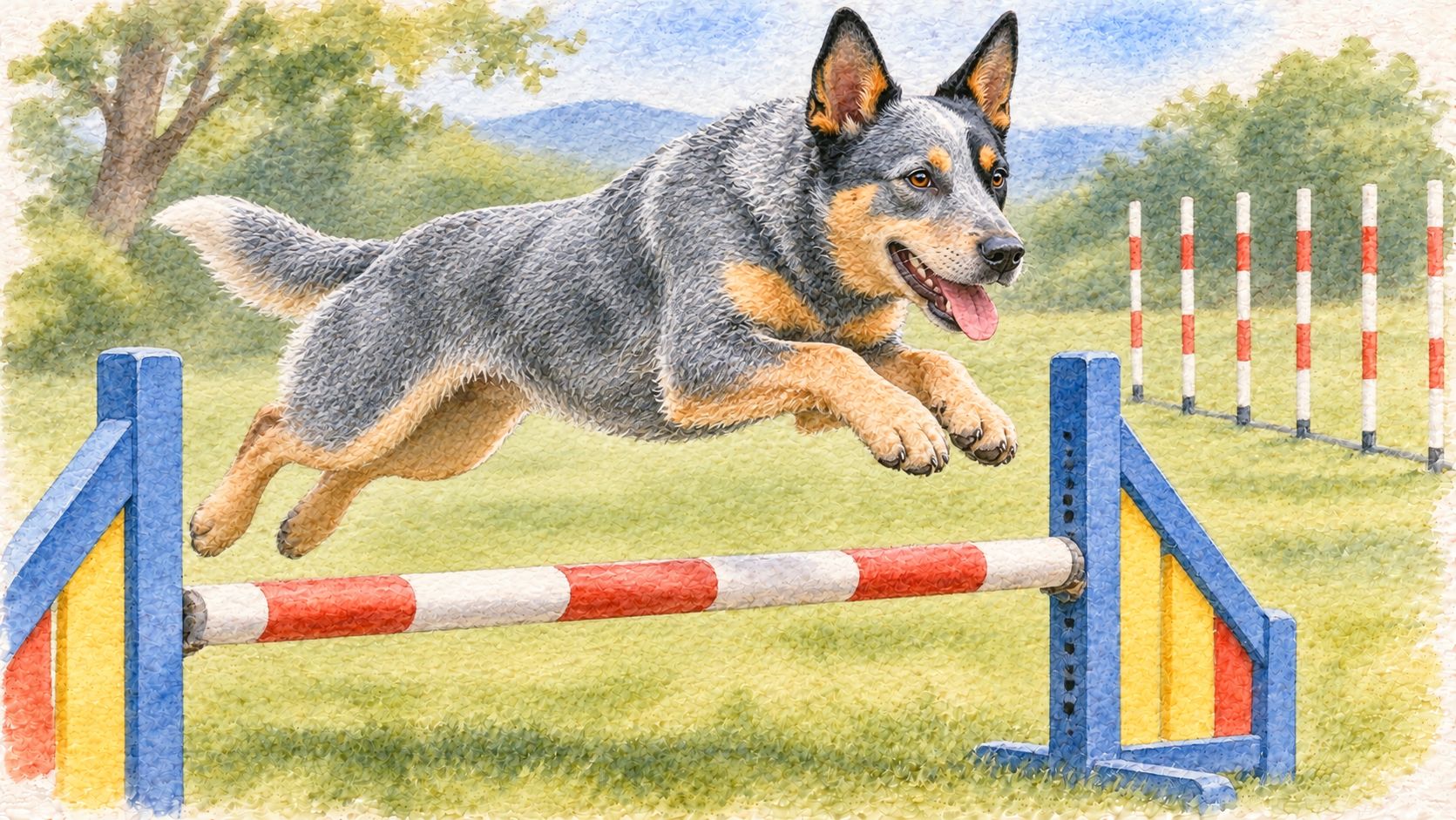
- Give it a job. Agility, herding trials, obedience, rally obedience and tracking are all activities the breed excels at.
Exercise Needs
The Australian Cattle Dog has very high exercise needs. Most adults need at least an hour or more of vigorous activity every day, plus mental challenges such as training games or puzzle toys.
This breed does best in homes with large, open spaces and owners who enjoy the outdoors. Running, hiking, fetch, herding and dog sports are all great outlets. An under-exercised Heeler may become restless and invent its own entertainment, such as chewing, digging or barking.
Because of its energy level, the breed is generally not ideal for apartment living unless the owner is very committed to daily exercise. A securely fenced yard is a big plus, as these dogs are quick and may chase moving objects.
Australian Cattle Dog Grooming
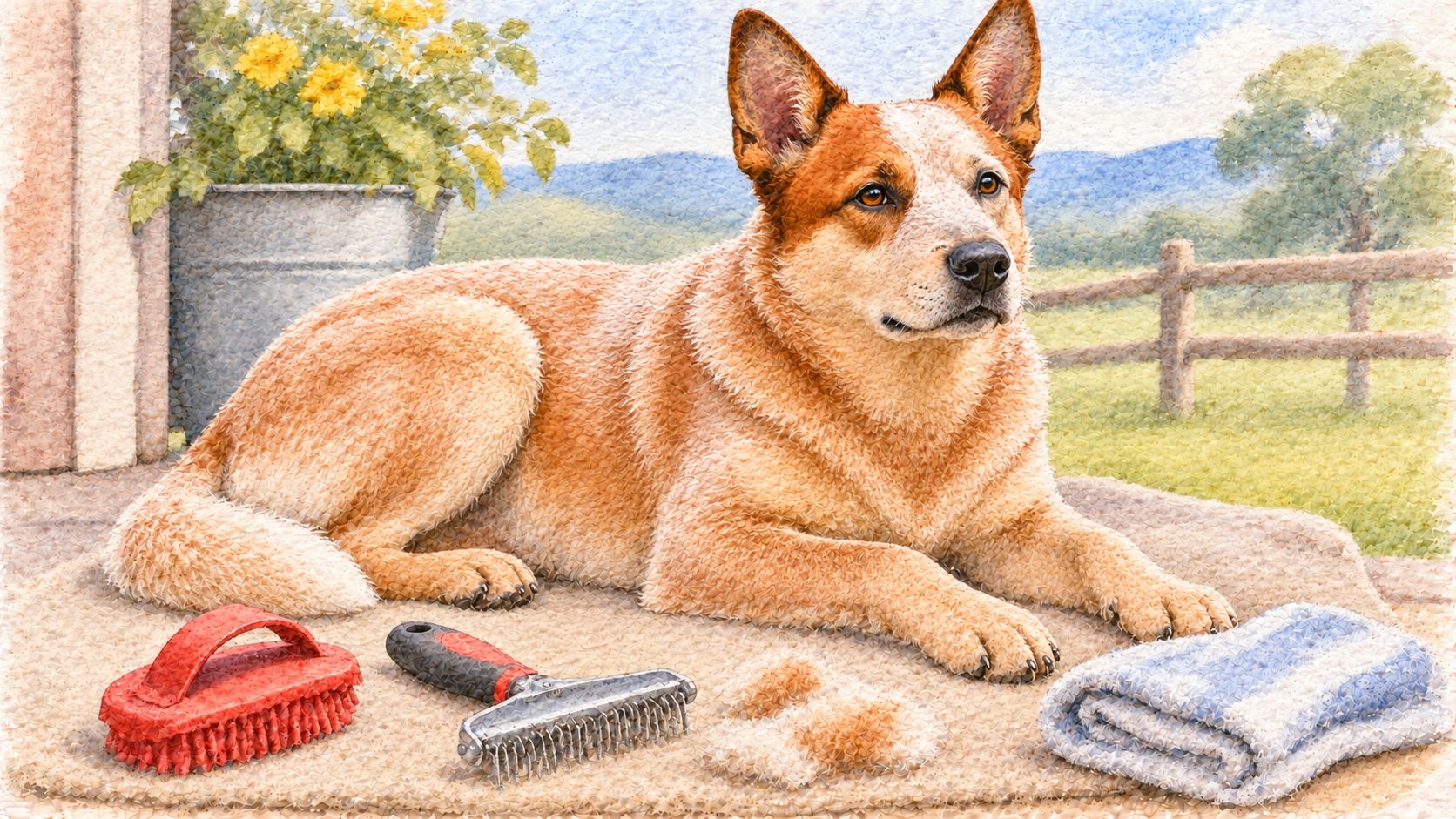
Australian Cattle Dog grooming is refreshingly simple. The smooth, short coat needs only occasional brushing and bathing to stay clean and healthy. A weekly brush removes loose hair and dirt and keeps the coat looking its best.
Do Australian Cattle Dogs Shed?
Yes, they shed. These dogs lose a moderate amount of hair year-round and usually "blow" their undercoat once or twice a year, when shedding becomes much heavier for a few weeks.
Grooming Routine
- Brushing: Brush once a week, and daily during heavy shedding seasons, using a rubber curry brush or undercoat rake.
- Bathing: Bathe only when needed, such as after a muddy hike, since frequent baths can dry out the skin.
- Nails: Trim nails every few weeks if they are not worn down naturally by outdoor activity.
- Teeth: Brush your dog's teeth several times a week to support good dental health.
- Ears: Check ears weekly for dirt, redness or odor, especially after time in fields or water.
- Paws: Inspect paw pads after long runs or hikes for small cuts or burrs.
Australian Cattle Dog Health and Lifespan
The Australian Cattle Dog is generally a hardy, healthy breed with a typical lifespan of about 12 to 16 years. Like all breeds, it can be prone to certain inherited conditions. Responsible breeders screen their dogs for concerns that may include:
- Hip and elbow dysplasia: Abnormal formation of the joints that can affect mobility.
- Progressive retinal atrophy (PRA): An inherited eye condition that can affect vision over time.
- Deafness: Congenital deafness is known in the breed, so many breeders hearing-test puppies.
Because these dogs are so active, they can also pick up minor injuries from rough play or hard work. Keeping your dog at a healthy weight protects its joints. Always work with your veterinarian to set up regular checkups, vaccinations and preventive care.
Feeding and Nutrition
An active Heeler needs a high-quality, complete and balanced dog food suited to its age, size and activity level. Working dogs and canine athletes may benefit from a formula designed for active or sporting dogs.
Puppies should eat a food made specifically for puppies to support healthy growth. Portion sizes depend on your dog's age, weight and daily activity, so follow the feeding guidelines on the package and ask your veterinarian for advice. Keep treats to a small part of daily calories, even for a very busy dog.
History of the Australian Cattle Dog
The breed was developed in the 1800s, when settlers in Australia began raising large herds of cattle on huge, unfenced properties. The herding dogs brought from Britain struggled with the heat, the long distances and the wild cattle, so ranchers set out to create a tougher dog.
Breeders crossed working collie-type dogs with the native dingo, among other dogs. One well-known early line was developed by Thomas Hall in New South Wales, and his dogs became known as "Hall's Heelers." Later breeders refined the type further, and a written breed standard appeared in the early 1900s.
The breed played an important part in Australia's beef industry, helping farmers manage and move large herds. Over time it picked up nicknames such as Queensland Heeler, Blue Heeler and Red Heeler. The American Kennel Club recognized the breed in 1980.
The breed also holds a famous record. A dog named Bluey, who lived in Victoria, Australia, in the early 1900s, is widely cited as one of the longest-lived dogs ever recorded, reaching more than 29 years of age.
Australian Cattle Dog vs Australian Shepherd
The Australian Cattle Dog and the Australian Shepherd are often confused, but they are quite different. The cattle dog was developed in Australia, has a short coat and a compact, muscular build, and is known for its blue or red speckled colors. The Australian Shepherd was actually developed in the United States, has a longer, feathered coat and often comes in merle colors. Both are smart, high-energy herding breeds that need active owners.
Is an Australian Cattle Dog Right for You?
Are Australian Cattle Dogs Good Family Dogs?
Yes, Australian Cattle Dogs can be excellent family dogs for active households that can meet their exercise and training needs. They are loyal and protective, but they do best with families who enjoy the outdoors and can give them a job to do.
An Australian Cattle Dog could be a wonderful match if you:
- Lead an active, outdoor lifestyle
- Have a large, securely fenced yard or rural property
- Enjoy training and dog sports such as agility or herding
- Want a loyal, protective companion
- Prefer a short coat that is easy to groom
This breed may not be the best fit if you:
- Live in a small apartment with little access to open space
- Are away from home for long hours most days
- Want a low-energy, relaxed companion
- Have very young children and limited time to supervise and train
Finding an Australian Cattle Dog Puppy
When looking for a puppy, choose a reputable breeder who health-tests parent dogs, including hip, eye and hearing screening. A good breeder will raise puppies with plenty of socialization and will happily answer your questions. Breed clubs and rescue groups are also great places to find adult dogs in need of loving homes.
Fun Facts About the Australian Cattle Dog
- Puppies of this breed are born completely white and develop their color later.
- The breed is also known as the Blue Heeler, Red Heeler and Queensland Heeler.
- "Heeler" refers to the dog's habit of nipping at the heels of cattle to move them along.
- An Australian Cattle Dog named Bluey is often cited as one of the oldest dogs on record, at over 29 years.
- Many dogs carry a white forehead spot called the "Bentley mark."
- The breed helped make large-scale cattle ranching possible in Australia.
Frequently Asked Questions
Is a Blue Heeler the same as an Australian Cattle Dog?
Yes. "Blue Heeler" is a popular nickname for a blue-coated Australian Cattle Dog, while red-coated dogs are often called Red Heelers. They are the same breed.
How big do Australian Cattle Dogs get?
Adult males stand about 18 to 20 inches tall and females about 17 to 19 inches. Most weigh between 35 and 45 pounds.
Do Australian Cattle Dogs shed a lot?
They shed a moderate amount all year and have heavier sheds once or twice a year. Weekly brushing, and more during shedding season, keeps loose hair under control.
Are Australian Cattle Dogs good family dogs?
They can be great family dogs for active households that provide daily exercise, training and supervision around young children. Their herding instinct may cause them to nip at running kids, so early training matters.
How long do Australian Cattle Dogs live?
The typical Australian Cattle Dog lifespan is about 12 to 16 years with good care, a healthy diet and regular veterinary checkups.
Can an Australian Cattle Dog live in an apartment?
It is possible, but challenging. This breed needs a lot of daily exercise and mental stimulation, so it is usually happier in a home with open space and an active owner.
Final Thoughts
The Australian Cattle Dog is a loyal, brilliant and tireless partner with a proud working history. It asks for plenty of exercise, steady training and a meaningful job, but it gives back devotion, protection and endless enthusiasm. For an active owner who loves the outdoors, this Heeler can be the ultimate adventure buddy.