The Bearded Collie is a shaggy, cheerful herding dog from Scotland with a flowing coat, a happy face and a tail that almost never stops wagging. Fans affectionately call it the "Beardie," a name that comes from the long hair under its chin. It is one of Britain's oldest breeds, and it still carries the energy and brains of the hardworking sheepdog it was bred to be.
Behind that soft, tousled look is a lively, clever and devoted companion. In this complete Bearded Collie dog breed guide, you will learn everything you need to know before bringing one home, including its size, temperament, training, exercise needs, grooming routine, health, diet and colorful history.
Bearded Collie at a Glance
| Trait | Details |
|---|---|
| Breed group | Herding (AKC) |
| Height | 21 to 22 inches (53 to 56 cm) for males; 20 to 21 inches (51 to 53 cm) for females |
| Weight | 45 to 60 pounds (20 to 27 kg) for males; 35 to 50 pounds (16 to 23 kg) for females |
| Life expectancy | About 12 to 14 years |
| Coat | Long, shaggy outer coat with a soft, fine undercoat |
| Colors | Black, blue, brown and fawn, usually with white markings |
| Shedding | Low to moderate; heavier during seasonal coat changes |
| Energy level | Active and playful |
| Temperament | Playful, intelligent, devoted, cheerful, bouncy |
| Good for | Active families, homes with yards, owners who enjoy grooming |
| Origin | Scotland |
What Is a Bearded Collie?
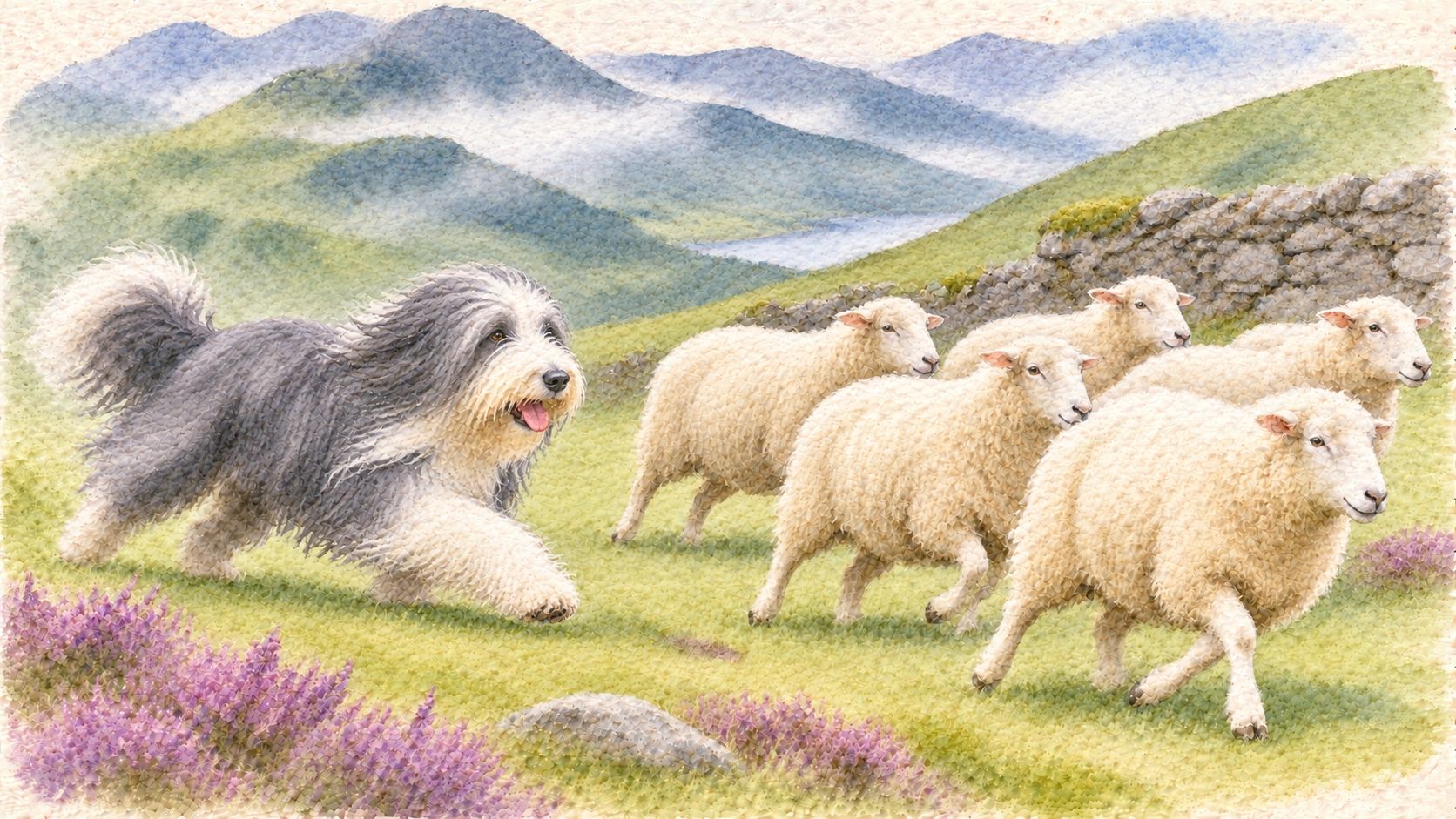
The Bearded Collie is a medium-sized herding breed developed in Scotland to move sheep and cattle across rough, hilly ground. Shepherds needed a tough, agile and independent dog that could work for hours in cold, wet weather. The Beardie's thick coat protected it from the elements, and its quick mind helped it make decisions far from its handler.
Today, the Beardie is mostly a family companion, but it has not forgotten its roots. It is strong, nimble and full of enthusiasm. It belongs to the American Kennel Club's Herding Group, and it still shines in herding trials, agility, obedience and tracking.
Bearded Collie Size and Appearance
How Big Do Bearded Collies Get?
They are medium-sized dogs. Males usually stand 21 to 22 inches (53 to 56 cm) tall at the shoulder and weigh roughly 45 to 60 pounds (20 to 27 kg), while females stand 20 to 21 inches (51 to 53 cm) and weigh roughly 35 to 50 pounds (16 to 23 kg).
Its build is lean and athletic rather than bulky. Its body is a little longer than it is tall, which gives it a smooth, ground-covering stride. Under all that hair is a strong, well-muscled working dog.
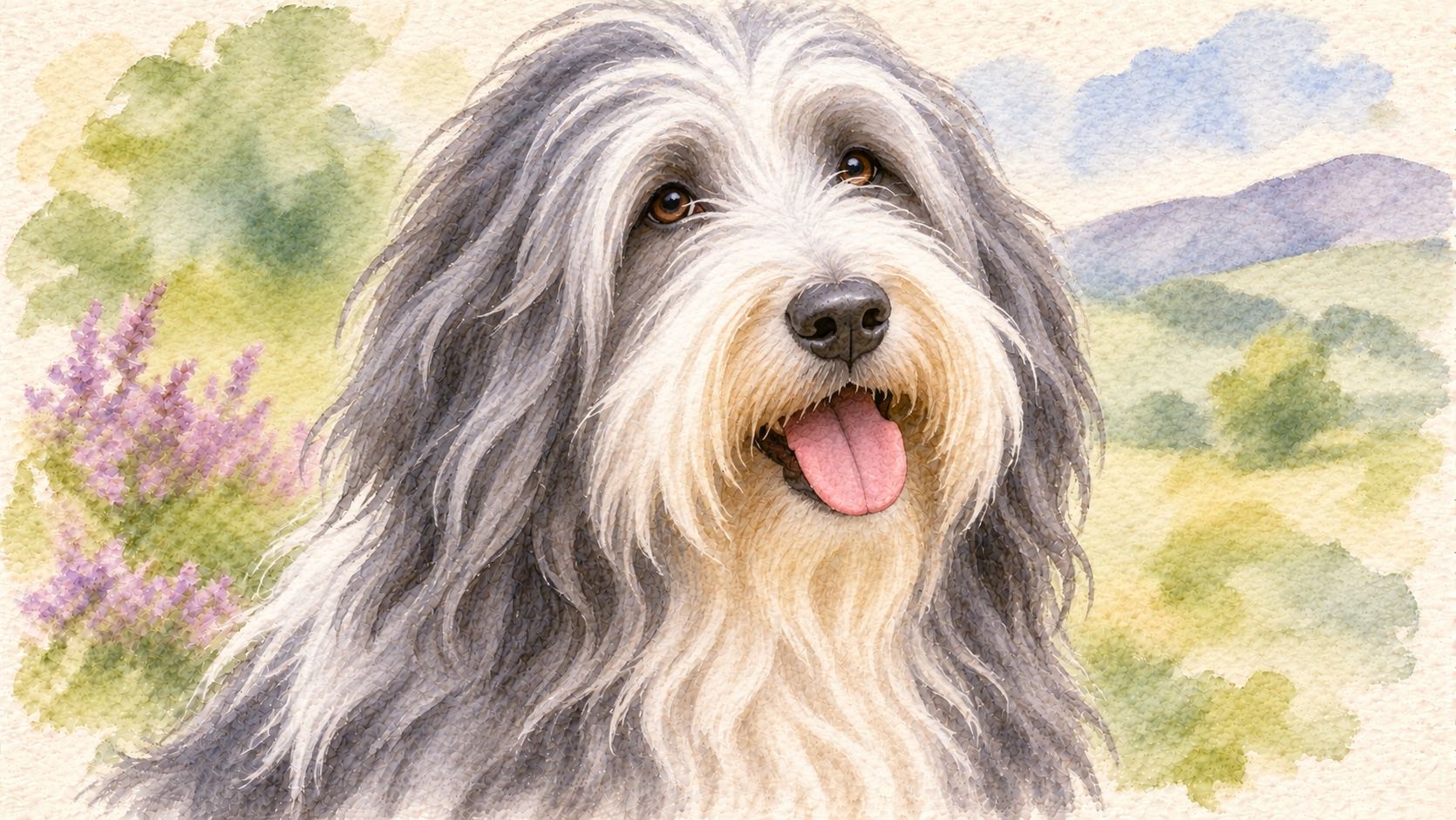
The face is the breed's signature. A Beardie has a broad head, bright and kind eyes, drop ears that hang close to the head, and the famous beard on its chin. The expression is bright, curious and friendly, as if the dog is always ready for the next adventure.
Coat and Colors
The breed wears a double coat. The outer coat is long, flat and fairly harsh, and it may have a slight wave. Underneath sits a soft, furry undercoat that keeps the dog warm and dry. The coat is long enough to cover the body, but it is not meant to hide the dog's shape.
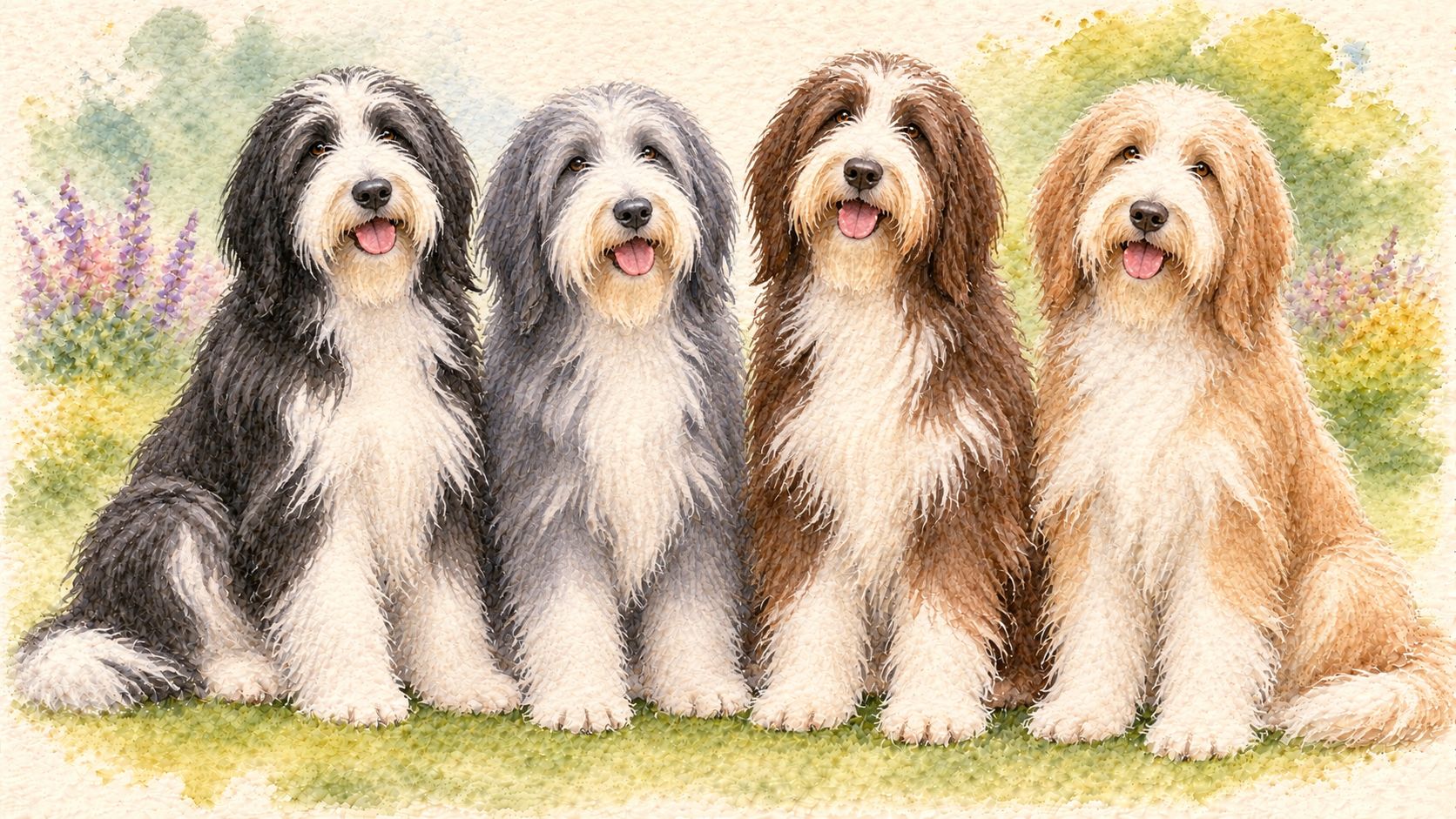
Accepted colors include black, blue, brown and fawn, often with white markings on the face, chest, legs and tail tip. One fascinating trait is that many Beardies are born dark and then lighten as they grow. A puppy born black may mature into a soft slate gray, and the coat may darken again somewhat as the dog ages.
Bearded Collie Temperament and Personality
The Bearded Collie temperament is one of the breed's biggest attractions. This is a happy, outgoing dog that seems to enjoy every moment of the day. Beardies are known for being:
- Playful: Beardies keep their fun-loving spirit well into adulthood and love games of all kinds.
- Intelligent: They learn quickly and like having a job to do, whether that is herding, agility or learning new tricks.
- Devoted: Beardies bond closely with their families and want to be involved in everything you do.
- Cheerful: That ever-wagging tail is a good reflection of the breed's sunny, upbeat outlook.
- Bouncy: Many Beardies bounce on the spot when they are excited, a trait fans lovingly call the "Beardie bounce."
- Independent thinkers: Bred to work at a distance from the shepherd, they can make their own decisions, which sometimes looks like stubbornness.
This breed is usually friendly with strangers rather than suspicious. It may bark to let you know someone is at the door, but it is generally more of a greeter than a guard dog.
Are Bearded Collies Good Family Dogs?
Yes, Beardies are generally excellent family dogs for active households. They are affectionate, playful and gentle, and they often enjoy the company of children who like to run and play.
As herding dogs, some Beardies may try to "herd" running kids by circling or nudging them. Teaching the dog calm manners and teaching children how to play respectfully helps everyone get along. Always supervise young children with any dog.
Are Bearded Collies Good With Other Pets?
Most Beardies get along well with other dogs and enjoy having a canine playmate. With early socialization, they can also live happily with cats and other pets, although their herding instinct may make them want to chase or round up smaller animals.
Early socialization is key for every Bearded Collie puppy. Introduce your puppy to many people, places, sounds and friendly animals so it grows into a confident, well-balanced adult.
Training a Bearded Collie
Beardies are bright and eager to learn, but they also have a mind of their own. Training works best when it is upbeat, varied and built on positive reinforcement such as praise, play and small treats. Harsh methods tend to backfire with this sensitive breed.
Here are a few training tips for new owners:
- Start early. Begin training and socialization as soon as your puppy comes home.
- Keep it fun. Beardies can get bored with repetitive drills. Mix up exercises and keep sessions short and lively.
- Teach a reliable recall. Their herding instincts can tempt them to chase, so practice coming when called in safe, enclosed areas.
- Channel the energy. Give your dog jobs to do, such as fetching toys or learning tricks, to prevent boredom-related behaviors like barking or chewing.
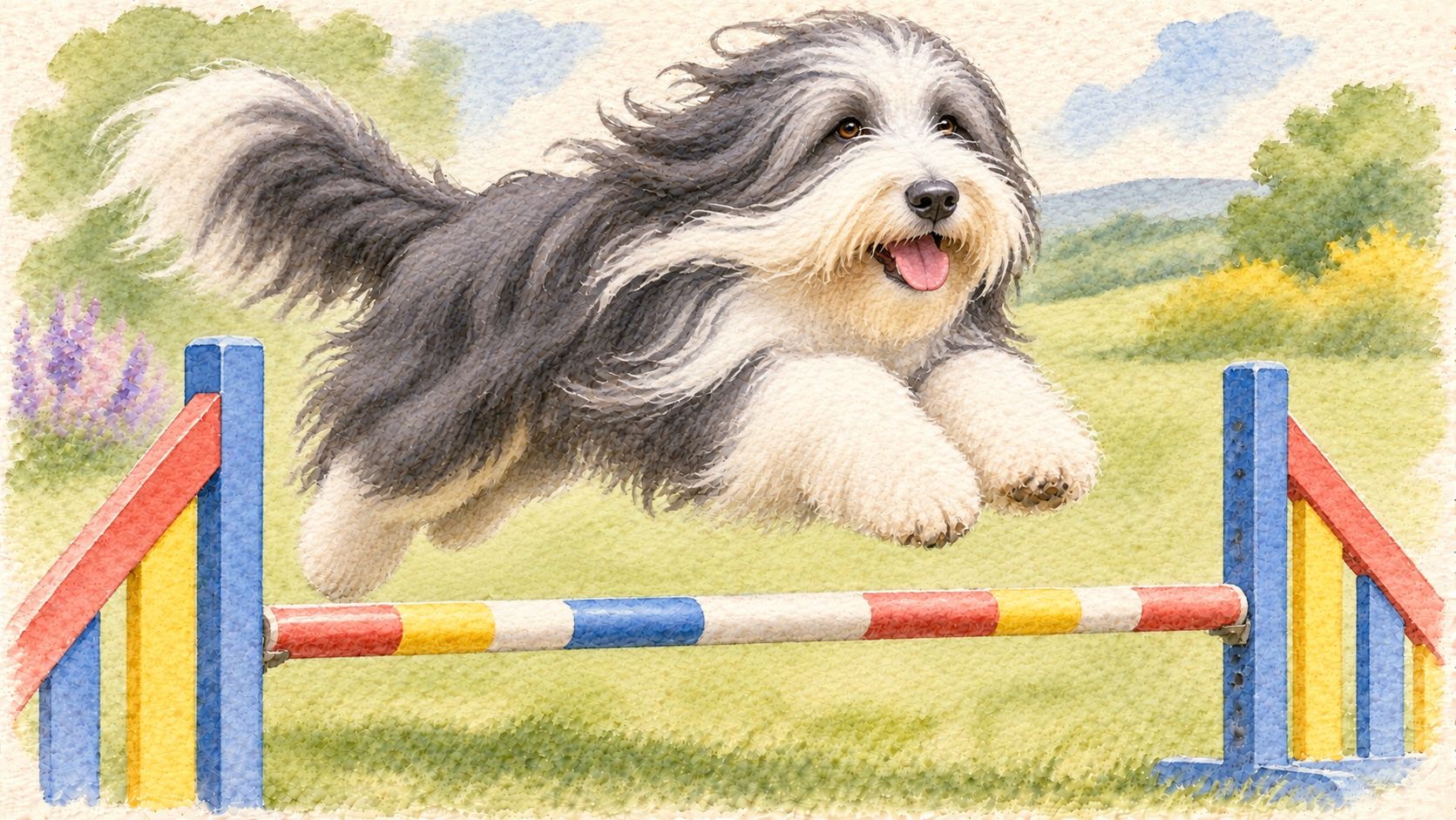
- Try dog sports. Beardies often excel at herding, agility, obedience, tracking and rally.
Bearded Collie Exercise Needs
This is an active working breed that needs daily exercise for both body and mind. Plan on at least an hour of activity each day, such as brisk walks, jogging, hiking or energetic play in a securely fenced yard.
Mental exercise matters just as much as physical activity. Puzzle toys, scent games, training sessions and dog sports help keep a Beardie's busy brain satisfied. A bored Bearded Collie may invent its own entertainment, which might include barking, digging or herding the family.
Thanks to its weather-resistant coat, this breed usually loves being outdoors, even in cool or rainy weather. Because of that thick coat, take care during hot weather by exercising early or late in the day and providing shade and fresh water.
Bearded Collie Grooming
Do Bearded Collies Shed?
Beardies shed less than many double-coated breeds on a day-to-day basis, but they do have seasonal sheds. The bigger challenge is matting rather than loose hair, because shed undercoat tends to tangle in the long outer coat if it is not brushed out.
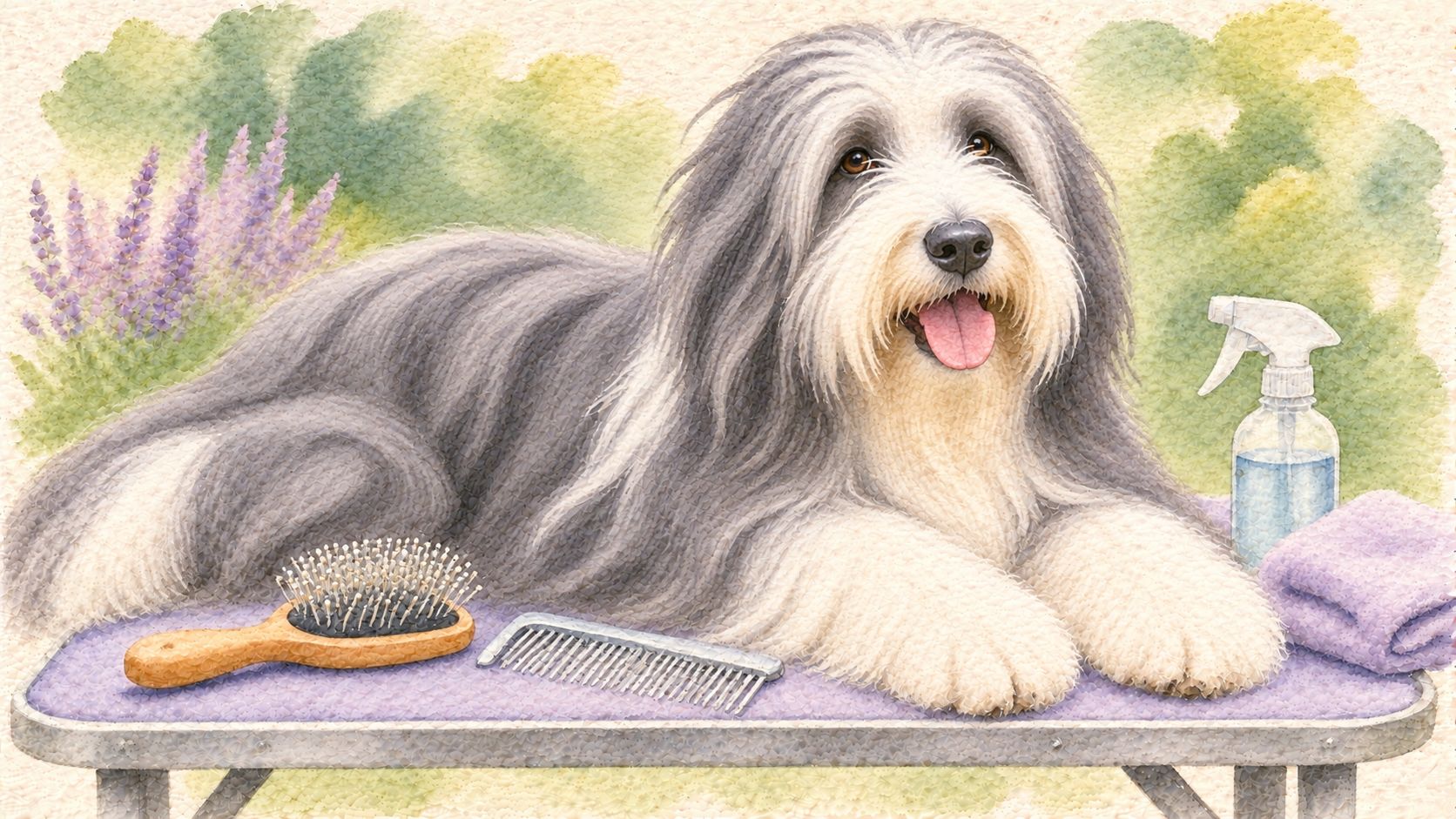
Bearded Collie grooming is a real commitment. The long coat and fine undercoat need regular care to stay clean, comfortable and free of mats. Owners who enjoy brushing and spending quiet time with their dog will find this part of Beardie ownership rewarding.
Grooming Routine
- Brushing: Brush thoroughly at least once or twice a week, working down to the skin, and more often during seasonal shedding or when the adolescent coat comes in.
- Mist first: Lightly spray the coat with water or a grooming spray before brushing to reduce breakage.
- Check hot spots for mats: Pay extra attention behind the ears, under the legs, on the belly and around the collar.
- Bathing: Bathe as needed, and dry the coat fully to prevent tangles and skin issues.
- Nails: Trim nails every few weeks, and keep the hair between the paw pads neat.
- Teeth: Brush your dog's teeth several times a week to support good dental health.
- Ears and eyes: Check ears weekly for dirt or redness, and keep the hair around the eyes clean.
Some pet owners keep their Beardie in a shorter "puppy trim" from a professional groomer to make home care easier.
Bearded Collie Health and Lifespan
How Long Do Bearded Collies Live?
The average Bearded Collie lifespan is about 12 to 14 years, and many Beardies stay active and playful well into their senior years. Good nutrition, regular exercise and routine veterinary care all help support a long, happy life.
Like all breeds, the Beardie can be prone to certain health conditions. Responsible breeders screen their dogs for common concerns, which may include:
- Hip dysplasia: An abnormal formation of the hip joint.
- Eye conditions: Some eye problems can affect the breed, so regular eye exams are recommended.
- Thyroid problems: Hypothyroidism is seen in some Beardies.
- Immune-related conditions: Some lines may be affected by autoimmune issues, so ask breeders about health history.
Keeping your dog at a healthy weight helps protect its joints. Always work with your veterinarian to set up a routine of checkups, vaccinations and preventive care.
Feeding and Nutrition
A Beardie does best on a high-quality dog food suited to its age, size and activity level. Active adult Beardies may benefit from a formula designed for medium-sized or active dogs, while less active or senior dogs may need fewer calories.
Puppies should eat a food made specifically for puppies to support healthy growth. Portion sizes depend on your dog's age, weight and daily activity, so follow the feeding guidelines on the food package and ask your veterinarian for advice. Keep treats to a small share of daily calories to avoid unwanted weight gain.
History of the Bearded Collie
The Bearded Collie is one of Britain's oldest breeds, with roots in the Scottish Highlands and Borders. For centuries, Scottish shepherds and drovers relied on these hardy dogs to herd sheep and cattle across rugged terrain. Early on, the breed was often called the Highland Collie or Mountain Collie.
The breed's exact origins are uncertain. A popular theory holds that shaggy herding dogs brought to Scotland by traders from mainland Europe, possibly Polish Lowland Sheepdogs or related breeds such as the Komondor, were crossed with local Scottish herding dogs. Over time, the name "Bearded Collie" stuck, thanks to the long facial hair that set it apart from other collies.
As farming changed in the early 1900s, the breed became rare as a show dog, although working dogs remained on farms. After World War II, a Scottish breeder named Mrs. G. O. Willison began breeding Beardies from a pair of dogs, and her work is widely credited with saving the breed as we know it.
The Kennel Club in the United Kingdom granted the breed full recognition in 1959. The American Kennel Club recognized the breed in 1977, and it joined the AKC Herding Group when that group was created in 1983.
Bearded Collie vs Old English Sheepdog
The Bearded Collie is often compared to the Old English Sheepdog because both are shaggy British herding breeds. The Beardie is lighter, leaner and longer in the body, with a full natural tail, while the Old English Sheepdog is larger, stockier and has a heavier, more profuse coat. Both need serious grooming, but the Beardie is generally quicker and more agile.
Is a Bearded Collie Right for You?
A Beardie could be a wonderful match if you:
- Lead an active lifestyle and enjoy daily walks, hikes or play
- Want a friendly, cheerful and affectionate family dog
- Enjoy regular grooming and can commit to coat care
- Are interested in dog sports such as agility, herding or obedience
- Can offer positive, consistent training
- Have a yard or easy access to safe outdoor space
A Beardie may not be the best fit if you:
- Want a low-maintenance coat
- Are away from home for long hours most days
- Prefer a quiet, laid-back couch companion
- Live in a very hot climate without ways to keep the dog cool
Finding a Bearded Collie Puppy
When looking for a puppy, choose a reputable breeder who health-screens their dogs, raises puppies in a home setting and is happy to answer your questions. Expect to meet at least one parent and see how the puppies are socialized. You can also contact breed clubs and rescue groups, since adult Beardies sometimes need new homes.
Fun Facts About the Bearded Collie
- The Bearded Collie gets its name from the long hair under its chin.
- The breed was once known as the Highland Collie.
- Many Beardie puppies are born dark and lighten as they mature.
- The excited "Beardie bounce" is a well-known breed trait.
- The Beardie is considered one of Britain's oldest breeds.
- A single dedicated breeder after World War II is credited with reviving the breed.
Frequently Asked Questions
Why is it called a Bearded Collie?
The breed is named for the long hair on its chin and muzzle, which forms a beard. This facial hair helped set it apart from other collie-type herding dogs in Scotland.
How big do Bearded Collies get?
Adult males usually stand 21 to 22 inches tall and weigh about 45 to 60 pounds, while females stand 20 to 21 inches and weigh about 35 to 50 pounds.
Are Bearded Collies hypoallergenic?
No dog is truly hypoallergenic. Beardies have a double coat that sheds seasonally, so people with allergies should spend time with the breed before deciding.
Are Bearded Collies good family dogs?
Yes. Beardies are playful, affectionate and gentle, which makes them great companions for active families. Supervise play with young children, as some Beardies may try to herd them.
How long do Bearded Collies live?
The typical Bearded Collie lifespan is about 12 to 14 years with good care, a healthy diet and regular veterinary checkups.
How much exercise does a Bearded Collie need?
Most Beardies need at least an hour of daily activity, plus mental challenges like training, puzzle toys or dog sports to stay happy and well-behaved.
Final Thoughts
The Bearded Collie is a joyful, clever and devoted herding dog with a coat that turns heads and a tail that rarely stops wagging. It needs plenty of exercise, regular grooming and positive training, but it gives back endless affection and fun. If your household is active and ready for a little extra hair, a Bearded Collie may be the bouncy best friend you have been looking for.