With a cloud of woolly curls, a shaggy beard and a happy, easygoing attitude, the Barbet is one of the most lovable sporting dogs you may never have heard of. The name comes from the French word barbe, meaning "beard," which perfectly describes the long hair that frames its friendly face. For centuries, this curly-coated companion worked alongside hunters in France, splashing through marshes and rivers to bring back waterfowl.
Today, the breed is still rare, especially in the United States, but its fan base is growing fast. People who meet one often fall for its gentle nature, clownish sense of fun and teddy bear looks. In this complete dog breed guide, you will learn about its size, temperament, grooming, exercise needs, health, diet and history so you can decide if this French water dog is right for you.
Barbet at a Glance
| Trait | Details |
|---|---|
| Breed group | Sporting (AKC) |
| Height | About 19 to 24.5 inches (48 to 62 cm) |
| Weight | 35 to 65 pounds (16 to 29 kg) |
| Life expectancy | About 12 to 14 years |
| Coat | Thick, natural curls; low shedding |
| Colors | Black, brown, fawn, gray, white, with or without markings |
| Shedding | Low |
| Energy level | High |
| Temperament | Friendly, smart, joyful, loyal, easygoing |
| Good for | Active families, outdoor lovers, homes with a yard |
| Origin | France (by the 1500s) |
What Is a Barbet?
This breed is a medium-sized, curly-coated water dog from France. It was bred to flush and retrieve birds, especially ducks and other waterfowl, from lakes, rivers and swamps. Its dense coat protected it from cold water and thorny brush, and its love of swimming made it a natural for the job.
Often called the shaggier cousin of the Poodle, it is an athletic, people-loving dog that enjoys being part of everything its family does. The American Kennel Club welcomed the breed into its Sporting Group in 2020, which has helped more dog lovers discover this charming breed.
Barbet Size and Appearance
How Big Do Barbets Get?
These are medium-sized dogs that typically weigh 35 to 65 pounds (16 to 29 kg). Under the AKC standard, males usually stand about 21 to 24.5 inches (53 to 62 cm) tall at the shoulder, while females are a little smaller at roughly 19 to 23 inches (48 to 58 cm).
The breed has a solid, athletic build that is slightly longer than it is tall. It has a fairly large, round head, a broad muzzle and a long tail that is often carried with a cheerful curve when the dog is moving. Long, flat ears hang close to the head and are covered in curly hair, which makes them blend into the coat.
The most impressive part of the Barbet size and shape is hidden beneath all that hair. Under the curls is a strong, well-muscled working dog built for long days in the field and in the water.
Coat and Colors
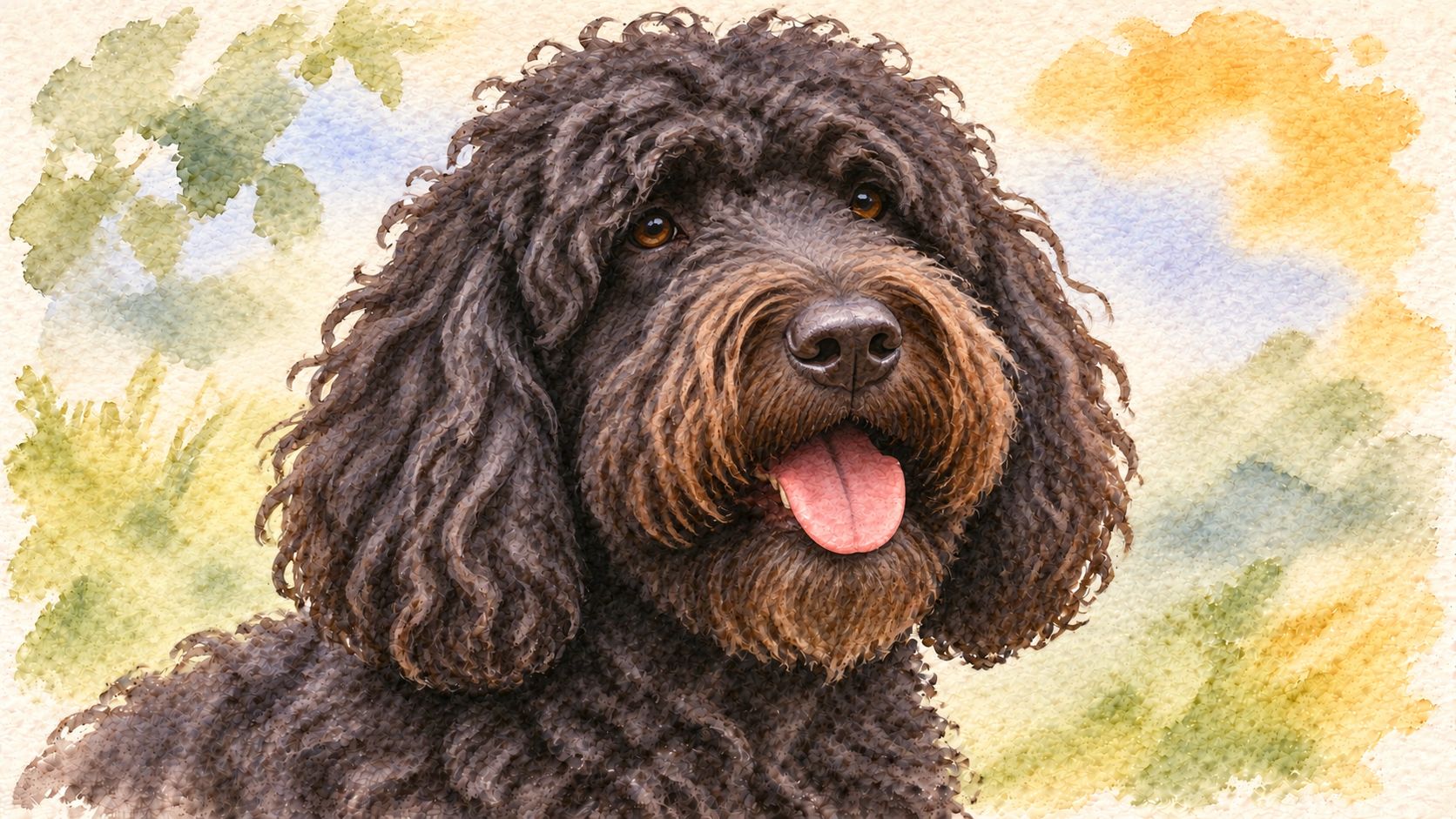
This breed wears a thick, natural coat of curls. Depending on the dog, those curls can be large and loose or small and tight. A beard and mustache are part of the classic look, and the hair on the head often falls over the eyes, giving the breed a sweet, scruffy expression.
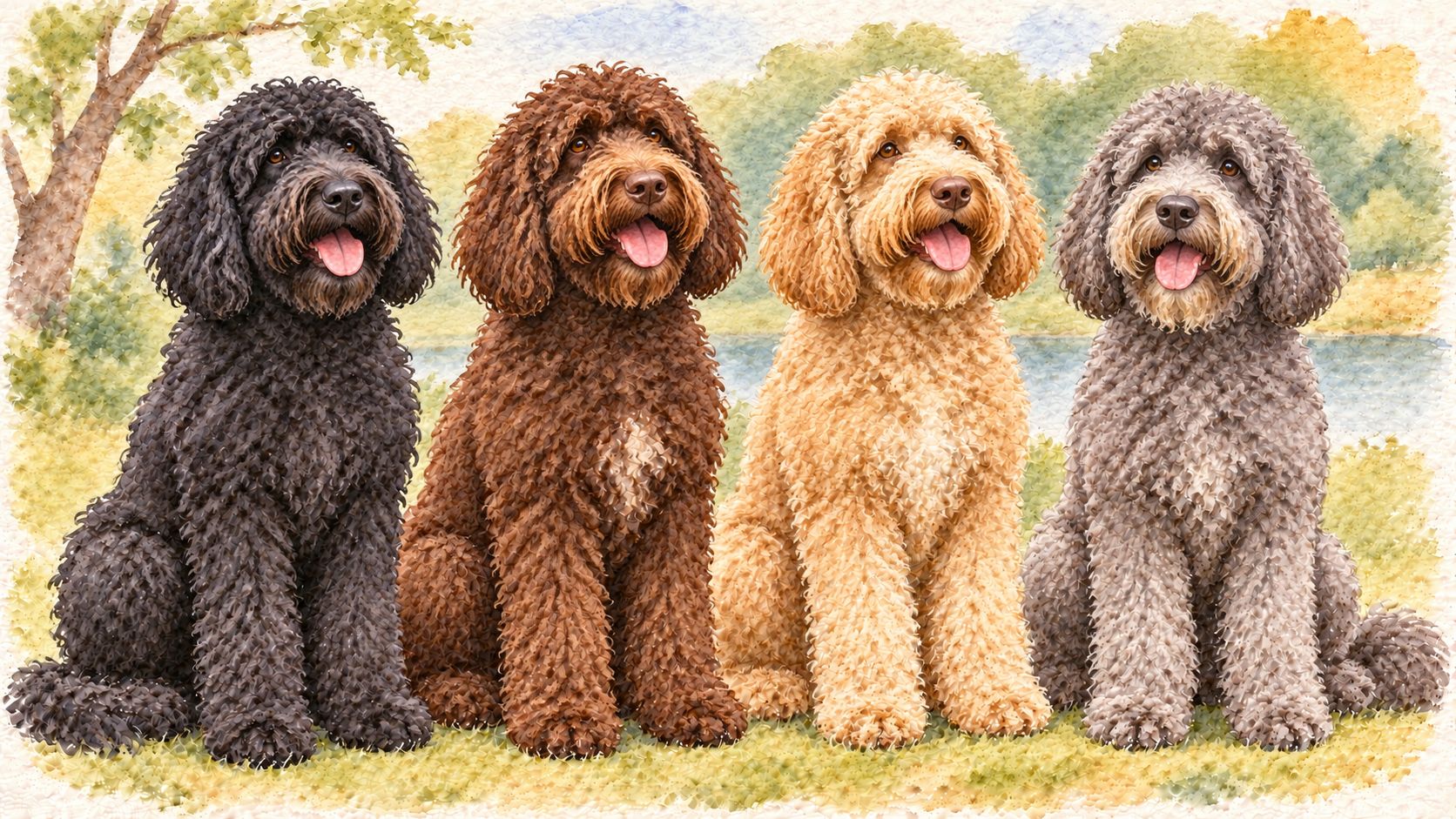
Accepted colors include black, brown, fawn, gray and white. Dogs may be a solid color or have markings in any of these shades. Black and brown are among the colors you will see most often.
Barbet Temperament and Personality
If you want a cheerful dog that adores its people, the Barbet temperament is hard to beat. This breed is known for being:
- Friendly: They tend to be warm and welcoming with family members and often with visitors too.
- Smart and eager: They are very intelligent, love to learn and are usually happy to work with their owners.
- Easygoing: At home, a well-exercised Barbet is typically calm, patient and relaxed.
- Playful and goofy: Many Barbets keep a puppy-like sense of fun well into adulthood.
- Loyal and loving: They form close bonds with their families and like to stay near the people they love.
Because they are so social, these dogs do not enjoy being left alone for long hours. Without enough activity or company, they may become anxious or bored and turn to problem behaviors such as barking, digging, chewing or excessive licking. They also thrive on routine, so a predictable daily schedule helps them feel secure.
Are Barbets Good Family Dogs?
Yes, they are generally excellent family dogs. They are patient, loyal and affectionate, and they usually enjoy the busy energy of a household with children who know how to treat dogs kindly.
As with any breed, supervise play between dogs and young kids. This breed is sturdy and gentle, but its enthusiasm can sometimes knock over a small toddler.
Are Barbets Good With Other Pets?
They often get along well with other dogs, especially when they are raised together. However, their hunting background gives them a prey drive and strong retrieving instincts.
That means your dog may want to chase smaller animals such as cats, rabbits, hamsters or even small dogs. Early, frequent socialization with a variety of people, animals and places will help your puppy grow into a confident, well-mannered adult.
Training a Barbet
These dogs are clever, food-motivated and eager to please, which makes training a rewarding experience. They respond best to positive reinforcement, such as praise, play and tasty treats. Harsh corrections can upset this sensitive breed and slow down progress.
Here are a few training tips for new owners:
- Start early. Begin basic training and socialization as soon as your puppy comes home.
- Use rewards. Small, healthy treats and plenty of praise keep your dog motivated and happy.
- Keep it interesting. Mix up commands and games so your smart dog does not get bored.
- Teach a solid recall. Their love of chasing birds and small animals means a reliable "come" cue is important.
- Try dog sports. Many shine in obedience, agility, rally, nose work, dock diving and hunt tests.
Barbet Exercise Needs
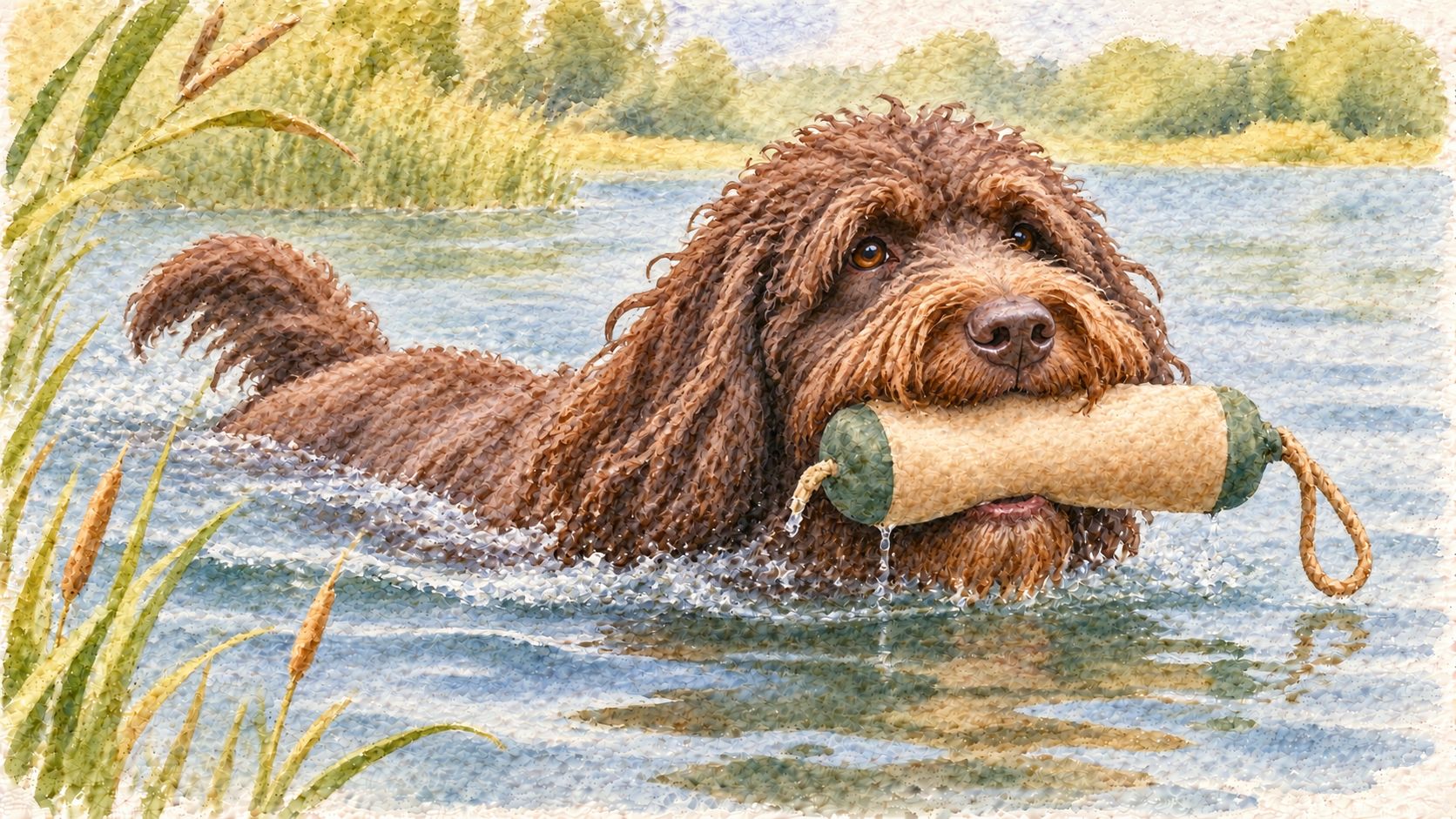
This is a high-energy sporting breed that needs daily physical exercise. Brisk walks, jogs, hikes and especially swims are all great ways to burn off energy. Most need at least an hour of activity each day, split into a few sessions.
Mental exercise matters just as much. Games of fetch, puzzle toys, nose work and training sessions help keep a busy brain satisfied. A tired, mentally challenged dog is far more likely to be calm and well behaved at home.
This breed does best with plenty of outdoor access, ideally a securely fenced yard in a suburban or rural area. Access to safe water for swimming is a big bonus. They can live in smaller homes, but only if their owners are committed to providing lots of daily activity.
Barbet vs Poodle
The Barbet and the Poodle are close relatives, and both are smart, low-shedding water dogs. The biggest differences are in coat and style. The Poodle is often clipped into tidy or show trims, while the Barbet is kept in a more natural, shaggy coat. It also has a sturdier, more rustic look, and it remains far rarer than the Standard Poodle.
Barbet Grooming
Do Barbets Shed?
They shed very little. The curly coat tends to trap loose hair instead of dropping it around the house, which is why the breed may suit people with mild fur or dander allergies. Keep in mind that no dog is 100 percent hypoallergenic, so spend time with the breed before bringing one home.
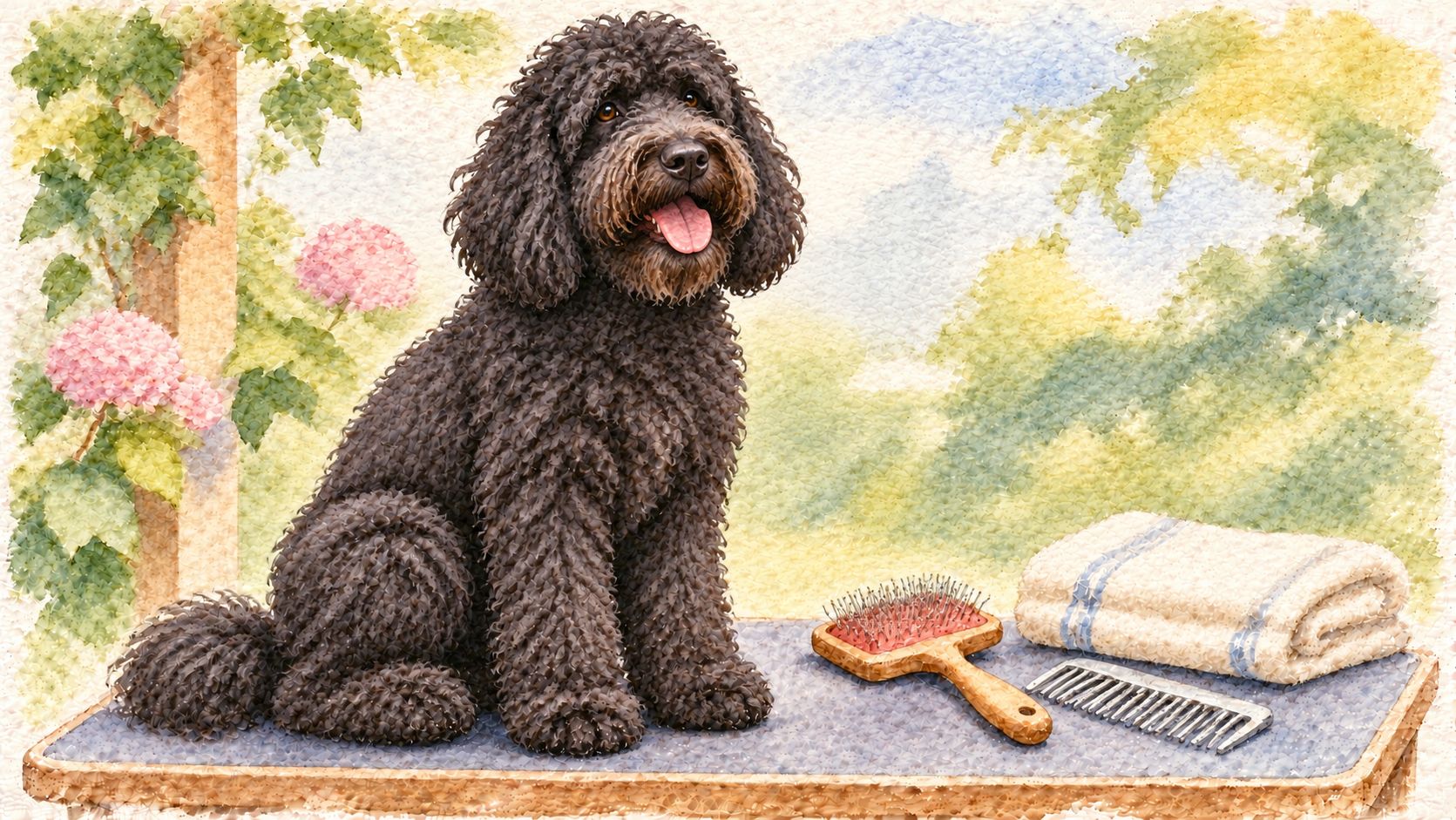
The tradeoff for low shedding is that Barbet grooming takes real commitment. Those curls can mat quickly, and mats can be painful and pull on the skin. Many owners rely on a professional groomer every few weeks or months to keep the coat neat and healthy.
Grooming Routine
- Brushing: Brush and comb the coat thoroughly several times a week, working down to the skin to prevent mats.
- After swimming: Dry your dog completely after swims or baths to help prevent skin irritation.
- Face care: Trim the hair around the eyes so it does not irritate them, and wipe the beard after meals.
- Ears: Check ears regularly for redness or discharge, and keep them clean and dry, especially after swimming.
- Nails and paws: Trim nails every few weeks and check the hair between the paw pads.
- Teeth: Set up a regular tooth-brushing routine to support good dental health.
Barbet Health and Lifespan
How Long Do Barbets Live?
The average Barbet lifespan is about 12 to 14 years with good care. Overall, it is considered a relatively healthy breed, but like all dogs, it can be prone to certain conditions. Responsible breeders screen their dogs for concerns that may include:
- Hip dysplasia: An abnormal formation of the hip joint that can affect comfort and movement.
- Progressive retinal atrophy (PRA): An inherited eye condition that affects the retina over time.
- Allergies: Some dogs may develop skin or other allergies.
- Ear issues: Floppy, hairy ears that get wet often can trap moisture, so regular ear checks are helpful.
These dogs handle cool weather well thanks to their thick coat, but they should never be left outdoors in extreme conditions. In hot weather, exercise early or late in the day and provide plenty of shade and fresh water. Always work with your veterinarian to set up a routine of checkups, vaccinations, parasite prevention and dental care.
Feeding and Nutrition
An active dog like this does best on a complete, balanced dog food made with high-quality protein, moderate healthy fats and balanced carbohydrates. Choose a formula that suits your dog's life stage, whether puppy, adult or senior. Very active or working dogs may benefit from a performance-style food.
Feed on a regular schedule rather than leaving food out all day. Portion sizes depend on age, size and activity level, so follow the package guidelines and ask your veterinarian for advice. Treats are great for training, but they should make up no more than about 10 percent of daily calories.
History of the Barbet
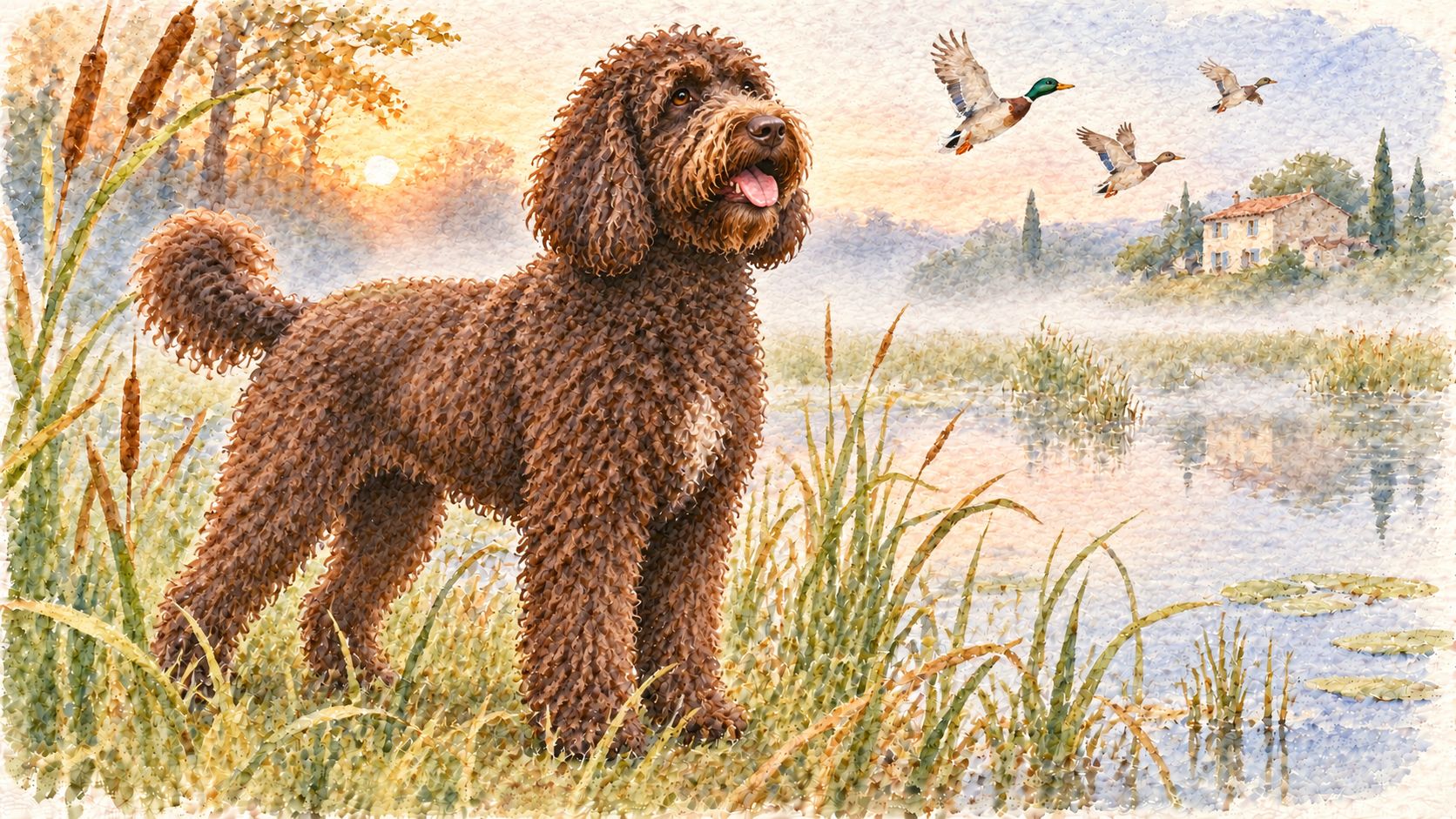
This is an old French breed, with references to curly-coated water dogs in France going back to at least the 1500s. These dogs worked with hunters, flushing birds from reeds and retrieving them from water. Their tireless spirit and waterproof coat made them valued companions in the marshes.
Many historians believe the breed played a role in the development of several other curly-coated breeds, and it is often linked to the Poodle family tree. Over the centuries, the breed was also known in France simply as a water dog.
The World Wars were hard on these dogs. The breed came close to disappearing after World War I and World War II, as hunting and dog breeding slowed across Europe. Dedicated breeders in France and elsewhere worked to rebuild the population in the decades that followed.
The breed slowly made its way to North America, where they remain rare. The American Kennel Club placed the breed in its Foundation Stock Service before granting full recognition in the Sporting Group in 2020. Since then, more families have discovered this cheerful, curly companion.
Is a Barbet Right for You?
A Barbet could be a wonderful match if you:
- Want a friendly, affectionate and playful family dog
- Love outdoor activities like hiking, running or swimming
- Prefer a low-shedding breed
- Have time for regular brushing and grooming appointments
- Enjoy positive, reward-based training
- Have a fenced yard or easy access to outdoor space
This breed may not be the best fit if you:
- Are away from home for long hours most days
- Want a low-energy dog that is happy with short walks
- Prefer a breed with minimal grooming needs
- Live with small pets such as rabbits, hamsters or cats that could trigger its prey drive
Finding a Barbet Puppy
Because the breed is still rare, you may need to join a waiting list for a Barbet puppy from a reputable breeder. Look for breeders who health-test their dogs for hips and eyes, raise puppies in a home environment and gladly answer your questions. Breed clubs and rescue groups are also worth contacting, since adults occasionally need new homes.
Fun Facts About the Barbet
- The breed's name comes from the French word barbe, meaning "beard."
- The breed is often described as the shaggier cousin of the Poodle.
- They are skilled swimmers that were bred to flush and retrieve waterfowl.
- The breed nearly vanished after the two World Wars.
- The AKC officially recognized the Barbet in its Sporting Group in 2020.
- The curls can be big and loose or small and tight, so no two coats look exactly alike.
Frequently Asked Questions
What does "Barbet" mean?
The name comes from the French word barbe, which means "beard." It refers to the long, curly hair on the breed's chin and muzzle.
How big do Barbets get?
Adults usually weigh 35 to 65 pounds and stand about 19 to 24.5 inches tall at the shoulder, with males typically larger than females.
Are Barbets hypoallergenic?
The breed has a low-shedding curly coat and may suit people with mild allergies. However, no dog is completely allergen-free, so spend time with the breed before deciding.
Are Barbets good family dogs?
Yes. They are patient, loyal and affectionate, and they usually do well with respectful children. They need plenty of exercise and company to stay happy.
How long do Barbets live?
The average lifespan is about 12 to 14 years with good care, a healthy diet and regular veterinary checkups.
Do Barbets like water?
Most love water. They were bred as water retrievers, and swimming is one of the best ways to help them burn off energy.
Final Thoughts
The Barbet is a joyful, curly-coated companion with centuries of French history and a heart full of love for its family. It needs daily exercise, regular grooming and plenty of time with its people. If you can offer an active lifestyle and a little extra brushing, a Barbet may become the happiest, most devoted friend you have ever had.