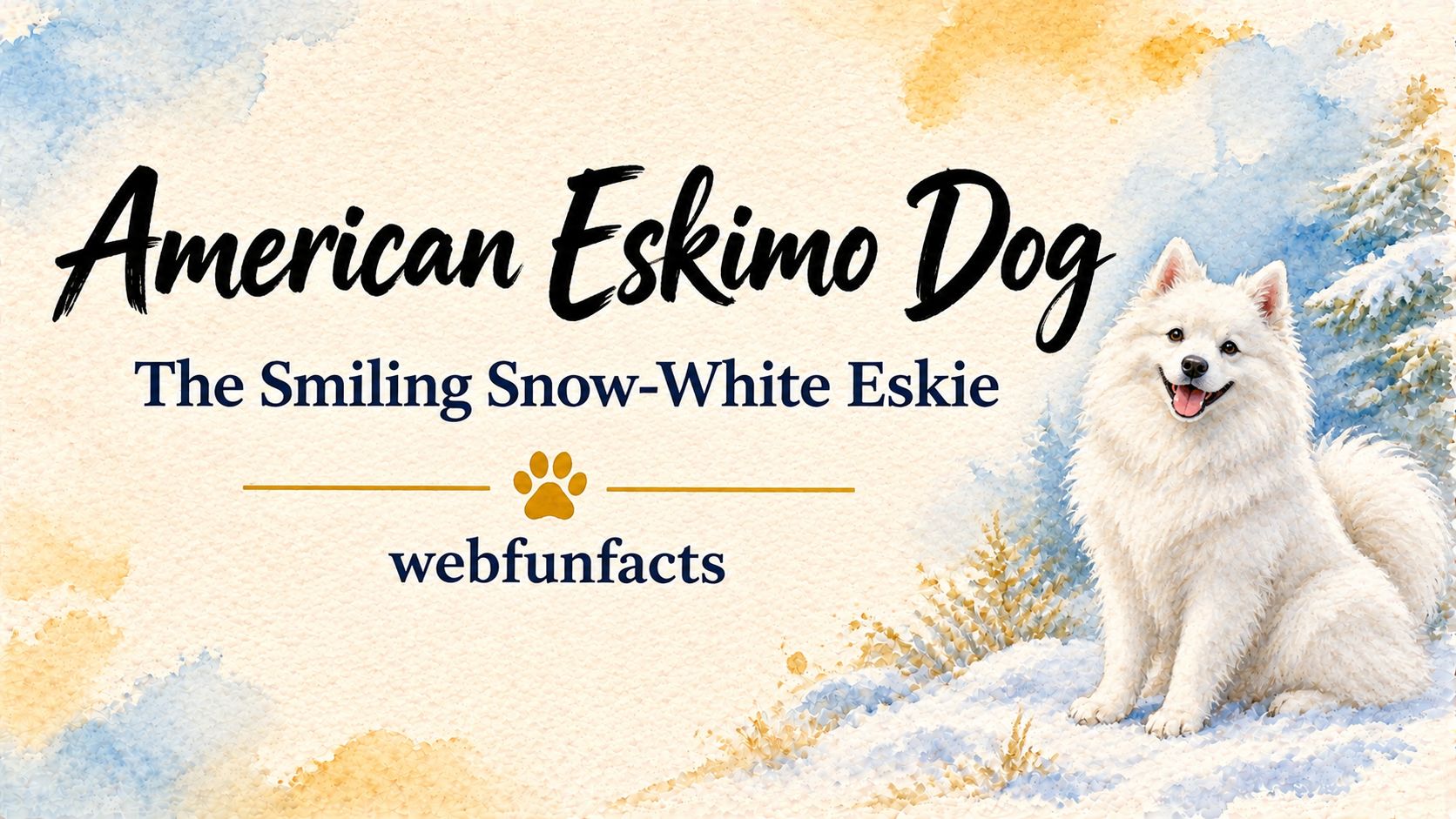
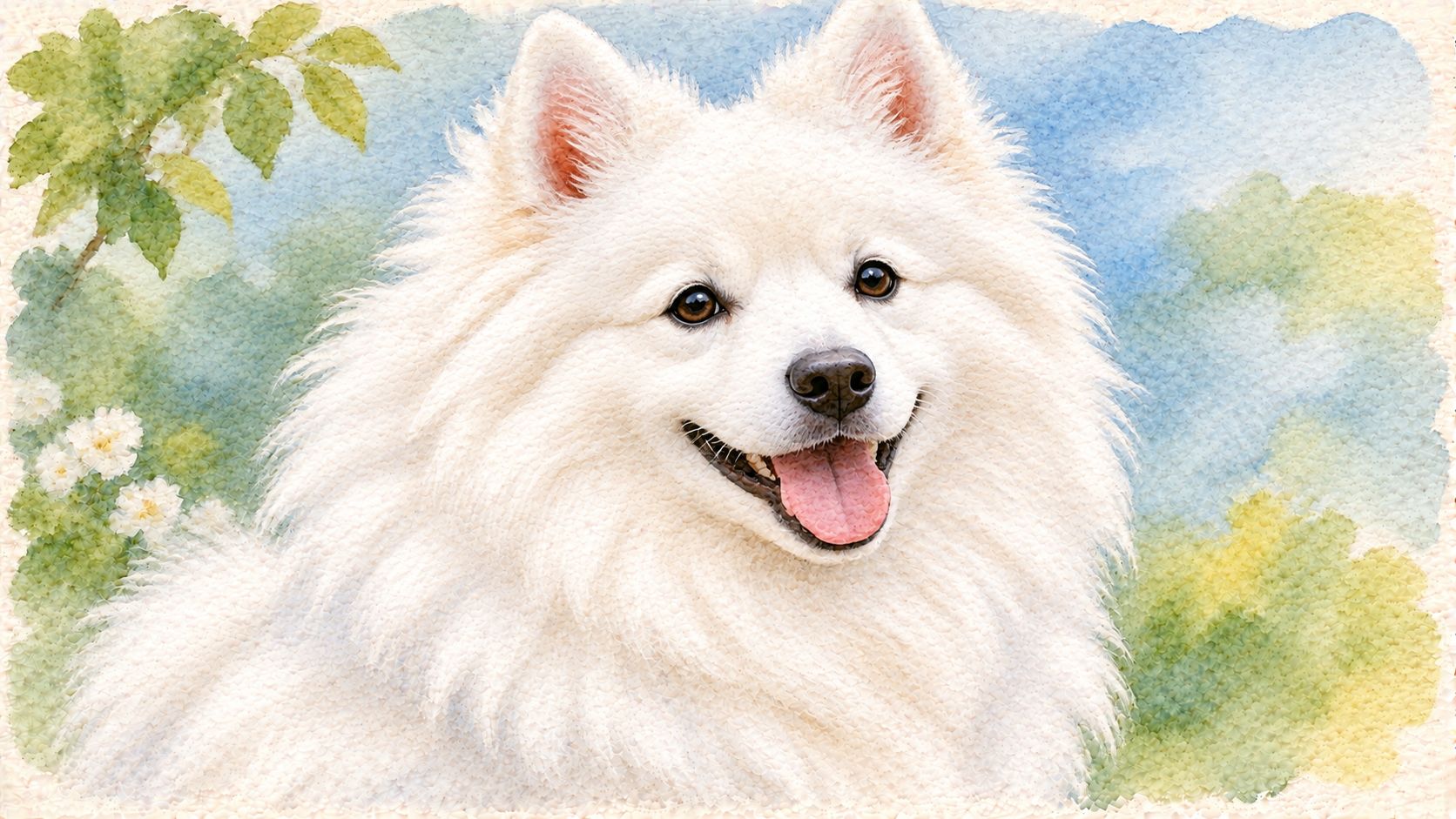
With a snowy white coat, a lion-like ruff around the neck and a plumed tail curled over its back, the American Eskimo Dog is one of the most eye-catching breeds you will ever see. Fans simply call it the "Eskie," and once you meet one, it is easy to understand why this smiling, sparkling-eyed dog wins so many hearts. Despite its name, the breed has nothing to do with the Arctic peoples of North America. Its roots lie in the spitz dogs of Europe.
Beneath all that fluff is a bright, lively and affectionate companion that loves to learn and loves to be with its family. The Eskie even comes in three convenient sizes, so there is a version for almost every home. In this complete American Eskimo Dog breed guide, you will learn about its size varieties, temperament, training, exercise and grooming needs, common health concerns, diet tips and its surprising history as a star of the circus.
American Eskimo Dog at a Glance
| Trait | Details |
|---|---|
| Breed group | Non-Sporting (AKC) |
| Size varieties | Toy, Miniature, Standard |
| Height | About 9 to 19 inches (23 to 48 cm), depending on variety |
| Weight | About 6 to 40 pounds (2.7 to 18 kg), depending on variety |
| Life expectancy | About 13 to 15 years |
| Coat | Thick, fluffy double coat with a neck ruff |
| Colors | White, or white with biscuit cream |
| Shedding | Heavy |
| Energy level | Moderate |
| Temperament | Intelligent, playful, affectionate, alert |
| Good for | Active families, first-time owners willing to groom |
| Origin | United States, from European spitz ancestors |
What Is an American Eskimo Dog?
The American Eskimo Dog is a spitz-type companion breed developed in the United States from white German spitz dogs brought over by European immigrants. Like its spitz relatives, it has a wedge-shaped head, upright triangular ears, a dense double coat and a tail that curls over its back. What sets the Eskie apart is its pure white or cream coloring and its unusually cheerful, people-focused personality.
Early Eskies were all-purpose farm and family dogs. They kept watch over the homestead, alerted their owners to strangers and provided endless companionship. Later, their good looks and quick minds made them favorites with traveling circuses. Today, the American Eskimo Dog is a member of the American Kennel Club's Non-Sporting Group and is loved as an intelligent, versatile family companion.
American Eskimo Dog Size and Appearance
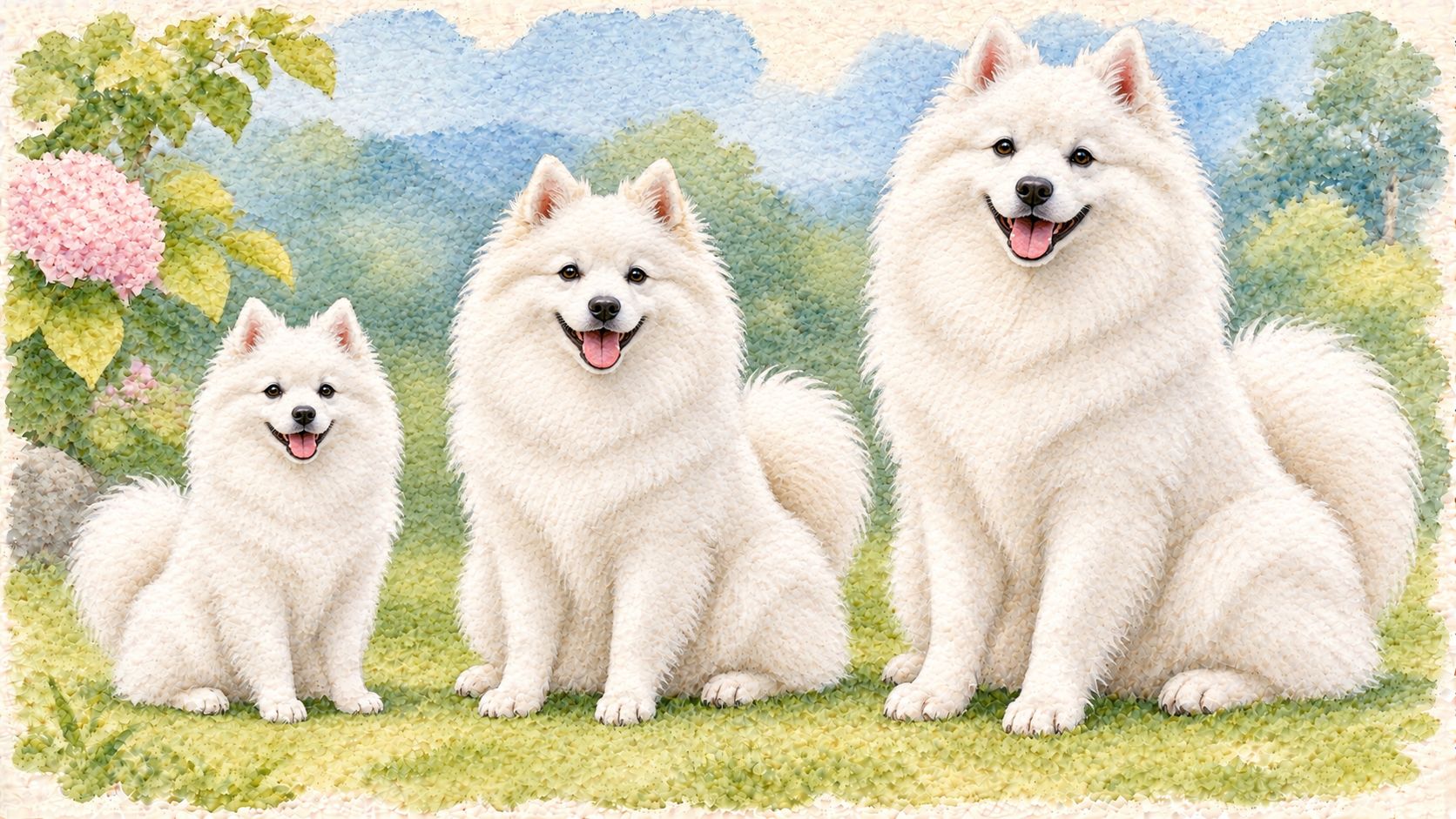
One of the most unusual things about the American Eskimo Dog is that it comes in three size varieties. All three share the same look and personality, but they fit very different lifestyles:
- Toy: About 9 to 12 inches (23 to 30 cm) tall at the shoulder and roughly 6 to 10 pounds (2.7 to 4.5 kg).
- Miniature: About 12 to 15 inches (30 to 38 cm) tall and roughly 10 to 20 pounds (4.5 to 9 kg).
- Standard: About 15 to 19 inches (38 to 48 cm) tall and roughly 25 to 35 pounds (11 to 16 kg), with some dogs reaching up to 40 pounds (18 kg).
Whatever its size, the Eskie is a compact, well-balanced dog that is slightly longer than it is tall. It has a softly wedge-shaped head, dark oval eyes, a black nose and black lips that together create its famous "Eskie smile." The small, triangular ears stand erect and alert, and the richly plumed tail is carried loosely over the back.
Coat and Colors
The American Eskimo Dog wears a thick double coat. The undercoat is short, soft and dense, while the outer coat is made of longer, straighter guard hairs that stand slightly away from the body. Around the neck and chest, the hair forms a lion-like ruff, which is usually fuller in males than in females. The backs of the legs are feathered, and the tail is covered in long, flowing hair.
Accepted colors are white, or white with biscuit cream. That bright white coat, set off by the black eye rims, nose and lips, is what gives the breed its striking, snow-dog appearance.
American Eskimo Dog Temperament and Personality
The Eskie is often described as a "dog's dog" with a "people's heart." It is bright, eager and full of personality. This breed is known for being:
- Intelligent: American Eskimo Dogs are quick learners that pick up new commands and tricks with ease.
- Playful: They have a lively, fun-loving spirit and enjoy games, toys and interactive play well into adulthood.
- Affectionate: Eskies bond closely with their families and want to be included in daily activities.
- Alert: With a long history as watchdogs, they notice everything and will quickly announce visitors.
- Reserved with strangers: Many Eskies are cautious or skeptical around new people until they get to know them.
Because they are so attached to their people, American Eskimo Dogs do not enjoy being left alone for long periods. A bored or lonely Eskie may turn to barking, digging or chewing to entertain itself. This breed is happiest in a home where someone is around much of the day and where it gets plenty of attention and activity.
Is the American Eskimo Dog Good With Kids and Other Pets?
The American Eskimo Dog can be a wonderful family pet. Miniature and Standard Eskies are generally sturdy enough to play with respectful children, and their playful nature makes them fun companions for active kids. The Toy variety is more delicate and is better suited to homes with older children who know how to handle a small dog gently. As with any breed, supervise interactions and teach children how to treat dogs kindly.
Eskies usually get along well with other dogs and can live peacefully with cats, especially when raised with them. Their natural wariness of strangers means that early socialization is essential. Introduce your American Eskimo puppy to many different people, animals, places and sounds so it grows into a confident, friendly adult rather than a shy or overly suspicious one.
Training an American Eskimo Dog
Intelligence and a desire to please make the Eskie one of the more trainable companion breeds. That same intelligence, however, means it can get bored with repetitive drills or try to outsmart an inconsistent owner. Positive reinforcement with praise, play and small treats works best. Harsh methods can damage the trust of this sensitive breed.
Here are a few training tips for American Eskimo Dog owners:
- Start early. Begin basic manners, house-training and socialization the day your puppy comes home.
- Keep it fun and varied. Mix up commands, games and tricks to keep your Eskie's busy mind engaged.
- Teach a "quiet" cue. Eskies are vocal watchdogs, so rewarding calm behavior early helps prevent excessive barking.
- Build confidence with strangers. Reward calm, polite greetings with new people to soften the breed's natural reserve.
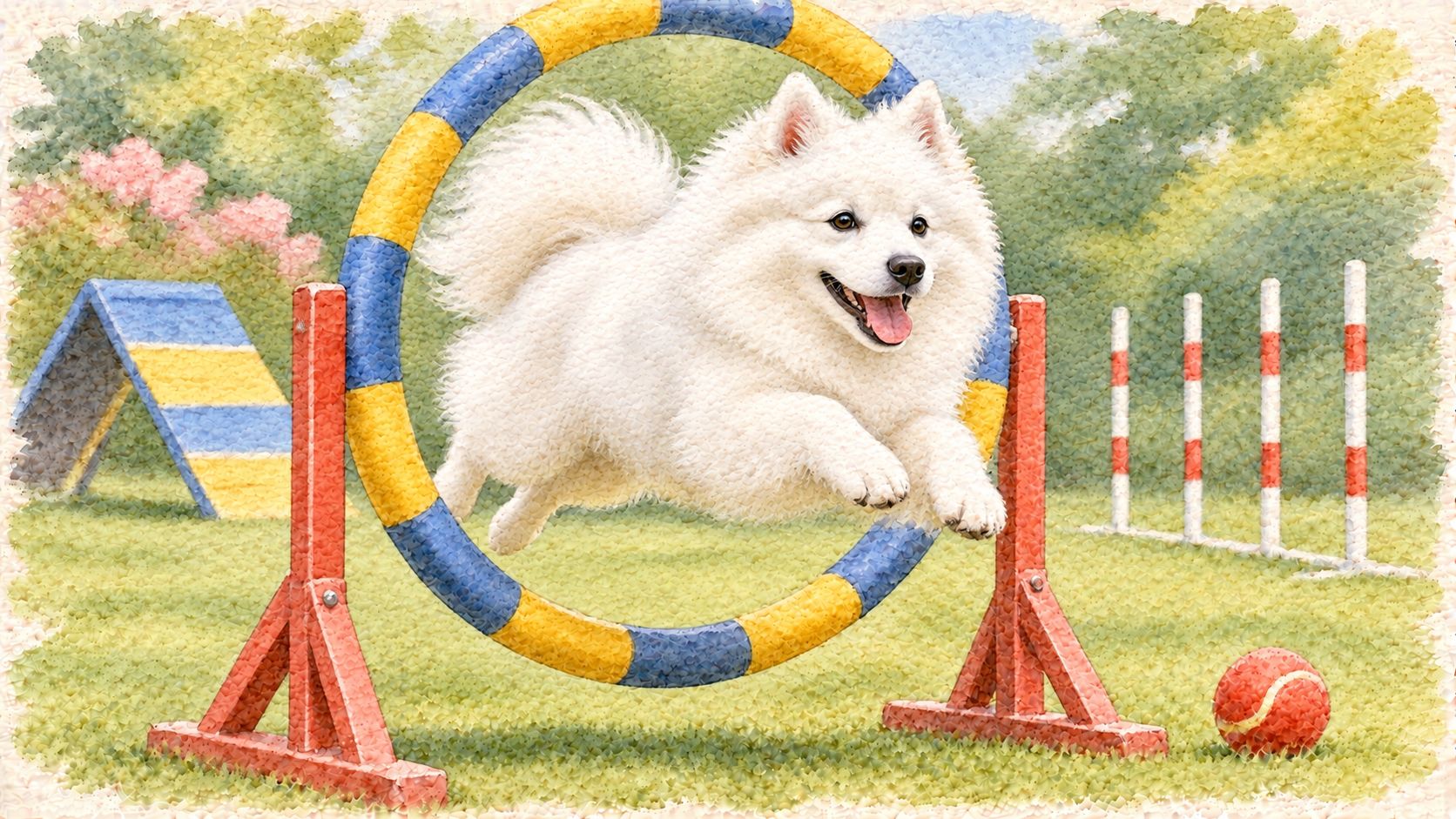
- Try dog sports. Eskies often excel in obedience, agility, trick training and conformation, and many enjoy the challenge.
Exercise Needs
The American Eskimo Dog has a moderate to fairly high energy level for a companion breed. Most adults do well with at least 30 minutes to an hour of activity each day, split between brisk walks, games of fetch and active play. Standard Eskies generally need a bit more exercise than Toys, but all three varieties benefit from daily outings.
Mental exercise matters just as much as physical activity. Puzzle toys, scent games, new tricks and short training sessions help satisfy the Eskie's clever mind and reduce boredom-related behaviors.
Thanks to their thick coats, Eskies tend to love cool weather and often enjoy romping in the snow. In hot weather, plan walks for the cooler parts of the day, provide shade and fresh water, and never leave your dog in a parked car. Always use a leash or a securely fenced yard, as Eskies are curious and may wander off to investigate.
Grooming an American Eskimo Dog
That gorgeous white coat comes with a responsibility: the American Eskimo Dog is a heavy shedder. It sheds moderately throughout the year and usually "blows" its undercoat once or twice a year, when shedding becomes much heavier for a few weeks. Expect to find white hair on your clothes and furniture, and plan your grooming routine accordingly. Because of this shedding, the breed is not usually considered a good fit for people with dog allergies.
The good news is that the Eskie's coat is naturally fairly resistant to dirt and doesn't usually carry a strong doggy odor. With regular care, it stays clean and bright.
Grooming Routine
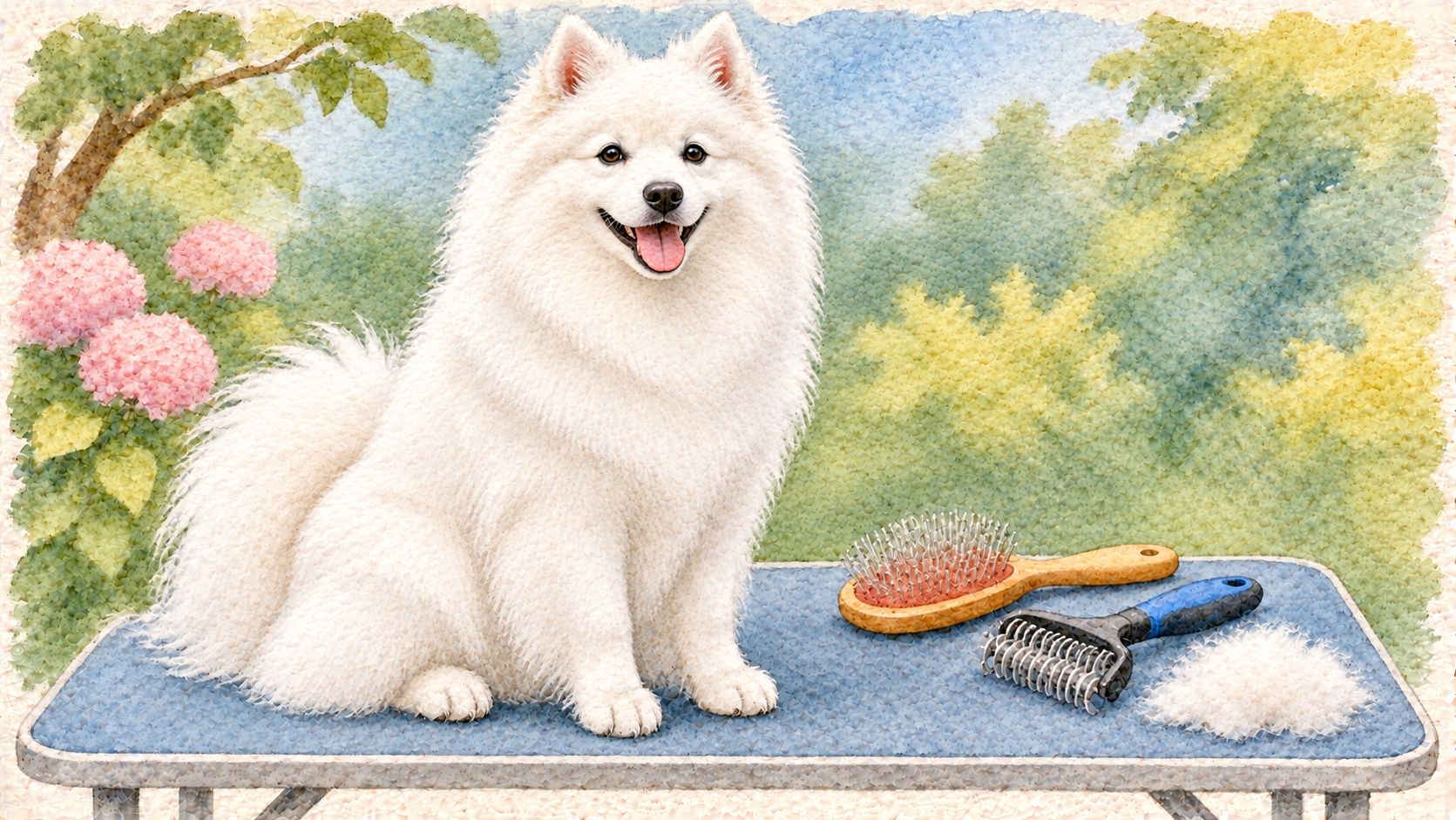
- Brushing: Brush the coat at least once or twice a week with a pin brush and undercoat rake, and daily during heavy shedding seasons.
- Bathing: Bathe only as needed, since frequent baths can strip natural oils from the coat. A whitening shampoo can help keep the coat bright.
- No shaving: The double coat helps protect the dog from both cold and heat, so it should be brushed out rather than shaved.
- Nails: Trim nails every few weeks, or whenever you hear them clicking on the floor.
- Teeth: Brush your dog's teeth several times a week to support good dental health, which is especially important for the smaller varieties.
- Ears and eyes: Check ears weekly for dirt or redness, and gently wipe away any tear staining around the eyes, which shows easily on a white coat.
American Eskimo Dog Health and Lifespan
The American Eskimo Dog is generally a healthy and long-lived breed, with a typical life expectancy of about 13 to 15 years. Like all breeds, it can be prone to certain conditions. Responsible breeders screen their dogs for common concerns, which may include:
- Hip dysplasia: An abnormal formation of the hip joint that can lead to stiffness or discomfort.
- Luxating patella: A condition in which the kneecap slips out of place, seen more often in smaller dogs.
- Progressive retinal atrophy (PRA): An inherited eye condition that affects the retina over time. DNA testing is available.
- Other eye problems: Regular eye checks help catch issues such as cataracts early.
The Eskie can also gain weight if it is overfed or under-exercised. Keeping your dog lean helps protect its joints and supports overall health. Always work with your veterinarian to set up a routine of checkups, vaccinations and preventive care.
Feeding and Nutrition
Because the American Eskimo Dog comes in three sizes, its nutritional needs can vary quite a bit. A Toy Eskie may do best on a high-quality food made for small breeds, with smaller kibble for a smaller mouth, while a Standard Eskie may do well on a food designed for medium-sized dogs.
Puppies should eat a food formulated for puppies to support healthy growth. Portion sizes depend on your dog's age, size and activity level, so follow the feeding guidelines on the food package and ask your veterinarian for advice. Eskies are smart and enthusiastic about food, which makes treats great for training, but treats should make up only a small part of daily calories to help prevent weight gain.
History of the American Eskimo Dog
The American Eskimo Dog's story begins with the white spitz dogs of Europe, especially the German Spitz. In the 1800s, German immigrants and other European settlers brought these fluffy white companions with them to the United States. The dogs settled into farms and communities across the country, working as watchdogs and family pets.
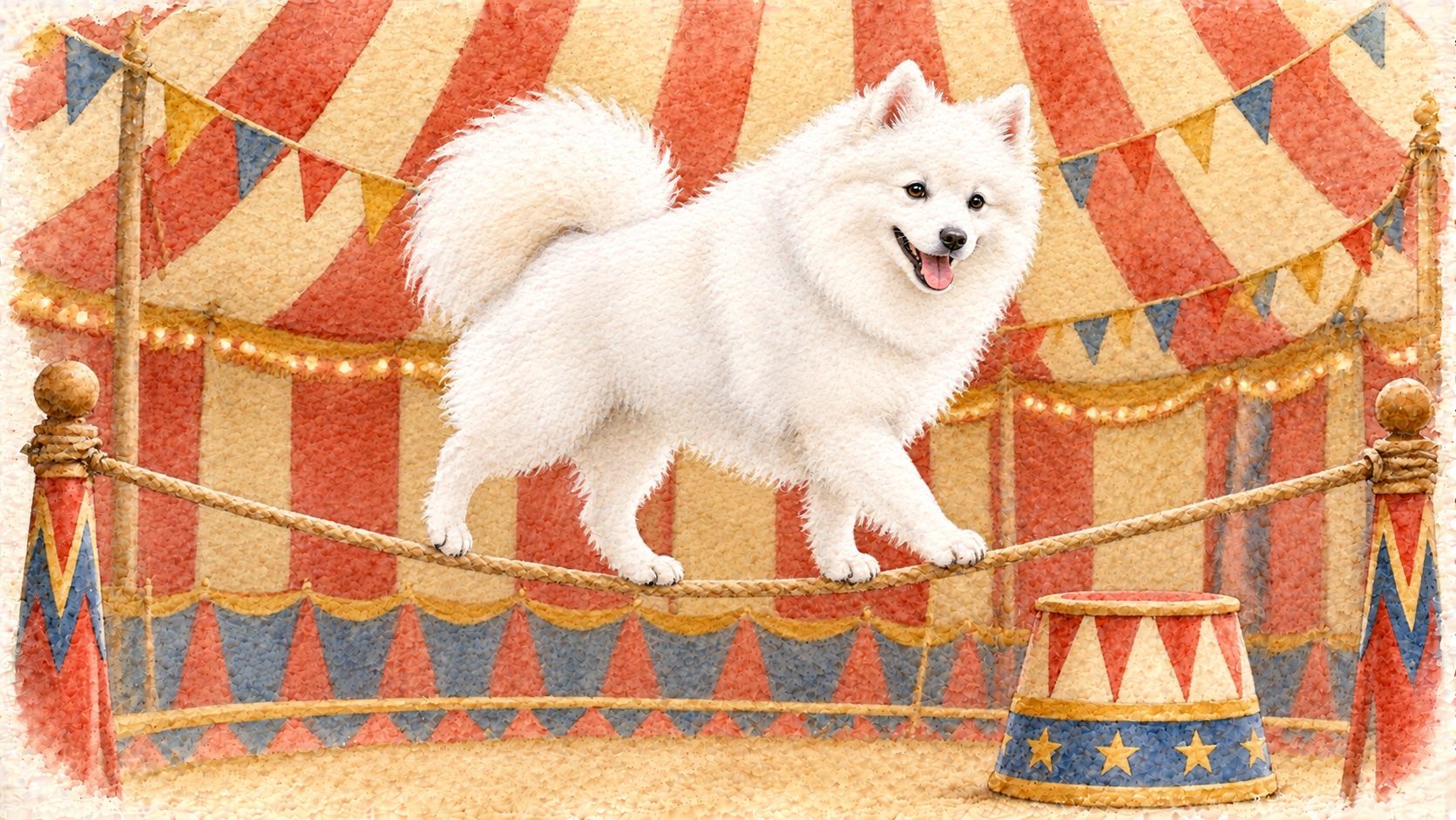
In the late 19th and early 20th centuries, the breed found fame under the big top. Traveling circuses loved the white spitz dogs for their striking looks, intelligence and talent for learning tricks. Eskies walked tightropes, jumped through hoops and performed for crowds across America. One famous performer, a dog named Stout's Pal Pierre, is often credited as the first dog to walk a tightrope. Many circuses sold puppies after shows, which helped spread the breed to families nationwide.
During and after World War I, anti-German feelings in the United States led owners to rename the breed. The "American Eskimo" name became popular, and it stuck, even though the breed has no link to the Arctic or its peoples. The United Kennel Club recognized the breed under its new name in the early 20th century, and the American Kennel Club officially recognized the American Eskimo Dog in 1995, placing it in the Non-Sporting Group.
The Eskie is closely related to other European spitz breeds, including the German Spitz, the Keeshond, the Pomeranian and the Volpino Italiano. Today it remains a popular companion, valued for its brains, beauty and affectionate nature.
Is an American Eskimo Dog Right for You?
An American Eskimo Dog could be a wonderful match if you:
- Want a smart, playful and affectionate companion
- Like the idea of choosing from Toy, Miniature or Standard sizes
- Can provide daily exercise, play and mental stimulation
- Enjoy training and perhaps trying dog sports or tricks
- Are home much of the day or can include your dog in family activities
- Don't mind regular brushing and some white hair around the house
An American Eskimo Dog may not be the best fit if you:
- Have dog allergies or want a low-shedding breed
- Are away from home for long hours most days
- Need a very quiet dog, since Eskies like to bark at visitors and noises
- Prefer a dog that is instantly friendly with every stranger
Finding an American Eskimo Dog Puppy
When looking for an American Eskimo Dog puppy, choose a reputable breeder who health-tests parent dogs, raises puppies in a home environment and welcomes your questions. Ask which size variety the puppy is expected to be as an adult. You can also check with breed clubs and rescue groups, as adult Eskies sometimes need loving new homes.
Fun Facts About the American Eskimo Dog
- The breed's popular nickname is the "Eskie."
- Despite its name, the American Eskimo Dog descends from European spitz dogs, not Arctic sled dogs.
- The breed comes in three sizes: Toy, Miniature and Standard.
- Eskies were star performers in American circuses in the late 1800s and early 1900s.
- An Eskie named Stout's Pal Pierre is often credited as the first dog to walk a tightrope.
- The breed was renamed "American Eskimo" during the World War I era to move away from its German name.
Frequently Asked Questions
Is the American Eskimo Dog related to Arctic sled dogs?
No. Despite its name, the breed descends from European spitz dogs, especially the German Spitz. The "American Eskimo" name was adopted in the World War I era to replace its German-sounding name.
How big do American Eskimo Dogs get?
It depends on the variety. Toys stand about 9 to 12 inches tall, Miniatures about 12 to 15 inches and Standards about 15 to 19 inches. Adult weight ranges from roughly 6 pounds for a small Toy to around 35 to 40 pounds for a large Standard.
Do American Eskimo Dogs shed a lot?
Yes. The Eskie has a thick double coat that sheds year-round and more heavily once or twice a year. Regular brushing helps manage loose hair, but this breed is not considered hypoallergenic.
Are American Eskimo Dogs good family dogs?
They can be excellent family pets for active households that give them plenty of attention. Miniature and Standard Eskies often do well with respectful children, while Toys are better with older kids who handle them gently.
How long do American Eskimo Dogs live?
The average American Eskimo Dog lifespan is about 13 to 15 years with good care, a healthy diet and regular veterinary checkups.
Do American Eskimo Dogs bark a lot?
Eskies are alert watchdogs and can be quite vocal. Early training, plenty of exercise and mental stimulation can help keep barking at a manageable level.
Final Thoughts
The American Eskimo Dog combines snowy good looks with a bright mind and a big, loving heart. Whether you choose a Toy, Miniature or Standard, you will get a playful, loyal and clever companion with a fascinating history. If you can offer daily activity, positive training, regular brushing and lots of time together, an Eskie may become the sparkling star of your household.