
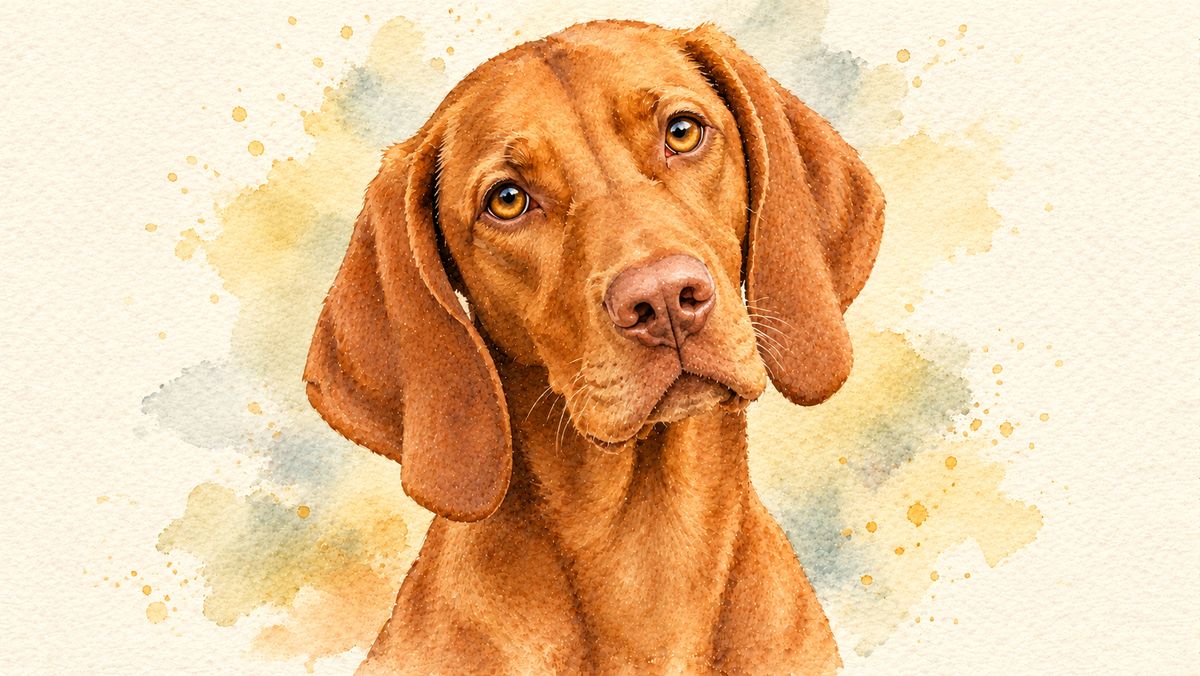
The Vizsla is a sleek, golden-rust hunting dog from Hungary, admired for its athletic grace, gentle manners and deep devotion to its people. With its lean build, soulful eyes and coat the color of autumn leaves, it is one of the most striking dogs in the sporting world.
These dogs are famous for wanting to be right by your side, so much so that fans call them "Velcro dogs." They are affectionate, sensitive and full of energy, making them wonderful partners for active owners. In this complete Vizsla dog breed guide, you will learn about its size, temperament, training, exercise needs, grooming, health, diet and fascinating history, so you can decide whether this loyal companion is right for you.
Vizsla at a Glance
| Trait | Details |
|---|---|
| Breed group | Sporting (AKC) |
| Height | Males 22 to 24 inches (56 to 61 cm); females 21 to 23 inches (53 to 58 cm) |
| Weight | Males 55 to 60 pounds (25 to 27 kg); females 44 to 55 pounds (20 to 25 kg) |
| Life expectancy | 12 to 14 years |
| Coat | Short, smooth, dense; no undercoat |
| Colors | Golden rust in varying shades |
| Shedding | Light to moderate; seasonal |
| Energy level | High |
| Temperament | Gentle, affectionate, sensitive, energetic, loyal |
| Good for | Active families, runners, hunters, homes with yards |
| Origin | Hungary |
What Is a Vizsla?
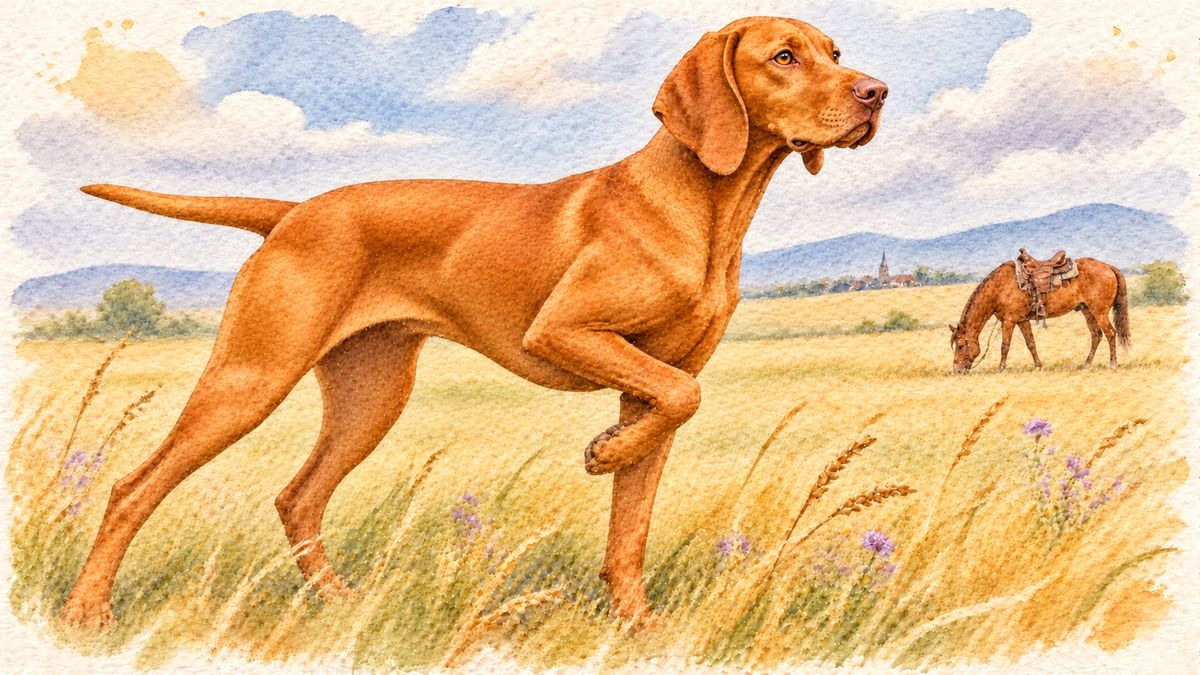
The Vizsla is a versatile hunting dog that points and retrieves game. It was developed in Hungary to work closely with hunters on foot or horseback, finding birds and other game across open plains and fields. The breed is sometimes called the Hungarian Pointer or Hungarian Vizsla.
Today the breed is a member of the American Kennel Club's Sporting Group. While many still hunt, others shine in agility, obedience, rally, field trials and dock diving, or simply as loving family companions. A separate breed, the Wirehaired Vizsla, shares the same roots but has a wiry coat.
How Big Do Vizslas Get?
They are medium-sized dogs. Males stand 22 to 24 inches (56 to 61 cm) at the shoulder and usually weigh 55 to 60 pounds (25 to 27 kg). Females stand 21 to 23 inches (53 to 58 cm) and weigh about 44 to 55 pounds (20 to 25 kg).
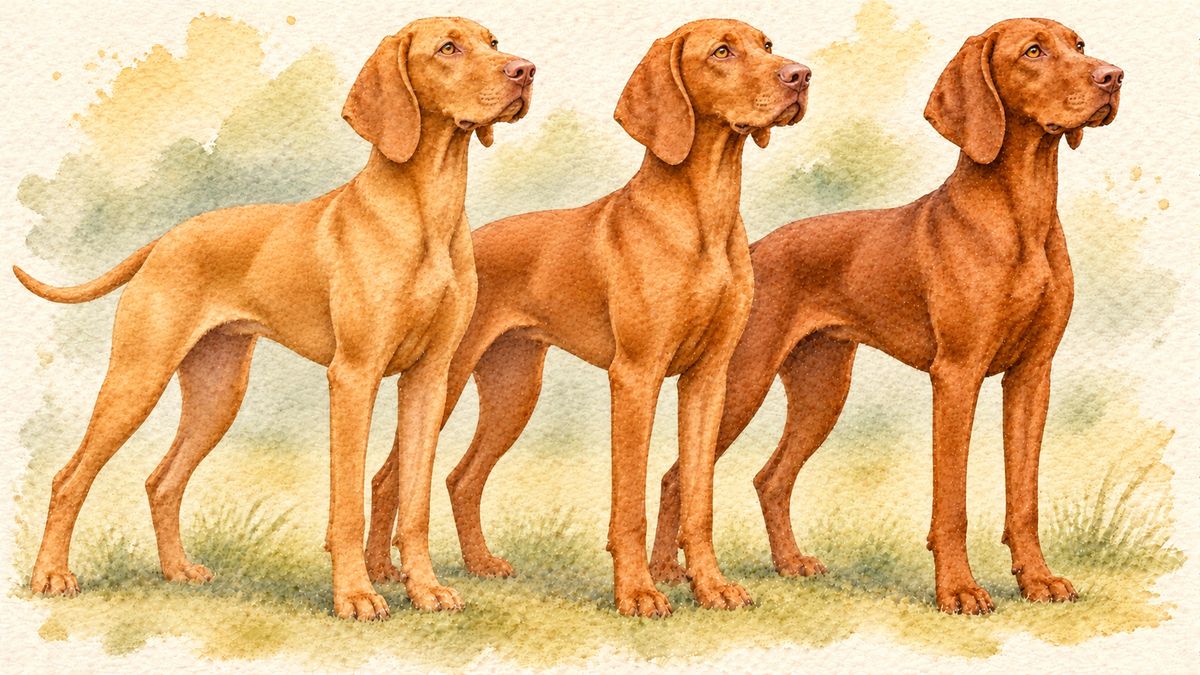
The build is lean, muscular and elegant, made for speed and endurance. The breed has a refined head, long silky drop ears and an intelligent, gentle expression. One distinctive trait is that the eyes, eye rims, lips, nose, nails and paw pads all blend with the coat color, giving the dog a harmonious, all-over golden look.
Vizsla Coat and Colors
The breed has a short, smooth and dense coat that lies close to the body. It has no undercoat, which keeps grooming easy but means the dog feels the cold more than many breeds.
The only accepted color is golden rust, which can range from lighter golden shades to deeper russet tones. Lighter shading over the sides of the neck and shoulders is common, and small white markings on the chest or toes may be allowed. A black or brown nose is not typical, since the nose should match the coat.
Vizsla Temperament and Personality
The Vizsla temperament is gentle, loving and eager to please. Owners often describe these dogs as:
- Affectionate: They form strong bonds with their people and love physical closeness, from leaning against your legs to curling up beside you.
- Velcro-like: They want to follow you everywhere, which is charming but also means they dislike being left alone.
- Sensitive: They respond best to gentle handling and can become worried or withdrawn with harsh treatment.
- Energetic: These are athletic dogs that need plenty of daily activity.
- Intelligent: They learn quickly and enjoy having a job to do.
- Alert: Many will let you know when someone approaches, making them decent watchdogs, though they are rarely aggressive.
Because of their deep attachment, these dogs can develop separation anxiety if they spend long hours alone. They thrive in homes where someone is around often or where they can join in daily activities.
Are Vizslas Good Family Dogs?
Yes, they are often excellent family dogs for active households. They are affectionate and gentle and usually get along well with children. Because they are energetic and bouncy, especially as young dogs, supervise play with toddlers.
Vizslas and Other Pets
Most get along well with other dogs and often enjoy having a canine playmate. They can live with cats, especially if raised with them, but their hunting instincts may make them chase birds, squirrels and other small animals.
Training a Vizsla
These dogs are smart, eager to please and highly trainable, but their sensitivity means training must be kind and consistent. Harsh words or corrections can damage their confidence.
Here are some training tips for new owners:
- Start early. Begin socialization and basic manners as soon as your puppy comes home.
- Use positive reinforcement. Praise, treats and play keep this sensitive dog motivated.
- Combine body and brain work. Training sessions after exercise help your dog focus.
- Teach calm behavior. Reward settling on a mat or bed so your dog learns to relax indoors.
- Build alone-time slowly. Gradually practice short separations to prevent separation anxiety.
- Try dog sports. Agility, obedience, rally, tracking and field work are great outlets.

Exercise Needs
The Vizsla is a high-energy breed that needs a lot of daily exercise. Plan for at least 30 minutes of vigorous activity every day, and ideally much more, plus training and mental challenges. Running, hiking, swimming, fetch and off-leash play in a safe, fenced area are all excellent choices.
They make wonderful jogging and cycling partners once fully grown. However, young dogs should not run long distances until their bones and joints have finished developing, usually around 18 to 24 months of age. Ask your veterinarian when it is safe to start.
A dog that does not get enough exercise may become restless, destructive or overly clingy. Because the coat has no undercoat, consider a dog jacket for cold weather, and provide shade and water on hot days.
Vizsla Grooming
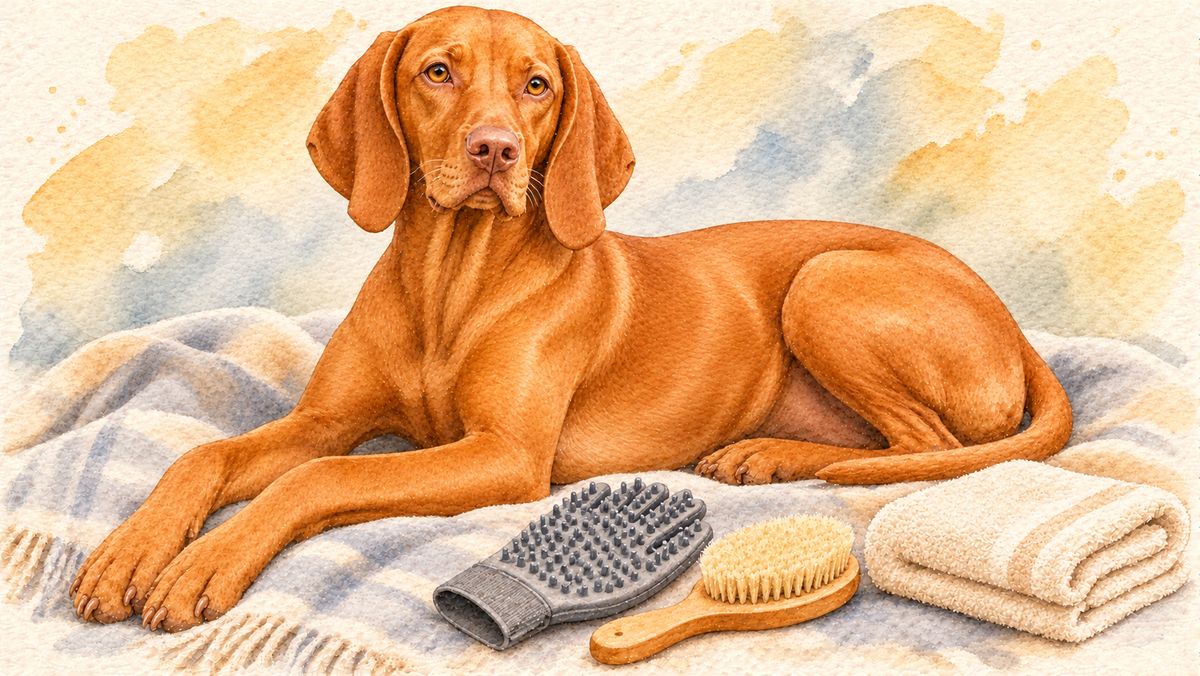
Grooming is easy. The short, smooth coat needs only occasional brushing, and the breed has very little "doggy" odor.
Do Vizslas Shed?
Yes, they shed, mostly seasonally. Because there is no undercoat, shedding is usually light to moderate, and occasional brushing keeps it under control. They are not considered hypoallergenic.
Grooming Routine
- Brushing: Brush once a week with a soft bristle brush or rubber grooming mitt.
- Bathing: Bathe only when your dog is especially dirty, using lukewarm water and a gentle dog shampoo.
- Ears: Check and clean the drop ears weekly, especially after swimming.
- Nails: Trim nails every few weeks to keep feet comfortable.
- Teeth: Brush teeth several times a week or offer dental chews.
- Skin: Check the thin coat for scratches, bumps or irritation after outdoor adventures.
Vizsla Health and Lifespan
The Vizsla is generally a healthy breed with a typical lifespan of 12 to 14 years. Responsible breeders screen their dogs for conditions that can affect the breed, including:
- Hip dysplasia: An abnormal formation of the hip joint.
- Epilepsy: A seizure disorder seen in some lines.
- Eye disorders: Regular eye exams help catch issues early.
- Allergies: Some dogs experience seasonal or skin allergies.
- Ear infections: Drop ears can trap moisture, especially in dogs that swim.
Keep your dog at a healthy weight, provide regular exercise and stay up to date with checkups. Always work with your veterinarian to set up a routine of vaccinations and preventive care.
Feeding and Nutrition
As an athletic breed, it does well on a high-quality food that supports an active lifestyle. Many active adults benefit from a high-protein formula designed for energetic dogs, while a weight-management formula can help if your dog tends to gain weight.
Puppies should eat a puppy formula during their first year to support healthy growth. Portion sizes depend on age, weight and activity level, so follow the feeding guidelines on the package and ask your veterinarian. Treats are useful for training but should make up only a small part of daily calories.
History of the Vizsla
The Vizsla's story begins more than a thousand years ago with the Magyar people, who moved from the steppes of Eastern Europe and settled in what is now Hungary in the late 800s. The Magyars were famous horsemen, and they valued hunting dogs that could keep pace with their swift horses.
Over the following centuries, Hungarian nobles and warlords refined these red-coated hunting dogs, selecting for speed, stamina, a keen nose and a cooperative nature. The result was a versatile hunting partner that could point, track and retrieve.
The breed faced serious challenges. By the late 19th century, numbers had fallen dramatically, and only a small number of purebred dogs were said to remain. Dedicated breeders brought it back, only for the upheaval of the World Wars to threaten it again.
According to breed history, the first Vizsla to reach the United States was smuggled out of Communist Hungary around 1950. The breed grew in popularity, and the American Kennel Club recognized it in 1960. Decades later, a Vizsla named Chartay made history as the first dog to earn AKC championships in five different sports.
Living With a Vizsla
Life with this breed is active, affectionate and rarely boring. Expect a shadow that follows you from the kitchen to the couch and back again, and a dog that wants to be included in walks, errands and family outings whenever possible.
Indoors, a well-exercised adult is usually calm and gentle, happy to snuggle under a blanket beside you. The key word is "well-exercised." Without enough activity, the same dog can become restless, vocal or mischievous. Many owners find that a morning run and an evening play session, plus short training games during the day, create a happy routine.
Because the coat is so short, these dogs appreciate soft bedding and a warm spot in winter. Many happily burrow under covers. In summer, they love swimming, which is a great low-impact way to burn energy.
Vizsla vs Weimaraner
People often compare the Vizsla with the Weimaraner because both are sleek, short-coated hunting dogs. The Vizsla is usually smaller and lighter, with a golden-rust coat and a softer, more sensitive nature. The Weimaraner is larger, with a distinctive silver-gray coat, and can be more strong-willed. Both breeds need lots of exercise and dislike being left alone.
Is a Vizsla Right for You?
A Vizsla could be a wonderful match if you:
- Lead an active lifestyle and enjoy running, hiking or outdoor sports
- Want a deeply affectionate dog that loves to be close to you
- Are home often or can include your dog in daily life
- Prefer a short coat that is easy to groom
- Enjoy training and dog sports
This breed may not be the best fit if you:
- Work long hours away from home
- Want a calm, low-energy companion
- Live in a small apartment without access to exercise space
- Prefer an independent dog that is happy on its own
Finding a Vizsla Puppy
When looking for a Vizsla puppy, choose a breeder who health-tests their dogs, raises puppies in a home environment and asks about your lifestyle. Meeting the puppy's parents can give you a good sense of temperament. Breed clubs and Vizsla rescue groups are also excellent resources for finding adult dogs that need loving homes.
Fun Facts About the Vizsla
- The Vizsla is often called a "Velcro dog" because it sticks close to its owner.
- It is also known as the Hungarian Pointer.
- A Vizsla's eyes, nose and nails should blend with its golden-rust coat.
- The breed nearly disappeared in the late 1800s.
- The AKC recognized the Vizsla in 1960.
- A Vizsla named Chartay was the first dog to win AKC championships in five different sports.
Frequently Asked Questions
How big do Vizslas get?
Males usually stand 22 to 24 inches tall and weigh 55 to 60 pounds, while females stand 21 to 23 inches and weigh 44 to 55 pounds.
Are Vizslas good family dogs?
Yes. They are affectionate, gentle and usually great with children, but they need an active family that can provide plenty of exercise and companionship.
How long do Vizslas live?
The typical lifespan is 12 to 14 years with good care, a healthy diet and regular veterinary checkups.
Do Vizslas shed a lot?
They shed lightly to moderately, mostly seasonally. With no undercoat, occasional brushing is usually enough to manage loose hair.
Why are Vizslas called Velcro dogs?
They love being close to their people and often follow them from room to room. This devotion is charming, but it also means they dislike being left alone.
Can a Vizsla live in an apartment?
It is possible if the dog gets plenty of daily exercise and company, but a home with a secure yard and an active owner is usually a better fit.
Final Thoughts
The Vizsla is a beautiful blend of athletic hunter and devoted companion. Its golden-rust coat, gentle heart and boundless energy make it a joy for active people who want a dog by their side. If you can offer daily exercise, kind training and plenty of time together, a Vizsla may become the most loyal friend you have ever had.